Cabinet declares 16 December a holiday for Queen Sirikit's royal cremation at Sanam Luang
Government offices close on 16 December 2026 as five days of ceremonies for Queen Sirikit, the Queen Mother, are held in the Grand Palace area.
Read more
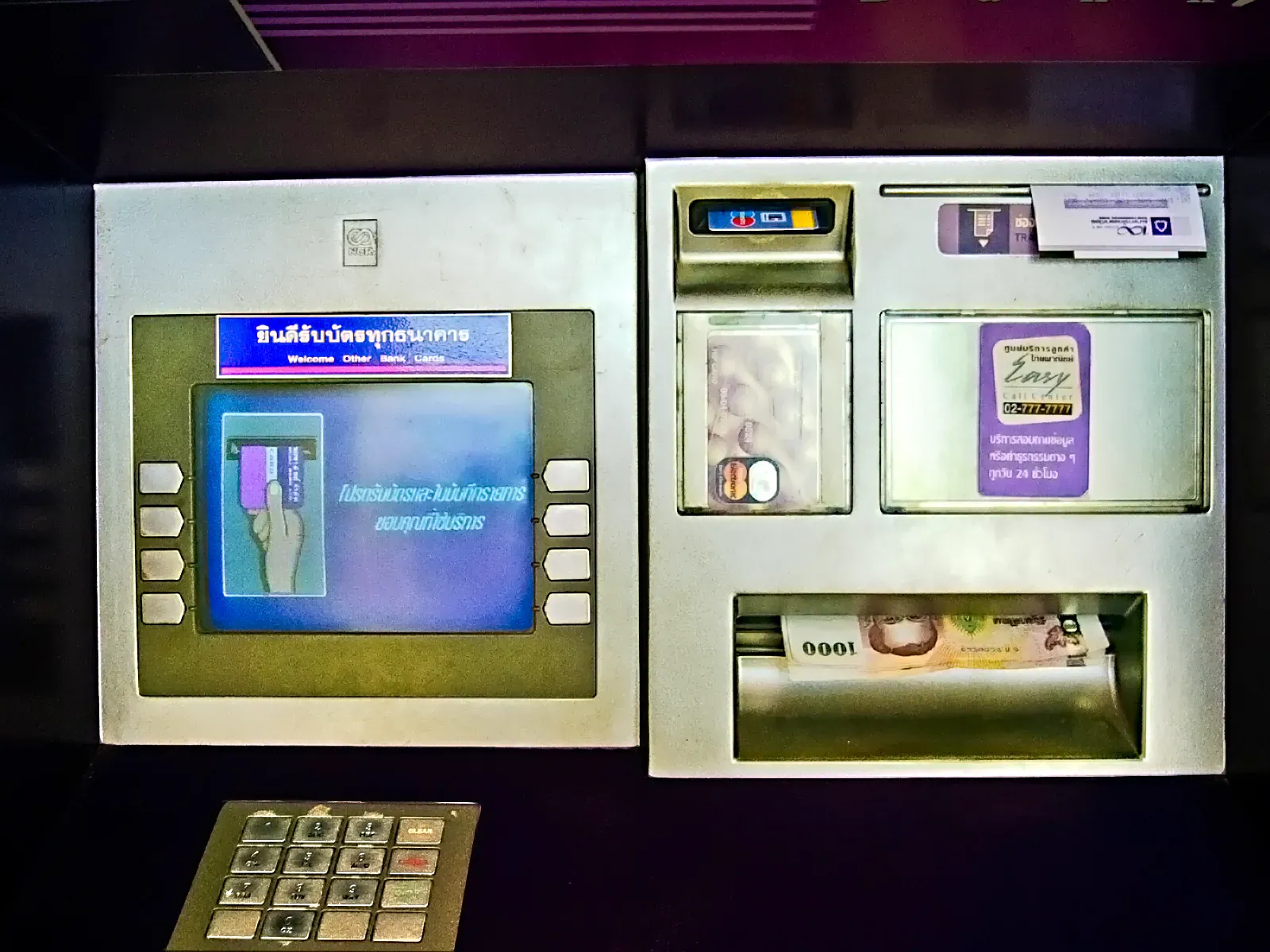
Most refused or complicated Thai visa extensions trace back to five recurring mistakes: bank funds that were not “seasoned” long enough, a missing TM30, a forgotten re-entry permit, an overstay nobody flagged in time, or simple in-person errors. None of these are about which visa category you hold. A retiree, a marriage-extension holder and a DTV long-stayer all trip over the same handful of traps.
Extensions based on retirement or marriage that use the funds route commonly require 800,000 THB (~23,000 USD, checked September 2026) held in a Thai bank account, seasoned for a period before filing and kept for a period after the extension is granted, after which a balance of at least 400,000 THB (~11,400 USD) must remain. Reported practice puts the pre-filing seasoning at around two months and the post-approval hold at around three, though an older three-month-before-filing reading still circulates, so building in extra buffer beyond the stated minimum is commonly advised. See Thailand’s retirement visa guide for how this figure fits into the wider Non-O and Non-O-A picture, including the higher thresholds on the 10-year route.
“Every year some applicants are offered a shortcut: an agent who will ‘season’ a bank account, or lend a balance for the weeks the rule requires, or simply file paperwork that says the money was there.” (Forum-sourced description of the seasoning-rule trap, ask.in.th, 2025-26)
That shortcut is not a grey area. Faked seasoning is a false statement on an immigration application, and it carries real legal risk, not just a delay. The honest failure mode is more mundane: transferring the exact minimum days before an appointment, only for the bank’s own processing lag to shave a day or two off what the record shows. Deposit early, confirm the bank’s own statement reflects the full period, and treat the minimum as a floor, not a target. Related guides: guide to vetting visa agents in Bangkok.
TM30 is an address-notification duty that legally belongs to the landlord, hotel or condo juristic office, not the tenant, but a missing or stale one becomes the applicant’s problem the moment an extension appointment starts. Immigration commonly checks that a current TM30 is on file for the applicant’s address before processing an extension, and a gap can mean being sent away to sort it out, sometimes with a fine, before the actual extension business is even looked at. See 90-day reporting and TM30 for the full mechanics of who owes what.
The fix costs nothing but a phone call made early: confirm your TM30 is current for your registered address before you book the extension appointment, not after you are turned away at the counter. A registered address is also what underpins the yellow house book many long-stayers pick up separately; see the yellow house book and pink ID card, explained for how that address registration works alongside TM30, not instead of it.
A re-entry permit does not extend your stay. It preserves the extension you already hold while you leave and re-enter the country. Forget one before an international trip, and the extension is cancelled on departure, leaving you needing a fresh entry or visa rather than simply resuming where you left off, one of the most common and most avoidable mistakes on this list.
The second version of this mistake is subtler: buying a single re-entry permit, commonly cited around 1,000 THB (~29 USD, checked September 2026), when two trips are actually planned. A single permit covers one departure and return; a second trip on a permit meant for one cancels the extension exactly the way forgetting the permit entirely would. A multiple re-entry permit, commonly cited around 3,800 THB (~109 USD), covers repeat travel for as long as the extension itself remains valid.
| Situation | What happens | Fix |
|---|---|---|
| No re-entry permit before travel | Extension cancelled on departure | Buy one before every international trip, no exceptions |
| Single permit, two trips planned | Second departure cancels the extension | Buy multiple re-entry if more than one trip is possible |
| TM30 missing at appointment | Extension processing paused until resolved | Confirm TM30 is current before booking the appointment |
| Funds not seasoned long enough | Extension refused or delayed | Deposit early, confirm the bank statement shows the full period |
| Overstay discovered at the counter | Fine, and possible complications beyond a simple fine | Extend or leave before the stay actually expires |
Overstay starts the day after permitted stay expires, whichever basis granted it, and runs until departure or resolution with Immigration. Commonly cited penalties: a fine of 500 THB (~14 USD) per day, capped at 20,000 THB (~570 USD), reached at roughly 40 days. Paying on departure for an overstay under 90 days generally avoids a re-entry ban; beyond 90 days, the risk of detention, deportation and an entry ban rises sharply. None of that is worth testing over a date that was simply missed.
Beyond the big structural traps, a smaller set of in-person errors sends applicants home without being processed at all:
None of these are complicated to avoid. They are complicated to remember when an applicant is juggling five other requirements at once, which is exactly why they recur.
A refusal is not always final. Ask the officer directly what caused it and whether it can be corrected and resubmitted the same visit or a return visit. Missing TM30 or an incomplete form is often fixable within days. A seasoning-period shortfall usually means waiting out the remainder of the required period before reapplying. An overstay discovered mid-process is the most serious version and may require leaving the country to resolve, so address it the moment it becomes visible rather than letting a queue conversation be the first time it comes up. If the real issue is that your current category no longer fits your situation, converting to a different category may be the better fix than repeatedly patching the same extension; see renewing vs changing your Thai visa category for when that route works.
Last verified: September 2026.

Non-O, Non-O-A and Non-O-X compared: age, funds, mandatory insurance and the annual renewal cycle for…

How the Destination Thailand Visa works: who qualifies, what evidence embassies ask for, entries, extensions
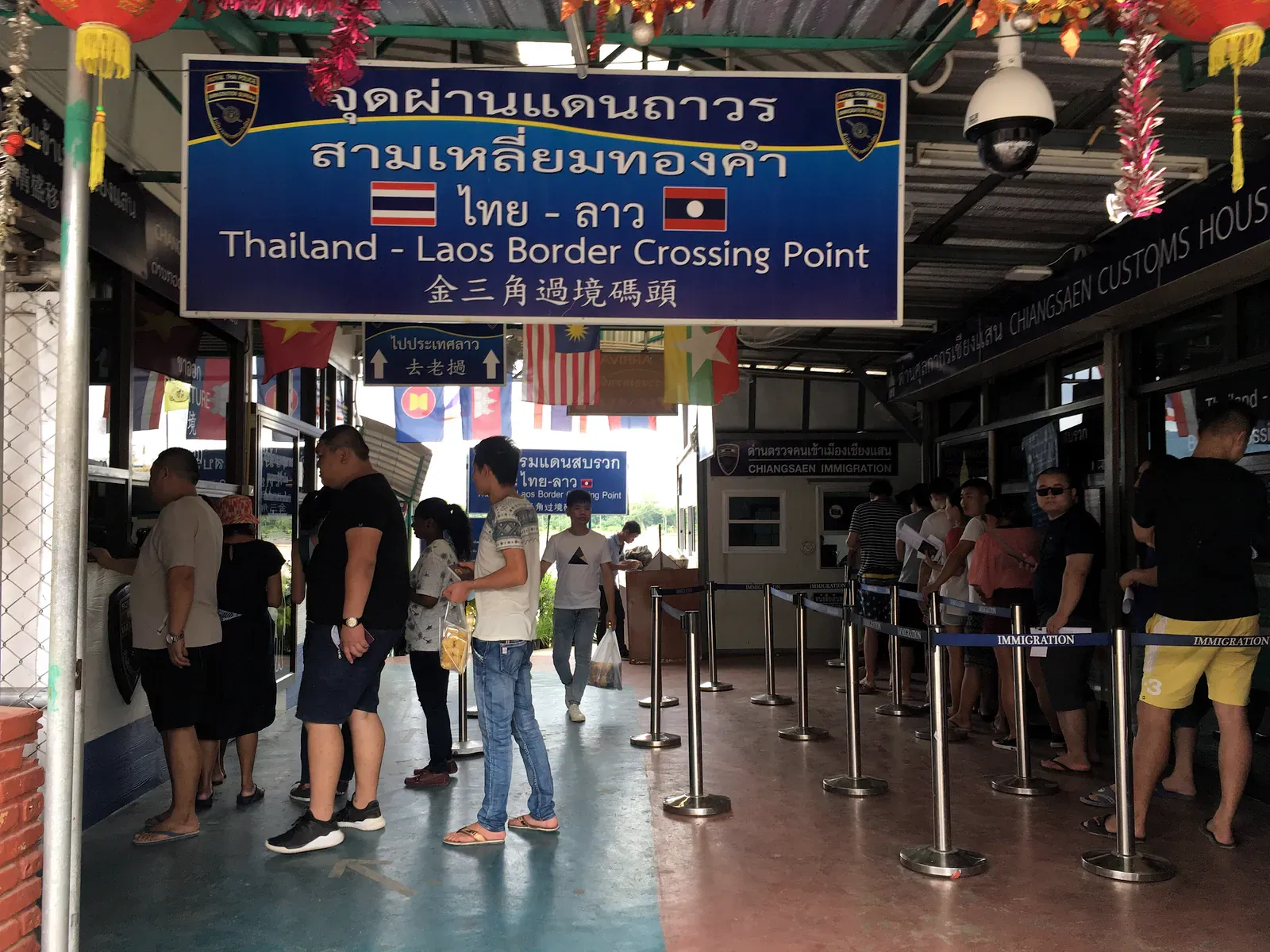
The difference between Thailand visa exemption on arrival and a tourist visa

SiamPic Hall, Siam Square One, Siam, Chitlom and Ploenchit, Bangkok

Phenix Pratunam, Pratunam, Bangkok
centralwOrld Square, Siam, Chitlom and Ploenchit, Bangkok
No events listed for today.
All events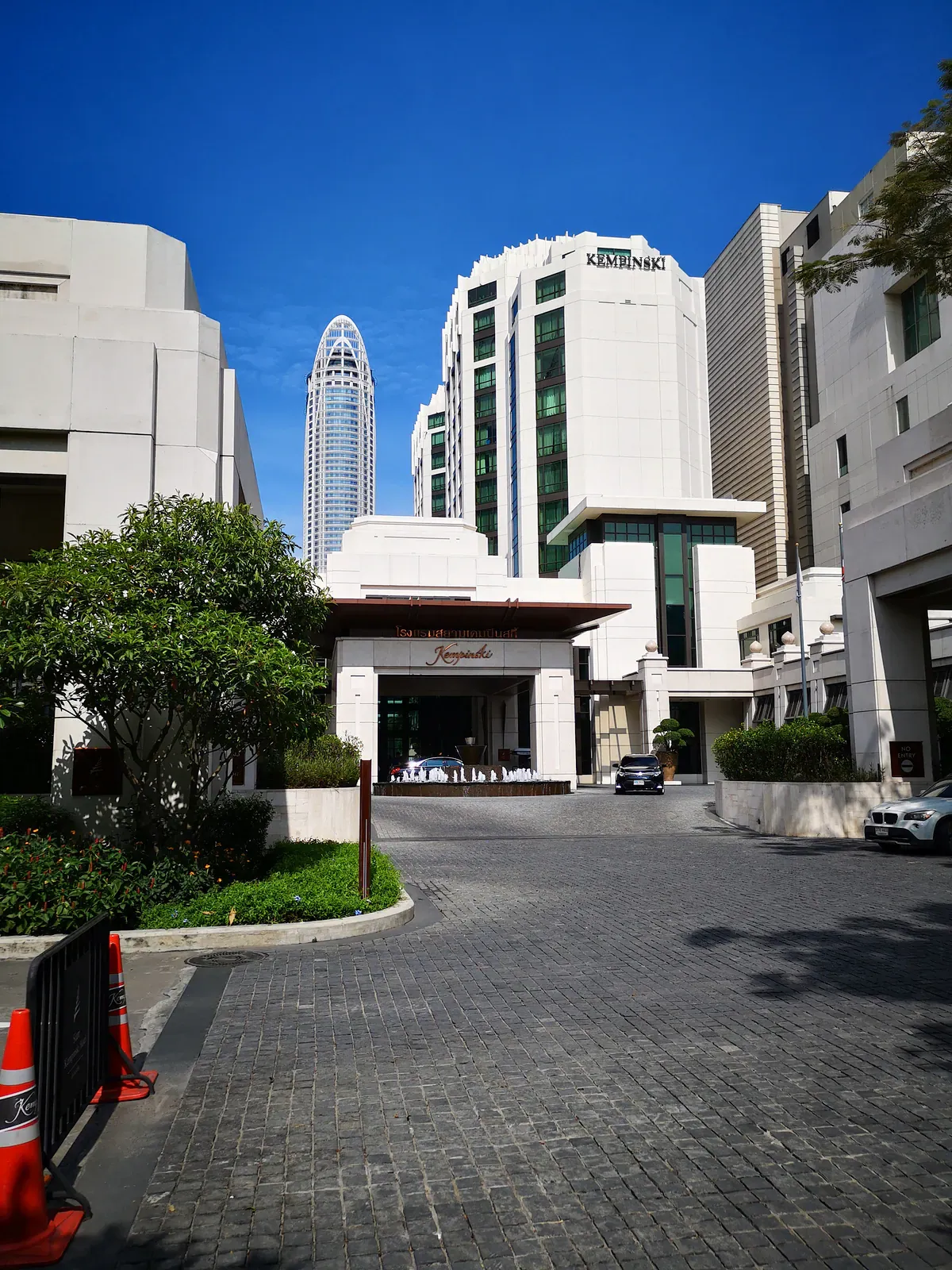
5-star hotel
Siam, Chitlom and Ploenchit
5-star hotel
Sukhumvit: Nana and AsokYou're subscribed as