Living
Renting Near an International School in Bangkok
A family relocation guide to renting near an international school in Bangkok: school clusters, mid-year enrolment, and lease timing that actually fits.
On this page
The real problem when renting near a Bangkok international school is almost never which building is closest. It’s timing: a school year that starts in August, a relocation that lands in October, and a landlord who wants a clean twelve-month lease starting today. Get the timing wrong and you’re either paying for an empty unit for weeks or signing a lease that runs well past the point you might actually need it.
This guide works through that problem properly: where the main school clusters sit and which lines serve them, why mid-year enrolment is so common, the lease clauses worth asking for when your start date doesn’t fit the academic calendar, and a worked budget scenario so the numbers are concrete rather than abstract.
The school clusters, and the lines that actually serve them
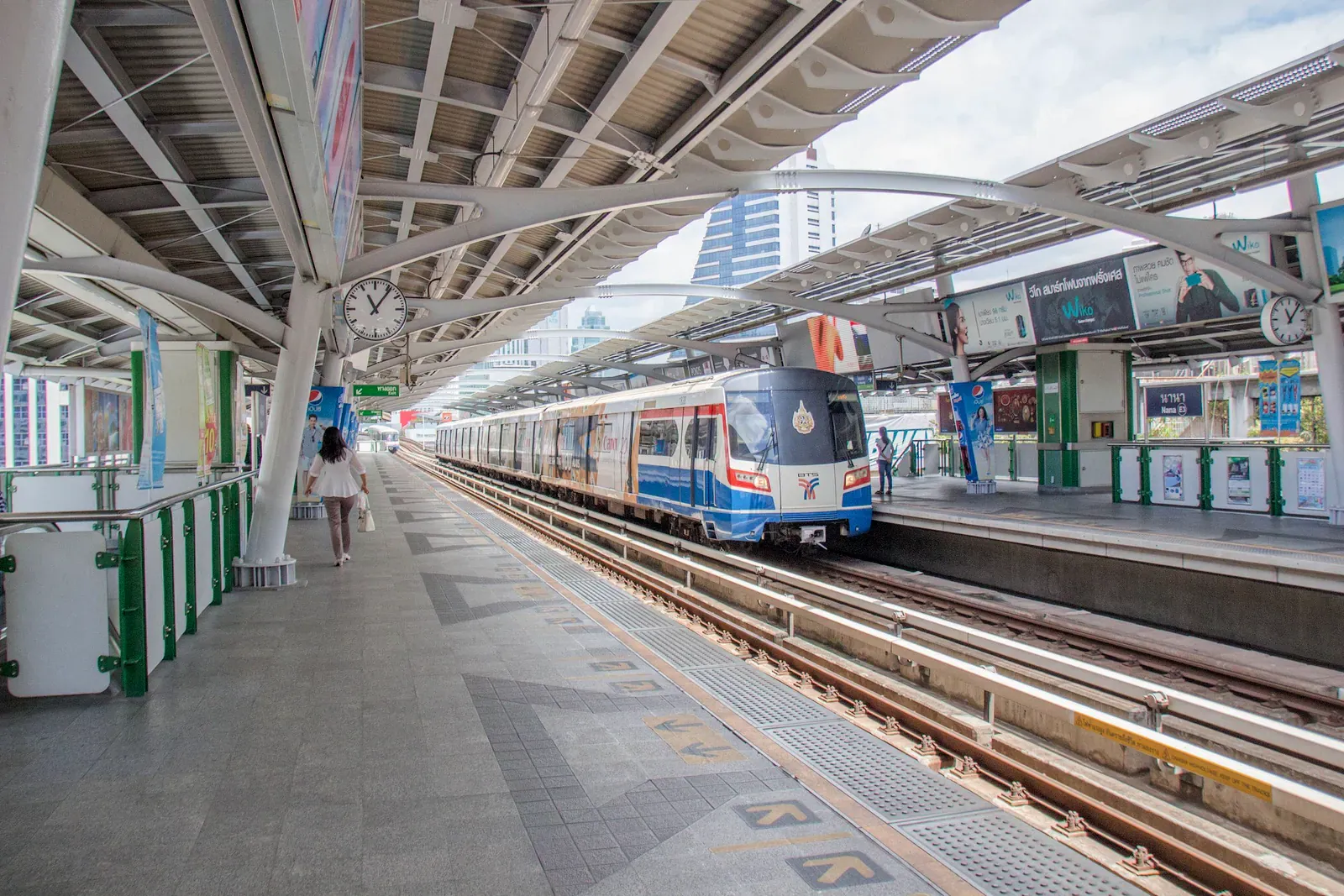
Bangkok’s international schools cluster into a handful of areas rather than spreading evenly across the city, and each cluster sits on a different line. Picking a cluster first, then a line, then a condo, is a more useful order than starting with a specific building.
| Cluster | Schools in the area | Line |
|---|---|---|
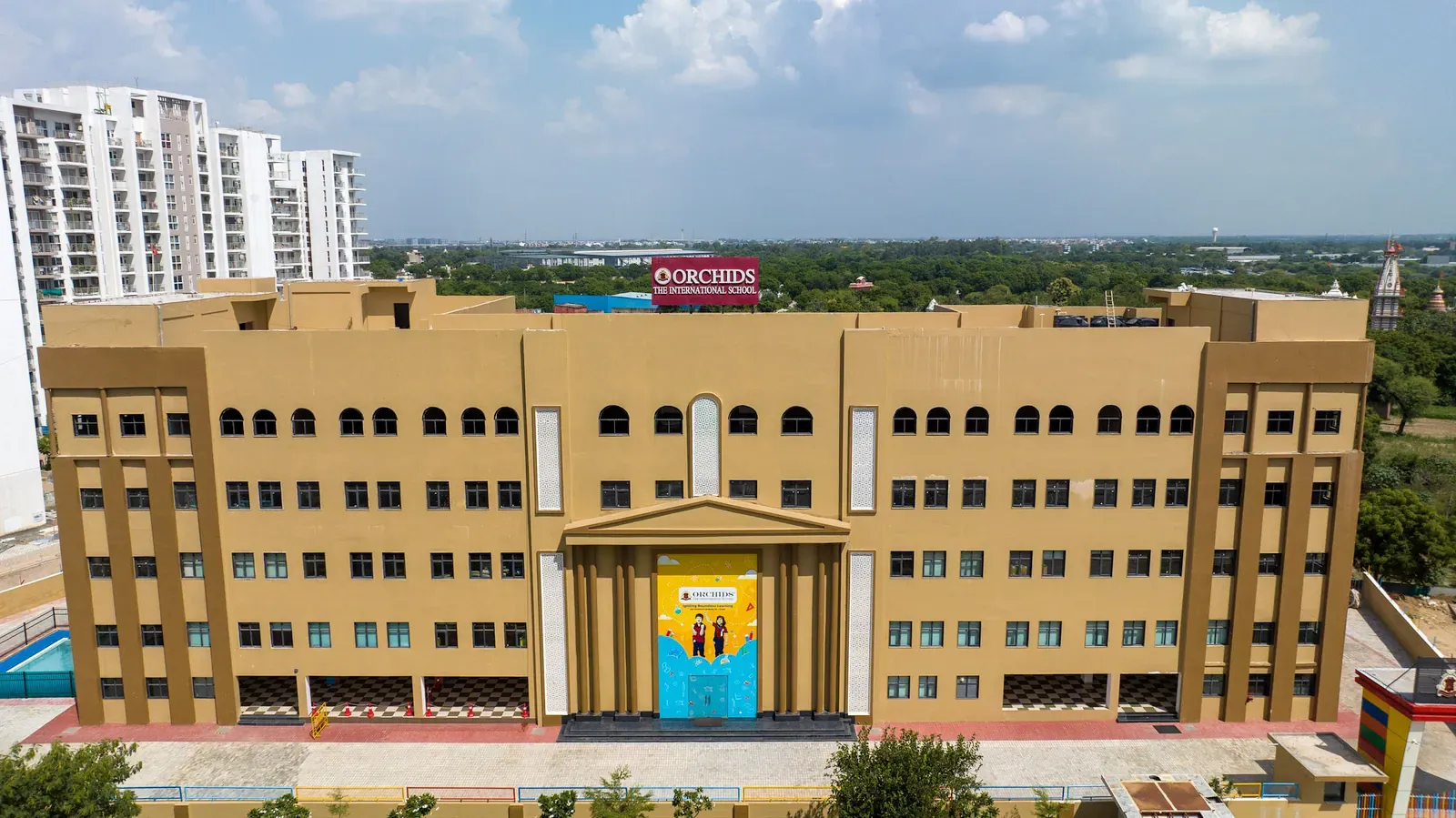
| Bangna | Bangkok Patana School; Dulwich College International School Bangkok (new campus, opening August 2026) | BTS Sukhumvit Line, Bang Na and Bearing stations |
| On Nut / Sukhumvit 77 | Bangkok Prep; Wells International School (On Nut campus) | BTS Sukhumvit Line, On Nut station |
| Ekamai / Sukhumvit 63 | Singapore International School Ekkamai; Kids’ Academy International School | BTS Sukhumvit Line, Ekkamai station |
| Ramkhamhaeng | Ramkhamhaeng Advent International School; Singapore International School Pracha Uthit; Bromsgrove International School Thailand | MRT Yellow Line, Ramkhamhaeng corridor |
Treat this as a starting shortlist, not a complete list of every school in the city; confirm a specific school’s current campus and exact address directly with the school before you commit to an area around it.

Why mid-year enrolment is so common
Most Bangkok international schools run rolling admissions rather than a single hard cutoff, and mid-year placement is commonly reported as available where a place exists, especially at Early Years and Primary level. Entry points at Sixth Form or around IGCSE tend to be more competitive and fill earlier, so the further along a child is, the tighter the timing gets.
The planning sequence reported by relocation-focused sources runs roughly: apply eight to twelve months ahead, get the place confirmed around April or May, then start the condo search around June, ahead of the school year’s August start. In practice almost nobody hits that sequence exactly. A job offer lands late, a visa takes longer than expected, or a school only confirms a place once the family is already in the country. That gap between the ideal timeline and what actually happens is exactly where a mismatched lease starts causing problems.
Lease clauses to ask for when your start date doesn’t fit
A standard Bangkok condo lease assumes you want to move in now and stay exactly twelve months. A family arriving mid-term needs a version of that lease adjusted in a few specific places:
- A short first term, not a full year from day one. Ask whether the landlord will do an initial period lining up with your actual term (four, six, or eight months) rather than forcing a full year from your move-in date.
- A pro-rated deposit and advance if the first term is short. The standard pattern elsewhere on the site is two months’ deposit plus one month in advance; a shorter first term is a reasonable point to negotiate how that’s calculated, not to skip it entirely.
- A renewal date aligned to the school year, so your lease naturally comes up for renewal in the same window your child’s enrolment does, rather than at a random point mid-term.
- A written move-in date with some flexibility, since landlords are commonly reported as willing to shift a start date by a couple of weeks around a confirmed school start, but this needs to be in writing, not a verbal understanding.
- Clarity on what happens if the school year and lease term genuinely can’t be aligned, meaning you know upfront whether a short extension or an early renegotiation is possible, rather than finding out under pressure near the end of the term.
None of these are exotic requests. They’re the same lease, adjusted at the edges to fit a school calendar instead of a landlord’s default twelve-month template.
The break clause: tying it to the school year
A standard Bangkok condo lease remains commonly a one-year term with no automatic right to end it early. Many professionally managed condo leases do include an early-termination clause, commonly worded around 30-60 days’ written notice plus forfeiture of the deposit, though the exact figure varies by lease and isn’t standardised.
For a family, the practical version of this is asking the landlord directly whether a break clause can be tied to the end of a school term rather than a fixed calendar date, particularly useful if there’s any chance the family leaves Bangkok, changes schools, or needs to move before a full year is up. It costs nothing to ask, and a landlord used to renting to relocating families has usually heard the request before.
A mid-year enrolment budget: worked example
The numbers change with every family, but the shape of the negotiation doesn’t: ask for the short first term before you sign, not after, since it’s a much easier conversation before a landlord has already banked a full year in their planning.
Commute-time budget: what a 2-bed near a school cluster costs
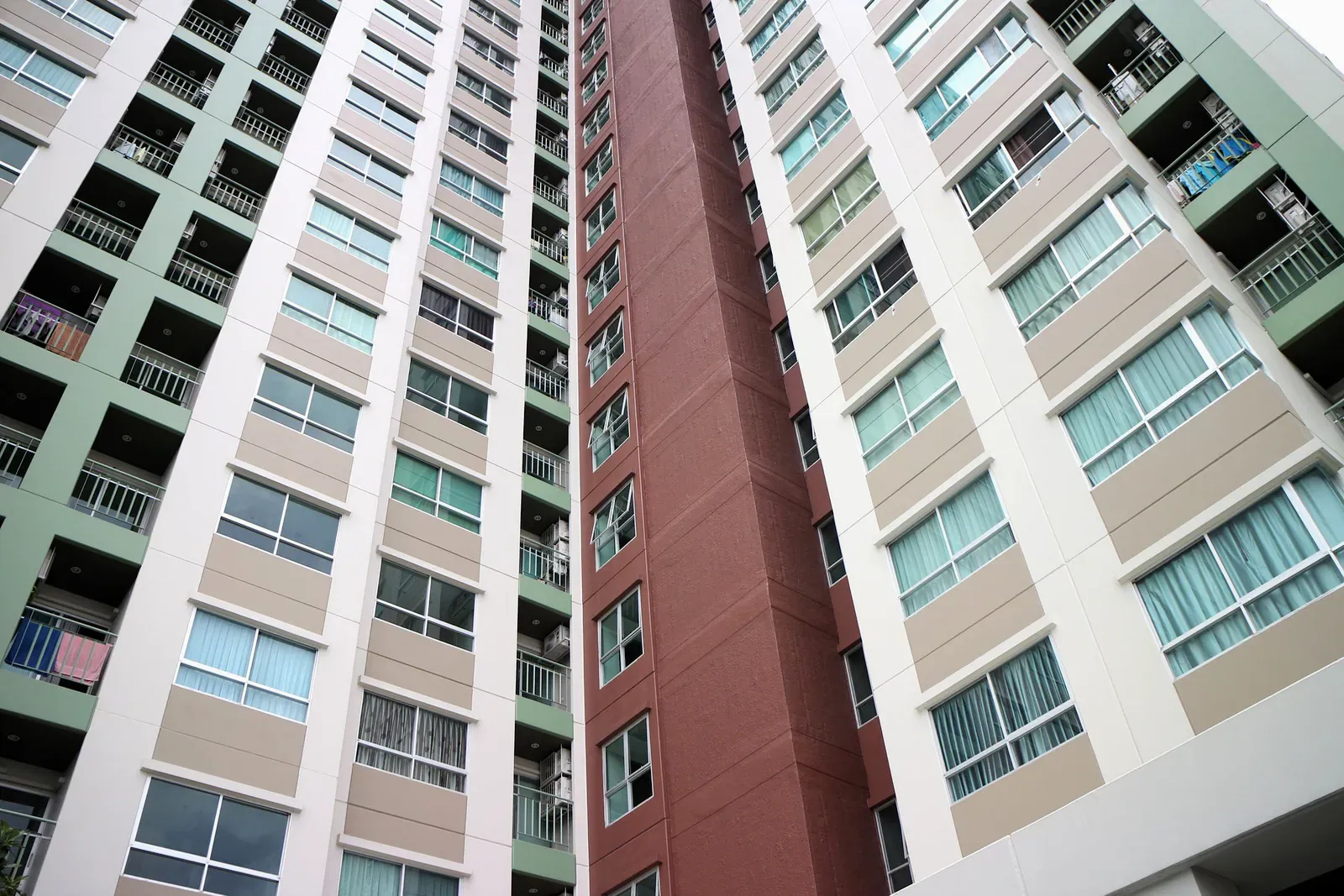
Reported 2-bedroom rents in the Bangna-Sukhumvit area, near the Bangna school cluster, run roughly 25,000-45,000 THB (~715-1,290 USD) a month, with some older or smaller units listed from around 17,000 THB (~485 USD) and larger or newer units above 45,000 THB (~1,290 USD), checked September 2026. Figures for the other clusters weren’t independently confirmed in this research pass; the bands below scale that Bangna data against the site’s own general Bangkok rent bands and are labelled as editorial estimates, not sourced per-cluster figures.
- Under 10 min walk
- 35,000-45,000+ THB
- 10-20 min, or one BTS/MRT stop
- 25,000-35,000 THB
- 20+ min, needs a connecting ride
- 17,000-25,000 THB
Source: Editorial estimate scaled from reported Bangna-cluster listings (FazWaz, Hipflat, PropertyHub), checked September 2026
The pattern holds across clusters even without exact numbers for each: the walk-to-gate premium is real, and the money saved by accepting a short ride instead of a walk is usually larger than most families expect before they actually compare listings side by side.
What actually matters at the viewing for a family
Once the lease timing is settled, the viewing itself should focus on a shorter list than a typical single-renter checklist:
- A genuine second bedroom, not a study nook marketed as one; measure it, don’t take the floor plan’s word for it.
- The building’s family mix. A tower full of short-stay nomads and a tower with an established resident base of other families feel very different day to day, and a quick chat with the juristic office or a resident in the lobby usually tells you which one you’re looking at.
- Noise and a play-safe common area, since a family spends more time in the building’s shared space than a solo renter typically does.
- Realistic door-to-door time on the actual school run, tested at the time of day you’d actually be doing it, not read off a map.
For the room-by-room detail on what to check in any unit before signing, family or not, see checking a condo before you sign, and for the day-one photo record that protects your deposit once you’ve moved in, see move-in condo checklist for Bangkok.
If the timing still doesn’t line up
Sometimes there’s no lease a landlord will adjust, especially in a competitive building where a twelve-month tenant is an easy sale and a seven-month one isn’t. In that case, a short-term or monthly-rate rental is a reasonable bridge rather than a failure: it costs more per month than a standard lease, but it buys time to search properly for the right building once the family and the school are both settled, instead of signing a full year under pressure in the first week. See monthly and short-term rentals in Bangkok for how that market works and what it typically costs against a standard lease.
It’s also worth remembering that the mismatch runs in both directions. A family arriving in January for a September-start school year has the opposite problem: too much runway, not too little, and the same logic applies in reverse. A shorter first lease, or a monthly bridge while the search happens properly, both avoid locking into a full year before the family has actually seen the building in person, met a resident or two, and confirmed the commute at the time of day it will actually happen.
Common questions
Can I really get a lease shorter than a year?
Often, yes, though it usually costs a small premium over a standard twelve-month rate, and it depends entirely on the landlord. It’s a request to make before signing, framed around your actual school-year timing, not an automatic right.
Does the school itself help with housing?
Some schools maintain informal lists of past families’ recommended areas or agents, though this varies by school and isn’t something to assume. Ask the admissions office directly once a place is confirmed.
Who actually pays the monthly common-area fee on a family-sized unit?
It depends on the lease, not automatically the landlord or the tenant. For the full breakdown, see who pays the condo common area fee in Bangkok.
Is a house a better fit than a condo for a school-age family?
It depends on the family and the specific school cluster; houses trade a condo’s shared facilities for more space and a garden, with their own upkeep and security trade-offs. See house vs condo rental for families in Bangkok for the full comparison.
Last verified: September 2026.
Written by
Mike Brochlowski
Founder and editor, travel photographer and designer
I'm Mike Brochlowski, a travel photographer and designer, and I currently live on Koh Samui, Thailand. I built BangkokWiki to put practical, checked information about Bangkok in one place. Every page is researched from official and primary sources, and the text names them. Where a page shows a checked date, that is when its facts were last confirmed. I also run samui69.com, a non-commercial guide to Koh Samui. If you spot an error or something out of date, tell me through the contact page and I will check it and correct the page.
Read all articles
Visas and paperwork
Staying in Thailand longer?
Visas, extensions, documents and banking for longer stays. Rules and fees change often and offices apply them differently, so check the official source before you act.

Places to stay
Find a hotel
Explore the other desks
More from Living
- 6 min read
 11 min read
Condo vs House vs Townhouse: Renting Right in Bangkok
 10 min read
Monthly Rentals in Bangkok: Legal Options

Newsletter
You're subscribed as