Things to do
Budget Things to Do in Bangkok: What Actually Costs Money
A price-tiered guide to Bangkok sightseeing: free, under 100 THB and 100-500 THB, with dated THB and USD figures instead of another all-free list.
At a glance
- Reading time
- 7 min read
- Chapters
- 6
- Published
- Oct 16, 2026
On this page
Bangkok sightseeing splits cleanly into three price bands: free, under 100 THB (~3 USD), and 100-500 THB (~3-15 USD, checked September 2026). Most “budget Bangkok” lists only cover the first band and call it a day, which is honest but incomplete: a handful of things genuinely worth paying for sit in that middle band, and knowing which is which saves more money than avoiding spending altogether.
This is a companion to free things to do in Bangkok, which covers the zero-cost end in full. Here the focus is what things actually cost once you step past free: transport, food, markets and the one or two paid landmarks worth the money. For the full daily picture, see our Bangkok trip cost breakdown.
The three tiers, side by side
| Tier | What’s in it | Typical spend | Best for |
|---|---|---|---|
| Free | Parks, most neighbourhood temples, market browsing, riverside walks | 0 THB | A slow day, repeat visitors, anyone stretching a trip |
| Under 100 THB | BTS/MRT single fares, Chao Phraya Express Boat, street food dishes | 15-80 THB (~0.5-2.5 USD) per item | Getting around and eating well without a plan |
| 100-500 THB | Paid temples and museums, market meals from several stalls, a short taxi | 100-500 THB (~3-15 USD) per item, checked September 2026 | The one or two “worth it” splurges each day |
What each tier actually includes
Free: what costs nothing to walk into
Public parks (Lumphini, Benjakitti), the majority of neighbourhood temples, and simply wandering a market without buying anything all cost nothing at the gate. The catch, covered in full in free things to do in Bangkok, is that “free” still costs you in transport fares, heat management and the small purchase a market inevitably pulls out of you. Budget for that honestly rather than expecting a genuinely zero-spend day.
Under 100 THB: the tier that carries most of a trip
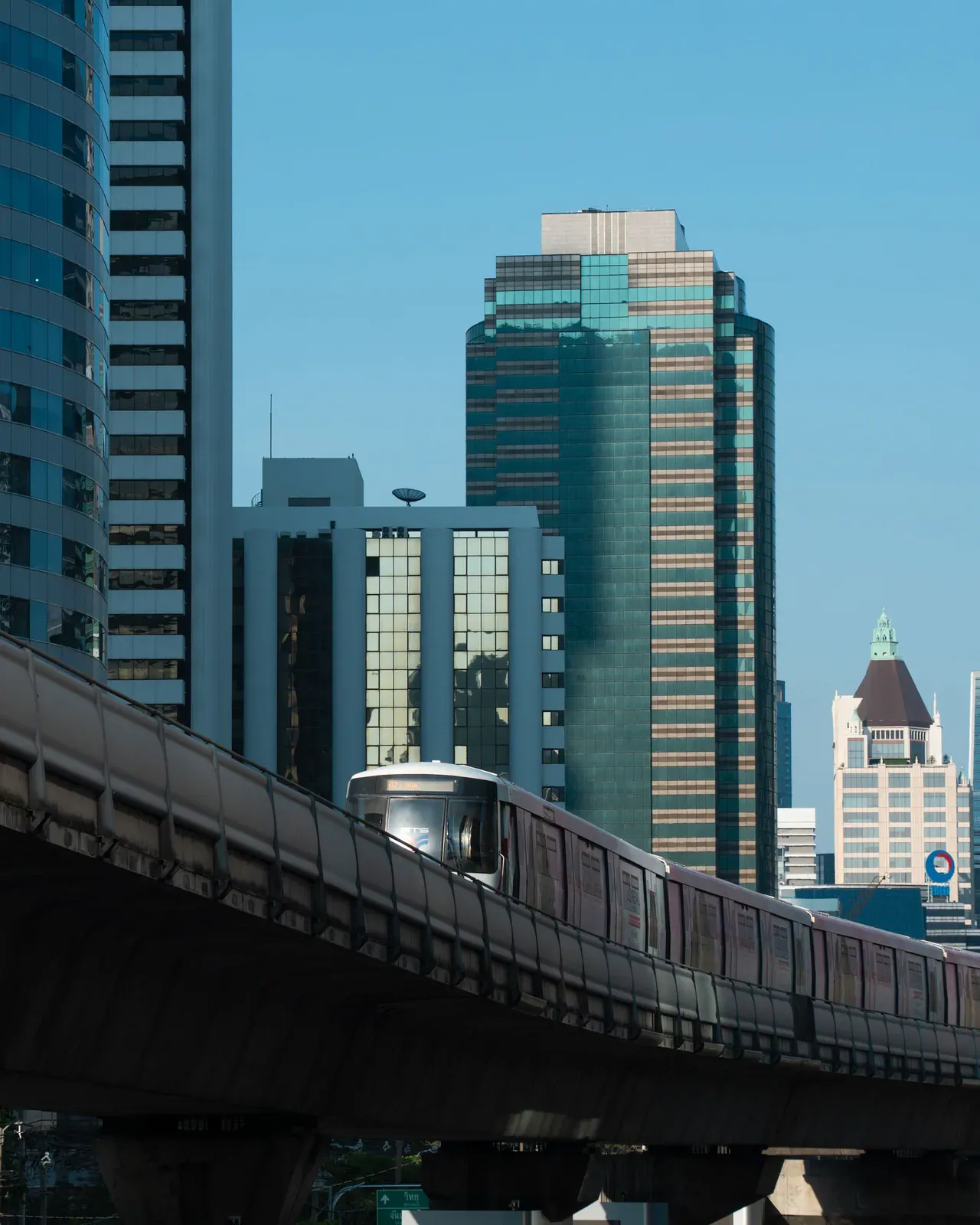
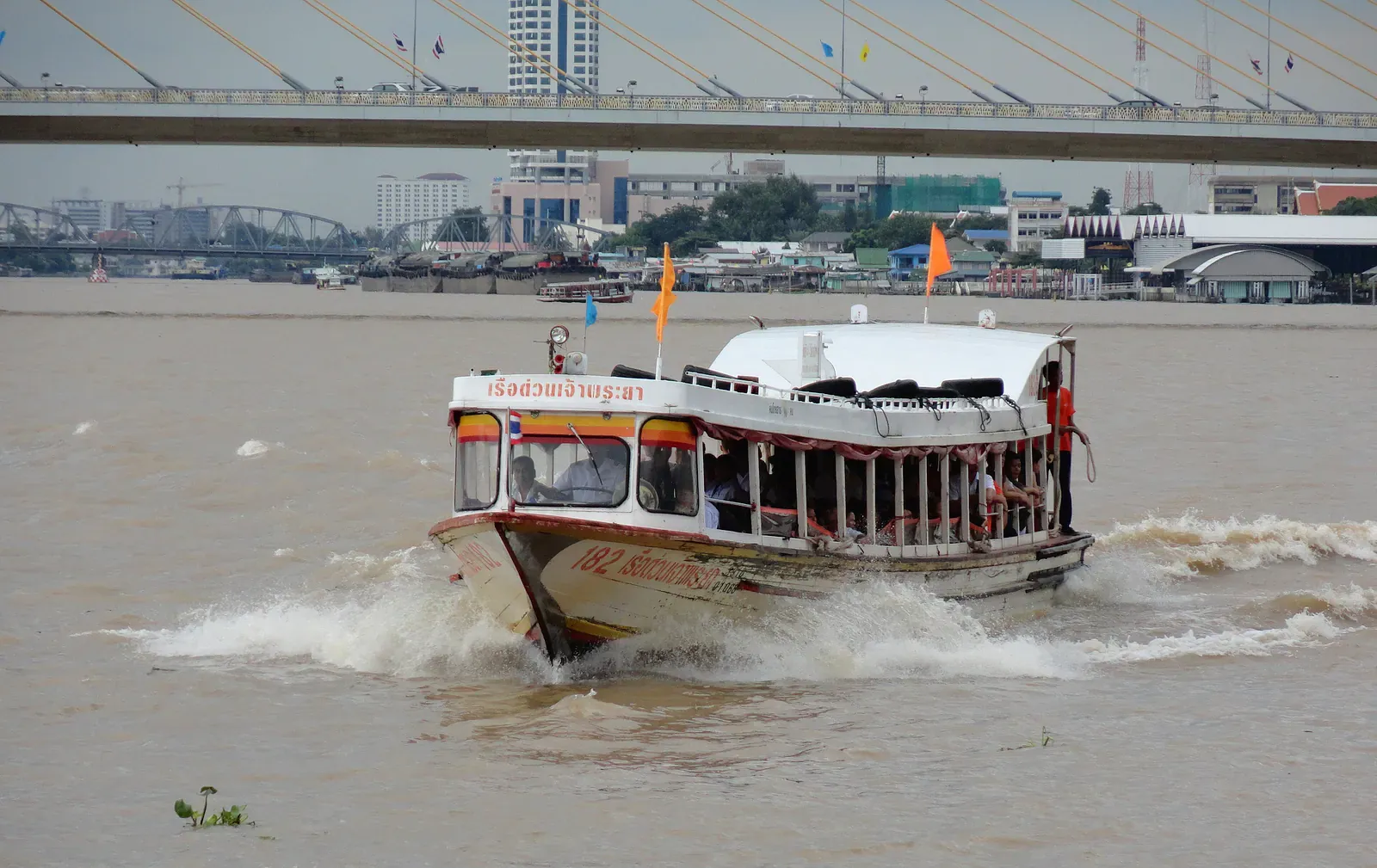
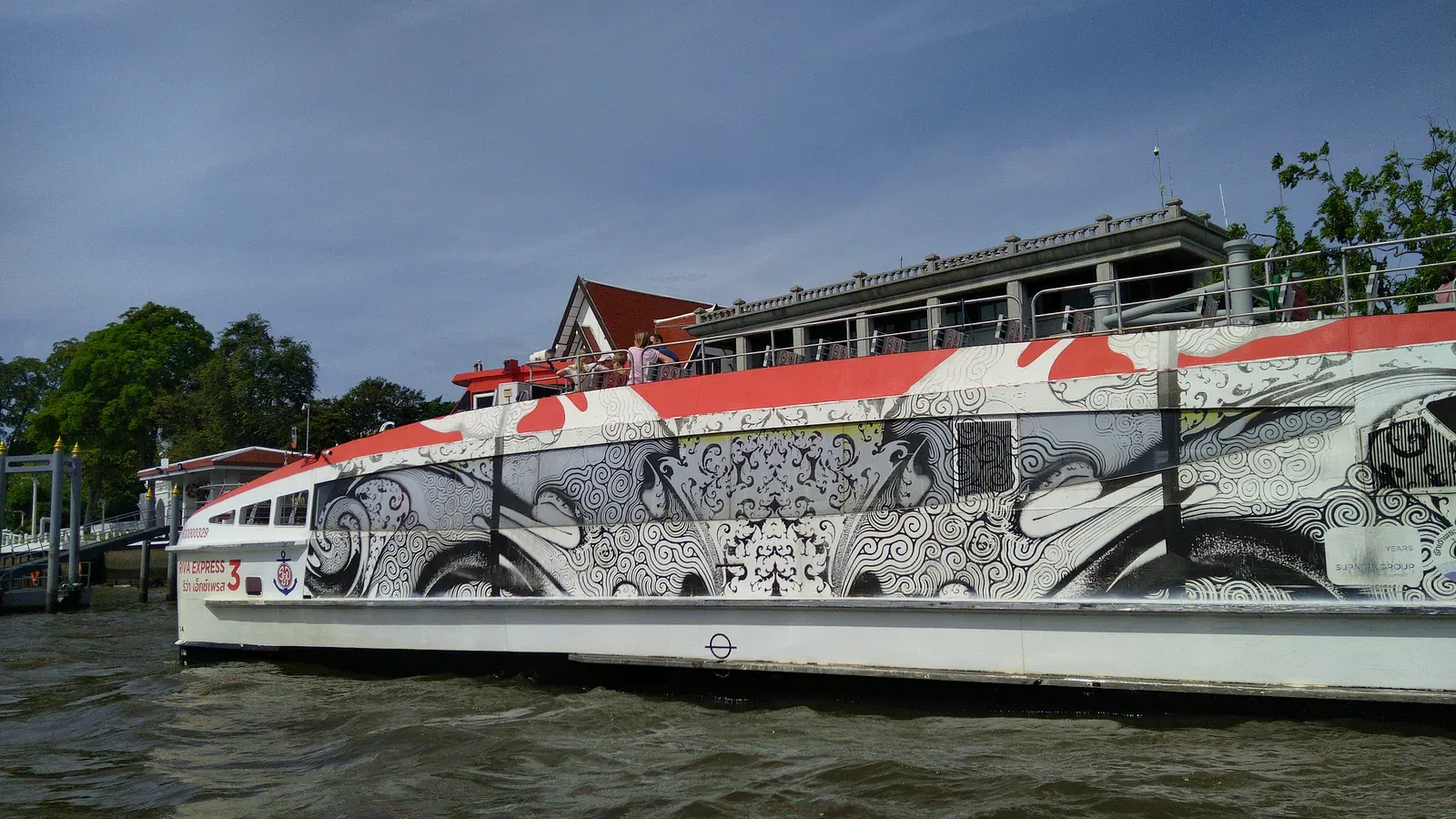
This is where a Bangkok budget actually lives. A BTS Skytrain fare runs roughly 17-65 THB (~0.5-2 USD) depending on distance, with most trips inside central Bangkok landing between 25 and 45 THB. The Chao Phraya Express Boat is cheaper still: the tourist-friendly orange flag line runs about 18 THB (~0.5 USD) a single trip, checked September 2026 after an August 2026 fare adjustment.
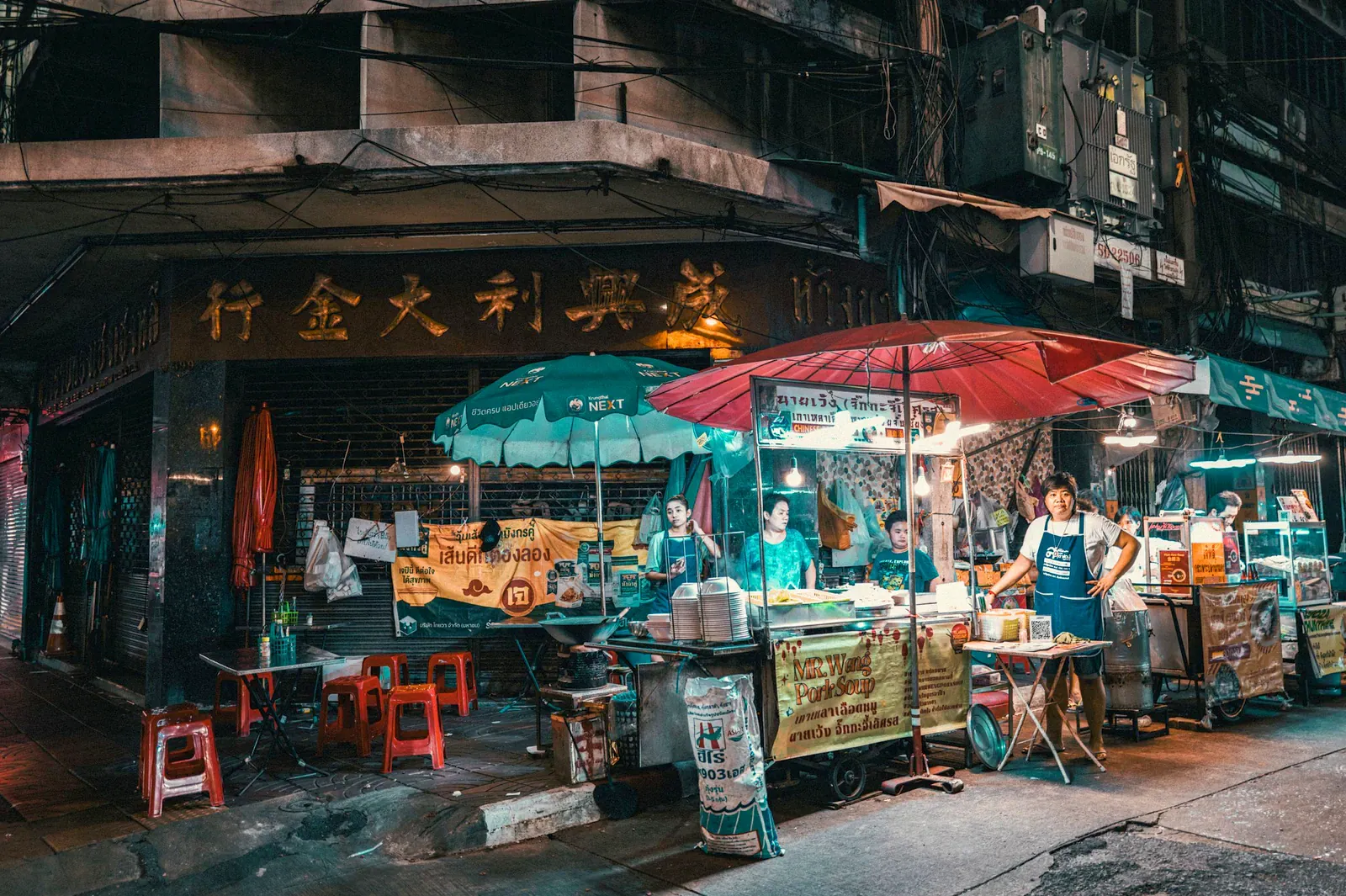
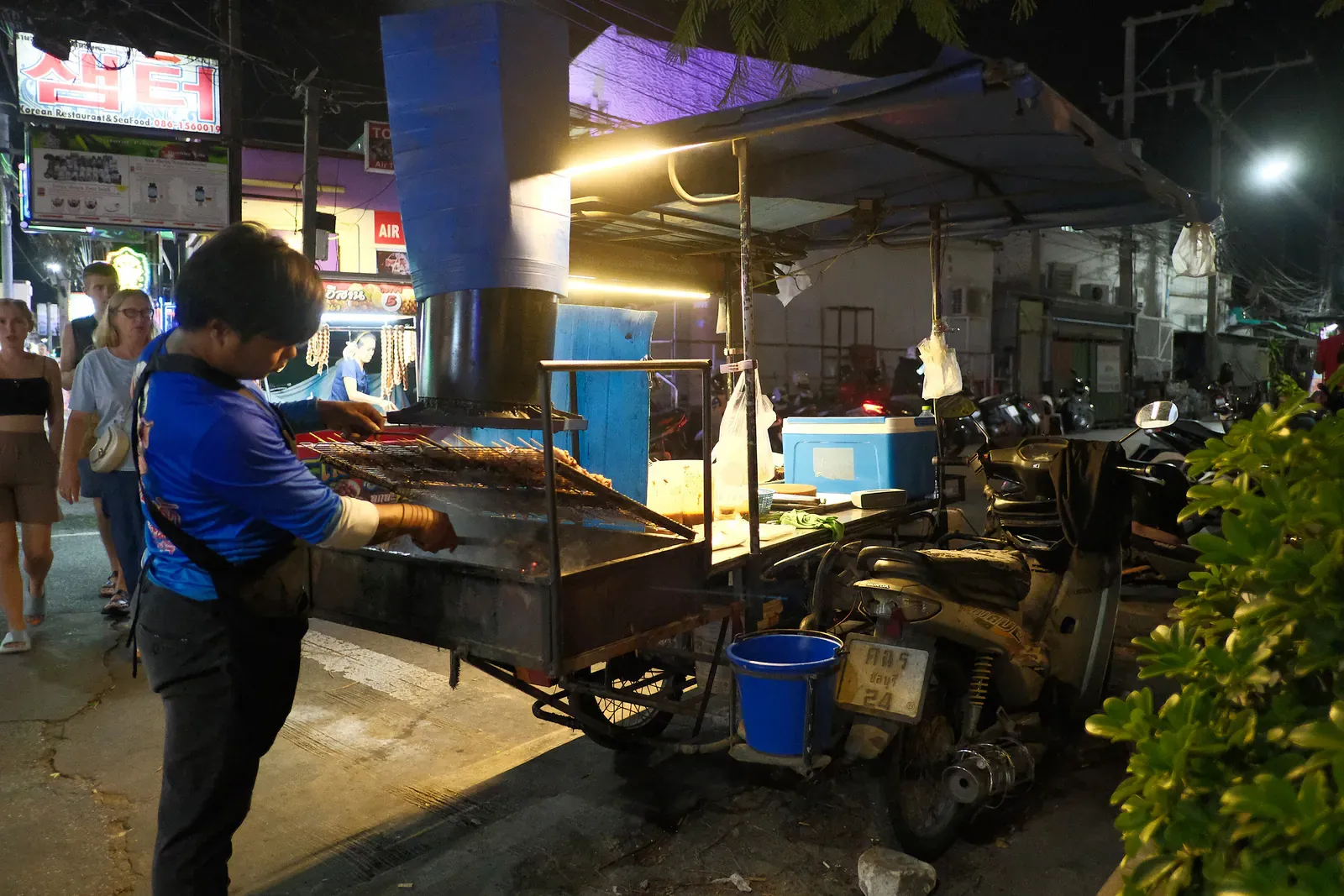
Street food is the other half of this tier. A plate of pad thai or a bowl of noodle soup from a local stall typically runs 40-80 THB (~1.5-2.5 USD); the same dish in a heavily touristed strip can run 100-180 THB, so location changes the price more than the dish does. Moo ping (grilled pork skewers) go for around 10-15 THB each, cheap enough to try four different stalls for less than one sit-down meal.
100-500 THB: the deliberate splurge
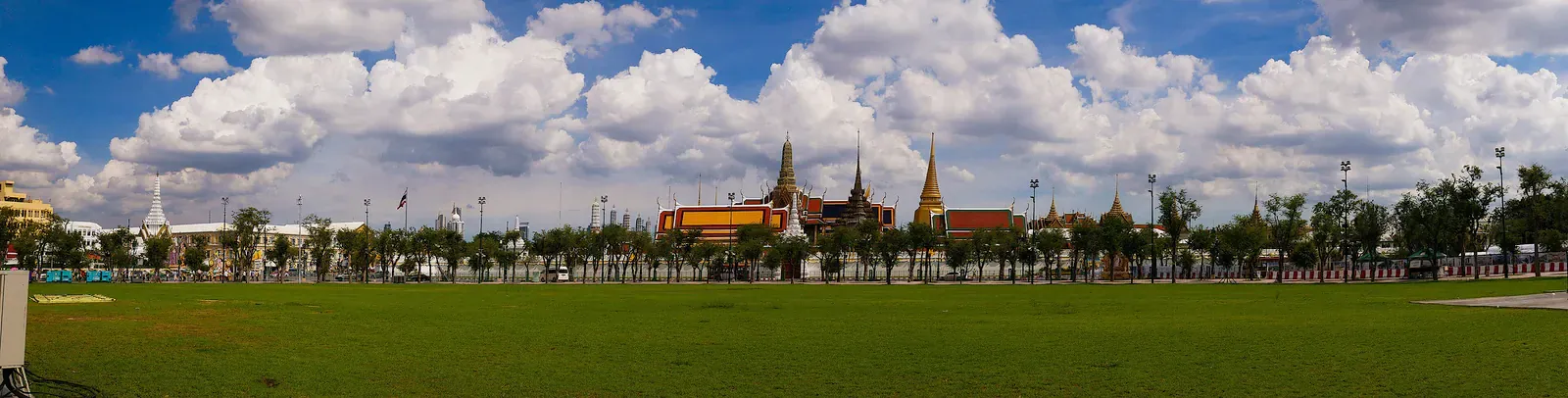
Two categories dominate this tier: paid attractions and market meals eaten properly rather than browsed. The Grand Palace complex, which includes Wat Phra Kaew (Temple of the Emerald Buddha), the Queen Sirikit Museum of Textiles and the Royal Decorations and Coins Pavilion on one ticket, costs 500 THB (~15 USD) for foreign visitors, checked September 2026; Thai nationals enter free with ID. It’s the single biggest line item on most budget itineraries and, for a first visit, generally worth being the one splurge of the day.
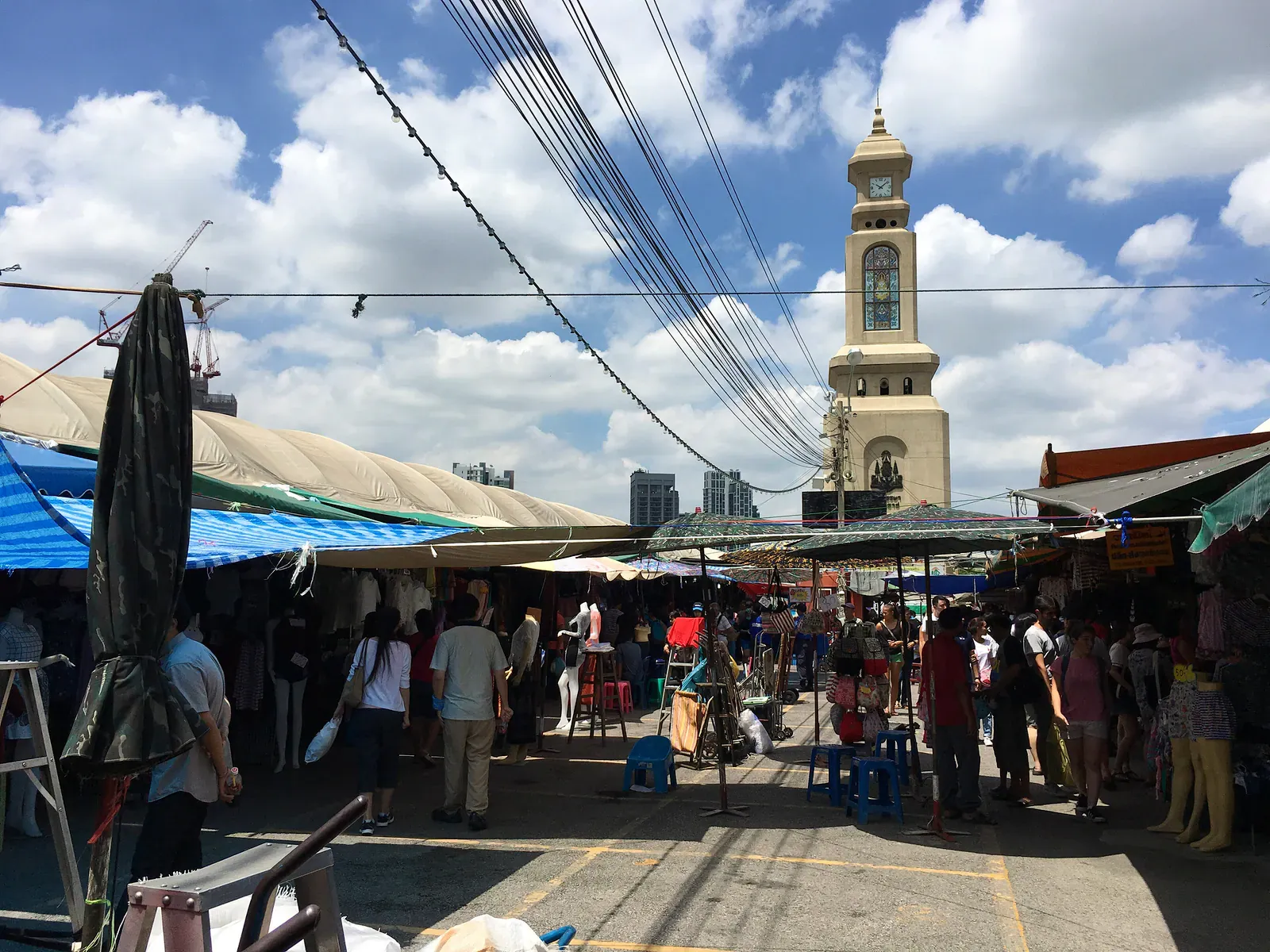
A proper market meal, three or four dishes from different stalls at Chatuchak Weekend Market (Mo Chit BTS, Kamphaeng Phet MRT) or a night market, lands comfortably in the 100-300 THB range per person. A short taxi or ride-hailing trip across a few kilometres of central Bangkok also sits here, typically 80-200 THB depending on traffic and distance, well above a BTS fare for the same distance but sometimes the only option late at night or with luggage.
What common activities actually cost
- Cross-river ferry
- 18 THB
- BTS fare (central trip)
- 25-45 THB
- Street food dish (local)
- 40-80 THB
- Market meal (3-4 dishes)
- 100-300 THB
- Short taxi/ride-hail trip
- 80-200 THB
- Grand Palace entry
- 500 THB
Source: BTS Skytrain, express boat operator and street food price surveys, checked September 2026
The gap between a ferry crossing and the Grand Palace ticket is the entire point of tiering a Bangkok budget: most of a day is spent in the first two columns, with the last one reserved for a single deliberate choice.
A full budget day, and the dual-pricing question
A realistic tally for one person: two or three BTS/MRT or ferry trips (roughly 60-120 THB total), three street food meals (roughly 150-240 THB), and one paid attraction if the day calls for it. Skip the paid attraction and a full day of transport plus food runs somewhere in the 200-400 THB range (~6-12 USD), checked September 2026. Add the Grand Palace and the day’s total roughly doubles, still under 1,000 THB per person.
For a longer stay where the big paid sights are already done, that daily figure drops further: transport and food alone, with markets and parks filling the rest of the day, is the realistic nomad or repeat-visitor budget rather than the first-timer’s ticket-heavy one.
Money-saving tactics that actually move the needle
- Get a stored-value rail card early. It saves queuing for single tickets at every station and makes hopping on and off the BTS for short trips genuinely painless.
- Eat where locals eat, not where the photos are. The price difference between a tourist-strip plate and the same dish a block away is often double.
- Treat paid attractions as a deliberate choice, not a checklist. One or two genuinely worth it beats five rushed ones.
- Ride the express boat for the view instead of a paid river cruise. Same river, a fraction of the price.
- Carry small notes and coins. Ferries, market stalls and street food carts often don’t take cards, and a large note can be a genuine problem for a small vendor.
- Check the official price before you go. Attraction and transport fares move; a figure from an old blog post is not something to budget against.
Grouping the day’s stops by area also keeps transport costs down, since fewer crossings mean fewer fares: see how to plan a Bangkok itinerary for the method. For a route that skips taxis entirely, see a full Bangkok day without a taxi. A booked tour is rarely the cheap option, so check which Bangkok tours are worth booking, and which you can DIY before adding one to the day’s spend. For group versus private options, see Bangkok tour companies compared.
Common questions
Is Bangkok cheap or expensive for tourists?
It can be either, depending on how much of the trip sits in the 100-500 THB tier versus the under-100 THB tier. A day built around street food, public transport and one paid attraction is genuinely inexpensive by most visitors’ home-country standards; a day of taxis, tourist-strip restaurants and multiple paid sights adds up fast.
What’s the single best value thing to do in Bangkok?
The Chao Phraya Express Boat, on a pure cost-to-experience basis: a few tens of baht for a moving view of the riverside skyline, temple spires and working boat traffic that a paid river cruise charges many times more to replicate.
Why do some attractions charge foreigners more than Thai nationals?
Dual pricing is a documented, official policy at a number of Thai attractions, not a scam or a street overcharge. It’s a genuinely debated practice in Thai tourism (Bangkok Post, 2026), but at an official ticket counter the posted foreigner price is the real price, not something to negotiate down.
How much should I budget per day in Bangkok?
For transport and food alone, without a paid attraction, roughly 200-400 THB per person (~6-12 USD), checked September 2026, is realistic. Add a paid landmark like the Grand Palace on the days you visit one, and budget closer to double that for those specific days.
Is street food safe and actually cheap?
Both, generally. Busy stalls with high turnover are both a food-safety signal and usually the cheaper option, since a dish sitting under a heat lamp for hours is more of a risk than one cooked fresh in front of you at 40-80 THB a plate.
Part of
Written by
Mike Brochlowski
Founder and editor, travel photographer and designer
I'm Mike Brochlowski, a travel photographer and designer, and I currently live on Koh Samui, Thailand. I built BangkokWiki to put practical, checked information about Bangkok in one place. Every page is researched from official and primary sources, and the text names them. Where a page shows a checked date, that is when its facts were last confirmed. I also run samui69.com, a non-commercial guide to Koh Samui. If you spot an error or something out of date, tell me through the contact page and I will check it and correct the page.
Read all articles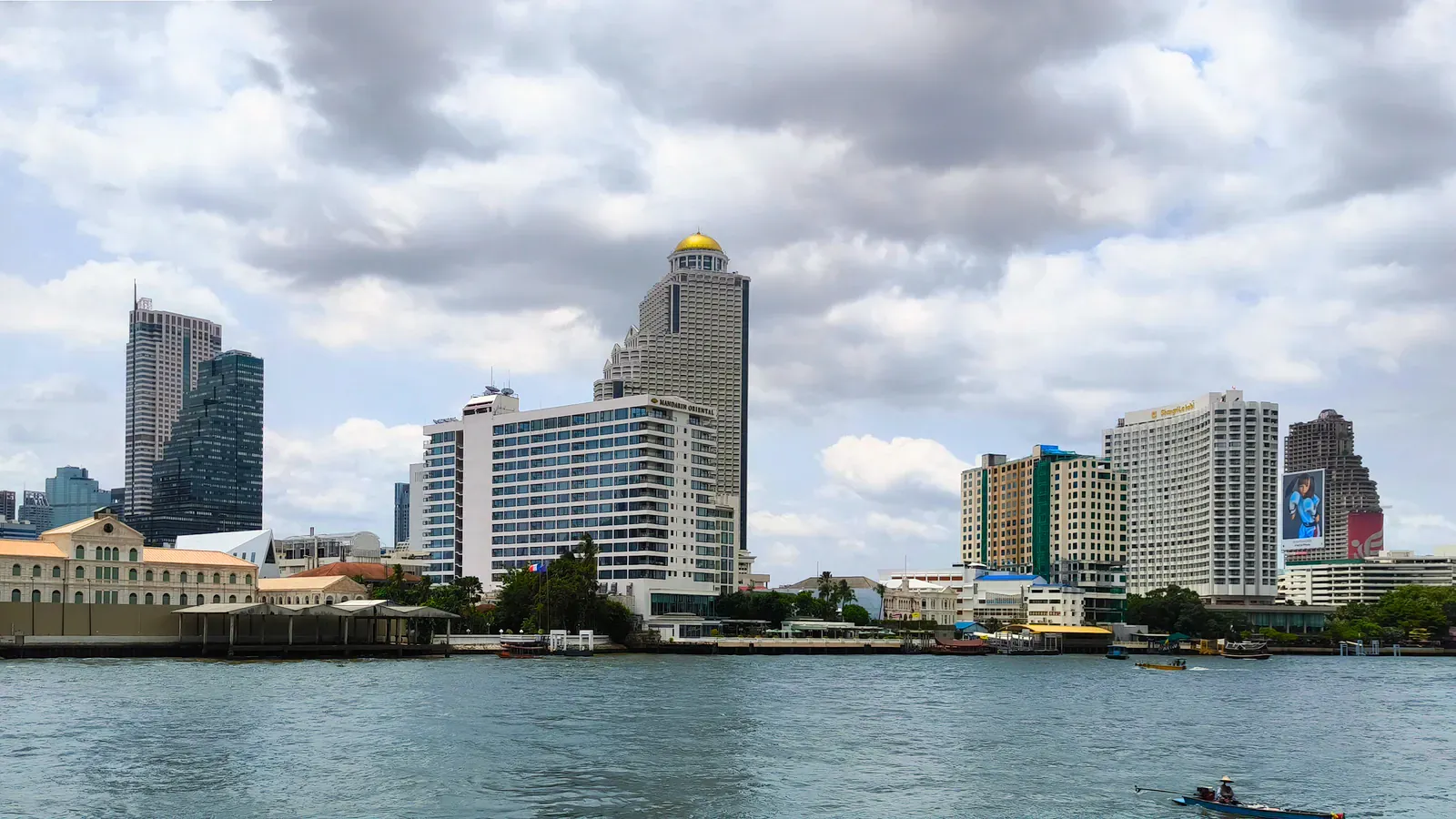
Where to stay
Pick the area before the hotel
Traffic and heat make Bangkok distances feel longer than they look on a map, so the area shapes a trip more than the hotel does. Our guides match areas to trip types and explain the trade-offs.

Places to stay
Find a hotel
More from Things to do
- 9 min read
 10 min read
Free Things to Do in Bangkok
 10 min read
Bangkok Rainy Day Activities: A City Built for the Wet

Newsletter
You're subscribed as