
Health
Executive Health Check-Up Packages in Bangkok
How Bangkok's executive health check up packages are tiered, what each level actually includes, and indicative 2026 cost ranges to plan against.

On this page
Bangkok’s private hospitals have built an entire business line around the annual executive check-up: a bundled, same-day screening package aimed at business travellers, senior expats and anyone who wants a comprehensive health snapshot without assembling a dozen separate appointments themselves. It’s a genuinely useful service, and one of the more mature parts of Bangkok’s medical-tourism offering, but the packages vary a lot more between hospitals and tiers than the marketing pages suggest. This guide explains how the tiers are generally structured, what each level typically includes, and how to read a package list critically rather than assuming more tests automatically means better value.
Why this exists as a distinct category
The executive check-up model grew out of a straightforward need: business travellers and long-stay foreigners in Bangkok often don’t have a single ongoing GP relationship the way they might at home, and a comprehensive, single-visit screening fills that gap efficiently. Bangkok’s larger private hospitals compete heavily in this space: several of the city’s flagship international hospitals run multiple named packages (often branded around terms like “Executive,” “CEO,” “Wellness” or “Premium”), typically completed in a single visit lasting somewhere between half a day and a full day, with results and a doctor’s consultation delivered the same day or shortly after. This matters for anyone on a short business trip or a limited medical-tourism visit: unlike most other procedures covered elsewhere on this site, an executive check-up is genuinely designed to fit into a single day, which is a large part of its appeal.
The tiers, in general terms
Almost every major Bangkok hospital’s check-up menu follows a broadly similar tiered structure, even though the exact package names differ. Understanding the tiers matters more than memorising any one hospital’s brand names, because it tells you what you’re actually paying to add at each step up.

Basic or “wellness” tier. The entry-level package typically covers a physical examination, a standard blood panel (blood count, kidney and liver function, blood sugar, cholesterol and lipid profile), a urine test, a chest X-ray, and a general consultation to review results. This tier is aimed at a routine annual check for someone with no specific symptoms or known risk factors, and it’s the fastest and least expensive tier across almost every hospital that offers one.
Standard or “executive” tier. This is the tier most of the marketing around “executive check-ups” actually refers to. On top of the basic panel, it typically adds an electrocardiogram (ECG) to screen for heart rhythm issues, an abdominal ultrasound to look at the liver, kidneys, gallbladder and related organs, additional blood markers (often thyroid function and more detailed lipid or diabetes markers), and sometimes a basic cancer-marker blood test. This is the tier aimed specifically at business travellers and executives who want a genuinely useful screening without a multi-day workup.
Comprehensive or “premium” tier. The top tier adds more specialised and often more expensive tests: cardiac stress testing or more detailed cardiac imaging, more extensive cancer screening (which can include imaging like a mammogram or low-dose CT depending on age and sex-specific recommendations), bone density scanning, and sometimes a more detailed body-composition or fitness assessment. This tier is aimed at older patients, anyone with a family history that warrants closer screening, or anyone who wants the most thorough single-visit picture available.
Add-on modules. Beyond the core tiers, most hospitals sell targeted add-ons separately: a dedicated cardiac package, a cancer-screening module, a men’s or women’s health module (prostate-specific testing, gynaecological screening), a sleep-study add-on, or a genetic-risk panel. These are worth treating as separate purchasing decisions rather than assuming they’re automatically bundled into the “comprehensive” tier just because the name sounds thorough.
A comparison view
| Tier | Typical core content | Best suited to |
|---|---|---|
| Basic / wellness | Physical exam, standard bloods, urine test, chest X-ray, consultation | Routine annual check, no known risk factors |
| Standard / executive | Basic tier plus ECG, abdominal ultrasound, expanded bloods (thyroid, detailed lipids/glucose) | Business travellers, general executive screening |
| Comprehensive / premium | Standard tier plus cardiac stress test or advanced cardiac imaging, expanded cancer screening, bone density | Older patients, family history of specific conditions |
| Add-on modules | Cardiac, cancer, men’s/women’s health, sleep study, genetic panels, sold separately | Anyone with a specific concern the core tiers don’t cover |
What a package tends not to include, even at the top tier
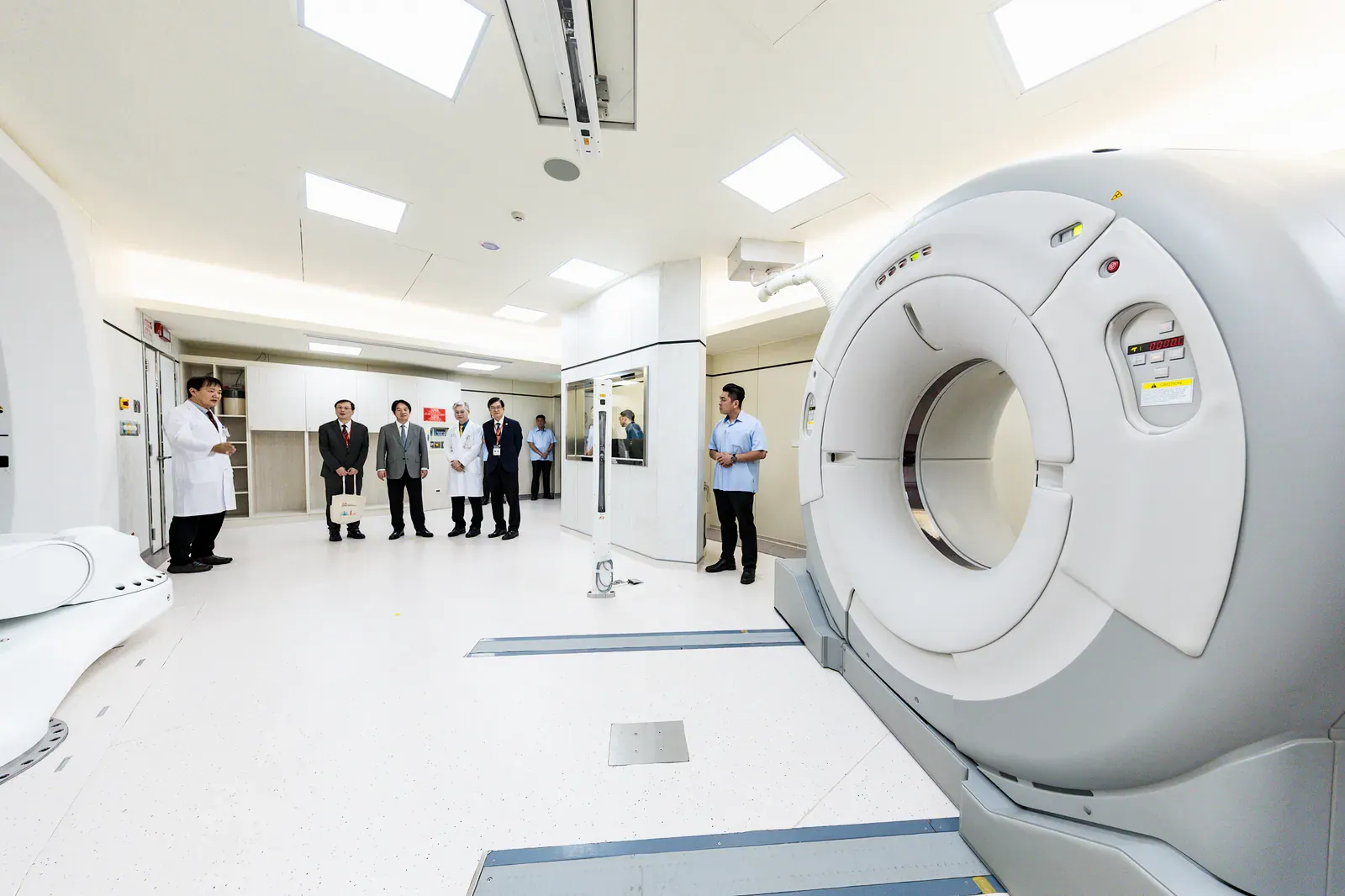
It’s worth being explicit about the limits of even a premium package, because the marketing language (“comprehensive,” “full body,” “complete health screening”) can suggest more than any single-visit package actually delivers. A same-day check-up is a screening tool (designed to flag risk markers and catch common conditions early), not a substitute for specialist diagnostic workups, and it generally won’t include: a full-body MRI or CT scan unless specifically added as a module and clinically justified; specialist consultations beyond the general physician reviewing your results (a cardiologist, oncologist or endocrinologist referral typically happens only if the screening flags something, as a separate follow-up appointment); dental, vision or hearing assessments, which are usually separate specialities entirely; or a mental-health or cognitive screening, which very few packages include by default. If any of these matter to you specifically, ask explicitly whether the hospital can add them to your package rather than assuming “comprehensive” covers everything you might want checked.
Reading a package list critically
A few practical habits make it much easier to compare packages across hospitals, since neither the tier names nor the marketing copy are standardised:

- Ask for the itemised test list, not just the tier name. “Executive” at one hospital can include a cardiac stress test that “Premium” at another doesn’t, because there is no industry-standard definition of either term. The only reliable comparison is the actual list of tests included.
- Check whether age- and sex-specific screening is included or an add-on. Mammograms, prostate-specific antigen tests and similar age-gated screenings are sometimes bundled by default and sometimes sold separately depending on the hospital and your stated age: ask directly rather than assuming.
- Ask what happens if something is found. A good check-up programme includes a same-day or near-term consultation to explain results and recommend next steps, and ideally a clear referral pathway if something needs specialist follow-up. A package that hands you a printed report with no explanation is worth less than a cheaper one with a proper consultation built in.
- Confirm fasting and preparation requirements before you book the date, since several core tests (blood glucose, lipid profile) require fasting beforehand, and turning up having eaten breakfast can mean re-testing or an incomplete result on the day.
- Ask how results are delivered for a one-off international visitor. If you’re not staying in Bangkok, confirm whether results and the consultation happen the same day, or whether some tests (certain cancer markers, specialist imaging reads) take longer to come back: this affects how tightly you can schedule the visit around a business trip.
Indicative cost ranges (2026, verify before booking)
Bangkok’s private hospitals do not publish a single standardised price list, and package pricing changes with the exact tests included, so any figure here should be treated as an indicative planning range for 2026, not a quote. As a general shape: basic wellness-tier packages commonly sit in the low thousands of baht, standard executive-tier packages with ECG and ultrasound commonly run from roughly ฿15,000 to ฿35,000 (~$440-$1,030), and comprehensive packages with cardiac stress testing and expanded cancer screening commonly run from roughly ฿40,000 well into six figures in baht (~$1,180 and up), depending heavily on which imaging and cancer-screening modules are included. Add-on modules (a dedicated cardiac package, an extensive cancer panel, genetic testing) can add a substantial amount on top of any tier. Always request the hospital’s current written package price and itemised test list before booking: figures move, packages are revised, and the only reliable price is the one the hospital gives you in writing for the specific package and date you’re booking.
How often to book one, and who it actually suits
There’s no single universal answer to how often an executive check-up should be repeated, because it depends on age, existing risk factors and what your own doctor recommends after reviewing a first set of results, but the pattern most Bangkok hospitals build their programmes around is roughly annual for the standard executive tier, with some patients moving to every one to two years once a baseline has been established and nothing concerning has come up. Younger, low-risk patients in their 20s and 30s often get more value from a basic wellness-tier package on a longer interval, saving the standard or comprehensive tier for when age-related risk factors (cardiovascular risk, cancer-screening age thresholds) start to apply. This is a genuinely personal decision best made with a doctor after your first check-up, not a fixed schedule to follow blindly: a family history of a specific condition, for instance, might justify more frequent or more targeted screening well before the age at which population-level guidelines would otherwise suggest it.

The package model suits a specific set of situations particularly well: a business traveller who wants a comprehensive snapshot during a trip rather than scheduling separate appointments at home, a long-stay expat or retiree establishing a health baseline with a Bangkok hospital they intend to use going forward, or anyone who has simply gone several years without a proper check-up and wants an efficient way to catch up. It suits these situations better than it suits someone actively managing a diagnosed chronic condition, who is usually better served by ongoing specialist follow-up than by an annual bundled screening: the two aren’t mutually exclusive, but a check-up package is not a substitute for continuity of care if you already have a known condition.
How payment and insurance usually work for a check-up
Executive check-ups are typically treated differently from treatment for a diagnosed condition when it comes to payment. Because a check-up is preventive screening rather than treatment for an existing illness, many health insurance policies either exclude it entirely or cover only a limited annual allowance towards it, even when the same policy would cover treatment for something the check-up actually found. In practice, most people pay for the package directly at the hospital rather than routing it through an insurer’s direct-billing or guarantee-of-payment process, which is one of the reasons hospitals publish package pricing at all: it’s a retail-style product bought upfront, not a claims-based treatment. If you do want to use insurance towards a check-up, confirm your policy’s specific wellness or screening allowance before you book, rather than assuming general medical cover extends to it automatically; the broader mechanics of how insurance and cash payment work for treatment in Thailand more generally are covered in the insurance vs cash guide.

Choosing which hospital to book with
Because the executive check-up is a screening product rather than a treatment for a diagnosed condition, the choice of hospital matters less for clinical risk than it does for most procedures covered elsewhere on this site, but it still matters for logistics, language support and what happens if something is found. A hospital’s general reputation and accreditation status are a reasonable starting filter; the fuller framework for weighing JCI accreditation, Thai HA accreditation and the practical trade-offs between hospital tiers is covered in the hospital comparison guide, and the broader question of how to judge any Bangkok hospital for your own situation, including language support and what an international patient department actually does, is covered in the choosing a hospital guide. If your check-up flags something that needs a specific specialist referral, having chosen a hospital with strong depth in that department in the first place makes the follow-up path considerably smoother.
For hospital guides, see Bangkok 9 International, Piyavate, Vejthani and Phyathai 2.
This is general information, not medical advice
None of this is medical advice, and it isn’t a recommendation of any specific hospital or package. What screening tests are appropriate for you depend on your age, sex, personal and family medical history and any existing conditions, and that’s a decision for a qualified doctor, not a checklist on a website. Prices, package contents and included tests change and should always be verified directly and in writing with the hospital before you book, and any concerning result from a screening package should be followed up with the appropriate specialist rather than treated as a final diagnosis in itself.
Common questions
What’s the difference between a “basic” and an “executive” health check-up package in Bangkok?
A basic package generally covers a physical exam, standard blood work, a urine test and a chest X-ray. An executive-tier package adds an ECG, an abdominal ultrasound and a wider range of blood markers, aimed at a more thorough single-visit screening for business travellers and older adults.
How long does an executive health check-up take?
Most standard packages are designed to be completed in a single visit, commonly somewhere between half a day and a full day, with results and a doctor’s consultation delivered the same day or shortly after, though more specialised tests in a comprehensive package can sometimes take longer to come back.
Does an executive check-up include a full-body scan?
Not by default. Comprehensive packages may include more advanced cardiac imaging or specific cancer-screening imaging as part of the package or as an add-on, but a full-body MRI or CT is not standard even at the top tier unless it’s specifically added and clinically justified.
Are executive health check-up packages worth it compared to individual tests booked separately?
For most people, yes, mainly for convenience: a bundled package is usually faster and simpler to schedule than assembling the same tests as separate appointments, and it includes a consultation to interpret the results together. Compare the itemised test list against your own needs rather than assuming the most expensive tier is automatically the best value.
Can I get an executive check-up in Bangkok as a short-term visitor, not a resident?
Yes, this is one of the more visitor-friendly medical services in Bangkok precisely because it’s designed around a single visit. Confirm in advance whether all results and the consultation will be ready before you need to fly out, since some specialised tests take longer to process than the core panel.
Written by
Mike Brochlowski
Founder and editor, travel photographer and designer
I'm Mike Brochlowski, a travel photographer and designer, and I currently live on Koh Samui, Thailand. I built BangkokWiki to put practical, checked information about Bangkok in one place. Every page is researched from official and primary sources, and the text names them. Where a page shows a checked date, that is when its facts were last confirmed. I also run samui69.com, a non-commercial guide to Koh Samui. If you spot an error or something out of date, tell me through the contact page and I will check it and correct the page.
Read all articles
Medical stays
Planning treatment in Bangkok?
See dated price ranges for common procedures, what each package includes and how to choose a hospital or clinic. Prices are indicative only, and nothing here replaces advice from a clinician.

Places to stay
Find a hotel
Explore the other desks
More from Health
- 11 min read
 9 min read
Bangkok Hospital Network: BDMS Branches Compared
 9 min read
Weight Loss Surgery in Bangkok: Eligibility Before the Price

Newsletter
You're subscribed as