Things to do
Beaches Near Bangkok: The Honest Guide
Beaches near Bangkok compared: Bang Saen, Pattaya, Ko Lan, Hua Hin and Ko Samet by travel time, water quality, crowds and whether it's a day trip or a night.
At a glance
- Reading time
- 12 min read
- Chapters
- 15
- Published
- Sep 20, 2026
On this page
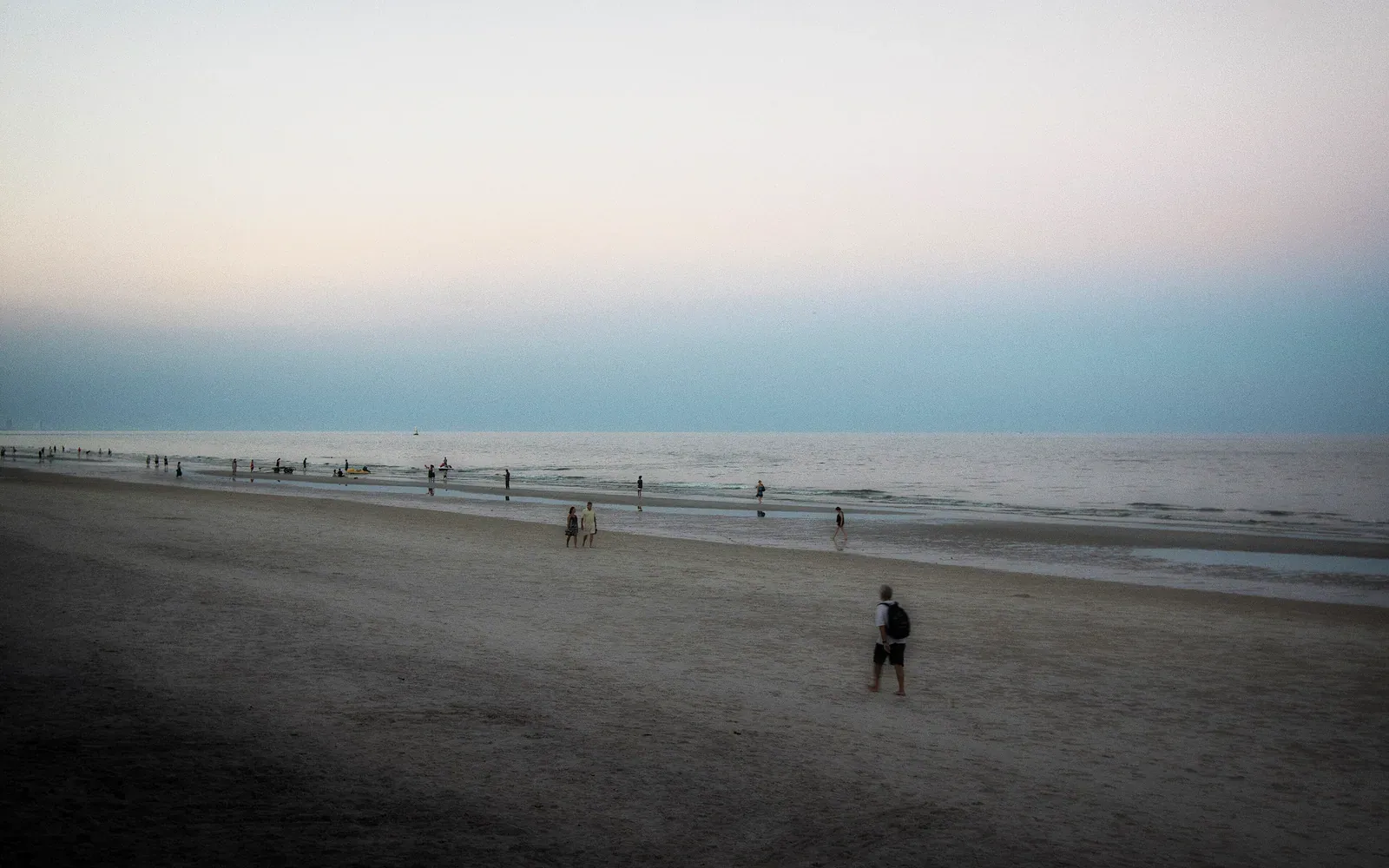
Bangkok itself has no swimming beach: the river mouth nearby is muddy delta water, not the clear sea most visitors picture. The real question isn’t “which beach is closest” but how far you’re willing to travel for water and sand actually worth the trip, and whether that distance still works as a day out or needs a night away, the same trade-off that shapes trips further inland like Ayutthaya or Kanchanaburi. To see where the coast sits relative to the city, check our Bangkok map guide.
Setting expectations
The upper Gulf of Thailand near Bangkok is shallow, brown-tinged river-delta water, fed by the Chao Phraya and several other rivers draining a vast, heavily populated catchment. It’s not dirty in a dangerous sense so much as simply not the tropical-blue water people expect from Thailand’s south. Genuinely clear water and pale sand require travelling further, either east toward Pattaya and its outlying islands, south toward the Gulf coast around Hua Hin, or further southeast to Ko Samet. Everything closer trades water quality for convenience; everything further trades convenience for the coast people actually picture.
The options, by distance and character
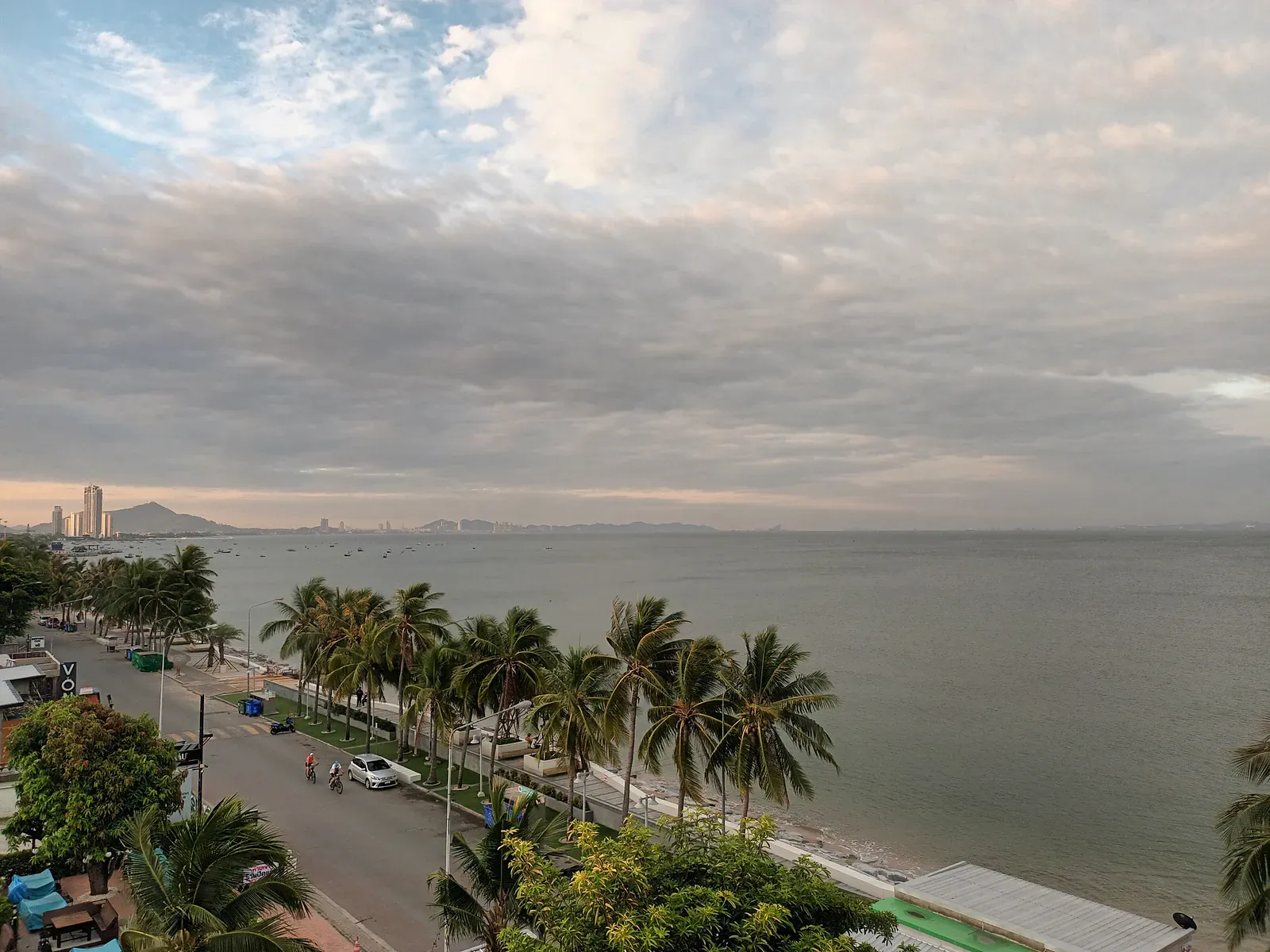
Bang Saen, in Chonburi province, is the closest proper beach and the most unmistakably Thai weekend option: a long stretch of sand backed by seafood stalls, beach chairs and a genuinely local crowd rather than an international resort scene. The water is calm and swimmable but still carries some of the upper gulf’s murkiness; go for the atmosphere and the seafood as much as for pristine water.
Pattaya and Jomtien have a mixed reputation, much of it earned by Pattaya’s dense, nightlife-driven main beach strip, but the southern stretch around Jomtien is calmer, cleaner and considerably more pleasant for anyone not there for the bars. Treat the two as genuinely different beaches sharing one metro area rather than interchangeable.
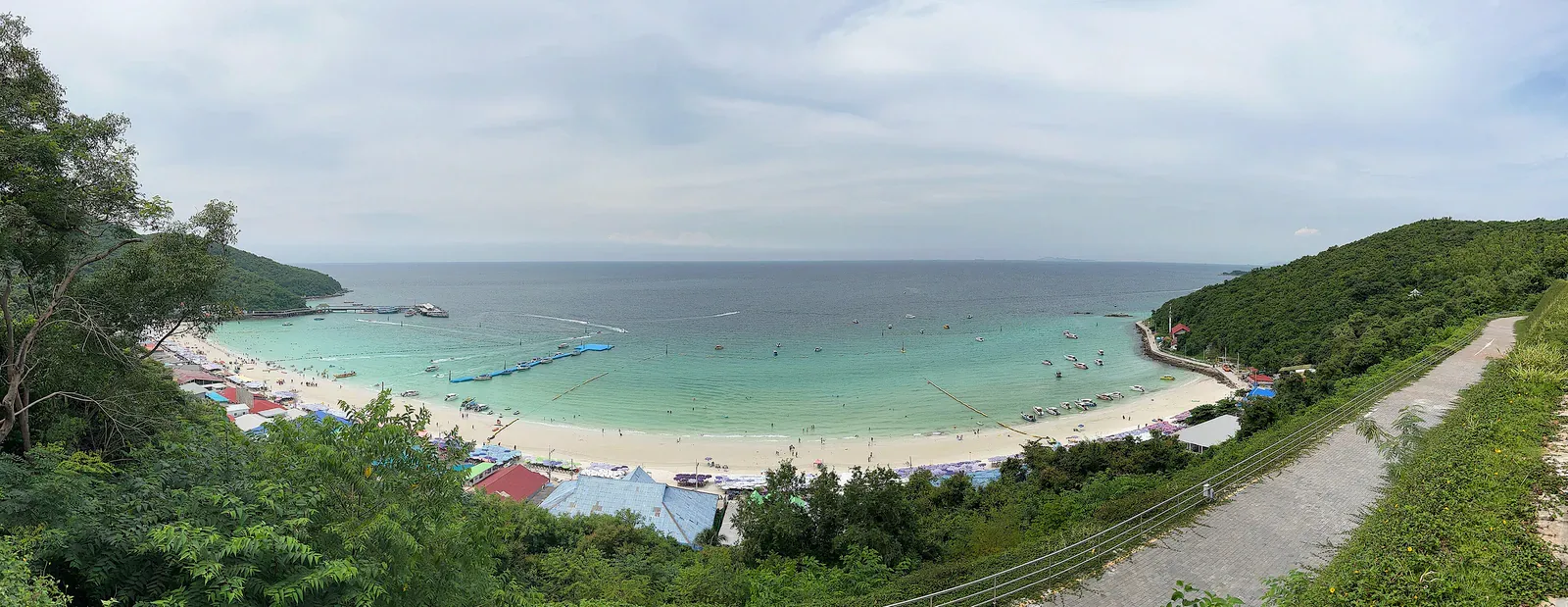
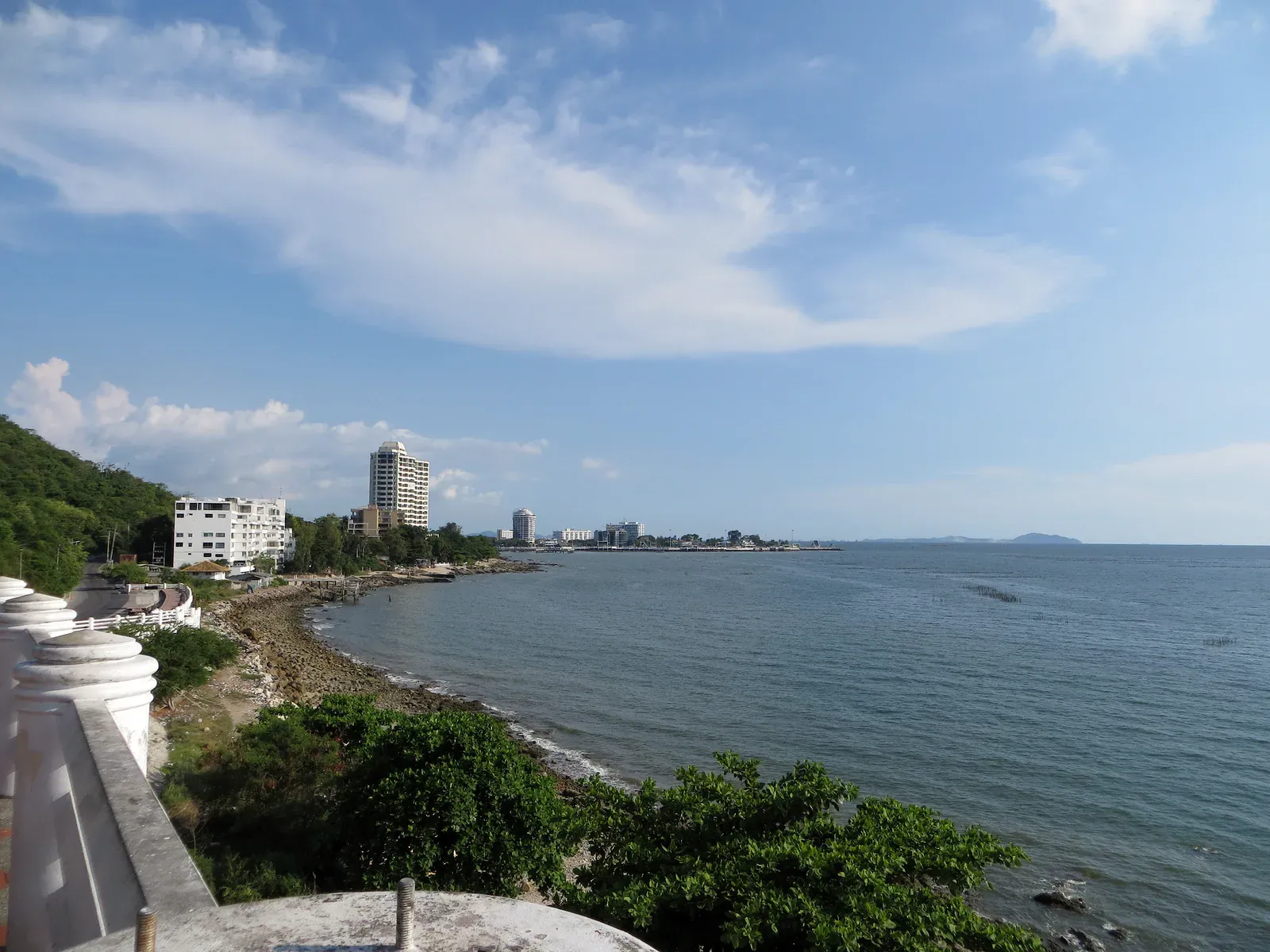
Ko Lan, a small island a short boat ride off Pattaya, is the closest genuinely good island beach, with clearer water and paler sand than anything on the mainland this close to Bangkok, and works well as a day trip added onto a Pattaya visit.
Hua Hin and Cha-am, further south down the gulf coast, offer a calmer, more family-oriented character than Pattaya, longer sandy stretches, and a town that’s been a low-key royal and domestic holiday destination for generations rather than a backpacker or nightlife hub.
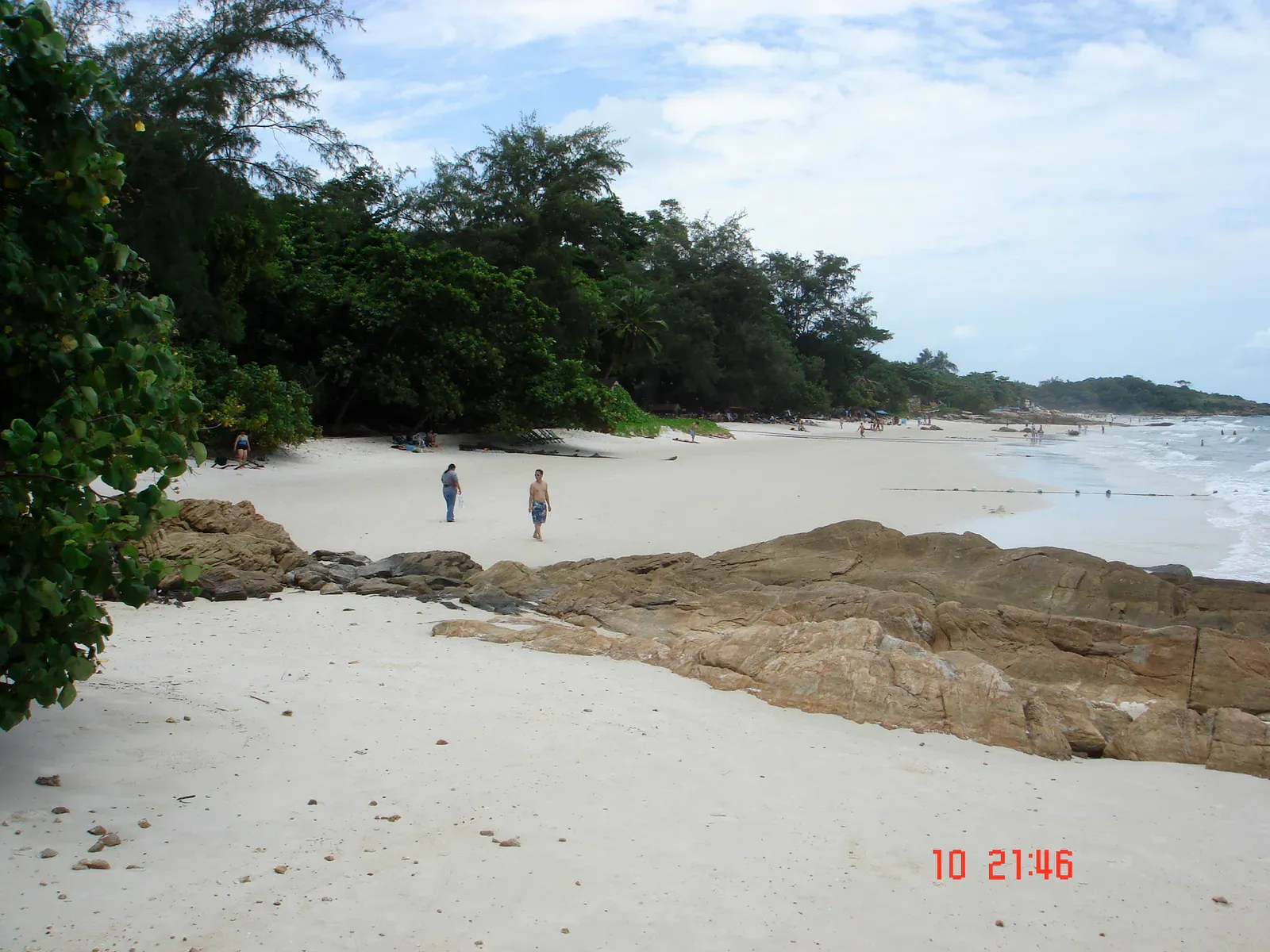
Ko Samet, further southeast again, is the closest island with consistently good, clear water and proper white sand, but honestly a weekend trip rather than a day trip once ferry and travel time are accounted for. For other islands, see how to reach islands near Bangkok.
Bang Pu, on the coast just south of Bangkok, isn’t a swimming beach at all: it’s a mangrove and mudflat coastline best known for a large migratory seagull population that gathers in the cooler months, a strange but genuine local alternative for a coastal outing that isn’t really about sand and swimming.
Comparing the realistic options
| Destination | One-way travel time | Transport | Water and sand | Crowds | Day trip or night? |
|---|---|---|---|---|---|
| Bang Saen | 1.5-2 hours | Bus, minivan, car via motorway | Calm, still gulf-murky | Busy weekends, quiet weekdays | Day trip |
| Pattaya / Jomtien | 2-2.5 hours | Minivan from Ekkamai/Mo Chit, bus, car | Mixed: Jomtien notably better | Very busy, most days | Day trip, better as overnight |
| Ko Lan | 2.5-3 hours incl. boat | Minivan/bus to Pattaya pier, then boat | Clearer water, paler sand | Busy, especially weekends | Day trip, tight but doable |
| Hua Hin / Cha-am | 2.5-3.5 hours | Bus, minivan, car via motorway | Longer sandy stretches, calmer | Moderate, family-heavy | Better as overnight |
| Ko Samet | 3-4 hours incl. ferry | Bus/minivan to pier, then ferry | Clear water, proper white sand | Moderate to busy | Weekend, not a day trip |
| Bang Pu | 45-75 minutes | BTS/bus combination, car | Mangrove and mudflat, not for swimming | Quiet outside seagull season | Half-day |
Journey times are realistic ranges depending on traffic and starting point in Bangkok, not fixed schedules: build in slack either direction.
Who each one suits and the honest verdict
Bang Saen suits anyone wanting a genuine local beach-day atmosphere without much planning, and it’s the only entry on this list that comfortably works as a half-day add-on rather than needing the full day. Pattaya’s main beach suits nightlife-focused visitors more than beach purists; Jomtien suits everyone else wanting a straightforward, less frantic beach day from the same transport connections. Ko Lan suits anyone who wants notably better water than the mainland without committing to an overnight island stay: it works as a long day trip but feels rushed if you’re also trying to see Pattaya itself the same day. Hua Hin and Cha-am suit families and anyone prioritising a calmer scene over proximity; the travel time makes a same-day return workable but tiring, and an overnight stay lets you actually relax rather than spend half the day travelling. Ko Samet suits anyone treating the coast as the main event of a trip rather than an add-on: attempting it as a single day from Bangkok means several hours of travel for a genuinely short time on the sand, which defeats the point.
Getting there: terminals, tolls and driving
Minivans to the eastern beaches (Bang Saen, Pattaya and their connections onward to Ko Lan’s pier) generally leave from depots around Ekkamai (Eastern) Bus Terminal or Mo Chit (Northern) Bus Terminal, with routes and exact departure points worth checking on the day since minivan operations shift around. Buses to Hua Hin and Cha-am run from the Southern Bus Terminal. Ko Samet requires a bus or minivan to a mainland pier town followed by a ferry crossing, adding a transfer most other options don’t need. Driving yourself, the motorway east toward Pattaya and south toward Hua Hin both involve toll roads, worth budgeting a modest additional cost for and keeping cash or an electronic toll tag ready to avoid holding up traffic at the booth.
Jellyfish, water quality and seasonal factors
Jellyfish appear seasonally along parts of this coast, more of a concern at Ko Samet and the outer islands than the murkier mainland beaches, and stings from the common species are painful rather than dangerous for most people: vinegar is the standard first response, and lifeguard stations at busier beaches usually carry it. Water quality on the mainland beaches closest to Bangkok dips further after heavy rain, when runoff temporarily increases turbidity and the case for skipping a swim gets stronger. None of this is unique to Thailand’s gulf coast, but it’s worth knowing before wading in expecting postcard clarity at Bang Saen.
The jet-ski and rental scam, and how to avoid it
A well-documented scam targets tourists at several Thai beaches, Pattaya prominently among them: a jet-ski or equipment rental appears fine at handover, and afterward the operator claims pre-existing damage and demands payment, sometimes aggressively, before returning a passport or allowing you to leave. Photograph or video the equipment from multiple angles before you take it, note existing scratches or damage explicitly with the operator present, and consider avoiding jet-ski rental entirely at beaches with a known reputation for this: the activity itself isn’t worth the risk of a confrontation over a deposit. If a dispute does arise, involving tourist police rather than negotiating alone directly with the operator is the safer path.
Weekday versus weekend, and why it matters more here than elsewhere
Every beach on this list changes character sharply between a weekday and a weekend, more so than most Bangkok attractions. Bang Saen and Pattaya fill with domestic day-trippers and Bangkok families from Friday evening through Sunday, with beach chairs, food stalls and traffic on the connecting roads all busier than a weekday visit; going on a Tuesday or Wednesday gets you a noticeably calmer stretch of sand and a faster round trip. Ko Lan’s boats run more frequently at weekends to match demand but also carry far more day-trippers per crossing, so the island’s beaches feel more crowded exactly when the transport is easiest. Hua Hin and Ko Samet see the least dramatic weekday-weekend swing of the group, since a higher share of their visitors are already staying overnight rather than day-tripping, though Thai public holidays spike all of these destinations at once regardless of which day of the week they fall on.
Food along the coast
Part of the appeal of a Thai beach day is the food alongside it, and each destination has its own version. Bang Saen’s stalls specialise in fresh seafood grilled or fried to order, eaten at plastic tables steps from the sand, and it’s genuinely some of the best-value seafood accessible from Bangkok. Pattaya and Jomtien run the full range from beachfront seafood shacks to international restaurants, reflecting the area’s decades as a resort town. Ko Lan and Ko Samet lean toward simple beachside restaurants serving Thai staples and fresh catch to day-trippers and overnight guests alike, with prices a notch above the mainland to reflect the boat-in supply chain. Hua Hin has a genuine night market tradition alongside its seafood restaurants, worth timing an evening around if you’re staying over rather than day-tripping.
Sun, heat and beach etiquette
The sun at these latitudes is stronger than most visitors from temperate countries expect, even under cloud, and burns happen fast during the hottest months. High-SPF sunscreen reapplied regularly, a hat, and shade breaks through the middle of the day matter more here than the water temperature does. On etiquette: swimwear is for the beach and the water, not for wandering into nearby shops, temples or restaurants: cover up when you leave the sand. Thai beach culture, particularly at more local spots like Bang Saen, tends toward more modest swimwear than international resort norms; it’s not enforced, but it’s worth being aware of rather than assuming every beach reads the same way.
Decision table: what to pick
| You have | You’re willing to travel | You want | Go to | The catch |
|---|---|---|---|---|
| A few hours | Under 2 hours | A quick local beach fix | Bang Saen | Water is calm but not clear |
| A full day | 2-2.5 hours | Better water, a proper island feel | Ko Lan (via Pattaya) | Long day, boat transfer adds time |
| A full day, less fussy about sand | 2-2.5 hours | Convenience and nightlife nearby | Pattaya/Jomtien | Main beach is crowded and touristy |
| A weekend | 2.5-3.5 hours | Calm, family-friendly coast | Hua Hin/Cha-am | Too far to enjoy properly as a day trip |
| A weekend | 3-4 hours | The best water and sand on this list | Ko Samet | Not realistically a day trip at all |
| A couple of hours, no swimming needed | Under 90 minutes | Something coastal but different | Bang Pu | Mudflats and mangroves, not a swim beach |
Packing for a coastal day trip
- Swimwear worn under regular clothes, to skip hunting for a changing room.
- A light cover-up or sarong for the journey and for stepping into shops or food stalls afterward.
- Reef-safe sunscreen where available, reapplied more often than feels necessary.
- A dry bag or sealable plastic bag for phones, cash and cards near the water.
- Cash in small notes: beach vendors, chair rentals and small seafood stalls rarely take cards.
- A printed or downloaded offline map of your destination, since signal can be patchy on some islands and boat crossings.
If a day trip is too much
When none of this fits the time available, Bangkok itself has alternatives that scratch a similar itch without the travel. Hotel and public swimming pools across the city cover everything from rooftop infinity pools to straightforward lap pools open to day guests. Water parks on the city’s outskirts give a full day of water-based activity without leaving the metro area. The riverside (reviewed in more detail as a destination in its own right rather than a beach substitute) offers open air, water and a change of scene within the city, and pairs naturally with the kind of relaxed half-day that Bang Pu also offers without either requiring a full beach-trip commitment. None of these replace real sand and sea, but they’re honest alternatives on a day when the coast genuinely isn’t worth the round trip.
Driving yourself versus taking public transport
Self-driving gives control over timing and lets you carry beach gear, coolers and children’s equipment without worrying about minivan luggage limits, but Bangkok’s outbound traffic on Friday afternoons and returning traffic on Sunday evenings toward all the eastern and southern beaches can add well over an hour to journey times quoted for normal conditions. Public minivans and buses avoid the stress of driving in unfamiliar provincial traffic and the search for parking near busy beaches, at the cost of fixed departure points and less flexibility if you want to leave earlier or later than planned. For a first visit to any of these destinations, public transport removes enough uncertainty to be the easier choice; for a family with a car already and gear to carry, driving usually wins despite the traffic risk. Ride-hailing apps work reasonably well for the final leg from a bus or minivan drop-off point to the beach itself at Bang Saen, Pattaya and Hua Hin, less reliably at Ko Lan and Ko Samet once you’re across the water.
Common questions
How does a beach day compare with Bangkok’s other classic day trips?
It’s a different kind of day. Ayutthaya and Kanchanaburi are history-focused inland trips with fixed sites to see; a beach day is about water and downtime, and generally needs more travel time for less certain payoff, which is why several of the better coastal options here work best as an overnight rather than a rushed there-and-back.
Is there a swimming beach in Bangkok itself?
No. The city sits on a river delta with muddy, non-recreational water at its own edges. Every real beach option involves travelling at least an hour or more out of the city.
What’s the closest good beach to Bangkok?
Bang Saen is the closest at around 1.5 to 2 hours, though the water is calmer than clear. For notably better water within a manageable day trip, Ko Lan off Pattaya is the better answer despite the longer combined travel and boat transfer.
Can I visit Ko Samet as a day trip from Bangkok?
Technically yes, but it isn’t a good idea. Between the bus or minivan to the pier, the ferry crossing and the return journey, you’ll spend more time travelling than on the island. Treat Ko Samet as a weekend destination instead.
Is Pattaya beach worth visiting?
The main beach is crowded and geared heavily toward nightlife rather than swimming. Jomtien, just south, is calmer and better suited to a straightforward beach day using the same transport connections.
How do I avoid the jet-ski rental scam in Pattaya?
Photograph the equipment from several angles before taking it, and get any existing damage acknowledged by the operator up front. If a dispute happens anyway, involve tourist police rather than negotiating the demand alone.
What is Bang Pu, and is it worth visiting instead of a beach?
Bang Pu is a mangrove and mudflat coastline south of the city, best known for a large seagull population in the cooler months. It’s not a swimming destination, but it’s a genuine, quick coastal outing for anyone who wants sea air without committing to a full beach day.
Written by
Mike Brochlowski
Founder and editor, travel photographer and designer
I'm Mike Brochlowski, a travel photographer and designer, and I currently live on Koh Samui, Thailand. I built BangkokWiki to put practical, checked information about Bangkok in one place. Every page is researched from official and primary sources, and the text names them. Where a page shows a checked date, that is when its facts were last confirmed. I also run samui69.com, a non-commercial guide to Koh Samui. If you spot an error or something out of date, tell me through the contact page and I will check it and correct the page.
Read all articles
Where to stay
Pick the area before the hotel
Traffic and heat make Bangkok distances feel longer than they look on a map, so the area shapes a trip more than the hotel does. Our guides match areas to trip types and explain the trade-offs.

Places to stay
Find a hotel
More from Things to do
- 12 min read
 13 min read
Ayutthaya Day Trip From Bangkok: How to Do It
 9 min read
Bangkok Must-Do Experiences, Scored by Time, Cost, Crowd

Newsletter
You're subscribed as