Travel
2 Days in Bangkok: Built Around What Closes at 3:30pm
A 2-day Bangkok itinerary built around two hard constraints competitors miss: the Grand Palace's 3:30pm last entry and Chatuchak's weekend-only hours.
At a glance
- Reading time
- 8 min read
- Chapters
- 9
- Published
- Oct 10, 2026
On this page
Two days in Bangkok works if you build around one fact most guides skip: the Grand Palace stops selling tickets at 3:30pm, and several other major temples close their halls well before sunset. That turns “do the old town” from a flexible afternoon plan into a hard morning deadline. This itinerary puts the temple-heavy day first, in the morning, and saves the flexible modern-city half for whenever energy and weather allow.
The second constraint most guides bury: Chatuchak Weekend Market, the classic “Day 2” pick, only runs at full scale on Friday night and Saturday-Sunday daytime. If your two days don’t touch a weekend, you need a different Day 2 plan, not a market you can’t actually visit. Only got one day instead of two? See one day in Bangkok for a single-area version of this same logic.
The two days at a glance
| Day | Morning | Afternoon | Evening | Hard constraint |
|---|---|---|---|---|
| 1 (Old town) | Grand Palace, Wat Pho | Wat Arun, river boat | Riverside dinner | Grand Palace last entry 3:30pm |
| 2 (weekend) | Chatuchak Weekend Market | Continue market or rest | Rooftop or night market | Chatuchak: Sat/Sun 9am-6pm only |
| 2 (weekday) | Siam malls, Jim Thompson House | Chinatown (Yaowarat) | Yaowarat food crawl | Chatuchak closed Mon-Thu |
Day 1: the old town, on a deadline
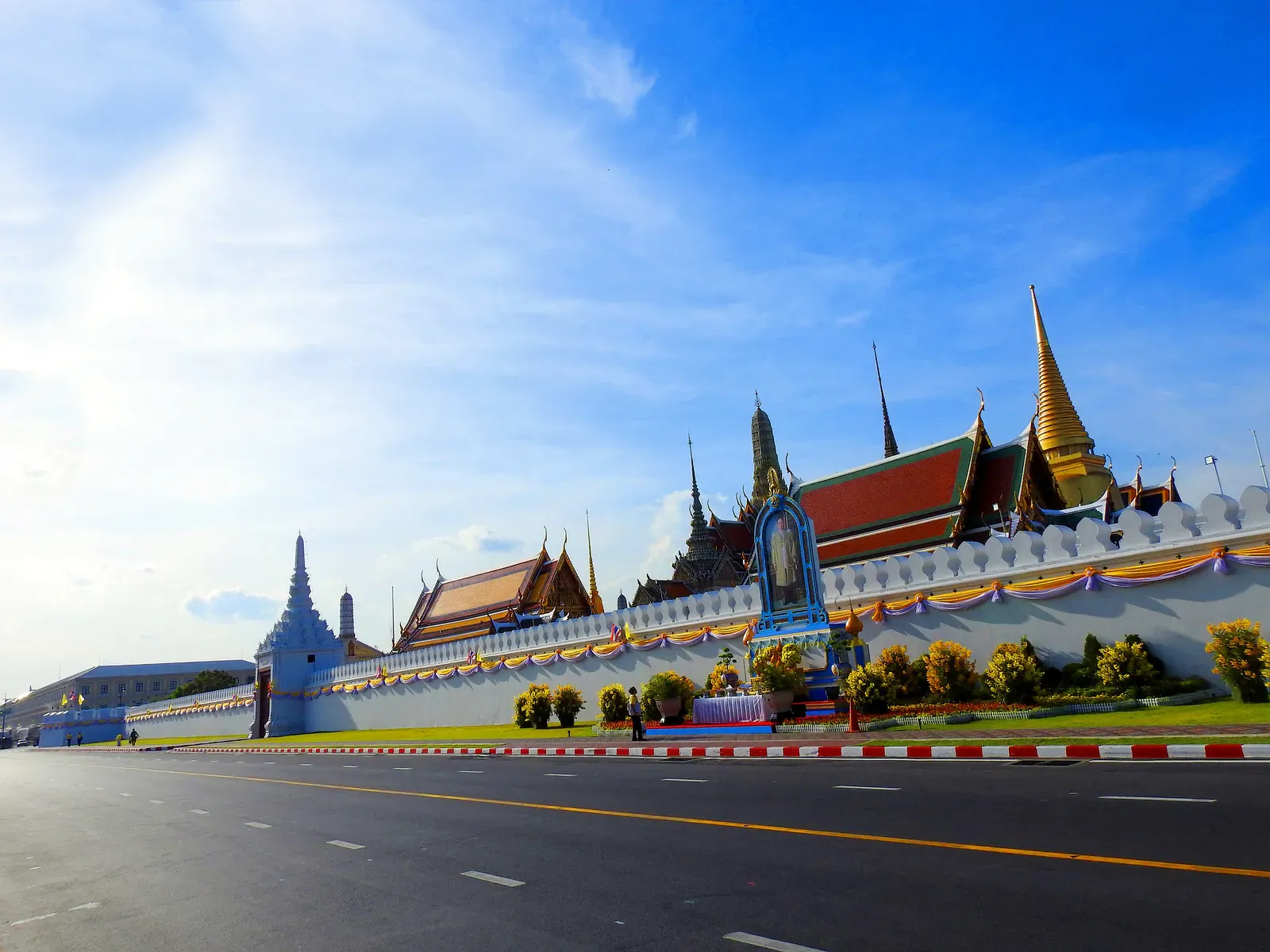
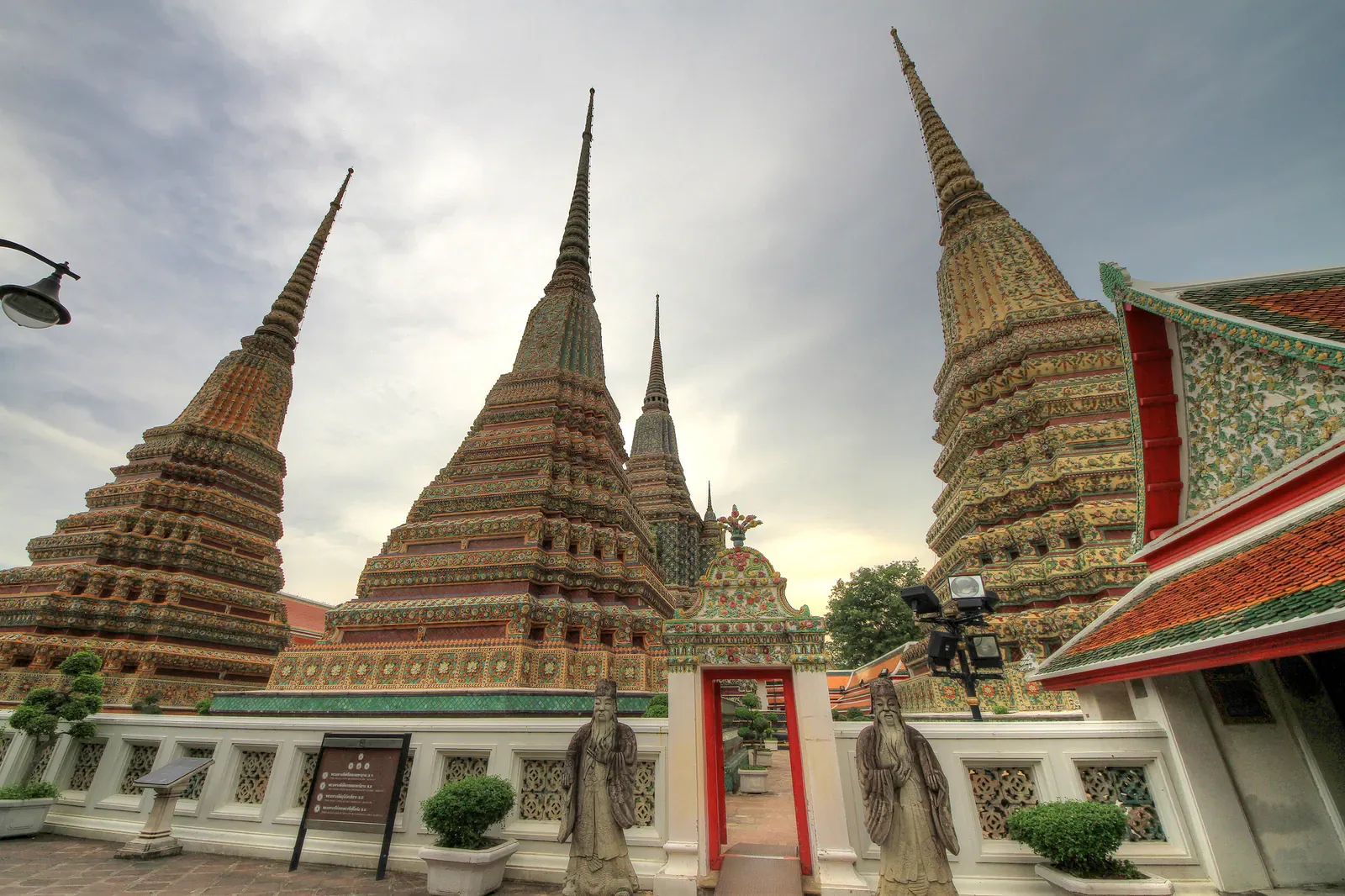
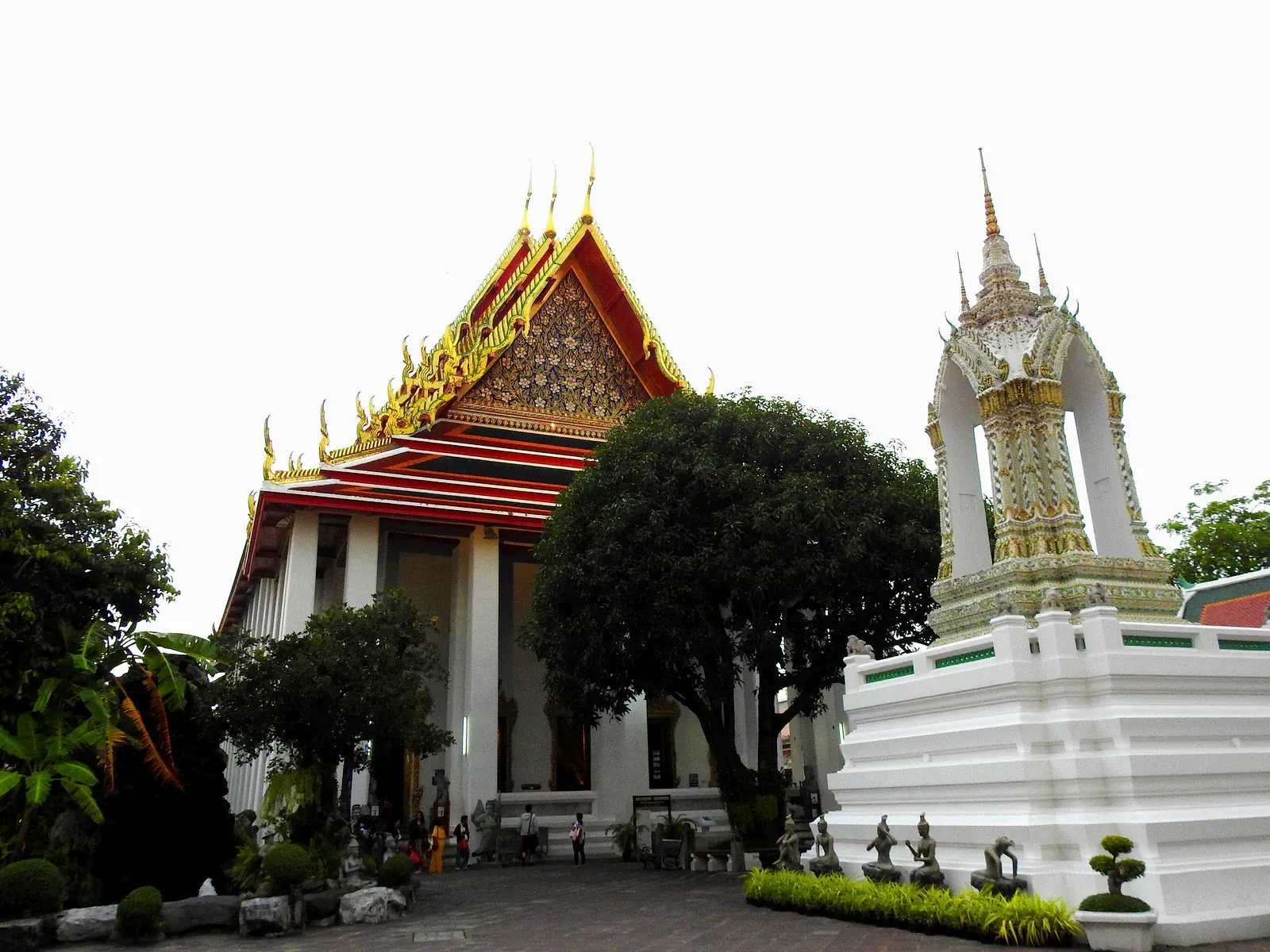
Start early. The Grand Palace complex, which includes Wat Phra Kaew (Temple of the Emerald Buddha), opens at 8:30am and stops selling tickets at 3:30pm, checked September 2026: arrive after that window and the day’s anchor sight is simply off the table. Admission is 500 THB (~15 USD, checked September 2026) for foreign visitors; Thai nationals enter free with ID. Budget two hours minimum, more if the tour-bus crowds are heavy, which they usually are by mid-morning.
From the Grand Palace, walk a few minutes south to Wat Pho, home of the reclining Buddha and a genuinely calmer complex once you’re inside. An hour covers the highlights, longer if you add a traditional Thai massage at the school on site. From Wat Pho, it’s a short walk to Tha Tien pier, where the cross-river ferry (a few baht, cash) crosses to Wat Arun, the Temple of Dawn. Wat Arun’s last entry runs to around 5:30pm, checked September 2026, so it comfortably fits after the other two.
How the closing times actually stack up
- Grand Palace
- 3:30pm
- Wat Arun
- 5:30pm
- Wat Pho
- ~6pm (ticketing)
Source: Official temple hours pages, cross-checked, checked September 2026
The gap between the Grand Palace’s 3:30pm cutoff and Wat Pho’s later window is the entire reason to sequence the day this way: start with the site that punishes a late arrival, and let the more forgiving stops absorb any delay.
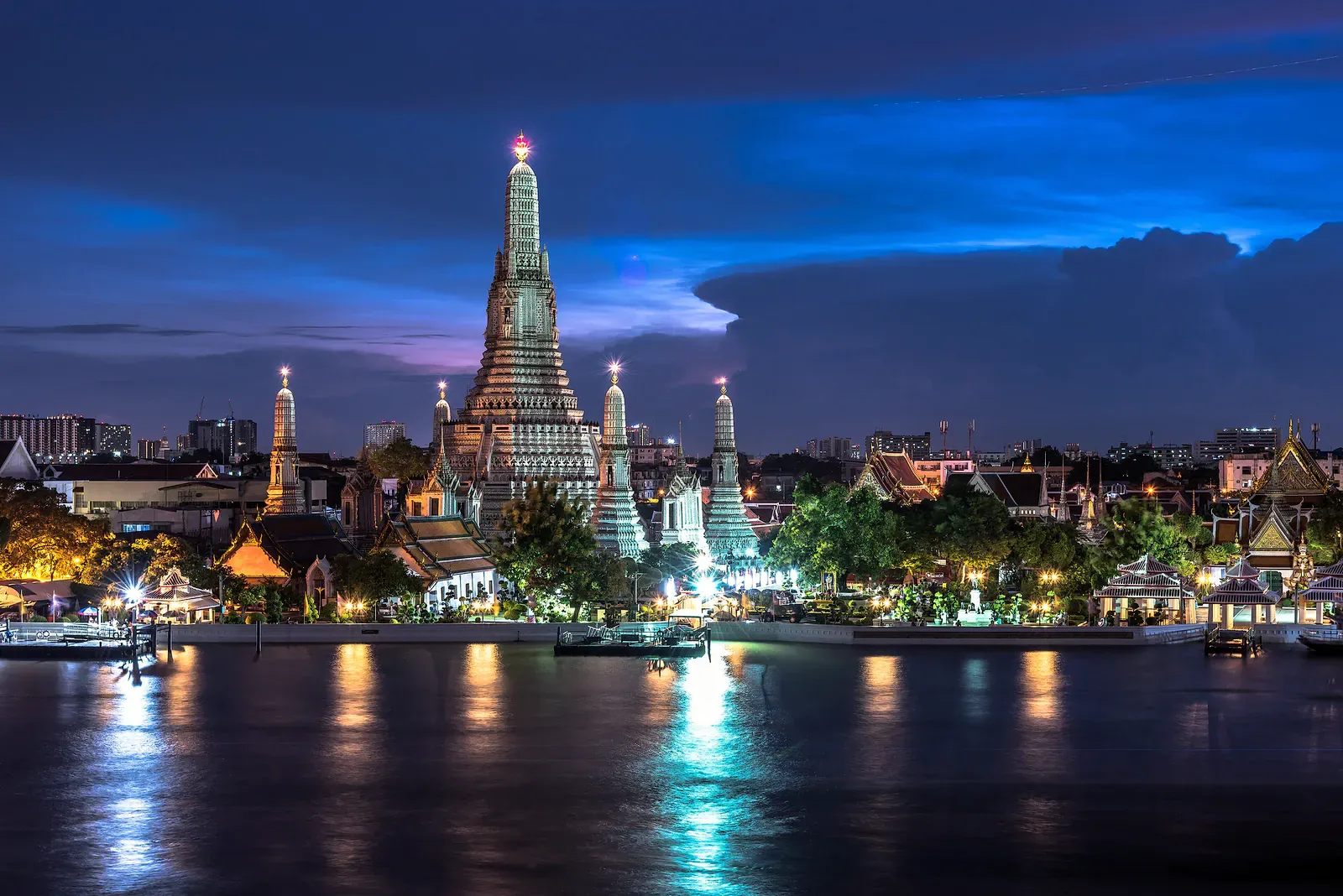
By early afternoon the heat is usually at its worst, which lines up naturally with the boat ride and a break. A riverside restaurant near Tha Tien or further downriver toward Charoen Krung makes a good close to the day, with Wat Arun lit up across the water after dark.
What to drop if you’re behind schedule: Wat Arun’s steep central climb is the first thing to cut; the view from the pier and the boat is nearly as good. If the Grand Palace runs long, consider Wat Pho’s grounds without the massage rather than rushing both temples.
Day 2, weekend version: Chatuchak
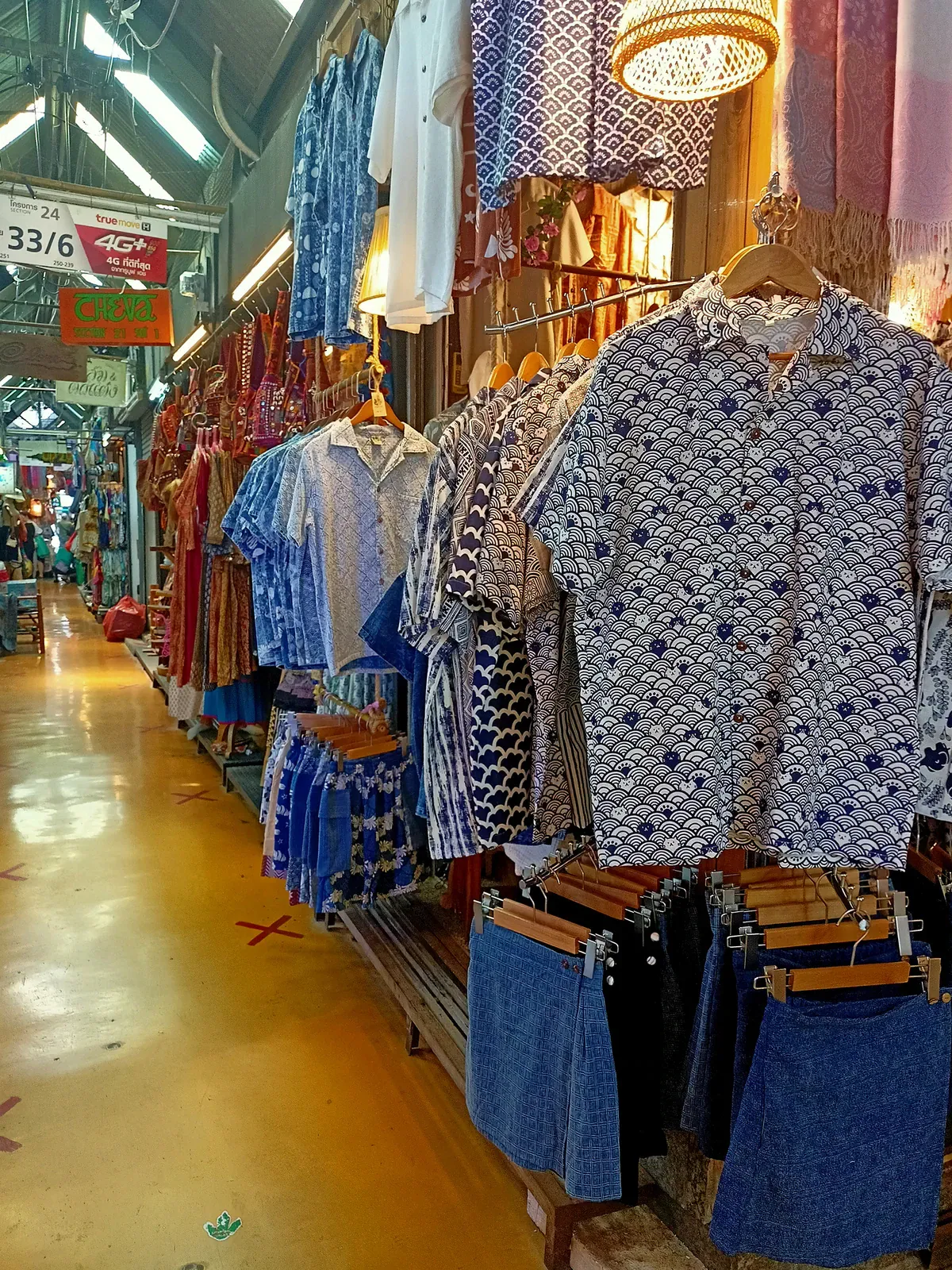
If your second day lands on a Saturday or Sunday, Chatuchak Weekend Market (Mo Chit BTS, Kamphaeng Phet MRT) runs 9am to 6pm both days, checked September 2026, and is worth building the whole day around. It’s one of the largest markets in the world by stall count, loosely organised by section (clothing, home goods, antiques, food), and easy to lose hours in without seeing half of it. Go early, before the heat and the crowds both peak; food stalls are generally fixed-price, unpriced goods are open to bargaining.
An early Friday evening also works: the market runs 6pm to midnight on Fridays, a smaller-scale but genuinely different atmosphere than the daytime weekend crush.
Evening options after Chatuchak: a rooftop bar for sunset (clusters around Silom, Sathorn and lower Sukhumvit, most reachable by BTS or MRT plus a short walk; check dress codes at the smarter ones), or a night market for dinner if the market itself has already covered the shopping urge.
Weighing a guided option for either day instead of doing it all yourself? Which Bangkok tours are worth booking, and which you can DIY scores the trade-off by activity type.
Day 2, weekday version: Siam and Chinatown
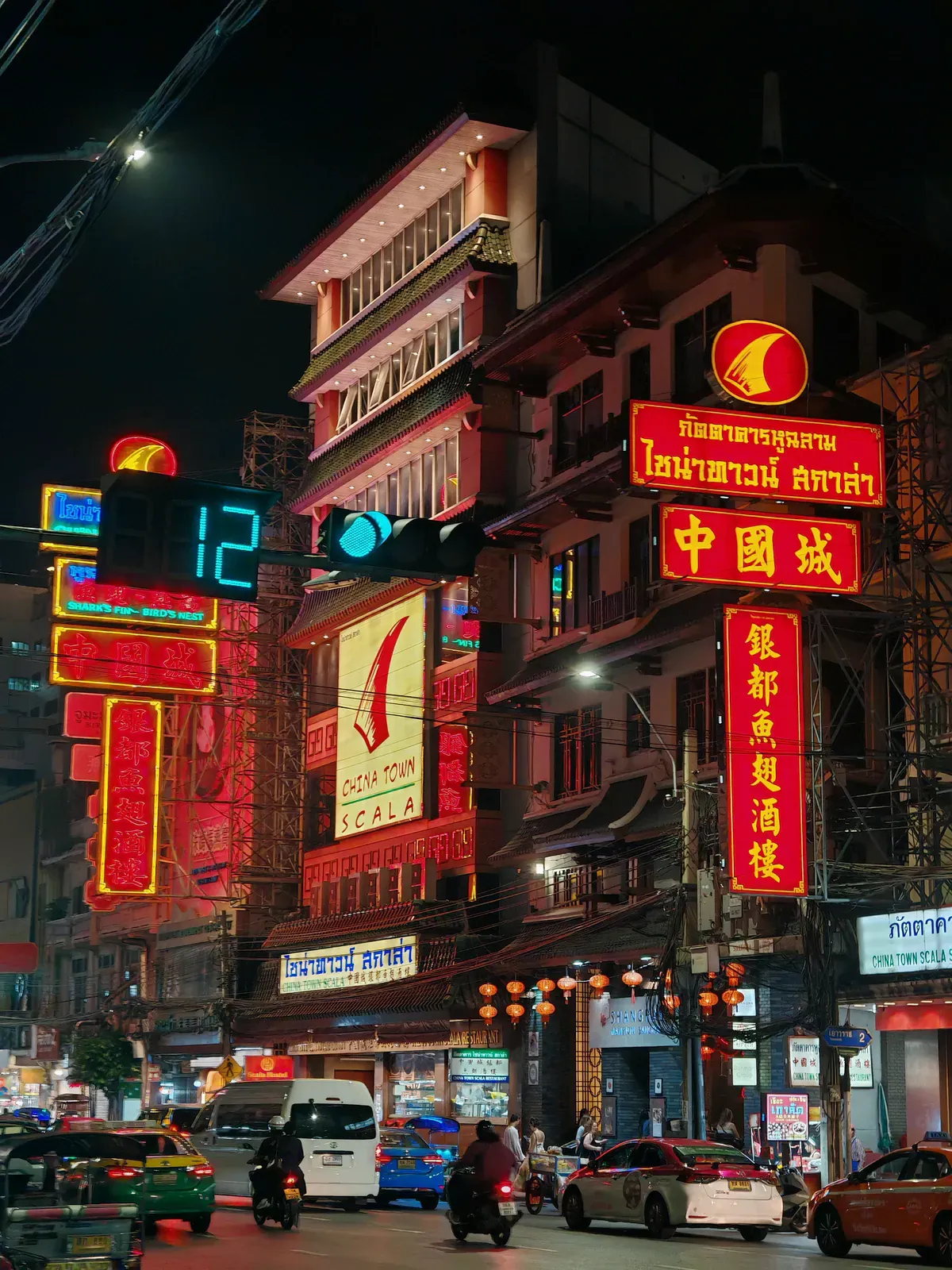
No weekend in your two days means no Chatuchak at full scale. Swap in a day built on the BTS Skytrain instead, which removes any dependence on road traffic. Start at Siam (Siam BTS interchange), Bangkok’s mall spine, for a few hours of air-conditioned browsing and a food court lunch. Jim Thompson House, a short walk or ride away, is a calm teak-house museum that makes a good counterweight to the malls.
In the afternoon or evening, head to Chinatown (Wat Mangkon MRT). Yaowarat Road’s food stalls and neon-lit street front come alive after dark: go hungry, order small portions from several stalls, and expect the main road to be genuinely crowded and slow-moving after sundown, which is the point rather than a problem. A daytime visit suits the temples and gold shops along the same street; an evening visit suits the food.
Getting between the two days
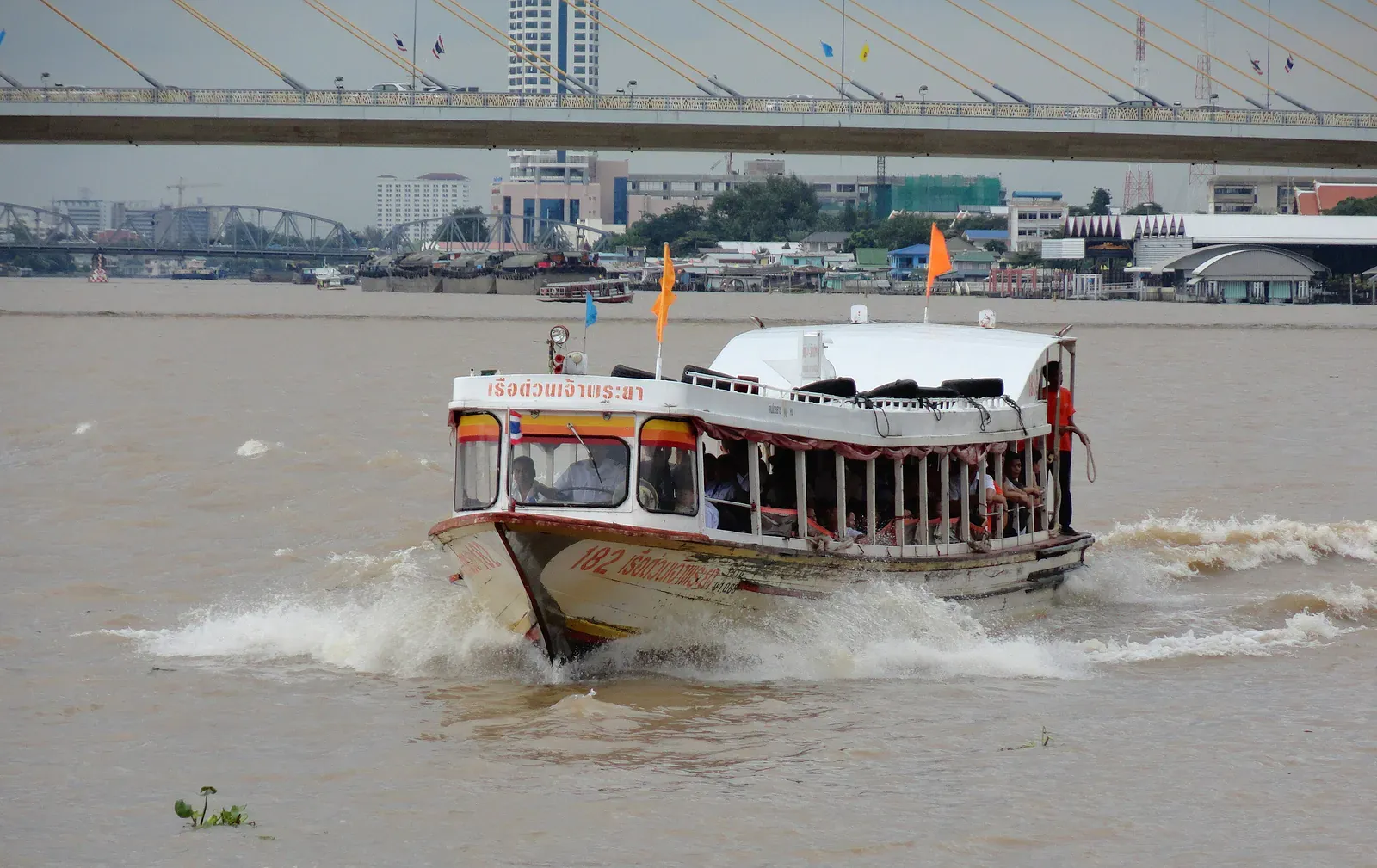
The BTS Skytrain and the Chao Phraya Express Boat carry almost this entire itinerary. Day 1 leans on the river: the express boat and cross-river ferries link Tha Tien, Wat Arun and the old town piers, with fares in the 18-35 THB range (~0.5-1 USD), checked September 2026. Day 2 leans on the BTS: Mo Chit for Chatuchak, Siam for the malls, with single fares running roughly 17-65 THB (~0.5-2 USD) depending on distance.
A stored-value rail card, bought on Day 1, saves queuing for single tickets on Day 2 and makes hopping on and off the BTS for short trips painless.
Money and pacing for two days
Two anchor stops a day is realistic given the heat and, for most visitors, jet lag on Day 1. Trying to add a third major sight on top of the Grand Palace and Wat Pho usually means rushing both. A rough per-person daily figure for transport, food and one paid attraction lands in the 600-1,000 THB range (~18-30 USD), checked September 2026, heavier on Day 1 because of the Grand Palace ticket. For a fuller price-tiered breakdown of what things cost, see budget things to do in Bangkok.
- Book nothing you don’t need to. Current entry arrangements for the Grand Palace and Wat Pho change; check the official site closer to your date rather than pre-booking from an old guide.
- Carry small notes. Ferries, market stalls and the cross-river ferry often don’t take cards.
- Dress for temple entry from the start of Day 1. Shoulders and knees covered, closed shoes for temple interiors; don’t plan to change midday.
- Keep Day 2 flexible until you know the weekday. Decide the Chatuchak-vs-Chinatown branch as soon as your dates are fixed, not on the morning of.
Rain, and whether two days is actually enough
Day 2’s weekday version (Siam, Jim Thompson House, Chinatown’s covered sections) survives rain far better than Day 1’s mostly open-air temples. If rain is forecast for your first morning, consider flipping the two days: run the indoor-friendly day first and save the old town for whichever morning looks driest. For a longer wet-weather plan, see Bangkok rainy day activities.
As for whether two days is enough: for the old town and one full second day, yes, provided you accept that you’re choosing one Day 2 rather than doing everything. Readers with a third day available get considerably more breathing room: see 3 days in Bangkok for how a third day changes the calculus, or read how to plan a Bangkok itinerary for the general method behind grouping sights by area rather than by a fixed day count. Landing from a cruise ship instead of a hotel stay compresses this whole plan against a hard departure time: see a cruise passenger’s day in Bangkok for that version.
Common questions
Is 2 days enough time in Bangkok?
Enough for a first taste: the old town’s major sights plus one full second day, whether that’s Chatuchak or the Siam-to-Chinatown weekday route. It’s tight if you also want Ayutthaya or a slower neighbourhood day; those are a case for a third day.
What time does the Grand Palace close?
Ticket sales and last entry run to 3:30pm, checked September 2026, well before the grounds themselves close. This is the single detail that should shape the whole first day: go early, and treat the Grand Palace as the non-negotiable morning anchor.
What if my 2 days don’t include a weekend?
Skip Chatuchak and take the Siam-and-Chinatown weekday route on Day 2 instead. Friday evening also gives a smaller-scale version of the market from 6pm to midnight, checked September 2026, if your trip includes a Friday night.
Do I need to book the Grand Palace in advance?
Check the official site closer to your travel date for current entry arrangements, since these change. What doesn’t change is the value of arriving early: queues and heat both build through the morning regardless of the booking system in place.
Can I fit Ayutthaya into a 2-day trip?
Not comfortably. Ayutthaya is a full day trip on its own and doesn’t combine well with either of the two days in this itinerary. It’s a strong case for extending to three days; see 3 days in Bangkok for how that branch works.
Part of
Written by
Mike Brochlowski
Founder and editor, travel photographer and designer
I'm Mike Brochlowski, a travel photographer and designer, and I currently live on Koh Samui, Thailand. I built BangkokWiki to put practical, checked information about Bangkok in one place. Every page is researched from official and primary sources, and the text names them. Where a page shows a checked date, that is when its facts were last confirmed. I also run samui69.com, a non-commercial guide to Koh Samui. If you spot an error or something out of date, tell me through the contact page and I will check it and correct the page.
Read all articles
Where to stay
Pick the area before the hotel
Traffic and heat make Bangkok distances feel longer than they look on a map, so the area shapes a trip more than the hotel does. Our guides match areas to trip types and explain the trade-offs.

Places to stay
Find a hotel
Explore the other desks
More from Travel
- 5 min read
 11 min read
3 Days in Bangkok: A Realistic First-Visit Itinerary
 10 min read
A Cruise Passenger's Day in Bangkok: The Real Time Budget

Newsletter
You're subscribed as