Where to stay
Where to Stay in Bangkok: Choosing the Right Area
In brief
How to pick a Bangkok area to stay in by rail access, budget and trip type, with an honest verdict on Sukhumvit, Silom, Siam, Riverside, the old town and more.
On this page
Picking a Bangkok hotel is really picking an area, then almost any decent hotel in it works. Get the area wrong and no amount of thread count fixes it: you will spend your trip paying for taxis, sitting in traffic, or walking through areas that go dead at 9pm. Get it right and half your trip’s logistics solve themselves.
The one rule that decides everything
Stay within a short walk of a BTS Skytrain or MRT subway station. Bangkok’s road network cannot absorb its traffic, and a journey that looks like 3km on a map can take 40 minutes by car at the wrong hour, while the same distance by rail takes eight. Rail access is not a nice-to-have here; it is the single variable that determines whether your days feel easy or grinding. For hotels grouped by station, see hotels near BTS and train stations.
“Short walk” in Bangkok means something specific because of the heat and humidity, not because of distance alone. A five-minute walk in full sun at 34°C with high humidity feels like fifteen. In practice, aim for under 500 metres to the station, ideally with some covered pavement or a connected skywalk for part of it. Many hotels advertise themselves as “near BTS” when the walk is actually 12-15 minutes past building sites and unshaded road shoulders; check a map and look at street view before booking, not just the stated distance.
A station on an interchange (where BTS meets MRT, such as Asok/Sukhumvit or Sala Daeng/Silom) is worth more than a station further down a single line, because it gives you two directions of escape instead of one. If you plan to use the Chao Phraya Express Boat as well, a hotel near both a rail station and a pier compounds the advantage, particularly around Saphan Taksin. To see how the river, old town and Sukhumvit sit relative to each other, use our Bangkok map and neighbourhood guide.
Sukhumvit: Nana, Asok, Phrom Phong, Thong Lo, Ekkamai, On Nut
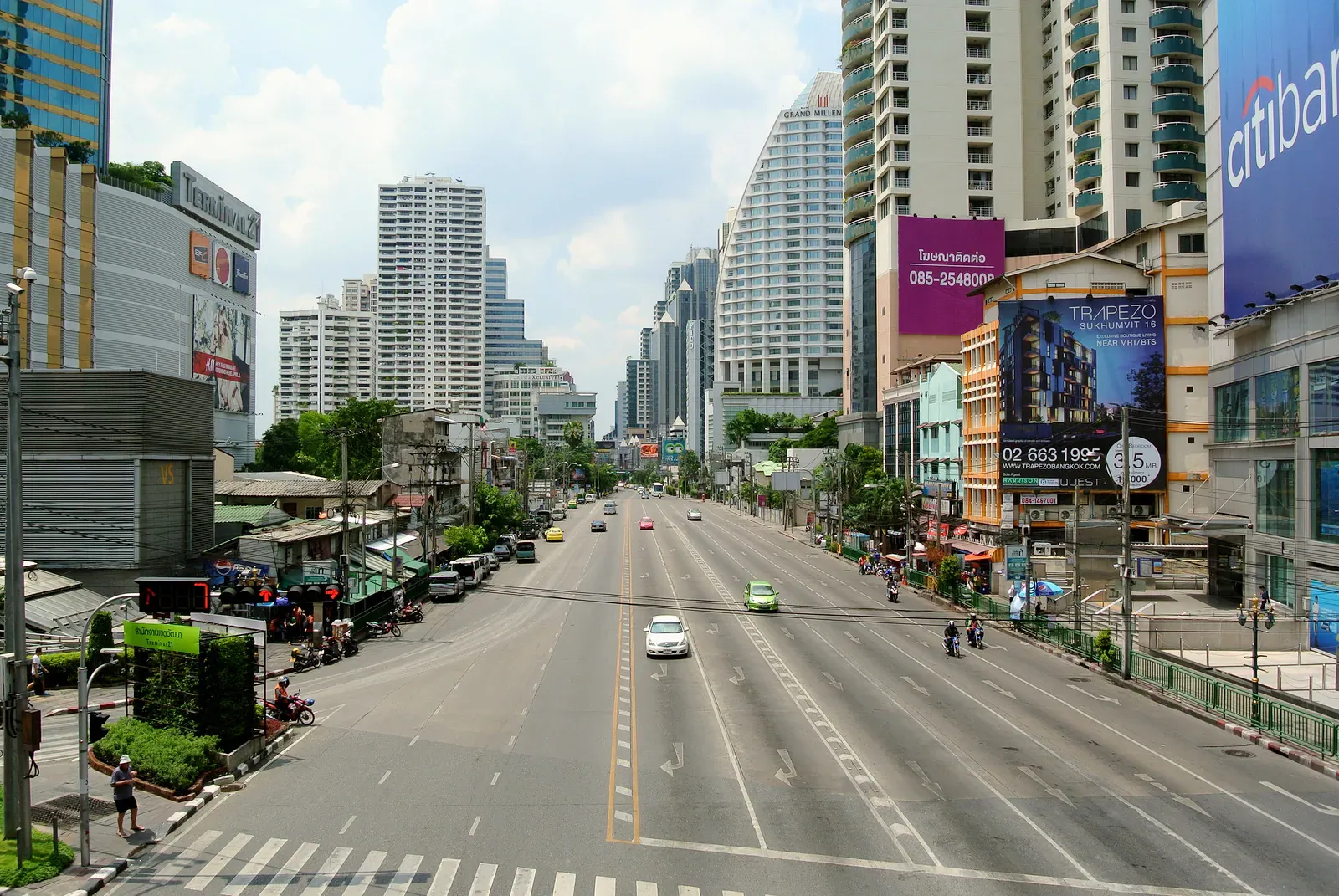
Sukhumvit is Bangkok’s longest, busiest hotel corridor, running along a single BTS line with an MRT crossing at Asok, and it covers the widest spread of price and character of any area in this guide. For a closer look, see the Sukhumvit area guide, hotels around Nana and Asok and hotels in Phrom Phong and Thonglor.
Nana and Asok sit at the older, more transient end: dense with hotels across every price band, open very late, and close to Terminal 21 and the Emporium/EmQuartier retail cluster further along the line. Nana in particular carries a red-light nightlife strip that some travellers actively want and others prefer to avoid; either way it means noise and activity well past midnight. Asok’s interchange status makes it one of the most transit-convenient bases in the city.
Phrom Phong, Thong Lo and Ekkamai are quieter, more residential-feeling, and carry Bangkok’s best concentration of restaurants and design-led bars. They cost more than Nana and Asok for equivalent quality and are calmer at night, which suits couples and repeat visitors who have already done the sightseeing circuit. The catch: they sit further from the old-town temples, so expect a 25-40 minute combination of rail and a short taxi or tuk-tuk to reach Wat Pho or the Grand Palace.
On Nut is the value play on the same line: same rail access, noticeably lower rates, a large wet market and a well-known 24-hour supermarket, but a more local, less polished streetscape and a longer ride into the Silom or Siam core.
The whole Sukhumvit corridor’s shared catch is Sukhumvit Road itself (loud, congested, patchily shaded), so a hotel one soi back from the main road is almost always the better stay even at a similar price.
Silom and Sathorn
Bangkok’s financial district and its best rail redundancy: the BTS Silom line crosses the MRT Blue Line at Sala Daeng/Silom, giving two lines in two directions from nearly any point here. It suits business travellers and anyone who wants nightlife (Patpong sits inside Silom) balanced against a quieter, more corporate daytime feel. Mid-range hotels in Silom and Sathorn lists places to stay.
Sathorn’s southern sois are calmer and more residential, popular with long-stay professional travellers, and closer to Lumphini Park for morning runs. The area is roughly on par with mid-to-upper Sukhumvit for price, sometimes a touch higher near the river end. The trade-off against Sukhumvit: fewer late-night restaurant options within immediate walking distance, and a more office-hours character on weekends.
Siam and Ratchathewi
The BTS interchange at Siam (where the Sukhumvit and Silom lines cross) sits at the centre of Bangkok’s shopping district (Siam Paragon, CentralWorld, MBK) and is arguably the single most central rail point in the city for a first-time visitor who wants to be near everything by train. Hotel stock here skews mid-range to upmarket, with fewer budget options than Sukhumvit or the old town. Rooms around the interchange are compared in hotels near Siam and Chit Lom, with a cheaper alternative in Pratunam hotels. For malls and lines in the district, see the Siam area guide.
Ratchathewi, one stop north, is quieter and noticeably cheaper for the same rail access, with a mix of budget and mid-range hotels in the back sois. It is less charming and more functional than Siam, but the trade of a lower rate for a two-minute extra ride is usually a good one. Neither area is walking distance to the old-town temples; budget 25-35 minutes by rail plus a short taxi or river-boat leg. For a tower hotel in this part of town, see the Baiyoke Sky Tower and hotel guide.
Riverside and Charoen Krung
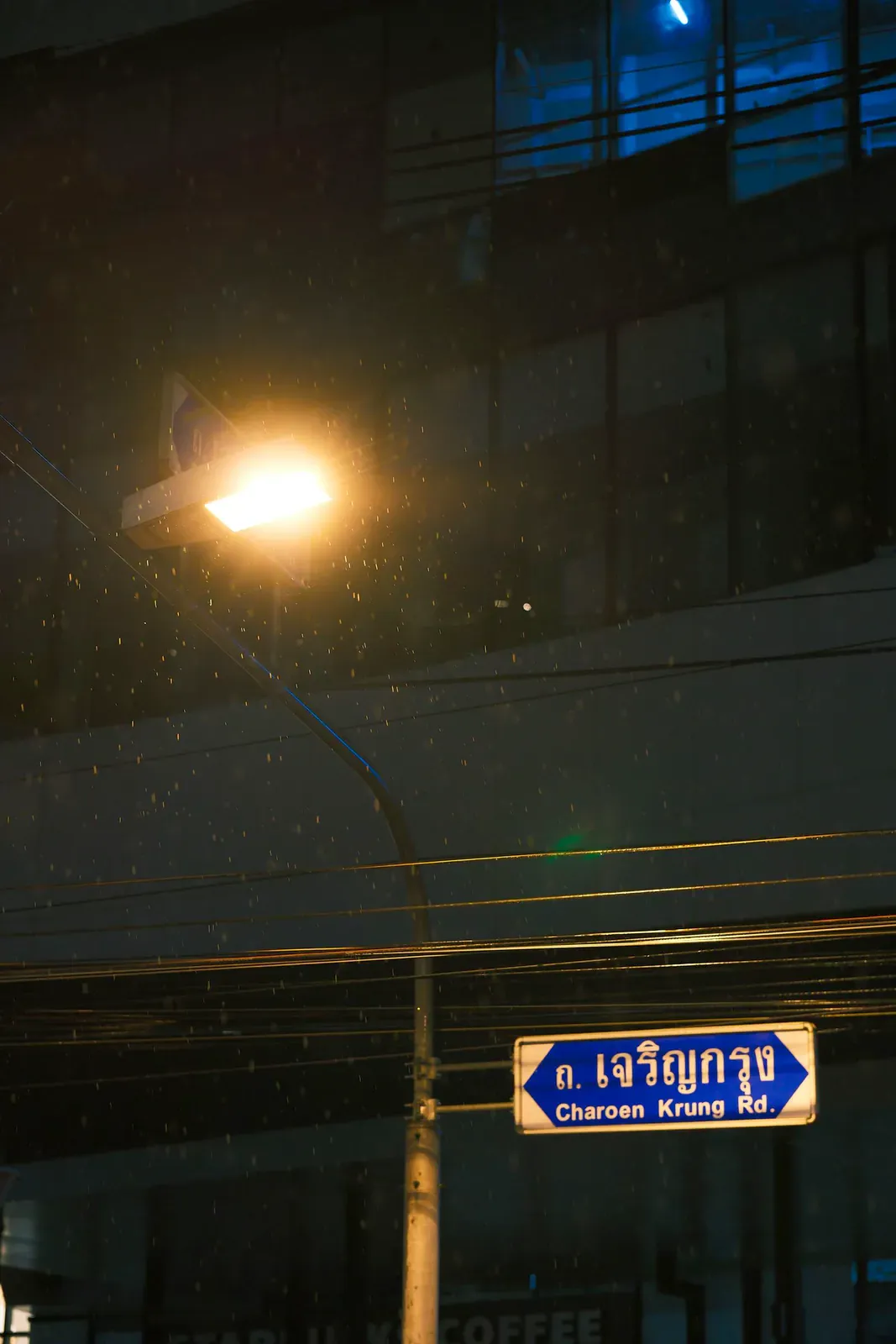
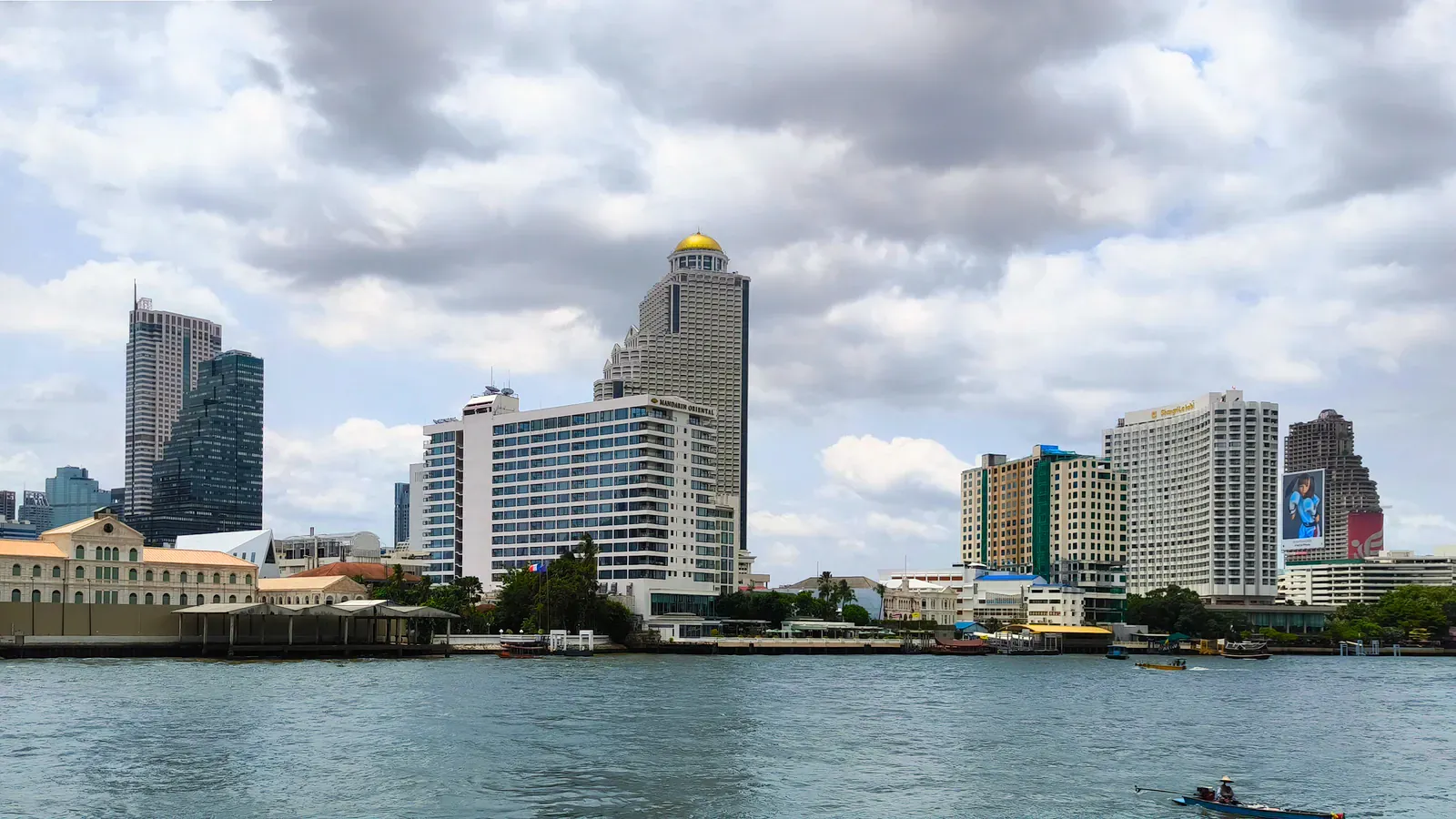
The Chao Phraya’s east bank around Charoen Krung Road and Saphan Taksin pier: converted warehouses, design cafés, ICONSIAM’s retail draw, and river views no inland soi can offer. Saphan Taksin BTS station connects directly to the Chao Phraya Express Boat, so a stay here often means combining rail and river transport rather than relying on either alone, which works well for reaching the old town’s temples by boat, avoiding road traffic entirely for that leg. Both riverside luxury hotels and mid-range riverside hotels are compared on separate pages.
It suits travellers who want atmosphere and a slower pace, and who don’t mind that day-to-day errands mean a longer walk from the station than lower Sukhumvit offers. Many riverside hotels sit hundreds of metres from the nearest BTS entrance down Charoen Krung’s inconsistent pavements; verify the actual walk, not just the pier shuttle schedule, since some hotel boats run on a limited timetable.
Rattanakosin and the old town near the temples
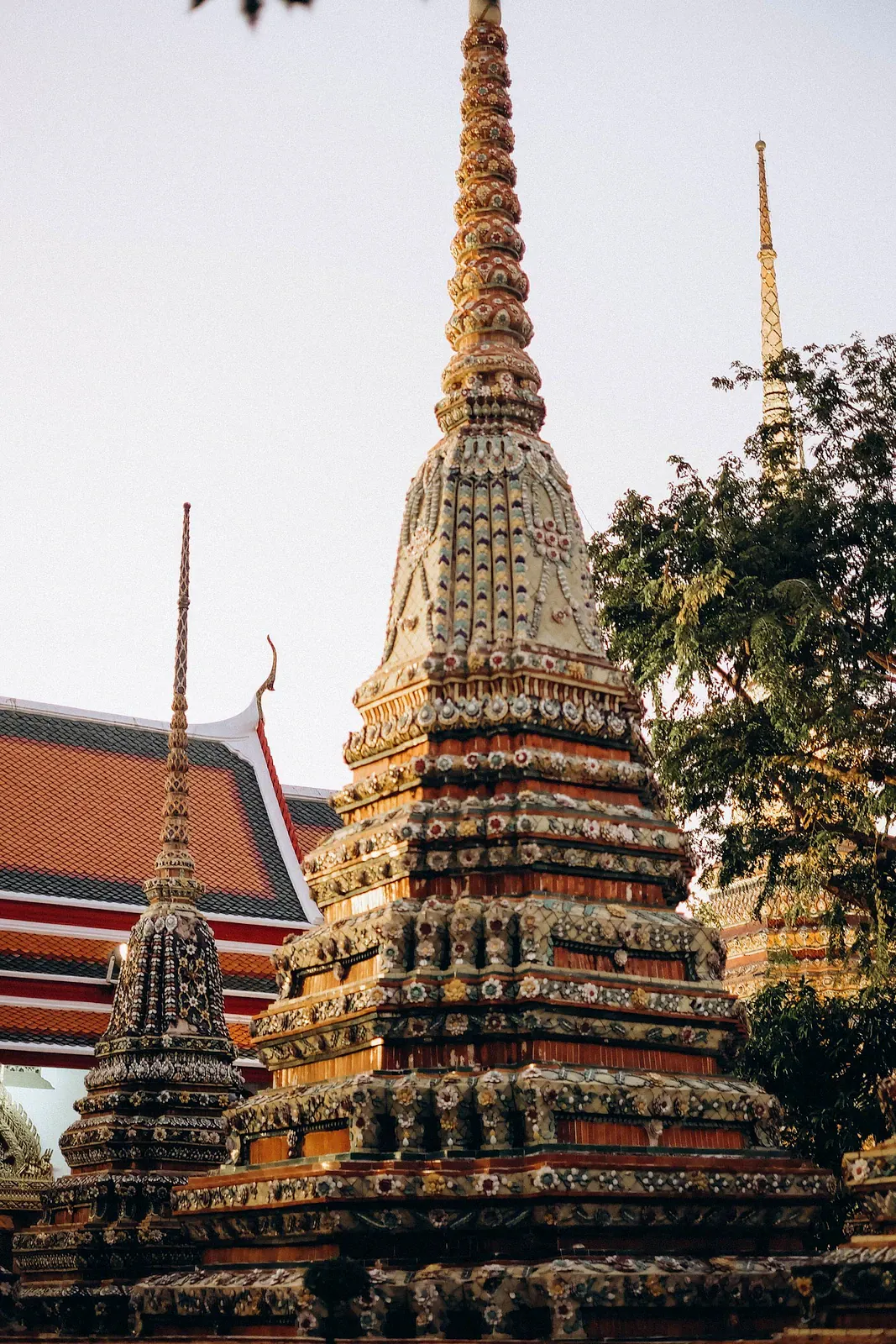
The historic island holding the Grand Palace, Wat Pho and Wat Arun has no rail line running through it: the nearest MRT and BTS stations are a 15-25 minute walk or a short taxi away, and the area is best reached by river boat via the Tha Chang or Tha Tien piers. Staying here means everything else in the city (Sukhumvit’s restaurants, Silom’s nightlife, most shopping malls) is a longer trip out and back. For somewhere to sleep, hotels in Chinatown, Pratunam and the old city compares the nearest options. For the royal district just north, see our Dusit district guide.
The pay-off is genuine: waking up beside the temples, cooler and quieter mornings before the tour buses arrive, and an atmosphere no other area matches. It suits a short, temple-focused stay of one or two nights bolted onto a longer stay elsewhere, rather than a full trip. Hotel stock is thinner and skews boutique and mid-range rather than the dense competitive market found on Sukhumvit.
Khao San
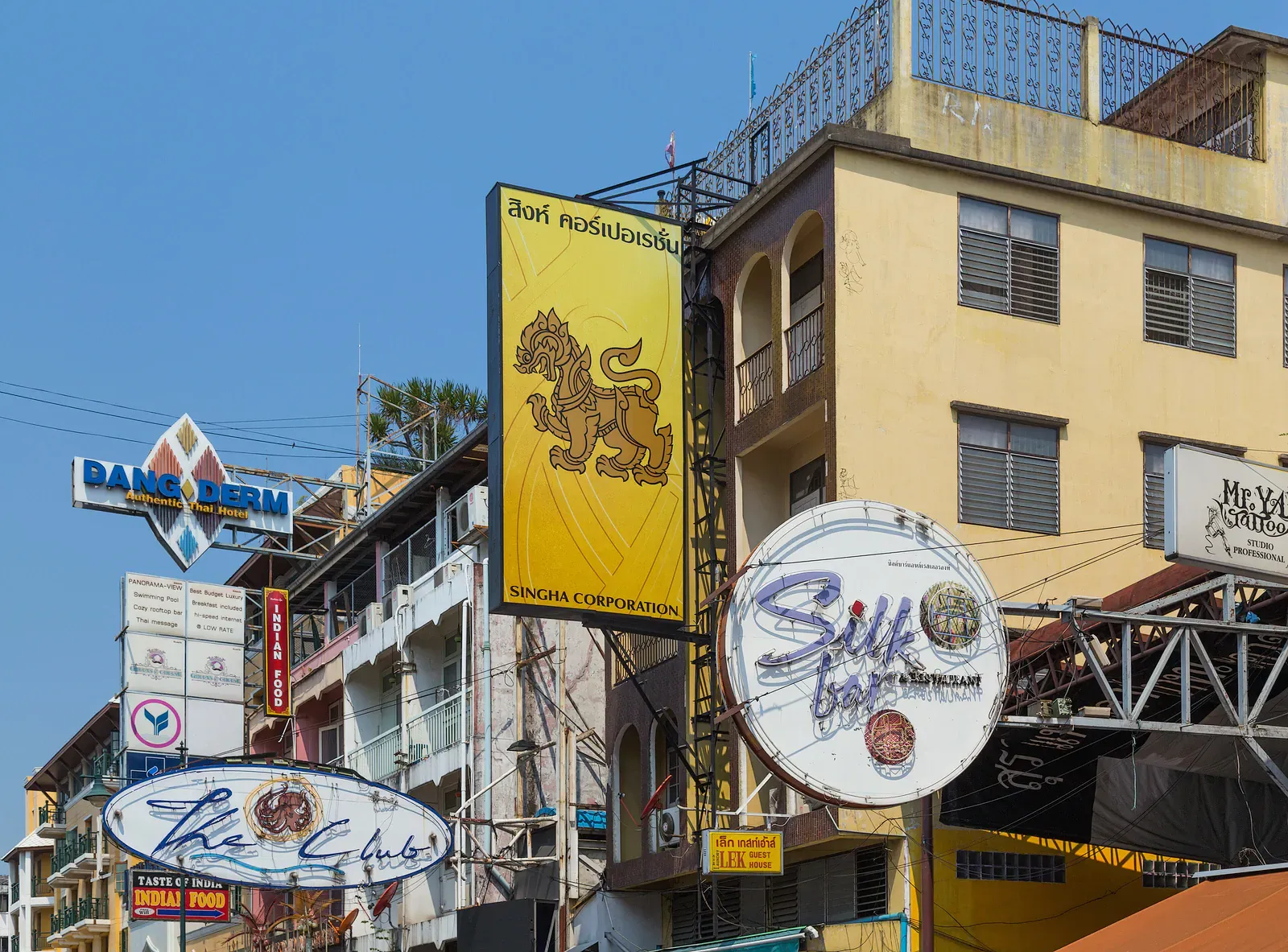
Southeast Asia’s best-known backpacker strip, a 15-20 minute walk or short tuk-tuk from the old town’s main temples, with no direct rail station of its own: the same transit disadvantage as Rattanakosin, without the immediate temple-doorstep pay-off. What it does offer is the cheapest beds in the city, a nonstop street-food and bar scene, and an entire micro-economy built around backpackers: tour desks, laundry, SIM cards, cheap massage.
It is loud well past midnight, seven nights a week, and increasingly touristy rather than backpacker-authentic. It suits younger solo travellers and anyone prioritising budget and atmosphere over sleep and convenience. Families and light sleepers should look elsewhere; Hostels and Budget Stays in Bangkok shows how Khao San compares against other budget clusters.
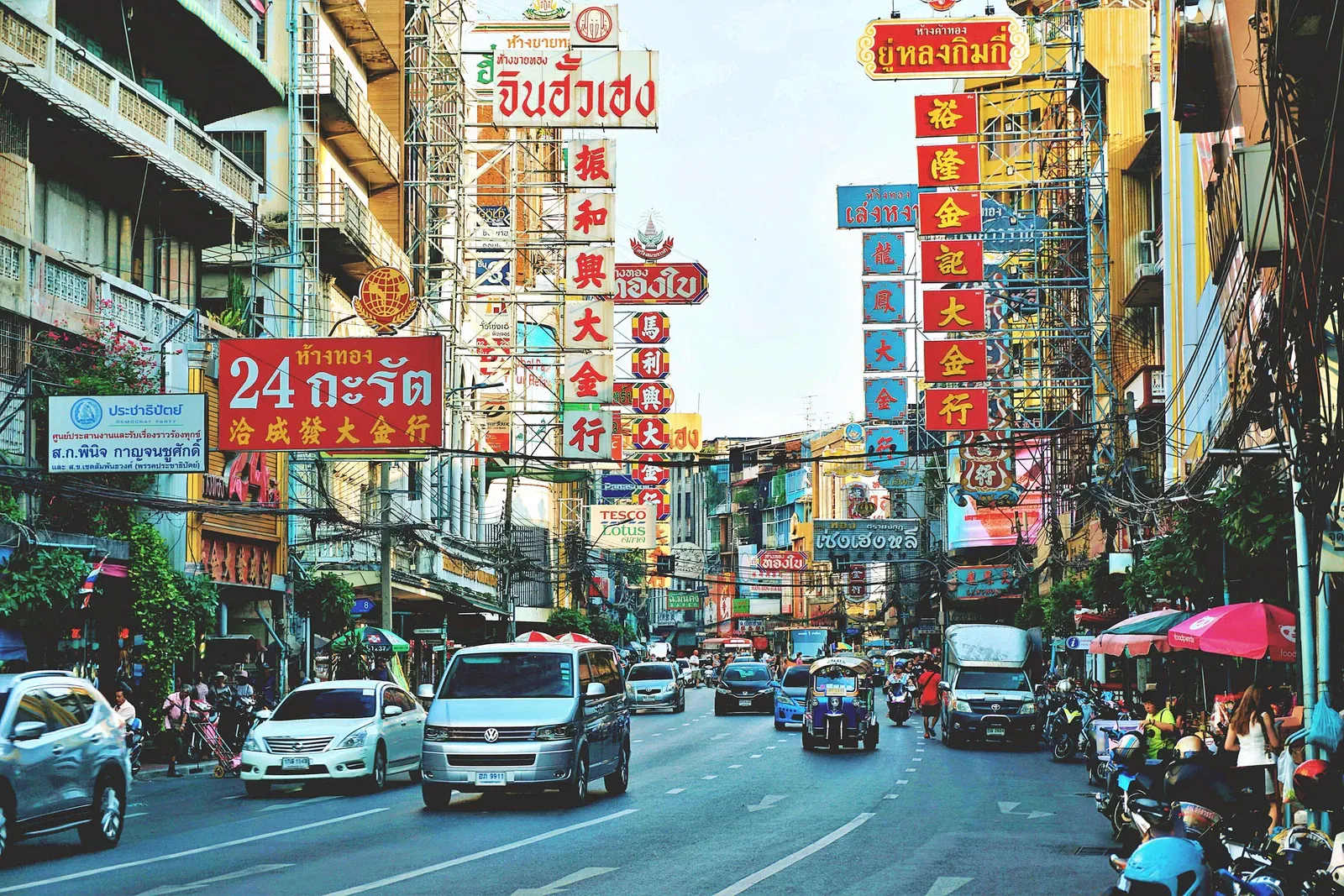
Chinatown (Yaowarat)
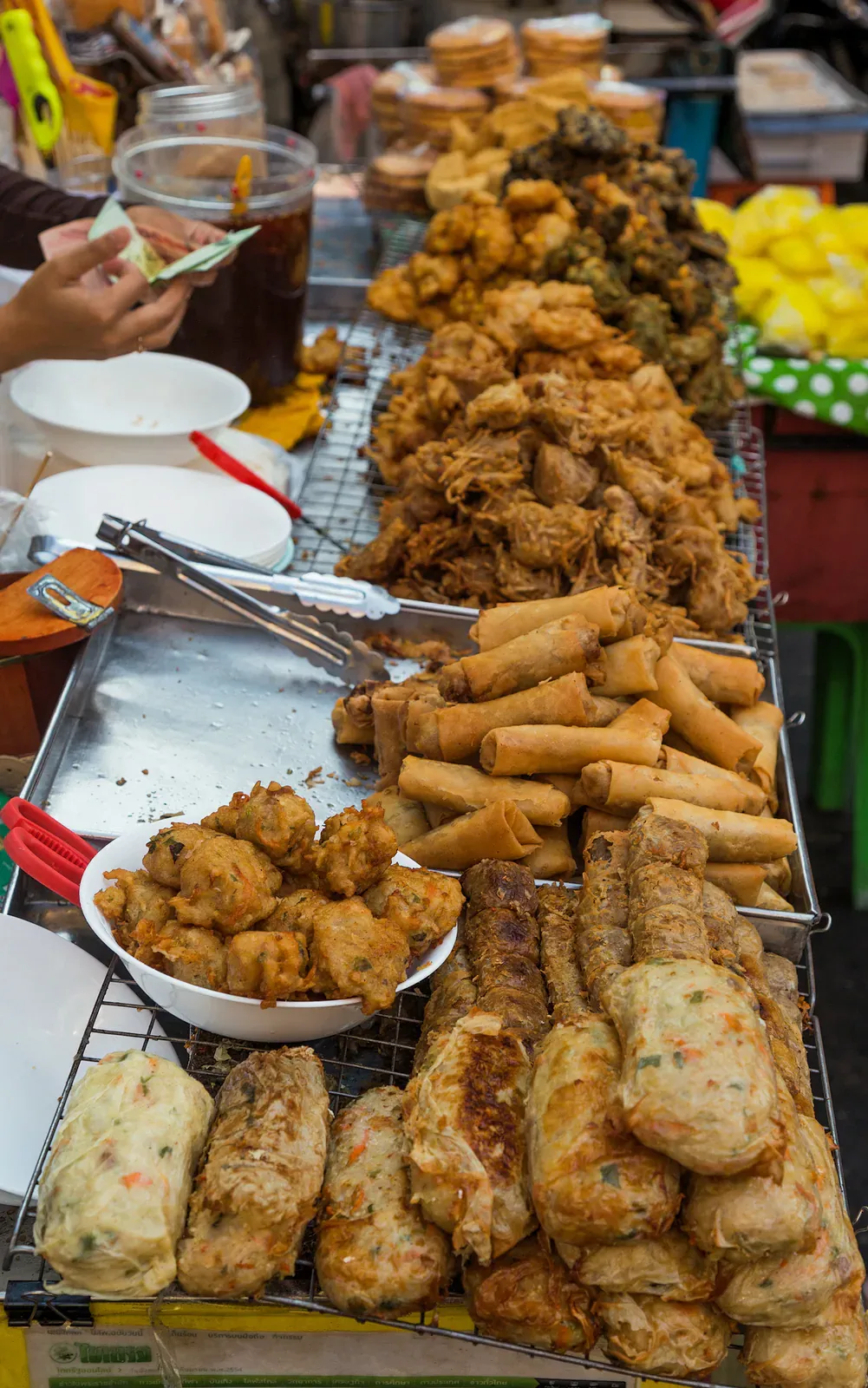
Chinatown sits on the MRT Blue Line at Wat Mangkon station, giving it rail access that Khao San and Rattanakosin lack, plus a short walk or taxi to the river piers. Days here mean gold shops, herbal medicine stores and temples; nights mean one of the best street-food scenes in the city, with stalls opening as the heat drops.
The area is authentically Thai-Chinese rather than built for tourists, which is part of its appeal, but it also means noisier streets, less English signage, and a compressed, sometimes chaotic pavement environment. It rewards travellers who want a working neighbourhood over a curated one and suits a food-focused stay of a few nights well.
Ari
A residential, café-driven neighbourhood on the BTS Sukhumvit line’s northern arm, popular with young Thai professionals and increasingly with remote workers. It is calm, walkable, and well below Sukhumvit’s core prices, but a longer ride (typically four to six stops plus a change or a taxi leg) from the main tourist sights and nightlife. It suits a working stay or a second Bangkok visit more than a first-timer’s sightseeing trip.
Rama 9 and Ratchada
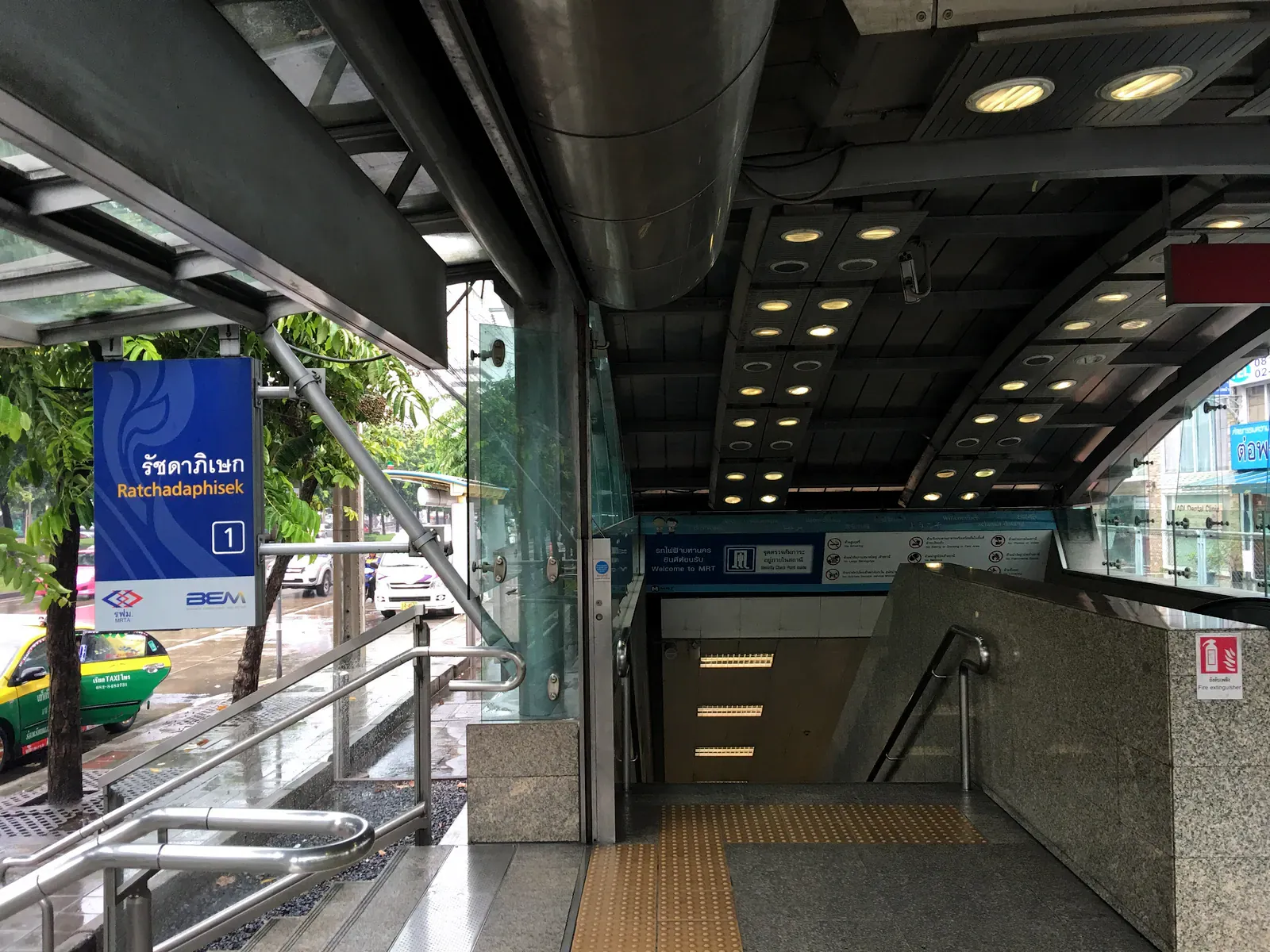
Bangkok’s newer secondary CBD, on the MRT Blue Line, built around office towers, the Rama 9 night market and a growing cluster of malls. Hotel rates undercut Sukhumvit and Silom for comparable quality, largely because the area lacks their tourist-district atmosphere. It suits business travellers with meetings in this specific district and value-focused visitors happy to rail-hop 15-20 minutes into the main tourist areas rather than staying inside them. The hotels along this MRT stretch are compared in hotels in Ratchada, Huai Khwang and Rama 9.
Near the airports
Suvarnabhumi (BKK), the main international airport, has an Airport Rail Link connecting it to the city in about 30 minutes, plus a cluster of airport hotels immediately adjacent. These suit a genuine overnight layover only: the surrounding area has little else to offer and no proper neighbourhood character. See hotels near Suvarnabhumi Airport, hotels near Don Mueang Airport and hotels near BITEC in Bangna.
Don Mueang (DMK), the budget-carrier airport, has thinner rail options (a slower SRT connection) and a similar cluster of nearby hotels aimed at layovers. Neither airport area is a base for a Bangkok trip; both are a fallback for a very early flight or a very late arrival.
First-time visitors versus repeat visitors
First-timers generally do best around Siam, Asok or lower Sukhumvit: maximum rail centrality, dense hotel choice across every budget, and short combined rail-plus-taxi hops to the old town’s temples. Repeat visitors who have already covered the major sights often shift toward Thong Lo, Ekkamai, Ari or Riverside, trading some central convenience for atmosphere, quieter streets or a specific interest such as the restaurant scene.
Families
Families do best in lower or mid-Sukhumvit (Phrom Phong, Asok) or Siam, where hotel stock includes family-friendly rooms and suites, malls double as air-conditioned refuges from the heat, and the rail network shortens transfers between attractions. Avoid Khao San and deep old-town sois for families: pavements are inconsistent, nightlife noise runs late, and stroller access is poor. The rail-access reasoning above applies doubly with children and luggage in tow.
Couples
Thong Lo, Ekkamai and the Riverside give the best mix of atmosphere, restaurants and a calmer pace without sacrificing much rail access. Sathorn’s quieter southern sois are a strong alternative for a business-plus-leisure trip. Five-star shortlists are in luxury hotels in Bangkok compared.
Solo travellers
Sukhumvit’s Nana-to-Asok stretch and Khao San both offer the social infrastructure (hostels, bars, tour desks) that solo travellers often want, at very different price points and very different levels of chaos.
Business stays
Silom, Sathorn and Rama 9/Ratchada are the three real options, chosen by which district your meetings sit in. Silom and Sathorn suit finance and legal work; Rama 9 suits companies with offices in the newer CBD. All three have strong rail redundancy for moving between meetings across town. For stay-and-play hotels outside the city, see golf resorts near Bangkok.
A one-night stopover
For a single night between flights or before an early departure, prioritise minimum transit friction over character: an airport hotel if your flight is very early or very late, or a Sukhumvit or Siam hotel directly on a BTS/MRT interchange if you want a taste of the city without wasting the night on transfers. Skip the old town and Khao San for a stopover; their charm needs more than one evening to pay off against the transit cost of getting there and back.
Indicative price bands (2026)
These are broad nightly bands for a clean, reasonably reviewed hotel room, not any specific property. Rates swing hard by season (high season roughly November to February, low season roughly May to October) and around major holidays and events, so treat these only as a starting sense-check.
| Area tier | Indicative nightly band (THB) | Approx. USD |
|---|---|---|
| Budget clusters (Khao San, old town guesthouses, upper Sukhumvit) | ฿700-1,800 | $20-50 |
| Mid-range (Ratchathewi, Ari, Rama 9, Chinatown) | ฿1,800-4,000 | $50-115 |
| Upper mid to premium (Siam, Silom, Sathorn, lower Sukhumvit) | ฿4,000-9,000 | $115-255 |
| Premium and riverside (Thong Lo, Riverside luxury towers) | ฿9,000+ | $255+ |
Decision table: trip type to area picks
| Trip type | Two area picks | Why |
|---|---|---|
| First-time sightseeing | Siam, Asok | Central rail interchange, dense hotel choice, shortest combined trip to the old town |
| Repeat visit, food and atmosphere | Thong Lo, Riverside | Restaurant density or river character, still workable rail or boat access |
| Family holiday | Phrom Phong, Siam | Family-friendly hotel stock, malls for heat breaks, straightforward rail transfers |
| Couple, leisure | Ekkamai, Sathorn (south sois) | Calm, well-reviewed restaurant scenes, manageable transit |
| Solo, social budget | Khao San, Nana | Cheapest beds and densest social scene, or transit-first hostel cluster |
| Business trip | Silom, Rama 9 | Matches the CBD your meetings sit in, strong rail redundancy |
| Temple-focused short stay | Rattanakosin, Riverside | Walking or short-boat distance to the Grand Palace, Wat Pho and Wat Arun |
| One-night stopover | Airport hotel, Asok | Minimum transfer time before an early or late flight, or a taste of the city near an interchange |
Common questions
What is the single best area to stay in Bangkok for a first visit?
Siam or Asok, because both sit on rail interchanges with dense hotel choice across every budget and put the old town, Sukhumvit’s restaurants and Silom’s nightlife all within a manageable combined rail-and-taxi trip. Neither is the cheapest or most atmospheric option, but both minimise the transit friction that catches first-time visitors out.
How close to a BTS or MRT station should a hotel actually be?
Aim for under 500 metres of walking, and check the route on a map or street view rather than trusting a hotel’s own “near BTS” claim. In Bangkok’s heat, a stated 10-minute walk past unshaded roads and building sites often feels much longer, and the difference between a 3-minute and a 12-minute walk changes how often you’ll actually use the station versus calling a taxi.
Is Khao San worth staying on for a first trip?
It is worth it if budget and nightlife atmosphere matter more to you than sleep and easy transit; it has no direct rail station and is genuinely loud until late every night. For a calmer first trip with similar proximity to the old-town temples, Riverside or a short stay in Rattanakosin itself are better matched to sightseeing days.
Should I split my stay across two areas?
For trips of five nights or longer, yes, it often works well: two or three nights near the old town or Riverside for temples, then a move to Sukhumvit or Siam for shopping, food and nightlife. For shorter trips the packing and check-in overhead usually outweighs the benefit; pick the area that best matches your priority list instead.
Are riverside hotels a good base if I want to see the temples?
Very good for that specific goal, since the Chao Phraya Express Boat reaches the old-town piers directly and sidesteps road traffic entirely. The trade-off is a longer, less convenient trip back to Sukhumvit or Silom for evenings, and hotel-provided river shuttles that sometimes run to a limited schedule rather than on demand.
What if I’m staying more than a month rather than on holiday?
A month or longer usually shifts the maths toward a serviced apartment rather than a hotel, since monthly rates undercut nightly hotel rates substantially and bundle housekeeping and utilities up to a point. See Serviced Apartments for Long Stays in Bangkok for how that compares by area and purpose.
Part of
Written by
Mike Brochlowski
Founder and editor, travel photographer and designer
I'm Mike Brochlowski, a travel photographer and designer, and I currently live on Koh Samui, Thailand. I built BangkokWiki to put practical, checked information about Bangkok in one place. Every page is researched from official and primary sources, and the text names them. Where a page shows a checked date, that is when its facts were last confirmed. I also run samui69.com, a non-commercial guide to Koh Samui. If you spot an error or something out of date, tell me through the contact page and I will check it and correct the page.
Read all articlesWhere to stay
Pick the area before the hotel
Traffic and heat make Bangkok distances feel longer than they look on a map, so the area shapes a trip more than the hotel does. Our guides match areas to trip types and explain the trade-offs.

Places to stay
Find a hotel
More from Where to stay
- 9 min read

Newsletter
You're subscribed as