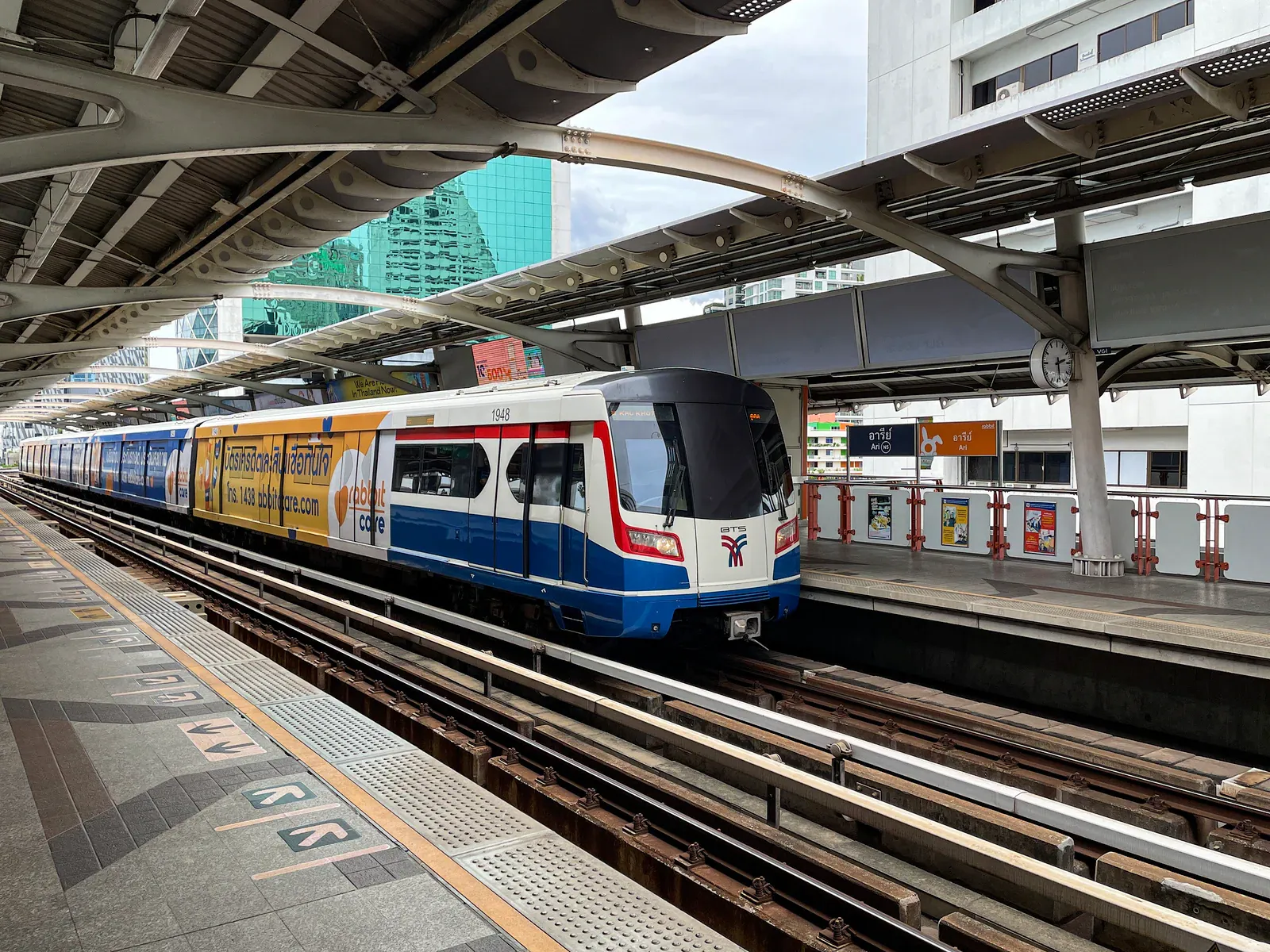
Living
Bangkok's Expat Enclaves: How Nationality Shaped Its Areas
Why Bangkok's Japanese, Korean, Middle Eastern, Chinese and Indian communities settled where they did, sourced from documented history, not stereotype.
On this page
Bangkok’s nationality-linked neighbourhoods didn’t form by accident or by stereotype: each one traces to a documented cause, a trade route, a royal resettlement order, a treaty, a war-era tourism boom, and each cluster has its own timeline. This piece walks through five of the best-documented examples, from a 240-year-old royal resettlement to a 1980s restaurant that gave a whole soi its nickname, with sources for every claim.
Why nationality clusters form in a city at all
Every city that draws international residents develops informal clusters, and the mechanism is usually mundane: the first arrivals settle near work, trade or a treaty-era institution, businesses open to serve them, later arrivals follow the businesses and the language, and the cluster compounds. None of Bangkok’s five clusters below formed because of any innate preference; each has a specific, documented starting point below.
Japan: Sukhumvit, Thong Lo, Phrom Phong and Ekkamai
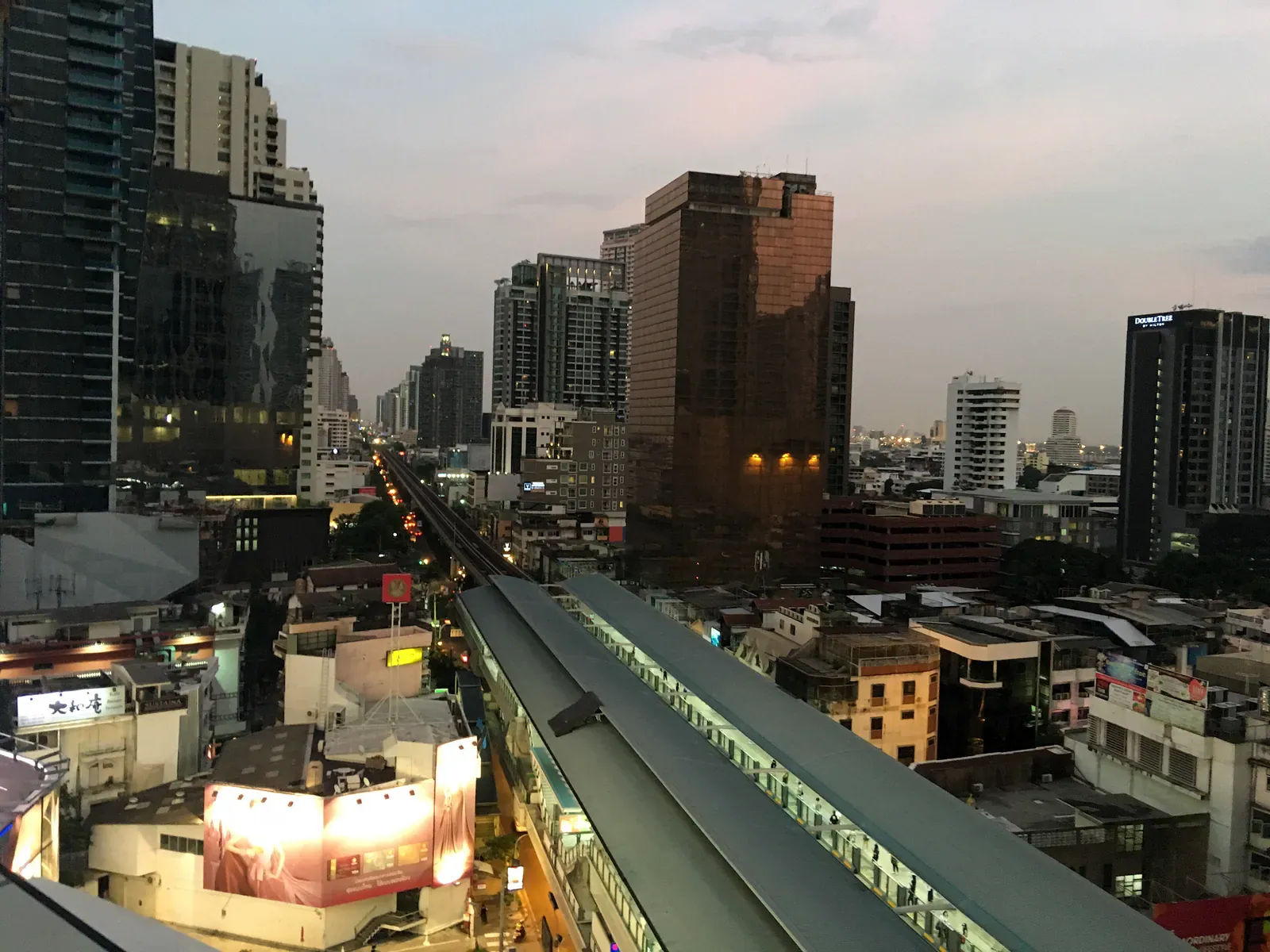
Bangkok has the second-largest Japanese expatriate population of any city outside Japan, after Los Angeles: 78,431 Japanese nationals were registered in Thailand as of October 2022, and 59,744 of them, roughly three in four, lived in Bangkok (Japan Ministry of Foreign Affairs data, via Wikipedia, “Japanese migration to Thailand,” accessed September 2026). The modern community’s roots go back further than the current condo towers: an 1887 Declaration of Amity and Commerce between Japan and Siam brought the first wave of Japanese government advisors and business professionals, not labourers, and the population grew from 379 in 1955 to 67,424 by 2015.
Today the community concentrates along Sukhumvit Road and its Thong Lo, Ekkamai and Phrom Phong sois (Phrom Phong BTS, Sukhumvit Line), with an estimated 60,000 people living across these districts per the same source. Phrom Phong in particular has the most concentrated expat family population in the city, with Japanese schools, clinics and restaurants clustered around the station (condoreviewsthailand.com, “Living in Phrom Phong,” accessed September 2026). The Thai-Japanese Association School and the Thai-Nichi Institute of Technology are named institutions serving the community. It’s worth noting Thong Lo and Phrom Phong are not exclusively Japanese: the same sois are also popular with Korean and Western residents, a mixed character rather than a single-nationality enclave.
Korea: Sukhumvit Plaza at Soi 12
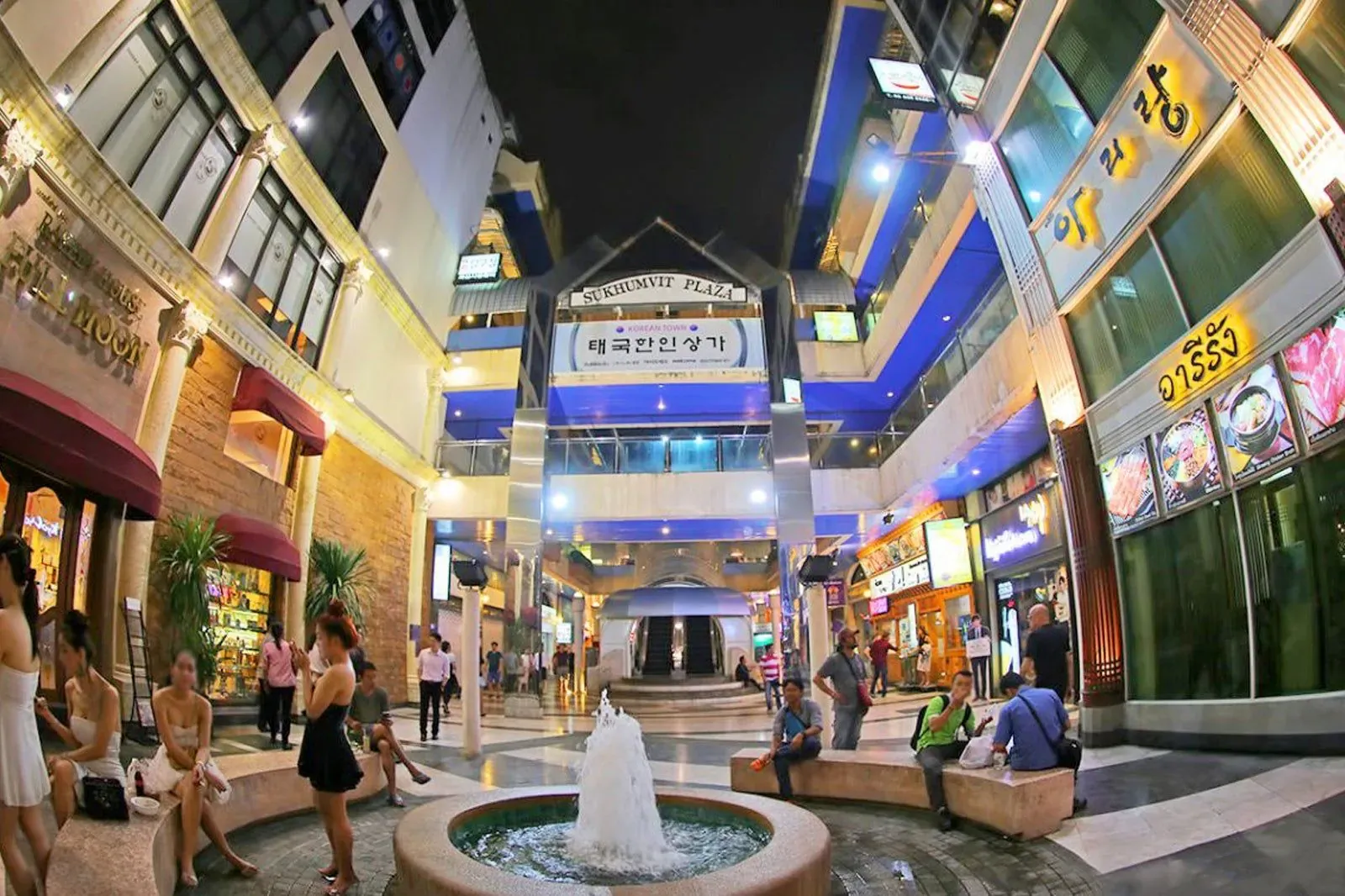
Bangkok’s Korea Town centres on Sukhumvit Plaza, a shopping building at the corner of Sukhumvit Soi 12, and its origin is almost accidental: the building was named Sukhumvit Plaza in 1989, with no Korean association at all, simply for its location near the start of Sukhumvit Road (phuket101.net, accessed September 2026). As Korean immigrants opened restaurants and shops there through the 1990s and 2000s, the identity attached itself organically, and the government eventually gave the area its official “Korean Town” designation as the country’s highest-concentration Korean restaurant district.
An estimated 14,900 South Koreans lived in Bangkok as of a 2011 count, about three-quarters of the roughly 20,000 Koreans in Thailand at the time (Wikipedia, “Koreans in Thailand,” accessed September 2026; more recent totals put the national figure near 20,500 as of 2016). The Korean International School of Bangkok serves the community, and as of 2008 the city had two Korean Buddhist temples and thirteen Korean Christian churches, with the Korean Union Church on Ratchadaphisek Road named as particularly popular. Settlement drivers cited in the sources are notably practical rather than sentimental: golf courses, Thai cuisine, favourable weather and business opportunities.
- Japanese residents (Oct 2022)
- 59,744 people
- South Koreans (2011 estimate)
- 14,900 people
Source: Japan Ministry of Foreign Affairs via Wikipedia 'Japanese migration to Thailand'; Wikipedia 'Koreans in Thailand', 2011 estimate. No comparably dated count exists for the Chinese, Middle Eastern or Indian/Sikh clusters below, so they are not charted.
The Arab world: Soi Arab, off Nana
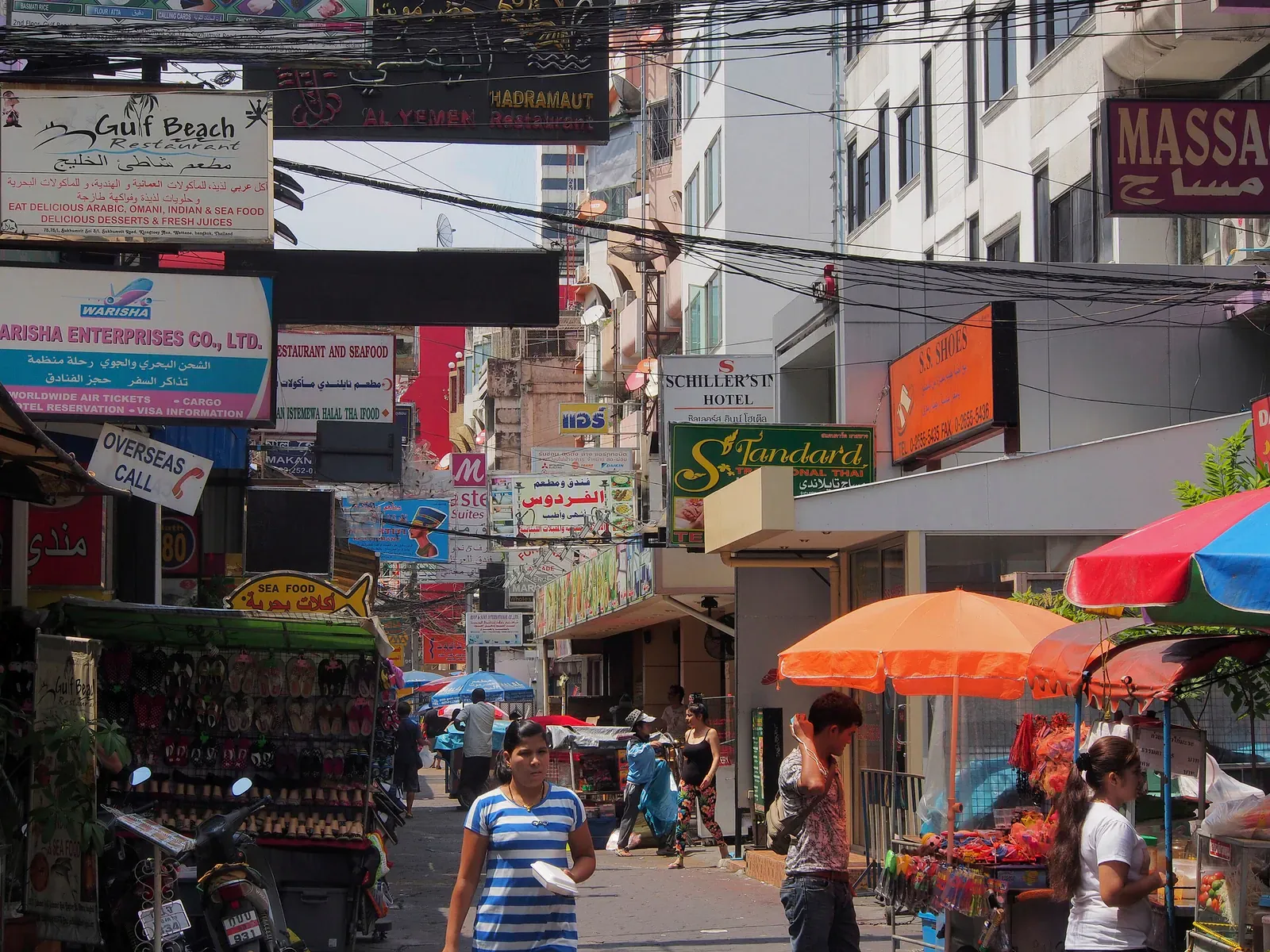
Officially Soi Sukhumvit 3/1, the alley locals call “Soi Arab” or “Arab Street” runs between Soi 3 and Soi 5 up to the Saen Saep Canal (Wikipedia, “Soi Arab,” accessed September 2026). Its character has a specific historical hinge: the surrounding Nana area was originally an Indian trading enclave in the 1950s, then became a rest-and-recreation tourism district for American soldiers during the Vietnam War, and once that war ended, the area’s tourism base broadened to Westerners, Asians and, increasingly, Middle Eastern visitors, who gave the soi its current identity.
“The area is mostly occupied by Middle Eastern visitors and expatriates, with numerous Arab restaurants and shops.” (Wikipedia, “Soi Arab,” accessed September 2026)
Two named restaurants mark the transition on the record. Shahrazad, the oldest restaurant on the soi, opened in 1983 and became a fixture among Arab diners. Nasir al-Masri, an Egyptian restaurant, followed in 1986. Proximity to Nana Plaza’s nightlife and the nearby Grace Hotel, long popular with Arab guests, is cited as a contributing pull. The soi’s food today traces to Lebanon, Iran, Yemen, India, Nepal and Thailand, a genuinely mixed Middle Eastern and South Asian food street rather than one single nationality’s turf. No population figure is available for this cluster in the sources checked, so none is claimed here.
China: Yaowarat, Bangkok’s oldest enclave by two centuries
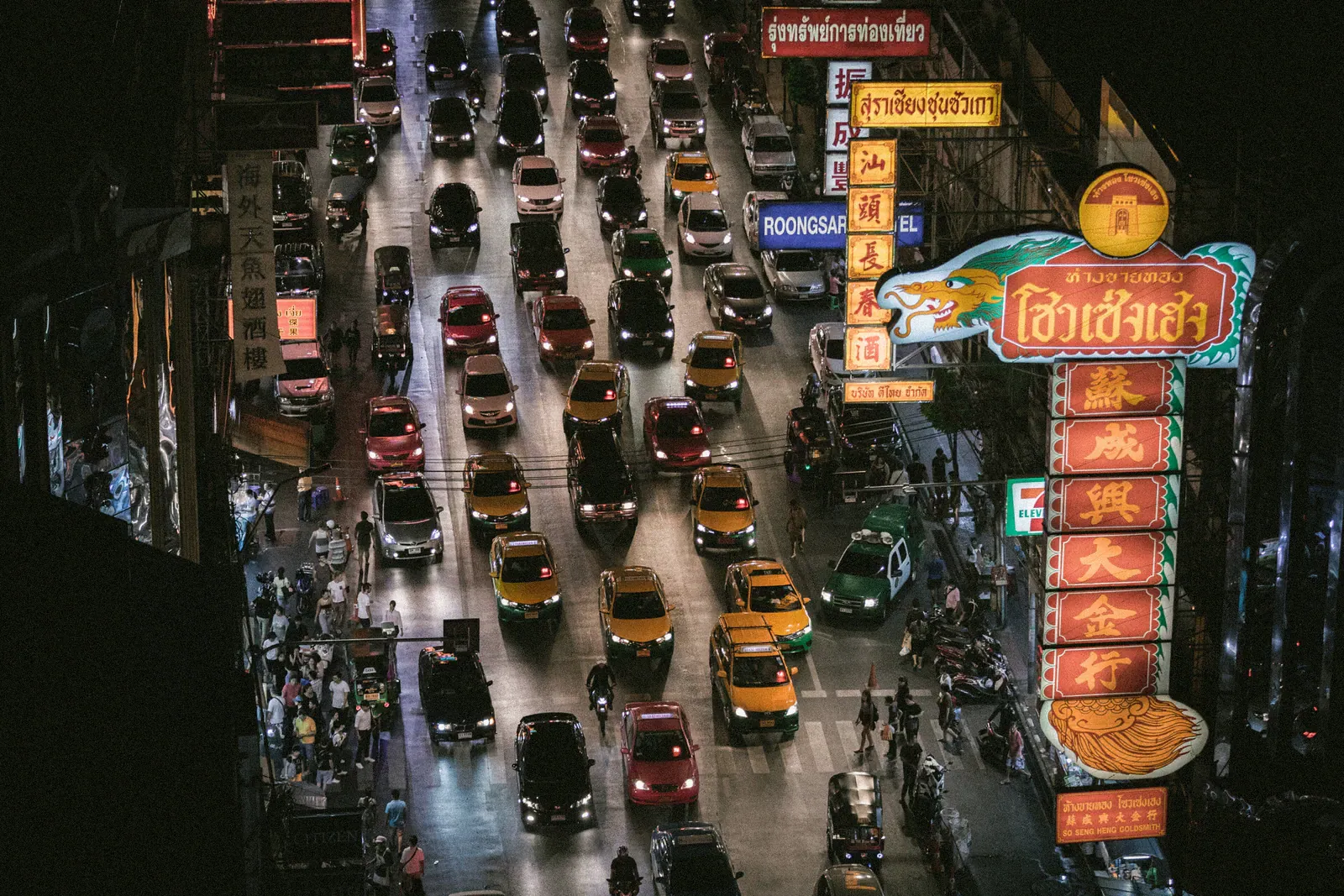
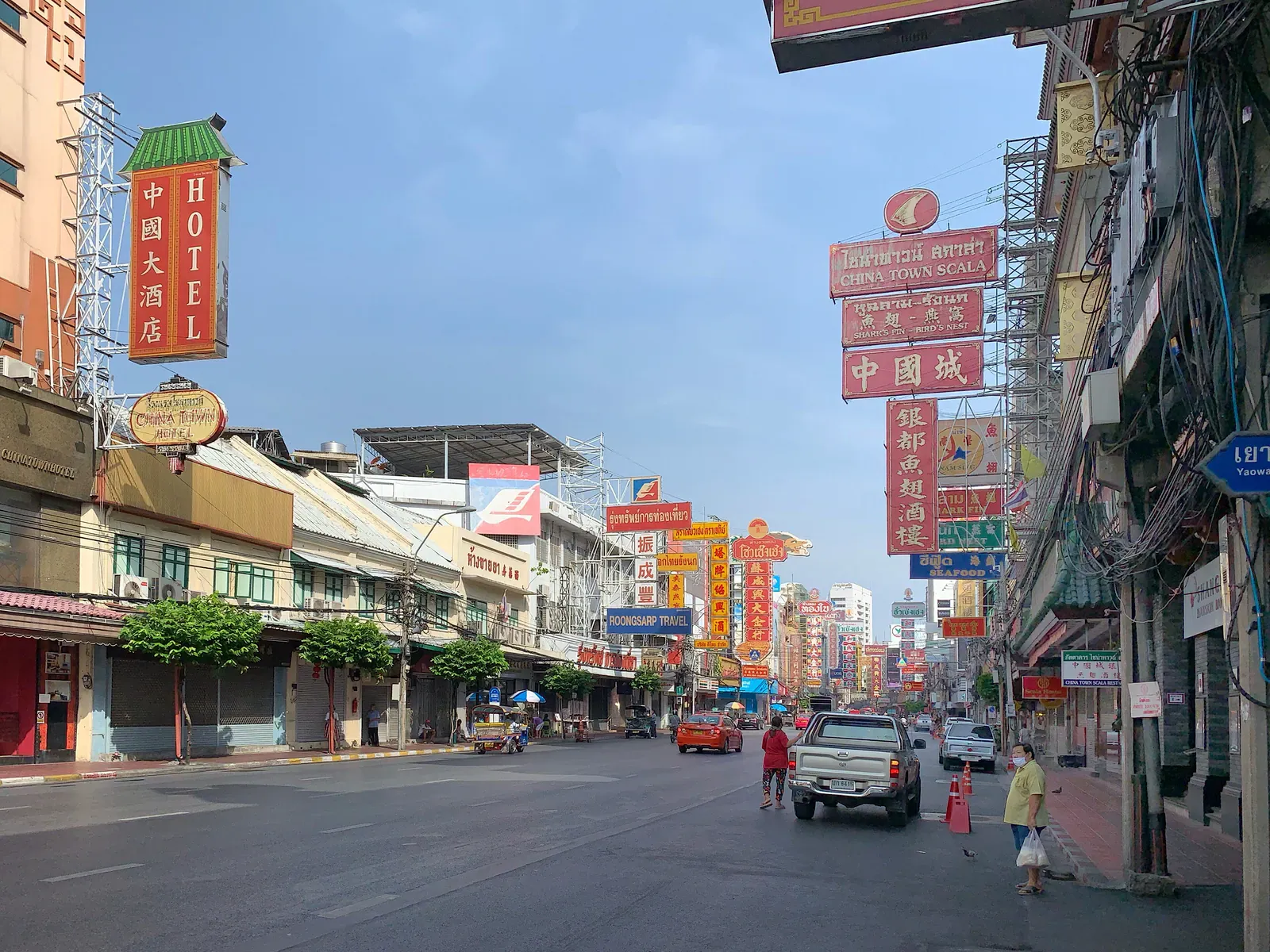
Yaowarat is the oldest and most historically documented cluster on this list by a wide margin, and it isn’t really an “expat enclave” in the modern sense at all: it’s a 240-plus-year-old district whose residents today are overwhelmingly Thai citizens of Chinese, mostly Teochew, descent. Bangkok’s Chinatown dates to 1782, the founding year of the Rattanakosin Kingdom itself. King Rama I resettled the existing Teochew community from the new Grand Palace site to Sampheng, on the river’s east bank, a move likely connected to the Teochew’s earlier ties to the deposed King Taksin, versus Rama I’s own Hokkien-linked court.
The Sampheng and Yaowarat district went on to become Bangkok’s main commercial centre for the following two centuries. Yaowarat Road itself, the neighbourhood’s spine, was built in 1892 under King Rama V specifically to expand the area’s trade capacity, a deliberate royal infrastructure investment rather than organic growth. The result is the dense, sign-covered commercial street visible today, still one of the city’s busiest trading and food districts nearly a century and a half later.
India: Phahurat and the Sikh textile trade
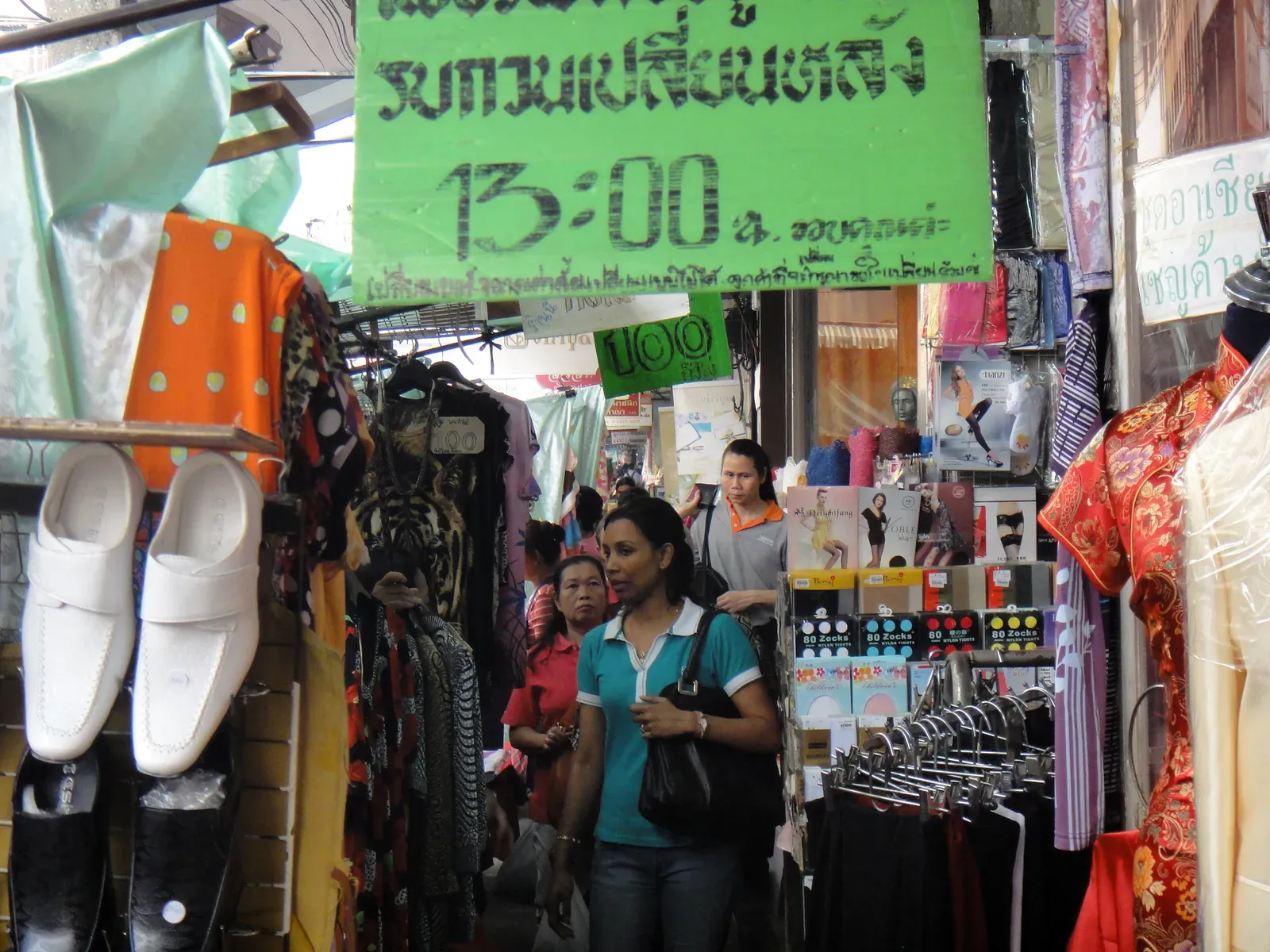
Phahurat, Bangkok’s “Little India,” has a layered history: the area was originally a Vietnamese (Annamese) immigrant enclave under King Taksin between 1768 and 1782, before its current character formed. Sikh merchants from Punjab began arriving from the late 1800s, drawn by Bangkok’s growing demand for woven cloth and silk as the city expanded. Pahurat Road itself was built in 1898, and Indian traders moved into the newly opened street shortly after, building the textile-trade base that still defines the district.
The area’s gurdwara (Sikh temple) was founded in 1932 and is cited as the second-largest Sikh temple outside India, still operating continuously as both a religious and community space. Like Yaowarat, Phahurat’s Indian and Sikh community today is substantially made up of Thai citizens whose families settled generations ago, not a population of recent expatriates, which is worth keeping in mind when reading either district as a “nationality neighbourhood.”
All five clusters, side by side
| Community | Bangkok focal point | Documented reason | Era it formed |
|---|---|---|---|
| Japanese | Sukhumvit / Thong Lo / Phrom Phong / Ekkamai | 1887 amity treaty brought advisors and business professionals; population grew steadily through the 20th century | 1887 onward, current concentration from the 1990s-2000s |
| Korean | Sukhumvit Plaza, Soi 12 | Restaurants and shops concentrated organically in a building with no prior Korean association; later formalised by the government | Building named 1989, “Korean Town” identity by the 2000s |
| Middle Eastern / Arab | Soi Arab (Sukhumvit Soi 3/1), Nana | Vietnam War-era tourism broadened Nana’s visitor base; named Arab restaurants opened from 1983 | 1983 onward |
| Chinese | Yaowarat / Sampheng | King Rama I’s 1782 resettlement of the Teochew community to make way for the new royal capital | 1782, Yaowarat Road built 1892 |
| Indian / Sikh | Phahurat | Sikh merchants drawn by the textile trade after Pahurat Road opened in 1898 | Late 1800s onward, gurdwara founded 1932 |
What this means if you’re choosing where to live
None of these five clusters should be read as a reason to pick or avoid an area on nationality grounds; the practical takeaway is what each one puts within walking distance. Living near Phrom Phong or Thong Lo puts you close to Japanese-language clinics, schools and grocery stores, useful regardless of your own nationality if that’s the kind of service mix you want nearby. A unit near Sukhumvit Soi 12 puts Korean restaurants and a Korean-speaking pharmacy within a short walk. Soi Arab means Halal food and Arabic-speaking services minutes from Nana BTS. Yaowarat and Phahurat, being long-established Thai neighbourhoods rather than expat zones, offer something different: centuries of continuous community life, dense food streets and, in Yaowarat’s case, some of the best-value historic shophouse stock in the city, at the cost of being further from the BTS/MRT network’s newer, quieter northern stretch.
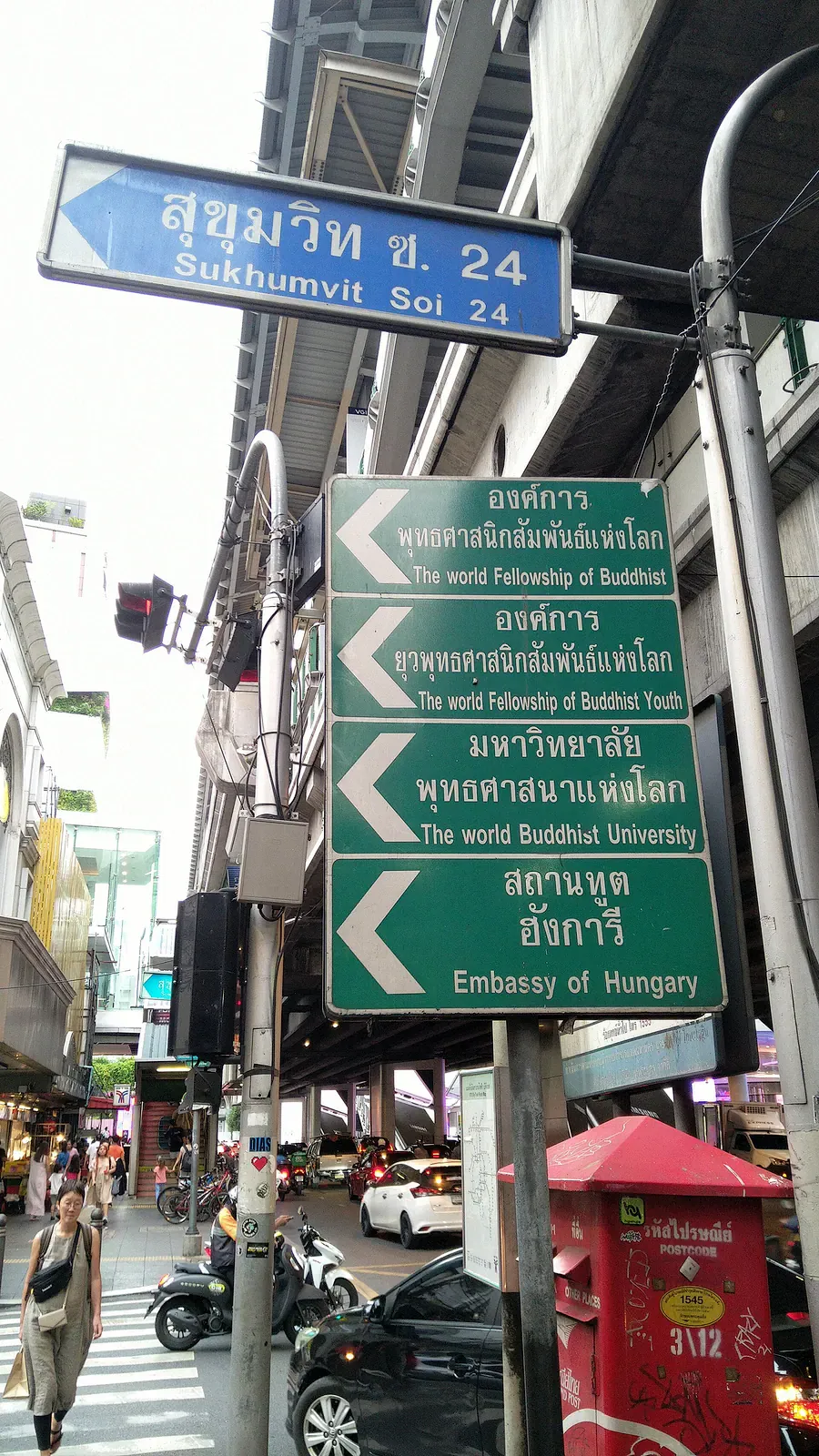
If you’re weighing a broader shortlist of areas against your own priorities rather than a specific community, Matching Your Lifestyle to a Bangkok Area scores ten named neighbourhoods on the same criteria side by side, and Bangkok’s Districts Explained untangles how these neighbourhood names relate to the city’s official khet and khwaeng system. For families specifically weighing school access against these same clusters, see Which Bangkok Area Actually Suits a Family With School-Age Kids. And for a closer look at one area this piece touches on directly, Silom covers a district with its own distinct international character.
Common questions
Are these areas only for that one nationality?
No. Every cluster described here is mixed, and in most cases the named nationality is a visible minority within a majority-Thai neighbourhood. Thong Lo and Phrom Phong, for instance, are also popular with Korean and Western residents, not exclusively Japanese ones.
Is it normal for a city to have neighbourhoods like this?
Yes, this pattern (chain migration toward an early trade route, treaty, or tourism hub, then businesses following the community) is well documented in cities worldwide, and each of Bangkok’s five clusters above has its own specific, sourced starting point rather than a single shared explanation.
What about nationalities not covered here?
Western, Chinese-mainland business, and South Asian communities beyond the five above also have documented presences in Bangkok, but this piece covers the five clusters with the clearest, most specific sourced history available at the time of writing; thinner or unconfirmed claims about other groups are deliberately left out rather than guessed at.
Do Yaowarat and Phahurat still count as “expat” areas?
Not really, and the piece says so deliberately: both are multi-generational Thai neighbourhoods whose residents are mostly Thai citizens of Chinese or Indian descent today, not recent-arrival expatriate populations in the way the Japanese, Korean or Middle Eastern clusters are. They’re included because the “why here” history is exceptionally well documented and directly explains the neighbourhood character a mover sees today.
Last verified: September 2026.
Written by
Mike Brochlowski
Founder and editor, travel photographer and designer
I'm Mike Brochlowski, a travel photographer and designer, and I currently live on Koh Samui, Thailand. I built BangkokWiki to put practical, checked information about Bangkok in one place. Every page is researched from official and primary sources, and the text names them. Where a page shows a checked date, that is when its facts were last confirmed. I also run samui69.com, a non-commercial guide to Koh Samui. If you spot an error or something out of date, tell me through the contact page and I will check it and correct the page.
Read all articles
Visas and paperwork
Staying in Thailand longer?
Visas, extensions, documents and banking for longer stays. Rules and fees change often and offices apply them differently, so check the official source before you act.

Places to stay
Find a hotel
Explore the other desks
More from Living
- 10 min read
 12 min read
Where to Live in Bangkok: Choosing an Area
 8 min read
Rama 9 vs Ratchada: Bangkok's New-Money Condo Areas

Newsletter
You're subscribed as