Things to do
Grand Palace Bangkok: a visiting guide that gets it right
What the Grand Palace complex actually contains, the dress code enforced at the gate, the scams to ignore, and how to see it well in one morning.
At a glance
- Reading time
- 13 min read
- Chapters
- 13
- Published
- Sep 20, 2026
On this page
The Grand Palace is the single most visited site in Bangkok and also the one visitors most often get wrong: turned away at the gate for bare shoulders, funnelled into a gem shop by a stranger claiming the palace is “closed today”, or rushed through in twenty minutes because the heat won. None of that is necessary. This guide covers what the complex contains, how it is laid out, what stops you at the entrance, and how to make a couple of hours here worth the trip.
What the complex actually is
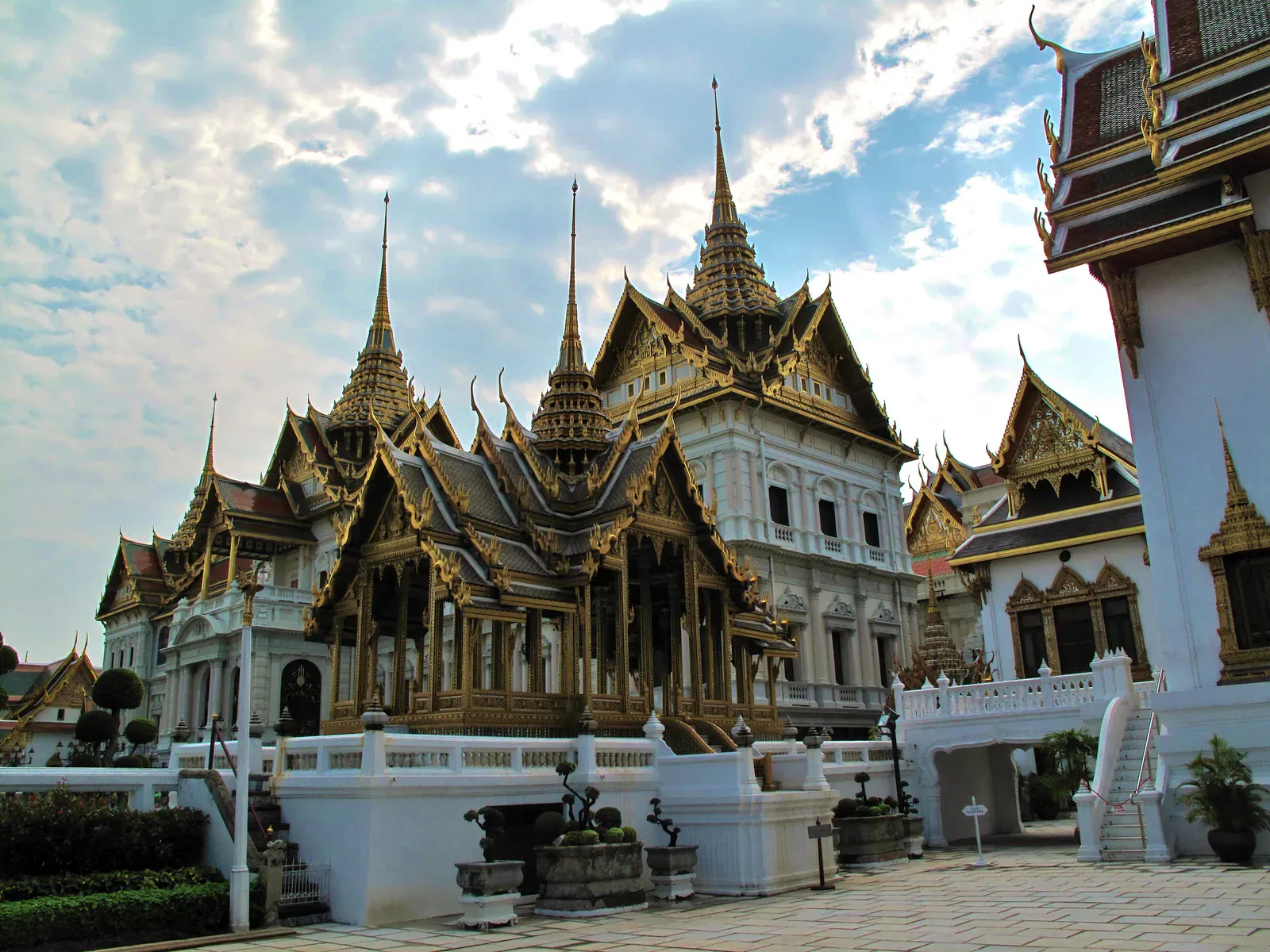
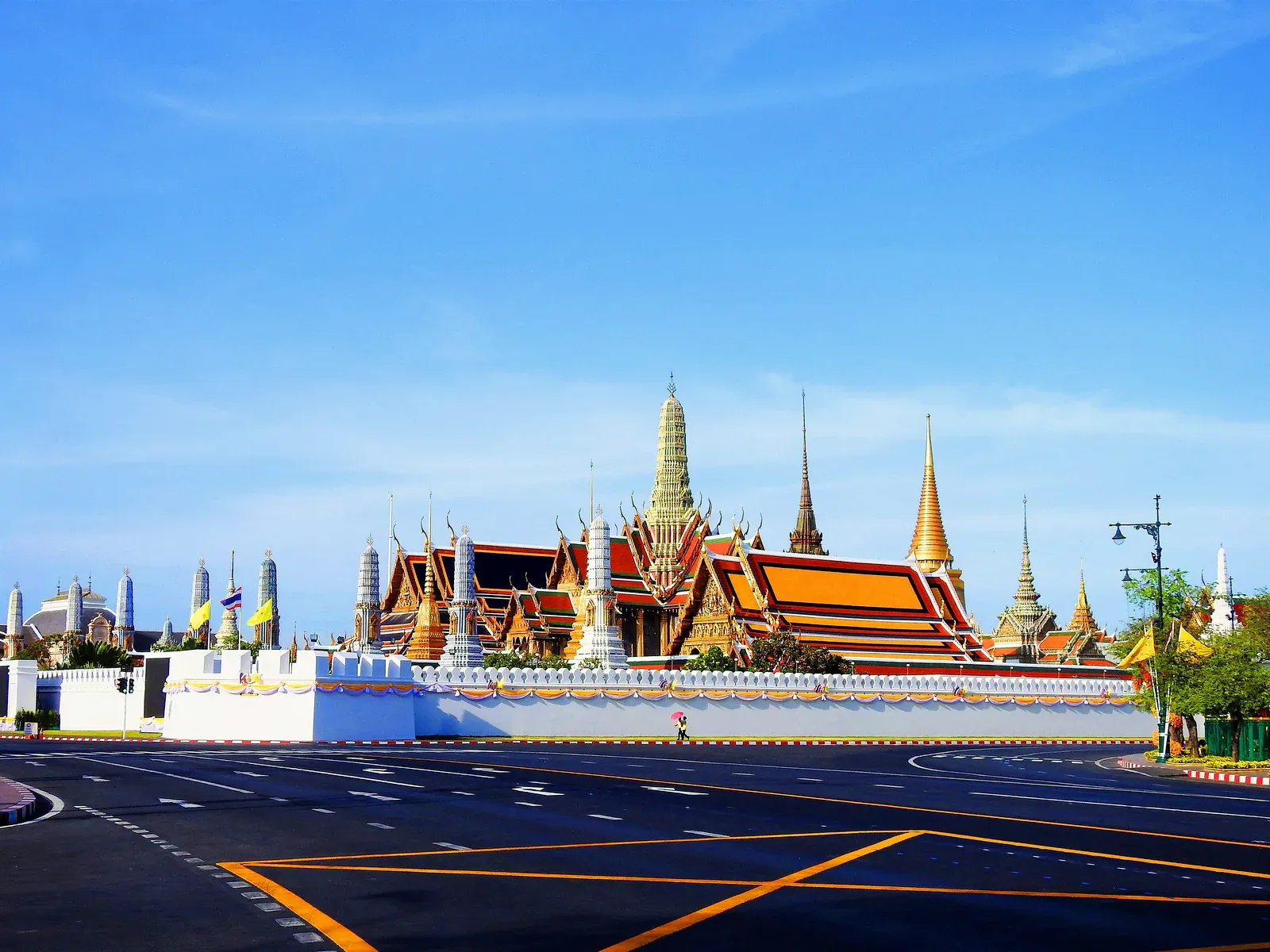
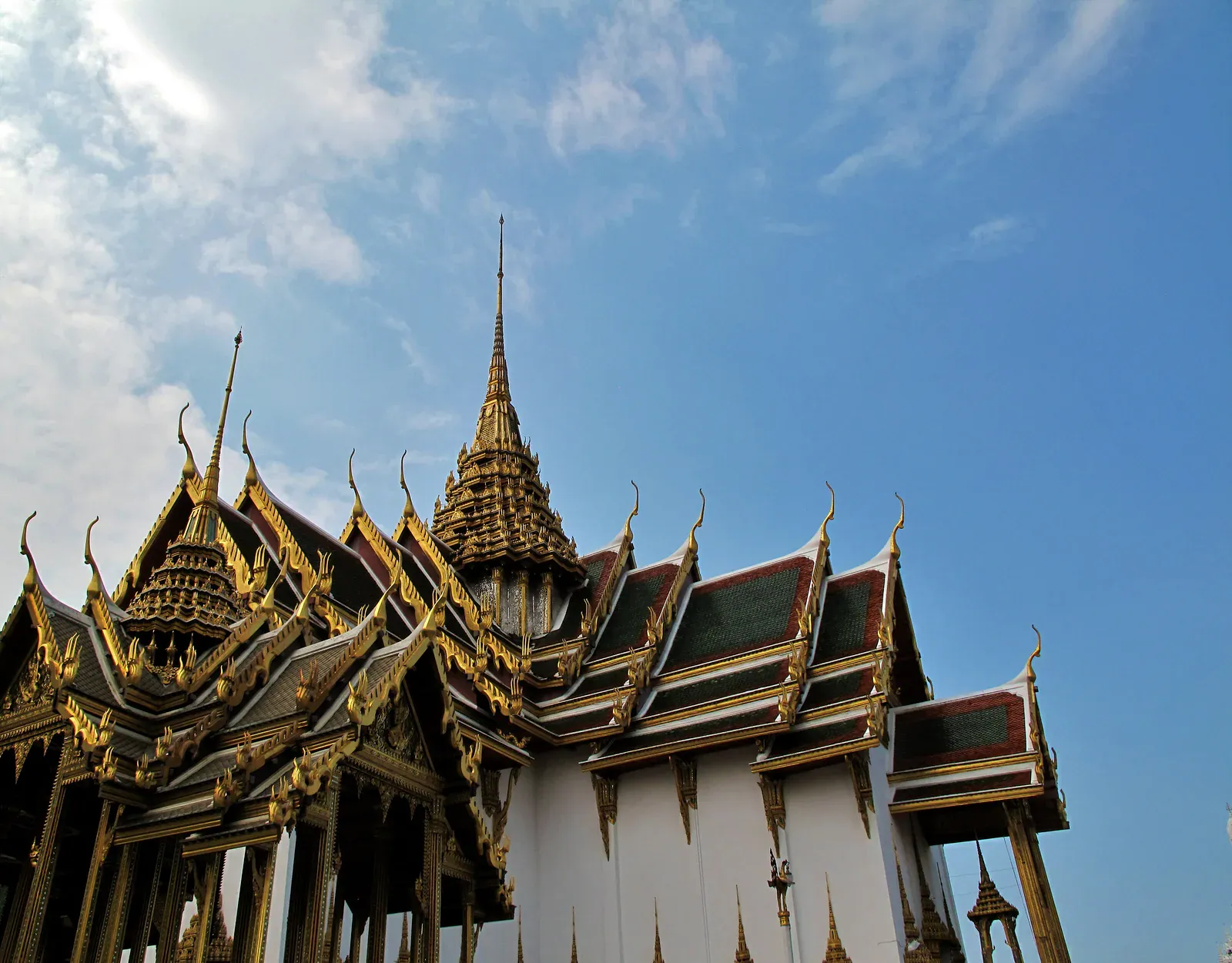
The Grand Palace was the official residence of the King of Siam from 1782 and remains the ceremonial heart of the monarchy, though no king has lived there full-time for decades. It is not one building but a walled compound of roughly 220,000 square metres, built up in phases over more than two centuries, so the architecture inside ranges from traditional Thai temple roofs to a palace hall built in a Victorian-Thai hybrid style under Rama V. Visitors move through three loosely defined zones:
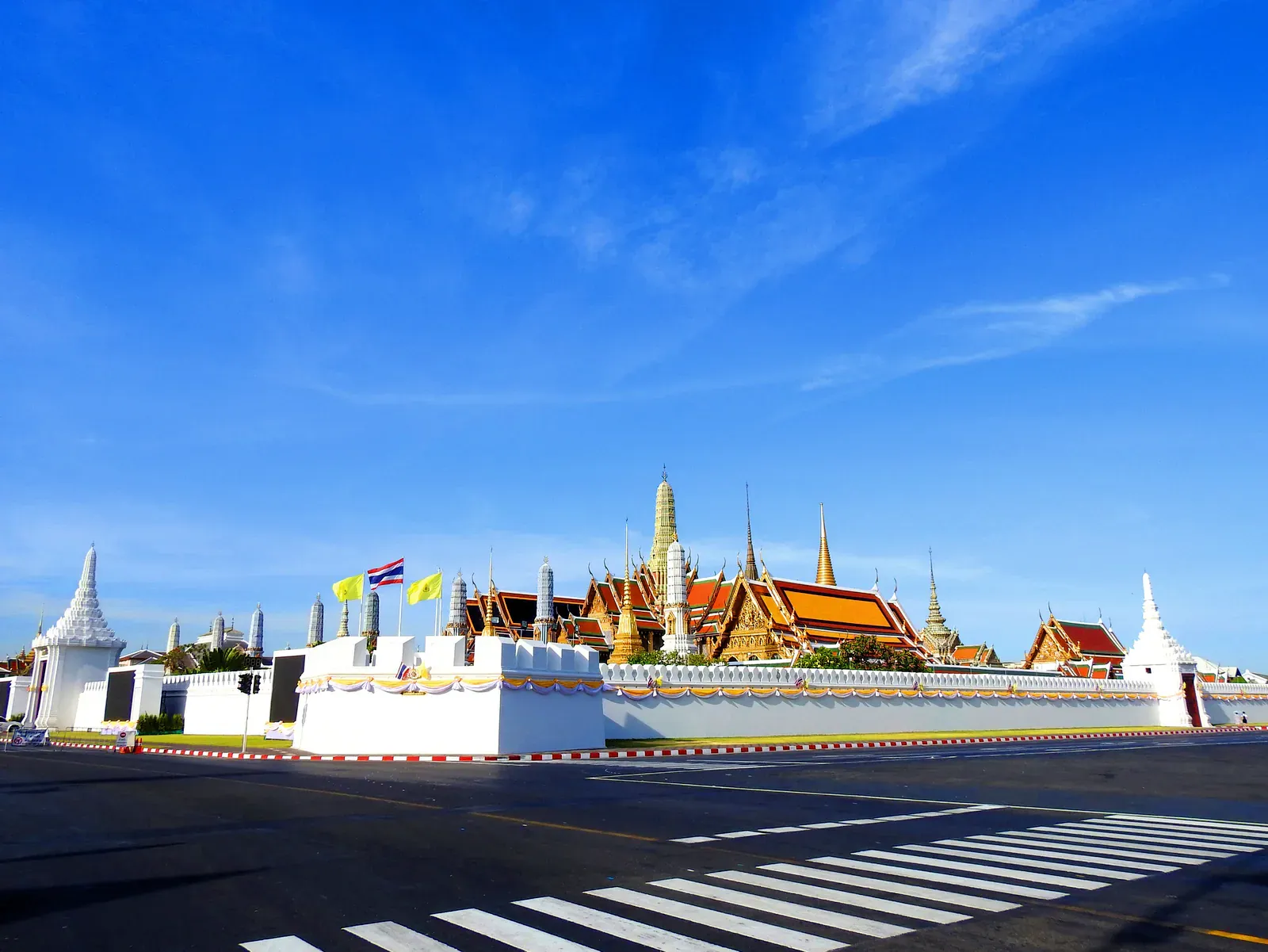
- The outer court, nearest the entrance, historically housing government and military offices. Most of this area is now given over to ticket facilities and the paths into the temple.
- Wat Phra Kaeo, the Temple of the Emerald Buddha, occupying the northeast section of the grounds. This is the part with the gold spires, the mythological guardian statues (yaksha and kinnaree), and the murals that wrap the surrounding cloister. It is a temple, not a palace building, and the one part every visitor sees.
- The middle and inner courts, containing the royal residential halls, throne rooms and the Boromabiman Hall. Almost all of this remains closed to the public, or visible only from a distance across a courtyard. The Inner Court, which historically housed the royal consorts, is entirely off-limits.
Knowing this in advance resets expectations: you are visiting one major temple complex plus the exteriors of a handful of grand buildings, not touring a palace interior like a European royal residence. There is no furnished state apartment to walk through.
Wat Phra Kaeo and the Emerald Buddha
The temple’s central image, the Emerald Buddha, is carved from a single block of green jade (not emerald, despite the name) and stands only around 66 centimetres tall, seated on an elevated gilded throne inside the main viharn. It is the most sacred Buddha image in Thailand, and the atmosphere inside the hall reflects that: shoes off at the door, silence, no photography once inside, and Thai visitors typically sitting or kneeling rather than standing. The statue’s gold seasonal robe is changed three times a year in a ceremony performed only by the King, marking the change of season.
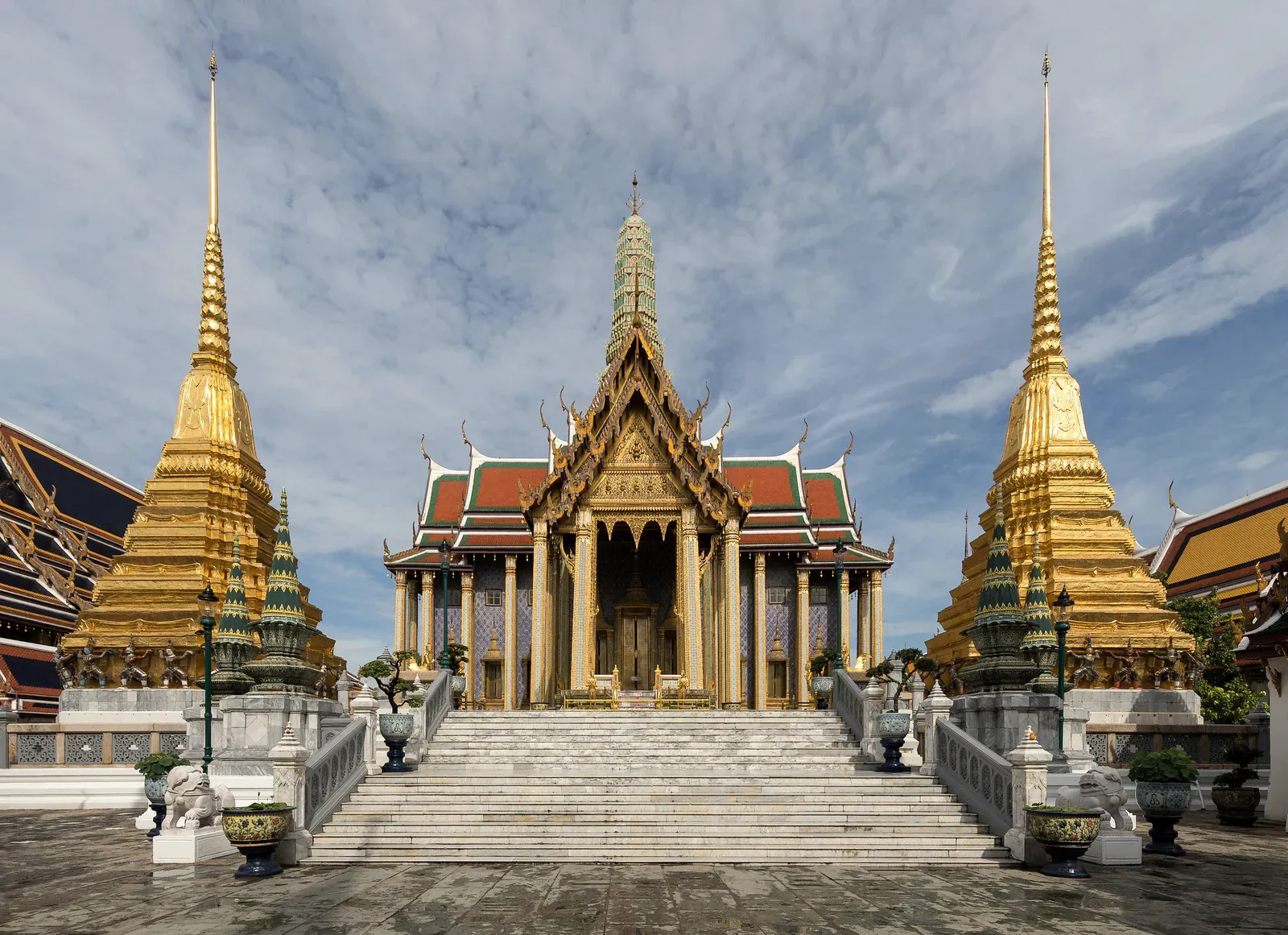
Outside the viharn, budget time for the surrounding complex rather than treating the Emerald Buddha as the whole visit:
- The gallery murals running around the inner cloister depict the entire Ramakien, the Thai version of the Ramayana, across more than a hundred panels. Few visitors read them properly, and fewer still notice they were repainted and restored several times, most recently ahead of the Chakri dynasty’s bicentennial.
- The Phra Si Ratana Chedi, a gold-mosaic stupa, and the Prasat Phra Thep Bidon (Royal Pantheon) sit close together and photograph well in the first hour of light.
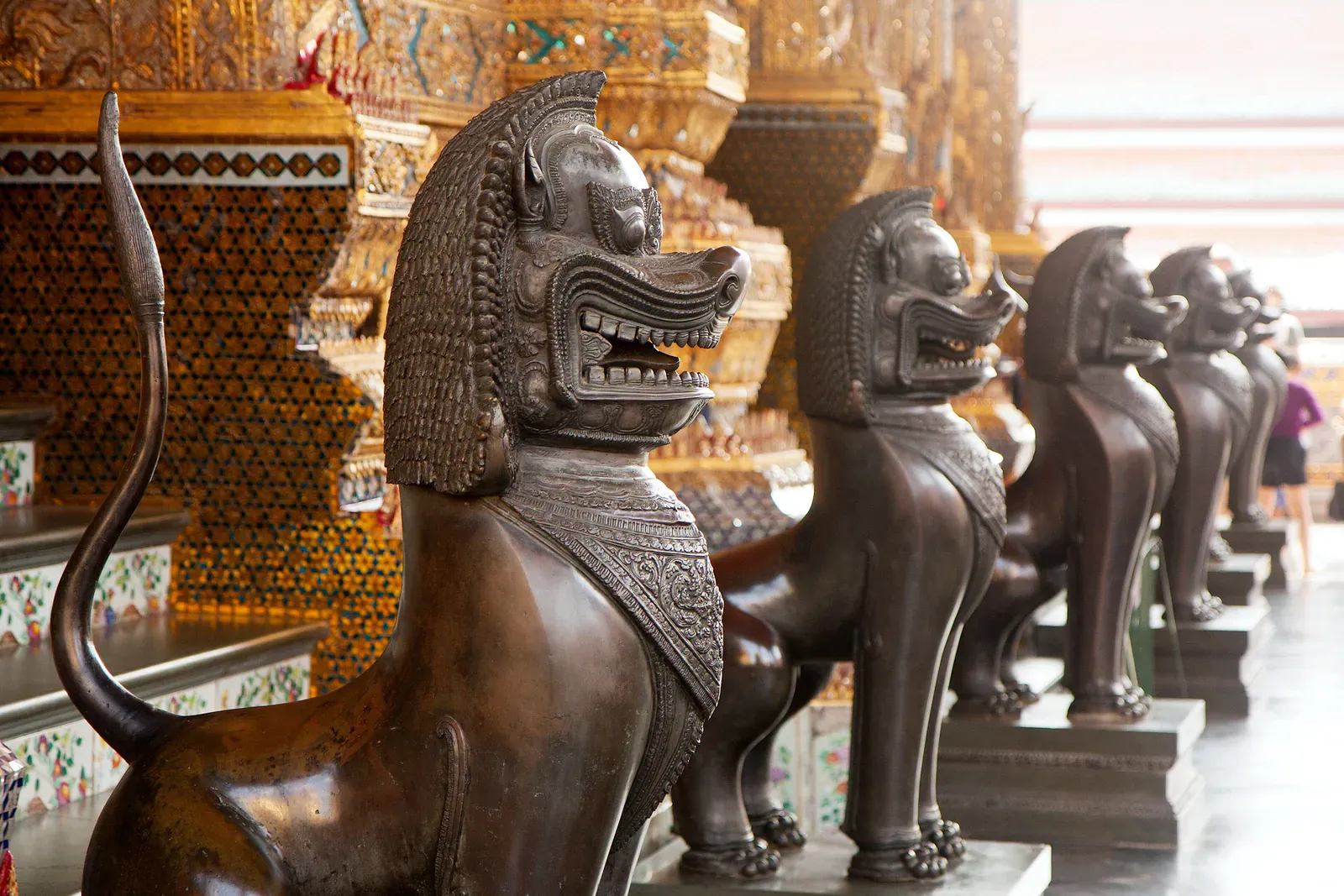
- The guardian statues at the gates, mythical yaksha demons and half-bird kinnaree figures, are worth a slow look rather than a walk-past; each pairing has its own iconography tied to the Ramakien.
How long a real visit takes
Budget two to three hours for the temple and palace exteriors together, not the ninety minutes many tour itineraries allow. That covers Wat Phra Kaeo properly (45-60 minutes if you read the murals and don’t just photograph the chedi), a walk past the palace halls in the middle court, and time queuing for the busiest single-file sections near the Emerald Buddha viharn itself, which back up hard by mid-morning. Add 20-30 minutes if you want an audio guide at a normal pace, or longer with a guided tour that stops to explain the murals panel by panel. Visitors doing the Palace as one stop on a rushed multi-site day tend to leave frustrated; it rewards being the single focus of a morning.
The dress code, enforced strictly
This is a working temple as well as a monument, and the dress code is checked at the gate, not suggested. The standard requirements:
- Shoulders covered: no sleeveless tops, vests or spaghetti straps, for any gender.
- Knees covered: no shorts above the knee, no short skirts, and leggings alone (without a covering skirt or long top) are often rejected.
- Closed or reasonably substantial footwear: flip-flops are generally tolerated but the barest sandals are sometimes refused; this is checked less strictly than the clothing rules.
- No see-through fabric, regardless of what it covers.
If staff turn you away at the gate, there is usually a rental or loan service for cover-up sarongs and shirts nearby, sometimes with a small deposit refunded on return, but expect a queue and a wait that eats into your morning. The simplest fix is to dress correctly before you arrive: long trousers or a below-the-knee skirt, and a shirt with sleeves, regardless of the heat. Bring a light scarf as backup for shoulders if you’re travelling in summer clothing.
Heat, shade and timing
The courtyards inside Wat Phra Kaeo are largely paved and shadeless, and Bangkok’s heat by mid-morning makes the site genuinely uncomfortable to walk for the two-plus hours a proper visit needs. There is no meaningful improvement between the outer court and the temple: both are open ground with intermittent shade from buildings, not trees.
Arrive at opening, or as close to it as you can manage. The first hour after the gates open is the only time you get comparably short queues, softer light for photographs, and tolerable heat. By late morning both the entrance queue and the internal footpaths are crowded, and by early afternoon the heat becomes the limiting factor for most visitors, especially seniors and children. If you can only visit later in the day, budget for more water breaks and slower progress, and expect the sacred zones to feel oppressively busy rather than contemplative.
Tickets, in broad terms
The Grand Palace and Wat Phra Kaeo are ticketed, and the entrance fee typically covers the temple and the palace grounds you’re permitted to enter, sometimes bundled with entry to a nearby museum or textile hall on the same site (bundling has changed over the years, so don’t assume last year’s inclusions still apply). Do not treat any third-party figure as the price: confirm the current fee and what it includes on the official site before you travel, since both figures move and the inclusions are revised periodically. Same applies to opening and last-entry times: they are consistent year to year but not worth stating here as fact, given how often “confirmed” hours turn out to be the trigger for the closure scam described below.
Audio guides are generally available at the entrance, usually as a rental unit with a deposit, covering the major buildings in several languages, and are the easiest way to get real information without paying for a human guide. Guided tours exist as a separate category: licensed guides working independently near the gate, tours booked in advance through the guide’s own arrangement, or tours as part of a wider half-day Bangkok itinerary. A licensed guide adds real value here specifically because of the murals and the layered history of the buildings, which an audio guide covers only in summary.
The scam ecosystem around this site
The Grand Palace draws more organised scam attempts than any other site in the city, almost all built around interrupting you before you reach the real gate.
- “The palace is closed today.” A friendly, well-dressed stranger, sometimes near Sanam Luang or the road approaching the palace, tells you the palace is closed for a royal ceremony, cleaning, or a holiday, and offers to help. The palace is open every day of the year bar genuine state occasions, which are rare and announced. Exit line: keep walking toward the visible entrance and ignore the claim entirely: you will see the real queue and the real gate within a couple of minutes, which settles the question faster than any conversation.
- The tuk-tuk redirect. The same “helpful” stranger, or one waiting nearby, offers a cheap or free tuk-tuk ride to “another temple” or “a better viewpoint” while you wait for the palace to reopen. This is the entry point into the gem scam below. Exit line: decline any unsolicited tuk-tuk offer near the palace, full stop, regardless of the price quoted.
- The gem or tailor run. Once in the tuk-tuk, the route detours to a gem shop or tailor with a government-looking sign, where a “limited time, tax-free export” pitch pressures a purchase of low-value stones or fabric at a high price. Exit line: there is no genuine limited-time export deal aimed at tourists; if the pitch appears, leave immediately and do not hand over a card or cash.
- Unofficial ticket sellers. People near the entrance offering to “help” buy tickets, sometimes at a marked-up price or for a combination package that doesn’t exist. Exit line: buy only at the official ticket window or the official site, and treat any approach before the window as a sign to walk past.
- Fake guides at the gate. Unlicensed individuals presenting themselves as official guides, sometimes with a lanyard that looks credential-like, offering tours at an inflated price. Exit line: a legitimate licensed guide will show a proper card without hesitation and can be verified; if in doubt, decline and use the audio guide instead.
None of this requires paranoia: the scams are well documented, predictable, and easy to sidestep once you know the pattern. The one behaviour that defeats all five is simple: walk toward the visible gate and don’t stop to talk to strangers offering help you didn’t ask for.
Getting there
- By boat: Chao Phraya Express Boat to Tha Chang Pier (N9), then a short walk of five to ten minutes to the palace’s Na Phra Lan Road entrance. This is the most pleasant approach and worth comparing against the alternatives in the river cruise guide, since the same pier network serves several other riverside stops.
- By rail: the nearest MRT is Sanam Chai, on the Blue Line, roughly a 10-15 minute walk. There is no BTS or MRT station immediately at the palace gate, which is one reason the boat approach works so well.
- By taxi or ride-hailing: traffic around the palace and Sanam Luang is often heavy and one-way systems make drop-off awkward; a driver may set you down some distance away. Confirm the drop point matches the entrance you want, since the ticket entrance and the temple exit are not the same gate.
What to combine it with
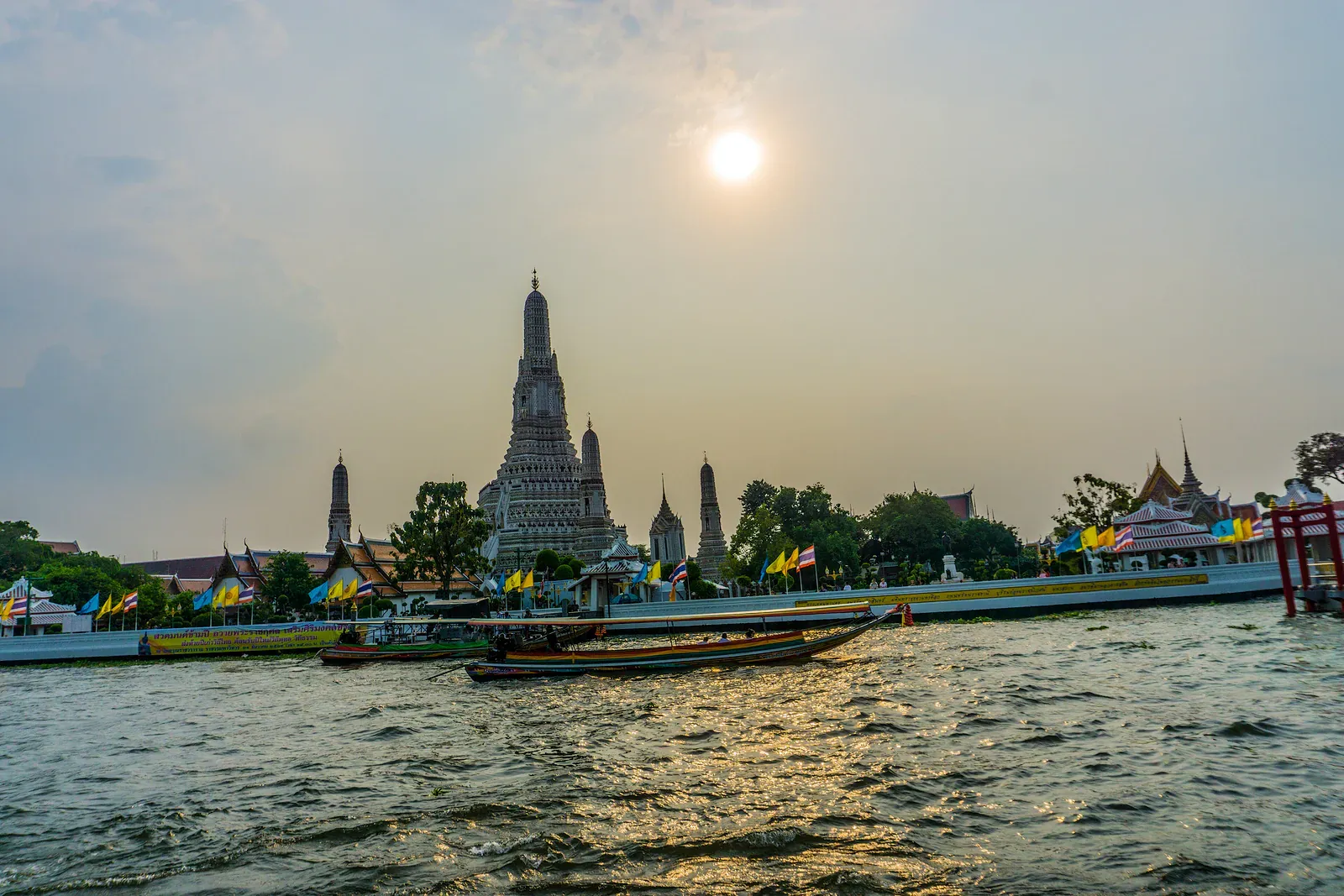
The palace sits within easy walking distance of Wat Pho, home of the reclining Buddha and generally a calmer, less crowded experience with its own dress code but a gentler atmosphere. Many visitors do the Grand Palace first thing, then walk the ten minutes to Wat Pho once the heat and crowds at the palace have peaked, saving the more contemplative site for when they need a break from queues. Wat Arun, across the river, is a short ferry hop from the piers near Wat Pho and makes a natural third stop for late afternoon, when the light suits its riverside profile: a route covered in more detail in the observation decks guide for skyline context and the river cruise guide for the crossing itself.
For the story behind the palace, see our Bangkok history and culture guide. For more indoor history nearby, see our Bangkok National Museum guide. For a wider temple shortlist, see famous temples in Bangkok. For royal grounds away from the old town, see our Dusit Park guide. If you are staying near the backpacker lanes, see our Khao San Road guide.
Accessibility
The site is a genuine challenge for wheelchairs, prams and anyone with limited mobility. Much of the ground is uneven stone or brick paving, there are raised thresholds at several building entrances, and the temple buildings themselves are not step-free: entering the main viharn requires removing shoes and often stepping over a raised sill. Prams generally cannot be taken inside the temple buildings, and the courtyard distances are substantial without shade or benches. Seniors visiting should plan for a slow pace, frequent stops, and realistic expectations about the sun exposure; arriving at opening reduces both the heat and the crowd pressure that make mobility harder. There is no dedicated accessible route publicised for the temple interiors; if accessibility is a hard requirement, contact the palace through its official channels before travelling rather than assuming step-free access on arrival.
Photography rules
Photography is generally permitted in the open courtyards and around the exteriors of the temple and palace buildings, but photography is prohibited inside the main viharn housing the Emerald Buddha. Tripods and drones are not permitted anywhere on the grounds without prior authorisation, which is not realistically available to casual visitors. Flash photography near murals and gilded surfaces is generally discouraged even where photography itself is allowed, both as a courtesy and because it does the artwork no favours in the results.
The honest verdict
The Grand Palace earns its reputation: nowhere else in Bangkok packs this density of royal and religious architecture into one site, and Wat Phra Kaeo’s murals and the Emerald Buddha itself are genuinely worth the effort. But it rewards visitors who plan for it: arriving early, dressing correctly before arrival, and giving it a real morning rather than a rushed hour between other stops.
Skip it, or at least deprioritise it, if you have very limited mobility and no assistance, if you’re visiting in the hottest part of the day with young children and no flexibility on timing, or if you’ve already done a temple-heavy itinerary and are feeling templed-out: in that case Wat Pho alone gives a calmer, less crowded version of the same architectural and religious tradition, with an easier physical layout and a single unmissable highlight in the reclining Buddha. For most visitors though, the Grand Palace done properly (early, correctly dressed, with two unhurried hours) is one of the mornings that justifies the trip to Bangkok on its own.
Common questions
What time should I arrive at the Grand Palace?
As close to opening as your schedule allows. The first hour has the shortest queues, the softest heat and the best light for photographs; by mid-morning both the ticket queue and the temple’s internal walkways are noticeably busier, and by afternoon heat becomes the main obstacle to a comfortable visit.
Can I wear leggings or a maxi skirt to the Grand Palace?
A below-the-knee skirt or dress is generally accepted. Leggings alone are frequently rejected as they’re treated as skin-tight rather than as covering, so pair them with a longer top or skirt, or bring separate trousers as backup.
Is the “Grand Palace is closed” story ever true?
Genuine closures happen only for state functions or royal ceremonies, and they’re rare and generally known in advance rather than announced by a stranger on the street. Treat any unsolicited claim of closure from someone not wearing an official uniform at the actual gate as false, and keep walking to confirm for yourself.
Do I need a guide inside the Grand Palace?
Not strictly: an audio guide covers the major buildings adequately for most visitors. A licensed human guide adds most value for the murals in Wat Phra Kaeo’s cloister, which reward panel-by-panel explanation that an audio guide only summarises.
Which is better, the Grand Palace or Wat Pho?
They’re complementary rather than competing: the Grand Palace has more architectural density and the Emerald Buddha, while Wat Pho is calmer, easier underfoot, and built around the single reclining Buddha image. Visitors short on time or patience for crowds often prefer Wat Pho; visitors after the more layered historical site choose the Grand Palace.
What should I do if I’m turned away at the gate for my clothing?
Most entrances have a rental or loan point for cover-up garments nearby, usually with a small deposit, but queuing there costs time. It’s faster to dress correctly before arriving (long trousers or a below-the-knee skirt and a sleeved top) regardless of the heat.
Part of
Written by
Mike Brochlowski
Founder and editor, travel photographer and designer
I'm Mike Brochlowski, a travel photographer and designer, and I currently live on Koh Samui, Thailand. I built BangkokWiki to put practical, checked information about Bangkok in one place. Every page is researched from official and primary sources, and the text names them. Where a page shows a checked date, that is when its facts were last confirmed. I also run samui69.com, a non-commercial guide to Koh Samui. If you spot an error or something out of date, tell me through the contact page and I will check it and correct the page.
Read all articles
Where to stay
Pick the area before the hotel
Traffic and heat make Bangkok distances feel longer than they look on a map, so the area shapes a trip more than the hotel does. Our guides match areas to trip types and explain the trade-offs.

Places to stay
Find a hotel
More from Things to do
- 10 min read
 11 min read
Chao Phraya River Cruise Guide: Bangkok Boat Trips
 9 min read
Bangkok Must-Do Experiences, Scored by Time, Cost, Crowd

Newsletter
You're subscribed as