Cabinet declares 16 December a holiday for Queen Sirikit's royal cremation at Sanam Luang
Government offices close on 16 December 2026 as five days of ceremonies for Queen Sirikit, the Queen Mother, are held in the Grand Palace area.
Read more
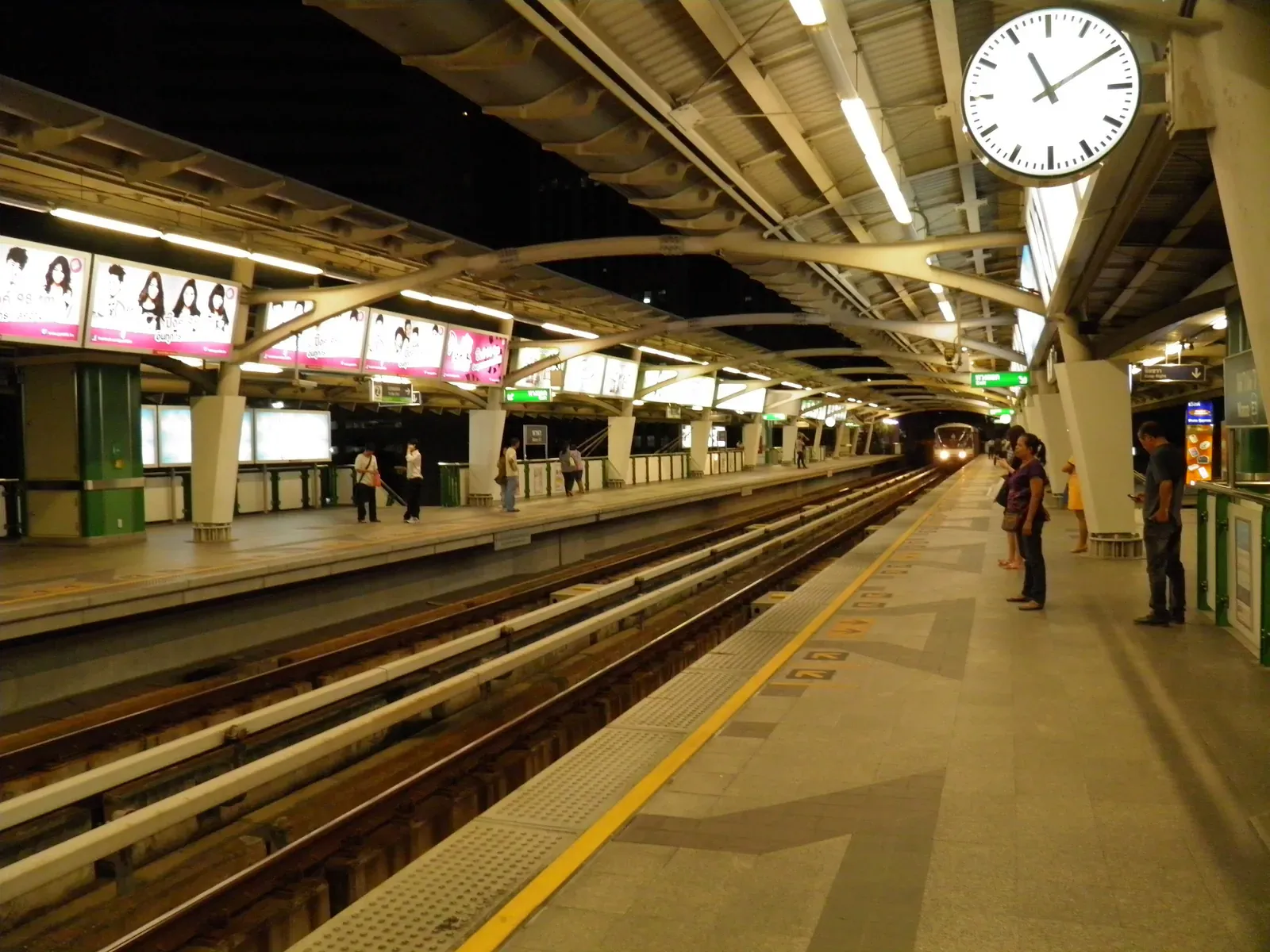
Most “areas of Bangkok to avoid” lists are the same five claims copied between blogs, tested against nothing. One of them is basically true. Most are overstated, describing a specific venue or a specific hour rather than an entire district. The short version: Bangkok carries the US State Department’s lowest advisory level, Khlong Toei’s poor reputation has real substance behind it, and the nightlife-strip warnings mostly describe a scam inside one type of bar, not a neighbourhood to steer clear of. For the citywide view, see is Bangkok safe for tourists.
Search “Bangkok areas to avoid” and the same handful of names recur across dozens of near-identical blog posts: Khlong Toei, Patpong, Nana, sometimes Chinatown after dark. Most of these lists cite each other rather than a police report, a court record or a government advisory, and a fair number read like the same outline rewritten with different photos on top. That doesn’t make every claim false. It means each one needs checking against something documented, which is what the rest of this guide does, name by name, separating the specific venue or specific hour a claim is really about from the whole district it gets attached to.
The US State Department rates Thailand as a whole Level 1, “Exercise Normal Precautions”, its lowest risk tier (travel.state.gov, checked September 2026). The specific elevated warning in the advisory is not about Bangkok at all:
“Exercise increased caution in Yala, Pattani, and Narathiwat provinces due to civil unrest.” (US State Department Thailand travel advisory, checked September 2026)
Those three provinces sit on the Malaysian border, roughly 1,000 kilometres from Bangkok. No Bangkok district carries a specific advisory warning of its own. Numbeo’s crowdsourced Crime and Safety Index, which is a public perception survey rather than an official crime statistic, placed Bangkok’s Safety Index around 60 to 62 in mid-2026, a moderate-safe band that several secondary sources rank above cities like Boston or Rome on the same measure (Numbeo, checked September 2026, cited here as an index, not proof).
Khlong Toei is Bangkok’s largest and oldest slum, housing roughly 100,000 people on about one square mile of Port Authority land (Wikipedia, “Khlong Toei district”, checked September 2026). Its reputation for poverty, drug activity and a higher crime rate than most of the city is not folklore: it’s a genuinely under-served district, not set up for visitors, and some taxi drivers decline to enter it after dark. This is the one claim on most “avoid” lists with real substance behind it, and it deserves a more honest framing than “dangerous slum”: it’s a poor, dense, working neighbourhood with a documented crime problem, not a no-go zone for the whole eastern flank of the city, and its edge holds a large, legitimate wholesale market that supplies much of Bangkok’s food trade.
“Avoid Nana” shows up on nearly every list, usually with no distinction between the BTS station, the ordinary shops and restaurants along Sukhumvit, and Nana Plaza, a specific three-storey go-go bar complex a short walk from the station. The touting and overpriced-drink risk documented by nightlife-safety guides is real, but it’s concentrated in and around that one complex, not spread across the wider Nana or lower Sukhumvit area, which functions as a normal, dense, mixed commercial and residential stretch of the city for the other 22 hours of the day. Treating the whole area as off-limits because of one nightlife complex is the same error as calling all of Times Square unsafe because of one bar’s drink prices.
This is where the myth-vs-fact test produces the clearest result. Patpong and Soi Cowboy both get lumped into generic “red light area, be careful” warnings, but the documented risk differs sharply between them.
| Area | The claim | What’s documented |
|---|---|---|
| Patpong (Silom) | “Dangerous red-light district” | Real, specific scam: touts offer free or cheap entry to an upstairs show, then block the exit until a bill of 3,000 to 5,000 THB (~90-150 USD) per person is paid for drinks, checked September 2026 |
| Soi Cowboy (between Asok and Phrom Phong BTS) | Same generic warning, often applied identically | Described by nightlife-safety sources as smaller, calmer, with lower touting and more transparent pricing than Nana or Patpong |
| Nana Plaza specifically | “The whole area is unsafe” | Touting and overpriced drinks concentrated in the complex itself, not the surrounding Sukhumvit blocks |
| Wider lower Sukhumvit (shops, malls, offices) | Folded into the above by association | Ordinary commercial district for the vast majority of the day and night, not covered by any specific advisory |
Sources: multiple nightlife-safety guides and travel-scam roundups, checked September 2026. Prices are the documented bill-padding range for the Patpong show scam specifically, not a general nightlife cost.
The practical read: the specific, well-documented scam is a bill-padding trick tied to touts and a particular venue type, not a reason to avoid an entire district. Walking past Patpong’s daytime night market, or through Nana’s ordinary shopfronts, carries none of the risk the “show” scam describes.
Save the Tourist Police hotline, 1155, which is free and English-language capable (widely cited across official and independent safety sources, checked September 2026). Agree a taxi fare or insist on the meter before the door closes. Treat any unsolicited “the temple is closed” approach as the gem-shop scam it almost always is. Beyond that, the ordinary caution that applies to any large, dense city, crowded markets, late-night transit, unlicensed taxis, covers most of the documented risk. It doesn’t require avoiding named neighbourhoods wholesale, and it doesn’t require treating a district you’ve never visited as more dangerous than the evidence actually shows.
For how these areas compare on the criteria that actually matter for a longer stay, not just a night out, see Matching Your Lifestyle to a Bangkok Area and Sukhumvit vs Sathorn. The citywide picture, including where most residents and long-term visitors actually settle, is in Where to Live in Bangkok.
Last verified: September 2026. Advisory levels, indices and prices change; check the named official sources directly before relying on any of the figures above.
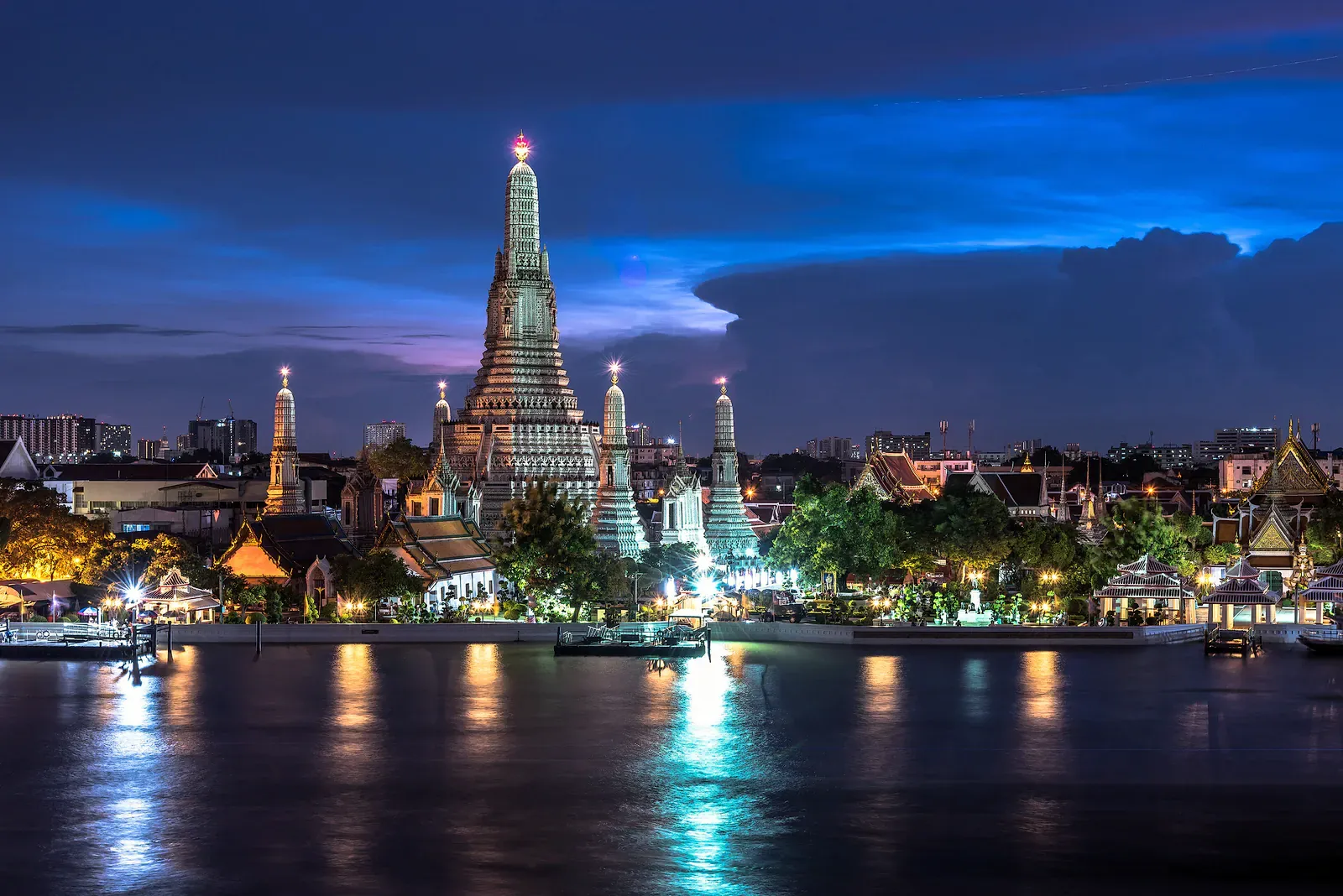
A realistic one-day Bangkok plan built around a single area, timed to opening hours
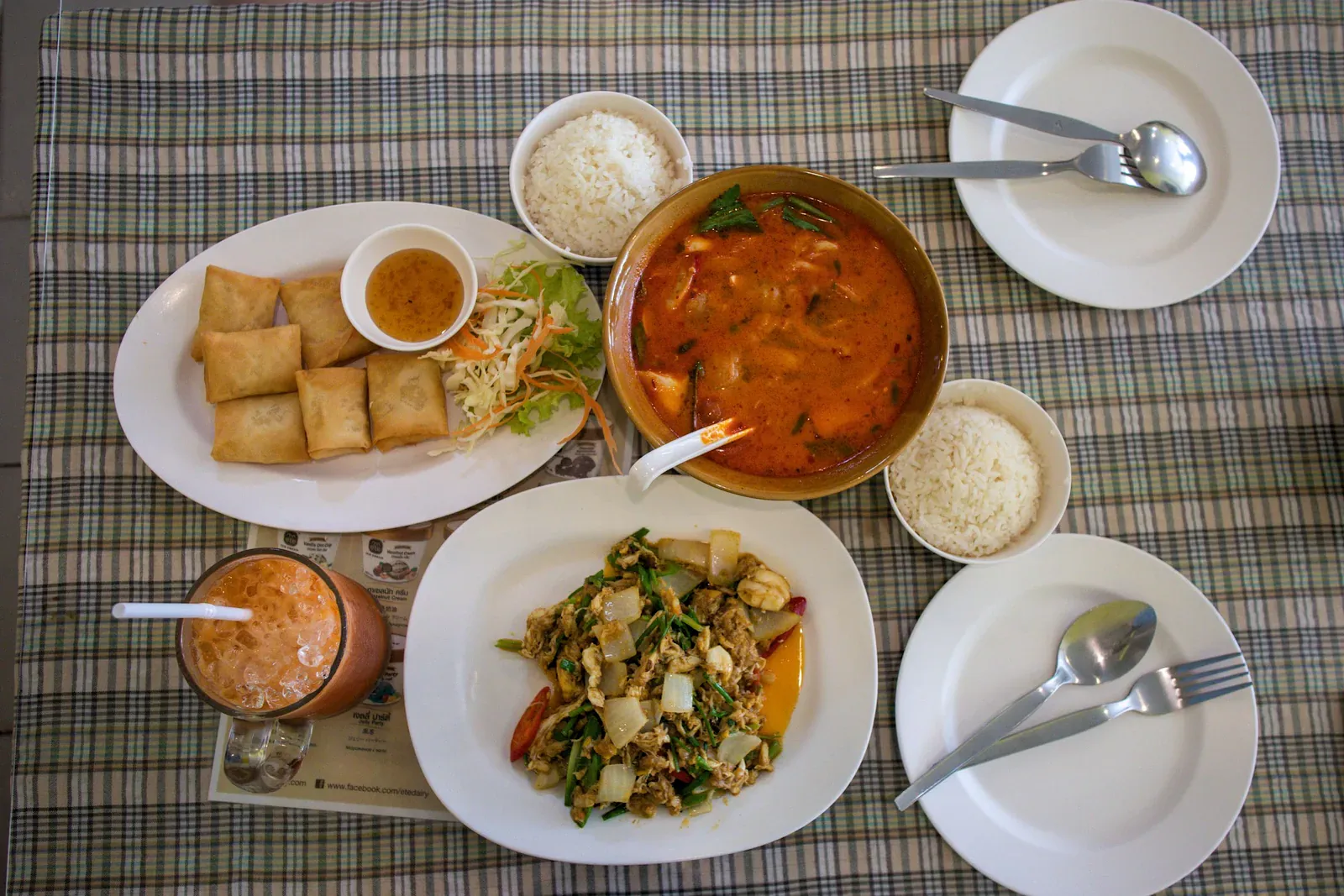
Bangkok-specific table mistakes tourists make and don't hear about: fork versus spoon, sharing dishes
Whether to tip in Bangkok restaurants, when the 10% service charge already covers it

SiamPic Hall, Siam Square One, Siam, Chitlom and Ploenchit, Bangkok
Phenix Pratunam, Pratunam, Bangkok
centralwOrld Square, Siam, Chitlom and Ploenchit, Bangkok
No events listed for today.
All events
5-star hotel
Siam, Chitlom and Ploenchit
5-star hotel
Sukhumvit: Nana and AsokYou're subscribed as