Travel
Tipping in Bangkok Restaurants: What to Actually Pay
Whether to tip in Bangkok restaurants, when the 10% service charge already covers it, and how street-food rounding actually works, dated September 2026.
At a glance
- Reading time
- 5 min read
- Chapters
- 6
- Published
- Oct 16, 2026
On this page
Short answer: at most mid-range and upscale Bangkok restaurants, a 10% service charge is already on your bill, and that covers the “tip.” At small local eateries and street food stalls, nobody expects a tip at all, rounding up is a nice gesture, nothing more. The confusion comes from treating these as one situation when they are really three, each with its own rule.
Menus marked “++” are where most visitors get tripped up. That double-plus means service charge plus VAT, two separate line items stacked on top of the price you saw on the menu. Once you know what each ++ stands for, the rest of the bill stops being a mystery.
The three situations, not one
Bangkok dining splits into three distinct “extra money” scenarios, and blog posts written for tipping culture elsewhere in the world tend to blur them together:
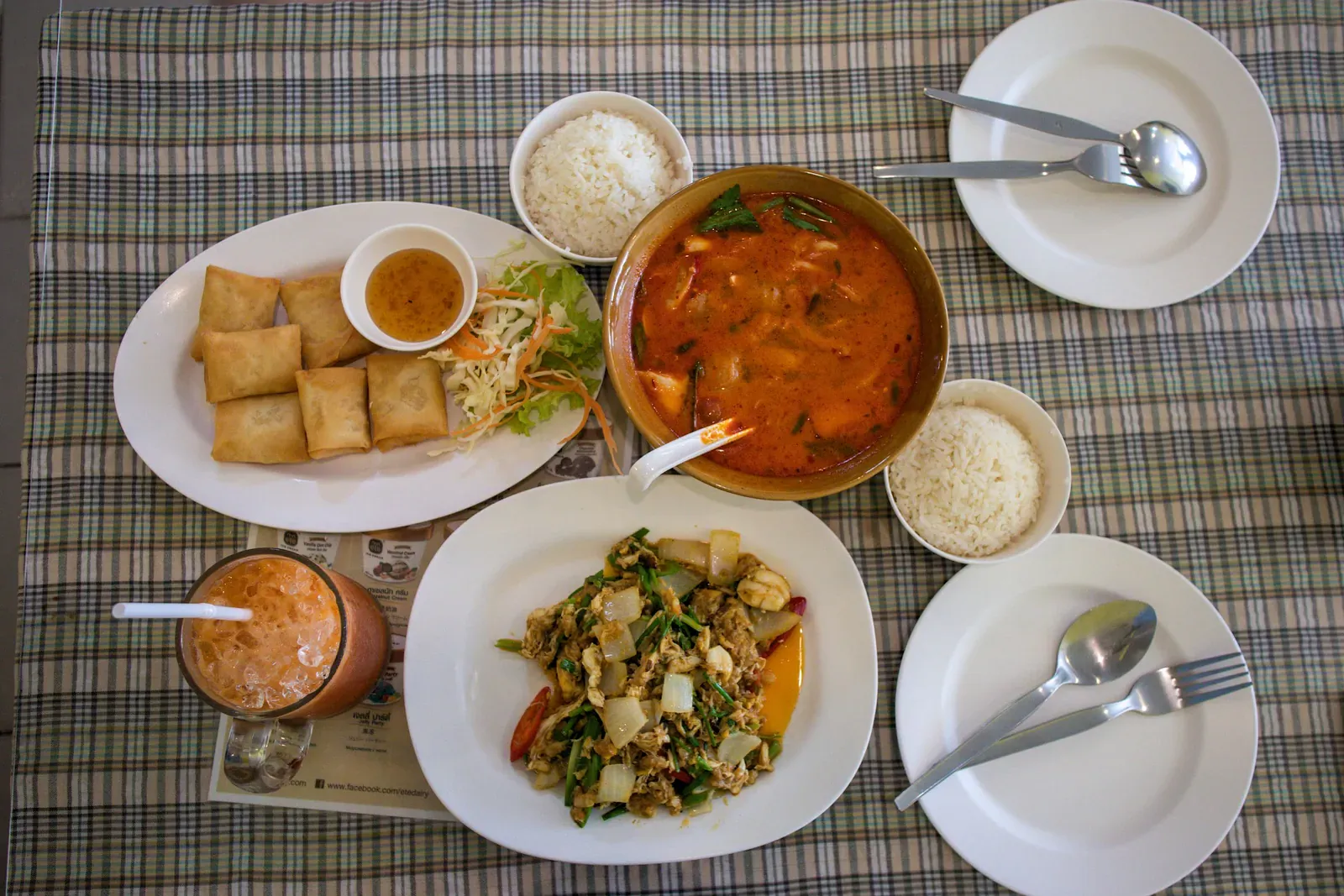
- Mid-range and upscale restaurants with a service charge already on the bill. The 10% is not a tip you choose to leave, it is added automatically.
- Small local eateries and casual restaurants with no service charge. Tipping here is voluntary and genuinely optional, not a social debt.
- Street food stalls and market vendors. Rounding up a small amount is polite but so far from expected that some vendors will hand your change back anyway.
How the service charge actually works
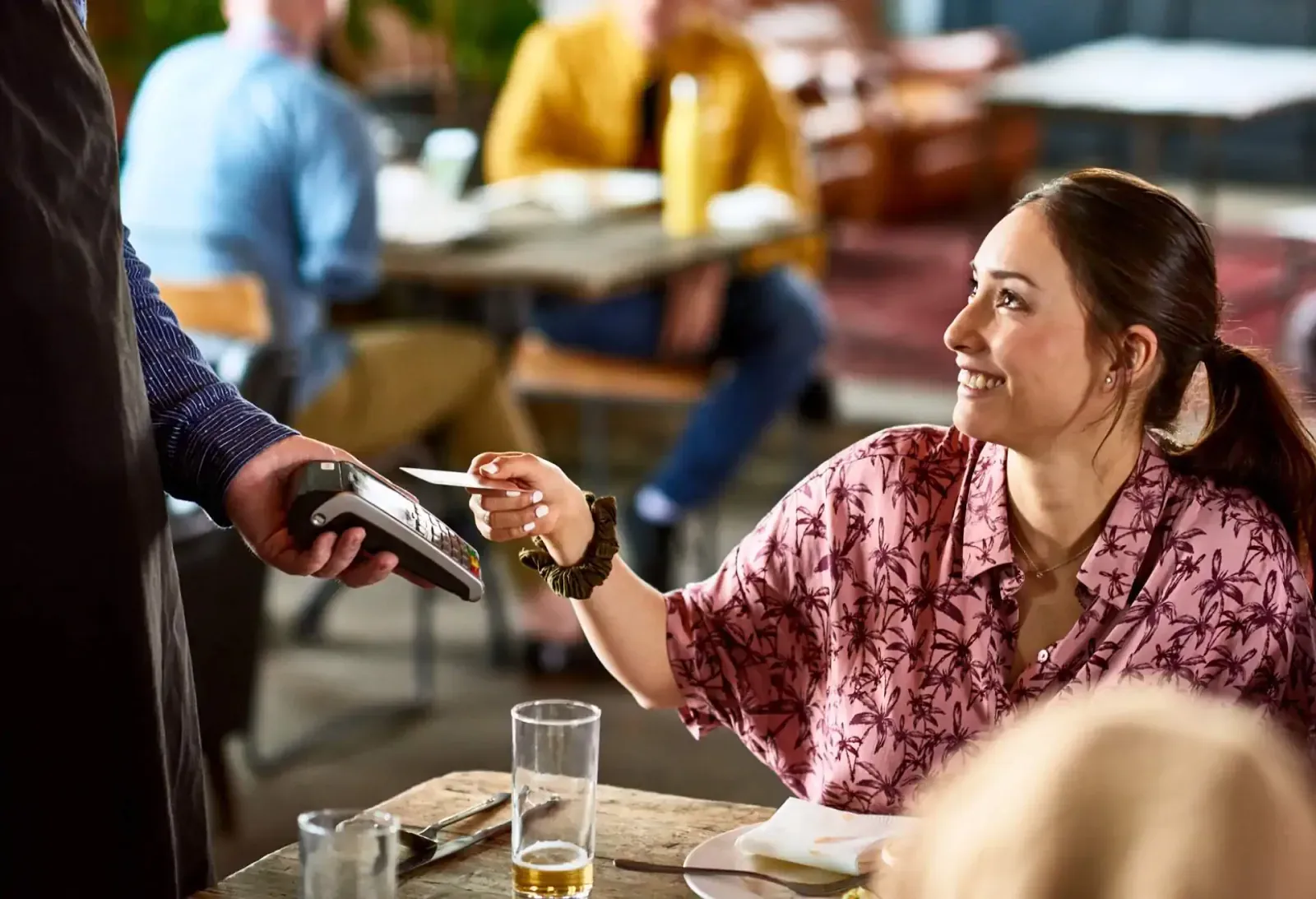
A 10% service charge is common on bills at hotel restaurants and most nicer sit-down places in Bangkok, and high-end venues sometimes charge up to 15% (WebSearch aggregation of 2026 tipping guides, checked September 2026). It is not a government tax. Thailand has no law requiring restaurants to add a service charge, unlike the 7% VAT, which is set by law (Bangkok Post, “Restaurants cautioned over 10% service charge”; checked September 2026). What the law does require is that a venue collecting one displays a clear notice saying so, under Thai consumer protection rules.
The calculation order catches people out. Service charge is applied first, to the food and drink subtotal. VAT is then applied on top of that new, higher number, not on the original menu price. A dish priced at 1,000++ can land at roughly 1,177 baht once both are added, meaning the final bill runs close to 17-18% above the menu price at a “++” venue (Thai pricing-guide sources, checked September 2026). If you see “++” next to a price, budget for that gap before you order.
If a 10% service charge already appears as its own line on the printed bill, treat it as the tip. Leaving more is welcome for standout service but never required.
Do you still tip on top of it
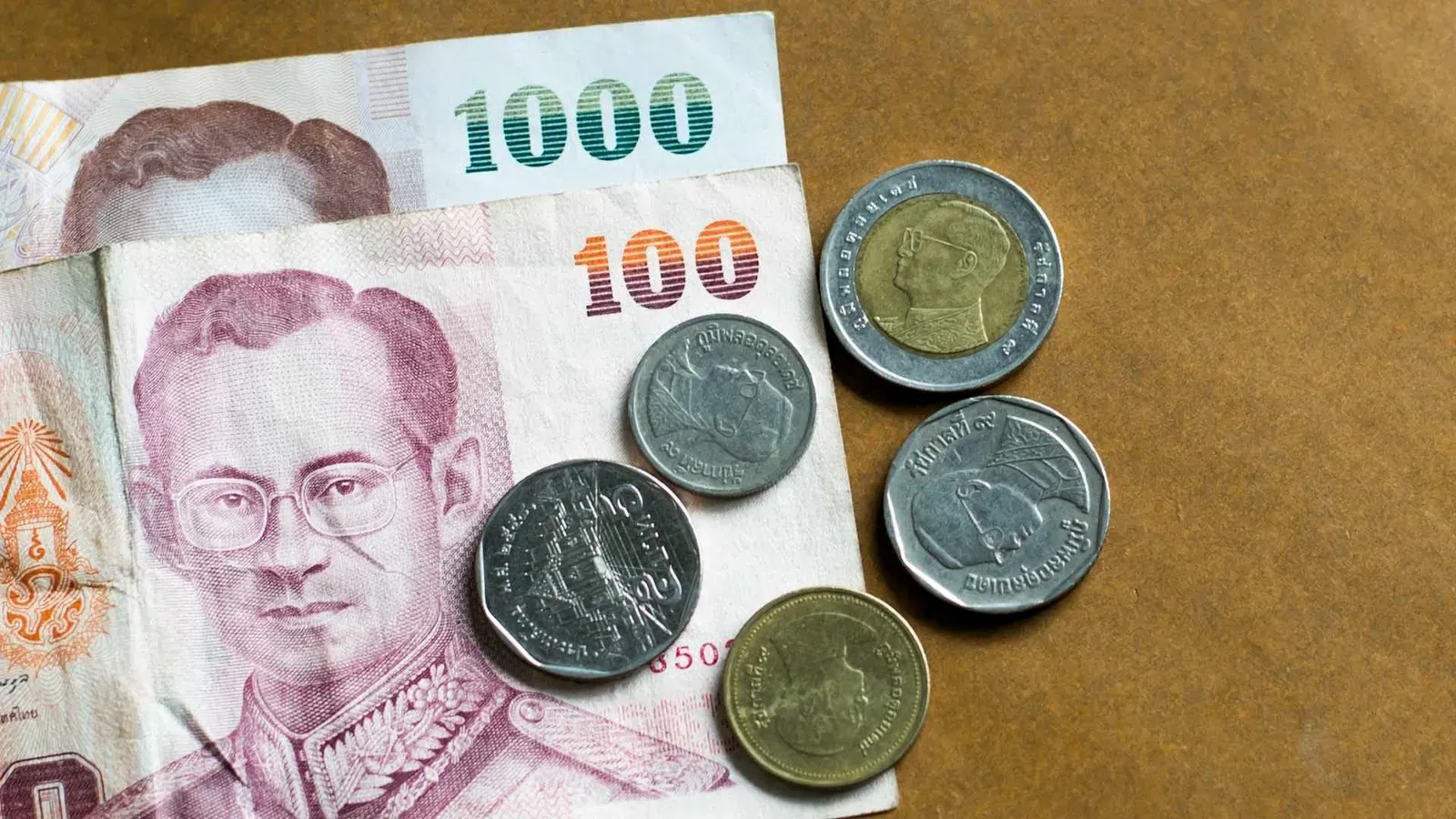
At restaurants with no service charge line, and where service genuinely stood out, a discretionary tip is the polite move rather than an obligation. Locals themselves rarely tip; foreign visitors do it more often, and nobody will chase you down for skipping it. A useful working range for a sit-down meal without a service charge is a small note left directly on the table or handed to the server, scaled to the size of the bill rather than a fixed percentage.
Street food and small eateries: round up, don’t tip
Roadside stalls, market vendors and simple local restaurants sit outside the tipping conversation almost entirely. Owners and staff at these places generally do not expect a tip in any form. If your meal comes to 90 baht and you hand over a 100 baht note, rounding up and telling the vendor to keep the change is a fine gesture, but don’t be surprised if they hand the coins back anyway, through genuine surprise rather than a refusal of thanks (WebSearch aggregation of Thailand tipping-etiquette sources, checked September 2026). It reads less as generosity to them and more as a possible mistake on your part. For how to read a stall and order well in the first place, see the Bangkok street food guide.
Service charge vs tip vs street-food rounding, by venue type
| Venue type | Service charge on bill? | Extra tip needed? | Typical amount |
|---|---|---|---|
| Hotel restaurant / fine dining | Usually yes, 10-15% | No, already covers it | 0, more only for exceptional service |
| Mid-range sit-down restaurant | Often, around 10% | No, if service charge is shown | 0, small note if service charge is absent and service stood out |
| Small local restaurant, no service charge | Rarely | Optional | A small banknote, never required |
| Street food stall / market vendor | Never | Not expected | Round up to the next 10-20 baht if you want to |
Who to tip and how much: a quick checklist
- Check the bill first. Look for a printed “Service Charge” or “++” line before deciding anything.
- Service charge present: treat it as covering the tip. Add more only for genuinely excellent service.
- No service charge, sit-down restaurant: a small banknote is a fair, appreciated gesture, not a requirement.
- Street food or a market stall: round up if you like, don’t force change back on a vendor who insists on returning it.
- Hand tips directly to the person, in notes, not coins, rather than leaving them with the cashier.
- Skip the math anxiety. Nobody in Bangkok is tracking a fixed percentage the way some other tipping cultures expect.
Once the bill mechanics make sense, the rest of a Bangkok meal is mostly about how the table itself works, from walking in to splitting the check. How Eating Out in Bangkok Actually Works walks through that full sequence, Bangkok Dining Etiquette: Mistakes Tourists Make at the Meal covers the table manners tipping guides skip, and if anyone at your table is managing a food allergy or dietary restriction, Eating Out in Bangkok with Food Allergies or Dietary Restrictions covers the phrasing and hidden-ingredient checks worth doing before you order.
Written by
Mike Brochlowski
Founder and editor, travel photographer and designer
I'm Mike Brochlowski, a travel photographer and designer, and I currently live on Koh Samui, Thailand. I built BangkokWiki to put practical, checked information about Bangkok in one place. Every page is researched from official and primary sources, and the text names them. Where a page shows a checked date, that is when its facts were last confirmed. I also run samui69.com, a non-commercial guide to Koh Samui. If you spot an error or something out of date, tell me through the contact page and I will check it and correct the page.
Read all articles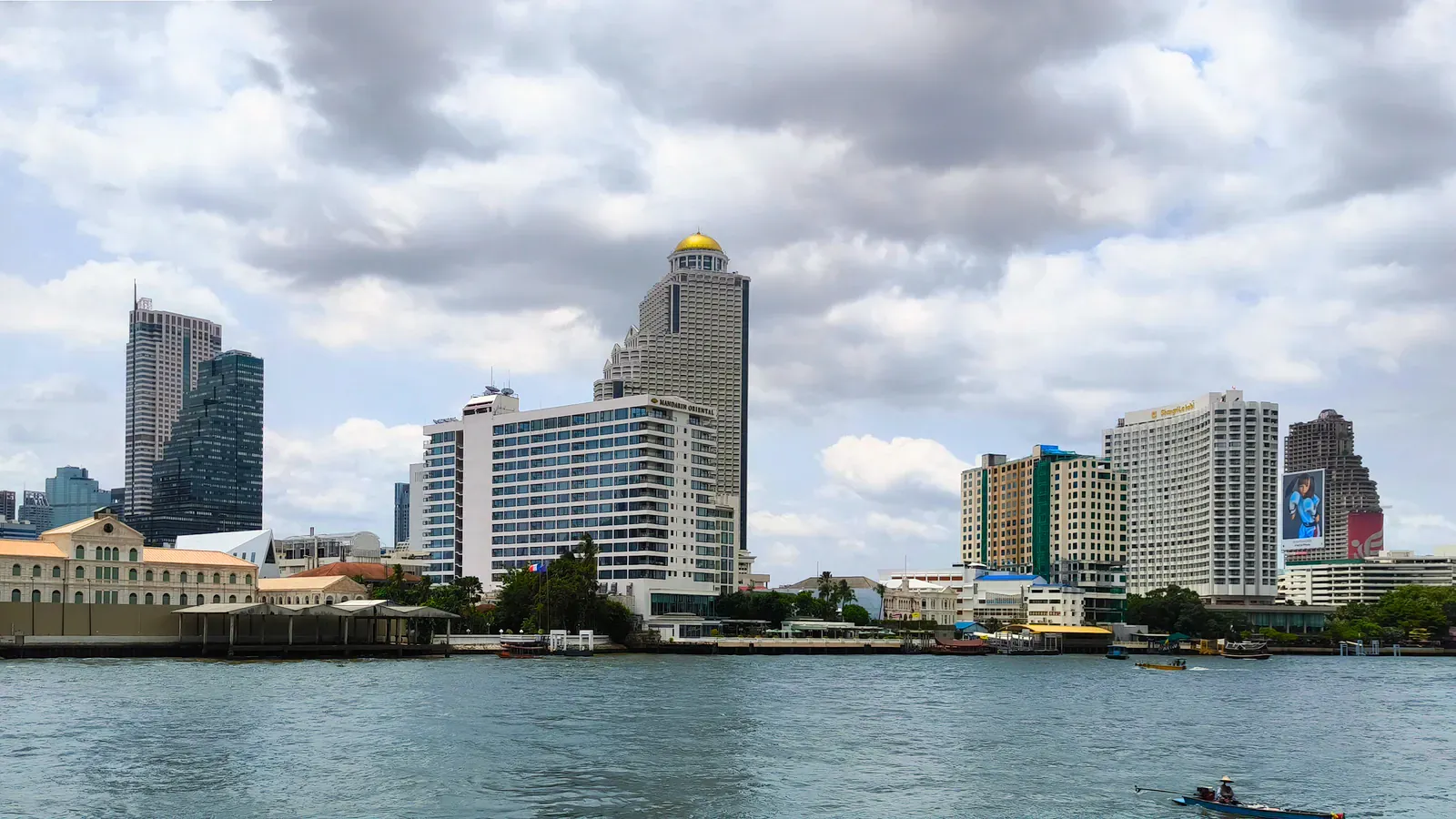
Where to stay
Pick the area before the hotel
Traffic and heat make Bangkok distances feel longer than they look on a map, so the area shapes a trip more than the hotel does. Our guides match areas to trip types and explain the trade-offs.

Places to stay
Find a hotel
Explore the other desks
More from Travel
- 6 min read
 11 min read
Bangkok Scams and Safety: What to Know
 13 min read
Bangkok Temple Dress Code and Etiquette Guide

Newsletter
You're subscribed as