Cabinet declares 16 December a holiday for Queen Sirikit's royal cremation at Sanam Luang
Government offices close on 16 December 2026 as five days of ceremonies for Queen Sirikit, the Queen Mother, are held in the Grand Palace area.
Read more
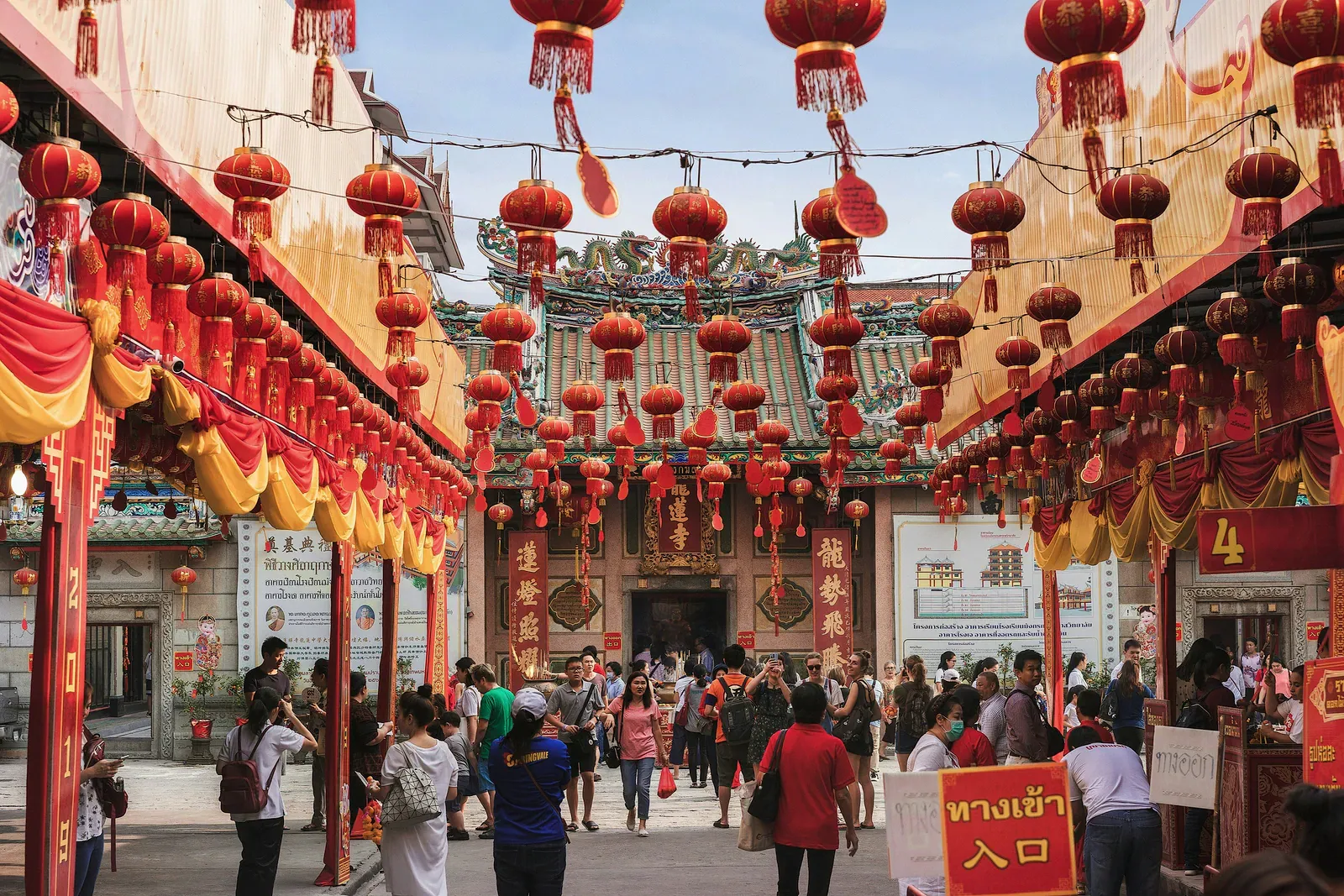
Wat Mangkon Kamalawat, still commonly called Wat Leng Noei Yi, is a major Chinese Mahayana Buddhist temple on Charoen Krung Road in Bangkok’s Chinatown. Admission is free for all visitors, and the temple lies about 100 m on foot from Exit 3 of Wat Mangkon MRT station on the Blue Line. The grounds cover roughly 6,400 square metres of courtyards and halls, where devotees gather for Guanyin, Cai Shen Ye and the major annual festivals.
Wat Mangkon Kamalawat (วัดมังกรกมลาวาส) is a major Chinese Mahayana monastery affiliated with the Chinese Buddhist Sangha of Thailand, combining Buddhist practice with Chinese folk religion. It stands in Pom Prap Sattru Phai, in the Yaowarat area, and appears among the lesser-known Bangkok temples worth a visit.
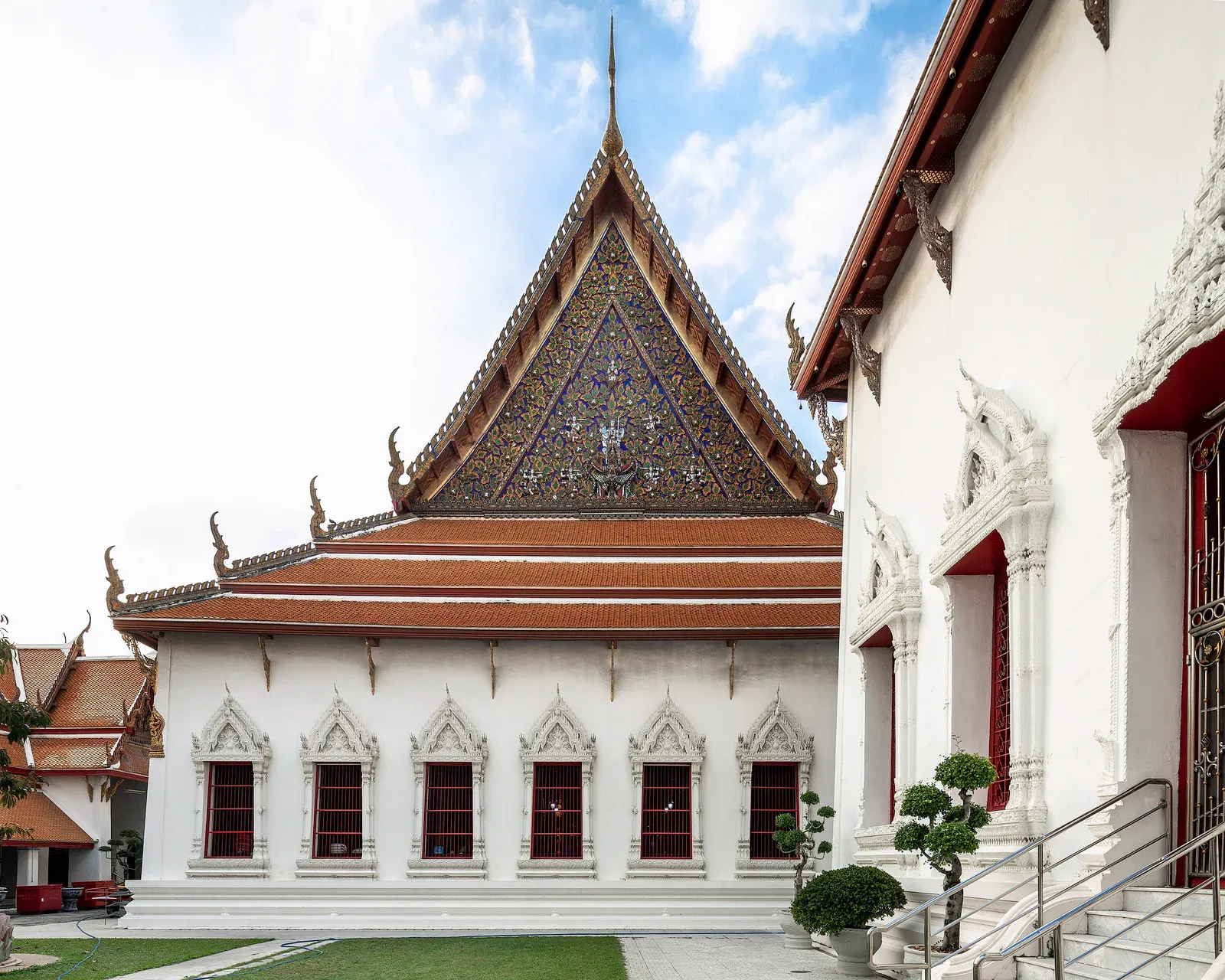
The compound follows Southern Chinese architecture: a low, sprawling layout of interlinked courtyards and passages. Tiled roofs decorated with dragon motifs and hanging red lanterns cover altars dedicated to Buddhist, Taoist and Confucian figures.
Visitors come to see the Four Heavenly Kings, the three main Buddha images, and the rear pavilions honouring Guanyin and the temple’s founder, as well as the shrines to Cai Shen Ye, the God of Wealth.
The temple is at 423 Charoen Krung Road, Pom Prap, Pom Prap Sattru Phai, Bangkok 10100, in Chinatown (Yaowarat). The entrance is down a short alley and courtyard off Charoen Krung Road, with Wat Mangkon MRT station in front.
The MRT Blue Line is the easiest way to arrive: take Exit 3 at Wat Mangkon station and walk about 100 m. Skip driving if you can, since parking nearby is scarce.
On foot, the temple is a short walk from Yaowarat Road through the old market lanes off Charoen Krung. By river, take the Chao Phraya Express Boat to Ratchawong Pier, which travel guides list as about 2 minutes away on foot.
Wat Mangkon Kamalawat was founded around 1871 or 1872 by the Chinese monk Phra Archan Chin Wang Samathiwat, also called Sok Heng. Its former name is Wat Leng Noei Yi, and its Chinese name is 龍蓮寺.
King Chulalongkorn (Rama V) gave the monastery the name Wat Mangkon Kamalawat, meaning Dragon Lotus Temple. The site covers about 4 rai 18 wah (roughly 6,400 square metres), laid out in a Southern Chinese style described as resembling an imperial palace.
Wat Mangkon MRT station on the Blue Line opened in 2019, close to the temple. A visitor reported renovation work in February 2023, and later reviews describe the temple as renovated and looking fresh.
Entering from the main gate, you reach a hall holding the Four Heavenly Kings, one for each compass direction. Each carries a different attribute, such as a pipa, sword, stupa or mongoose, and they surround a central Laughing Buddha.
Four warrior guardian statues stand at the entrance to the viharn.
The main shrine hall holds three large Buddha images: Shakyamuni in the centre, flanked by Amitabha and Vairocana.
The ubosot holds a gold-coloured Buddha image in a mixed Thai and Chinese style.
Altars across the courtyards honour Buddhist, Taoist and Confucian figures. Three rear pavilions honour Guanyin (the Goddess of Mercy and main deity), the founder Phra Archan Chin Wang Samathiwat (Sok Heng), and the saint Lak Chao. A mini shrine at the rear honours Guanyin and the founder.
Thairath describes the temple as Thailand’s largest centre for worshipping Cai Shen Ye and for resolving zodiac conflicts. Visitors can take part in rituals to shed bad luck, and monks chant over names written by visitors. Worshippers typically bring red and gold offerings, or red envelopes holding new banknotes for luck.
A furnace in the courtyard is used for burning offerings for ancestors.
Entry is free for all visitors on a walk-in basis (checked 20 November 2026). Donations are welcome. Much of the temple runs cashless, with QR codes used for donations, amulets and offerings, though cash donation boxes remain. For cash merit making or a fortune stick reading, carry small notes of about $1 (20 THB) to about $3 (100 THB).
Opening hours stretch during major festivals. The temple has no standalone website, so confirm late-afternoon hours by calling +66 2 222 3975 or checking its official Facebook page.
| Source type | Days | Listed hours |
|---|---|---|
| Google-style listings and 2026 reviews (used here as most recent) | Monday to Friday | 08:00-16:30 |
| Google-style listings and 2026 reviews (used here as most recent) | Saturday and Sunday | 08:00-17:30 |
| Other guides | Daily | 08:00-17:00 or 08:00-16:00 |
| Other guides | Daily | 07:00-18:00, 08:00-18:00 or 09:00-18:00 |
Cover your shoulders and knees and take your shoes off at shrine thresholds; see our temple etiquette and dress code guide for general rules across Bangkok. Guides also advise wearing bright colours such as red when worshipping and avoiding black or white.
Photography is generally tolerated. One guide advises no flash in prayer halls, no photos of worshippers or ceremonies, and no drones; this is unofficial guidance. A travel guide lists the site as wheelchair accessible with an accessible restroom.
Expect crowds and road closures around Yaowarat during Chinese New Year and the October Vegetarian Festival. Lion dances and drummers are common at both.
On Chinese New Year (16 February 2026), most people worshipped on the night of the festival day, with the temple open late. Devotees bring red and gold offerings and red envelopes with new banknotes.
The 2026 Yaowarat Vegetarian Festival ran from 9 to 18 October, with the observance from 10 to 18 October, centred on the Chinatown Gate at Odeon Circle. Wat Mangkon is the starting area of the deity palanquin procession from 22 Chinese shrines to the Chinatown Gate. On 10 October 2026, Yaowarat Road was closed to traffic from 16:00 to 22:00 for the opening ceremony.
Go on a weekday between 08:30 and 10:30 for quieter chanting. Weekends, Chinese New Year and the October Vegetarian Festival bring heavy crowds, a point many visitors raise.
Allow 30 to 45 minutes to tour the halls and rear shrines. One guide suggests 1 to 2 hours if you combine the temple with nearby street food.
Of 17 review excerpts read, about 14 praise the Chinese architecture, carvings, lanterns and colour, or the spiritual feel. About 8 mention easy MRT access with Yaowarat street food close by, about 6 like the festival atmosphere, about 4 mention free entry, and about 3 like the cashless QR system. About 3 describe it as calm despite the crowds. Complaints: about 6 say it is crowded, especially at weekends and festivals, and about 3 mention scarce parking. About 2 mention messy renovation grounds in reviews from 2021 to 2023.
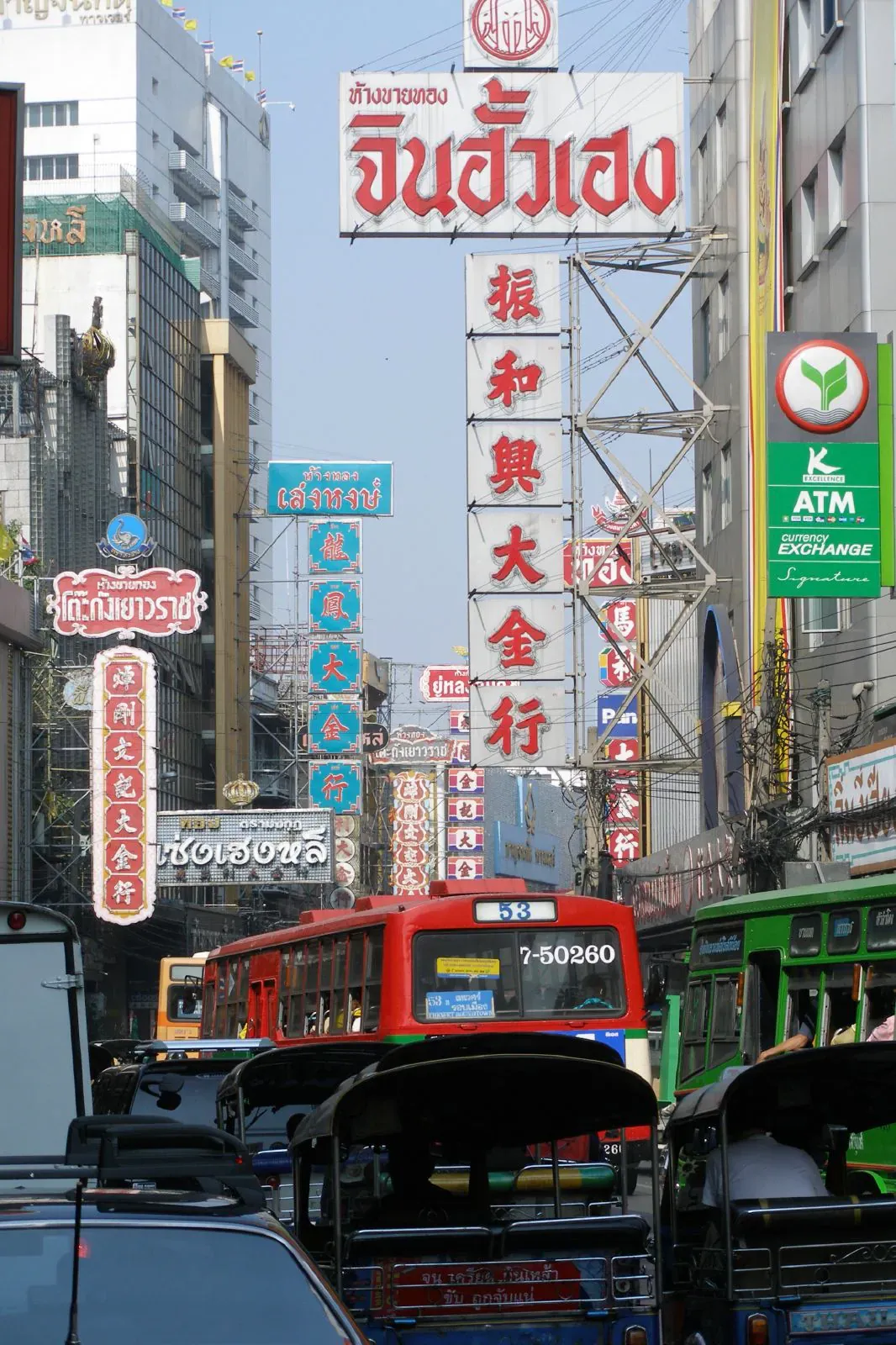
The old market lanes of Charoen Krung and Sampeng are adjacent, and Yaowarat Road’s street food is a short walk away; plan a meal with our Yaowarat Chinatown guide.
The Chinatown Gate at Odeon Circle is a few minutes away. For another temple in the area, read our Wat Traimit Golden Buddha guide.
Ratchawong Pier is about 2 minutes on foot for Chao Phraya Express Boat connections, and the Old City (Rattanakosin) is about 2 km away.
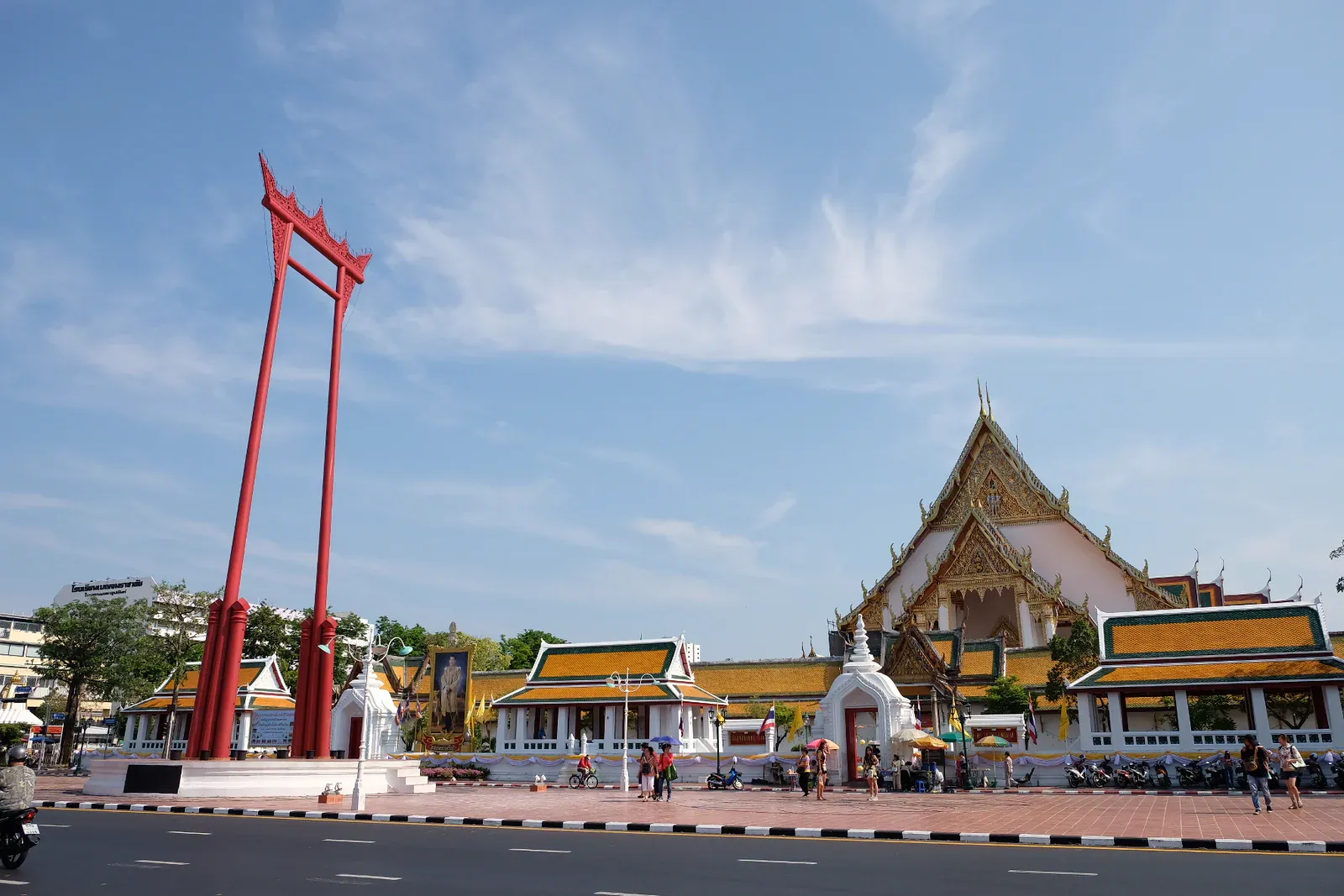
Plan a visit to Wat Suthat in Bangkok's Old City: 8 m bronze Buddha, Rama III murals, the Giant Swing
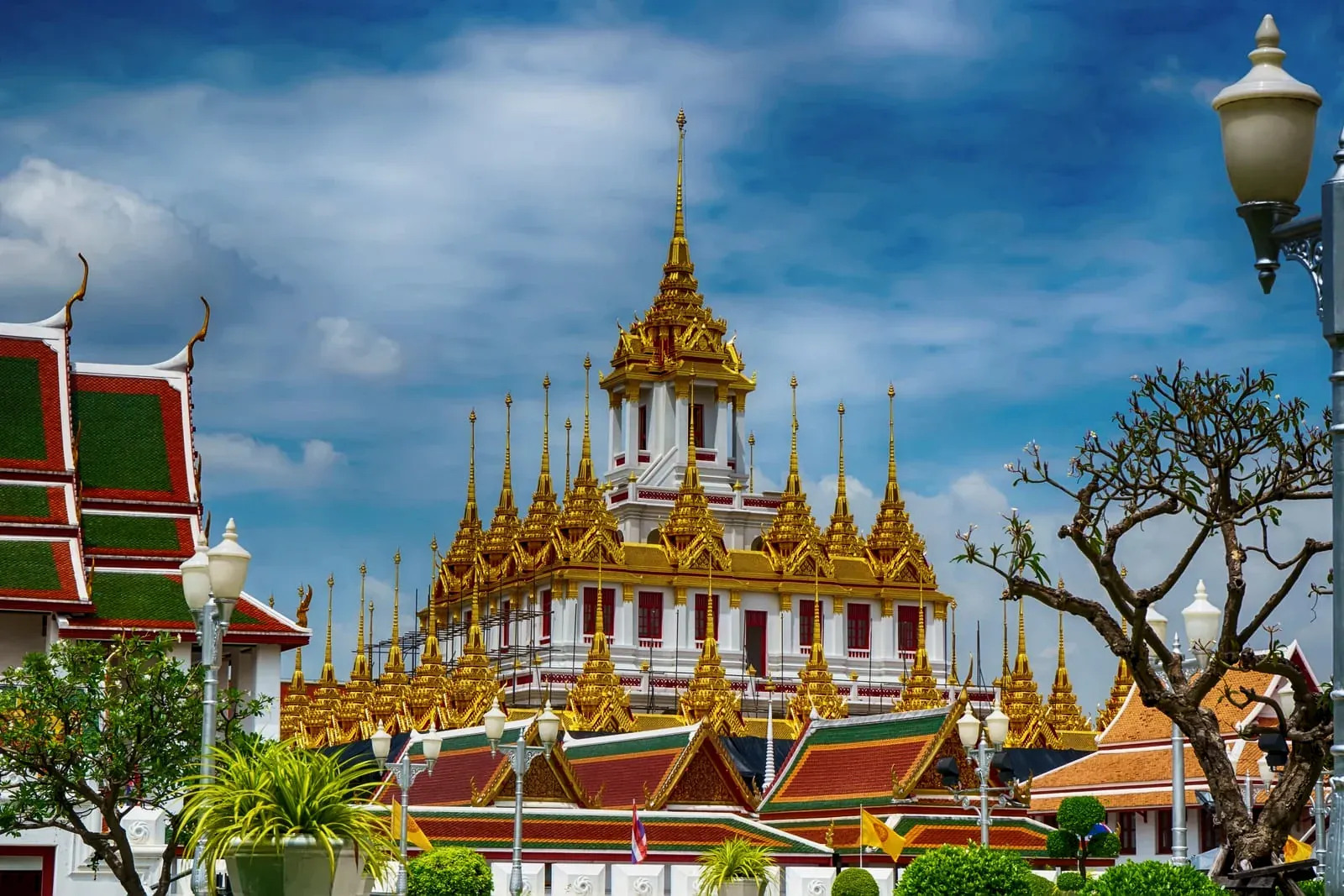
Plan your visit to Loha Prasat in Bangkok's Old City with hours, entry fees, MRT and canal boat directions
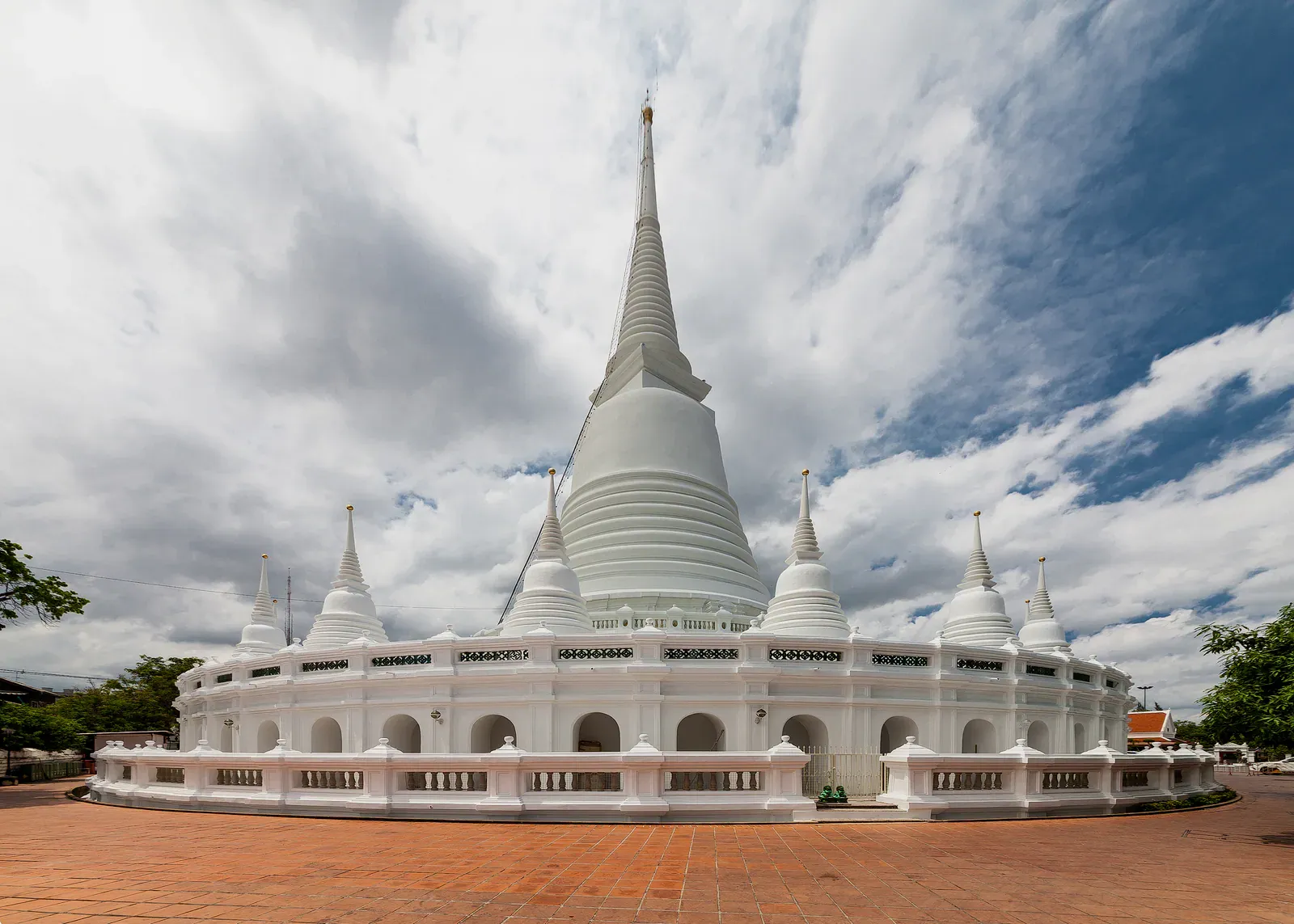
Visit Wat Prayurawongsawas in Thonburi near Memorial Bridge for free entry, a 60.5 m climbable stupa
SiamPic Hall, Siam Square One, Siam, Chitlom and Ploenchit, Bangkok
Phenix Pratunam, Pratunam, Bangkok
centralwOrld Square, Siam, Chitlom and Ploenchit, Bangkok
No events listed for today.
All events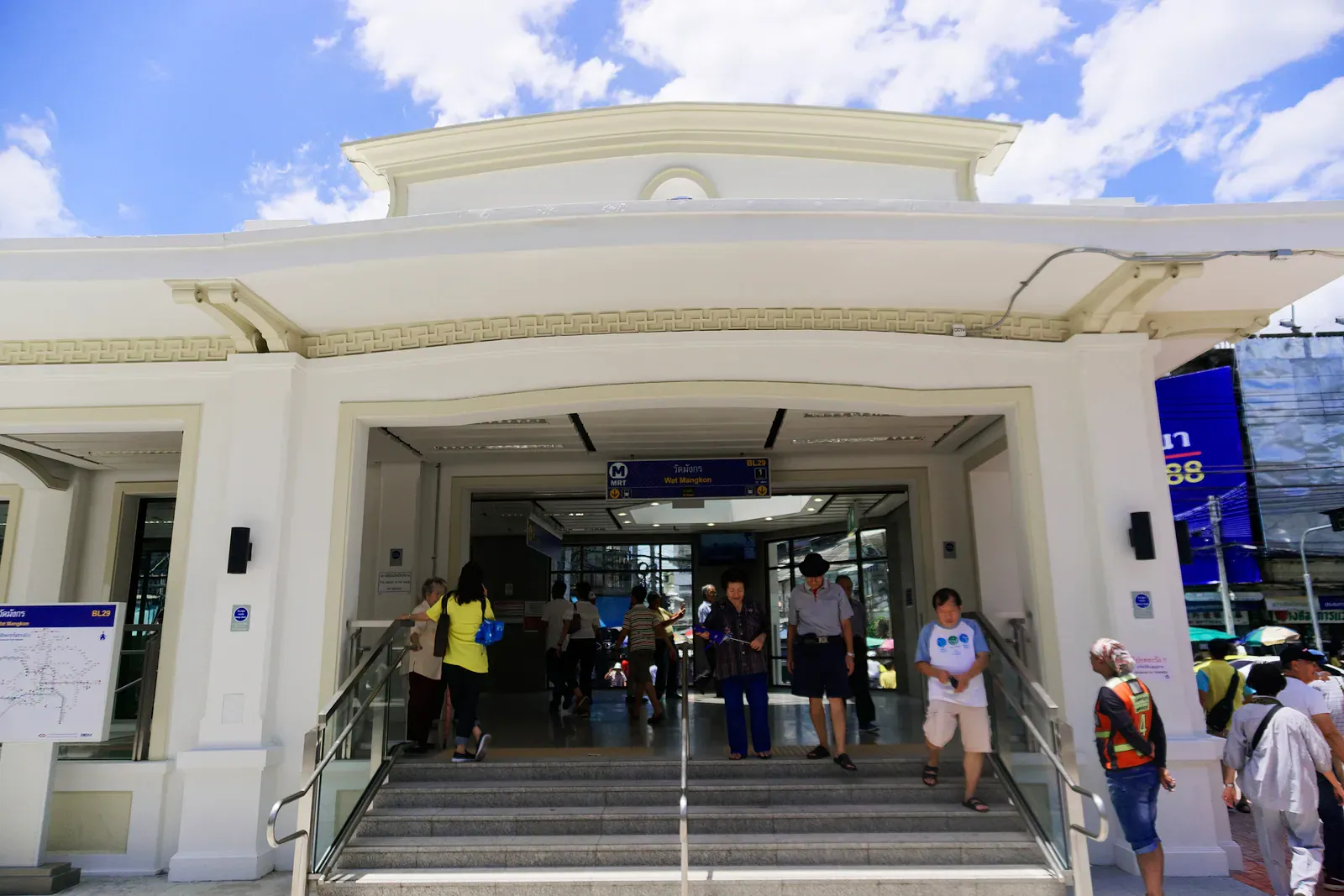
4-star hotel
Old City and ChinatownYou're subscribed as