Cabinet declares 16 December a holiday for Queen Sirikit's royal cremation at Sanam Luang
Government offices close on 16 December 2026 as five days of ceremonies for Queen Sirikit, the Queen Mother, are held in the Grand Palace area.
Read more
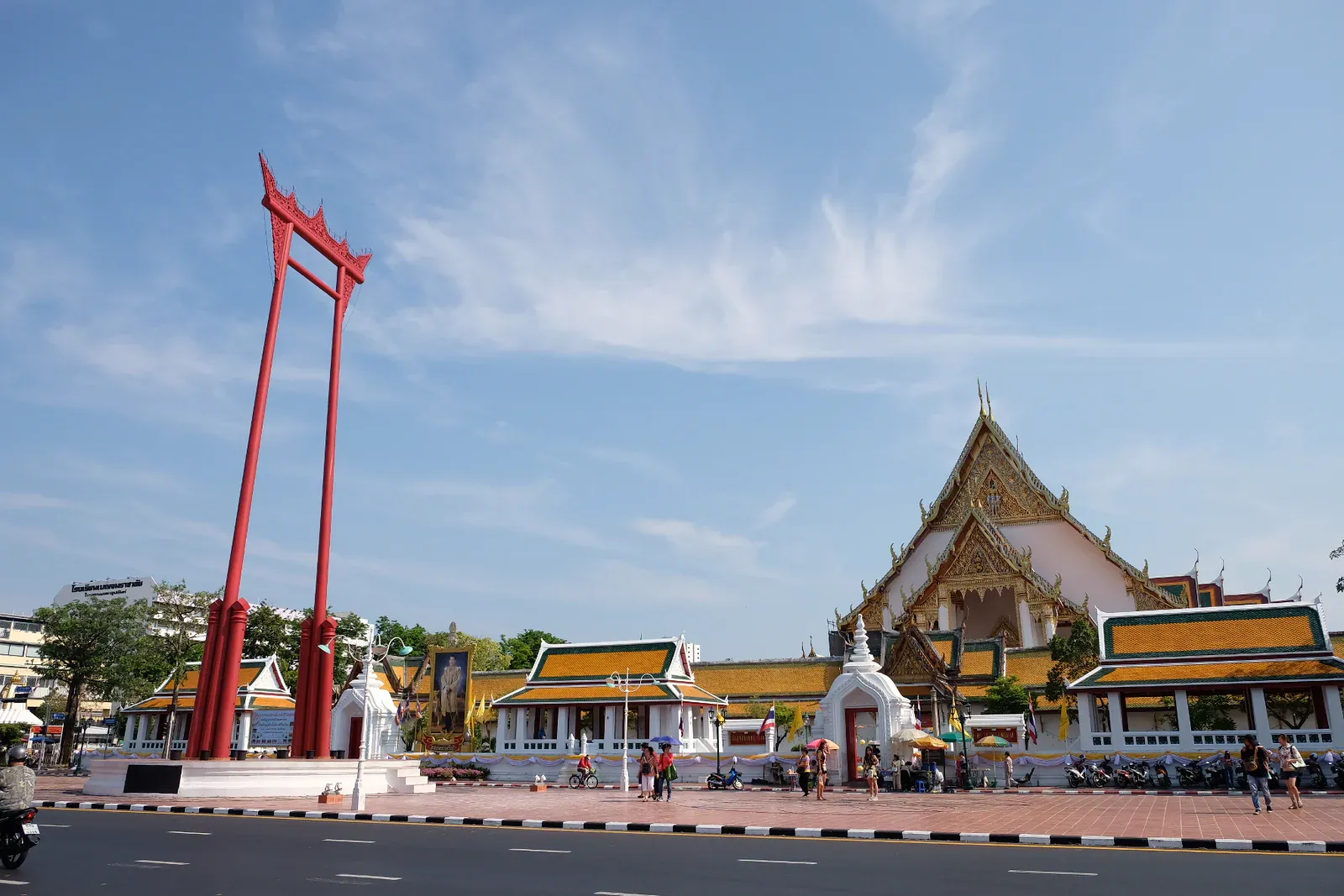
Wat Suthat Thepphawararam Ratchaworawihan is a first-class royal temple in Bangkok’s Old City (Rattanakosin), with the 21.15 m Giant Swing standing directly opposite. Its main image is an 8 m Sukhothai bronze Buddha, and the ubosot carries Rama III era murals. Foreign entry is about $3 (100 THB, checked 20 November 2026), the swing is free to view, and MRT Sam Yot is 10 to 15 minutes away on foot.
Wat Suthat pairs two historic Old City landmarks: a first-class royal monastery (Ratchaworamahawihan) and the Giant Swing (Sao Chingcha) in front of it. It is one of ten first-class royal temples in Bangkok, and it is quieter than Wat Pho or the Grand Palace.
Visitors come for the 14th or 15th century Sukhothai bronze Buddha and the Rama III era murals. Unlike most of Bangkok’s famous temples, Wat Suthat stays open into the evening, and it fits alongside other quieter temples across Bangkok. Entry is walk-in only, with mostly flat paths inside.
Wat Suthat is at 146 Bamrung Mueang Road, Sao Chingcha, Phra Nakhon, Bangkok 10200, in the Old City (Rattanakosin). The main gate access is on Bamrung Mueang Road, and a quieter south-side rear entrance is usually less busy.
Three routes work on foot:
King Rama I began building Wat Suthat in 1807 under the name Wat Mahasuthawas. Rama II carved the wooden vihara doors himself and died before the temple was finished; those original teak doors are now kept in the Bangkok National Museum. Rama III completed the temple in 1847 or 1848 and gave it its present name. In 1950 the ashes of King Rama VIII (Ananda Mahidol) were enshrined at the base of the main image. The temple counts as one of ten first-class royal temples in Bangkok, though one guide gives a different total for Thailand.
The Giant Swing outside is older than the temple: it was first built in 1784 under Rama I and moved to its present site in 1920 to make room for a gas plant. The Triyampawai swing ceremony ended in 1935 after fatal accidents. The swing was rebuilt from six teak trunks, with work starting in 2005, the old frame taken down in October 2006 and the new one rededicated in September 2007. The old timbers are at the National Museum. In 2005 the temple and swing were submitted to UNESCO as a tentative World Heritage nomination.
Plan 1 to 1.5 hours for the temple and the Giant Swing.
The main image is Phra Si Sakyamuni, a bronze Buddha about 8 m high, brought from Sukhothai and dated to the 14th or 15th century. Behind its base stands a 2.4 m gilded limestone Dvaravati relief from the 7th to 8th century. The ashes of King Rama VIII lie at the base of the image.
The Wihan Luang is described as the longest worship hall in Thailand. Another source puts it at 72 m long.
The ubosot (ordination hall) holds Phra Buddha Trilokachet in the Subduing Mara pose and is surrounded by eight sema boundary stone shrines. Rama III era court murals cover its inner walls. A mural of a hungry ghost (preta) receiving water from monks lies behind the saying “Pret Wat Suthat”. The ubosot is sometimes closed to visitors without notice.
The cloister galleries hold 156 Buddha images on the inner wall, with Jataka murals on the outer wall. The gallery loop alone takes at least 20 minutes, and local tips describe the cloisters as quiet.
Directly opposite the temple stands Sao Chingcha, the Giant Swing, 21.15 m high. You view it for free from the road, and visitors cannot ride it today. About once a year, usually in early March (6 March in 2025), the setting sun lines up with the swing.
Entry is walk-in with no booking. Foreign visitors pay about $3 (100 THB, checked 20 November 2026) and Thai nationals enter free. One Google reviewer in March 2026 reported cash only, so carry small bills. One aggregator still lists about $1 (20 THB), which looks outdated: Google reviewers in September 2026 and most guides say 100 THB. Viewing the Giant Swing from the road is free. The Supreme Patriarch’s Residence Museum inside the compound charges a separate fee and opens Friday to Sunday only.
| Detail | Visitor information (checked 20 November 2026) |
|---|---|
| Foreign entry | About $3 (100 THB), walk-in; one reviewer reports cash only |
| Thai nationals | Free |
| Giant Swing | Free to view from the road |
| Opening hours | Daily 08:30 to 21:00 (some listings say 20:00, 18:00 or 17:00) |
| Dress code | Shoulders and knees covered, shoes off in halls, no sarongs lent |
| Photography | Allowed throughout including inside the wihan; tripods and professional video need permission |
| Facilities | Toilets just inside the main entrance on the left; no shops or stalls inside |
Thai Holiday Guide (updated July 2026), Time Out and Audiala give 08:30 to 21:00, and one Google reviewer in March 2026 says it closes around 21:00. The Google listing and Visit Thailand Today give 20:00. Check at the gate if you arrive late.
Cover shoulders and knees and take shoes off before the halls. No sarongs are lent on site, so read our Bangkok temple dress code and etiquette guide before you leave.
Every year on 9 June, royal merit-making marks the death anniversary of King Rama VIII. On Wan Phra (Buddhist holy days), merit-making and chanting take place. Visitors and guides also mention evening monk chanting around 18:00.
A weekday morning, 08:30 to 10:00, brings the fewest people.
The murals read best in light around 15:30 to 17:00, and the facade is best around 16:00 to 17:30. If you arrive late in the day, you can stay for the chanting near 18:00. For the sunset alignment with the Giant Swing, go in early March. One source notes heat and humidity as a drawback.
Visitor reviews follow clear patterns. About 9 of 11 reviews mention the calm atmosphere and the murals and architecture. About 5 of 11 mention fewer crowds than at Wat Pho or the Grand Palace, and about 5 of 11 the large bronze Buddha. About 4 of 11 each mention the Giant Swing as an easy pairing, a low entry fee that felt worth it, and spacious, well-kept grounds. Clean toilets and friendly monks are each named once. About 14 of 16 entries read have no serious complaint. Where friction appears it is practical: confusion over opening hours (2 reviewers), the strict dress code (2 reviewers), one source each on heat and humidity and a less polished surrounding area, and one aggregator listing the old fee.
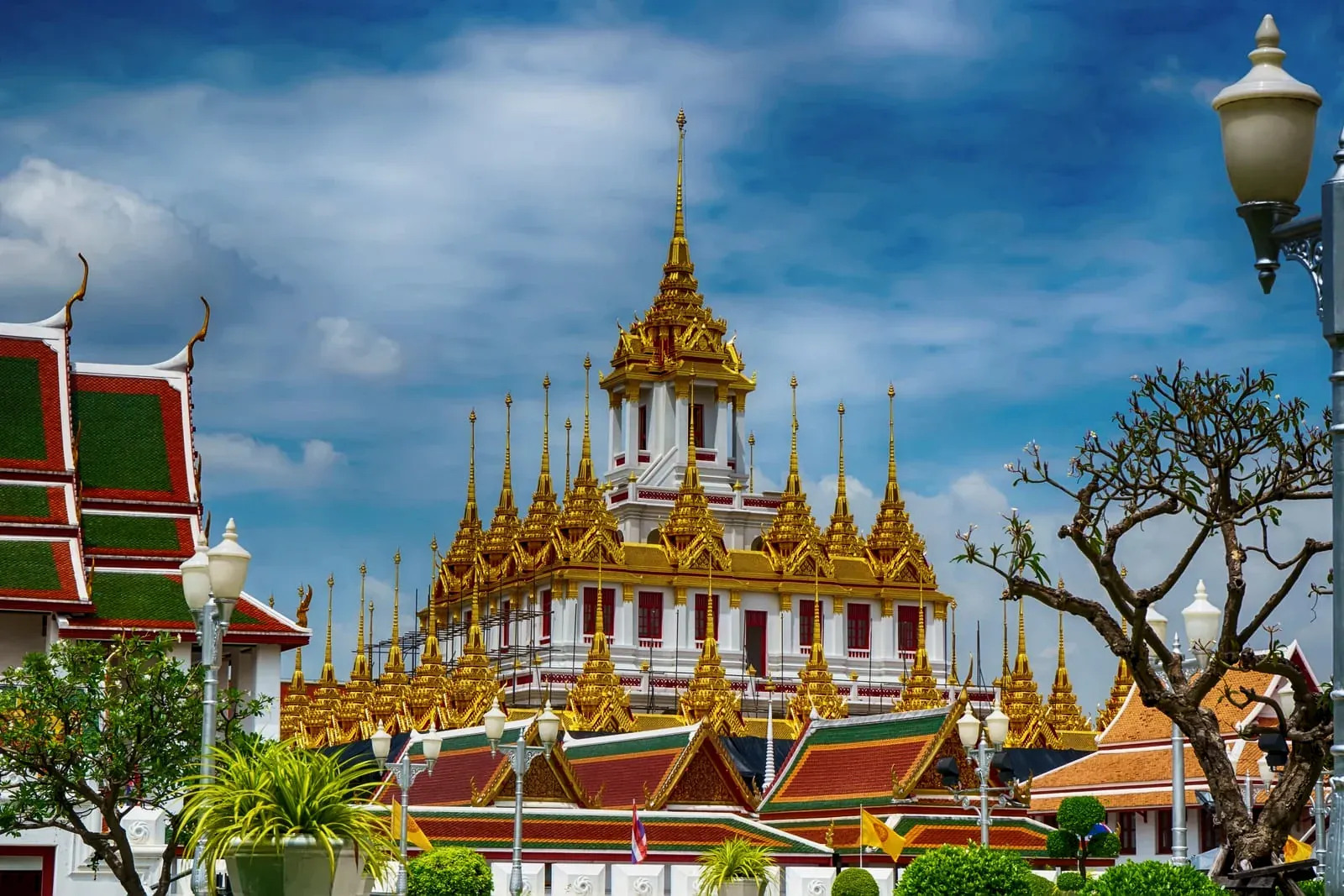
Plan your visit to Loha Prasat in Bangkok's Old City with hours, entry fees, MRT and canal boat directions
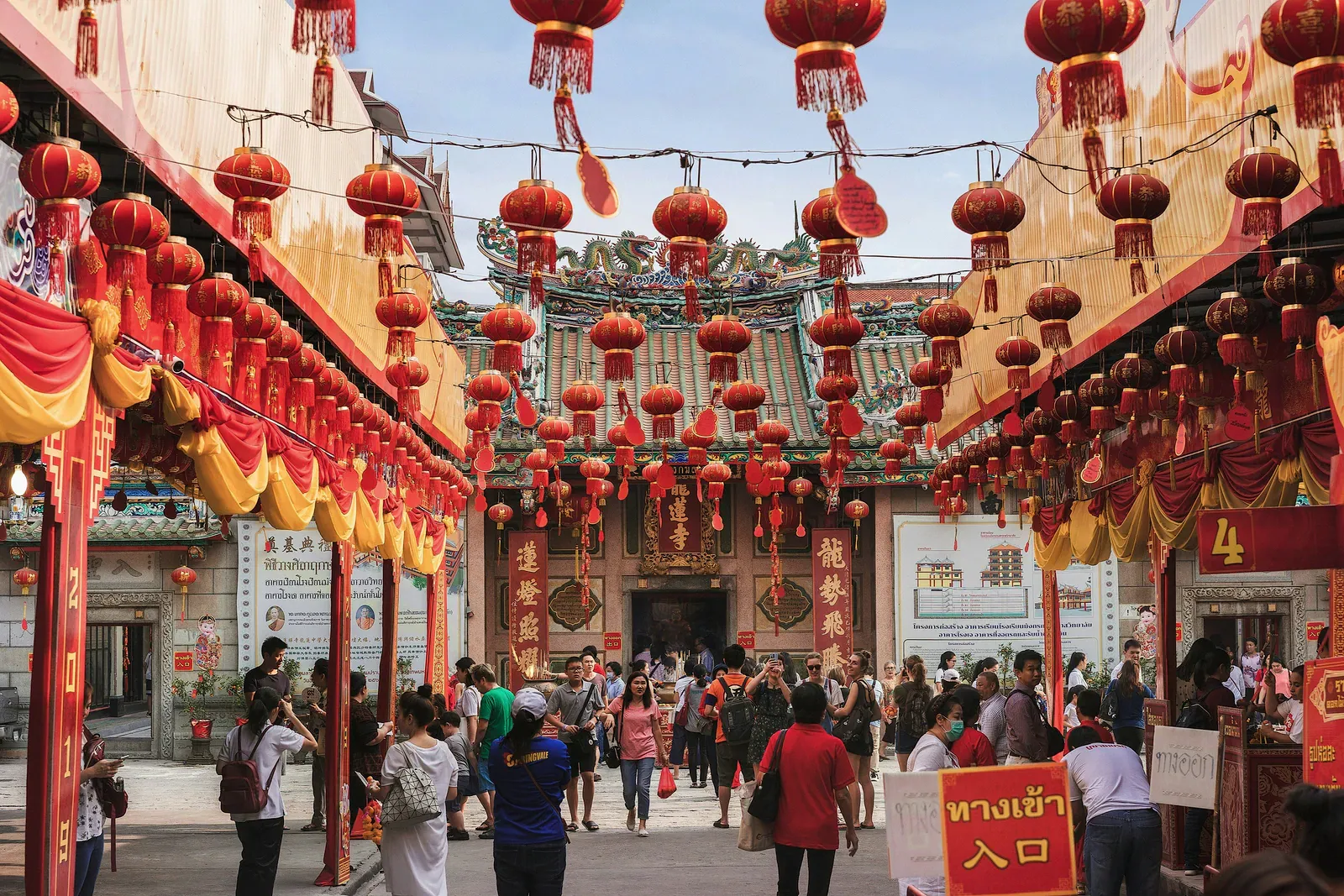
Plan a visit to Wat Mangkon Kamalawat (Wat Leng Noei Yi) off Charoen Krung Road: free entry, MRT exit
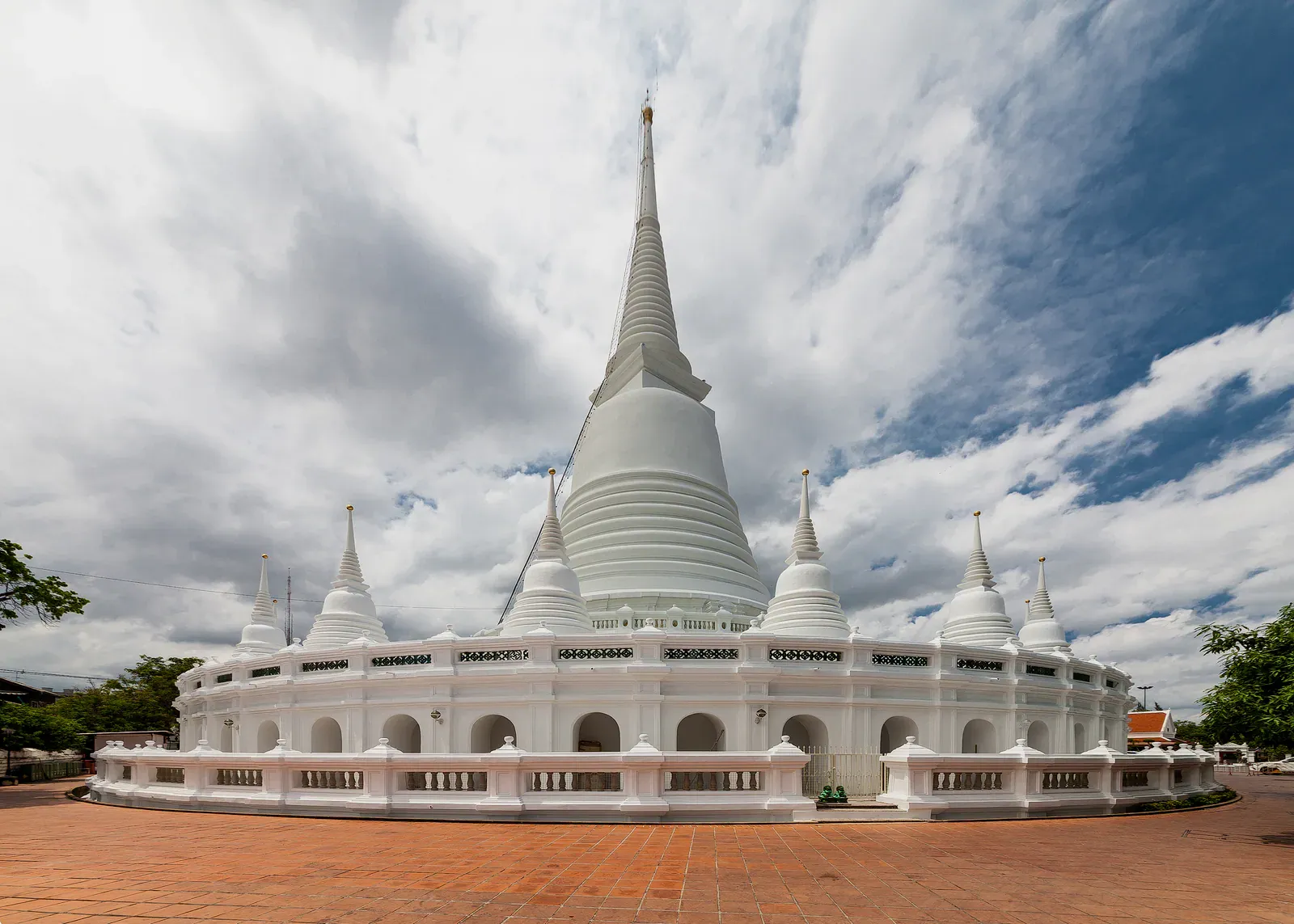
Visit Wat Prayurawongsawas in Thonburi near Memorial Bridge for free entry, a 60.5 m climbable stupa
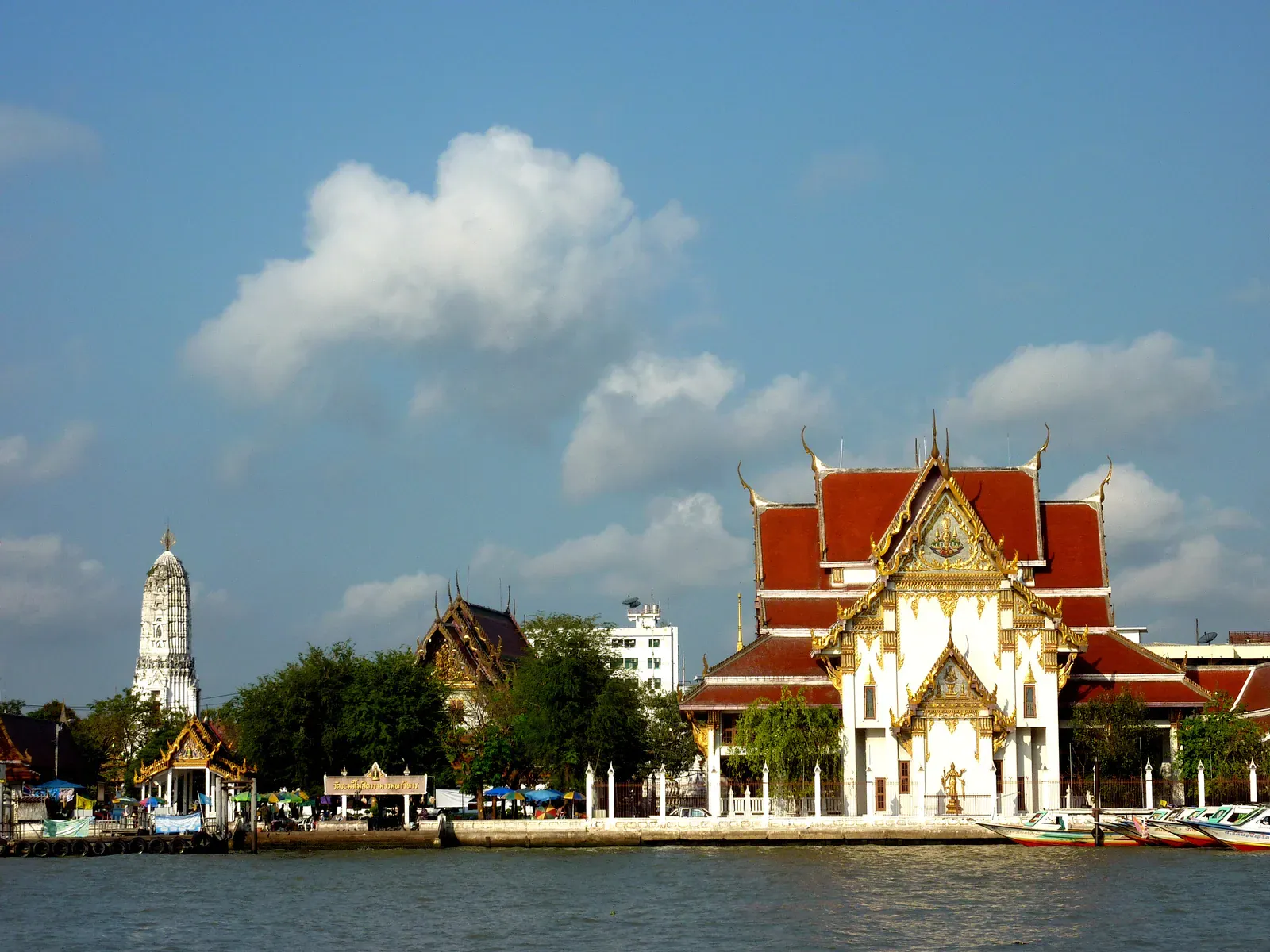
Visit Wat Rakhang on Bangkok's Thonburi riverfront: free entry, 2-minute Tha Chang ferry, opening hours
SiamPic Hall, Siam Square One, Siam, Chitlom and Ploenchit, Bangkok
Phenix Pratunam, Pratunam, Bangkok
centralwOrld Square, Siam, Chitlom and Ploenchit, Bangkok
No events listed for today.
All events
4-star hotel
Old City and ChinatownYou're subscribed as