Cabinet declares 16 December a holiday for Queen Sirikit's royal cremation at Sanam Luang
Government offices close on 16 December 2026 as five days of ceremonies for Queen Sirikit, the Queen Mother, are held in the Grand Palace area.
Read more
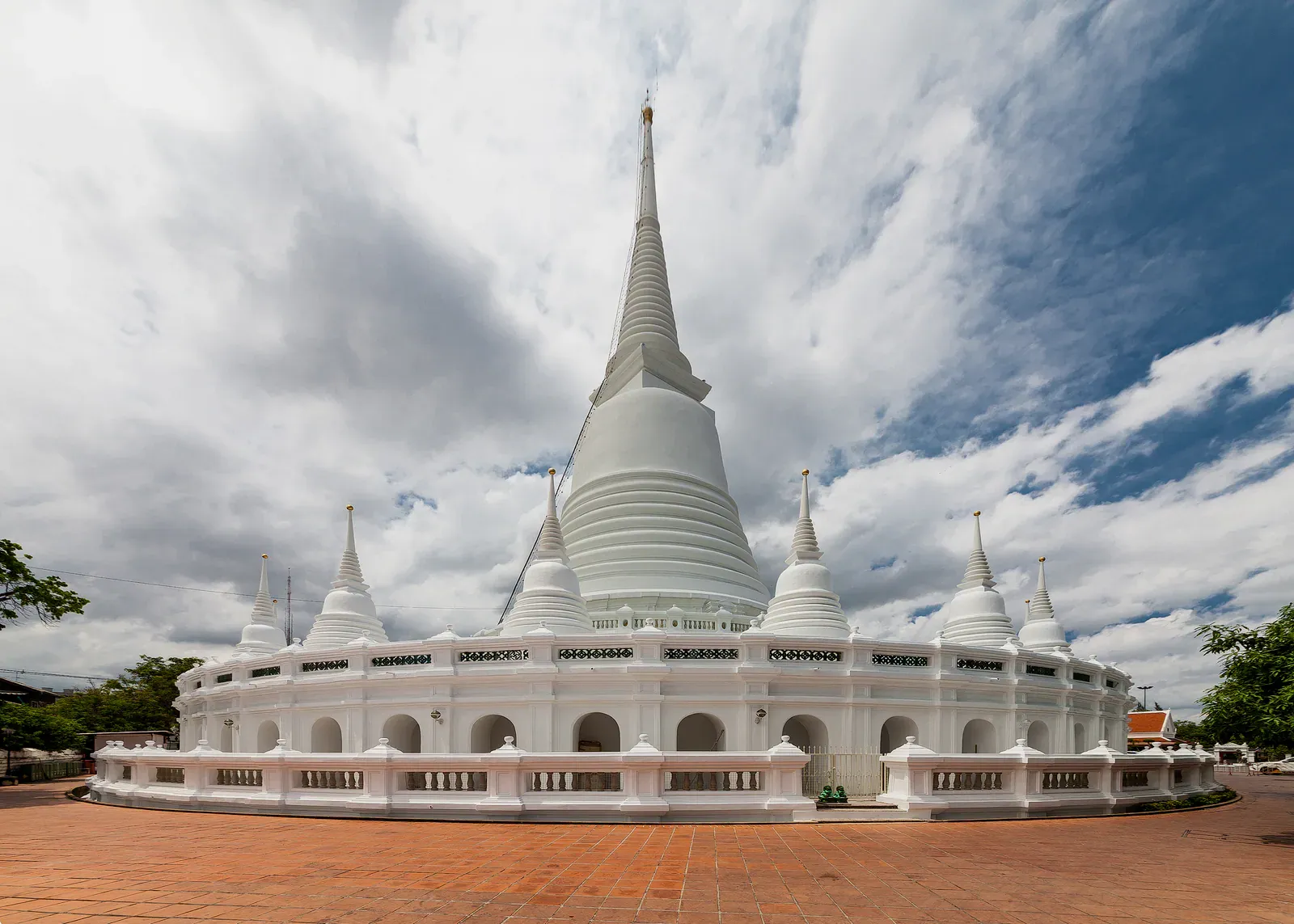
Wat Prayurawongsawas Worawihan, commonly called Wat Prayoon, is a second-class royal temple on the Thonburi bank of the Chao Phraya River beside Memorial Bridge. No rail station sits nearby; most visitors take the Chao Phraya Express Boat to Memorial Bridge (Saphan Phut) pier and walk across the bridge. Entry is free, and the white Phra Borommathat Maha Chedi rises about 60.5 m above quiet grounds known for a turtle pond and a small Buddha-image museum.
Wat Prayurawongsawas stands at 24 Prachathipok Road in Wat Kanlaya, Thonburi, right beside Memorial Bridge. Founded in 1828 under King Rama III as a second-class royal temple of the Worawihan grade, it offers a quieter pace than Bangkok’s busy riverfront landmarks. Many visitors describe a peaceful break from the traffic and crowds, and some say they were nearly alone.
Three features anchor a visit: the white Phra Borommathat Maha Chedi with a stairway up to a river-view terrace, the Khao Mo rock garden and turtle pond, and the small Phra Prayu Phantakhan Museum in a hall built in 1885. For travellers exploring Bangkok’s lesser-known temples, it makes an easy one-hour stop that pairs with Wat Kalayanamit and the Kudi Chin community.
The compound is smaller and less grand than Wat Pho or Wat Arun, and most explanatory signs are in Thai only. It suits a free, unhurried look at 19th-century Thonburi.
The address is 24 Prachathipok Road, Wat Kanlaya, Thon Buri, Bangkok 10600, on the Thonburi bank beside Memorial Bridge. No BTS or MRT station sits nearby.
Take the Chao Phraya Express Boat to Memorial Bridge (Saphan Phut) pier, then walk or take a taxi across the bridge; the temple is on the right just after crossing. By taxi or Grab, show the driver the Thai name: วัดประยุรวงศาวาส วรวิหาร. From Wat Kalayanamit, you can walk over in about 5 minutes along the riverside soi.
Plan your exit before you arrive. Visitors report that taxis are hard to flag down at the busy junction outside (reports from 2016 and 2020 visits), so leave by booking Grab or taking the river boat from Memorial Bridge pier.
Construction started in 1828 under King Rama III and finished in 1836 after about eight years. Somdet Chao Phraya Borom Maha Prayurawongse (Dit Bunnag) donated the former coffee plantation on which the temple stands, and the temple is named after him. It was originally called Wat Rualek after its iron fence of axes, swords and lances.
Wikipedia credits the temple with Siam’s first surgical operation, performed in 1836 by the missionary Dan Beach Bradley. A three-cannon monument on the grounds commemorates a fireworks accident that killed seven people. In 1885, under King Rama V, a gothic-style mondop designed by the Grassi brothers was built, and the dhamma studies hall built that year later served as Thailand’s first public library in 1916.
Khao Mo was registered as an ancient monument in 1979, and in 1992 King Rama IX named the large Buddha image in the vihara. By 2006, ground subsidence had tilted the main chedi about 1.2 m toward the river, and restoration followed. It uncovered more than 270 Buddha images and thousands of amulets; Buddha relics from Sri Lanka were enshrined in 2007. The chedi and the adjoining Pharin Pariyattithammasala hall received the UNESCO Asia-Pacific Heritage Award of Excellence, dated 2013 in one source and 2014 in another.
In January 2018 a fair marked the temple’s 190th anniversary. The 2018 Bangkok Art Biennale also showed two installations on the grounds: a glow-in-the-dark turtle piece and one by Nino Sarabutra.
The main sights sit close together, so the compound is easy to cover in about an hour.
The white Phra Borommathat Maha Chedi measures about 60.5 m high and 50 m across, ringed by 18 small bell-shaped stupas. It holds Buddha relics. It is described as the first Rattanakosin-era temple with a Lanka-style chedi.
A steep, narrow, non-air-conditioned stairway through the chedi base passes the Buddha-image museum and leads to an upper terrace with river views. Climb only if you are comfortable with steep stairs and heat.
The Phra Prayu Phantakhan Museum occupies the former dhamma studies hall built in 1885, which served as Thailand’s first public library in 1916. About 3 of 17 reviews read call the small museum of relics and Buddha images worthwhile; signs are mostly in Thai.
Khao Mo is a miniature Mount Meru rock garden in a pond, over 180 years old and registered as an ancient monument in 1979. Turtles and soft-shelled turtles live in the water, and a cave in the rockwork holds a reclining Buddha.
Benches stand by the pond, and feeding the turtles is a popular activity: about 9 of 17 reviews read single it out, often as the highlight and good with children. A small stall sells bags of bread or fruit for about $1 (20 THB), checked 20 November 2026; a 2024 Tripadvisor reviewer also reports 20 baht per food box with sticks. One March 2026 review found the pond area quiet and less lively than expected.
Built in 1885 under King Rama V and designed by the Grassi brothers, the gothic-style mondop houses the revered Luang Pho Kaek image.
The vihara holds a large Buddha image named by King Rama IX in 1992, and the three-cannon monument stands on the grounds.
The temple’s original name, Wat Rualek, came from its iron fence of axes, swords and lances. A short stretch of that fence survives.
Entry is free (0 THB), checked 20 November 2026, with walk-in access and no booking. Optional turtle food at the pondside stall costs about $1 (20 THB), checked 20 November 2026.
Opening hours are listed as follows:
The dress code is shoulders and knees covered. For wider guidance across Bangkok’s temples, read our temple etiquette and dress code guide.
The courtyard and pondside benches are at ground level, but the stairway inside the chedi is steep and narrow, and a guide warns it is unsuitable for visitors with mobility issues. Facilities are simple: benches by the pond, mostly Thai-only signs and limited food on site.
Go on a weekday for the quietest visit. About 12 of 17 reviews read describe a calm, nearly empty temple, and a few suggest roughly an hour, ideally on a weekday. That is enough for the chedi, museum and turtles. Arrive before 16:00, as some listings give a 17:00 closing time.
Visitor feedback follows clear patterns. Most praise the quiet atmosphere (about 12 of 17 reviews read), the turtle pond (about 9), the white chedi (about 6), clean grounds (about 3) and the small museum (about 3). Complaints are few: little else to do after the chedi and pond, and a smaller, less grand site than Wat Pho or Wat Arun (about 4); Thai-only information (about 2); and hard taxi pickups outside (about 2).
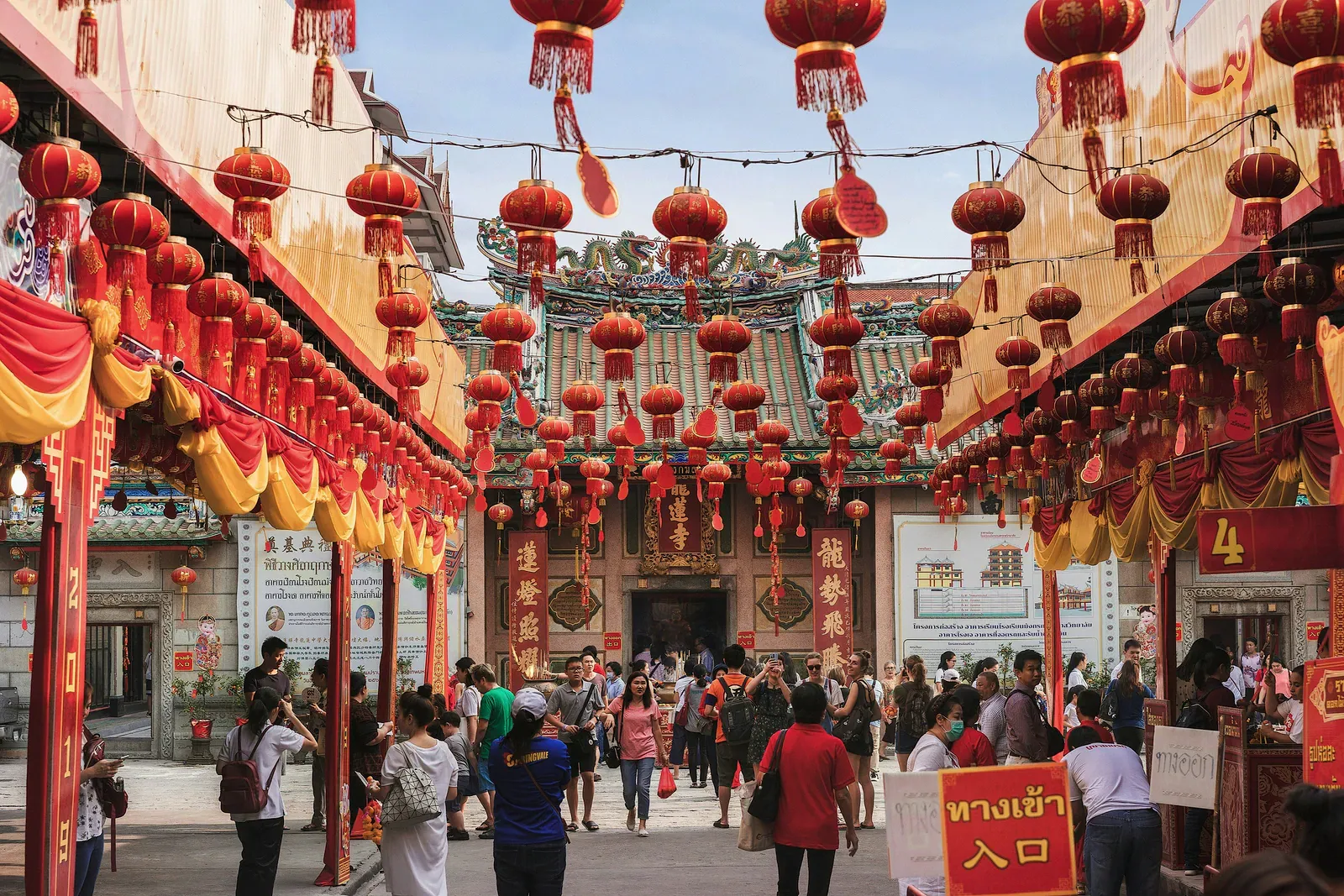
Plan a visit to Wat Mangkon Kamalawat (Wat Leng Noei Yi) off Charoen Krung Road: free entry, MRT exit
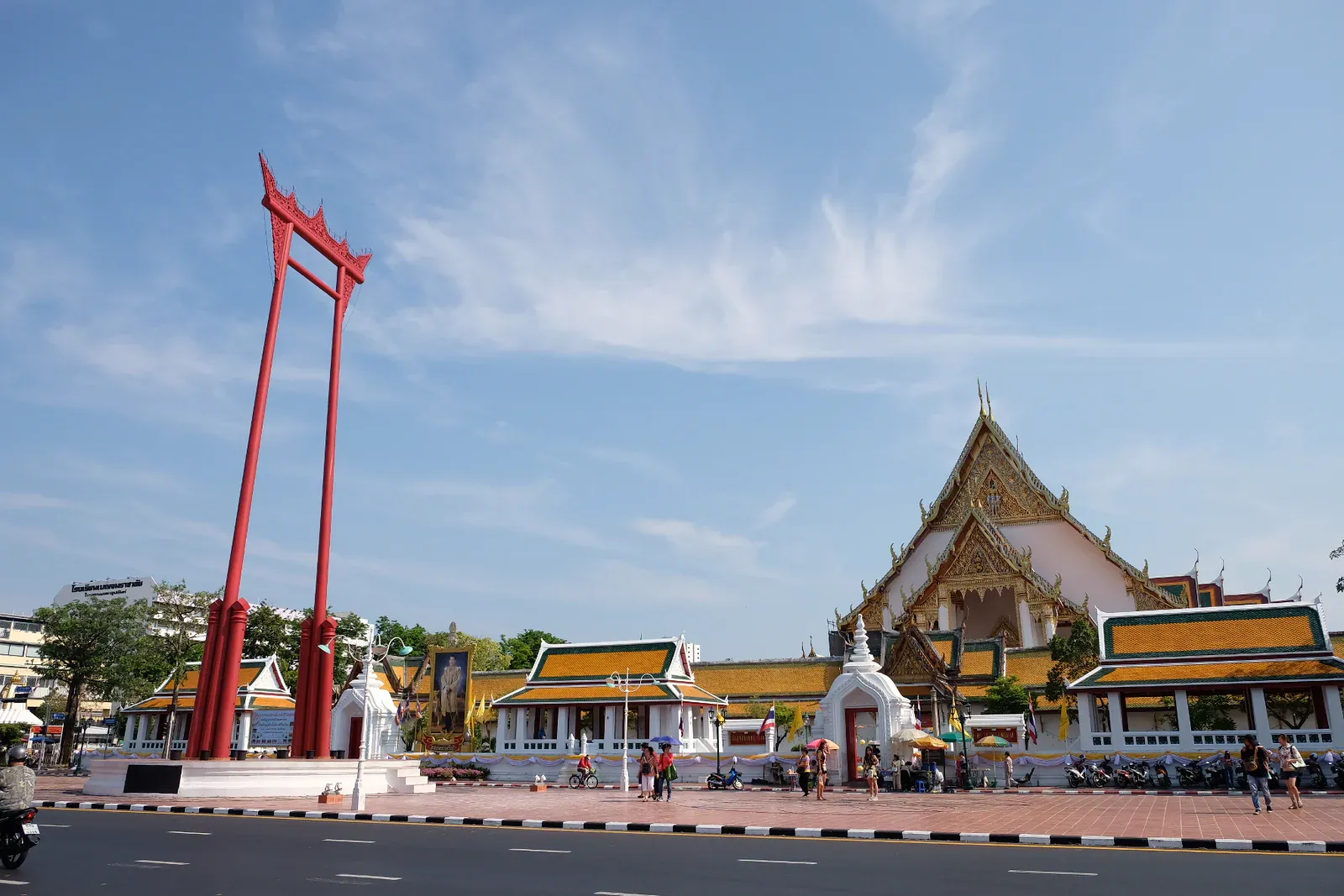
Plan a visit to Wat Suthat in Bangkok's Old City: 8 m bronze Buddha, Rama III murals, the Giant Swing
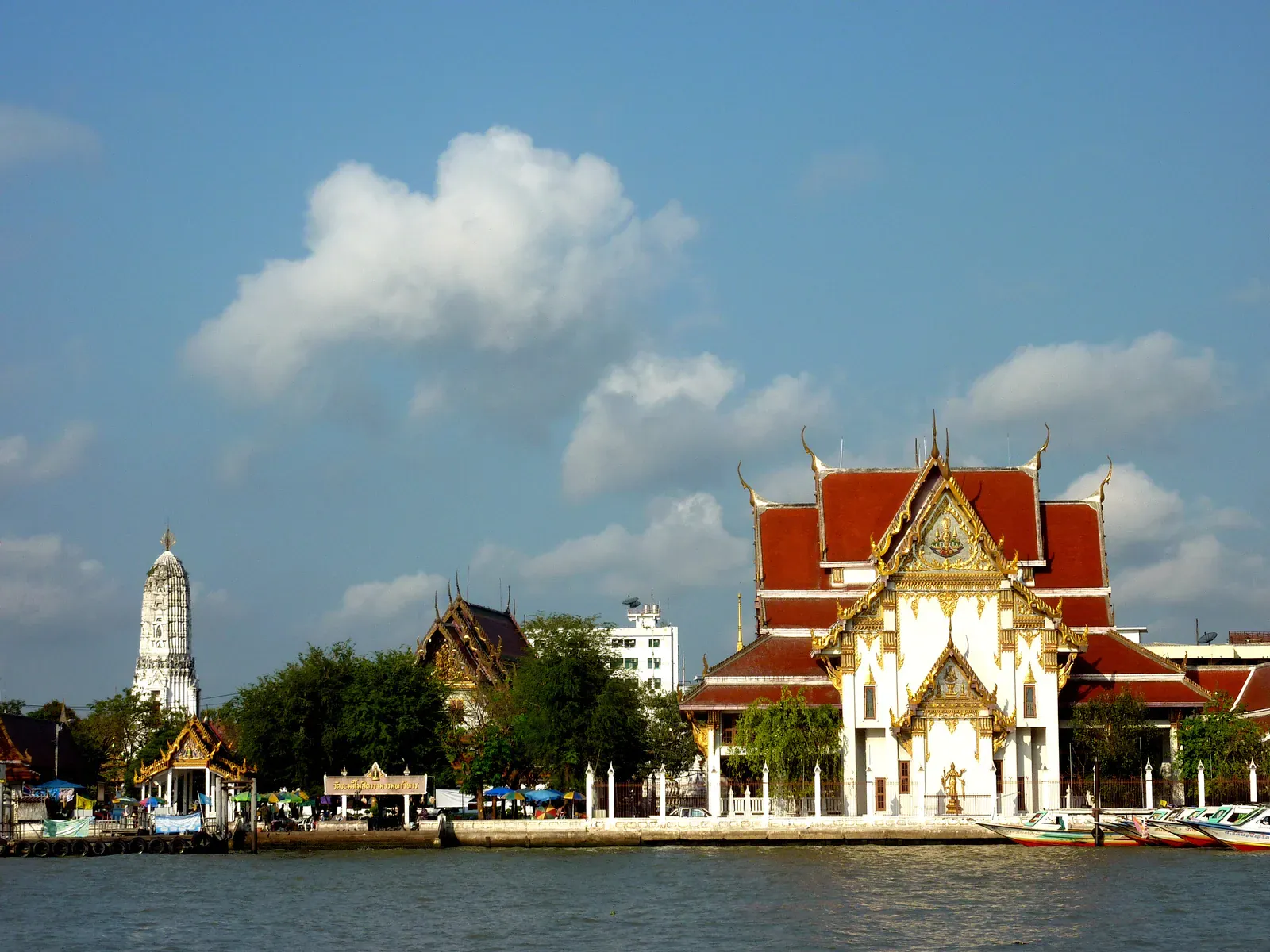
Visit Wat Rakhang on Bangkok's Thonburi riverfront: free entry, 2-minute Tha Chang ferry, opening hours
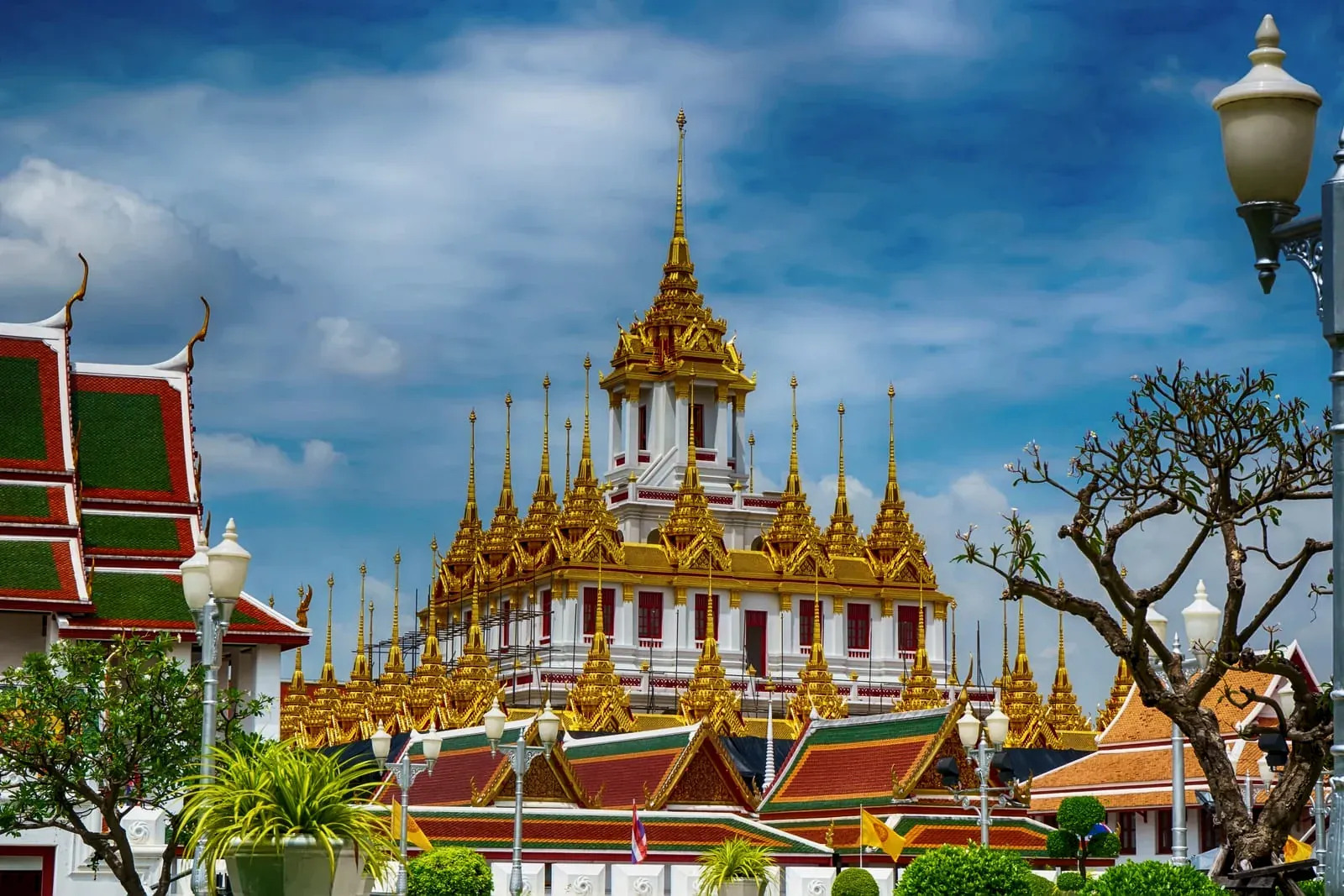
Plan your visit to Loha Prasat in Bangkok's Old City with hours, entry fees, MRT and canal boat directions
SiamPic Hall, Siam Square One, Siam, Chitlom and Ploenchit, Bangkok
Phenix Pratunam, Pratunam, Bangkok
centralwOrld Square, Siam, Chitlom and Ploenchit, Bangkok
No events listed for today.
All eventsYou're subscribed as