Cabinet declares 16 December a holiday for Queen Sirikit's royal cremation at Sanam Luang
Government offices close on 16 December 2026 as five days of ceremonies for Queen Sirikit, the Queen Mother, are held in the Grand Palace area.
Read more
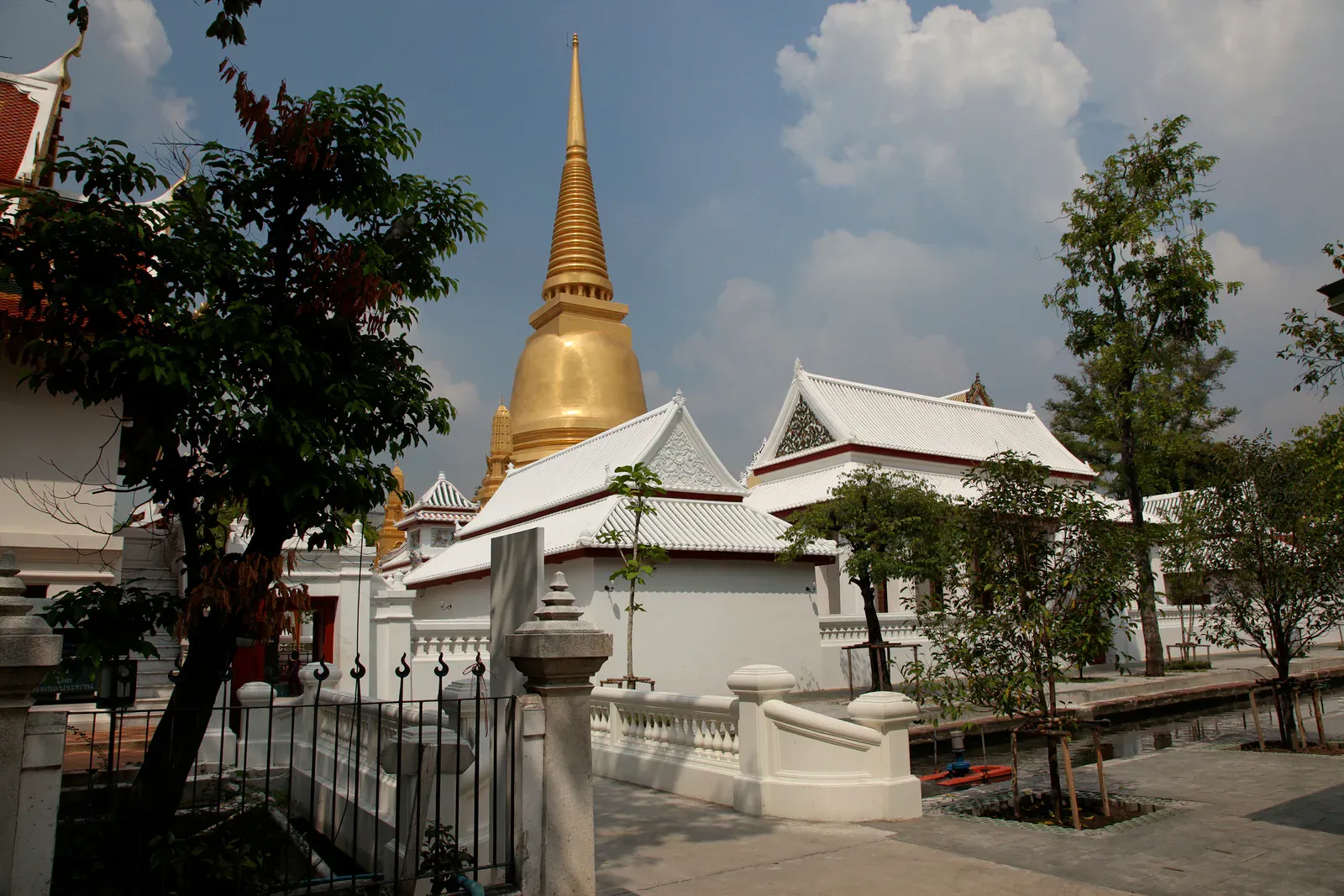
Wat Bowonniwet Vihara (Wat Bowonniwet Vihara Ratchaworawihan) is a first-class royal Buddhist temple on Phra Sumen Road in Bangkok’s Banglamphu district, about 800 m from Khao San Road. Entry is free, and the complex has a 50 m golden chedi and an ordination hall with 19th-century murals and royal ashes. No rail station sits within easy walking distance; the nearest river pier is Phra Athit (N13), about 700 m away.
Wat Bowonniwet Vihara is the headquarters of the Thammayut Nikaya branch of Thai Theravada Buddhism and a centre of royal monastic life. Many princes and kings have ordained here, and young resident monks live on the grounds and hold ceremonies twice a day. Many visitors find it calmer and less touristy than the big Bangkok temples, and it pairs well with Bangkok’s lesser-known temples.
The temple’s own website divides the grounds into a Sanctuary Area (Buddhavasa) and a monks’ Residential Area (Sanghavasa). The Sanctuary Area holds the main gateway, ordination hall, Buddha footprint, hermit pavilions, Sala Karnparien, Bodhi Tree House and golden chedi. The Residential Area includes Pra Tamnak Panya and Tamnak Phetch. Mahamakut Rajavittayalai, described as Thailand’s first Buddhist higher education institute, operates on the temple grounds.
The temple sits at 248 Phra Sumen Road, Wat Bowon Niwet, Phra Nakhon, Bangkok 10200, inside the old city near the Banglamphu canal.
No rail station is within easy walking distance, so reach the complex by boat, bus, taxi or on foot:
Accounts differ on the founding year. Most sources record that Prince Mahasakti Polsep, viceroy under King Rama III, founded the temple in 1824 as Wat Mai, with construction running until 1832, while some sites give 1826 as the founding year. It is designated a first-class royal temple (Ratchaworawihan).
In 1836, Prince Mongkut (later King Rama IV) became the first abbot and founded the Thammayut order here. As a monk he lived in Pra Tamnak Panya, a three-storey European-style building in the Residential Area. In 1923, Wat Bowonniwet merged with the neighbouring Wat Rangsi Sutthawat.
Royal ties continued into the modern era. Many princes and kings ordained here, including King Rama IX and his son, the current king, and the late Supreme Patriarch Nyanasamvara Suvaddhana lived at the monastery. Tamnak Phetch, built in the Sixth Reign, holds a life-size standing statue of Rama IV. In 1976, the return of former prime minister Thanom Kittikachorn here as a novice monk sparked protests that led to the Thammasat University massacre.
Thai, Chinese and European influences meet across the compound. Wikipedia notes that two viharas are closed to the public.
The gilded chedi stands 50 m high and holds relics. Its interior is closed to the public except on Khao Phansa day, usually in July.
The T-shaped ordination hall (ubosot) has Chinese details from the Third Reign, including a door carved with a guardian figure. Inside are 19th-century murals by the monk painter Khrua In Khong, who brought Western perspective into Thai temple painting. The hall is often open only around prayer times, so timing matters.
Phra Phuttha Chinnasi (Phra Buddha Chinasi) is a Sukhothai-style Buddha image brought from Phitsanulok. Sources give its cast date as either 1257 or around 1357. Its base enshrines the ashes of King Rama VI and King Rama IX.
The ubosot holds two principal images. Alongside Phra Phuttha Chinnasi is Phra Suwannakhet, widely called Luang Pho To.
Vihara Keng is a Third Reign Chinese-style building with scenes from the Three Kingdoms story. It holds a Buddha image whose base contains some of King Mongkut’s ashes. Viharn Phra Sasada houses an ancient Mon Dvaravati stone Buddha and a reclining Buddha called Phra Saiya.
The Ho Trai library stores the Tripitaka, the Buddhist canon, and has murals.
Inside the Bodhigara (Bodhi Tree House) stands a Bodhi tree descended from the Buddha’s tree. King Mongkut planted it, and after it died King Rama IX planted its replacement.
The grounds have a turtle pond, and visitors can watch young resident monks going about temple life. Several visitors mention the pond, library and grounds as good for photos.
Admission is walk-in and free for all visitors, with donations welcome (checked 20 November 2026). A figure of about $17 (590 THB, checked 20 November 2026) on a booking platform appears to be a tour product, not temple entry.
Plan to visit between 08:00 and 16:00; hours can change on Thai public holidays.
| Area or listing | Reported hours | Notes |
|---|---|---|
| Widest grounds window | 06:00 to 18:00 | Three guides |
| Narrower grounds windows | 06:30 to 16:00, 08:00 to 17:00, or 08:00 to 16:00 | Plan for 08:00 to 16:00 to be safe |
| Ubosot | Roughly 08:00 to 08:40 and 20:00 to 21:00 | Often open only around prayer times |
| Golden chedi interior | Khao Phansa day (usually July) | Closed on other days |
Men should wear long trousers and sleeved shirts; women need trousers or a knee-length skirt with covered shoulders. Shoes come off indoors. For citywide customs around monks and altars, read our Bangkok temple dress code and etiquette guide. Many local worshippers visit, and the official site carried a January 2026 post about Queen Sirikit and a notice of national mourning for Princess Bajrakitiyabha, so keep voices low and dress conservatively.
One guide states photography is allowed throughout the complex, though one visitor reports restrictions inside; ask before photographing inside buildings. Airial lists wheelchair access, accessible parking and an accessible restroom. The temple phone number is +66 2 629 5854.
Go early in the day: the site is calmer and the light is good. Arriving before 08:00 also puts you at the temple for the morning window when the ubosot is often open.
November to February is the cooler season, but crowds peak in December and January.
Many visitors mention the calm atmosphere (about 7 of 12 reviews read) and the architecture, murals, chedi and Buddha images (about 7 of 12). Some praise the free entry, the royal and monastic history, and nearby food stalls and cafes. Complaints are rare: about 4 of 12 reviews raised anything, each a single mention of indoor photo limits, confusion with similarly named temples, closed or under-construction buildings, or hard-to-find parking inside the grounds, with roadside parking as the fallback.
Wat Bowonniwet fits into an old-town walk:
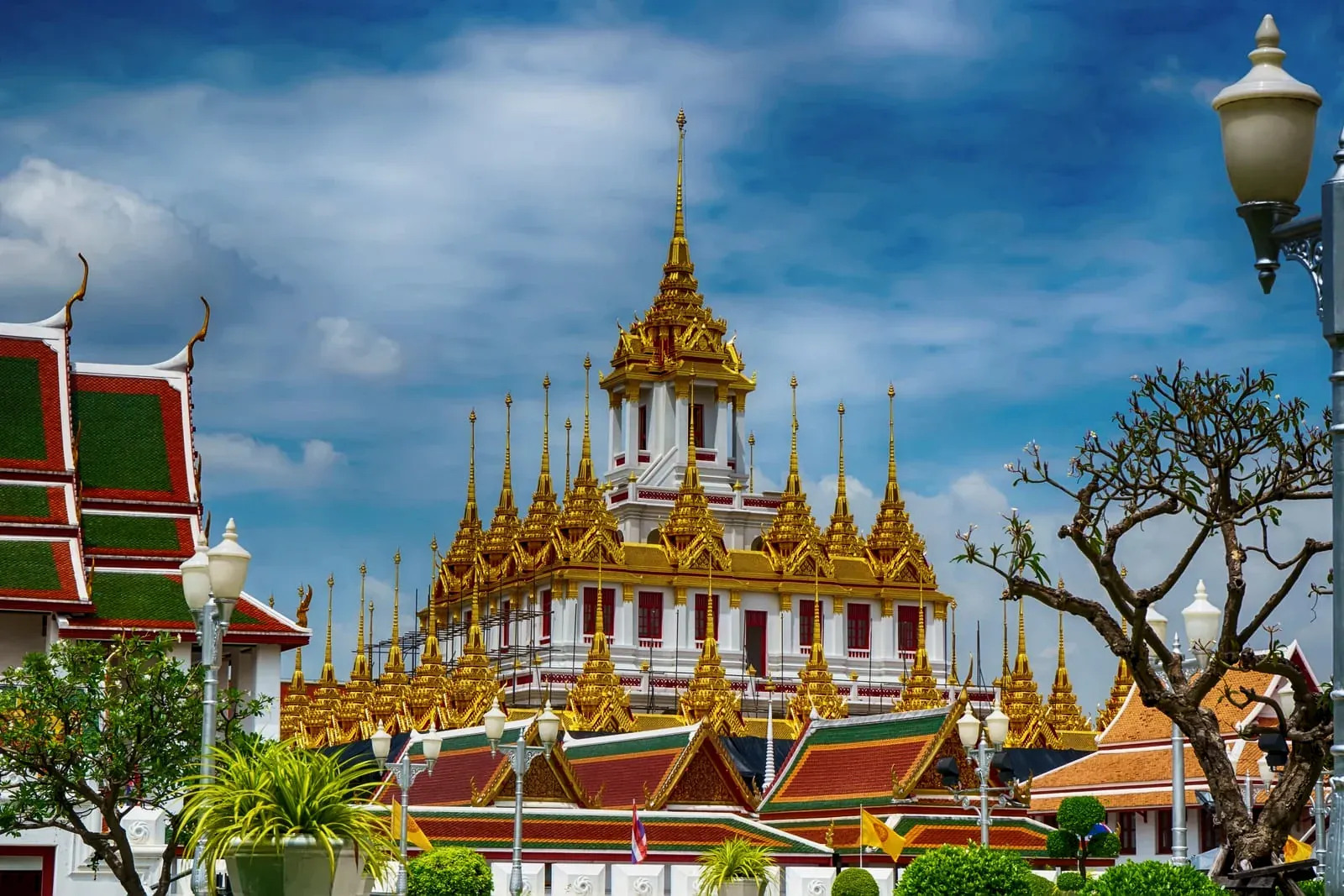
Plan your visit to Loha Prasat in Bangkok's Old City with hours, entry fees, MRT and canal boat directions
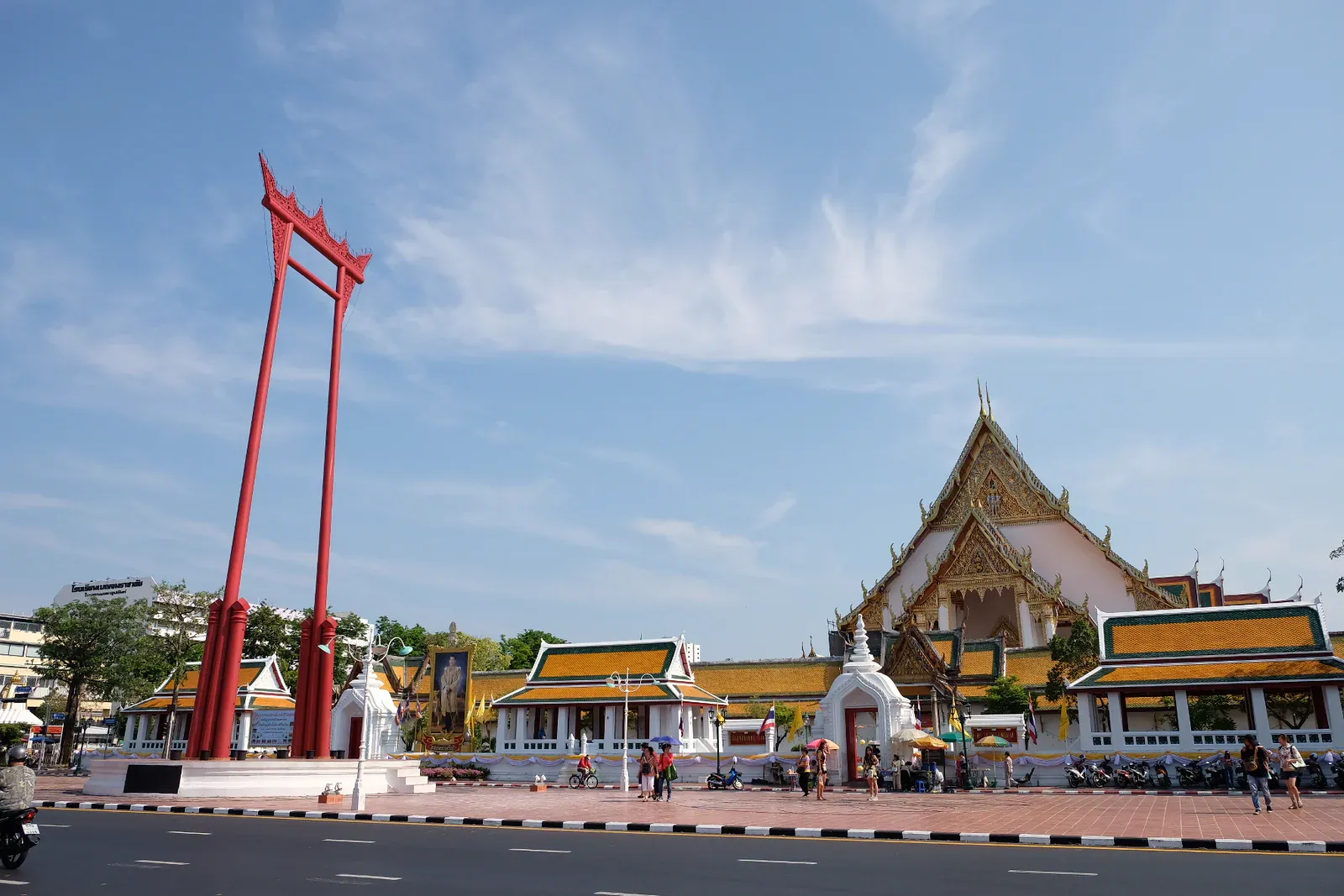
Plan a visit to Wat Suthat in Bangkok's Old City: 8 m bronze Buddha, Rama III murals, the Giant Swing
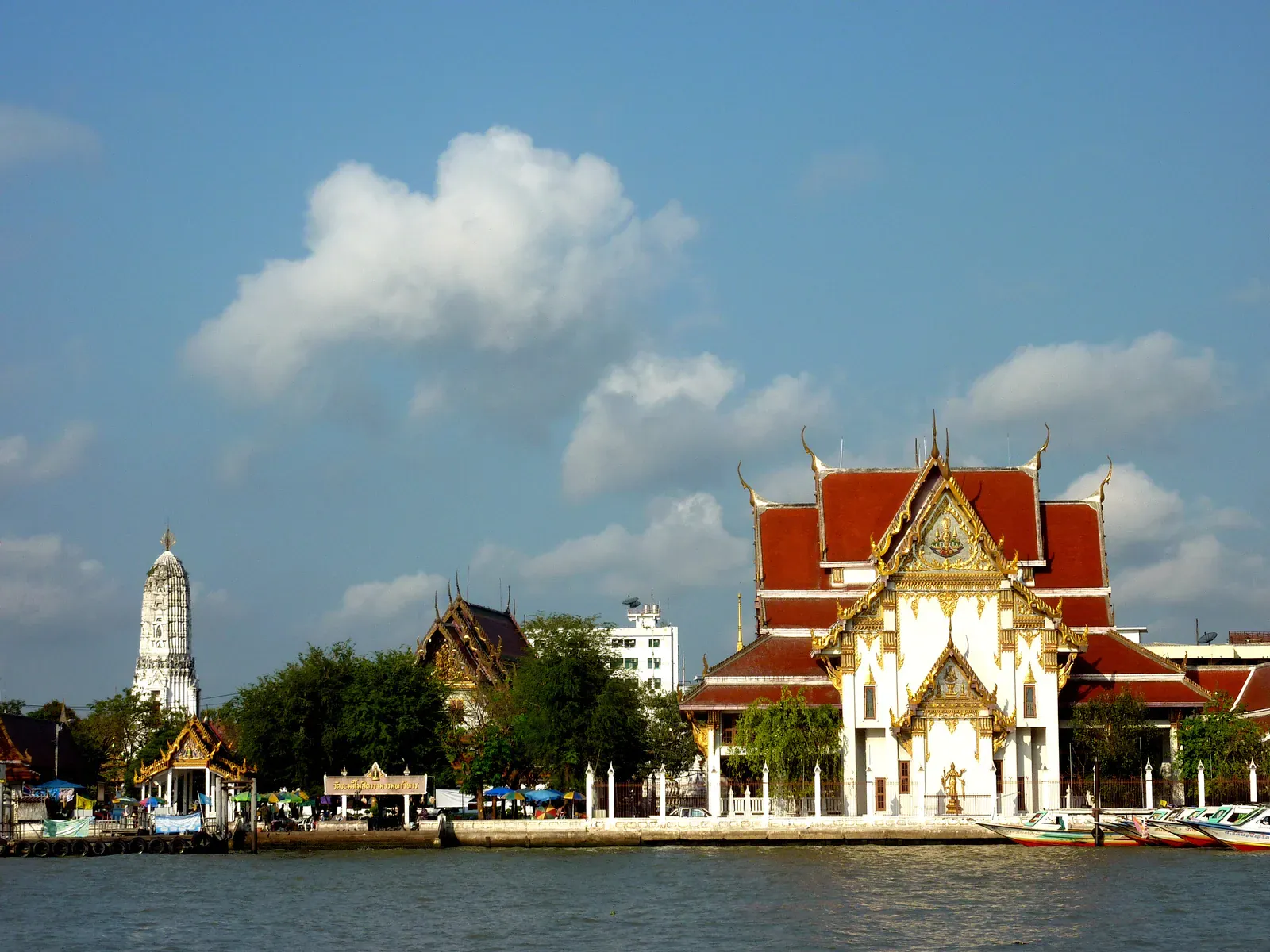
Visit Wat Rakhang on Bangkok's Thonburi riverfront: free entry, 2-minute Tha Chang ferry, opening hours
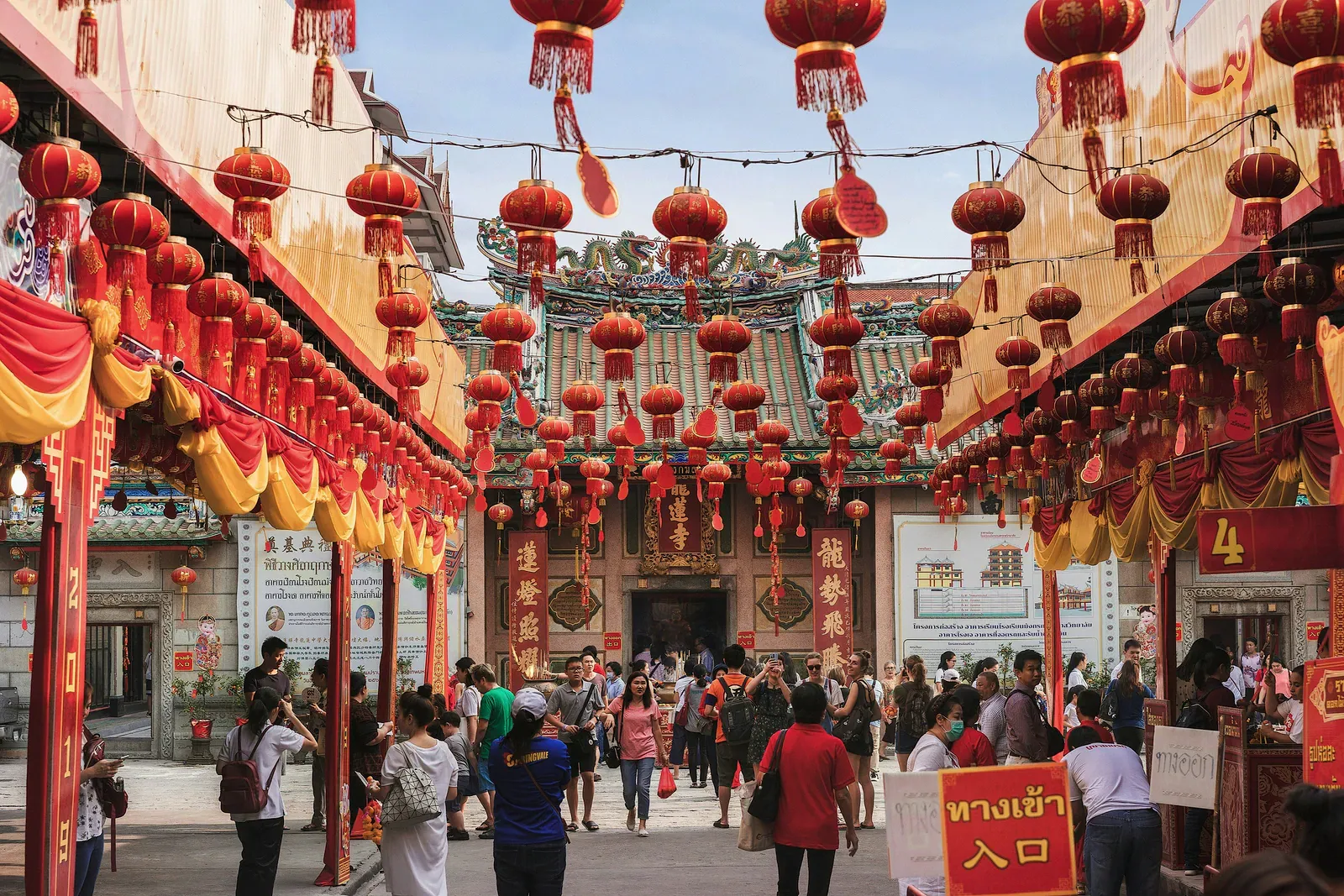
Plan a visit to Wat Mangkon Kamalawat (Wat Leng Noei Yi) off Charoen Krung Road: free entry, MRT exit
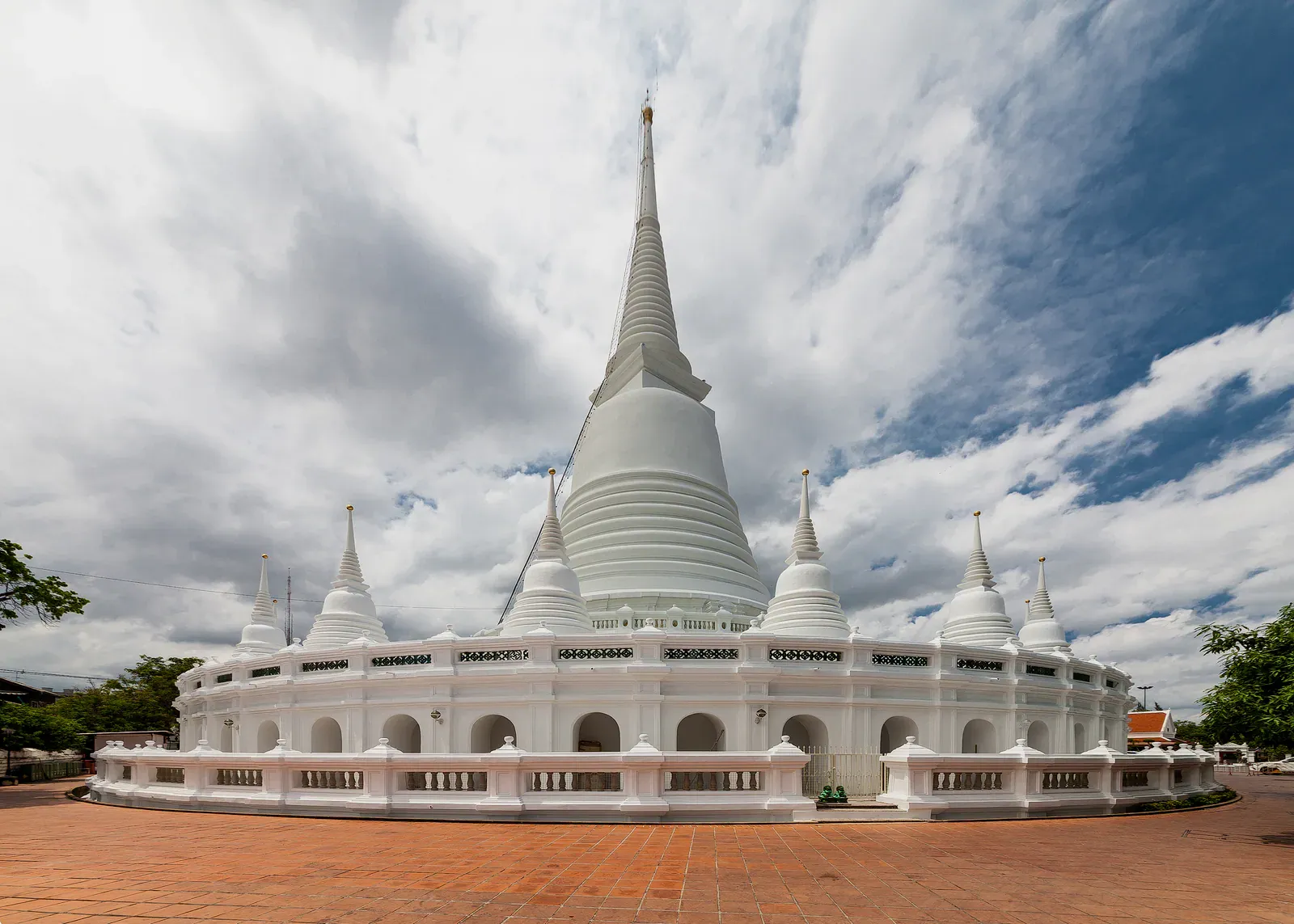
Visit Wat Prayurawongsawas in Thonburi near Memorial Bridge for free entry, a 60.5 m climbable stupa
SiamPic Hall, Siam Square One, Siam, Chitlom and Ploenchit, Bangkok
Phenix Pratunam, Pratunam, Bangkok
centralwOrld Square, Siam, Chitlom and Ploenchit, Bangkok
No events listed for today.
All events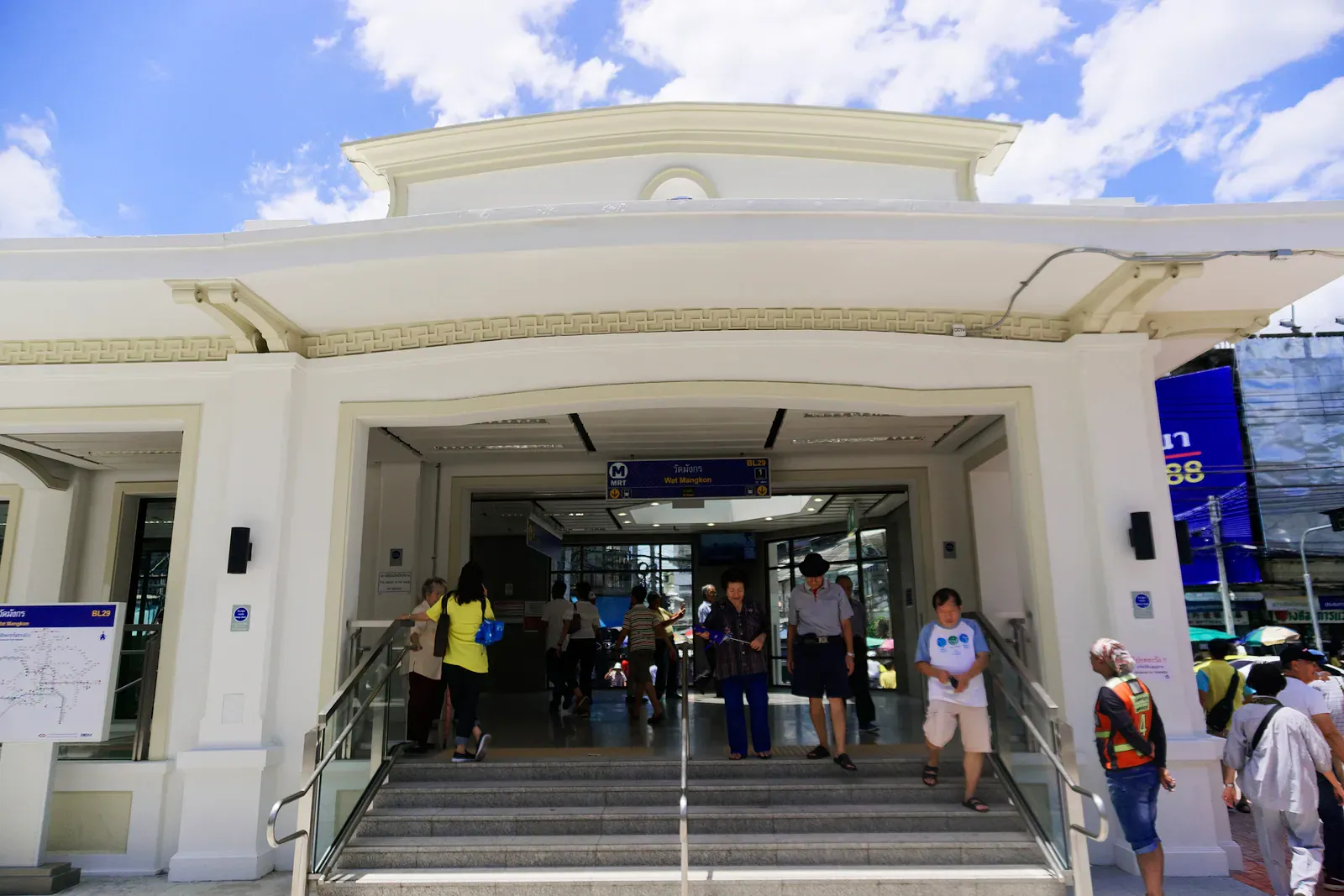
4-star hotel
Old City and ChinatownYou're subscribed as