Cabinet declares 16 December a holiday for Queen Sirikit's royal cremation at Sanam Luang
Government offices close on 16 December 2026 as five days of ceremonies for Queen Sirikit, the Queen Mother, are held in the Grand Palace area.
Read more
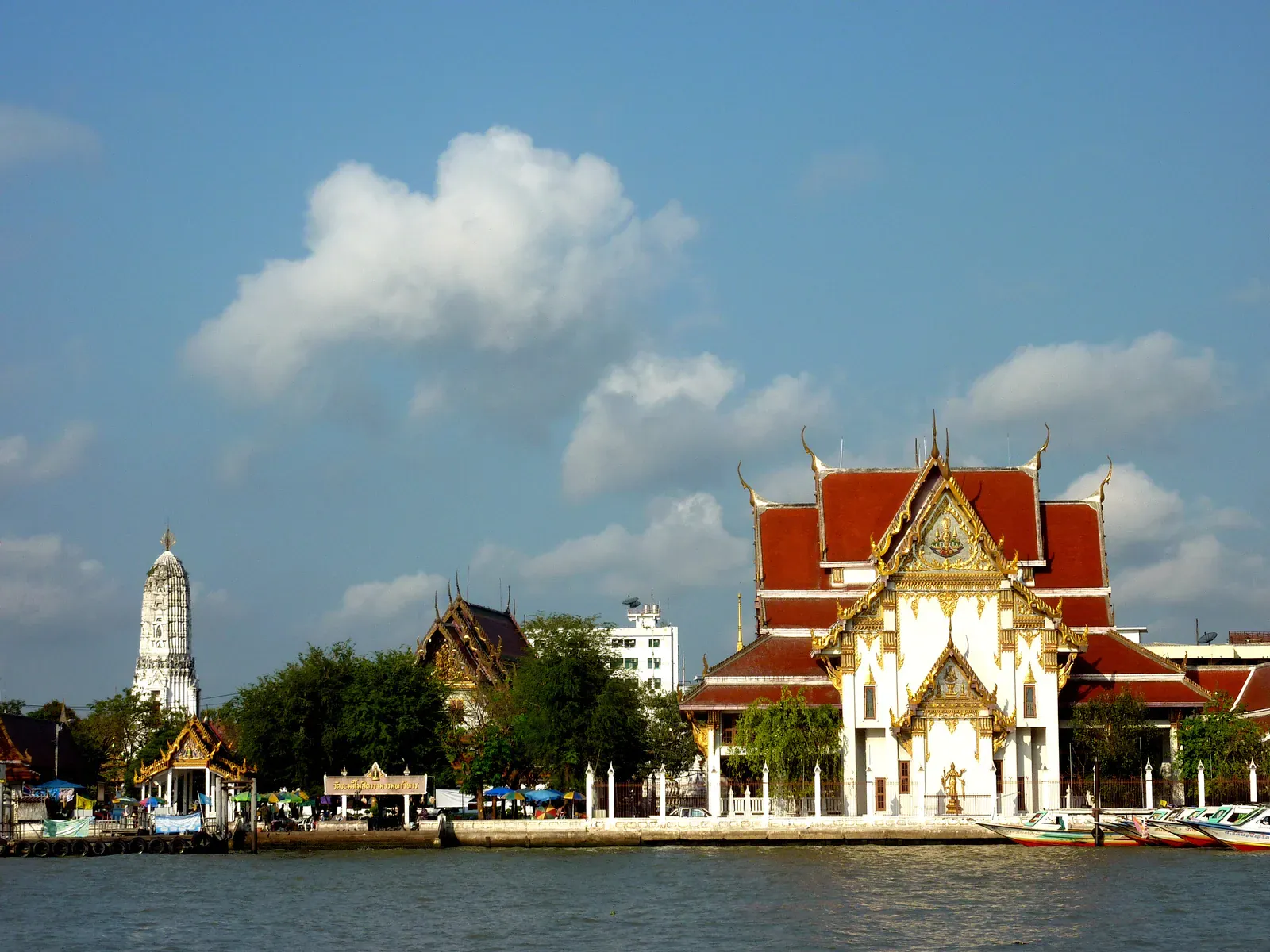
Wat Rakhang Khositaram Woramahawihan is a second-class royal Buddhist temple on the Thonburi (west) bank of the Chao Phraya River in Bangkok Noi. No rail line reaches it, so most visitors cross on a 2-minute ferry from Tha Chang (N9) pier, opposite the Grand Palace, or walk through the market from Prannok pier. Entry is free, and 1 to 2 hours covers the halls, bells and pier.
Known as Wat Rakhang, or the Temple of the Bell, this working monastery sits on the western riverfront next to Wang Lang Market and Siriraj Hospital. Its draw is everyday Thai worship: merit-making, chanting, bell ringing and devotion to its nineteenth-century abbot Somdet Toh.
Visitors looking for lesser-known temples in Bangkok often find it a quieter alternative to Wat Pho and Wat Arun. It also has a red teak scripture house built from timber of King Rama I’s former home.
The temple stands at 250/1 Arun Amarin Road, Siri Rat, Bangkok Noi, Bangkok 10700 (Time Out lists it as 250 Arun Amarin Road). It is near Siriraj Hospital, Wang Lang Market and Ban Khamin junction.
With no rail station nearby, the river is the simplest approach. Take the cross-river ferry from Tha Chang (N9) pier, opposite the Grand Palace, to Wat Rakhang pier. The crossing takes about 2 minutes. One guide quotes an older fare of about $1 (3 THB); verify the current fare at the pier (checked 20 November 2026). Reviewers say arriving by boat gives the best first view of the riverside buildings.
Alternatively, ride the Chao Phraya Express boat to Prannok pier, turn left into the market and follow the lane to the temple. Our guide to river cruises and boat trips covers the river services.
Visitors also arrive by car or bus, but small streets near Siriraj Hospital make driving awkward. Visitors report paid hourly parking near Siriraj at about $1 (30 THB) per hour (reported in December 2025, and hourly parking mentioned again in February 2026; checked 20 November 2026).
Wat Rakhang dates to the Ayutthaya period, when it was called Wat Bang Wa Yai. King Taksin later restored the monastery, made it a royal temple and backed a revision of the Tripitaka scriptures there.
The name Temple of the Bell comes from the reign of King Rama I, when a large bell was found on the grounds. It was moved to Wat Phra Kaew, and five replacement bells were sent in exchange. Rama I gave the temple its current name. After his coronation, timber from his pre-royal residence was reused to build the Ho Trai scripture house in the 1780s.
A proposal under King Mongkut (Rama IV) to rename it Wat Rajkanthiyaram never caught on. Somdet Toh was abbot from 1852 to 1872 and is credited with the Phra Somdej amulet, one of the five Benjapakee amulets. Today the temple is a second-class royal monastery (Woramahawihan).
The grounds run from the front square with the Somdet Toh statue to the riverfront pier.
The ordination hall (ubosot) holds the main Buddha image, Phra Pratarn Yim Rabfa, known as the smiling Buddha. Murals show the life of the Buddha, Buddhist hell, ancient city life and royal barges. One Wongnai reviewer in December 2025 found the murals aging.
The Ho Trai is a red teak stilt house from the 1780s, once Rama I’s home, built with timber from his pre-royal residence. It holds his statue and portrait, and scriptures in black and gold lacquer cabinets. Interior murals by the artist Achan Nak show everyday scenes of the Thonburi period. It is best seen from outside, and interior access can be limited, so ask staff.
Tamnak Daeng was once part of King Taksin’s palace and holds faded Thonburi-period murals. Like the Ho Trai, it is best seen from outside, and interior access can be limited.
The five replacement bells sent by Rama I still hang in the belfry, among many other bells of various sizes. Ringing the bells is one of the good-luck rituals visitors perform.
A large statue of Luang Phor Toh (Somdet Toh) stands in a small square in front of the temple and is worshipped mainly by Thai visitors. Wongnai reviews from November 2025 to July 2026 also mention an air-conditioned amulet viewing area.
Wongnai reviews describe a holy water pond and merit-making spots. At the river pier, feeding fish is popular, and visitors also feed pigeons.
Wat Rakhang is a walk-in monastery. There is no official 2026 confirmation of operation, but Wongnai reviews dated up to 13 July 2026 and current-year guides indicate it is open.
| Item | Detail | Notes |
|---|---|---|
| Entry | Free (0 THB) | Donations welcome; checked 20 November 2026 |
| Hours | 08:00 to 17:00 (also listed 08:00 to 18:00 or 07:00 to 19:00) | Arrive between 08:00 and 17:00 |
| Tha Chang ferry | About $1 (3 THB) | Older quoted fare, verify at pier; checked 20 November 2026 |
| Parking near Siriraj | About $1 (30 THB) per hour | Reported by visitors; checked 20 November 2026 |
Time Out and Tourist Bangkok give 08:00 to 17:00, Thai Holiday Guide gives 08:00 to 18:00, and Offpeaktrip gives 07:00 to 19:00 and says to check. Arriving between 08:00 and 17:00 fits all three. Ask staff about entering some halls, as interiors may be limited.
Covered shoulders and knees are expected at this active place of worship. Our temple dress code and etiquette guide has details. One review summary says there are no food options directly at the temple.
Wat Rakhang is on the Tourism Authority of Thailand’s nine-temple merit-making route (Wai Phra 9 Wat), alongside Wat Pho and Wat Arun. Visitors ring the bells, feed pigeons and buy a live fish to release into the river for good luck.
One 2022 Trip.com review mentions a daily evening prayer at 16:30 open to all. Confirm on site if you hope to attend.
Weekday mornings are usually the least crowded. The temple is especially busy on weekends and holidays.
Three of 23 reviews read mention heat and little shade, so a morning visit is the safer choice. If you aim for the reported 16:30 prayer, note that two guides give a 17:00 closing time.
Of 23 reviews read, about 20 are positive. About 8 mention the calm atmosphere, often as a contrast to busier temples. About 8 praise the riverside setting and pier, and about 8 the Somdet Toh shrine, merit-making and blessed water (mostly Thai reviewers). About 6 mention the historic buildings, about 5 easy access, and about 3 feeding fish and pigeons.
Complaints are rare. About 3 mention heat and little shade, and about 3 older Trip.com reviews (2020) call the architecture plain and the site small. One or two mention narrow driving streets. One December 2025 Wongnai reviewer noted an albino arowana kept in a small pot with no room to swim. A review summary adds that the temple is hard to find for first-timers.
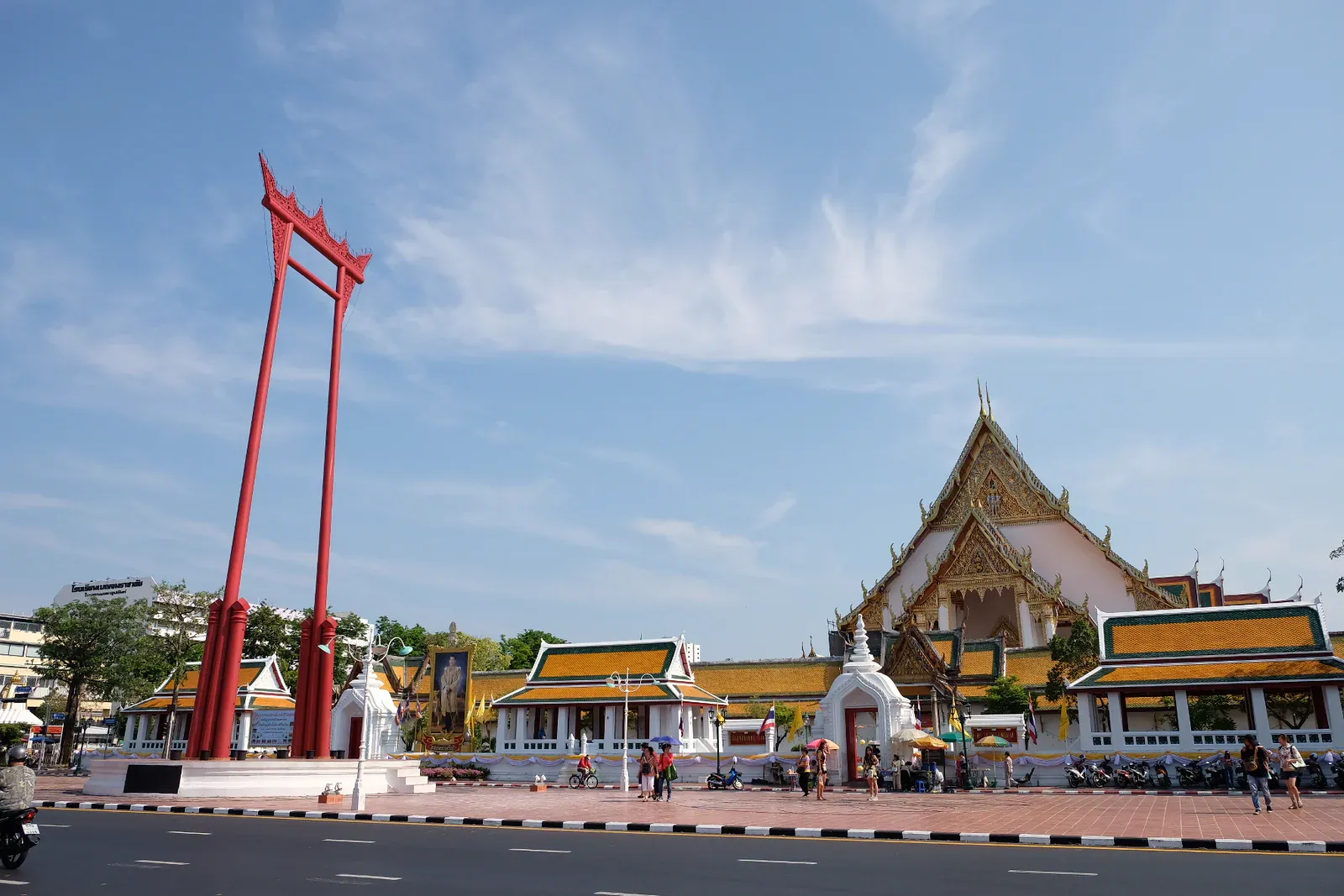
Plan a visit to Wat Suthat in Bangkok's Old City: 8 m bronze Buddha, Rama III murals, the Giant Swing
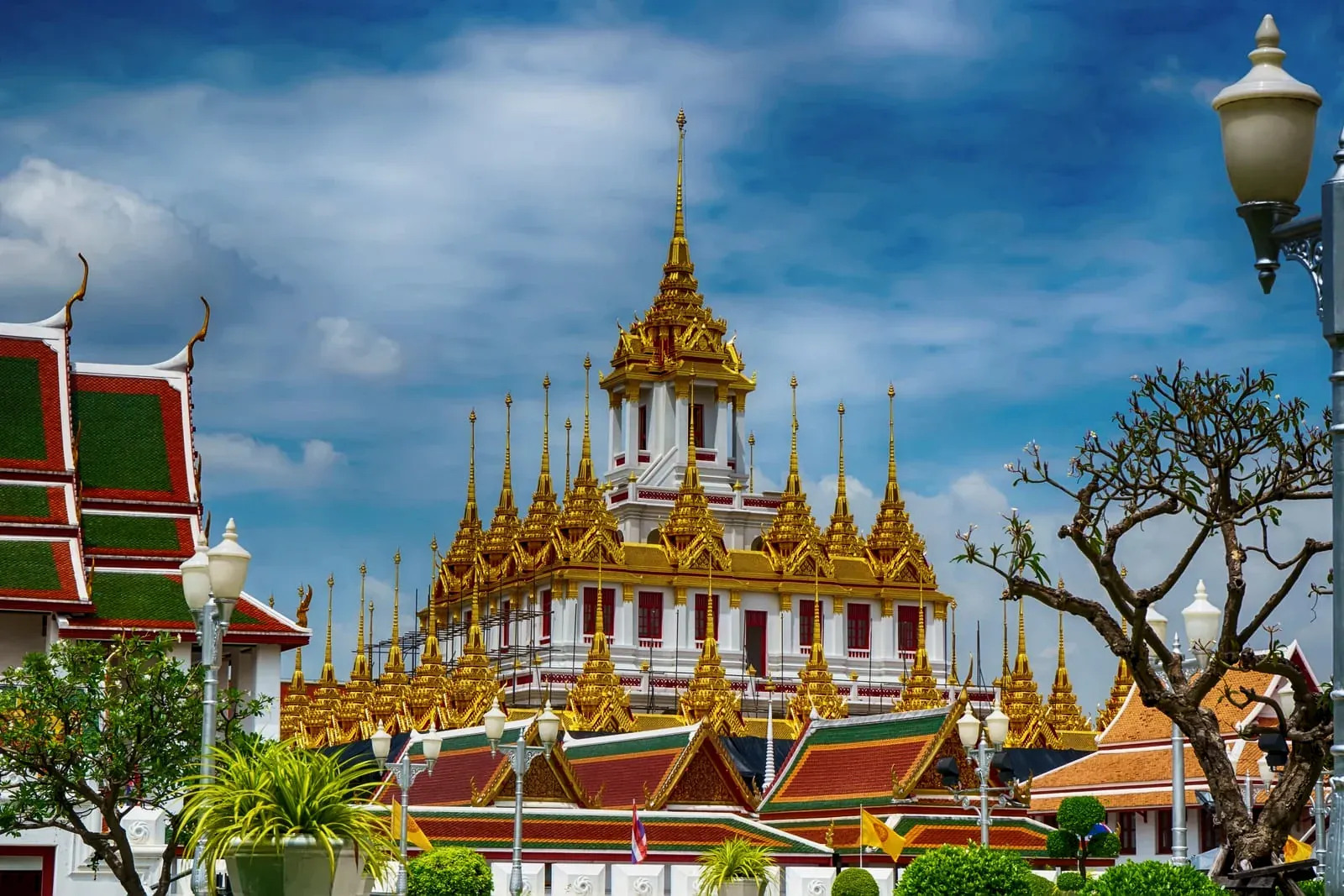
Plan your visit to Loha Prasat in Bangkok's Old City with hours, entry fees, MRT and canal boat directions
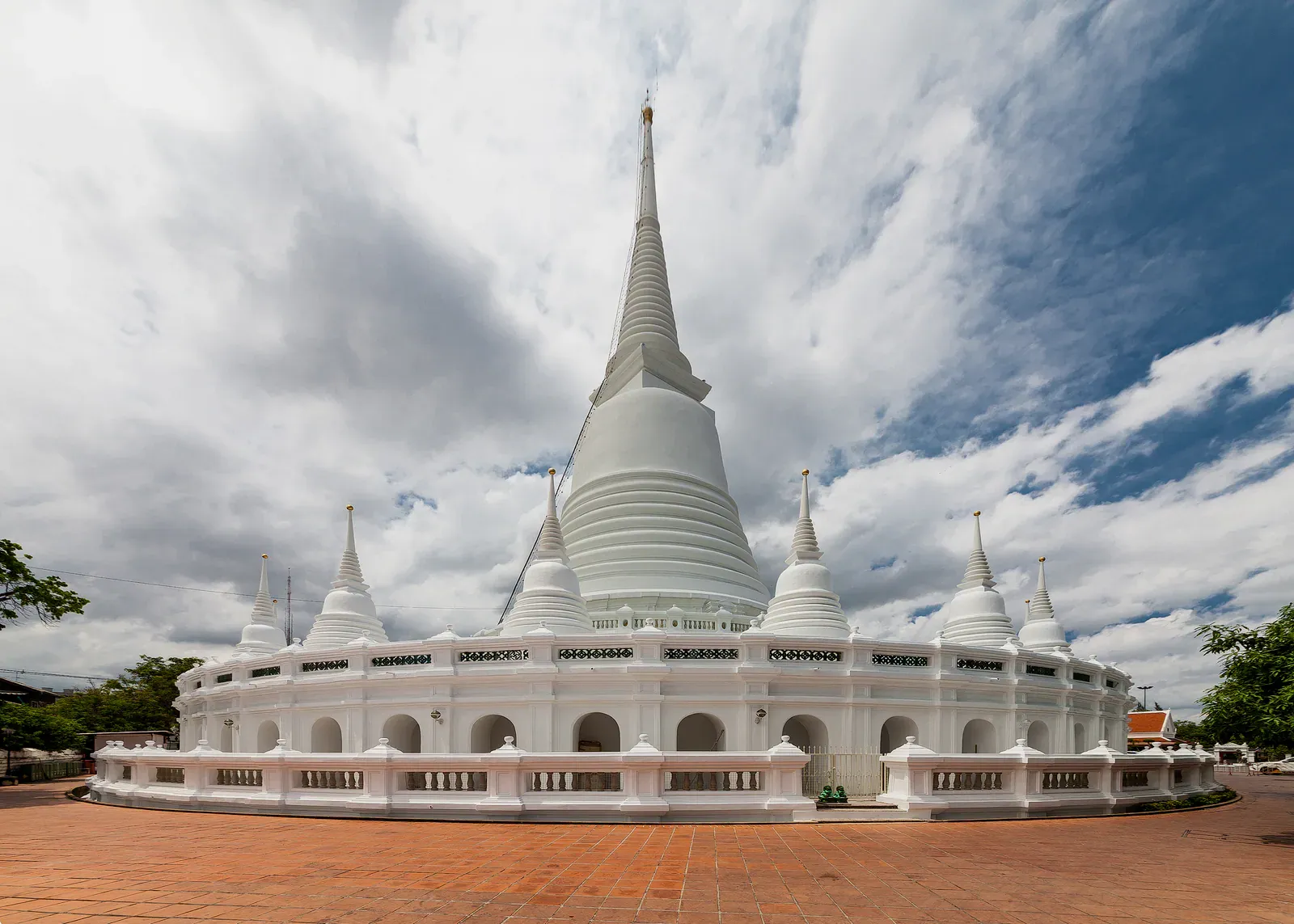
Visit Wat Prayurawongsawas in Thonburi near Memorial Bridge for free entry, a 60.5 m climbable stupa
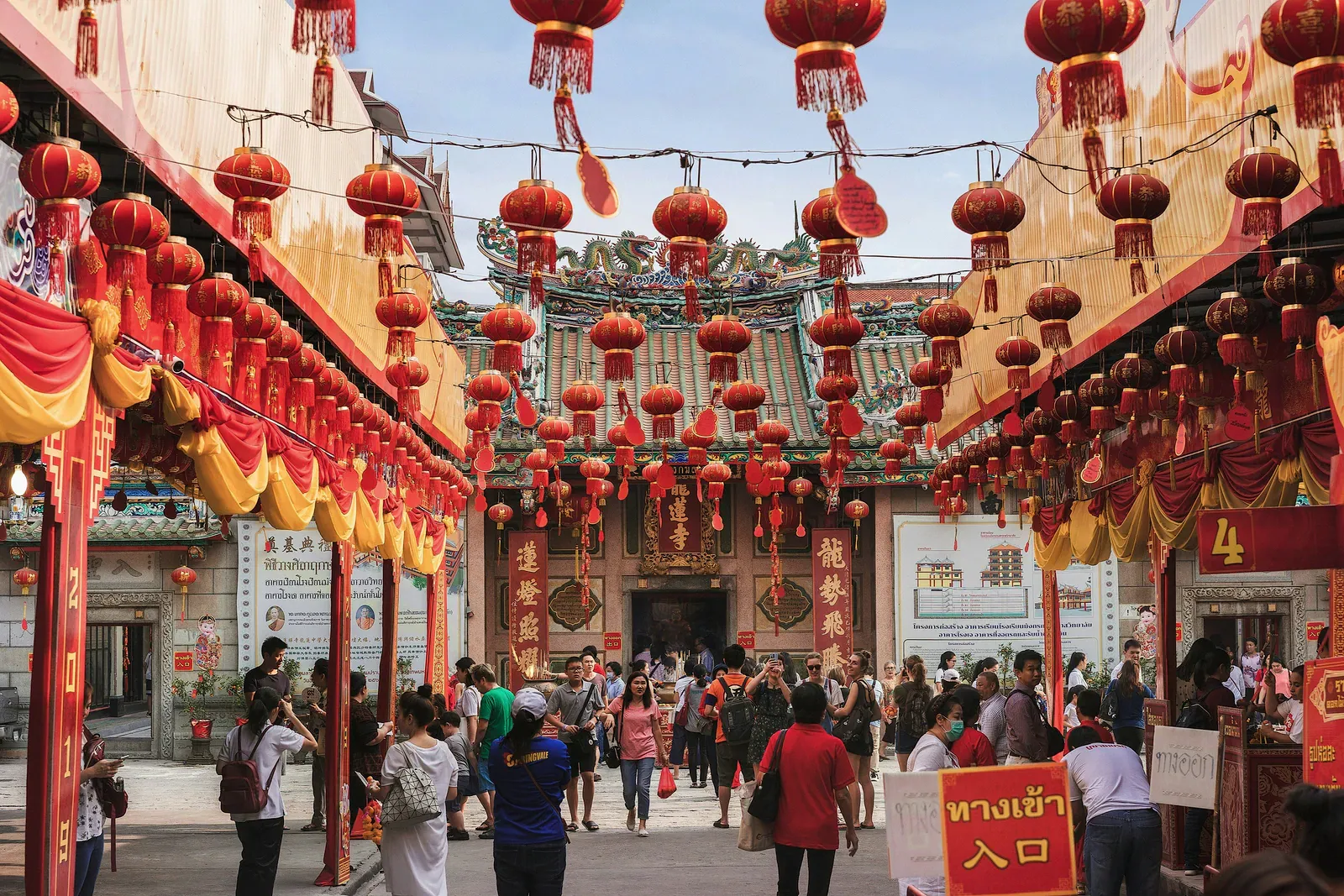
Plan a visit to Wat Mangkon Kamalawat (Wat Leng Noei Yi) off Charoen Krung Road: free entry, MRT exit
SiamPic Hall, Siam Square One, Siam, Chitlom and Ploenchit, Bangkok
Phenix Pratunam, Pratunam, Bangkok
centralwOrld Square, Siam, Chitlom and Ploenchit, Bangkok
No events listed for today.
All events
4-star hotel
Old City and ChinatownYou're subscribed as