Cabinet declares 16 December a holiday for Queen Sirikit's royal cremation at Sanam Luang
Government offices close on 16 December 2026 as five days of ceremonies for Queen Sirikit, the Queen Mother, are held in the Grand Palace area.
Read more
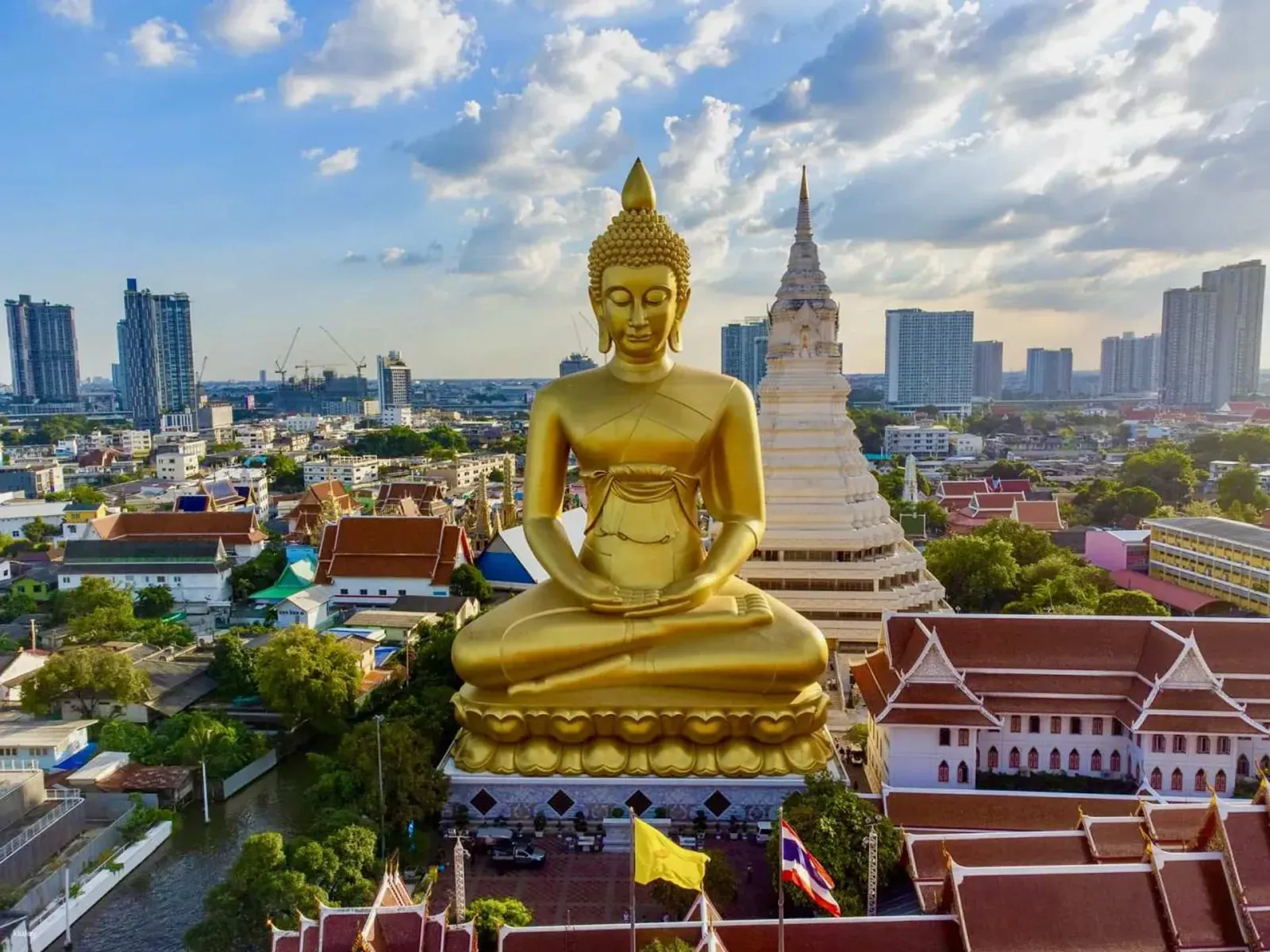
Wat Paknam Phasi Charoen is a royal Buddhist temple in Bangkok’s Thonburi, known for its 69 m bronze Buddha and the five-floor Maharatchamongkhon stupa. The complex sits between two canals in Phasi Charoen, about 10 to 15 minutes on foot from MRT Bang Phai (Exit 1) on the Blue Line. Entry to the grounds, the Buddha and the stupa is free.
Wat Paknam Phasi Charoen (วัดปากน้ำภาษีเจริญ) is a Maha Nikaya royal temple covering about 32,000 square metres on the west bank of the Chao Phraya River. Canals ring the grounds, which are laid out like an island between Khlong Dan and Khlong Phasi Charoen. Many visitors mention a calmer mood and fewer tourists than at central temples, and it fits well alongside other quieter temples across Bangkok.
Two modern structures define the skyline: the 69 m bronze Buddha, completed in 2021, and the 80 m twelve-sided stupa behind it. The stupa’s top floor holds an 8 m green glass pagoda beneath a galaxy-painted ceiling. The temple is regarded as the origin of the Dhammakaya meditation tradition and has a large community of mae chi (nuns).
The temple stands at 300 Ratchamongkhon Prasat Alley, Pak Khlong Phasi Charoen, Phasi Charoen, Bangkok 10160, between Khlong Dan and Khlong Phasi Charoen. The most direct rail route is MRT Bang Phai (Exit 1) on the Blue Line, then 10 to 15 minutes on foot through residential sois. A 2026 Tripadvisor visitor came by BTS to Bang Wa, MRT to Bang Phai, then walked about 800 m.
| Route | How it works | Reported fare |
|---|---|---|
| MRT Bang Phai (Exit 1) on foot | 10 to 15 minutes via residential sois | Free |
| MRT Bang Phai motorbike taxi | Short ride from the station | About $1 (10 THB), July 2026 |
| BTS Wutthakat taxi or tuk-tuk | Short road transfer to the temple | About $1 (45 to 50 THB), July 2026 |
| Grab from central Bangkok | Direct car trip; show a map pin | About $3 to $6 (100 to 200 THB), 2026 |
| Longtail canal tour | By water through Thonburi’s khlongs | Negotiable |
Walking from BTS Wutthakat is also possible, but one source gives about 17 minutes while its own header says 12, so treat the time as uncertain. If you take a Grab, show the driver a map because the temple name may not be recognised.
Public ferries do not stop nearby. Reaching the temple by water means a longtail canal tour through Thonburi’s khlongs, which you can compare in our guide to Bangkok river and canal boat trips. About 5 of 38 reviews and posts recommend arriving by canal boat; one notes that boat prices are negotiable and inconsistent.
The temple was established in 1610 in the Ayutthaya period, and the name Wat Paknam appears in palace records from 1780. The ubosot (ordination hall) and ho trai (scripture library) preserve its Ayutthaya-era origins.
In the reign of King Rama VI the monastery had declined and had no abbot. Luang Pu Sodh Candasaro became abbot in 1916 and revived it, from 13 monks to about 500. The temple is regarded as the origin of the Dhammakaya meditation tradition and is a separate temple from Wat Phra Dhammakaya in Pathum Thani.
Luang Pu Sodh also founded a Pali institute and a free primary school, later taken over by the government. The temple is known for charity work and blood donation drives. By 1993 it had the largest mae chi community in Thailand, with free dormitories and a monthly stipend of 800 THB (about $24, an undated figure). After Luang Pu Sodh died in 1959, Somdet Chuang Varapuñño was abbot from 1960 until his death in December 2021 at age 96, and Phra Phrom Moli was then named acting abbot. Seven branch centres exist abroad: four in the United States, plus New Zealand, India and Japan (Wat Paknam Japan opened in 1997).
Allow 2 to 3 hours for the giant Buddha, the stupa and its five floors.
Started in 2004 and finished in 2012 at a cost of about $15 million (500 million THB), this 80 m twelve-sided stupa has five floors. They hold a meditation hall, a museum, a shrine with relics, parking and a lift. Inside are gold-carved Pali inscriptions and murals based on the Phra Malai legend and the Traibhumikatha, and a top-floor balcony.
Phra Buddha Dhammakaya Thepmongkhon is a bronze Buddha about 69 m tall and 40 m wide, standing in front of the stupa. Construction began in March 2017 and finished in 2021. It can be seen from much of Thonburi, and about 28 of 38 reviews and posts praise it, often for photos and the riverside setting. A visitor tip says morning or sunset light shifts the bronze from gold to copper tones.
The stupa’s top floor holds an 8 m green glass pagoda beneath a galaxy-painted ceiling, open to the public. About 14 reviews praise it and its star-patterned dome. An outside walkway on the fifth floor faces the Buddha. Reviewers say that seeing only the outside of the stupa misses the best part.
Luang Pu Sodh died in 1959 and his body was never cremated. It is preserved inside the temple, with a coffin and a wax statue of him above it, which is a main draw for pilgrims. An evening meditation session still plays a recording of his voice.
The lower floors hold a shrine with relics, statues of revered monks and an exhibit area, reportedly on floors 1 and 3, served by a lift. Allow about 20 minutes for the museum. About 6 reviews praise the museum or relic rooms.
Entry is free for the grounds, the Buddha and the stupa (checked 20 November 2026). Donations are welcome and walk-in visits need no booking. The temple phone number is +66 2 467 0811.
Hours are 08:00 to 18:00 daily for the pagoda and grounds. One 2025 reviewer found the main temple and inner rooms closed on an evening visit. Reach the stupa by 17:00 to see the upper floors, and check on public holidays.
Cover shoulders and knees with long trousers or a knee-length skirt, and take shoes off before buildings with Buddha images, including the pagoda. For broader rules, see our Bangkok temple etiquette and dress code guide. Floors get hot at midday and slippery after rain.
One guide says photography is allowed throughout the complex. The stupa has a lift and parking, cafes line the perimeter, and resident cats and dogs live on the grounds.
The temple holds an annual Kathina ceremony and memorial ceremonies for Luang Pu Sodh. King Bhumibol presided over the Kathina ceremony here in 1969, and places for the annual ceremony must be reserved years ahead. Meditation in shifts continues from Luang Pu Sodh’s era.
Arrive before 09:00 on a weekday to avoid lift queues and school groups. Morning or sunset light shows the bronze Buddha shifting from gold to copper tones. Floors get very hot at midday, so a later visit is easier, and socks help. Reach the stupa by 17:00 for the upper floors.
The best months are November to February; April and May bring the heaviest heat.
Wat Khun Chan is next door. The Chao Phraya riverbank and Thonburi canals border the complex, with cafes around the perimeter and a small market noted in visitor posts.
To compare this Thonburi temple with Bangkok’s central riverfront landmarks, see our guide to famous Bangkok temples.
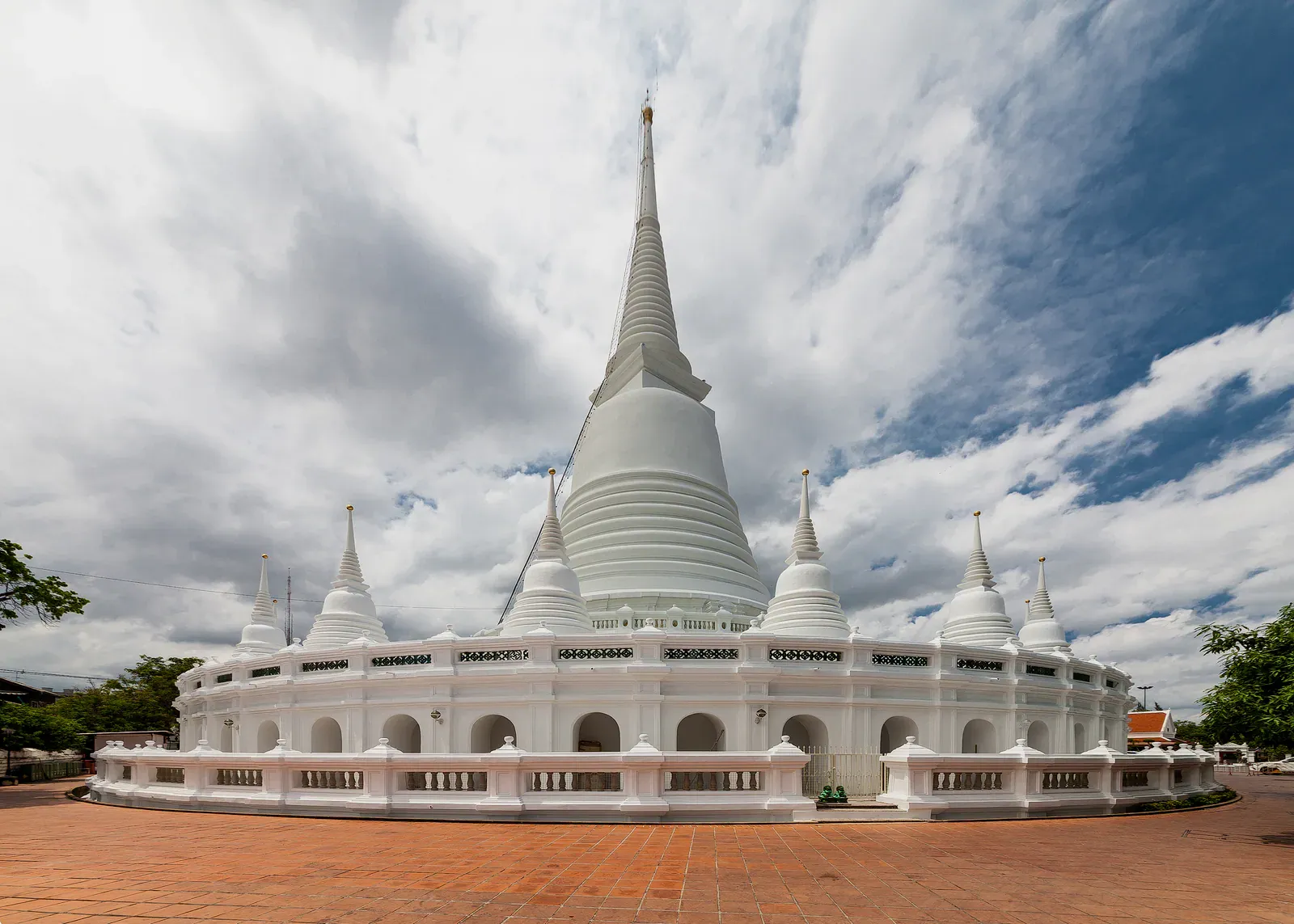
Visit Wat Prayurawongsawas in Thonburi near Memorial Bridge for free entry, a 60.5 m climbable stupa
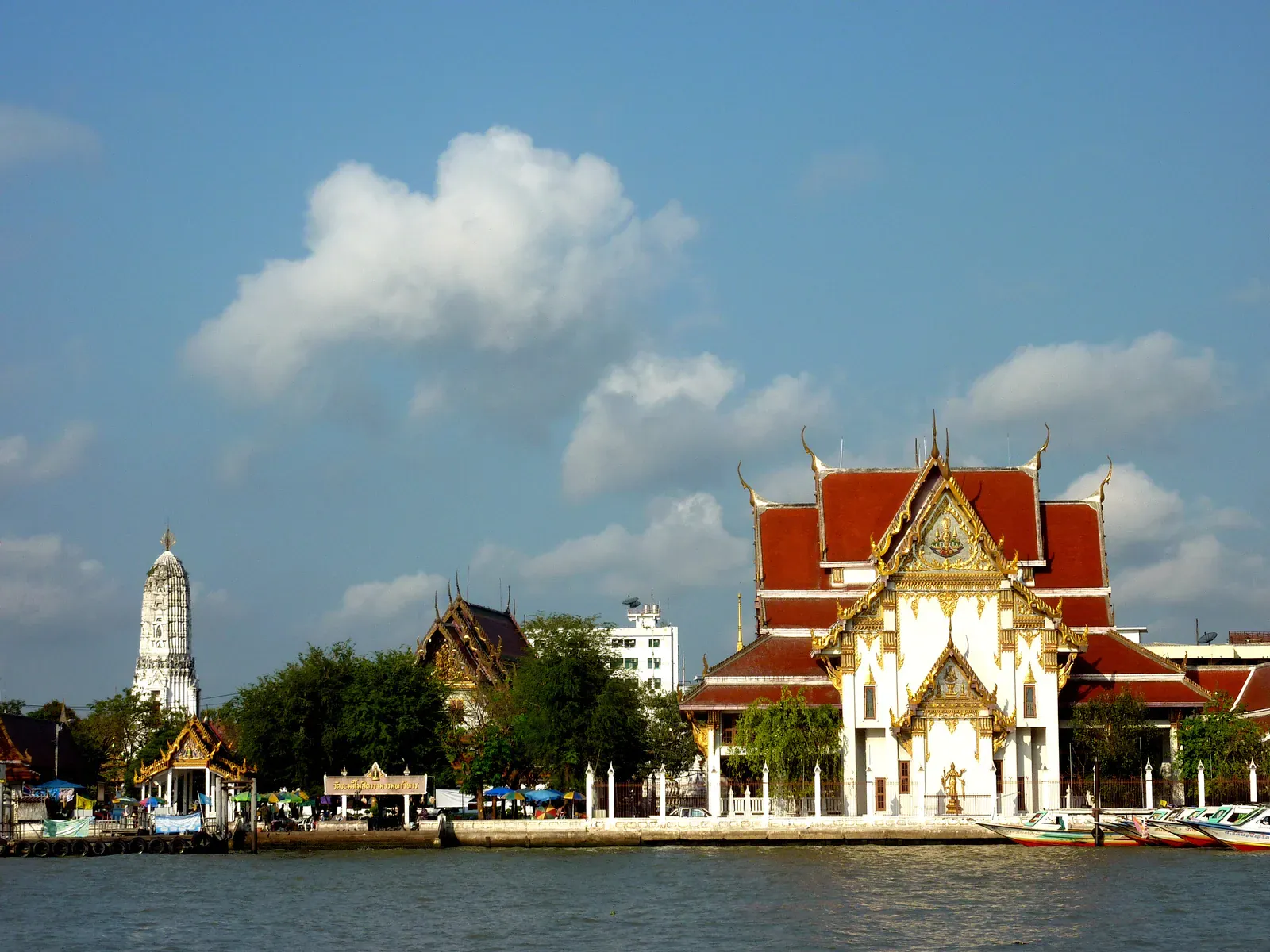
Visit Wat Rakhang on Bangkok's Thonburi riverfront: free entry, 2-minute Tha Chang ferry, opening hours
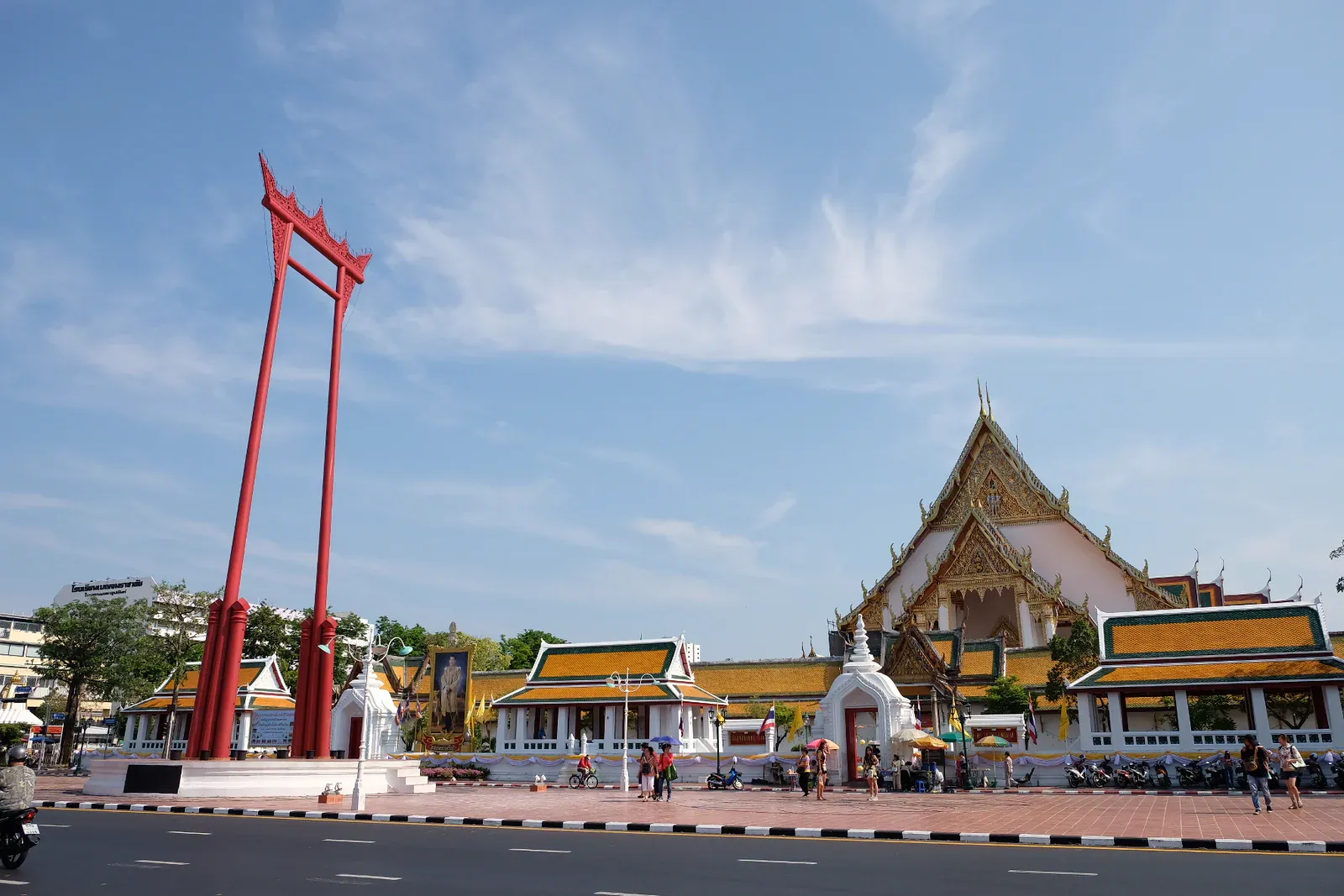
Plan a visit to Wat Suthat in Bangkok's Old City: 8 m bronze Buddha, Rama III murals, the Giant Swing
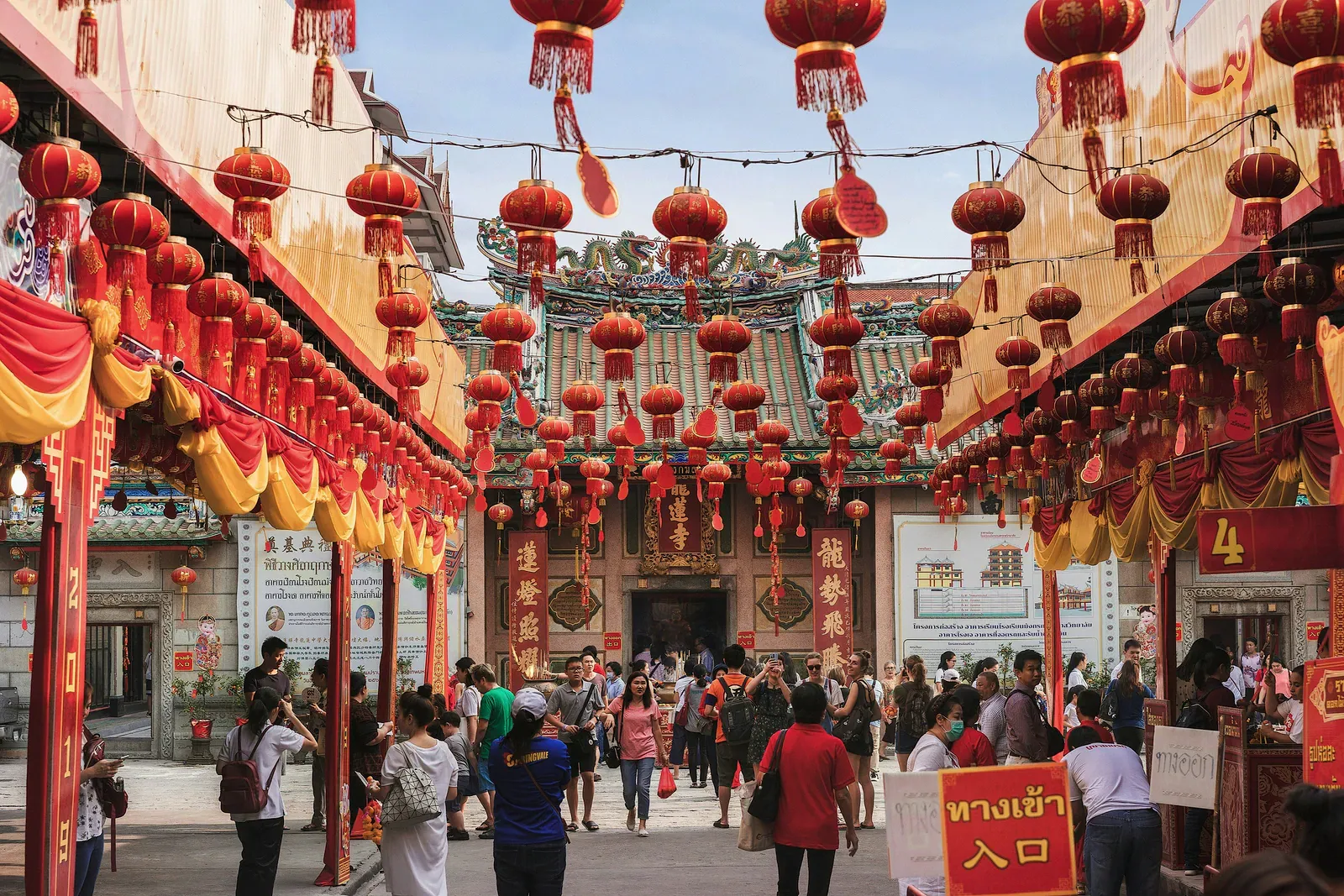
Plan a visit to Wat Mangkon Kamalawat (Wat Leng Noei Yi) off Charoen Krung Road: free entry, MRT exit
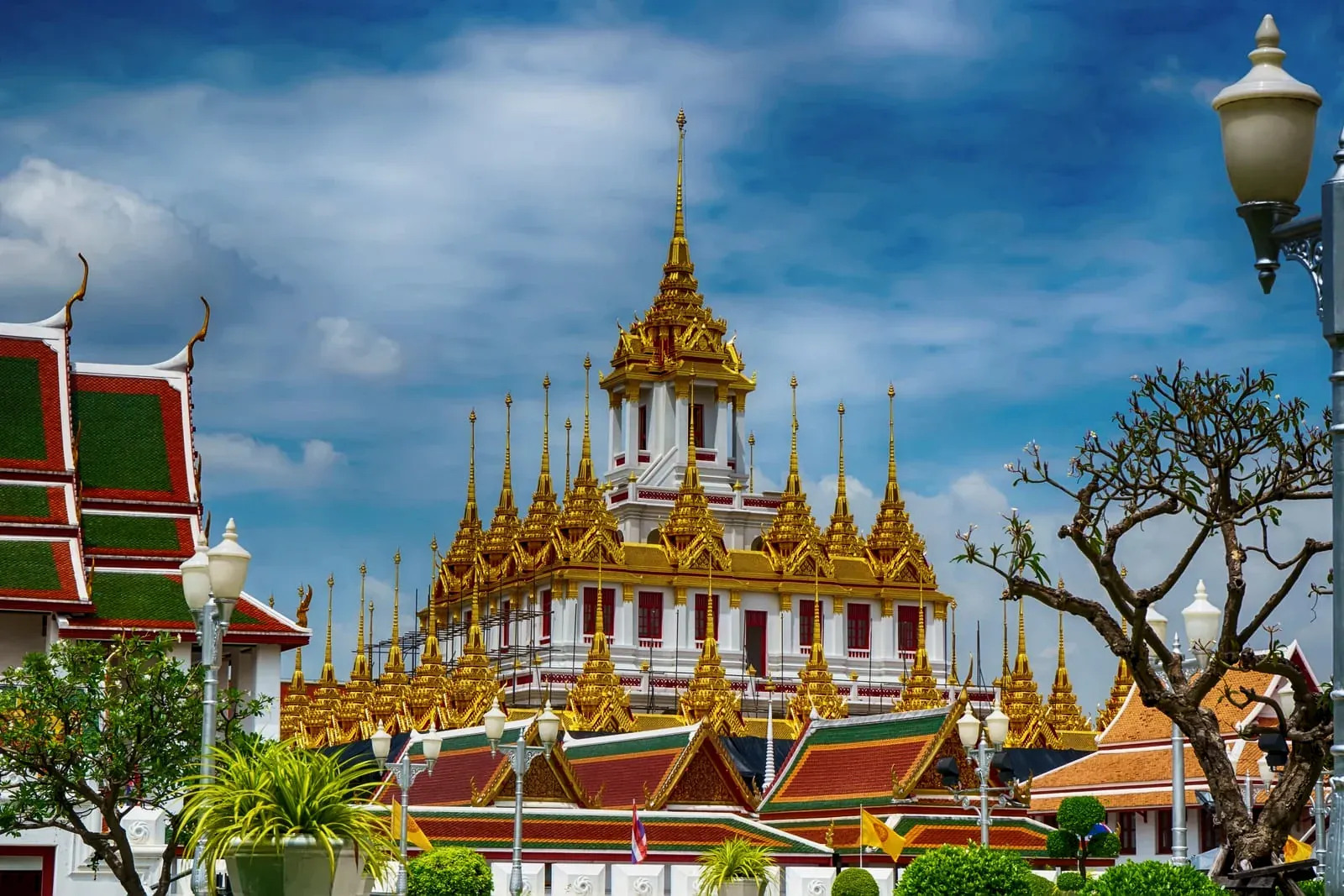
Plan your visit to Loha Prasat in Bangkok's Old City with hours, entry fees, MRT and canal boat directions
SiamPic Hall, Siam Square One, Siam, Chitlom and Ploenchit, Bangkok
Phenix Pratunam, Pratunam, Bangkok
centralwOrld Square, Siam, Chitlom and Ploenchit, Bangkok
No events listed for today.
All events
5-star hotel
RiversideYou're subscribed as