
Paperwork
Getting a Police Clearance Certificate From Thailand
How foreigners get a Thai police clearance certificate: the Bangkok walk-in route at Building 6, the apply-from-abroad postal route, documents, fees and timing.

On this page
Need a Thai police clearance certificate? You have two routes. Still in Thailand: walk into Building 6 at the Police Clearance Service Center on Rama I Road and have it moving within a day. Already left, or never lived here long enough to walk in: post an application from abroad and wait several weeks. Picking the wrong route is the single biggest reason people lose a month they didn’t need to lose.
Who actually needs one
A Thai police clearance certificate confirms whether you have a criminal record on file with Thai police, covering the period you lived in or visited Thailand. Immigration authorities abroad ask for it when you apply for a long-stay visa, permanent residence, certain jobs, or adoption, because your home country’s own background check says nothing about what happened while you were here. It is a different document from a Thai citizen’s own criminal record check, and it does not replace whatever check your destination country runs on its own soil.
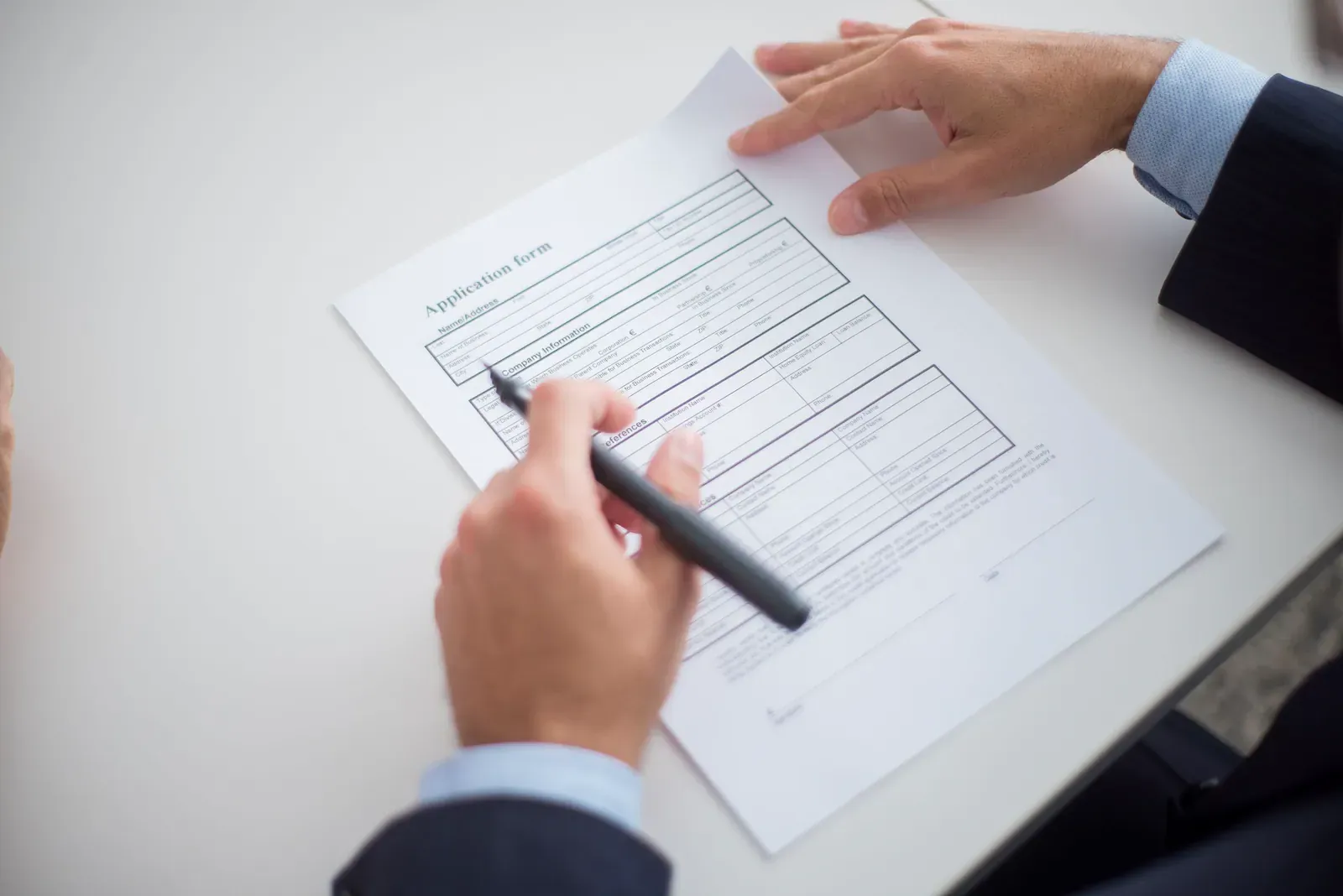
Walk in at Building 6, or apply from abroad by post
The Police Clearance Service Center, run by the Special Branch Bureau, offers two separate channels, and the address you use depends on which one applies to you:
| Walk-in (in Thailand) | Apply from abroad (by post) | |
|---|---|---|
| Who it’s for | Anyone currently in Thailand, able to attend in person | Anyone who has already left Thailand |
| Where | Building 6, Royal Thai Police HQ, Rama I Road, Pathumwan, Bangkok 10330 | Public Service Center, Special Branch Bureau, 27/40 Thung Song Hong, Lak Si, Bangkok 10210 |
| Fingerprints | Taken on the spot | Taken in advance at a Royal Thai Embassy, consulate, or local police station |
| Typical timeline | Days, reported by applicants and immigration service providers rather than an official published figure | 15-25 working days once the Special Branch Bureau has everything, per its own published instructions |
| Fee | 100 THB (~3 USD, checked September 2026) | 100-700 THB depending on postage arrangement (~3-21 USD) |
Building 6 sits about a 10-minute walk from BTS Siam (interchange, Sukhumvit and Silom lines) or BTS Chidlom (Sukhumvit line), open Monday to Friday, 08:30 to 16:30. The Lak Si mailing address is a different building entirely, used only for postal applications: don’t send documents there if you’re walking in, and don’t turn up at Rama I Road to submit on someone else’s behalf without a Power of Attorney.
What to bring, and the fingerprints you can’t skip
Whichever route you use, the Special Branch Bureau asks for broadly the same documents:
- A photocopy of your valid passport
- A photocopy of your Thai visa or work permit, if you hold one
- Photocopies of passport pages showing every entry and exit stamp to and from Thailand
- Two passport-size photographs
- Proof of fee payment
- For a postal application: a self-addressed envelope, or an extra fee to cover return postage
Fingerprints are the one step you can’t do by post on your own. Walking in: Building 6 takes them on the spot. Applying from abroad: get two sets of original fingerprints taken first, at a Royal Thai Embassy, consulate, or local police station where you live, then post them with your application. A photocopy, or a fingerprint taken anywhere else, won’t be accepted.
If someone else is submitting a walk-in application on your behalf, they need a Power of Attorney, a 10 THB revenue stamp, and a copy of their own ID, on top of your documents.

What it actually costs
The certificate itself has one government fee, but the total varies with how you apply:
| Situation | Fee (THB) | ~USD, checked Sep 2026 |
|---|---|---|
| Walk-in, in person | 100 THB | ~3 USD |
| Walk-in, via a representative with Power of Attorney | 160 THB | ~5 USD |
| By post, with a prepaid self-addressed envelope | 100 THB | ~3 USD |
| By post, without a prepaid envelope (postage added) | 700 THB | ~21 USD |
Postal payments go to the Center’s own bank account (UOB Bank, Siam Square branch); you cover any transfer fees on top. The underlying fee stays 100 THB either way, whatever an agency’s marketing implies.
How long it takes, and what slows it down
The Special Branch Bureau’s own guidance for postal applications states 15 to 25 working days once documents are complete, with delays likely if a criminal record needs further checking or anything is missing. Walk-in processing in Bangkok is commonly reported as faster, often within about a week, though the Center doesn’t publish an official walk-in figure, so treat that as a reported range, not a guarantee.
Build in slack either way. If a visa deadline abroad depends on this certificate, don’t submit at the last plausible moment for the fast estimate; postal applications sit at the mercy of international mail on both ends, on top of the Bureau’s own processing window.
Common questions
Can I apply for a Thai police clearance certificate if I’m not currently in Thailand?
Yes, by post, to the Special Branch Bureau’s Lak Si address, once you’ve had fingerprints taken at a Royal Thai Embassy, consulate, or local police station and posted them with your other documents.
Does someone else need power of attorney to submit for me?
For a walk-in application on your behalf, yes, along with a 10 THB revenue stamp and a copy of their ID. Fingerprinting itself still has to happen in person for the applicant, either at Building 6 or before mailing an application from abroad.
How long is the certificate valid for?
Validity is generally set by whichever country or institution is asking for the certificate, not by a fixed period the Royal Thai Police itself stamps on it. Check the requirement of whoever is requesting it before assuming an old certificate still counts.
A police clearance certificate is usually one item in a wider stack. Gathering it for a long-stay application? Confirm your entry basis is still valid before you post anything abroad: see Thailand Visa Exemption vs Tourist Visa for stay lengths and extensions, and 90-Day Reporting and TM30 in Thailand Explained for the ongoing duties once you’re settled long-term. DTV holders needing a clearance certificate for a later application should also check the DTV visa guide for how that visa’s stay periods interact with the rest of your paperwork.
This certificate often supports a bigger filing rather than standing alone. Applicants building a Thailand permanent residence file typically need one, and if you’re instead legalizing a Thai document to use in another country, that’s a related but separate process: see legalizing a Thai document for use abroad. Foreign documents you need translated for use here go through a different check first: see notary vs certified translation in Bangkok.
Last verified: September 2026.
Written by
Mike Brochlowski
Founder and editor, travel photographer and designer
I'm Mike Brochlowski, a travel photographer and designer, and I currently live on Koh Samui, Thailand. I built BangkokWiki to put practical, checked information about Bangkok in one place. Every page is researched from official and primary sources, and the text names them. Where a page shows a checked date, that is when its facts were last confirmed. I also run samui69.com, a non-commercial guide to Koh Samui. If you spot an error or something out of date, tell me through the contact page and I will check it and correct the page.
Read all articles
Visas and paperwork
Staying in Thailand longer?
Visas, extensions, documents and banking for longer stays. Rules and fees change often and offices apply them differently, so check the official source before you act.

Places to stay
Find a hotel
Explore the other desks
More from Paperwork
- 6 min read
 9 min read
The Thailand Work Permit for Foreigners: 2026 Guide
 9 min read
Thailand Permanent Residence: Quota, Interview, Wait

Newsletter
You're subscribed as