Health
Dental Treatment in Bangkok: Costs and Clinics
How dental tourism in Bangkok works: clinic tiers, realistic multi-visit planning, indicative 2026 cost ranges, and questions to ask before you commit.
On this page
Bangkok is a genuine dental tourism destination, not a marketing story: specialist clinics here routinely do implant, crown and orthodontic work for a fraction of typical Western pricing, using the same major equipment and material brands used in Europe or North America. The savings are real. So are the risks of rushing a treatment plan around a short holiday: this guide is about doing it properly.
Why Bangkok is genuinely cheaper, not just marketed as cheaper
The cost gap comes from real structural differences, not corner-cutting on materials. Clinical staff costs, clinic rents and running costs are lower in Thailand than in most Western countries, dental specialists here see a high volume of cases (Bangkok’s private dental sector serves both the large domestic market and a steady flow of international patients), and many clinics operate their own in-house laboratories rather than outsourcing lab work, which cuts a layer of cost and turnaround time. None of that requires lower-quality materials: reputable clinics use internationally recognised implant systems, ceramics and equipment, the same categories used at home.
The savings are least dramatic on simple, quick procedures (a filling, a cleaning) and most dramatic on complex, lab-intensive work (implants, crowns, full-mouth reconstruction, orthodontics), which is why dental tourism concentrates on the latter.
Hospital dental departments, specialist clinics and neighbourhood clinics
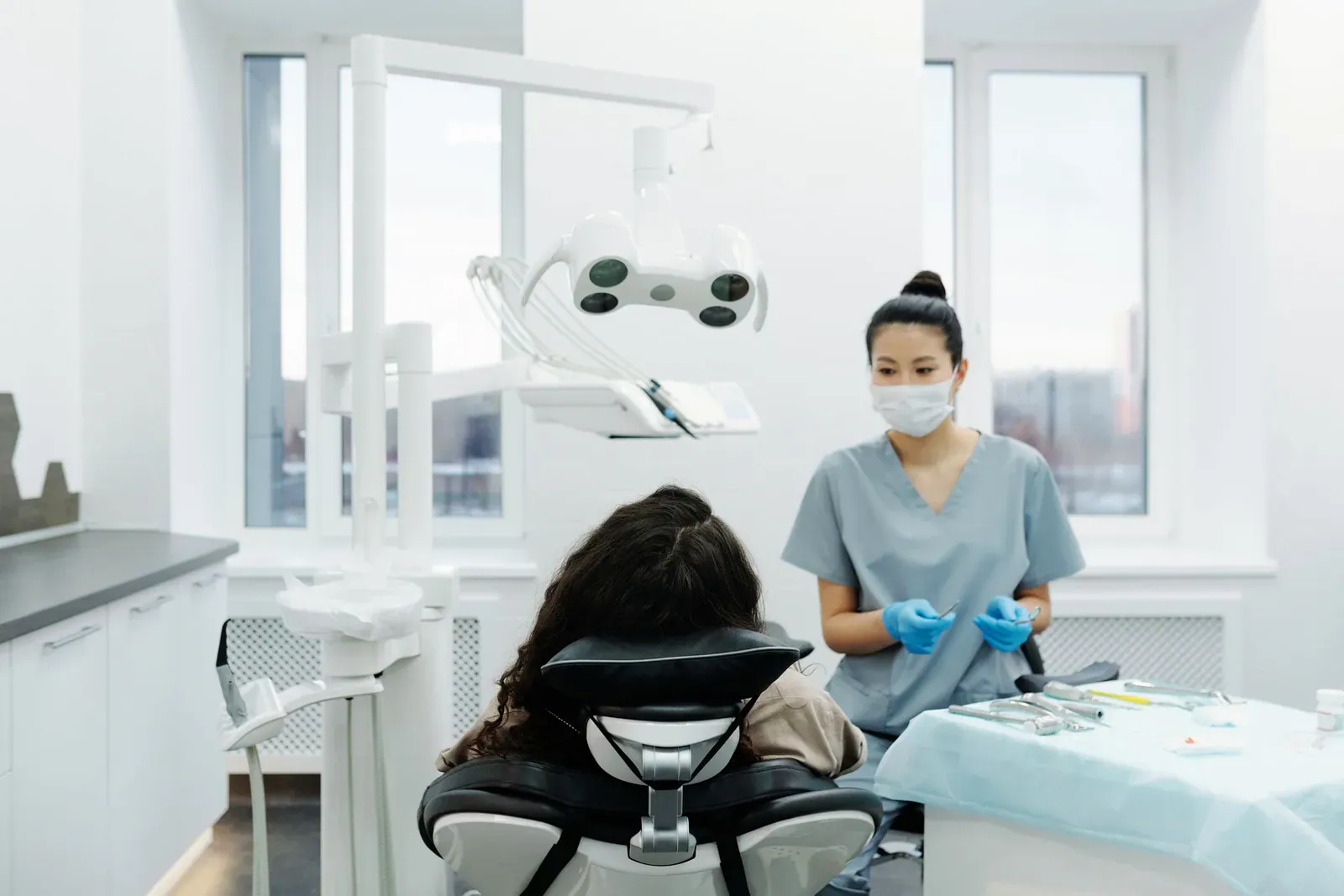
Bangkok’s dental sector splits into three broad tiers, and they suit different needs.
| Tier | What it is | Best for | Watch for |
|---|---|---|---|
| Hospital dental department | A dental unit inside a general private hospital, sometimes alongside a hospital’s international patient services | Straightforward work with the reassurance of full medical backup on site; useful if you have a complicating medical condition | Often priced at the hospital’s general overhead rate, sometimes higher than a standalone specialist clinic for the same procedure |
| Large dental-specialist clinic | A dedicated multi-chair clinic built around medical-tourism patients, often with in-house lab, imaging and multiple specialists under one roof | Complex work (implants, full-mouth cases, orthodontics) where continuity across several visits and specialist depth matter most | Marketing quality varies widely; a slick website is not a proxy for clinical quality |
| Neighbourhood clinic | A small, often single-dentist practice serving the local area | Routine care (checkups, fillings, cleaning) for residents and long-stayers who don’t need specialist referral | Less equipped for complex or emergency cases; English-language support varies |
Naming a specific clinic here would be a ranking this guide deliberately avoids: the right tier depends on what you need done, not which name is best known.
Telling a good clinic from a well-marketed one
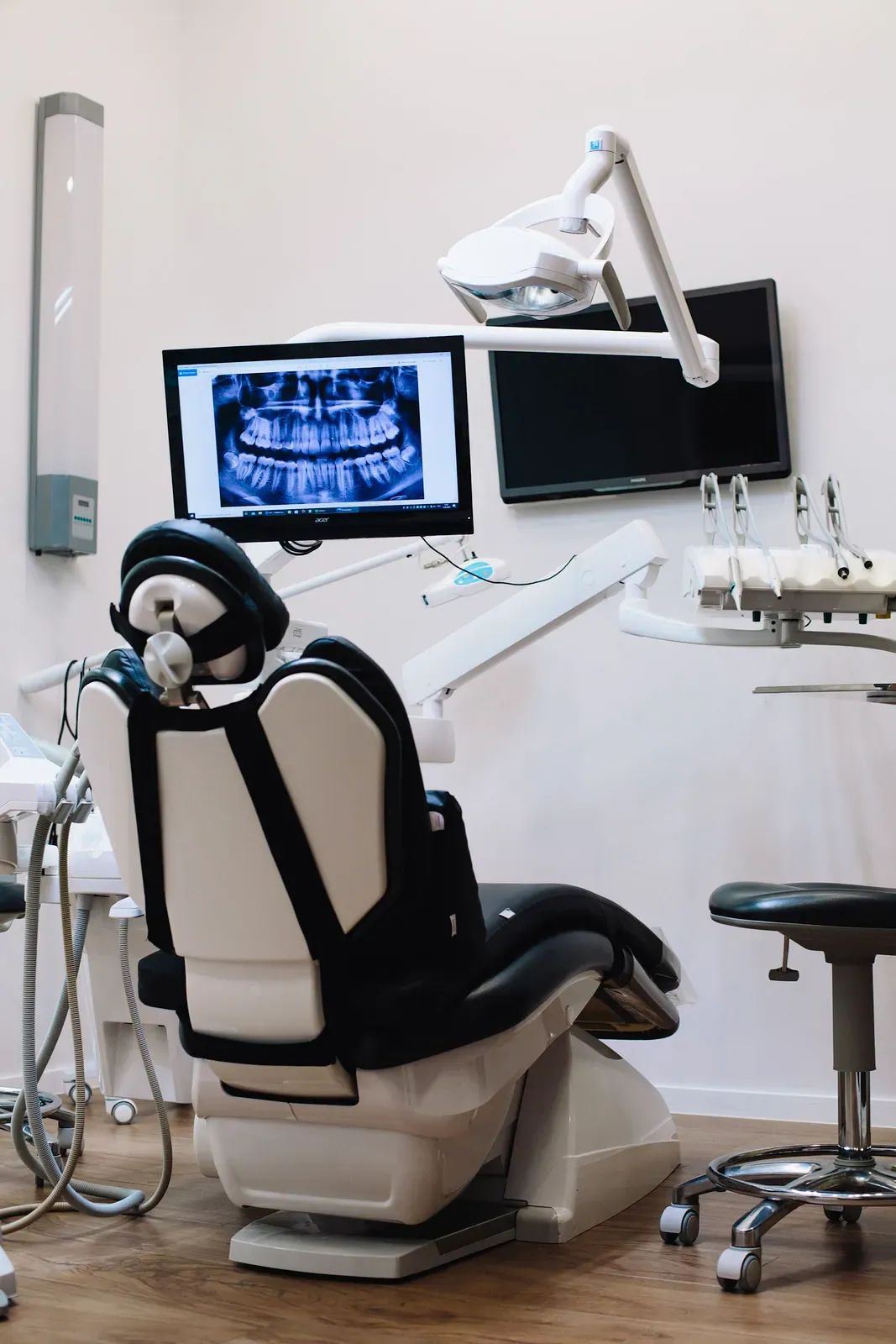
A polished website, English-speaking staff and glossy before-and-after photos are marketing, not clinical evidence. What actually separates a strong clinic from a merely well-promoted one:
- Specialist qualifications for the specific work you need. A general dentist and a specialist periodontist or prosthodontist are different trainings: ask directly who will actually perform your procedure and what their specific qualification is for it, not just “our dentists are experienced.”
- In-house lab versus outsourced. An in-house lab (making crowns, bridges and dentures on site) generally means faster turnaround and tighter quality control than work sent to a third-party lab, though outsourcing to a reputable specialist lab isn’t automatically a red flag: ask which applies and why.
- Imaging on site. A clinic doing implant or complex restorative work should have its own 3D imaging (CBCT scanning) rather than sending you elsewhere, since accurate planning depends on it.
- Visible sterilisation protocol. Instruments sterilised in an autoclave, single-use items opened in front of you, and a clinic willing to explain its infection-control process without being asked twice are baseline, not bonus, signs of a properly run practice.
- Who does the work versus who sells it. In a larger clinic, a patient coordinator often handles the sales conversation and treatment quote. Make sure you also speak directly with the treating dentist before committing: the coordinator’s job is to close the booking, not to give you a clinical second opinion.
- How complications are handled. Ask plainly what happens if something goes wrong after you’ve flown home: who reviews it, whether it’s handled by video consultation, and whether the original clinic has a written policy for this rather than a verbal reassurance.
Planning treatment across a trip
The single biggest planning mistake is booking a short trip around a treatment plan that clinically needs more time than the trip allows.
- Simple procedures (a cleaning, a filling, a single crown prep and fit where the lab turnaround allows it, whitening) can often be completed within a single visit of a few days to about a week, depending on lab scheduling.
- Implants almost always need two trips. Placing a dental implant and attaching the final crown are two separate stages with a genuine healing gap between them: commonly discussed in terms of a few months, though the exact interval is decided by your dentist based on your bone healing, not a fixed number you can plan around in advance. Trying to compress this into one trip means either an unrealistic schedule or a compromise on how the implant is allowed to heal; neither is a shortcut worth taking.
- Orthodontic work (braces, aligners) is inherently multi-visit and often multi-month to multi-year, which is why it suits Bangkok residents and long-stayers more naturally than a single holiday visit, unless you’re combining it with regular return trips.
- Build in buffer, not just travel days. A realistic schedule leaves slack for a follow-up adjustment, a fitting that needs a second try, or a minor complication: arriving with a flight booked the morning after major work is finished is a common and avoidable source of stress.
Cost: indicative ranges, not a price list
No article, including this one, can give you an exact price: a real quote can only follow a physical examination and imaging, because the same-sounding procedure (a “crown,” an “implant”) covers a wide range of clinical situations. What can be said honestly, as an indicative comparison only, for 2026, is the shape of the gap: routine and complex dental work in Bangkok’s private clinics commonly runs at a fraction (often discussed as somewhere around a third to a tenth) of equivalent private treatment costs in the UK, US, Australia or much of Western Europe, with the gap widest on lab-intensive work like implants and crowns and narrowest on simple procedures. Treat any specific baht or dollar figure you see quoted anywhere, including a clinic’s own website, as a starting estimate that a real examination can move in either direction, not a binding price.
A quote given before an examination is close to meaningless. A number handed over by email based on a description of your problem, with no X-ray and no clinical exam, should be treated as a rough planning figure at best: the real quote comes after the dentist has actually looked, imaged and diagnosed.
Materials, warranties and follow-up
Clinics describe materials by category and brand family (implant systems, ceramic types, composite brands) rather than by a single “grade.” Internationally recognised brand families used in Western countries are widely available in Bangkok’s specialist clinics; ask which system or material category is being used and, if it matters to you, whether it’s the same category your home dentist would use.
Warranties on implants, crowns and similar work are common and worth asking about explicitly, but read what they actually cover: many cover the manufactured component itself against a defect, not every outcome, and almost none cover a problem caused by poor aftercare or a missed follow-up. A warranty is also only as useful as your ability to act on it: ask plainly what happens if a covered problem shows up after you’ve left Thailand, whether the clinic offers remote assessment, and whether a local dentist at home could complete a warranty repair with the original clinic’s cooperation, or whether you’d need to fly back.
Follow-up problems are the part dental tourism critics focus on for a reason: a complication that appears weeks or months after you’ve returned home is harder and more expensive to fix than one caught immediately. This is the real cost-benefit question with cheap complex dental work done far away: weigh the savings against the realistic cost and disruption of a return trip, or a local repair, if something needs correcting.
Insurance and dental cover
Dental treatment is generally not covered, or only lightly covered, by most standard health insurance policies: travel insurance almost never includes planned dental work, and even comprehensive international health plans often treat dental as a separate, optional rider with its own limit. If dental cover matters to you, check your policy’s dental section specifically rather than assuming general medical cover extends to it; the mechanics of riders and limits are covered in the health insurance guide. Dental tourism trips are usually budgeted and paid for directly rather than claimed.
The honest risks
- Overtreatment and upselling. A clinic paid per procedure has an incentive to recommend more work than a conservative approach requires. A second opinion (even a paid one at a different clinic) is a reasonable check before committing to an extensive, expensive plan, exactly as it is before major hospital surgery.
- Complex work far from home. The further and more complex the treatment, the more that “cheap and good” depends on nothing going wrong. Simple, well-defined procedures carry little of this risk; multi-stage implant or full-mouth work carries more, simply because there’s more that could need a follow-up visit.
- Marketing versus clinical substance. Award badges, “as seen on” logos and patient-testimonial videos say more about a clinic’s marketing budget than its clinical outcomes. Weigh them accordingly against the harder signals above: specialist qualification, in-house lab, imaging, sterilisation protocol.
Questions to ask before you commit
- Who exactly will perform this procedure, and what is their specific specialist qualification for it?
- Is the lab work done in-house or outsourced, and to whom?
- What imaging will you do before finalising the treatment plan?
- What brand or system is being used for the implant, crown or material, and why?
- What does the warranty actually cover, and how would a problem be handled if I’m back in my home country?
- What happens if this needs more than the visits currently planned?
- Can I get an itemised written quote after the examination, before I agree to anything?
Records and X-rays to take with you
Bring any existing dental X-rays, a summary of previous major work (implants, root canals, crowns) and your regular dentist’s contact details if you have them. This lets a Bangkok clinic assess your case faster and more accurately, and gives your home dentist a starting point for any future comparison or follow-up. Ask the Bangkok clinic for digital copies of any new imaging and records before you leave: don’t assume they’ll be sent automatically.
This article is general information, not medical or dental advice, and doesn’t replace an in-person assessment by a qualified dentist. Verify current pricing, treatment plans and warranty terms directly with the clinic before committing to any treatment, and for anything involving hospital admission or a complicating medical condition, read this alongside the guide to choosing a hospital in Bangkok.
Related guides: dental implants in Thailand, veneers in Thailand, Invisalign and braces, Bangkok Smile Dental Clinic.
Common questions
Is dental treatment in Bangkok actually cheaper, or is that a myth?
It’s genuinely cheaper for most procedures, particularly lab-intensive work like implants and crowns, because of lower staff and running costs and high case volume rather than lower-quality materials. The exact saving depends on the procedure and the clinic, so treat any published figure as an indicative 2026 range, not a quote.
How many trips does a dental implant need in Bangkok?
Almost always two, separated by a healing period your dentist decides based on your own bone healing (commonly discussed in terms of a few months). Trying to compress implant placement and the final crown into a single short trip risks compromising the healing process.
How do I know if a Bangkok dental clinic is any good?
Check specialist qualifications for your specific procedure, whether imaging and lab work are done in-house, visible sterilisation practice, and whether you can speak directly with the treating dentist rather than only a sales coordinator. Marketing polish and patient-testimonial videos are not reliable substitutes for these checks.
Does travel or health insurance cover dental work in Thailand?
Usually not, or only through a separate, limited dental rider if your policy has one: most travel insurance excludes planned dental treatment entirely. Check your specific policy’s dental section before assuming any cover applies.
What if something goes wrong with my dental work after I’ve flown home?
Ask before treatment what the clinic’s process is for this: whether it offers remote assessment, what the warranty actually covers, and whether a local dentist at home could complete a warranty repair with the original clinic’s involvement. This is the central risk to weigh against the cost savings on complex work.
Can I get an exact price quote before I arrive in Bangkok?
No responsible clinic will give a binding price without an examination and imaging, since the same-named procedure covers a wide range of actual clinical situations. Treat any quote given sight-unseen as a rough planning estimate only.
Written by
Mike Brochlowski
Founder and editor, travel photographer and designer
I'm Mike Brochlowski, a travel photographer and designer, and I currently live on Koh Samui, Thailand. I built BangkokWiki to put practical, checked information about Bangkok in one place. Every page is researched from official and primary sources, and the text names them. Where a page shows a checked date, that is when its facts were last confirmed. I also run samui69.com, a non-commercial guide to Koh Samui. If you spot an error or something out of date, tell me through the contact page and I will check it and correct the page.
Read all articles
Medical stays
Planning treatment in Bangkok?
See dated price ranges for common procedures, what each package includes and how to choose a hospital or clinic. Prices are indicative only, and nothing here replaces advice from a clinician.

Places to stay
Find a hotel
Explore the other desks
More from Health
- 5 min read
 11 min read
Samitivej Srinakarin Hospital: East Bangkok Guide
 9 min read
Bangkok Hospital Network: BDMS Branches Compared

Newsletter
You're subscribed as