Living
Renting a Condo in Bangkok: Full Process
How to rent a condo in Bangkok: setting a budget, choosing an area near your line, finding listings, what to inspect at a viewing, and closing the deal.
On this page
Renting a condo in Bangkok is straightforward once you know the order of operations: budget and area first, then the search channel, then a disciplined viewing, then the paperwork. Most of the friction people hit (overpaying, picking a noisy unit, or getting stuck with a bad building) comes from skipping the first two steps and jumping straight to whichever listing looks nicest online. This guide walks the process in the order that actually works.
Set a budget before you look at a single listing
Bangkok condo rent runs in broad tiers rather than a single city-wide number, and the same size unit can vary two- or three-fold depending on the building’s age, the line it sits on, and how many stops from the centre it is. As an indicative range for 2026, check current listings before treating any of this as a quote:
| Tier | Studio / 1-bed | 2-bed | Typical areas |
|---|---|---|---|
| Budget | ฿8,000-15,000 (~$230-430) | ฿15,000-25,000 (~$430-715) | Outer stations on the Sukhumvit line, western Bangkok, non-BTS areas |
| Mid-range | ฿15,000-30,000 (~$430-860) | ฿25,000-45,000 (~$715-1,290) | Ari, On Nut, Phra Khanong, Bang Na, Rama 9 |
| Upper-mid | ฿30,000-55,000 (~$860-1,570) | ฿45,000-80,000 (~$1,290-2,290) | Asok, Ekkamai, Thonglor, Sathorn |
| Premium | ฿55,000+ (~$1,570+) | ฿80,000+ (~$2,290+) | Central Sukhumvit, Silom, Langsuan, riverside towers |
Beyond rent, budget for the deposit and advance rent due at signing: commonly two months’ deposit plus one month in advance, so three months’ rent in cash before you get a key. Full detail on that pattern, and what a landlord can and cannot keep of it, is in rental contracts and deposits. Add moving costs, and if you are testing a neighbourhood before committing to a year lease, look at the trade-offs covered in monthly and short-term rentals rather than signing a year lease on day one.
Pick a shortlist of areas, anchored to a line
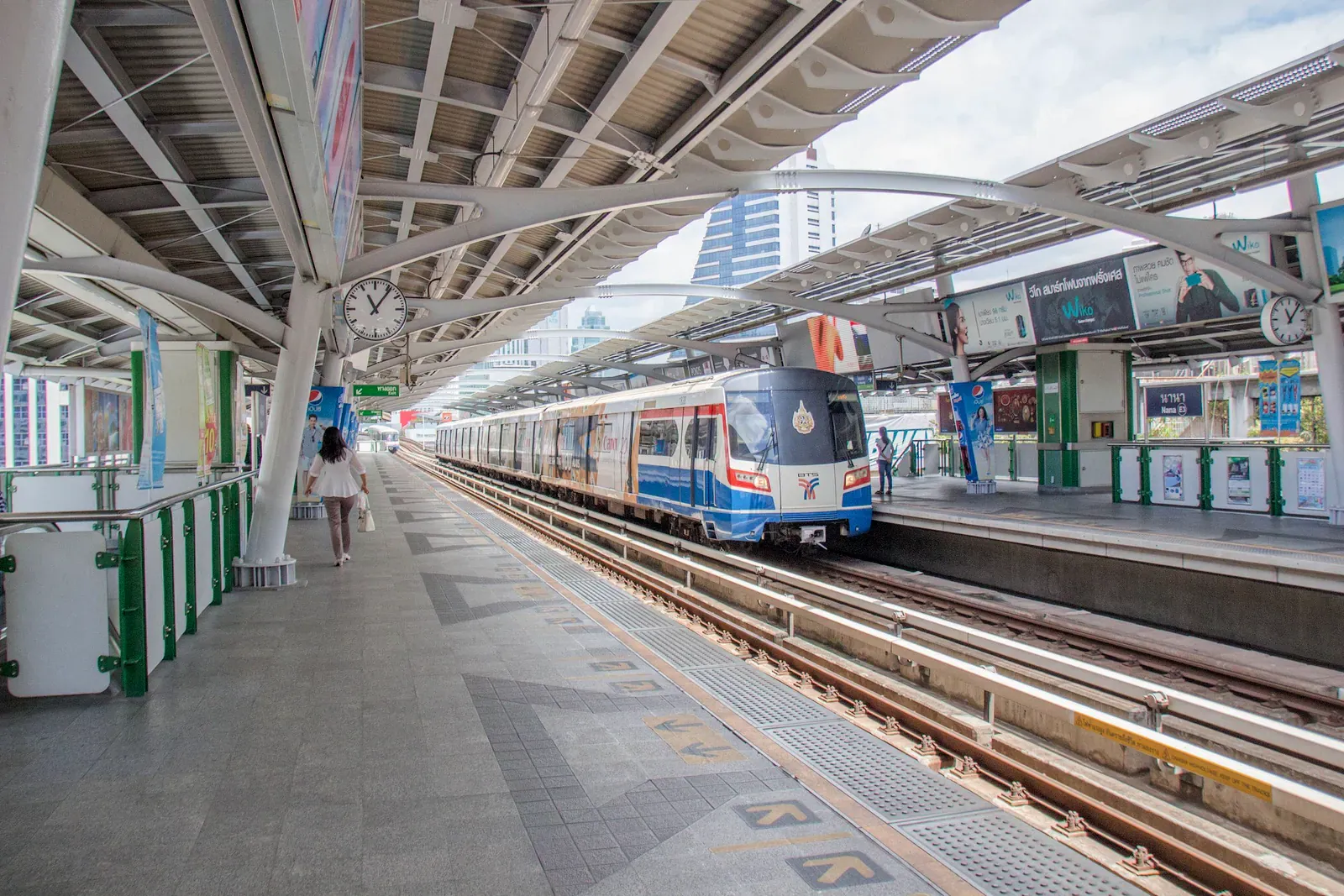
Bangkok is easiest to navigate by transit line, not by district name. Decide first which BTS or MRT line you need to be near for work or study, then shortlist two or three station clusters on it rather than one specific building. This gives you real choice at viewing stage instead of chasing a single listing that may already be gone. A commute of 2-4 stops from your main destination is usually the sweet spot: close enough to save real time, far enough that rent drops noticeably compared with the station right next to your office or school.
Why the same unit shows up at three different prices
It is common to see an identical unit (same floor, same layout) listed at different rents across platforms. A few reasons:
- Direct-from-owner listings are often priced closer to what the owner actually wants, since there is no agent margin baked in.
- Agent listings sometimes carry a slightly inflated asking price, because agents expect negotiation and because their commission is normally paid by the landlord, not the tenant, but that cost can still be reflected in the quoted rent.
- Stale listings that never came down after the market softened, sitting next to a fresher, more accurately priced one for the same unit.
- Seasonal padding, where a unit is listed high at the start of a search and reduced after weeks with no bites.
Treat the first quoted price as a starting point, not a fact. Cross-check a unit’s asking rent against two or three comparable listings on the same floor or in the same building before you decide whether it is fairly priced.
Agents, direct owners, and building-level channels
You have three broad routes into the market, and using more than one at once is normal:
- Agents. A local agent can move fast, has access to units not always listed publicly, and (importantly) is normally paid by the landlord on a successful let, so using one rarely costs the tenant directly. The trade-off is that an agent’s incentive is to close a deal, not to negotiate hardest on your behalf, so verify anything they tell you about the building rather than taking it as final.
- Direct from the owner. Found through general listing sites, condo-specific rental platforms, or word of mouth. Slower to arrange, but with more room to negotiate directly and no middle party shaping what gets said about the unit’s condition.
- Building noticeboards and resident Facebook groups. Many Bangkok condo buildings have an internal noticeboard by the lift lobby, and larger developments often have an active Facebook group for residents where units get posted before they reach public platforms. This channel skews toward owners who already trust the building and want a known-quantity tenant, and it is one of the few ways to hear honestly about a building’s noise, maintenance, or management problems before you sign anything.
Running all three in parallel for two or three weeks gives the widest view of what is actually available at your budget, rather than committing to whatever an algorithm surfaces first.
The viewing: what to check, and in what order
Treat a viewing as an inspection, not a tour. Go in daylight if possible, bring a phone with a signal-strength app, and work through checks in roughly this order so nothing gets missed once you’re distracted by the view:
- Water pressure and hot water. Run the shower and the kitchen tap at the same time if you can. Weak pressure or a slow-heating unit is a daily annoyance that is hard to fix after you move in.
- Aircon age and servicing. Ask when the units were last serviced and how old the compressor is. A unit that struggles to cool a room in the afternoon heat, or drips condensation, points to deferred maintenance.
- Smells and damp. A musty smell, especially near the bathroom or behind furniture, is the clearest sign of a persistent damp problem in Bangkok’s climate, not something that airs out after you move in.
- Window seals, for noise and dust. Bangkok street noise and construction dust are real; check how well the windows seal, especially on lower floors or units facing a main road.
- Mobile signal and wifi at the desk or wherever you’ll actually work, not just standing in the doorway. Concrete-and-steel towers can have dead spots.
- Sockets: count them, check placement relative to where a desk or bed would go, and test a couple with a phone charger.
- Bathroom drainage. Standing water after a shower is common in older units with a worn floor slope: check whether it drains fully within a minute or two.
- Kitchen reality. Many Bangkok condo kitchens have a hob but no oven, and some have neither: building street food culture assumes light cooking at most. If you cook regularly, confirm exactly what’s fitted before assuming.
- Floor level versus noise and lifts. Lower floors catch more street noise; higher floors mean longer lift waits at peak times, especially in large towers with few lifts serving many floors.
- Building facilities you will and won’t use. A pool and gym look good in photos but add to the common fee whether you use them or not: weigh the facility list against your actual habits.
- Juristic-office competence. The juristic person (the building’s management office) handles maintenance requests, parcel deliveries, and common-area upkeep. A disorganised or unresponsive office is a pattern, not a one-off, and it’s worth asking current residents about it if you can.
- The neighbours. Ask the agent or owner directly whether the floor or the unit next door has had noise complaints. It’s a reasonable question and a telling one to watch them answer.
Furnished versus unfurnished
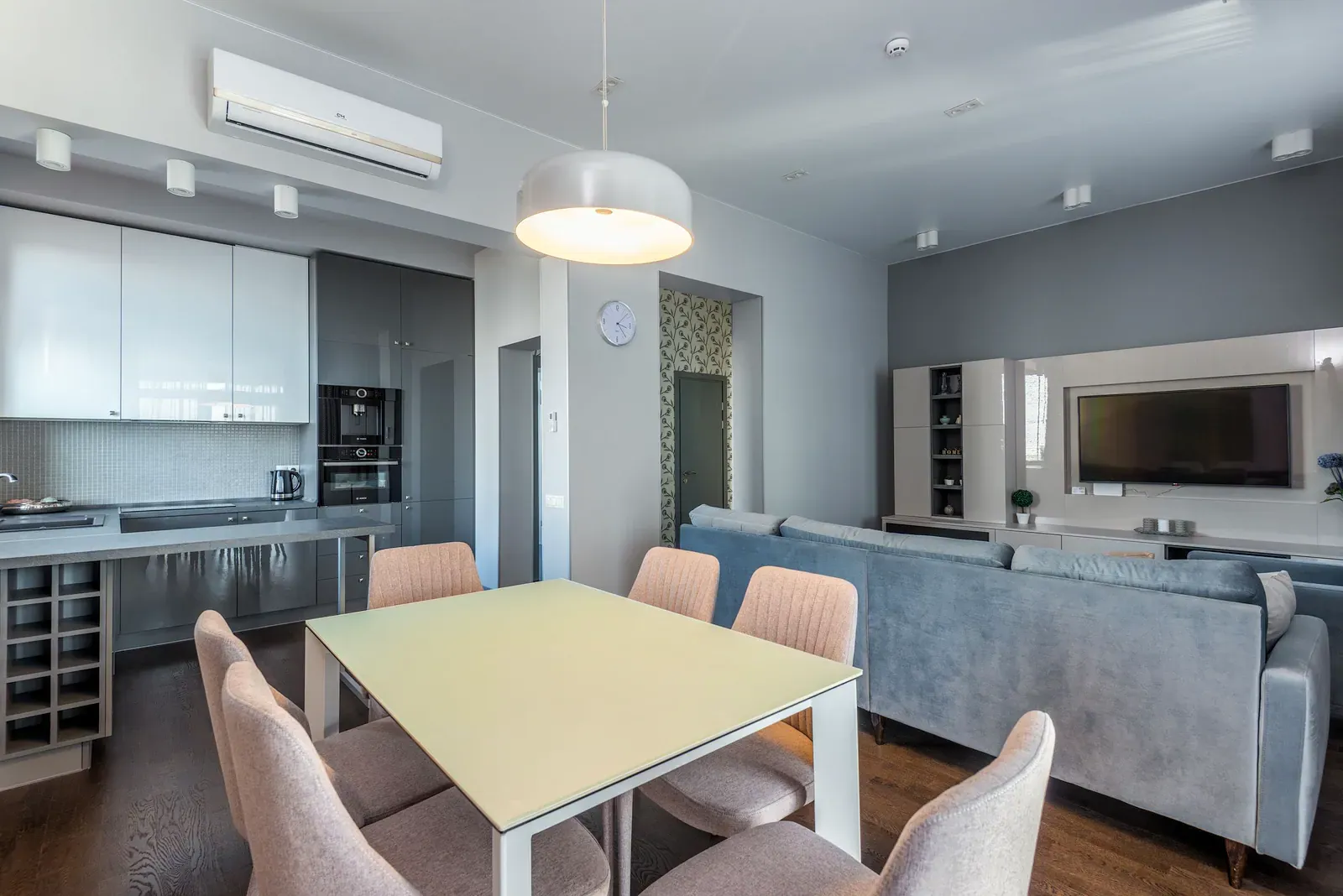
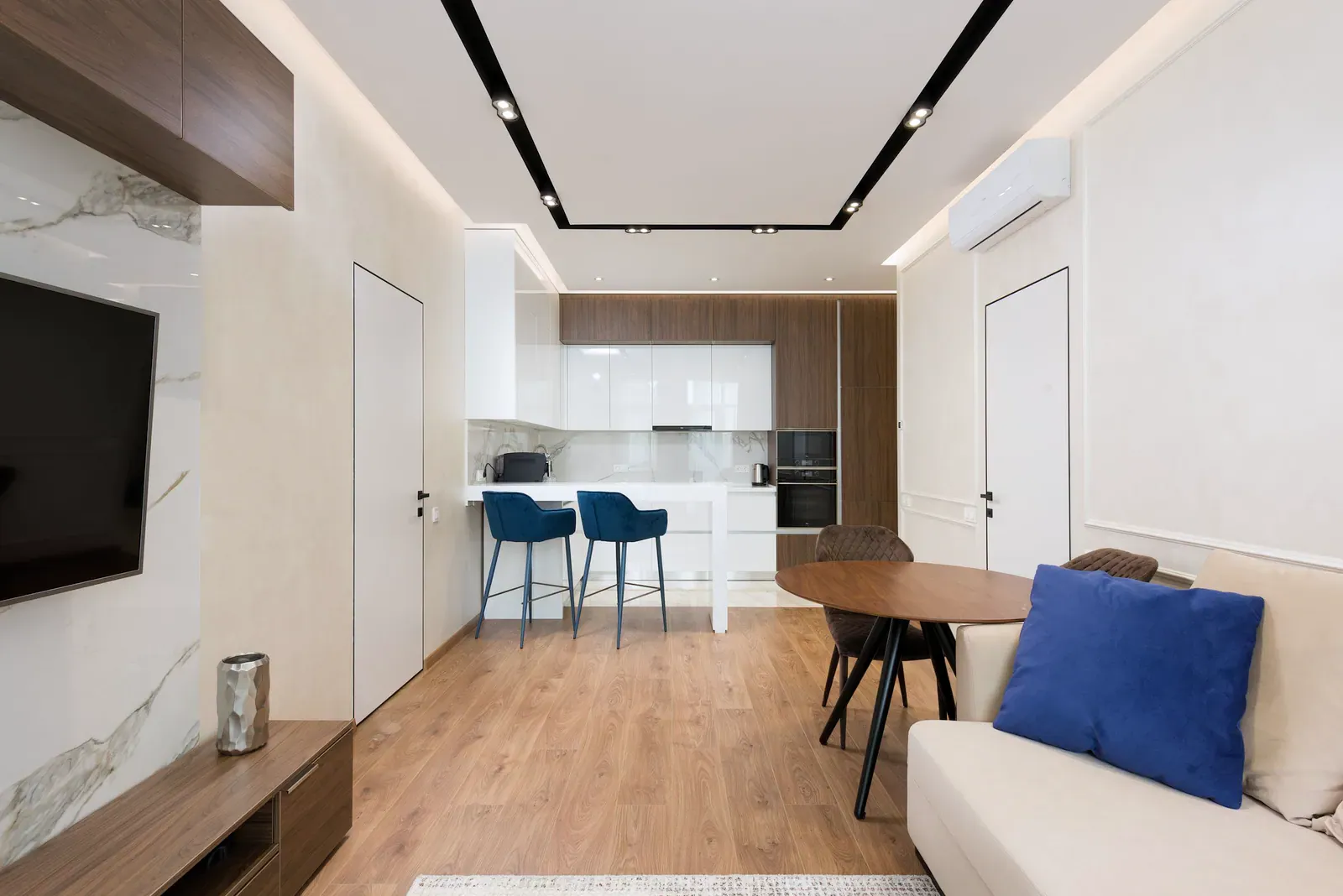
Most Bangkok condo rentals are offered furnished, and “fully furnished” usually means a bed, wardrobe, sofa, dining table, and the major appliances: fridge, washing machine, and often a TV and water heater. It does not always include cookware, bedding, curtains, or small appliances like a kettle or microwave; confirm the exact inventory before signing, ideally as a written list attached to the contract. Unfurnished units are cheaper per month but rare in the mid-range and above, and furnishing one from scratch is a real upfront cost worth weighing against a slightly higher furnished rent.
Negotiating the price
Bangkok’s rental market is negotiable more often than not, particularly outside peak demand periods and for units that have sat listed for more than a few weeks. A 5-10% reduction on the asking rent is a reasonable opening ask, more if you can offer a longer lease term or pay several months upfront. Landlords also sometimes prefer a known-good tenant profile (stable income, willingness to sign a full year) over squeezing the last few hundred baht, so a straightforward, well-prepared offer often works better than aggressive haggling.
The condition report and the timeline to keys
Before you hand over money, walk the unit with the landlord or agent and produce a written, dated condition report (ideally with photos or a short video) covering existing scuffs, appliance function, and furniture condition. This document is your main protection when the deposit is assessed at move-out; without it, disputes default to the landlord’s word against yours. See rental contracts and deposits for how this report is used when a deposit is withheld.
A typical timeline from a good viewing to keys in hand is one to two weeks: verbal agreement, contract review, deposit and advance payment, condition report, and key handover, roughly in that order. Rushing this (signing and paying on the same day as the first viewing) is where most regretted decisions happen.
Old apartment buildings versus new condos
Bangkok’s rental stock splits broadly into older, low-rise apartment buildings (sometimes without a juristic-office structure or condo-title ownership) and newer condominium developments with full facilities and formal management. Older buildings tend to be cheaper, more flexible on lease length, and sometimes more tolerant of month-to-month arrangements, but with fewer facilities, older wiring and plumbing, and management that ranges from excellent to absent. Newer condos offer more predictable maintenance, a proper juristic office, and amenities, at a real premium reflected in both rent and the monthly common fee. Neither is categorically better: the right choice depends on how much you value facilities and formal management against flexibility and price.
What foreigners specifically need to get right
Foreign tenants can rent condos in Bangkok freely: there is no restriction on foreigners leasing residential property, unlike the caps that apply to condo ownership. Three things are worth getting right from the start:
- Passport and visa status. Landlords and agents will usually ask to see your passport and current visa or entry stamp before signing; keep a copy ready.
- The landlord’s reporting duty. Thai law requires the person who owns, occupies, or manages a residence to notify immigration when a foreigner moves in, within a short window of arrival. This is the landlord’s legal responsibility, not yours, but in practice you often need proof it was filed when you later apply for a visa extension or file a 90-day report. Ask directly whether the landlord or the building’s juristic office handles this routinely: an experienced Bangkok landlord usually does.
- Keep your own paper trail. Copies of the signed contract, the condition report, and proof of rent and deposit payments protect you if a dispute arises later, foreign tenant or not.
Common questions
How much notice do I need to give before moving out?
Standard Thai leases typically require 30 days’ written notice before the end of a fixed term if you don’t intend to renew, and longer notice (often 60 days) if you want to break the lease early under a break clause. Check the exact figure in your contract rather than assuming a default.
Do I need a Thai guarantor to rent a condo?
No. Foreign tenants renting condos in Bangkok almost never need a local guarantor; the deposit and advance rent serve as the landlord’s security instead.
Can I rent a condo without visiting Bangkok first?
It’s possible through an agent and video viewings, but riskier: you lose the ability to check water pressure, smells, noise, and signal in person. If you must, ask for a live video walkthrough covering the checklist above, and keep the lease term short enough to move if the unit disappoints.
Is it normal to pay rent in cash?
Bank transfer is now the norm for monthly rent in most Bangkok rentals, and many landlords prefer it for their own record-keeping. Cash is still accepted in some older buildings, but always get a signed receipt regardless of payment method.
What’s a fair common fee, and who pays it?
Common fees (for building upkeep, security, and shared facilities) are set per square metre by the juristic office and are normally the landlord’s responsibility as owner, not the tenant’s, unless your contract states otherwise: confirm this explicitly before signing.
Written by
Mike Brochlowski
Founder and editor, travel photographer and designer
I'm Mike Brochlowski, a travel photographer and designer, and I currently live on Koh Samui, Thailand. I built BangkokWiki to put practical, checked information about Bangkok in one place. Every page is researched from official and primary sources, and the text names them. Where a page shows a checked date, that is when its facts were last confirmed. I also run samui69.com, a non-commercial guide to Koh Samui. If you spot an error or something out of date, tell me through the contact page and I will check it and correct the page.
Read all articles
Visas and paperwork
Staying in Thailand longer?
Visas, extensions, documents and banking for longer stays. Rules and fees change often and offices apply them differently, so check the official source before you act.

Places to stay
Find a hotel
Explore the other desks
More from Living
- 9 min read
 6 min read
Furnished vs Unfurnished in Bangkok: The Breakeven Math
 11 min read
Condo vs House vs Townhouse: Renting Right in Bangkok

Newsletter
You're subscribed as