Things to do
Bangkok Rainy Day Activities: A City Built for the Wet
How Bangkok's rainy season actually works and where to go when it hits: the indoor mall spine, museums, markets under cover, and a full rainy-day itinerary.
At a glance
- Reading time
- 10 min read
- Chapters
- 21
- Published
- Sep 20, 2026
On this page
Rain in Bangkok is a scheduling problem, not a trip-ruining one. The wet season’s downpours tend to be intense but short, arriving in the afternoon more often than not, and the city’s rail-and-mall network means you can cross large parts of central Bangkok without stepping outside at all. This article covers how the rain actually behaves, then the indoor spine and activity list that makes a wet day work, then the practical craft (footwear, taxis, what actually closes), and closes with a full itinerary.
If you’re planning a longer visit and want the dry-day version of this trip, see 3 days in Bangkok; for zero-cost options that also happen to be mostly indoors, see free things to do in Bangkok.
How Bangkok’s rain actually behaves
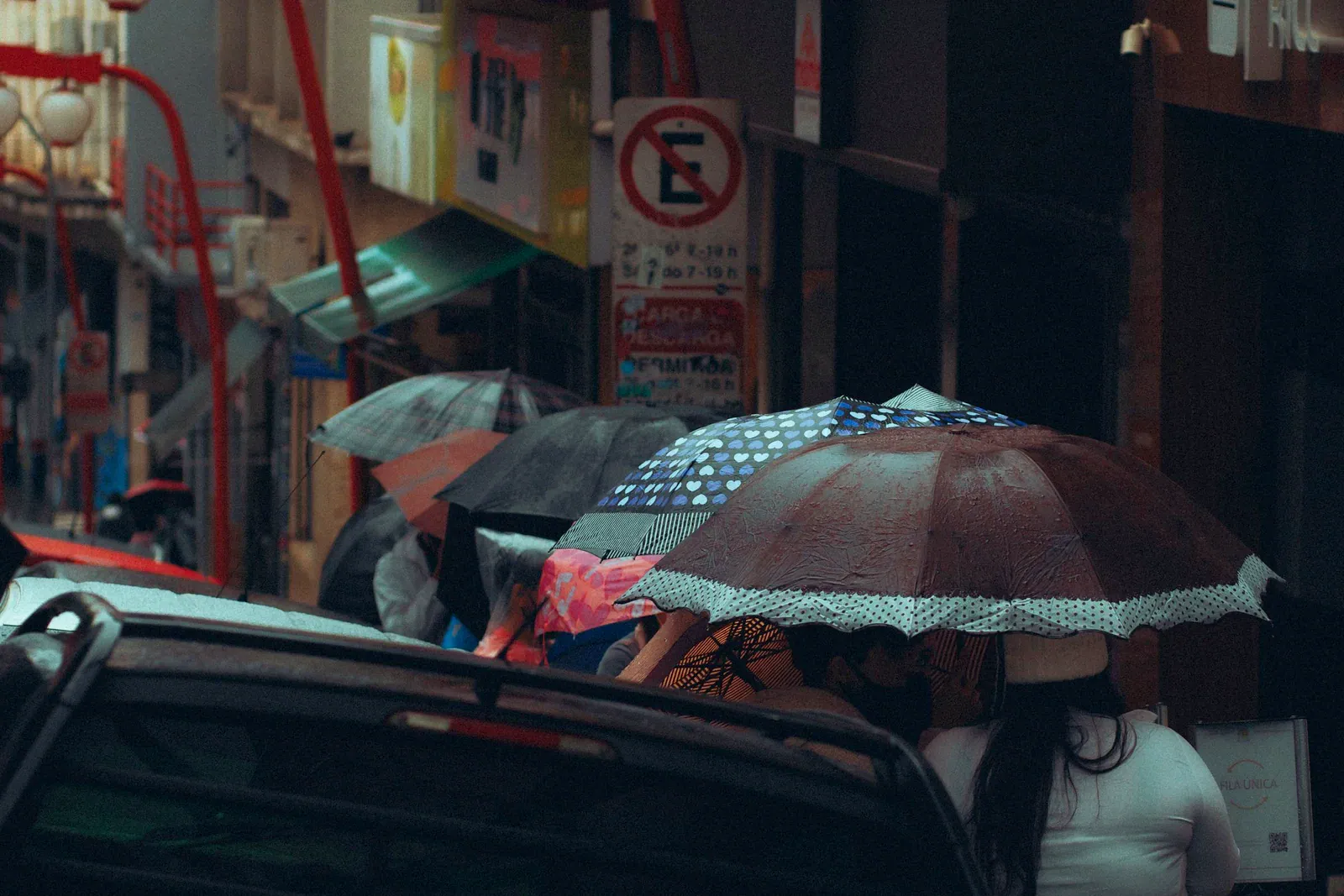
Thailand’s rainy season runs roughly from May through October, with the heaviest and most frequent rain typically in September. Within that window, the classic pattern is a clear or partly cloudy morning followed by a build-up of heat and humidity, then an intense afternoon or early-evening downpour that can last anywhere from twenty minutes to a couple of hours before clearing. All-day, continuous rain happens but is less common than these concentrated bursts: check a live radar app rather than assuming either pattern on a given day.
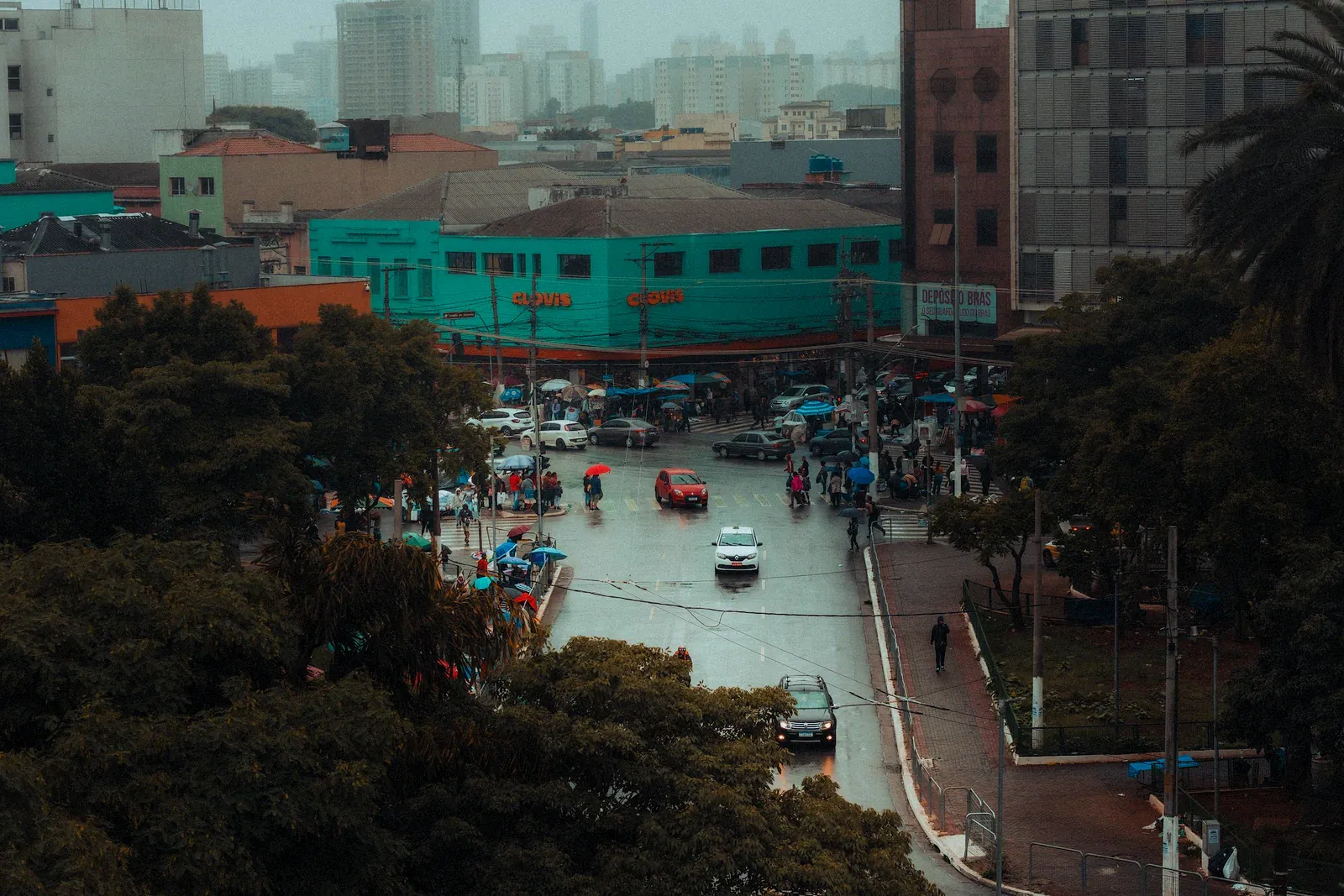
Streets flood fast because the rain is heavy and the drainage in parts of the city struggles to keep up, particularly in low-lying sois and around major intersections. The water usually drains within an hour or two of the rain easing, though a very heavy storm can leave standing water on some streets for longer. This is exactly why Bangkok’s answer to its own weather (an elevated rail network and a connected system of skywalks and mall interiors) matters more here than in a drier city: you can plan a day that simply routes above and around the parts of the street level that flood.
The connected indoor spine
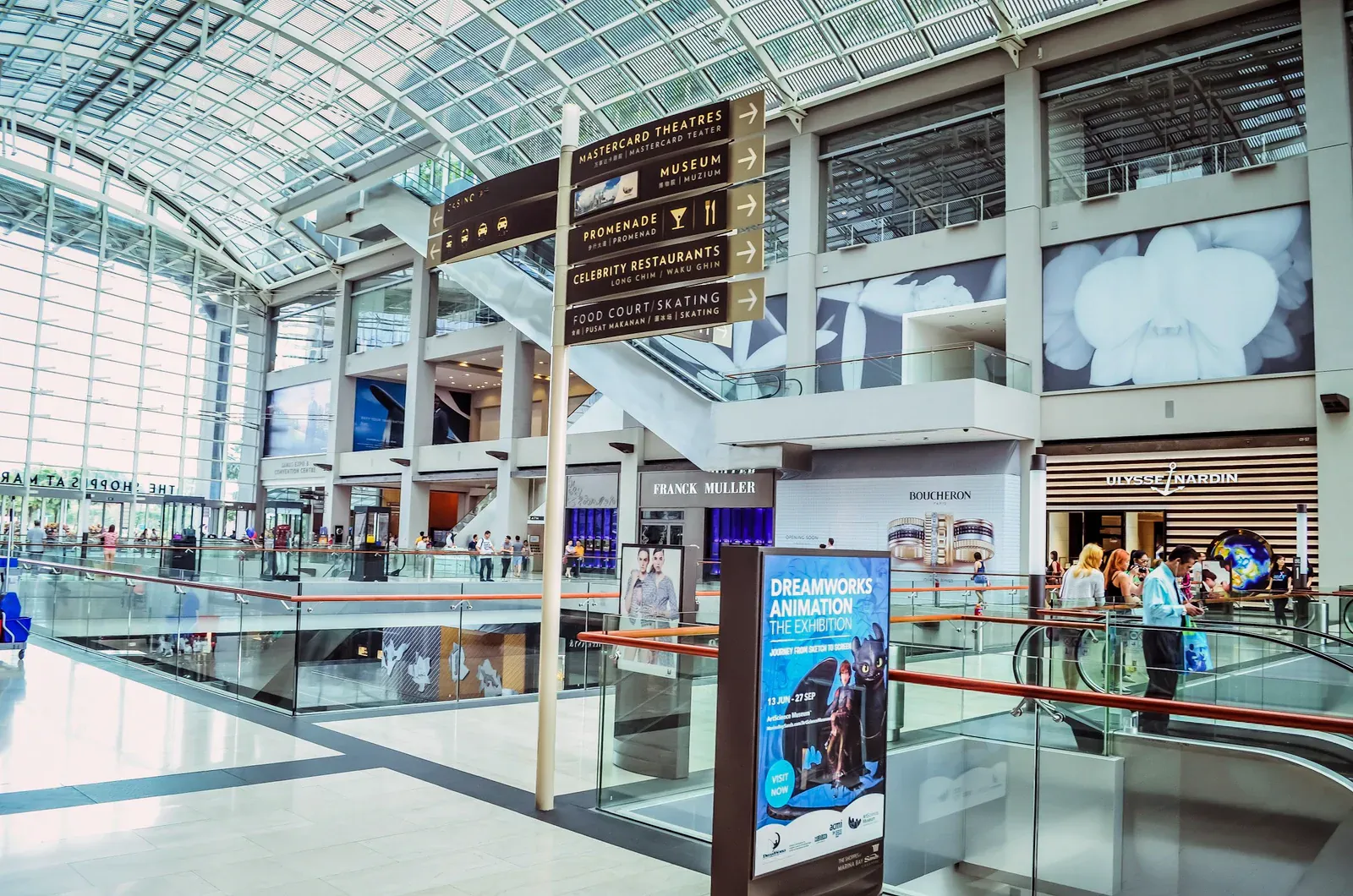
The core of a rainy-day plan is the cluster of BTS-connected malls and skywalks around Siam (Siam BTS), which lets you move between Siam Paragon, Siam Center, Siam Discovery and onward toward MBK and Central World largely under cover, with the elevated Skytrain itself keeping you dry on the connecting hop. A similar, smaller version exists around Asok/Sukhumvit and around Silom/Sathorn, where mall and office-tower lobbies connect to BTS or MRT entrances. None of these systems are a single seamless tunnel end to end (expect short outdoor stretches between some buildings), but they cut your rain exposure to a few short dashes instead of a whole wet walk.
Museums and galleries
Bangkok Art and Culture Centre (BACC), at National Stadium BTS, is fully indoor, free to enter, and built around a tall spiralling atrium that’s worth the visit even between exhibitions. Jim Thompson House, a short walk or ride from Siam, has covered walkways between its teak buildings and works well in lighter rain, though a genuine downpour will still mean some exposure crossing the garden. The National Museum and several smaller specialist museums around the old town are fully indoor options, though they sit further from the BTS/MRT network, so factor in a wetter approach or arrival by taxi. For a very different museum, see our Siriraj medical museums guide.
Cinemas
Bangkok’s cinema chains, concentrated in the big malls, are a reliably comfortable rainy-afternoon option, with English-language films usually screening with Thai subtitles rather than dubbing: worth confirming per film if that matters to you. A cinema visit also solves the “what do we do for three hours while it pours” problem better than almost anything else on this list.
Markets under cover
Not every Bangkok market is an open-air, rain-exposed affair. Talad Rot Fai and several night-market venues have significant covered sections. Indoor food courts and market-style food halls inside malls (Siam, Central World, and others) give you the market atmosphere and street-food-style variety without any rain exposure at all. Chinatown’s Yaowarat Road stalls are mostly open-air and genuinely miserable in a downpour, so treat that as a clear-evening plan rather than a wet-day one.
Food halls and cooking classes
Mall-based food halls double as a full meal and an hour of shelter, and are worth treating as a destination rather than just a stop. Cooking classes, many run from indoor kitchen studios, are a good structured way to spend three or four hours of a washed-out afternoon or morning: book ahead, since good ones fill up regardless of weather.
Spas and massage
A rainy afternoon is close to the ideal excuse for a proper Thai massage or spa session. Options range from simple street-side massage shops, many attached to a covered shopfront, up to full hotel spas. Traditional Thai massage involves stretching and pressure rather than oil in most cases: ask if you’d prefer an oil massage instead, since not every shop offers both.
Swimming and indoor sport
Hotel pools are usually covered enough, or heated enough in temperature terms, that light rain doesn’t rule out a swim, though a lightning-heavy storm is a reasonable reason to get out of any pool. Indoor sport centres, badminton and futsal courts, and climbing gyms exist across the city and make a good active option when the outdoors is a write-off, particularly for families with energetic kids who need to burn off pent-up energy.
Arcades and bowling
Mall-based arcades and bowling alleys are an easy, kid-friendly, fully indoor few hours, usually found in the same malls as the cinemas, so the two combine well into a single wet-afternoon plan without needing to move buildings. For more ideas, see our guides to go-karting in Bangkok, Madame Tussauds Bangkok and Jurassic World Bangkok.
Bookshops and cafés built for sitting out a storm
Bangkok’s better independent cafés, particularly in areas like Ari and around the Siam and Thonglor malls, are genuinely comfortable places to wait out an hour of rain with a coffee and no pressure to move on. A handful of large bookshops, some inside the bigger malls, serve the same purpose with the added benefit of English-language stock.
The rooftop plan B
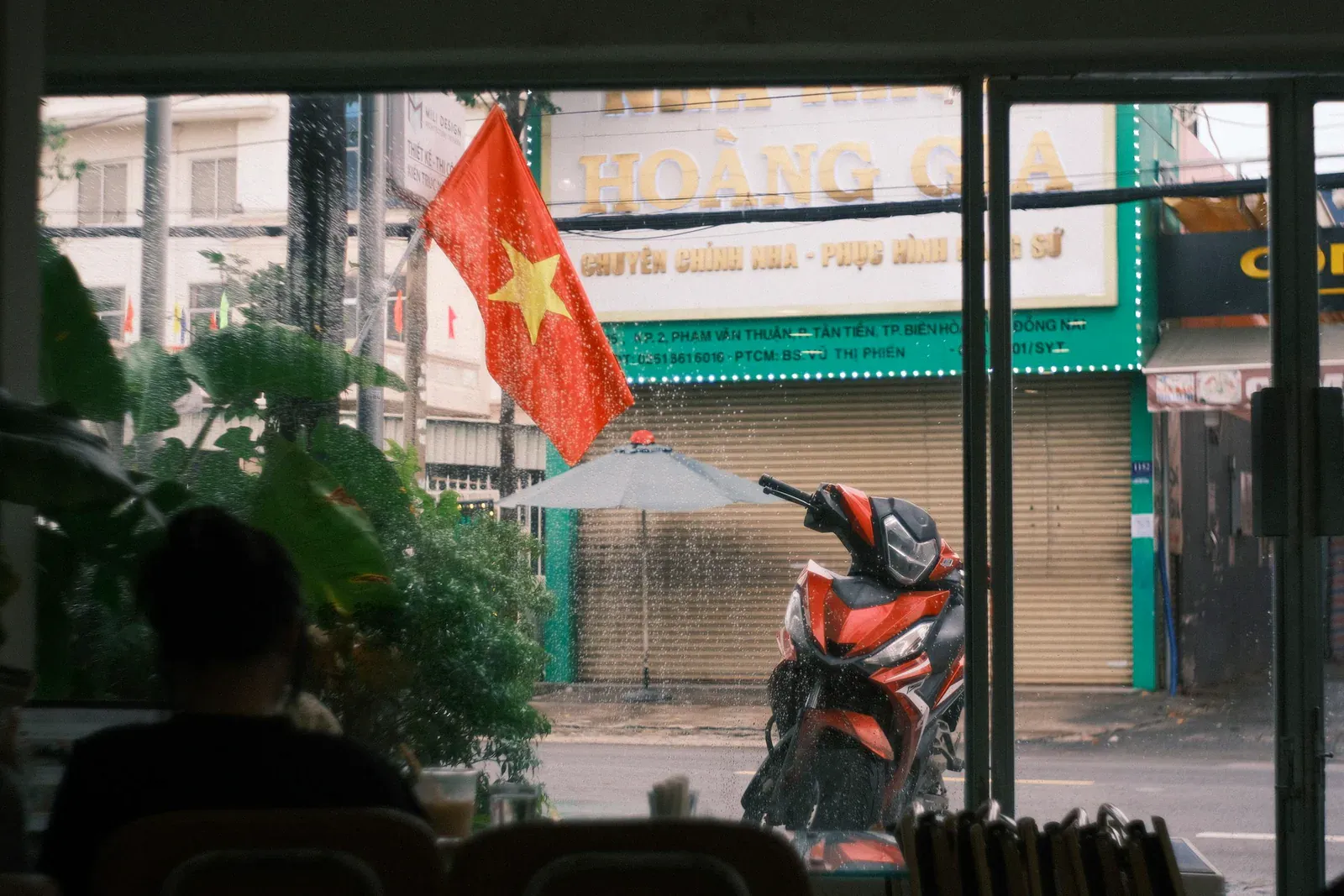
Rooftop bars are the one category on this list that rain genuinely closes, at least the outdoor-seating sections: check whether a specific venue has covered or indoor seating before heading up in uncertain weather, since some do and some don’t. If your evening plan was a rooftop and the forecast looks bad, have an indoor bar or restaurant with a view as backup rather than discovering the rooftop is a washout on arrival.
What to wear and carry
A compact umbrella beats a poncho for Bangkok’s short, intense bursts, since ponchos trap heat badly in the humidity between showers. A dry bag or a simple plastic bag for your phone and wallet is worth carrying through the wet season regardless of the forecast, since a sudden downpour gives you almost no warning. Quick-dry clothing matters more than genuinely waterproof clothing, because you will get partially wet at some point and the humidity means cotton stays damp for hours.
Footwear that survives a flooded pavement
Closed shoes that trap water are worse than open sandals in genuinely flooded conditions: a shoe full of standing water for hours is more uncomfortable and more prone to fungal issues in this climate than a sandal that dries in minutes. Many locals switch to simple rubber sandals specifically for the wettest weeks of the season. Bring a pair you don’t mind getting wet, and save the “nice” shoes for indoor days.
Getting a taxi when everyone wants one
Taxi and ride-hailing demand spikes hard the moment rain starts, and availability drops just as fast: expect longer waits and surge pricing on ride-hailing apps during and right after a downpour. Booking or hailing before the rain actually starts, if you can see it coming on radar, beats trying to find a ride once the street is already flooding. The BTS and MRT are immune to this problem entirely, which is the strongest practical argument for building a rain-day plan around the rail network rather than the road.
Why motorbike taxis stop
Motorbike taxi riders, who normally fill gaps in Bangkok’s traffic that a car or taxi can’t, generally stop working or reduce service sharply in heavy rain, for the obvious safety reason. Don’t count on a motorbike taxi as your rain-day backup plan; it’s usually the first option to disappear, not the last one standing.
Reading the sky and the radar habit
Locals and long-stayers develop a habit of checking a live rain radar app rather than a general forecast, because Bangkok’s rain is localised: one neighbourhood can be in a downpour while another a few kilometres away stays dry. A darkening sky to the direction the wind is blowing from is a reasonably reliable few-minutes warning if you don’t have a radar app open, but the app is more reliable than the sky for planning an hour ahead.
Families with small children
Malls solve a surprising amount of the rainy-day-with-kids problem in one building: food court, cinema, arcade, and often an indoor play area or the aquarium at Siam, all reachable without going outside. Cooking classes and craft-style activities aimed at families exist at some venues and are worth booking ahead for a guaranteed indoor few hours. Keep a change of clothes in the bag regardless of the plan: kids and puddles find each other.
What actually closes in heavy rain
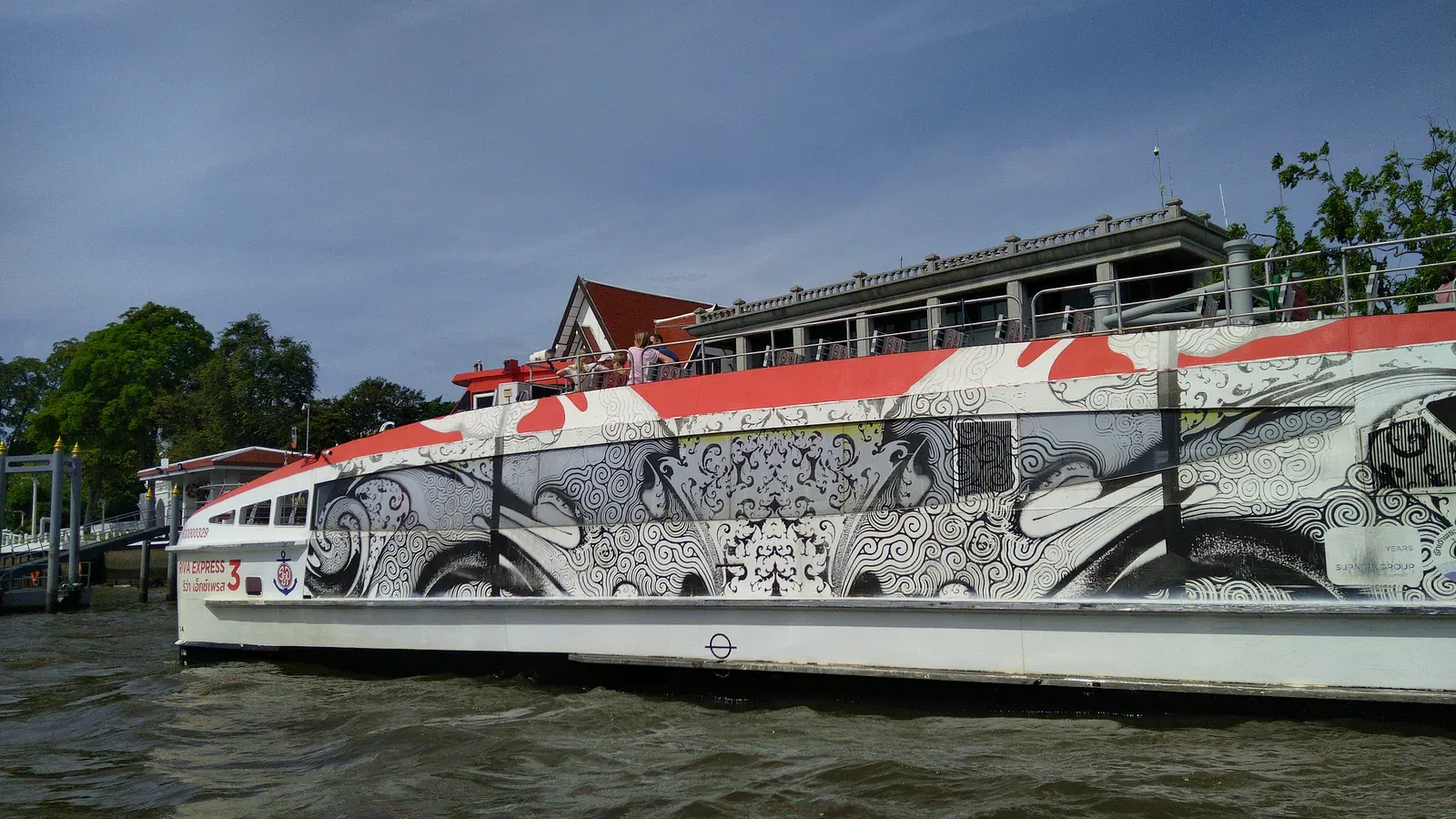
Open-air markets, rooftop-only bars, outdoor sections of temples and palace grounds, and boat services on the smaller canals are the categories most likely to pause, close early or become unpleasant in a genuine downpour. The Chao Phraya Express Boat generally keeps running through ordinary rain, though very severe weather can affect river services: check current conditions rather than assuming continuity in an unusually bad storm. Most malls, museums, cinemas and covered markets are unaffected regardless of how hard it’s raining outside.
Flood-prone spots to avoid walking through
Low-lying sois away from main drainage lines, areas near canals during a heavy or prolonged storm, and some older parts of the old town with less modern drainage are the classic spots where standing water lingers longest. If a street ahead already has ankle-deep water and no clear path around it, backtrack and find a route via a main road rather than pushing through: you can’t judge what’s under the water (open drain covers are a real hazard) and a parallel route is usually available.
A rainy-day itinerary that works end to end
Morning: start indoors regardless of the forecast: a mall-based breakfast or café near Siam, then Jim Thompson House or BACC once you’ve checked the radar for a dry-enough window for the short outdoor stretches between buildings.
Midday: food hall lunch inside the same mall cluster, then a cinema screening or a spa/massage session timed to run through the worst of any afternoon downpour: this is the exact window Bangkok’s rain is most likely to hit.
Afternoon: if the rain has cleared, a covered market or a bookshop-and-café stretch; if it’s still coming down, stay in the mall cluster with an arcade or bowling session, or extend the spa visit.
Evening: check whether your planned rooftop has covered seating; if not, switch to an indoor restaurant with a view, or head to a covered food market for dinner. Book a ride-hailing car before you leave rather than trying to hail one on a wet street corner.
This whole day is buildable entirely around the BTS and a handful of connected buildings near Siam, which is the point: on a genuinely wet day, staying close to the rail-and-mall spine beats trying to cover ground across the city.
Common questions
When is Bangkok’s rainy season?
Roughly May through October, with September typically the wettest month. Rain usually arrives as an intense afternoon or early-evening downpour rather than as continuous all-day rain, though both patterns occur. For month detail, see our guides to Bangkok in April and May, Bangkok in June and July and Bangkok in September.
Does rain ruin a Bangkok trip?
No. The city’s elevated rail network and connected mall system mean a wet day can be spent almost entirely under cover, and most rain clears within an hour or two, leaving the evening free.
Is it safe to walk through flooded Bangkok streets?
Light flooding is a normal, temporary nuisance, but avoid wading through deeper standing water where you can’t see the ground: open drain covers and debris are a genuine hazard. Backtrack to a main road if a soi ahead looks badly flooded.
What should I wear in the rainy season?
Quick-dry clothing, a compact umbrella rather than a poncho, and shoes or sandals you don’t mind getting wet. A dry bag or sealed plastic bag for your phone is worth carrying at all times during these months.
Can I still get a taxi in the rain?
It gets harder: demand spikes and motorbike taxis often stop running. Book a ride-hailing car before the rain starts if you can see it coming, or head for the nearest BTS or MRT station instead.
What indoor activities work well for a family on a rainy day?
Mall clusters around Siam combine a food court, cinema, arcade and sometimes an aquarium or play area in one building, which covers most of a rainy day without ever going back outside.
Written by
Mike Brochlowski
Founder and editor, travel photographer and designer
I'm Mike Brochlowski, a travel photographer and designer, and I currently live on Koh Samui, Thailand. I built BangkokWiki to put practical, checked information about Bangkok in one place. Every page is researched from official and primary sources, and the text names them. Where a page shows a checked date, that is when its facts were last confirmed. I also run samui69.com, a non-commercial guide to Koh Samui. If you spot an error or something out of date, tell me through the contact page and I will check it and correct the page.
Read all articles
Where to stay
Pick the area before the hotel
Traffic and heat make Bangkok distances feel longer than they look on a map, so the area shapes a trip more than the hotel does. Our guides match areas to trip types and explain the trade-offs.

Places to stay
Find a hotel
More from Things to do
- 10 min read
 9 min read
Bangkok Must-Do Experiences, Scored by Time, Cost, Crowd
 7 min read
Budget Things to Do in Bangkok: What Actually Costs Money

Newsletter
You're subscribed as