Travel
A Cruise Passenger's Day in Bangkok: The Real Time Budget
What a Bangkok port call from Laem Chabang actually allows: transfer time, DIY vs tour costs, a realistic route, and the missed-ship risk, with no tour to sell.
At a glance
- Reading time
- 10 min read
- Chapters
- 12
- Published
- Oct 21, 2026
On this page
Short version: a Bangkok “port day” is really a transfer day with a few hours of sightseeing attached. Most cruise ships calling at Bangkok actually dock at Laem Chabang, roughly 80 to 125 km southeast of the city depending on the route, and the round trip alone can eat 3 to 5 hours of a typical 10 to 11 hour call, before you’ve seen a single temple. This guide is built entirely around that time budget: what it actually leaves you, whether to DIY or book a tour, and how to avoid the one mistake that actually ruins a cruise, missing the ship.
Nothing here is sold by a tour operator and nothing here recommends one. For the itinerary logic behind a single day of Bangkok sightseeing once you’ve accounted for transfer time, see one day in Bangkok; if you end up doing your own transport into the city, see Bangkok without a taxi for the public-transport options once you arrive.
The short answer
If your ship gives you a genuine 10 to 11 hour window at Laem Chabang, plan on roughly 4 to 5 hours actually available in Bangkok itself, after transfer time in both directions and a sensible buffer before the ship’s all-aboard time. That’s enough for one, maybe two, major sights done properly, not a checklist. Anyone promising a full Grand Palace, Wat Pho, Chinatown and river-cruise day from Laem Chabang in that window is compressing the schedule harder than traffic usually allows.
Where your ship actually docks
“Bangkok” as a cruise port almost always means Laem Chabang, a deep-water container and cruise terminal in Chonburi province, not a Bangkok address. It’s the terminal large modern cruise ships use because of its depth and berth capacity. A much smaller number of smaller ships dock instead at Bangkok Port, also called Khlong Toei, roughly 8 km from the city centre and under 30 minutes’ drive: a completely different time budget, covered near the end of this guide.
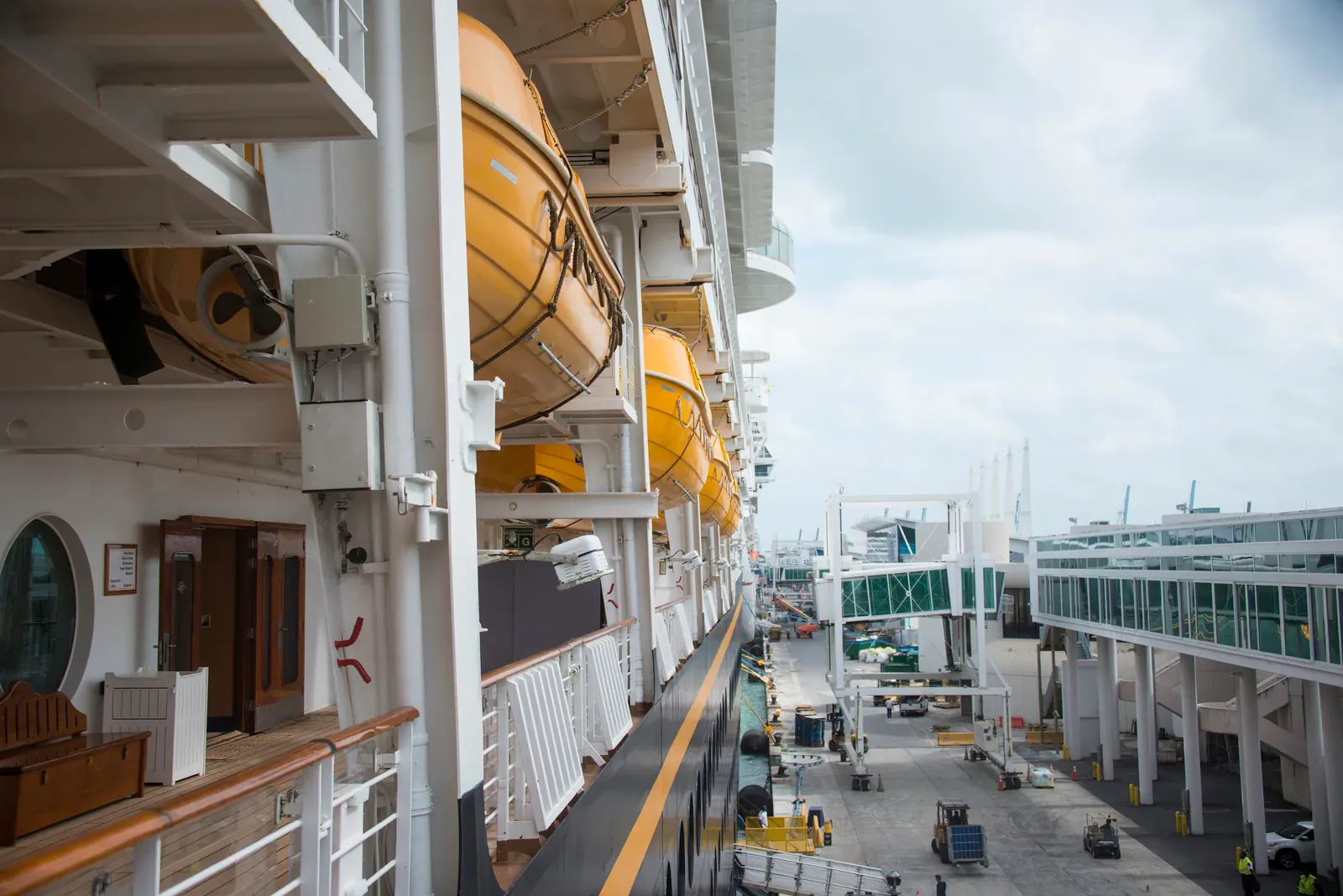
Check your cruise documents for the actual terminal name before assuming either applies. If it says Laem Chabang International Terminal or LCB, the rest of this guide is written for you directly.
Laem Chabang itself is a working container port as well as a cruise terminal, with more than one passenger building depending on which berth your ship is assigned. Most ships run a short shuttle from the ship’s gangway to the main terminal building, where pre-booked drivers and tour groups typically wait; independent passengers without a pre-arranged pickup are the ones who end up stuck, since the port itself has little in the way of on-site transport options beyond what’s been booked in advance.
Booking your transfer or tour in advance
Whichever option you choose, book it before you sail, not once you’re on board. High season (roughly November to February, when the largest number of ships call at Laem Chabang) sees transfer companies and small-group tours sell out days or weeks ahead. A few practical points worth confirming with whoever you book:
- The exact pickup point at the terminal, by name, not just “Laem Chabang port.”
- The driver’s or guide’s name and a working phone number, ideally one that works locally without roaming charges.
- Whether the price already includes the port entry or parking surcharge some operators add separately.
- What happens if the ship’s schedule changes; a reputable transfer company will already track arrival times, but it’s worth asking directly rather than assuming.
- For organised tours specifically, whether there’s any stated policy on delays getting you back to the ship late, sometimes described loosely as a “late return guarantee.” Read the actual wording rather than the marketing summary, since coverage varies a great deal between operators.
The transfer, honestly
Laem Chabang to central Bangkok runs roughly 1.5 to 2 hours by road in good conditions, and real-world reports of 2 to 2.5 hours in traffic are common, particularly on the Bangkok end of the route during the working week (checked September 2026, multiple transfer-operator and traveller sources). That’s one way. Budget the return trip taking just as long, sometimes longer, since it typically lands during the afternoon traffic build-up rather than the morning’s relatively clear roads.
A private transfer one way commonly runs from around 2,000 THB (~60 USD, checked September 2026) upward depending on vehicle size, with some operators adding a surcharge of roughly 400 THB for pickup directly at the cruise terminal rather than the port gate. Treat these as dated planning figures, not fixed prices; confirm the current rate with whichever operator or driver you book.
How much of your day the transfer eats
For a typical 10-hour Laem Chabang port call, here’s an editorial breakdown of where the hours actually go, based on the transfer times and buffer guidance above rather than a fixed timetable, since exact figures vary by ship and traffic:
- Transfer to Bangkok
- roughly 2 hr
- Time actually in Bangkok
- roughly 5 hr
- Return transfer plus safety buffer
- roughly 3 hr
Source: Editorial estimate from transfer-time and all-aboard buffer guidance, checked September 2026
That middle bar, roughly five hours, is the real planning number. It has to cover getting from your drop-off point to your first sight, the sight itself, moving to a second one if you attempt it, and getting back to your pickup point with margin. Five hours sounds generous until you subtract Bangkok traffic inside the city as well as on the highway to and from the port.
DIY or book a tour
Both options work; they trade cost against risk and control differently, and the right choice depends mostly on how comfortable you are managing your own return-time buffer.
| Factor | DIY (self-booked transfer) | Organised shore excursion |
|---|---|---|
| Typical cost | Roughly 4,000 to 5,000 THB (~115 to 145 USD) round trip for a private car, checked September 2026 | Roughly 250 to 280 USD per person for a full-day tour with guide and entrance fees; per-person cost drops on a shared 2-person minivan booking |
| Schedule control | Full control over route and timing | Fixed itinerary, fixed return time |
| Missed-ship risk | You own the buffer entirely; a delayed driver is your problem | Cruise-affiliated tours often build in more slack and may coordinate with the ship if delayed |
| Language and logistics | You handle everything, including port access | Operator handles port access, parking and entrance tickets |
| Best for | Confident independent travellers, smaller budgets | First-time visitors, larger groups, anyone who wants the buffer managed for them |
Neither option is objectively safer against a missed ship; a self-booked driver who understands Laem Chabang’s port procedures can be just as reliable as a shore excursion, and a badly run tour can run late too. The difference is who is responsible for the buffer. Either way, the transfer itself is the largest single cost of the day; for context on typical in-city spending once you arrive, see Bangkok on a budget.
Can you just hail a taxi at the port?
No, not reliably. Public taxis and ride-hailing vehicles are generally not permitted to enter the Laem Chabang terminal area without prior arrangement, so turning up at the gate expecting to flag down a cab is a common and avoidable mistake. Pre-book a driver, a transfer company or a tour before you leave the ship; don’t plan around finding transport on the day.
A realistic half-day route
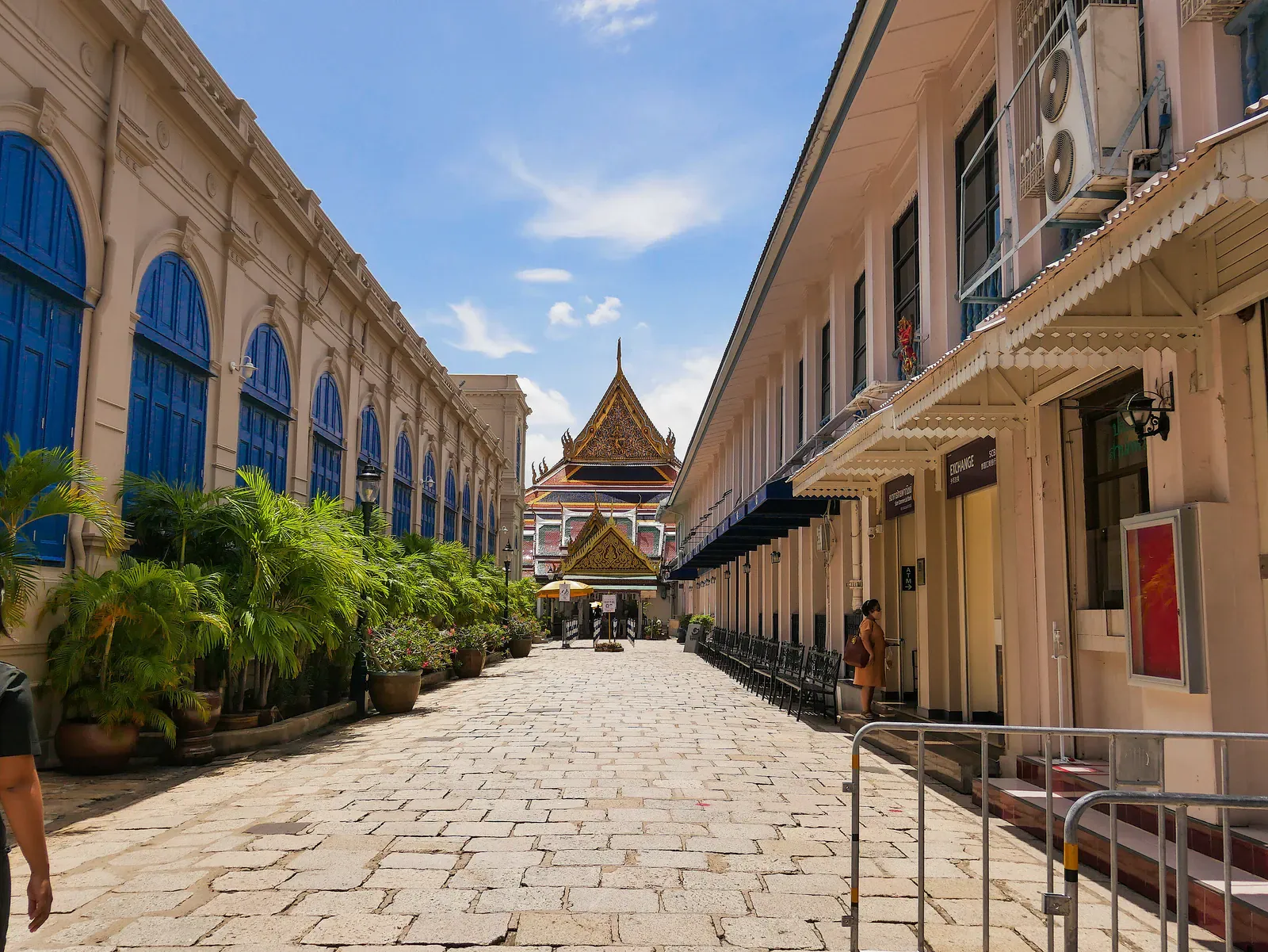
With roughly five hours in the city, area-clustering beats a checklist. The old town river cluster, Grand Palace and Wat Phra Kaew (daily 08:30 to 16:30, last entry 15:30) plus Wat Pho next door, both walkable from the same drop-off point near the river, is the single highest-value pairing for a first and possibly only Bangkok visit. Skip anywhere that requires a second long taxi ride across the city; the transfer time budget above doesn’t leave room for it.
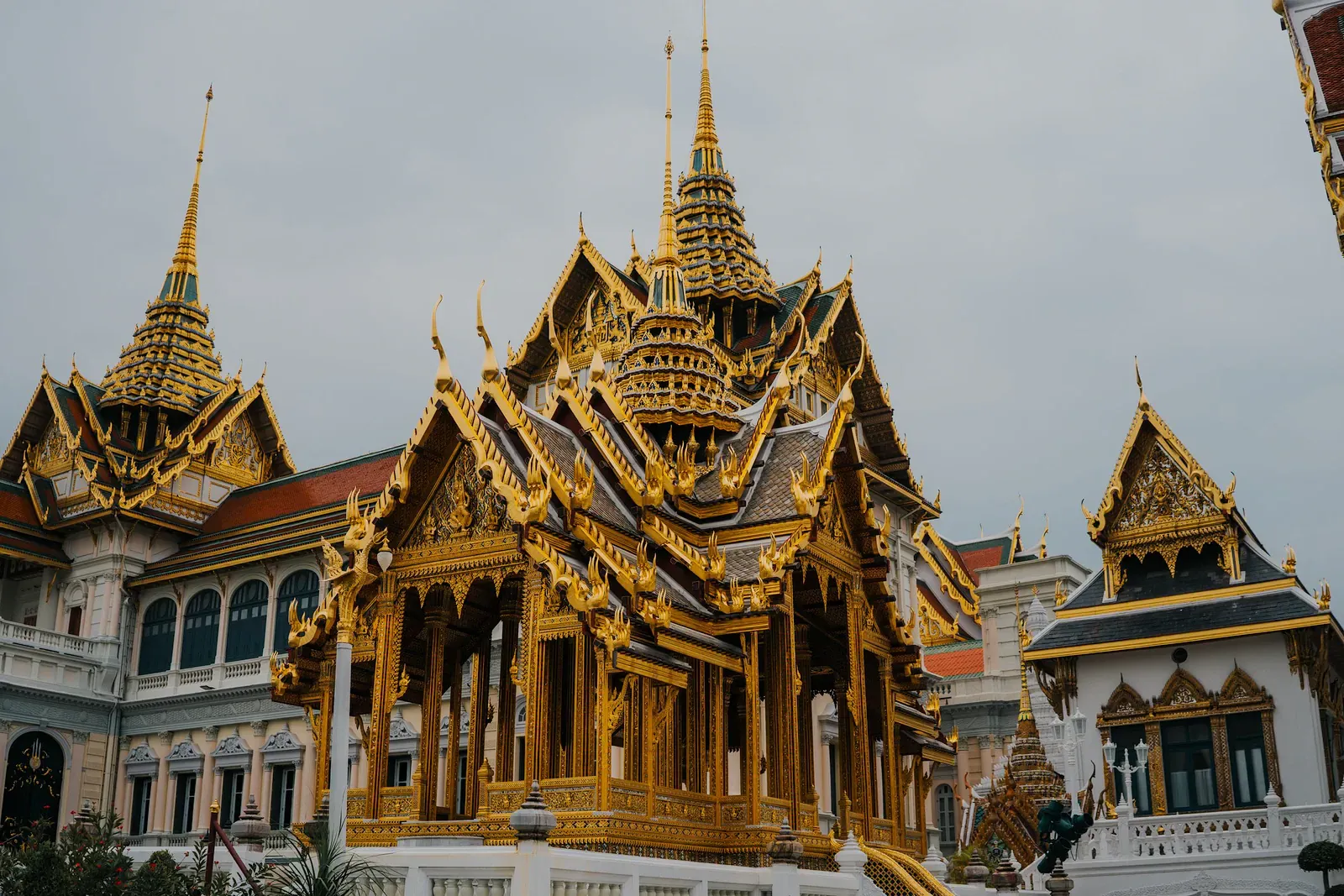
A simple version: drop-off near the old town, Grand Palace first while the morning is coolest and least crowded, Wat Pho immediately after, a short riverside lunch, then straight back to the vehicle with buffer intact. That’s a complete, unrushed half day, not a compressed sprint.
If your call is longer, roughly 12 hours or more, and your transfer time runs closer to the lower 1.5-hour end of the range, a third stop becomes realistic: the short public ferry across the river to Wat Arun, a few minutes from the Tha Tien pier near Wat Pho, adds real sightseeing value without a long additional transfer. Resist adding a fourth stop or a destination further afield, such as Chinatown or a shopping district; the point of this route is that it fits comfortably inside the time you actually have, not that it uses every possible minute.
Common questions
Is a Bangkok day trip worth the risk on a short call? If your total time ashore is under 8 hours, think carefully. The transfer alone can consume more than half of that, and the margin for error shrinks accordingly. A shorter, closer alternative, or simply resting on board, is a reasonable choice, not a failure to make the most of the stop.
Does travel insurance cover the cost of a missed ship? This varies significantly by policy and by whether your excursion was booked through the cruise line or independently; some policies exclude self-arranged shore time entirely. Check your own policy’s wording before you sail rather than assuming coverage exists. This is general information, not insurance advice.
Can the ship’s own shore excursion desk help if I book independently? Generally no; ship-organised excursions are tracked by the cruise line and may be waited for briefly if genuinely delayed, but an independently booked driver or tour is your own responsibility, and the ship has no obligation to hold departure for it.
The missed-ship risk
This is the one mistake with no good recovery. A cruise ship does not wait for independent travellers the way it may hold a few extra minutes for its own booked shore excursions, and missing all-aboard typically means arranging and paying for your own flight or transport to the next port, entirely at your own cost and with no guarantee of catching up before the ship sails again.
Before you leave the ship
- Write down, or photograph, the exact all-aboard time from your cruise documents, not just the sail time.
- Note your ship’s terminal name and berth number exactly as printed; Laem Chabang has multiple terminals.
- Pre-book your transport, whether a private driver, a transfer company or a tour; don’t plan to find one at the gate.
- Carry your driver’s or tour operator’s contact number, ideally with a local Thai number that works without international roaming charges.
- Carry some Thai baht cash for incidentals; not every stall or small vendor near the old town temples takes cards.
- Set a hard personal turnaround time, at least half an hour earlier than your transfer company’s own recommendation, and treat it as non-negotiable.
- Confirm your pickup point for the return trip before you’re dropped off, not after.
If you dock at Khlong Toei instead, or your call is short
A smaller ship docking at Bangkok Port (Khlong Toei) changes this whole calculation for the better: under 30 minutes to the city centre instead of two hours, which turns a tight half-day into a genuinely relaxed one with real margin for a second sight or a slower lunch. Check your cruise documents for the terminal name; if it says Khlong Toei or Bangkok Port rather than Laem Chabang, most of the transfer-time guidance above doesn’t apply to you, and a fuller day, along the lines covered in what’s actually open in Bangkok, day by day for planning around specific sights, becomes realistic.
If your call at Laem Chabang runs under 8 hours, be honest with yourself about what’s achievable. A round trip alone can consume more than half that time, leaving perhaps two hours in the city, barely enough for one temple visited briskly. On a short call, a closer alternative near the port itself, or simply staying aboard and using the day to rest, is often the better choice over a rushed, high-risk dash into Bangkok and back.
Last verified: September 2026. Transfer times, prices and all-aboard buffer guidance change with traffic conditions, port operations and individual cruise lines; always confirm the specific timing for your own sailing against your cruise documents rather than this or any other general guide.
Written by
Mike Brochlowski
Founder and editor, travel photographer and designer
I'm Mike Brochlowski, a travel photographer and designer, and I currently live on Koh Samui, Thailand. I built BangkokWiki to put practical, checked information about Bangkok in one place. Every page is researched from official and primary sources, and the text names them. Where a page shows a checked date, that is when its facts were last confirmed. I also run samui69.com, a non-commercial guide to Koh Samui. If you spot an error or something out of date, tell me through the contact page and I will check it and correct the page.
Read all articles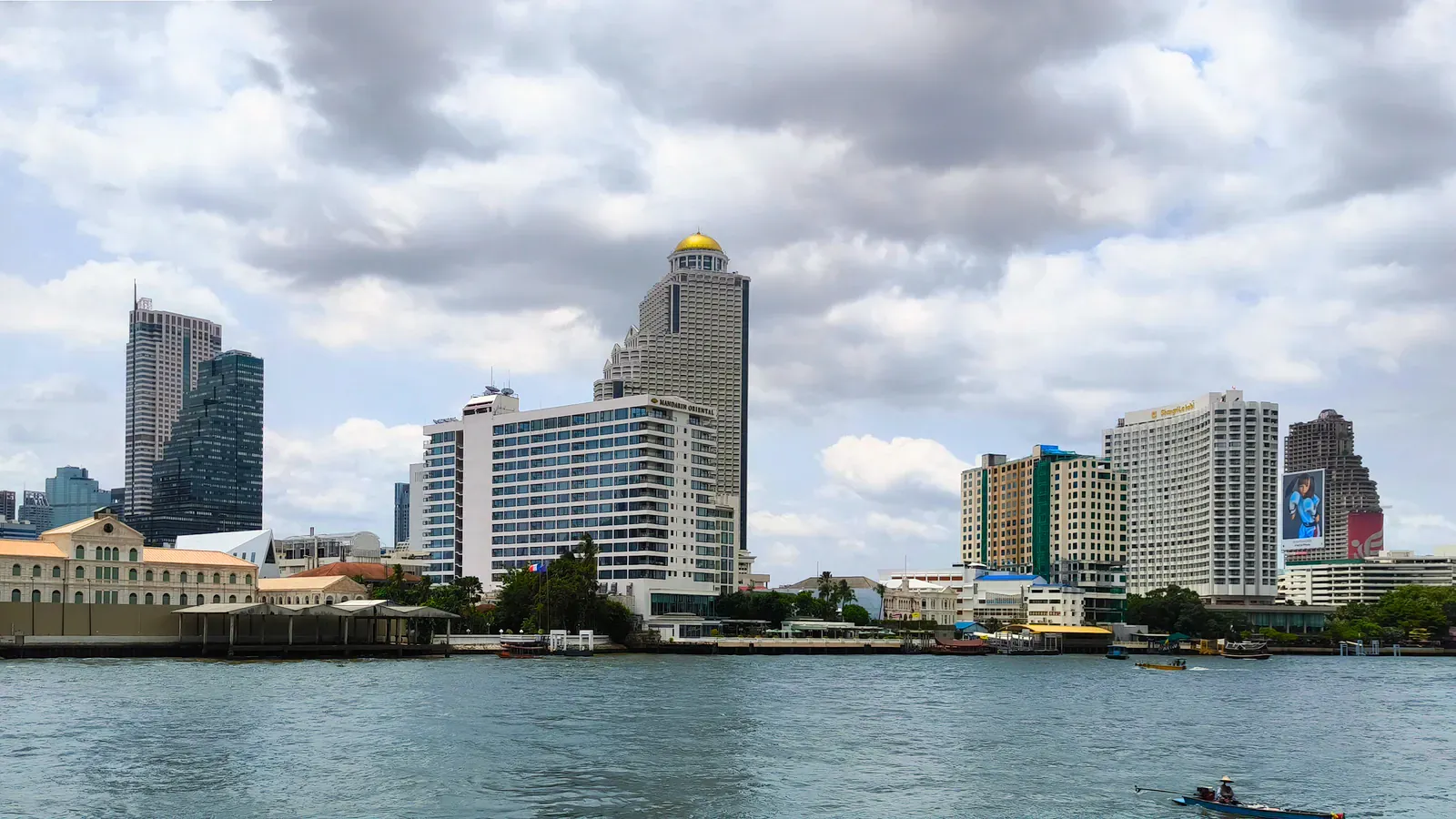
Where to stay
Pick the area before the hotel
Traffic and heat make Bangkok distances feel longer than they look on a map, so the area shapes a trip more than the hotel does. Our guides match areas to trip types and explain the trade-offs.

Places to stay
Find a hotel
Explore the other desks
More from Travel
- 5 min read
 8 min read
2 Days in Bangkok: Built Around What Closes at 3:30pm
 11 min read
How to Plan a Bangkok Itinerary: Group by Area, Not Day

Newsletter
You're subscribed as