
Paperwork
Thailand Permanent Residence: Quota, Interview, Wait
How Thai permanent residence really works: the 3-year qualifying period, the annual quota, the Thai interview, a realistic timeline, and PR vs LTR compared.

On this page
Thai permanent residence is not something you apply for one afternoon. It is a three-stage plan that starts three years before you can even submit a form: qualify on a Non-Immigrant extension for three consecutive years, catch a narrow annual application window that Thailand doesn’t guarantee will open on the same dates (or open at all) every year, then wait out a decision that commonly takes one to two years and sometimes longer. Competitor guides treat it as a checklist. It’s closer to a multi-year plan you build your extensions and paperwork around from day one.
The three-stage plan, at a glance
- Qualify: hold the same category of Non-Immigrant visa extension for at least three consecutive years.
- Apply: submit during the year’s PR application window, when the Ministry of Interior opens one.
- Wait: sit through document review, a Thai-language interview, and a Cabinet-level decision that commonly runs one to two years.
Skipping ahead at any stage doesn’t work. You can’t apply before year three, you can’t apply outside the window, and you can’t speed up the decision by asking nicely.
Stage one: three consecutive years before you can even apply
Every PR route requires holding the same category of Non-Immigrant extension of stay for three consecutive years first. This is the quiet gatekeeper most people don’t plan around: someone who switches categories mid-stream (as covered in our guide to renewing versus changing visa category) effectively resets this clock, because the requirement is continuity on one category, not just three cumulative years in Thailand. Anyone thinking about PR five years out should treat every extension renewal between now and then as a data point in that continuity record, not a routine formality.
Your 90-day reporting history matters here too, less as a formal PR requirement and more as evidence of a clean, continuous stay; see 90-Day Reporting and TM30 in Thailand Explained for what that ongoing duty involves.
The five PR categories, side by side
| Category | Core requirement | Approval fee |
|---|---|---|
| Investment | At least 10 million THB (~286,000 USD) brought from abroad and invested in Thailand | 191,400 THB (~5,470 USD) |
| Employment | Business ownership in specific sectors, or roughly 3+ years employment with reported income near 80,000 THB/month, or comparable tax payments over 2 years | 191,400 THB (~5,470 USD) |
| Humanitarian (marriage or family) | Married to a Thai national for at least 2 years, or the biological parent or child of a Thai national | 95,700 THB (~2,735 USD) |
| Expert | A bachelor’s degree plus specialized skills or experience Thailand has a stated need for | 191,400 THB (~5,470 USD) |
| Extra circumstances | Case by case, for applicants providing a special benefit to Thailand | 191,400 THB (~5,470 USD) |
Every category also carries a 7,600 THB (~217 USD) application fee up front, paid regardless of outcome. Figures checked September 2026, reported consistently across legal-service and immigration-consultancy sources; a live fetch of the Immigration Bureau’s own current fee schedule was not available during this article’s research, so treat these as widely reported rather than independently re-confirmed, and check the Bureau’s own posted schedule before budgeting around them precisely.
Which category people actually use
Humanitarian, mostly through marriage to a Thai national, is reported as the most-used route by a clear margin, followed by employment. That tracks with who tends to hit the three-year continuity requirement without interruption: a spouse on a marriage-based extension, or a long-term employee on the same work-based extension, both have an easier time maintaining one unbroken category than someone whose situation has shifted (a job change that moved them between visa categories, for instance).
The investment and expert routes see far fewer applicants simply because the bar (a 10-million-THB investment, or a very specific professional profile) is narrower to begin with. The extra-circumstances category is, by design, unpredictable: there’s no published checklist for what counts.
The quota, and the window that isn’t guaranteed every year
The government sets an annual quota of 100 people per nationality, plus 50 for stateless applicants, via a Ministry of Interior notification approved by the Cabinet. In practice, only a handful of nationalities, Chinese and Indian applicants most consistently reported, come anywhere close to filling their 100 slots in a given year; most nationalities never touch the cap.
The harder part to plan around is timing. The application window has historically opened somewhere between October and December, but that is not a fixed rule: the round covering the B.E. 2568 (2025) quota year actually opened 5 March and closed 15 May 2025, months outside the usual pattern, following a Cabinet-approved notification dated 26 February 2026 for that same quota year. Some years the window hasn’t opened at all. There’s no way to write a fixed date into this guide that would stay accurate; the only reliable move is watching the Immigration Bureau’s own announcement channel once you’re inside your qualifying window, rather than assuming a routine October opening.
Where you file, and why Chaeng Watthana has the edge
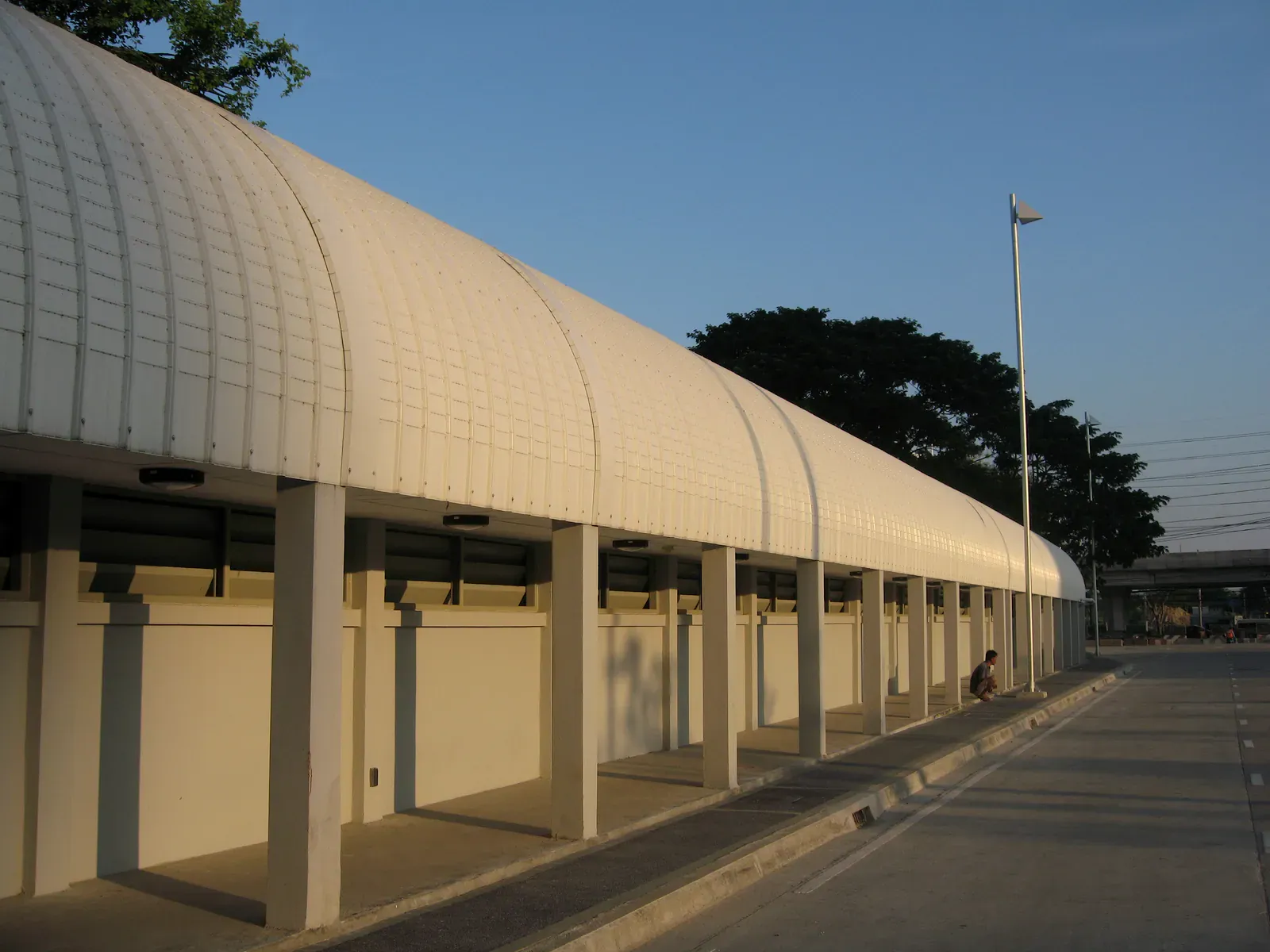
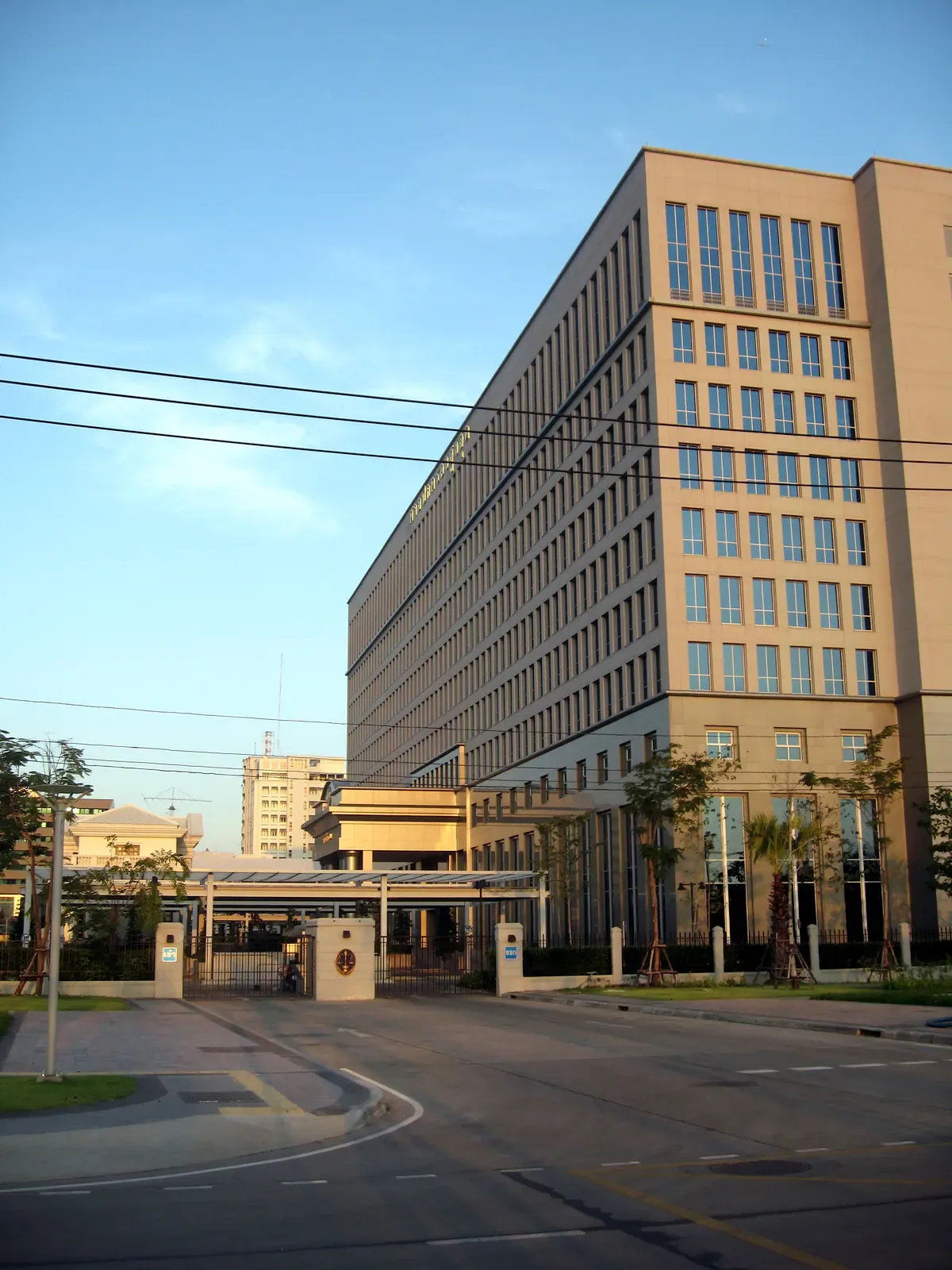
Applications go to the local Immigration office covering your residence, but the Bangkok office at the Chaeng Watthana Government Complex is consistently described as the most experienced with PR cases specifically, simply because it processes the largest volume. Provincial offices handle PR applications too, but with less day-to-day familiarity with the category’s specific document standards, which can mean more back-and-forth over paperwork that a high-volume office would wave through on sight.

If you’re building your document set with a lawyer or translator rather than solo, that experience gap is worth asking about directly: has this office, or this preparer, actually taken a PR case through to a decision before.
The Thai-language interview
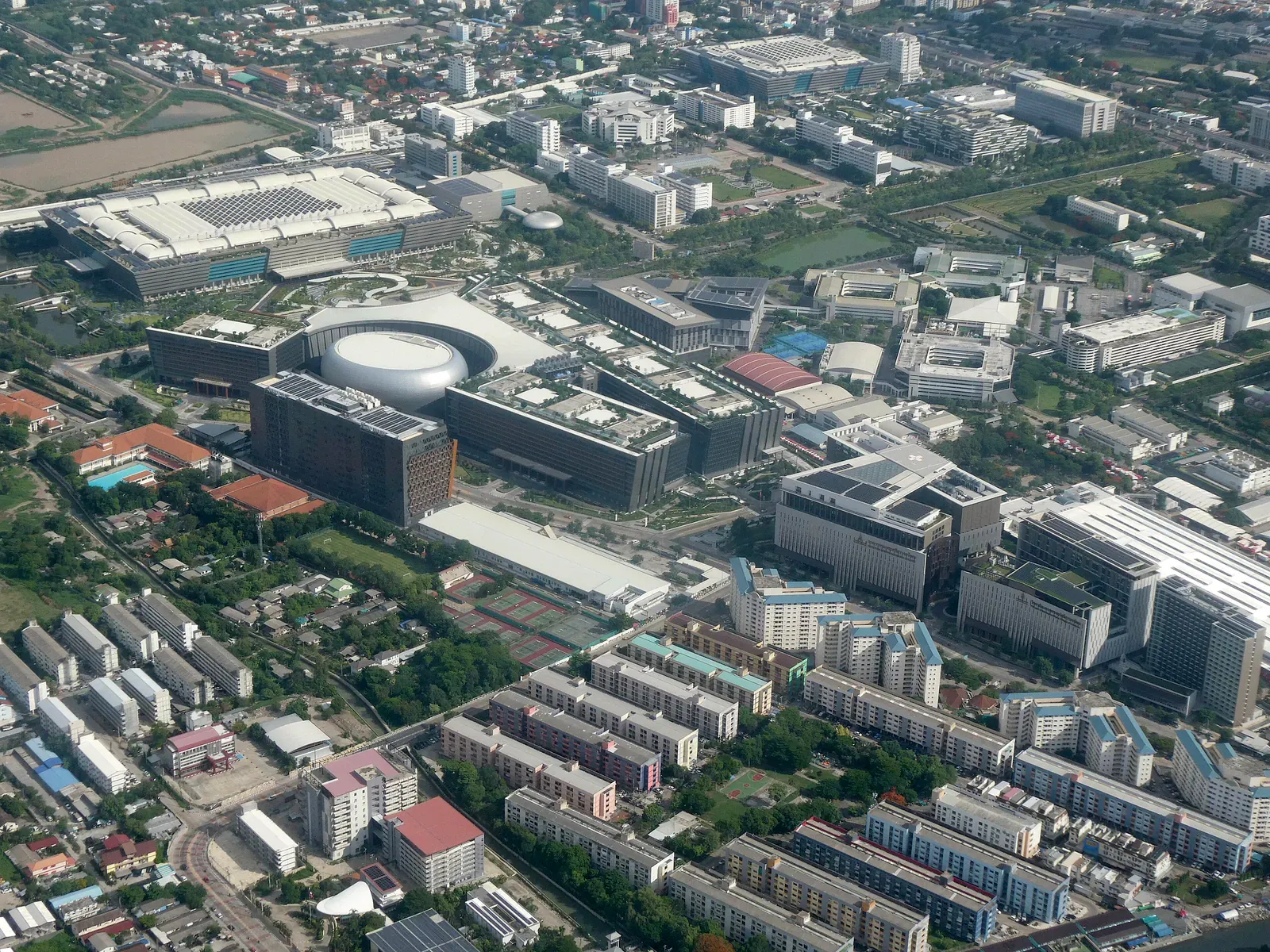
The interview happens in Thai and is filmed. Expect questions about your background, your understanding of Thai culture, and your reasons for wanting permanent residence, followed by a multiple-choice test in Thai covering Thai geography, culture and the PR process itself.
Conversational Thai is described as necessary to pass the interview effectively, not just polite small talk ability (thailandstarterkit.com, 2026 guide to Thai permanent residence).
This is where a lot of otherwise-qualified applicants stall. Meeting the three-year continuity requirement and the category’s financial or family criteria says nothing about your spoken Thai. If your daily life in Thailand runs mostly in English, budget real study time before you expect to file, not the month before.
What it costs, stage by stage
- 7,600 THB (~217 USD): application fee, paid on submission, non-refundable regardless of outcome.
- 95,700-191,400 THB (~2,735-5,470 USD): approval fee, paid only if granted, varying by category (marriage/humanitarian pays the lower figure).
- 10,000 THB and up (~285 USD+): typical document preparation and translation costs reported by applicants using a lawyer or agent, on top of the government fees.
Total realistic cost is commonly reported at 100,000 THB (~2,860 USD) or more once approved, concentrated almost entirely in the approval fee rather than the upfront application cost. That backloading matters for planning: the big bill arrives only after years of qualifying and waiting, not at the point you first file.
- Qualifying period (fixed)
- 36 months
- Application window to decision
- 12-24 months
- Reported worst case
- up to 36 months
Source: Editorial estimate from the reported 3-year qualifying period and 1-2 year (sometimes longer) decision timelines, checked September 2026
How long the wait really is
Official guidance describes the decision process as taking around six months after the window closes, in theory. Reported reality runs longer: commonly one to two years, with some applicants reporting waits stretching to three years or more before a final decision. No single authoritative figure was confirmed from a primary Immigration Bureau processing-time page during this article’s research, so treat any specific number, including the ones above, as a dated range rather than a promise, and plan your own timeline around the long end rather than the theoretical six months.
PR vs LTR vs citizenship
- Speed to get PR: 3-year wait plus a 1-3 year decision
- 1.5 out of 5
- Upfront cost PR approval fee alone is 95,700-191,400 THB
- 2.5 out of 5
- Includes a work permit PR does not; a separate work permit process still applies
- 1 out of 5
- Permanence PR and citizenship are indefinite; LTR is a renewable 10-year visa
- 5 out of 5
- Annual admin burden PR keeps 90-day reporting; LTR reduces it to annual
- 4 out of 5
Editorial rating, 1 to 5, scored for a typical applicant choosing between the three paths. Higher is more favorable on that specific criterion.
The LTR (Long-Term Resident) visa is the closest competing option, and for many applicants it’s the more practical one: up to 10 years, renewable, comes with a work permit built in, and cuts 90-day reporting down to an annual check-in. It skips PR’s three-year prerequisite, quota and interview entirely. What it doesn’t give you is permanence: LTR status depends on continuing to meet its qualifying criteria, where PR, once granted, doesn’t expire.
Thai citizenship sits beyond PR as a separate, later, more demanding process, generally only reachable after holding PR for a further qualifying period. It’s out of scope for this guide, but worth knowing PR is usually the door you have to go through first.
What PR unlocks, and what still trips people up
Once granted, PR removes the recurring extension-of-stay renewal cycle and the associated document refresh every year, and it opens routes (property-adjacent rights, some administrative processes) that a Non-Immigrant extension doesn’t. It does not, on its own, include a work permit; that stays a separate process. And PR status is understood to require maintaining a genuine connection to Thailand, informally described as not being absent for excessively long stretches, though the specific rule was not independently confirmed against a primary statute this session; treat that as “not confirmed, ask the Immigration Bureau” rather than a number to plan around.
The mistakes that come up most often: applying with a broken continuity record (a category switch, or a gap from significant time abroad), underestimating the interview’s actual Thai-language bar, and assembling supporting documents late instead of building the file across the three qualifying years. A foreign marriage or birth certificate used as category evidence, for instance, may itself need the notarization and legalization chain covered in Legalizing a Thai Document for Use Abroad before it’s accepted, and deciding which certifying step it actually needs first is covered in Notary, Certified Translation or MFA Legalization: Which One Do You Actually Need in Bangkok?. A clean background record, sometimes evidenced with a police clearance certificate, is worth having ready rather than requested at the last minute.
Building the file during the three-year wait, not after
The applicants who move fastest through review are rarely the ones who assemble everything in the weeks after the window opens. They’re the ones who treated the three qualifying years as prep time: keeping every extension receipt and 90-day report filed on time and easy to find, getting a foreign marriage or birth certificate through legalization well before it’s needed rather than under deadline pressure, and, for the employment route, keeping salary and tax records consistent and documented year over year rather than reconstructing them from memory. None of that shortens the quota window or the decision wait, but it removes the parts of the timeline that are actually under your control from the list of things that can go wrong later.
Last verified: September 2026.
Written by
Mike Brochlowski
Founder and editor, travel photographer and designer
I'm Mike Brochlowski, a travel photographer and designer, and I currently live on Koh Samui, Thailand. I built BangkokWiki to put practical, checked information about Bangkok in one place. Every page is researched from official and primary sources, and the text names them. Where a page shows a checked date, that is when its facts were last confirmed. I also run samui69.com, a non-commercial guide to Koh Samui. If you spot an error or something out of date, tell me through the contact page and I will check it and correct the page.
Read all articles
Visas and paperwork
Staying in Thailand longer?
Visas, extensions, documents and banking for longer stays. Rules and fees change often and offices apply them differently, so check the official source before you act.

Places to stay
Find a hotel
Explore the other desks
More from Paperwork
- 5 min read
 9 min read
90-Day Reporting and TM30 in Thailand Explained
 6 min read
Getting a Police Clearance Certificate From Thailand

Newsletter
You're subscribed as