
Paperwork
Getting a Thai Tax ID as a Foreigner in Bangkok
How foreigners in Bangkok get a Thai tax ID: who needs form L.P. 10.1, which Revenue Office to use, and what the number actually gets you.

On this page
A Thai Tax Identification Number, or TIN, is the 13-digit number the Revenue Department issues to a foreigner who does not have a Thai national ID but still needs to be on its books, most often because they earn income here or bring foreign income into the country. You apply in person with form L.P. 10.1 at the Revenue Office covering your address, and if your paperwork is in order, the office can usually hand you the number the same day.
Who actually needs one?
The Revenue Department’s own rule is narrower than the rumour mill suggests. A foreigner needs a TIN once they derive assessable income in Thailand, unless their total time in the country stays under 90 days in a tax year (and no single stay exceeds 14 days), the same threshold that keeps most short-stay visitors out of Thailand’s residence paperwork entirely (see visa exemption and tourist visas). In practice, that exemption rules out short holidays and covers almost everyone else: a Non-B visa holder starting a job (see the DTV visa guide if you are comparing visa routes), a landlord collecting rent, a freelancer invoicing a Thai client, and anyone who becomes a tax resident by spending 180-plus days in Thailand in a calendar year and then remits foreign income.

| Situation | Needs a TIN? |
|---|---|
| Tourist, under 90 days total in the tax year | No |
| Work permit holder on a Non-B visa | Yes |
| Freelancer or remote worker billing Thai clients | Yes |
| Landlord declaring rental income | Yes |
| Tax resident (180+ days) remitting foreign income to Thailand | Yes |
| Retiree with no Thailand-sourced income, no remittance | Generally no, but check your own case |
If you are not sure which row you are in, that is exactly the question to put to the Revenue Department rather than guess: getting it wrong in either direction causes more paperwork later, not less.
What the number actually gets you
A TIN is not a formality you file and forget. It is what lets you file a PND90 or PND91 return if you owe one, what a Land Department transfer sometimes asks for when you are involved in a condo purchase, and what landlords declaring rental income need to stay compliant. Several long-stay foreigners also find that work permit renewals and other Immigration transactions go more smoothly once their tax position is documented and consistent, since officers sometimes cross-check it. None of that means a TIN alone guarantees anything with Immigration: it is one piece of a larger paper trail, not a substitute for the rest of it.
The form and the documents
Form L.P. 10.1 is the individual application, and it covers foreigners as well as Thai nationals without an ID number. Bring:
- Your passport, plus a photocopy of the photo and visa pages.
- A photocopy of your house registration book or equivalent proof of the address you are registering, matching your TM30 record where one exists.
- Documentation of where your income comes from: an employment letter, a work permit, a lease showing rental income, or an invoice trail for freelance work.

There is no official fee for issuing a TIN. The Revenue Department does not run an online application route for foreigners, so this is an in-person visit, or one done through an authorized representative if you genuinely cannot attend yourself.
Which office, and how the routing works
In Bangkok, you apply at the area Revenue Office or branch that has jurisdiction over your residence, not whichever office happens to be closest to your workplace or most convenient to reach. This trips people up more than any other step: an application filed at the wrong office does not simply get processed anyway, it gets sent back. Before you go, confirm which office covers your registered address rather than assuming from the district name alone, since boundaries do not always match the way Bangkok’s neighbourhoods are commonly described.
Steps and timeline
- Confirm the Revenue Office with jurisdiction over your current address.
- Gather your passport, address proof and income documentation (above).
- Fill out form L.P. 10.1, in Thai where required; most offices can help with this on the spot.
- Submit in person and wait while the officer checks your documents.

Straightforward applications are typically issued the same day. Where the office needs to verify something, such as a work permit detail or a residence record that does not immediately match, allow up to about two weeks. That gap is exactly why turning up with a complete, consistent set of documents on the first visit is worth the extra ten minutes of preparation at home.
What if you skip it, or something does not match
Deriving assessable income without a TIN does not make the obligation disappear. The stated deadline is 60 days from the date you first derive that income, and the further past it you drift, the more explaining a later application involves. The more common problem is not skipping the step outright but a mismatch: an address on your L.P. 10.1 that does not match your TM30 filing, or an income document that does not clearly support what you have declared. Sort your TM30 and lease paperwork before you go (see 90-day reporting and TM30 for how that system works), and bring originals, not just copies, in case the officer wants to see them.
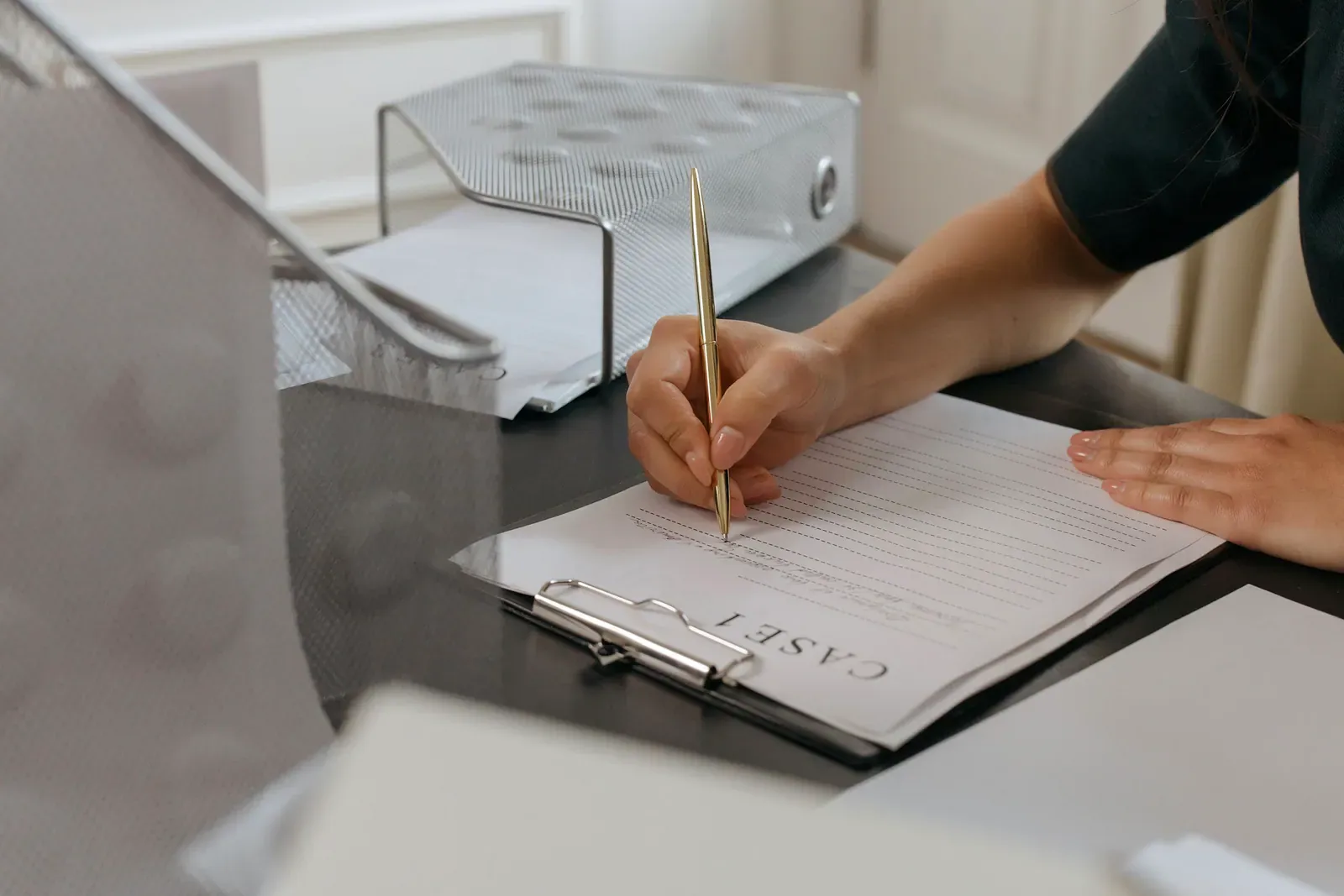
A TIN is also just one line item in the wider pile of paperwork a foreigner accumulates in their first year here. See the document checklist for your first year as a foreigner in Bangkok for the fuller picture, and the employer document checklist for a work permit if your TIN application is tied to a new job.
Last verified: September 2026. Revenue Office procedure and document requirements can change; treat the steps above as a starting point, not a guarantee, and confirm specifics with the office you plan to visit.
Written by
Mike Brochlowski
Founder and editor, travel photographer and designer
I'm Mike Brochlowski, a travel photographer and designer, and I currently live on Koh Samui, Thailand. I built BangkokWiki to put practical, checked information about Bangkok in one place. Every page is researched from official and primary sources, and the text names them. Where a page shows a checked date, that is when its facts were last confirmed. I also run samui69.com, a non-commercial guide to Koh Samui. If you spot an error or something out of date, tell me through the contact page and I will check it and correct the page.
Read all articles
Visas and paperwork
Staying in Thailand longer?
Visas, extensions, documents and banking for longer stays. Rules and fees change often and offices apply them differently, so check the official source before you act.

Places to stay
Find a hotel
Explore the other desks
More from Paperwork
- 9 min read
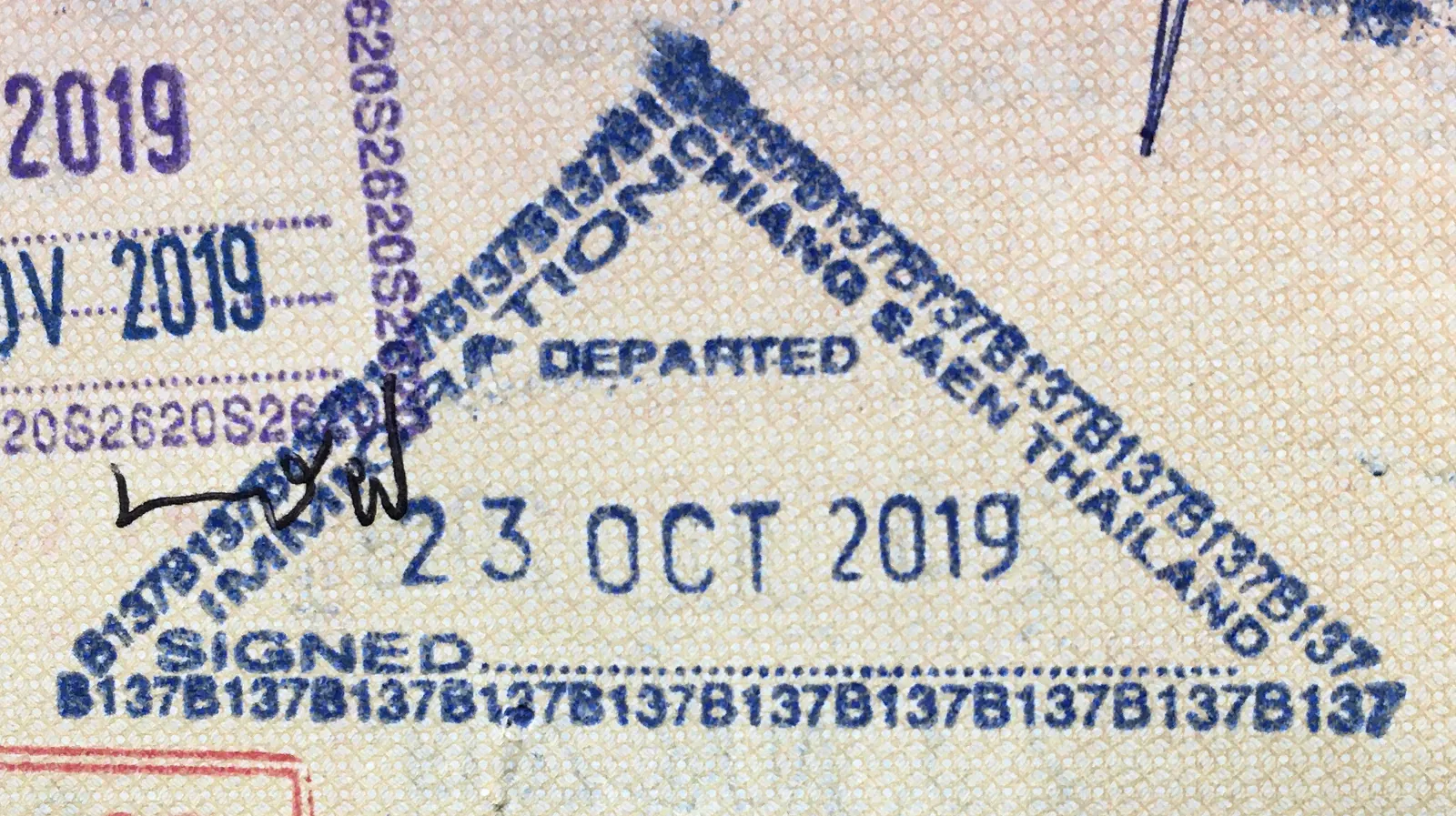 9 min read
90-Day Reporting and TM30 in Thailand Explained
 11 min read
Starting a Company in Thailand as a Foreigner

Newsletter
You're subscribed as