Living
Retiring in Bangkok: An Honest Guide for Seniors
A plain guide to retiring in Bangkok: why seniors choose the city over a beach town, the real trade-offs, the retirement visa route, healthcare and housing.
On this page
Bangkok is not the retirement most people picture when they think of Thailand. There is no beach outside the door, and the traffic is real. What the city offers instead is density: hospitals, specialists, direct flights, a rail network you can use without a car, and other people your age already living that way. This guide sets out why that trade works for some retirees and not others, and what to actually plan for.
Why Bangkok, not a beach or Chiang Mai
The case for Bangkok rests on four things, and they compound.
Healthcare density. Bangkok has the largest concentration of private hospitals and specialists in Thailand, several with international accreditation, and enough of them that a second opinion is a taxi ride away rather than a flight. For a retiree in their 70s or 80s, this matters more each year. A beach town has a clinic and a referral letter; Bangkok has a cardiologist, an oncologist and an orthopaedic surgeon within the same postcode, often within the same hospital group.
Transport you can use without driving. The BTS Skytrain and MRT network cover the areas most retirees live in, and taxis and ride-hailing apps cover the rest. Giving up a car is a real loss of independence in most places; in central Bangkok it barely registers, because you were never going to need one. This is the single biggest quality-of-life difference against Chiang Mai or Pattaya, where owning or hiring a car is close to compulsory once mobility narrows.
Everything within reach. Pharmacies, supermarkets, banks, embassies and immigration services are concentrated and open long hours. Errands that eat a whole day in a smaller town take an hour here.
Flights home. Suvarnabhumi and Don Mueang between them connect to most of the world with one stop or fewer. For anyone still visiting grandchildren, attending family events, or simply wanting the option of getting home fast in an emergency, this outweighs a lot of the traffic noise.
Chiang Mai answers some of this with cleaner air for part of the year and a slower pace; a beach province answers it with scenery. Neither matches Bangkok’s hospital bench strength or its transport-without-a-car case. That is the actual trade, and it is worth being honest about rather than picking a city on romance.
The real costs of that choice
None of the above is free. These are the downsides that catch people who arrive expecting only the upside.
Heat. Bangkok is hot and humid most of the year, and the hottest months (roughly March to May) are genuinely hard on anyone with a heart or respiratory condition, or anyone who tires easily walking outdoors. Air conditioning stops being optional and becomes a health tool, which has budget consequences: see the full cost breakdown.
Air quality in the burning season. Roughly December through March, Bangkok’s PM2.5 levels rise, sometimes sharply, driven by regional agricultural burning and vehicle emissions trapped by weather patterns. This is a genuine respiratory risk for older lungs and anyone with COPD, asthma or heart disease. Retirees who plan around it (staying indoors on the worst days, using air purifiers, timing outdoor time) manage it. Retirees who ignore it sometimes end up in hospital with it.
Noise. Bangkok is a loud city: traffic, construction, street life, karaoke from the floor below. Quiet exists, but you have to choose it deliberately, usually by paying for a building set back from a main road or on a quiet soi.
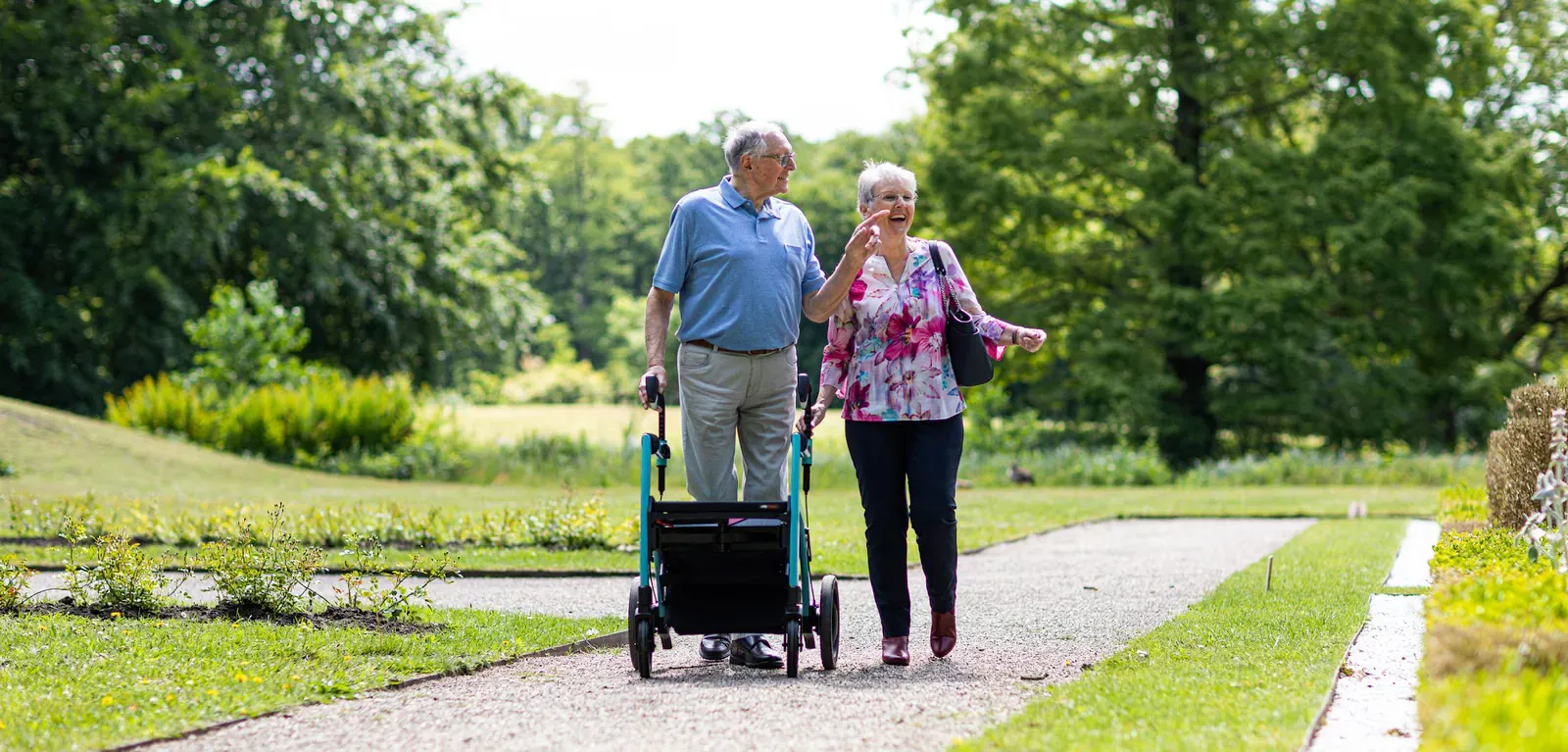
Pavements that punish poor mobility. Bangkok pavements are inconsistent: broken tiles, sudden kerbs, motorbikes parked across the path, patchy shade. Rail stations are better than the streets around them but lifts are not universal. Anyone using a cane, walker or wheelchair needs to test the actual route from door to platform before committing to a building, not assume it will be fine. This is covered in detail in the guide to choosing an area.
Distance from family. A direct flight is not the same as a Sunday visit. Grandchildren grow up over video calls. This is the cost every long-distance retirement carries, and Bangkok’s flight connections soften it without removing it.
The retirement visa route, in outline
Thailand offers a long-stay permission built around two things: being over a set age threshold, and meeting a financial requirement, shown either as a lump sum held in a Thai bank account or as a monthly income (or a combination of the two). It is renewed annually rather than granted indefinitely, and it comes with an ongoing duty to report your address to immigration at regular intervals, separate from the annual renewal itself.
That is the shape of it. The specific age, the specific baht amount, how long funds need to “season” in the account before they count, the exact renewal fee, and the paperwork an individual immigration office will accept on the day: all of these vary by office and change over time. Do not plan a retirement around a number you read in an article, including this one. The two authorities that matter are the Thai Immigration Bureau and a Royal Thai Embassy or consulate in your home country; confirm the current rule with one of them, or with a licensed Thai visa agent or lawyer, before you commit funds or book a one-way flight.
A few structural points worth knowing going in:
- The visa is tied to continuing to meet the financial requirement every year, not a one-time test. Currency movements and pension changes can push someone close to the line later in life, which is one reason the budgeting article treats this as an ongoing risk, not a fixed cost.
- Reporting your address is a separate, more frequent obligation from the annual renewal, and missing it has consequences.
- Rules have changed before and will change again. Immigration offices in different provinces have, at times, applied the same rule differently. Build slack into your plan for this.
Banking and getting money in
You will need a Thai bank account, opened in person, and most retirees find the requirements and the patience needed vary by branch and by bank. Bring your passport, your visa or entry documentation, and expect the process to take longer than it would at home. Moving money in from abroad works through standard international transfers; compare fees and exchange rates between your home bank, a Thai bank’s incoming transfer terms, and a transfer service, since the spread between them is often larger than people expect over a full year. Keep records of transfers if your visa route depends on demonstrating income, since immigration may ask for them.
Healthcare and insurance: the dominant budget risk after 70
This is the line item that grows fastest and the one most likely to derail a fixed-income retirement. Two separate things are happening as you age here: your actual healthcare use tends to rise, and private health insurance premiums rise with it, often steeply, and some insurers stop offering new cover or renewals past a certain age. A retiree who is comfortably insured at 65 can find themselves quoted a very different premium at 75, or find a insurer unwilling to renew at all after a claim.
The practical response is to treat insurance and healthcare as a single, growing budget line from day one, not an afterthought once something goes wrong, and to understand your policy’s age caps and renewal terms before you need them, not after. Some retirees self-insure partially once premiums become unaffordable, setting aside a dedicated fund for out-of-pocket care; this is a real strategy but it only works if the fund is large enough and kept untouched. The full numbers, by age band, are worked through in the cost of retirement breakdown.
Housing: rent first, always
Do not buy a home in your first year, and arguably not in your first three. Rent in two or three different areas, in different seasons, before you decide where, or whether, to put down real money. Bangkok’s neighbourhoods differ enormously in noise, walkability, flood risk and distance to a hospital you’d actually choose, and those differences only become obvious after you’ve lived somewhere, not from a viewing. A separate guide works through the criteria that matter most for older residents: step-free access, lift reliability, pavement quality, and proximity to a hospital and a pharmacy.
Buying property in Thailand as a foreigner also carries legal structure that a beach-town retirement guide will wave past and a serious one won’t: foreigners cannot generally own land outright, condo ownership has quota rules, and leasehold arrangements need proper legal review. None of that belongs in a rush decision made from a hotel room in week two.
Building a social life
Loneliness, not money, is what actually sinks some retirements. Bangkok has an active expatriate and retiree community: clubs, religious congregations, language exchanges, hobby groups, and simply the density of other retirees in certain neighbourhoods (see the area guide for where they cluster). It takes deliberate effort in the first year: joining something with a regular schedule works better than waiting to meet people. Retirees who isolate in a condo, however comfortable, tend to be the ones who regret the move.
Driving versus not driving
Most retirees who choose central Bangkok give up driving entirely and don’t miss it, leaning on the rail network, taxis and ride-hailing apps instead. Driving in Bangkok traffic is genuinely stressful even for confident drivers, and as reaction times and eyesight change with age, the case for not driving only gets stronger. If you specifically want or need a car (for trips outside the city, for example) factor in that Bangkok traffic and parking make it a poor everyday tool even for residents who own one.
Domestic help
Hiring help for cleaning, cooking or basic care is common and, relative to many home countries, affordable, though it is a real ongoing cost, not a rounding error: budgeted in the cost breakdown. Arrangements should be formalised (agreed hours, pay, and, for anyone providing regular in-home care, a clear understanding of what they can and cannot do medically) rather than left informal, particularly once care needs increase.
Language
You can live in central Bangkok for years on English alone, especially around hospitals, malls and the rail network, where staff commonly speak functional English. That does not mean it is free to skip Thai. Medical emergencies, condo juristic meetings, minor legal paperwork and ordinary neighbourhood life all go more smoothly with even basic Thai, and it is a meaningful gesture of respect in a culture that notices the effort. It is not a prerequisite for a good retirement here, but it lowers the friction of daily life measurably.
End-of-life and estate basics
This is uncomfortable to plan and easy to defer, which is exactly why it should not be deferred. In outline: assets held in Thailand are generally best covered by a Thai will, written to Thai legal standards, alongside any will covering assets in your home country: relying on a single foreign will to cover Thai assets commonly causes delays and complications for whoever is left to sort it out. Powers of attorney, healthcare wishes, and who is authorised to act for you if you lose capacity are all worth setting up in writing while you are well, not left as an assumption. None of this is something to improvise from an online template. A Thai lawyer, ideally one with experience handling estates for foreign residents, should draft or review the Thai side of this before you need it.
Do a trial run first
Before signing a year’s lease or moving belongings, spend at least one low season and one hot season actually living here: not on a two-week holiday, but staying in an ordinary condo, cooking some meals, taking the train, visiting a pharmacy, sitting through a March afternoon with no plans. The hot season and the burning season are where most regret gets manufactured; a trip in December or January will not show you either. Renting month to month for a few months before committing costs far less than discovering the reality after you’ve sold a house and moved a container of belongings.
Disclaimer
This article is general information, not legal, financial, immigration or medical advice. Visa rules, financial requirements, fees and how strictly they are applied vary between immigration offices and change over time. Before making any decision to move, verify current requirements directly with the Thai Immigration Bureau, a Royal Thai Embassy or consulate, a licensed Thai lawyer or visa agent, and, for anything involving your health cover, your insurer or a licensed financial adviser.
Common questions
Is Bangkok a good choice for retirement compared with a beach town?
It depends what you value most. Bangkok wins decisively on healthcare access and transport without a car; a beach province wins on scenery, quiet and pace. Retirees who prioritise medical access and independence from driving tend to be happiest in Bangkok; those who prioritise a slower, quieter life often are not.
What is the retirement visa based on?
Structurally, it combines an age threshold with a financial requirement (shown as a bank deposit, a monthly income, or a combination) renewed annually with a separate ongoing address-reporting duty. The exact figures and how they’re applied vary by office and change, so confirm current terms with the Thai Immigration Bureau or a Royal Thai Embassy before relying on any number.
How bad is the air quality, really?
It is a genuine seasonal issue, roughly December to March, and worth taking seriously if you have a respiratory or heart condition. It is manageable with planning (indoor air purifiers, watching air quality readings, limiting strenuous outdoor time on bad days) but it should factor into your decision, not be discovered after you’ve moved.
Do I need to speak Thai to retire in Bangkok?
No, but it helps more than people expect, especially in medical and legal situations. Central Bangkok runs comfortably in English for daily life; basic Thai reduces friction and is appreciated.
Should I buy property when I retire here?
Not in year one. Rent across a couple of areas and seasons first. Property ownership for foreigners in Thailand involves real legal structure (condo quotas, no outright land ownership, leasehold complexity) that needs proper legal advice, not a decision made while still settling in.
What’s the single biggest financial risk in retiring here?
Healthcare and insurance costs rising faster than a fixed income, particularly after 70, when premiums climb and some insurers stop renewing. Planning for this early, and understanding your policy’s age limits, matters more than almost any other budget line: see the cost of retirement in Bangkok for the numbers.
Written by
Mike Brochlowski
Founder and editor, travel photographer and designer
I'm Mike Brochlowski, a travel photographer and designer, and I currently live on Koh Samui, Thailand. I built BangkokWiki to put practical, checked information about Bangkok in one place. Every page is researched from official and primary sources, and the text names them. Where a page shows a checked date, that is when its facts were last confirmed. I also run samui69.com, a non-commercial guide to Koh Samui. If you spot an error or something out of date, tell me through the contact page and I will check it and correct the page.
Read all articles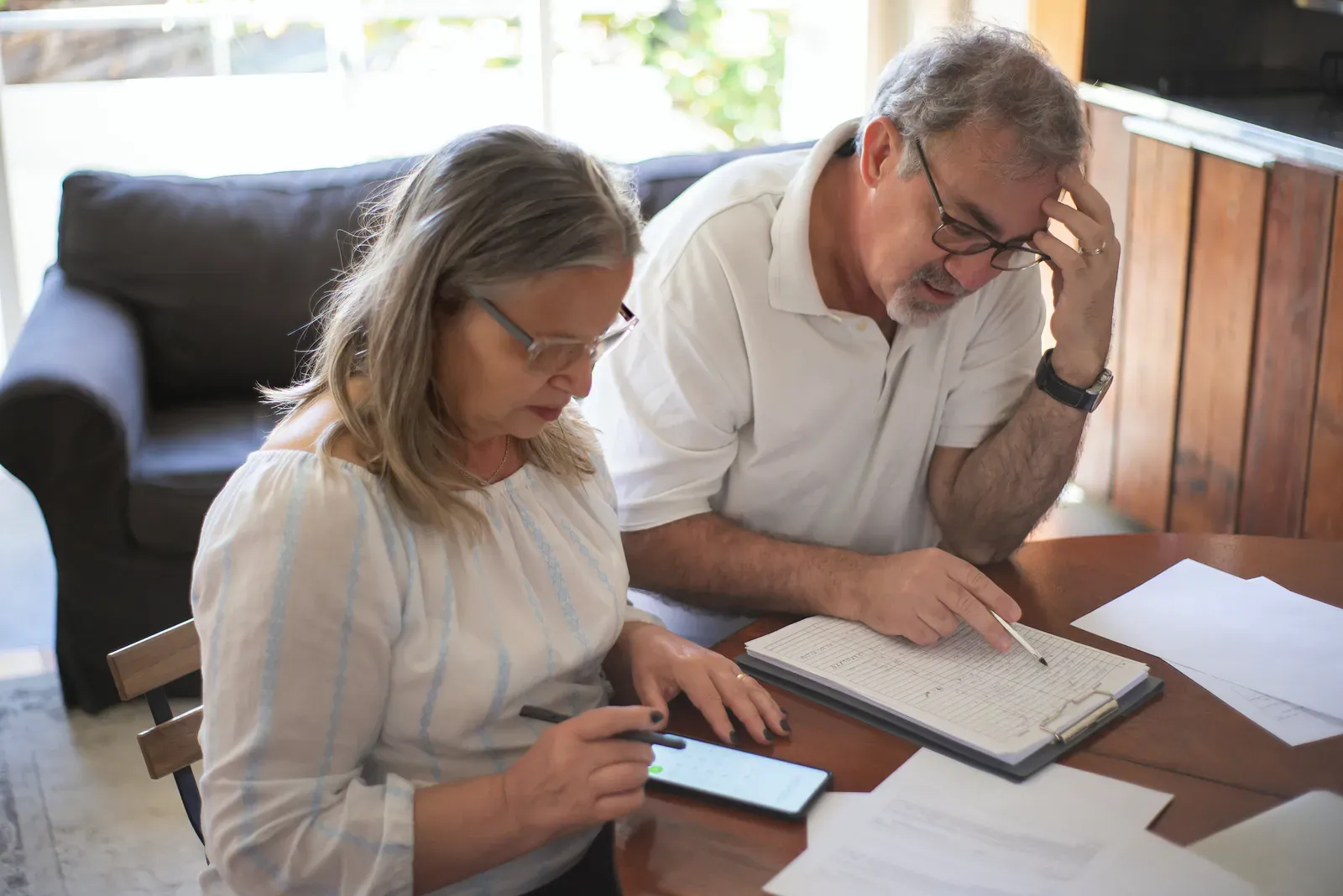
Visas and paperwork
Staying in Thailand longer?
Visas, extensions, documents and banking for longer stays. Rules and fees change often and offices apply them differently, so check the official source before you act.

Places to stay
Find a hotel
Explore the other desks
More from Living
- 9 min read
 10 min read
The Real Cost of Retirement in Bangkok
 6 min read
Coliving vs Hostel vs Condo: How Bangkok Nomads Choose

Newsletter
You're subscribed as