Living
Coliving vs Hostel vs Condo: How Bangkok Nomads Choose
A trade-off framework for choosing coliving, a hostel or your own condo in Bangkok: cost, privacy, community and contract flexibility compared.
On this page
Pick the housing type first, the specific building second. Coliving buys built-in community and a ready-made workspace at a real premium over a solo condo. A hostel is the cheapest and most flexible option and the least private. A solo condo gives full privacy and the most control, at the cost of doing your own community-building and signing the longest commitment. Almost every “best coliving in Bangkok” list skips this step and jumps straight to naming buildings, which is backwards: the type decides more of your day-to-day experience than which specific address you land in.
The three costs, compared
All figures below are broad, indicative 2026 ranges checked September 2026. Treat them as planning estimates, not quotes.

| Factor | Coliving | Hostel | Solo condo |
|---|---|---|---|
| Typical monthly cost | ฿12,000-40,000+ ($340-1,140+) | ฿13,500-18,000 dorm ($385-515); private room considerably more if paid nightly | ฿12,000-35,000 mid-range ($340-1,000) |
| Privacy | Own room, shared common areas | Shared dorm, or a private room at a premium | Full unit to yourself |
| Community | Built in, structured (events, shared kitchen, coworking) | High but transient, mostly other short-stay travellers | None built in; you supply it |
| Contract flexibility | Usually weekly or monthly, minimal deposit | Nightly to weekly, no lock-in | Best value needs a 12-month lease; short-lets cost more |
Coliving: built-in community and workspace, at a premium
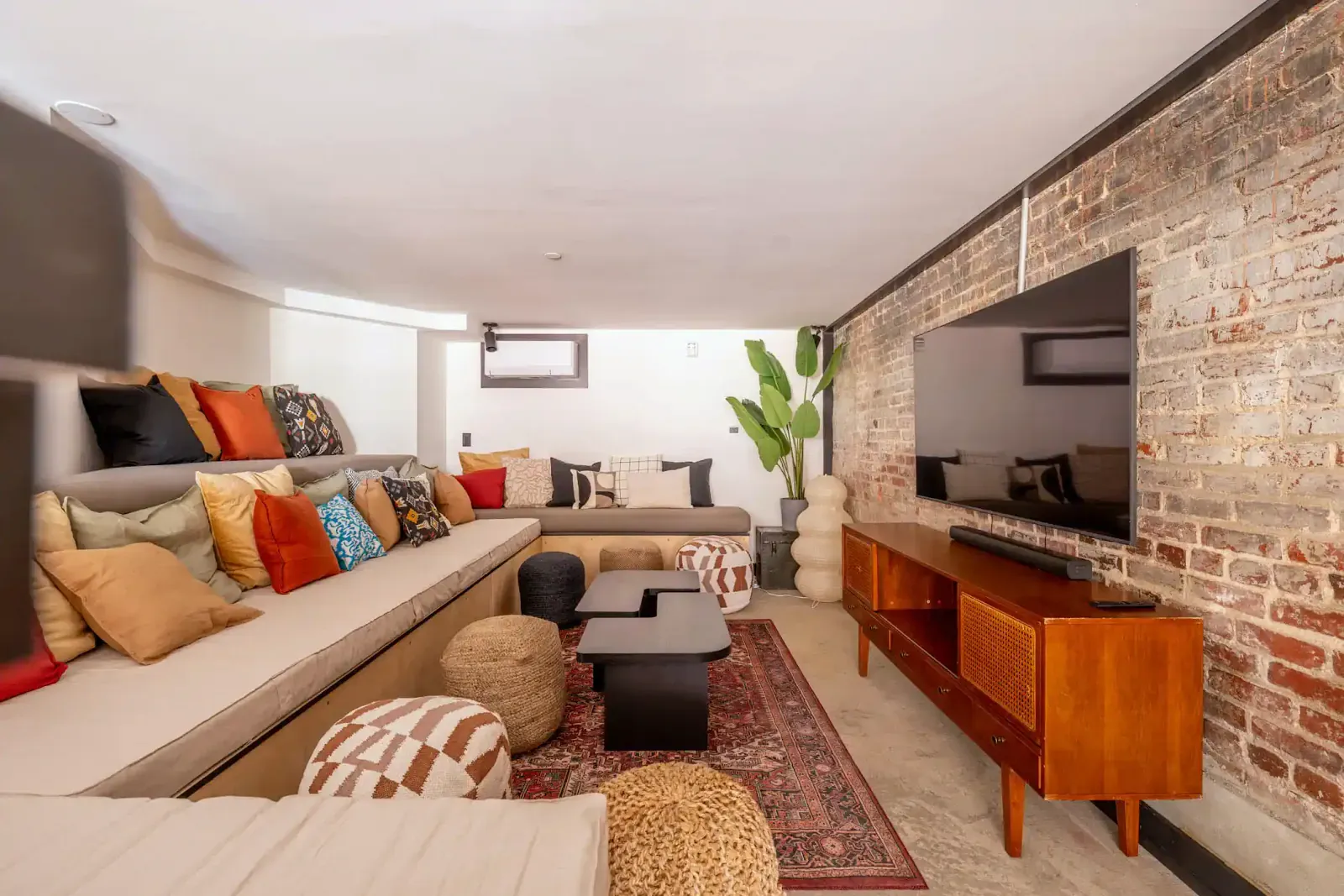
Coliving bundles a private bedroom with a shared kitchen, common lounge and often a coworking-style desk area, sold specifically to remote workers rather than tourists. Per coliving marketplace listings surveyed in September 2026, budget rooms in older or converted buildings run roughly ฿12,000-16,000 a month ($340-455); mid-range micro-studios with a private bathroom run roughly ฿20,000-28,000 ($570-800); higher-end options in newer buildings reach ฿22,000-40,000+ ($630-1,140+). That’s meaningfully more than a comparable solo condo in the same tier.
What you’re actually paying for is the structure: a shared kitchen where meeting people is the default rather than something you have to engineer, an operator who organises events, and a workspace you don’t have to build yourself. For a first-timer who doesn’t yet know Bangkok or anyone in it, that structure removes a real amount of first-month friction. For someone who already has a routine and a social circle, it’s a recurring premium for something you no longer need.
Hostel: cheapest, most flexible, least private
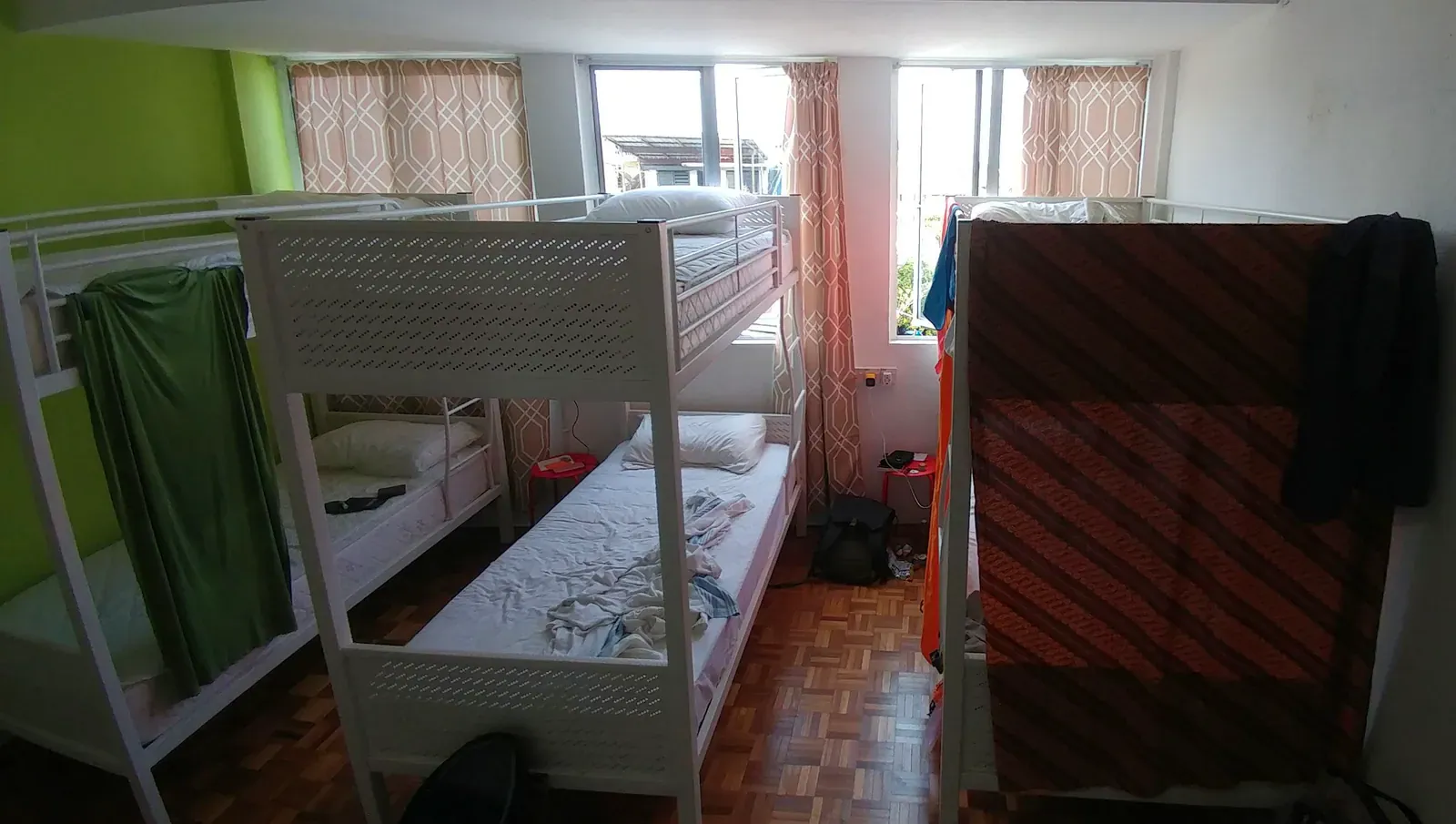
Hostels are the low-commitment option, and the one most guides underrate for anything beyond a first week. Per Hostelz.com and Hostelworld’s Bangkok listings, checked September 2026, dorm beds at hostels aimed at longer-staying digital nomads typically run ฿450-600 a night ($13-17), and private rooms roughly ฿890-2,100 a night ($25-60), averaging near ฿1,500 ($43). Paid nightly for a full month, a dorm bed lands around ฿13,500-18,000 ($385-515), competitive with budget coliving; a private room paid nightly costs considerably more. Many hostels offer weekly or monthly rates beyond the nightly figure, worth asking about directly since the discount isn’t standardised enough to quote here.
A hostel wins on zero lock-in (leave with a day’s notice) and instant, low-effort social contact in a common area or a kitchen you don’t need to book. It loses on privacy (thin walls or none, shared bathrooms in most dorm setups) and on the churn of the crowd: most people in a Bangkok hostel are staying days, not months, so it’s a poor base for building the kind of steady social circle that fights digital nomad burnout.
Your own condo: full privacy, most commitment
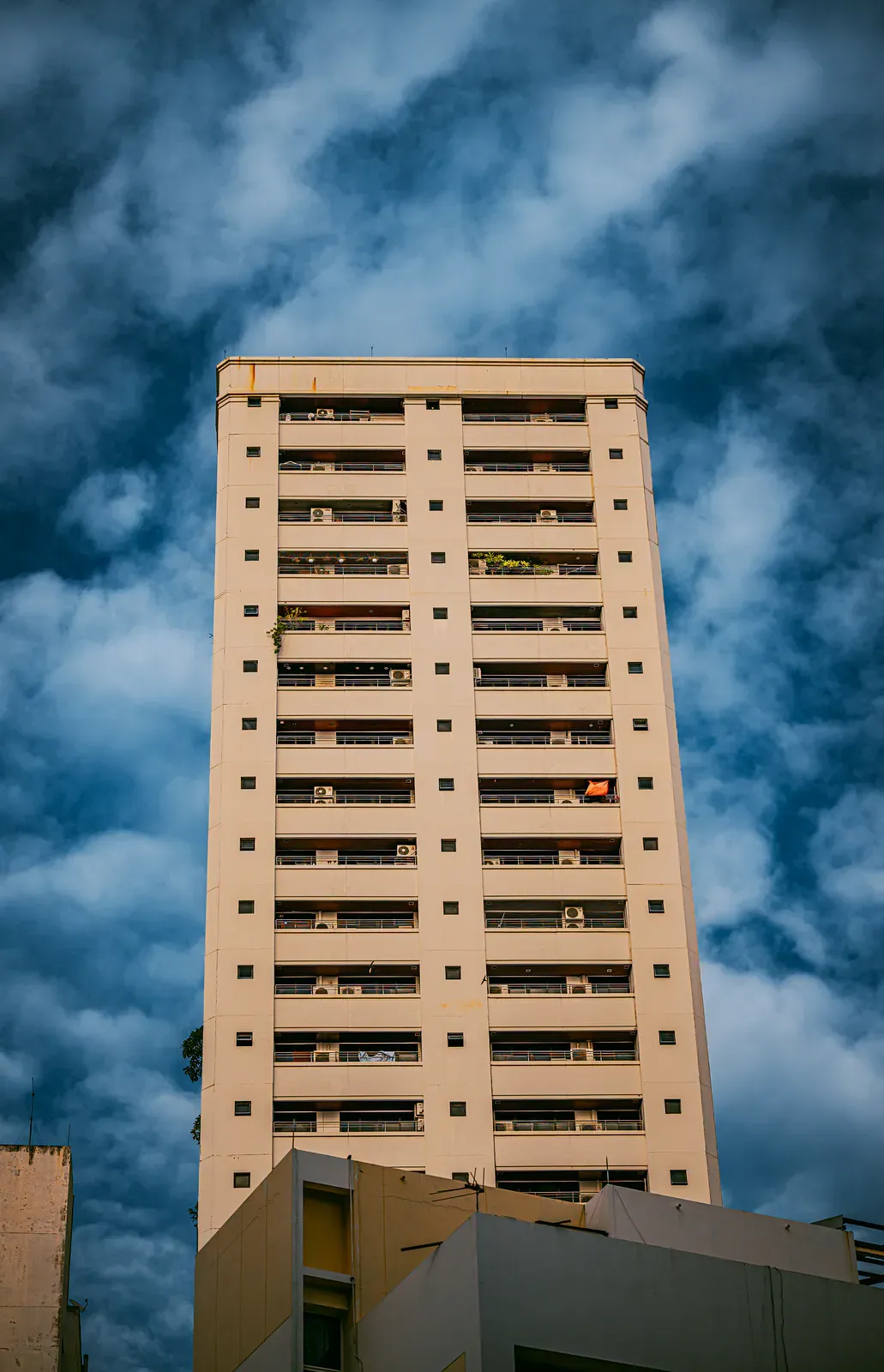
A solo condo is the opposite trade: full control over noise, schedule and space, and the best cost-per-square-metre of the three once you commit to a 12-month lease. Reusing this site’s own cost of living breakdown, a mid-range area 12-month lease runs roughly ฿12,000-22,000 ($340-630), and a central premium area roughly ฿18,000-35,000 ($510-1,000); a short-let in the same buildings costs 30-50% more per month for the flexibility of not signing a year.
The catch is exactly that lock-in, plus a deposit of one to two months’ rent plus a month in advance due at signing, a lump sum most colivings and all hostels don’t ask for. Community and workspace don’t come bundled: see coworking vs café vs condo office for how nomads actually solve the workspace half of that gap once they’ve chosen a condo.
Scored the same way
- Coliving: privacy
- 3 out of 5
- Coliving: community
- 4.5 out of 5
- Coliving: cost value
- 2.5 out of 5
- Coliving: flexibility
- 4 out of 5
- Hostel: privacy higher in a private room
- 1.5 out of 5
- Hostel: community transient crowd
- 4 out of 5
- Hostel: cost value
- 4.5 out of 5
- Hostel: flexibility
- 5 out of 5
- Solo condo: privacy
- 5 out of 5
- Solo condo: community none built in
- 1 out of 5
- Solo condo: cost value on a 12-month lease
- 4 out of 5
- Solo condo: flexibility lease lock-in
- 2 out of 5
Editorial rating, 1 to 5, same four criteria across all three styles.
Nothing wins across the board. Coliving is the most balanced generalist; a hostel maximises flexibility and cost at privacy’s expense; a condo maximises privacy and long-run cost value at flexibility’s expense.
Who each style actually suits
- Coliving suits: first-timers who want an instant social base, anyone testing Bangkok for one to three months before committing further, and people who’d otherwise spend their first weeks alone in a condo they don’t yet know how to fill with a life.
- A hostel suits: the actual first one to two weeks for almost everyone (test areas before committing to a lease), budget-tight stays of any length, and anyone who genuinely doesn’t mind shared space in exchange for zero commitment.
- A solo condo suits: anyone staying six months or longer, established routines and existing social circles, couples or families who’ve already worked through how long to actually stay, and anyone whose work genuinely needs a quiet, controllable space every day.
Common questions
Is coliving worth the extra cost over a solo condo?
It depends on what you’d otherwise spend the premium replacing. If you’d need to pay separately for coworking, struggle to meet people alone, or are only staying a month or two, the premium buys something real. If you already have a routine and community, you’re paying recurring rent for structure you don’t need.
Can I live in a Bangkok hostel long-term, not just for a week?
Yes, and some hostels are explicitly set up for it with better kitchens, work-friendly common areas and quieter dorm options, but privacy and noise stay real trade-offs no amount of loyalty to one hostel removes. Most long-stayers treat it as a bridge, not a permanent base.
Do I need to see a coliving space or condo in person before committing?
For anything beyond a one or two week stay, yes. Photos don’t show noise, actual internet performance or how far a “5-minute walk” really is; a short trial stay before a longer commitment is the only reliable test for any of the three styles.
Which option is best for someone’s very first week in Bangkok?
A hostel or a short coliving stay, specifically because neither locks you into a neighbourhood before you’ve seen it. Committing to a 12-month condo lease before spending any nights in the actual area is the most common expensive mistake first-timers make.
Part of
Written by
Mike Brochlowski
Founder and editor, travel photographer and designer
I'm Mike Brochlowski, a travel photographer and designer, and I currently live on Koh Samui, Thailand. I built BangkokWiki to put practical, checked information about Bangkok in one place. Every page is researched from official and primary sources, and the text names them. Where a page shows a checked date, that is when its facts were last confirmed. I also run samui69.com, a non-commercial guide to Koh Samui. If you spot an error or something out of date, tell me through the contact page and I will check it and correct the page.
Read all articles
Visas and paperwork
Staying in Thailand longer?
Visas, extensions, documents and banking for longer stays. Rules and fees change often and offices apply them differently, so check the official source before you act.

Places to stay
Find a hotel
Explore the other desks
More from Living
- 10 min read
 6 min read
Best Bangkok Neighborhoods for Digital Nomads: Scored
 8 min read
Rama 9 vs Ratchada: Bangkok's New-Money Condo Areas

Newsletter
You're subscribed as