Transport
A Full Bangkok Day Without a Single Taxi
A continuous BTS, MRT and river ferry route across Bangkok's old town, riverside and modern city, with fares, transfer points and the honest limits.
On this page
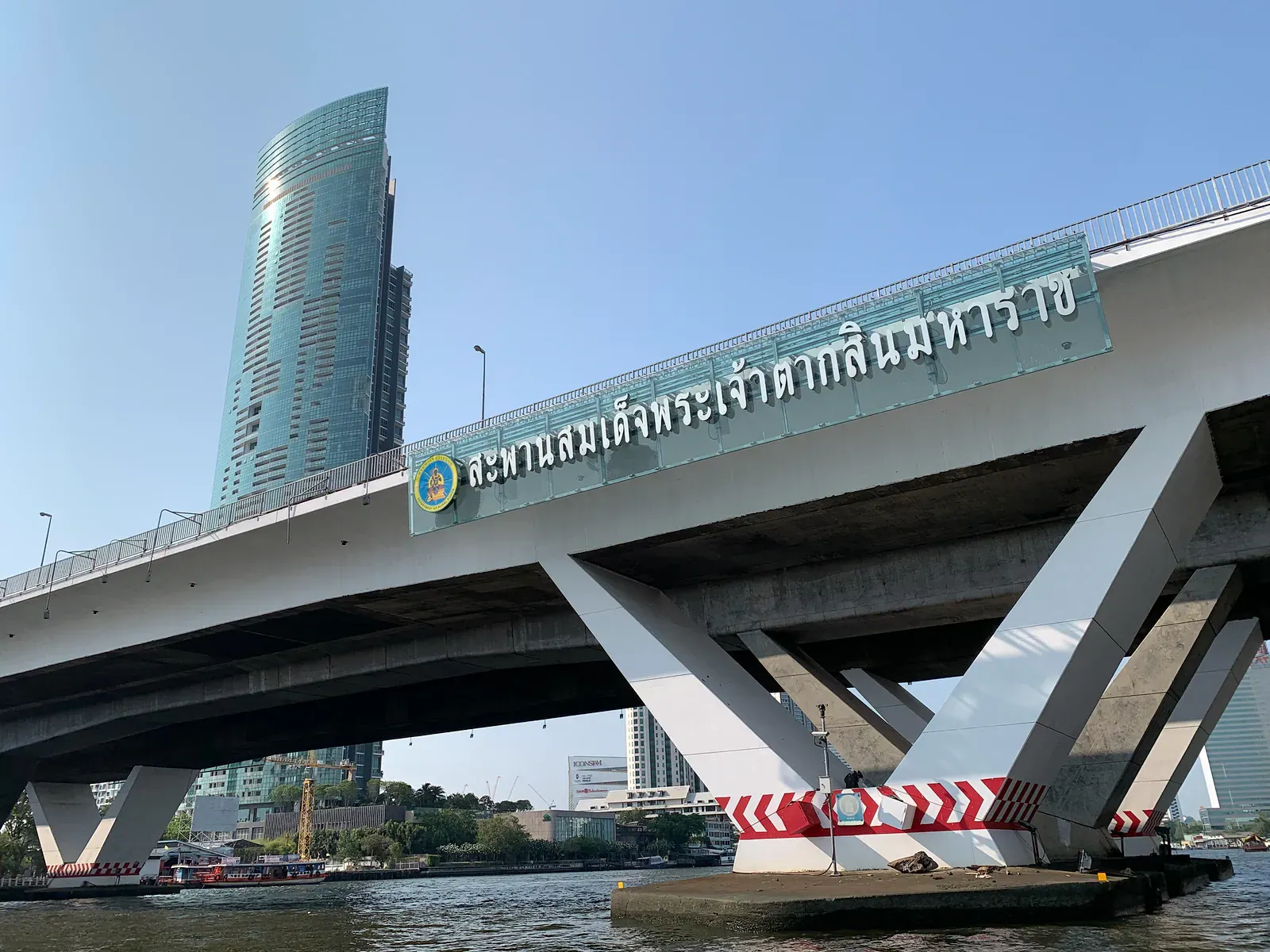
You can cross Bangkok’s old town, the river and the modern Sukhumvit/Silom core in one day using only the BTS Skytrain, the MRT and the Chao Phraya Express Boat, and never once stand on a curb waving for a taxi. The three systems interlock at a handful of named points, Sanam Chai, Sathorn Pier and Saphan Taksin, Sala Daeng and Si Lom, and once you know them, the whole city opens up on rail and river instead of road.
This is a route, not just a transport primer: it names the transfer points and stacks the fares against an equivalent taxi day. For where to actually spend the time this route saves, see one day in Bangkok and budget things to do in Bangkok; for how a route like this fits into a longer trip, see how to plan a Bangkok itinerary.
Why skip the taxi entirely
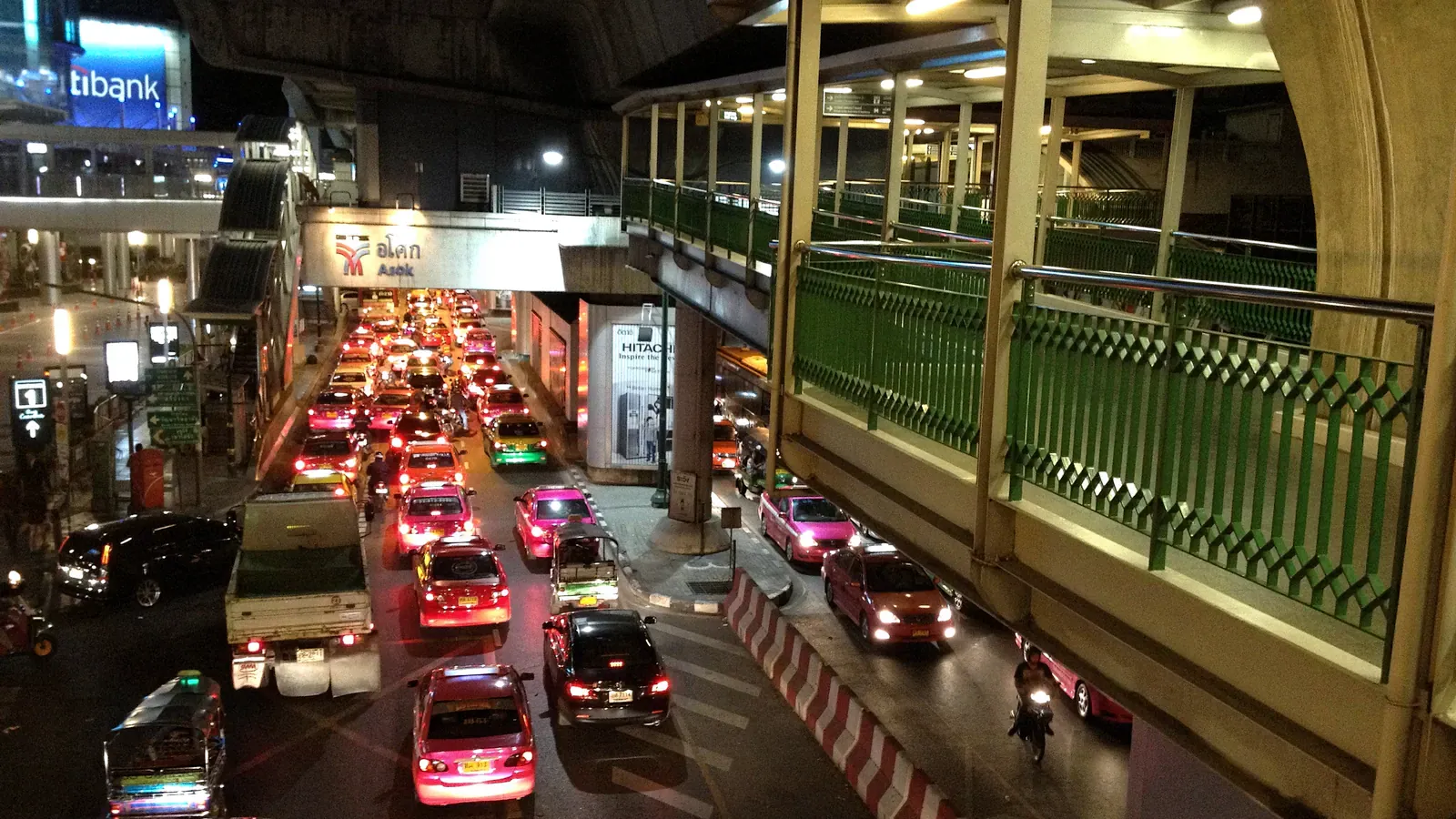
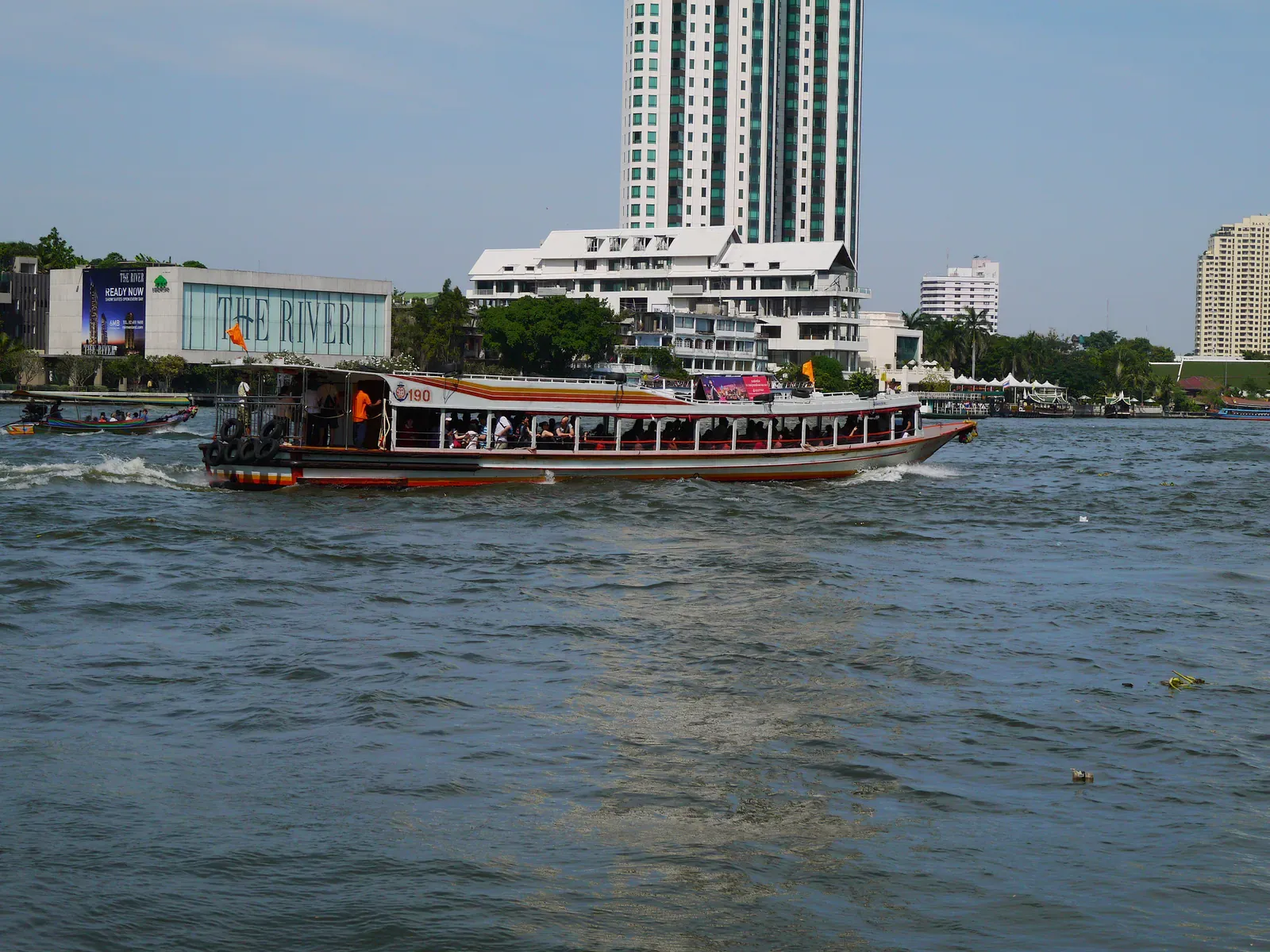
Bangkok’s road network hits its limit twice a day, roughly 07:00-09:30 and 16:30-19:30 on weekdays, when a trip that measures 5 km on a map can eat 45 minutes to an hour in a taxi or Grab. Rail and river transport don’t share that road space at all: a BTS or MRT train runs on its own elevated or underground line, and the Express Boat runs on open water, so neither ever sits in the queue you can see below.
Cost is the second reason. A single Bangkok taxi ride is cheap by international standards, but four or five separate taxi hops across a full sightseeing day, each with its own flag fare and traffic-inflated waiting charge, adds up fast against a network where most single legs cost under 40 THB.
The network you’re actually using
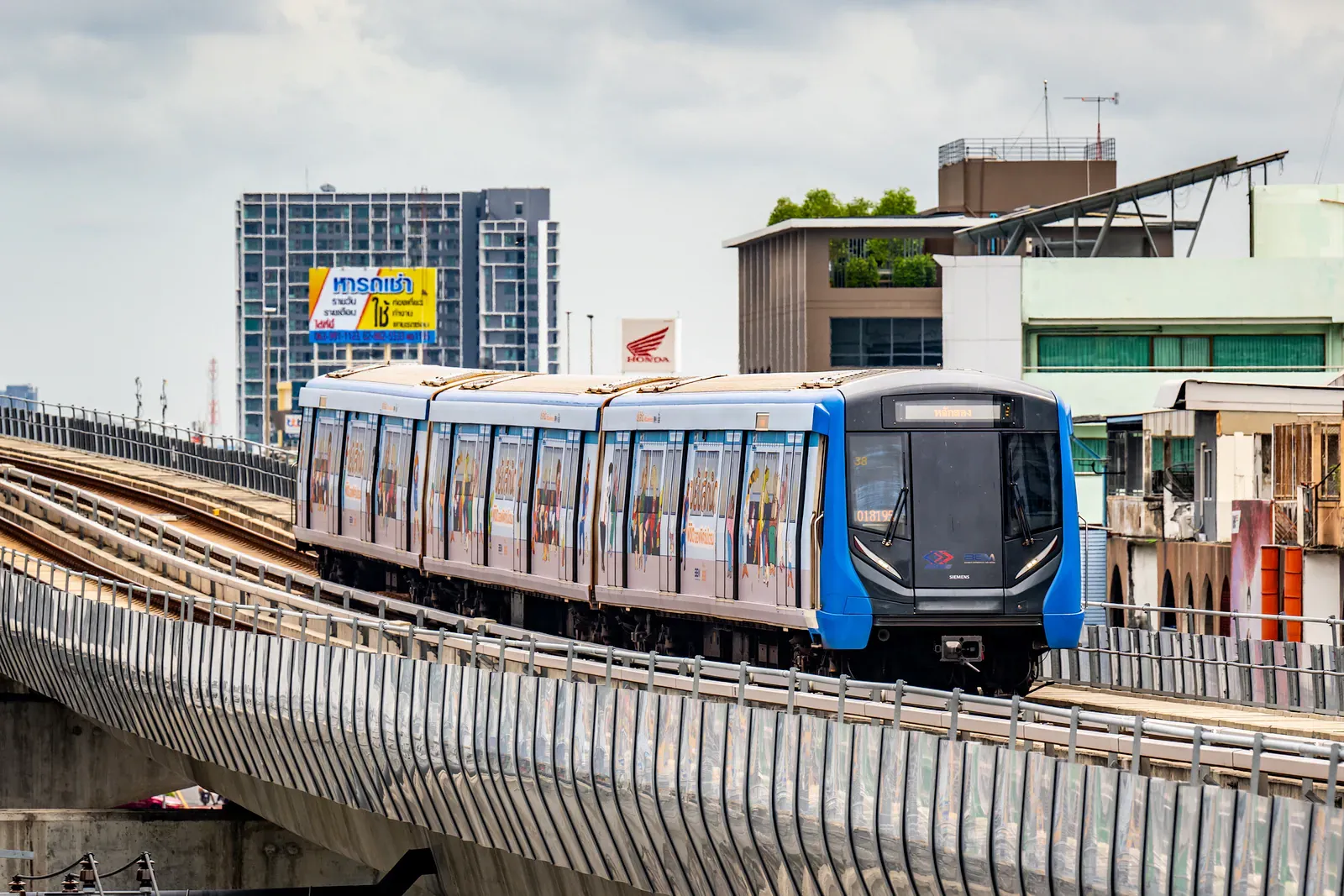
Three separate systems, three separate ticket types, no joint pass between them as of September 2026. The BTS Skytrain runs two elevated lines (Sukhumvit and Silom) through the modern city; fares moved to a distance-based system in November 2025, roughly 17-65 THB (~0.50-1.85 USD) per trip. The MRT Blue Line runs mostly underground through the old town and central city, with a July 2026 fare reset putting it at 17-44 THB by stations traveled. The Chao Phraya Express Boat runs the river itself: Orange Flag (the everyday commuter line) charges a flat-ish 18 THB regardless of which of its piers you use, while the blue-flag Tourist Boat costs more (single trip ~40 THB, or a ~150 THB day pass) but announces stops in English and stops at more tourist-relevant piers.
Because BTS and MRT are separate companies, every changeover between them means exiting one system’s paid area and tapping into the other’s fresh, no combined fare, no single card that spans both at a discount. Budget the small extra cost and the walk between gates as part of the plan, not a surprise.
The one-day route, stop by stop
This loop starts and ends near Sukhumvit, the city’s densest hotel and condo belt, and touches the old town, the river and the Silom business district in between.
| Leg | Line | From -> To | Approx. fare |
|---|---|---|---|
| 1 | MRT Blue Line | Sukhumvit/Asok -> Sanam Chai (BL31) | ~34-37 THB |
| 2 | Walk + cross-river ferry | Sanam Chai area -> Tha Tien -> Wat Arun side | A few baht each way |
| 3 | Chao Phraya Express Boat (Orange Flag) | Old town piers -> Sathorn/Central Pier | ~18 THB |
| 4 | BTS Silom Line | Saphan Taksin (S6) -> Sala Daeng | ~20-25 THB |
| 5 | Walk (skywalk) + MRT Blue Line | Si Lom MRT -> Sukhumvit MRT | ~17-20 THB |
Total for the day’s connections: roughly 95-100 THB (~2.70-2.85 USD, checked September 2026), for a route that covers old town, riverside and two central business districts.
The two interchanges that make or break this route
Not every BTS-to-MRT changeover is equal, and this route uses both kinds. Asok BTS to Sukhumvit MRT is the fast one: a short walk and skywalk, gate to gate in roughly 3-4 minutes, among the quickest transfers in the network. Sala Daeng BTS to Si Lom MRT is the slow one: still fully covered and weatherproof, but a noticeably longer footbridge walk. Build a few extra minutes into your schedule at Sala Daeng and you won’t feel rushed; assume Asok is quick and you’ll rarely be wrong.
What this costs vs a taxi
- BTS + MRT + boat (all 5 legs)
- ~95-100 THB
- Taxi/Grab, same 5 legs
- ~320-480 THB
Source: Editorial estimate from sourced BTS, MRT and Express Boat fare tables and the official metered-taxi rate (35 THB flag, 6.50 THB/km to 10km, 7 THB/km 10-20km), with waiting-time charges factored in for traffic. Not a live app quote. Checked September 2026.
The gap isn’t close. Splitting a sightseeing day into five separate taxi hops, each with its own flag fare, stacks up fast, and that estimate doesn’t include the time cost of sitting in the two rush-hour windows this route sidesteps entirely.
Where this route doesn’t reach
Rail and river coverage is excellent along this specific corridor and thin elsewhere. Large parts of Bangkok, outer residential sois, much of Thonburi away from the river, many of the city’s best-known street food strips, sit a genuine walk or a motorcycle-taxi hop from the nearest station. This route is honest about that: it’s built for the old town/river/Silom/Sukhumvit corridor specifically, not a claim that Bangkok has no use for a taxi at all. For a rainy-day version of a similarly transit-anchored plan, see Bangkok rainy day activities. Arriving on a cruise call rather than a hotel stay changes the math again, since the clock runs against a ship’s departure: see a cruise passenger’s day in Bangkok for that version of the same transit-first thinking.
Common questions
Is this route slower than taking taxis all day?
Door to door, often faster once you count typical rush-hour road delays, and far more predictable: a train’s schedule doesn’t change because of an accident three intersections away. Off-peak, on light-traffic days, a taxi can occasionally beat a multi-leg transit route on raw time; it will still cost more.
Do I need a Rabbit Card or can I use single tickets?
Both work. A stored-value card speeds up repeat taps and avoids fumbling for coins at each gate, but single-journey tickets are sold at every BTS and MRT station and work fine for a one-day route like this.
Is the Chao Phraya Express Boat safe and easy for a first-timer?
Yes. Boats stop briefly at each pier, flag colors mark which route a boat runs, and staff on board collect fares or check tickets. Board decisively when the boat is alongside the pier; it doesn’t linger long.
What if it’s raining hard on the day I planned this?
The rail legs are unaffected. The boat legs usually run through ordinary rain but can slow or pause in a genuine storm, check conditions before you commit to the river leg, and have the BTS/MRT-only version of this route as backup.
Can I do this route in the opposite direction?
Yes, every leg reverses cleanly; start at Sukhumvit MRT and work backward through Sala Daeng, Saphan Taksin, the boat and Sanam Chai in reverse order.
Written by
Mike Brochlowski
Founder and editor, travel photographer and designer
I'm Mike Brochlowski, a travel photographer and designer, and I currently live on Koh Samui, Thailand. I built BangkokWiki to put practical, checked information about Bangkok in one place. Every page is researched from official and primary sources, and the text names them. Where a page shows a checked date, that is when its facts were last confirmed. I also run samui69.com, a non-commercial guide to Koh Samui. If you spot an error or something out of date, tell me through the contact page and I will check it and correct the page.
Read all articles
Where to stay
Pick the area before the hotel
Traffic and heat make Bangkok distances feel longer than they look on a map, so the area shapes a trip more than the hotel does. Our guides match areas to trip types and explain the trade-offs.

Places to stay
Find a hotel
Explore the other desks
More from Transport
- 9 min read
 10 min read
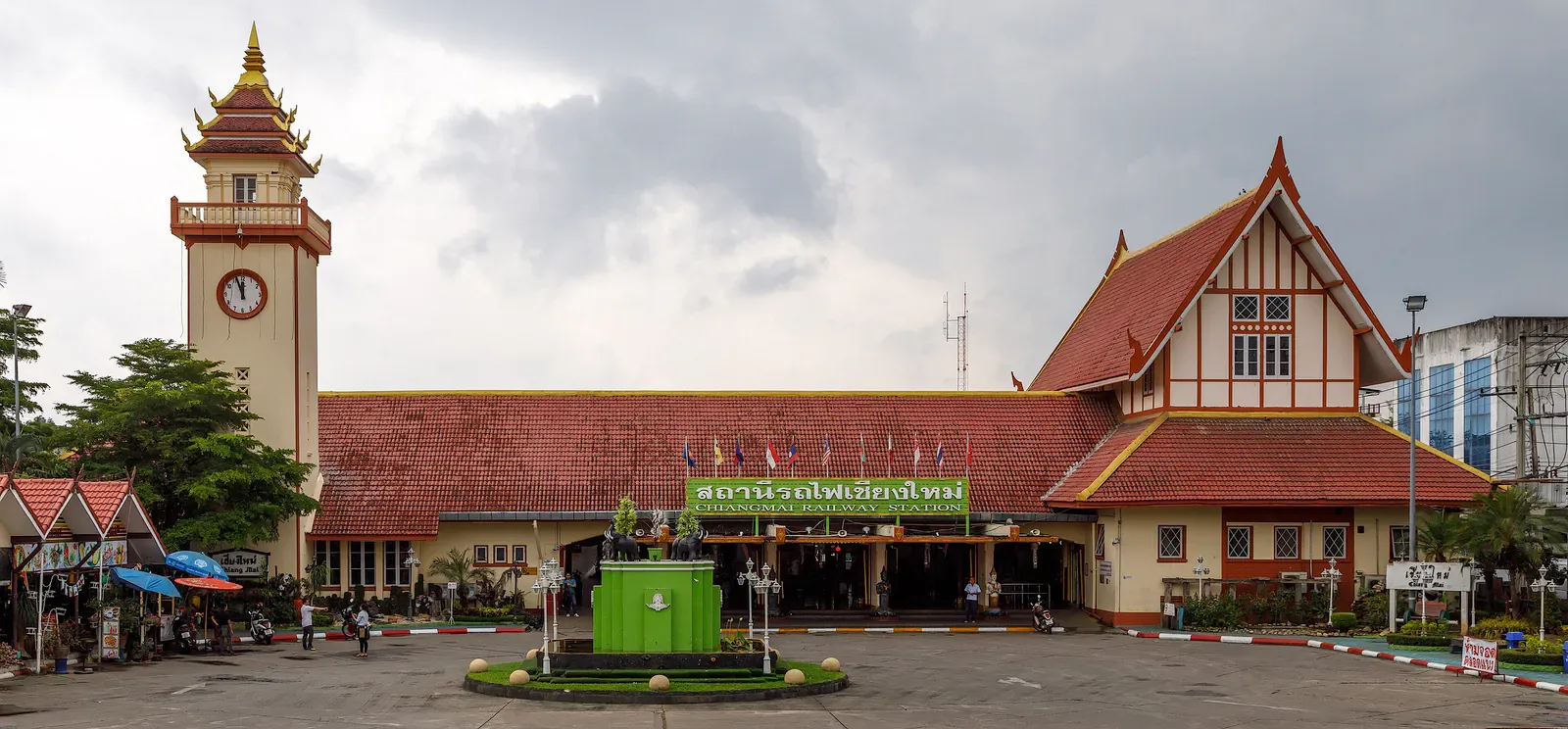
Bangkok to Chiang Mai: Flight, VIP Bus or Sleeper Train
 9 min read
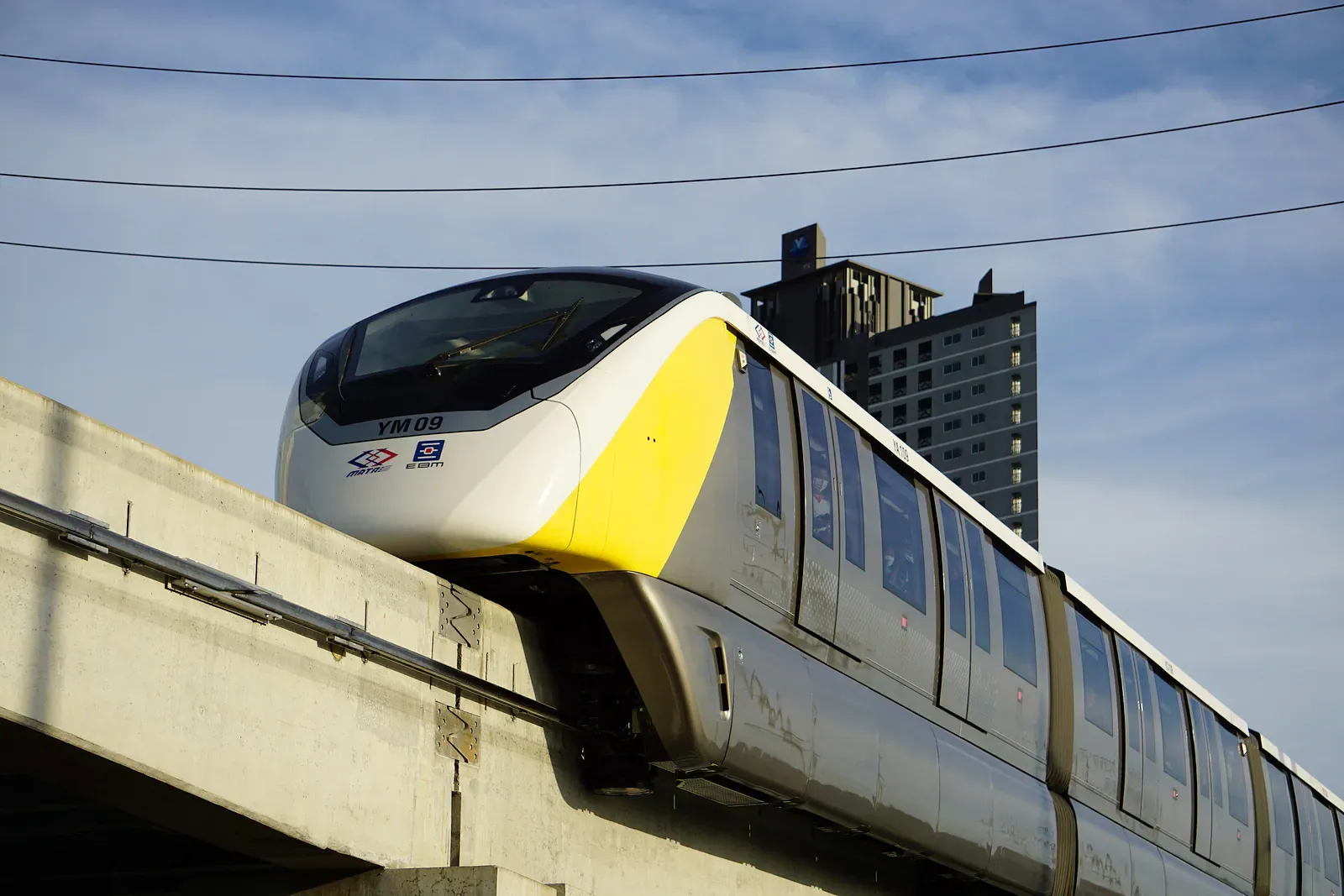
Bangkok's Yellow and Pink Line guide: stations and fares

Newsletter
You're subscribed as