Things to do
Bangkok Theme Parks and Water Parks Guide
Bangkok's water parks, theme parks, aquariums and trampoline venues compared by travel time, age fit, crowds and honest value for families.
At a glance
- Reading time
- 14 min read
- Chapters
- 14
- Published
- Sep 20, 2026
On this page
Bangkok’s big family days out fall into seven honest categories, and picking the wrong one for the season or the age group is the single most common way to ruin a day. A water park beats a theme park from March to May, a toddler is better served by an in-town pool than a two-hour drive to the city edge, and a rainy afternoon kills an outdoor plan outright. This guide works through each category on its own terms, then the practical spine (heat, tickets, food, ethics and accessibility) that decides whether the day actually works.
Large water parks on the city’s edge
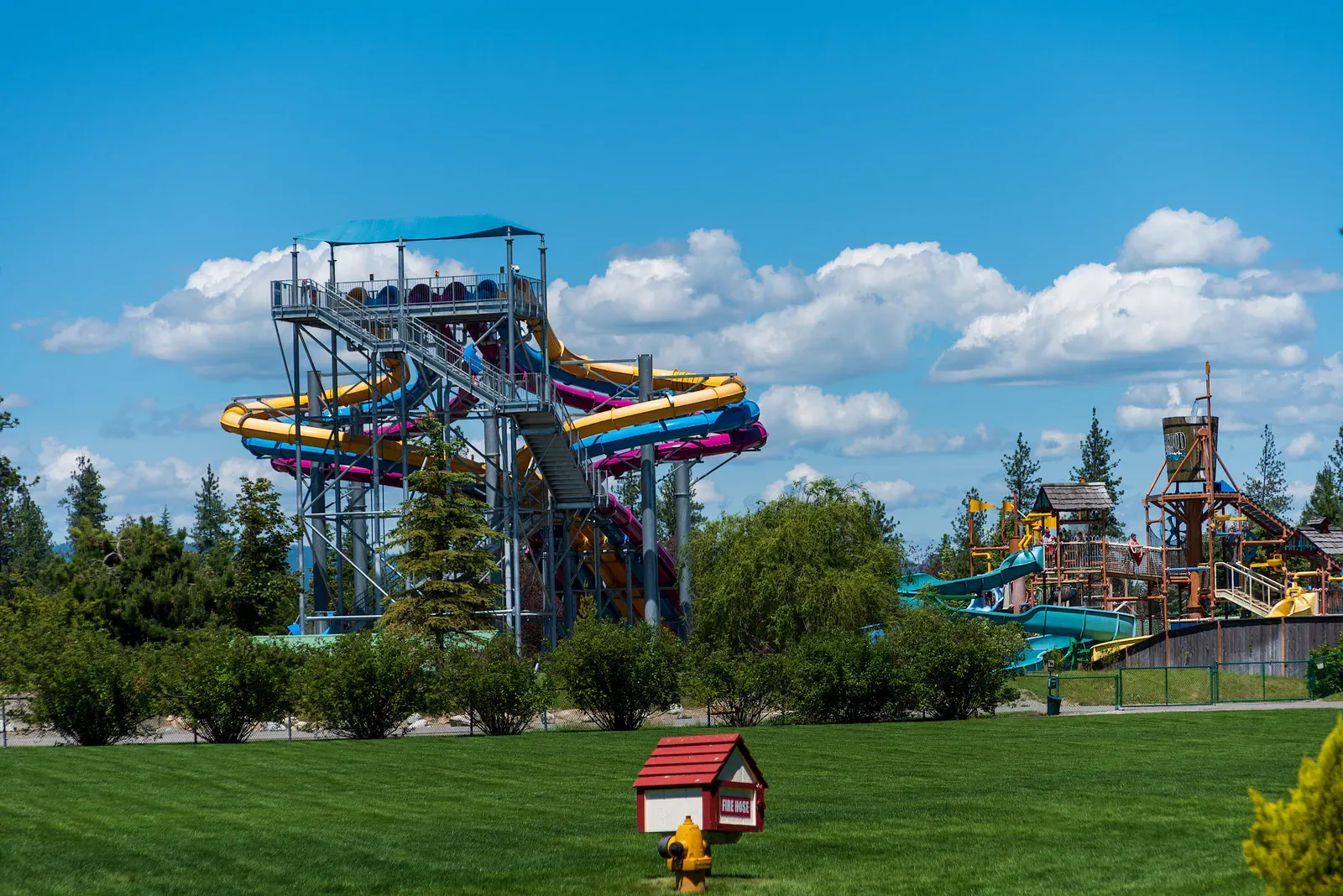
Bangkok’s biggest water parks sit well outside the centre, in the outer districts or over the provincial line, and none of them are a quick taxi hop. Expect 45 minutes to well over an hour each way depending on traffic and which edge of the metropolitan area you’re heading to, and expect to arrange a car, a taxi with a return booked, or a long ride-hailing trip rather than relying on rail. A couple of parks pitch themselves at Bangkok day-trippers despite sitting closer to Pattaya or Hua Hin, which is worth knowing before you commit a full day to the round trip.
The pattern across these parks is similar: a wave pool, a lazy river, a cluster of body slides and tube slides graded by height or age, and at least one children’s splash zone with shallow water and small-scale features. The bigger ones add a wristband or locker-card payment system so you’re not carrying cash poolside, food courts inside the gate, and shaded cabana rentals for a family base camp. The sweet spot age-wise is roughly 6 to 16 (old enough for the taller slides, young enough to still find a wave pool thrilling), though the splash zones make these viable for younger children too if a parent is prepared to skip the main slides.
Crowds follow the Thai school calendar and the weekend far more than anything else: a Tuesday or Wednesday outside school holidays can feel close to empty, while a Saturday in April’s hot-season break or during the Songkran week can mean genuine queues for the popular slides and a scramble for shaded loungers. If you can choose your day, a weekday is worth the effort. Value is generally good against a theme park of similar scale, since a full day of water-based cooling in Bangkok’s climate does more for a family’s mood than most other single-ticket attractions, but check current status before booking a special trip: this category has seen closures and ownership changes, and a park that was open last year is not guaranteed to be open this one.
In-town pools and water play
Not every water day requires the trek. Several hotels sell day passes to their pools, a handful of standalone water-play venues sit inside the city proper, and some malls and residential developments run splash-pad style features open to the public for a fee. These are smaller, shorter on slides, and rarely have a wave pool, but they solve the problem of wanting water-based cooling without losing half the day to transit.
This category suits toddlers and children under about eight particularly well: shallower water, closer supervision sightlines, and an exit that doesn’t require another hour in traffic when a meltdown hits. It’s also the pragmatic choice on a day when the forecast is uncertain, since a smaller loss if rain cuts the day short. The trade-off is obvious: no big slides, no wave pool, and a day that feels more like “a nice pool afternoon” than “the water park day out.” For a family with mixed ages where the teenagers want thrills and the toddler wants shallow water, the mismatch here is real, and it’s often better to split the group across two different days than force everyone into one compromise venue.
Amusement and theme parks
Bangkok’s theme park scene is smaller than the water park scene and leans toward mid-sized amusement parks with a mix of rides (roller coasters, drop towers, spinning rides, a Ferris wheel) rather than the sprawling multi-day resort parks found elsewhere in Asia. Most sit on the city’s outer edges or require a similar out-of-town trip to the big water parks, and a few have opened, closed or rebranded in recent years, so treat any specific park’s current operating status as something to verify rather than assume. For one of the larger parks, see our Dream World guide.
The age sweet spot skews slightly older than water parks: roughly 8 upward, since many of the signature rides have height restrictions that exclude younger children, leaving them with a smaller kiddie section while older siblings queue for the main attractions. This is the category most exposed to Bangkok’s heat: no water to cool off in, tarmac underfoot, and queues that stand in direct sun far more than a water park’s queues do. April and May here are genuinely tough going, and this is one of the clearest cases in this guide where a water park is simply the better choice for the same budget and season. Crowd patterns mirror the water parks (weekday visits are markedly quieter than weekend and school-holiday visits) and value depends heavily on ride count versus ticket price, which varies enough between venues that it’s worth checking current reviews rather than the marketing photos alone.
Dinosaur and character parks
A smaller but distinct category: parks built around a single theme, most often dinosaurs, sometimes a licensed cartoon or game character, laid out as a walk-through experience with animatronic figures, photo points and a handful of low-intensity rides rather than a full coaster line-up. These sit well for the 3-to-9 age range, where the appeal is visual and immersive rather than thrill-based, and a nervous younger child can walk the whole park without ever facing a height-restricted ride.
Because the draw is largely visual, these parks are less punishing in heat than a full theme park (many build in shaded or partially covered walkways between exhibits) but they’re also a shorter day out, often done in two to three hours rather than a full day, which makes them a good pairing with something else nearby rather than a stand-alone destination. Ticket value is genuinely mixed: some visitors find the animatronics impressive for the price, others find a single-theme park thin after the first hour, so calibrate expectations to a child’s actual interest in the theme rather than assuming universal appeal.
Mall-based indoor theme-park floors
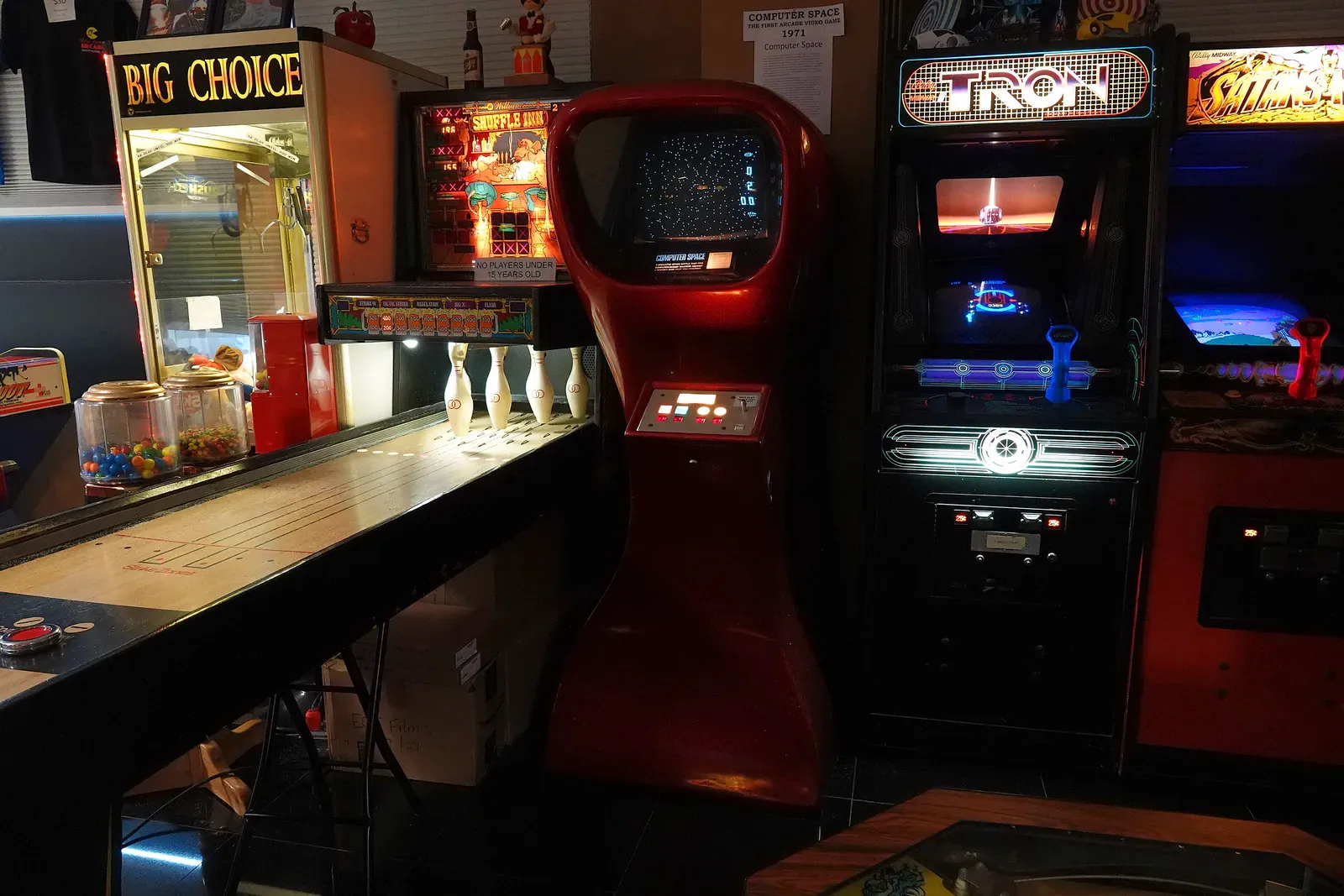
Several of Bangkok’s larger malls house a dedicated indoor theme-park or family-entertainment floor: a mix of smaller rides, a soft-play structure, arcade games and sometimes a themed walk-through, all under air conditioning and accessible directly from a BTS or MRT-connected mall. This is the category most worth remembering as a fallback: when the weather turns, when a family only has half a day, or when the group includes a toddler who can’t handle a full outdoor park, a mall floor delivers a genuine “day out” feeling without any of the transit overhead.
The rides here are necessarily smaller in scale than a dedicated theme park’s, so manage expectations with older children who’ve been promised “a theme park” and will find a mall floor modest by comparison. But for the 2-to-10 range, especially mixed with a sibling of a different age, the flexibility (pay per ride or per session, leave whenever the group is done, no travel time either direction) often outweighs the smaller scale. It’s also the natural pairing with the indoor entertainment options covered in the indoor fun and arcades guide, since the same mall trip can chain a theme-park floor, an arcade and a cinema screening into one afternoon.
Aquariums and zoo-style attractions
Bangkok has at least one large aquarium built into a central mall basement, giving a fully air-conditioned marine-life walk-through reachable by rail, plus zoo and safari-style attractions on the city’s outskirts that combine animal enclosures with some ride or show elements. The mall aquarium suits any age and any weather, is typically a two-to-three-hour visit, and works well as a rainy-day or midday-heat option since the whole experience happens indoors. The outskirt zoo and safari attractions require the same out-of-town travel calculus as the water and theme parks, and are a full-day commitment once transit is factored in. For tickets and planning, see our SEA LIFE Bangkok guide and Safari World guide.
This category is where the animal-welfare question is most relevant, and it’s addressed properly in its own section below: some zoo and safari attractions in Thailand have drawn credible welfare criticism for enclosure size and animal-handling practices, and it’s worth reading reviews with that lens before booking, rather than assuming every animal attraction operates to the same standard.
Trampoline and adventure venues
The newest category, and the one that’s grown fastest: indoor trampoline parks, ninja-course style obstacle venues and climbing-adjacent adventure spaces, almost all inside malls or standalone air-conditioned buildings connected to rail. These suit the 6-to-16 range well, with most venues running separate sessions or zones for younger children versus older jumpers, and they’re bookable by the hour rather than requiring a full-day ticket, which makes them easy to slot into a half-day plan.
Value here is straightforward: you’re paying for active time, and a fit, energetic child gets more out of an hour than a child who tires quickly or is intimidated by the equipment. Because these venues are indoor and air-conditioned, they sit alongside mall aquariums and indoor theme-park floors as the reliable wet-weather and hot-afternoon fallback, and several sit close enough to each other in the bigger entertainment malls that a booking desk visit to check current session times on arrival is often the only planning needed.
Beating the heat: shade, lockers, food and sun protection
Heat management is the single biggest factor in whether any outdoor day succeeds, and it deserves more attention than most visitors give it. Water parks have a structural advantage here (you’re wet, which cools you regardless of air temperature) while theme parks and outdoor zoos offer no such relief, so plan those for the cooler months or the cooler parts of the day (arrival at opening, a long indoor lunch break, and leaving before late afternoon rather than pushing through the hottest hours).
Shade at Bangkok’s outdoor attractions is inconsistent: the bigger water parks generally do better, with cabana rentals and built shade structures, while some theme parks leave large sections of queue and walkway fully exposed. Locker provision is near-universal at water parks (usually a deposit or wristband-linked fee) but patchier at theme parks, so check before assuming you can safely leave bags. Food policies vary by venue: some allow you to bring your own food and drink, many restrict outside food to encourage spending at inside vendors, and prices inside the gate run noticeably above street level, so budget for food as a real line item rather than an afterthought, especially for a family of four eating two meals inside a park.
Sun protection matters more here than visitors from temperate countries typically expect: reapply sunscreen after water slides (it washes off), bring a hat and sunglasses for outdoor queueing, and treat rash guards or a light long-sleeve top as sensible for children rather than overcautious, given how many hours a full day out can put you under direct tropical sun.
Tickets, the two-price question and where to buy
Buying at the gate is rarely the cheapest way into any of these attractions: most venues and third-party sellers run online or advance pricing below the walk-up rate, and a family of four can save a meaningful amount by buying ahead rather than queuing at the ticket window. This guide won’t name or recommend a specific booking platform, since pricing and promotions shift constantly, but checking a venue’s own official channel before travelling is worth the ten minutes it takes.
A longstanding practice at some Thai attractions (more common at zoos, safaris and a handful of parks than at water parks) is charging foreign visitors a different price from Thai residents, sometimes framed as a “Thai price” shown only in Thai script at the counter. This isn’t universal and isn’t guaranteed to still be current policy at any specific venue by the time you visit, so treat it as something to ask about or check reviews for rather than a fact to expect everywhere, but don’t be surprised if it comes up.
Indicative price bands for 2026 (THB, approximate USD, confirm current pricing directly with each venue before travelling):
- Large water park, adult full-day ticket: roughly ฿900-1,600 (~US$26-46)
- Large water park, child ticket: roughly ฿600-1,100 (~US$17-32)
- Theme or amusement park entry plus a moderate number of rides: roughly ฿500-1,200 (~US$14-35) per person
- Mall aquarium: roughly ฿400-1,000 (~US$12-29) per person depending on age and season
- Mall-based indoor theme-park floor or trampoline park: usually pay-per-ride or pay-per-hour, roughly ฿200-600 (~US$6-17) per person for a couple of hours
Rainy season and closures
Roughly May through October brings Bangkok’s rainy season, which doesn’t mean constant rain but does mean genuinely unpredictable afternoon downpours that can shut an outdoor water or theme park day down with little warning. Outdoor water parks sometimes pause slides during lightning, which is a real safety measure rather than overcaution, and a heavy storm can end a day early with no refund guarantee. This is the strongest structural argument for building a rainy-season backup into any big outdoor day: a nearby mall with an aquarium, indoor theme-park floor or the options covered in the indoor fun and arcades guide turns a washed-out afternoon into a recovered one rather than a wasted one.
Closures beyond weather are also worth flagging honestly: this sector has seen genuine park closures, rebrands and ownership changes in Thailand over the past several years, and a park that shows up in older travel articles or search results is not guaranteed to be trading today. Check a venue’s own current website or recent, dated reviews before building a day around it, particularly for anything outside the handful of long-established, well-known names.
Animal attractions: the welfare question
Some of Bangkok and its surrounding day-trip radius’s animal attractions (elephant riding, tiger photo opportunities, and certain zoo or “farm” style venues with close animal contact) are widely condemned by welfare organisations on the grounds of how the animals are kept, trained and handled. This isn’t a fringe opinion; it’s the mainstream position of most credible animal-welfare bodies covering Thailand’s tourism industry. If an itinerary includes an animal encounter, it’s worth choosing venues that explicitly avoid riding, performing and direct unsupervised contact, and treating “sanctuary” branding with some scepticism, since the word isn’t regulated and gets used by operations with very different standards. This guide won’t name specific venues as good or bad, since practices change, but the underlying concern doesn’t go away with a rebrand.
Accessibility, toddlers and teenagers
Physical accessibility across this category is uneven. The newer mall-based venues (indoor theme-park floors, aquariums, trampoline parks) are generally built to modern accessibility standards with lifts and level access, since they sit inside malls designed for it. Older outdoor water and amusement parks vary widely, with some slides and queue paths involving stairs with no alternative route, uneven surfaces, or limited signage for visitors with mobility or sensory needs. If accessibility is a firm requirement, it’s worth contacting a venue directly rather than assuming based on photos.
Toddlers (roughly under 4) do best in the in-town pool category or a mall-based indoor floor: short travel, shallow water or gentle rides, air conditioning as a fallback, and an easy exit if the day goes wrong. Teenagers get the most out of the large water parks and theme parks, where the scale and thrill level actually match their appetite, and they tolerate the travel time and heat far better than a small child does. The hardest group to plan for is a family spanning both ends (a toddler and a teenager on the same trip) where splitting into two separate outings, or picking a large water park with both a serious slide tower and a proper splash zone, tends to work better than picking a single venue and hoping it stretches to fit everyone.
Matching family type to venue
| Family type | Best venue category | The catch |
|---|---|---|
| Toddler (under 4) | In-town pool or mall indoor floor | Limited thrill, short visit, but low risk of a wasted trip |
| Young family (5-9) | Dinosaur/character park or mall aquarium | Shorter day, pair with a second stop |
| Mixed ages, 5-15 | Large water park | Full-day travel commitment; check current opening status first |
| Teenagers (12+) | Theme park or large water park | Heat is brutal outdoors March-May; go for water over rides in hot season |
| Rainy afternoon, any age | Mall indoor floor, aquarium or trampoline park | Smaller scale than a full outdoor park, but weatherproof |
| Multi-generational (grandparents included) | Mall aquarium or indoor floor | Least walking, most shade, easiest transit by rail |
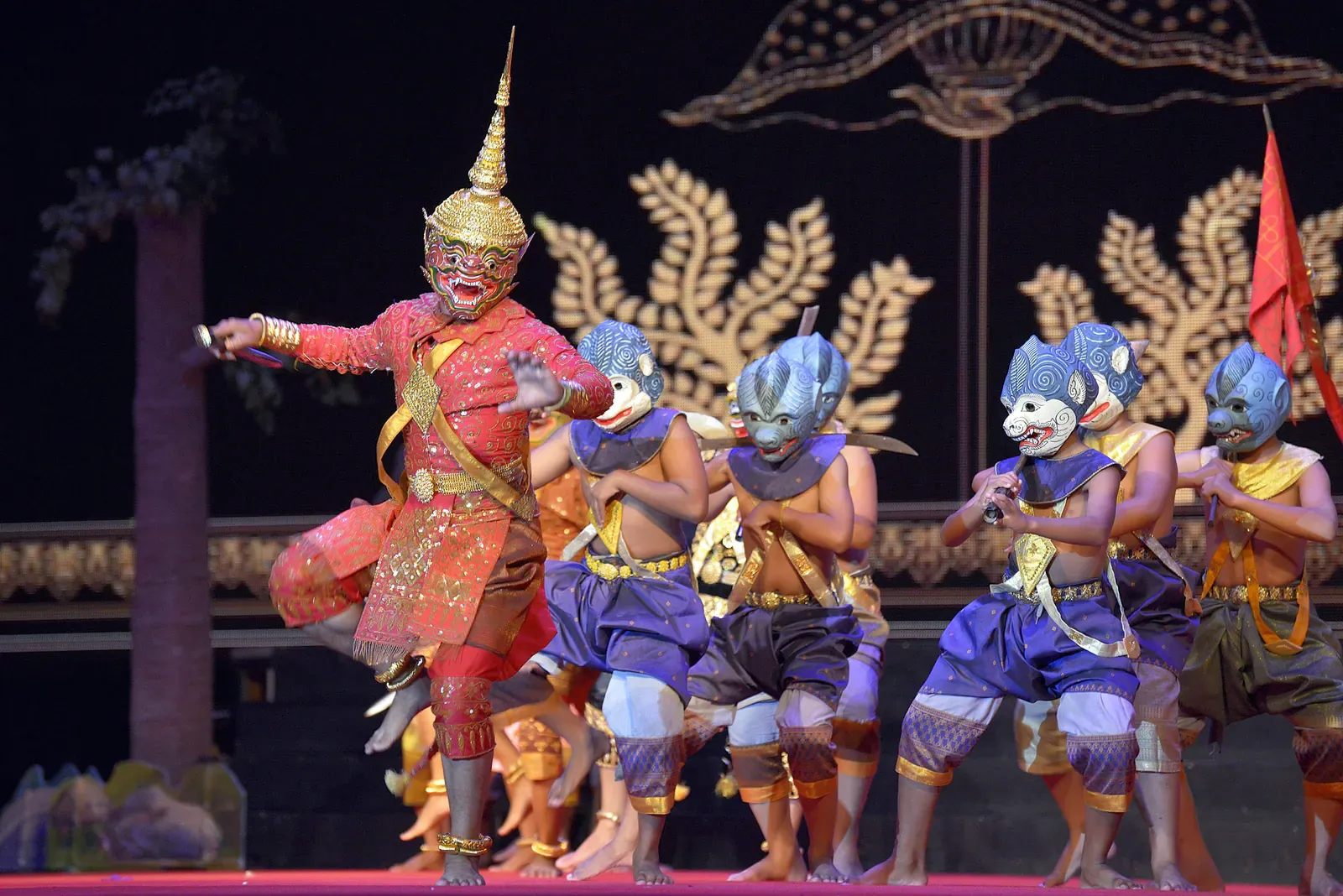
For a rainy or simply cautious plan, cross-reference this against the indoor fun and arcades guide for the full mall-based options, and if the evening after a family day out needs a lighter, non-thrill activity, the cabaret and shows guide covers family-friendly dinner shows suitable for winding a day down.
Common questions
Is it better to visit a Bangkok water park or theme park in the hot season?
A water park, without much competition. Bangkok’s hot season, roughly March to May, makes an all-outdoor theme park genuinely uncomfortable, with direct sun on queues and no way to cool off between rides. A water park solves the heat problem structurally, since you’re wet for most of the day regardless of air temperature.
Do I need a car to visit Bangkok’s big water parks?
Generally yes, or a taxi or ride-hailing trip booked for a return journey. Most of the larger water parks sit well outside the central rail network, 45 minutes to over an hour from the centre depending on traffic, and public transport options to the gate are limited or involve a long final leg.
Are there indoor theme park options in Bangkok for a rainy day?
Yes. Several large malls have indoor theme-park floors, family-entertainment zones or mall aquariums, all reachable by BTS or MRT and fully air-conditioned. These are smaller in scale than a dedicated outdoor park but solve the rainy-day and extreme-heat problem completely.
Do Bangkok attractions charge tourists and residents different prices?
Some do, historically more common at zoos, safaris and certain parks than at the big water parks, sometimes shown only in Thai at the ticket counter. It isn’t universal and current policy varies by venue, so it’s worth checking reviews or asking directly rather than assuming either way.
Are elephant rides or tiger photo attractions near Bangkok ethical?
Mainstream animal-welfare organisations widely condemn elephant riding, tiger photo opportunities and similar close-contact animal attractions on welfare grounds related to how the animals are trained and kept. If an animal encounter is part of a trip, look for venues that explicitly avoid riding and performing, and treat “sanctuary” branding with some caution since it isn’t a regulated term.
What age group gets the most out of Bangkok’s theme parks versus water parks?
Theme parks generally suit ages 8 and up better, since many signature rides carry height restrictions that exclude younger children. Water parks flex further down thanks to splash zones and shallow areas, making them the safer single choice for a family with a wide age range.
Part of
Written by
Mike Brochlowski
Founder and editor, travel photographer and designer
I'm Mike Brochlowski, a travel photographer and designer, and I currently live on Koh Samui, Thailand. I built BangkokWiki to put practical, checked information about Bangkok in one place. Every page is researched from official and primary sources, and the text names them. Where a page shows a checked date, that is when its facts were last confirmed. I also run samui69.com, a non-commercial guide to Koh Samui. If you spot an error or something out of date, tell me through the contact page and I will check it and correct the page.
Read all articles
Where to stay
Pick the area before the hotel
Traffic and heat make Bangkok distances feel longer than they look on a map, so the area shapes a trip more than the hotel does. Our guides match areas to trip types and explain the trade-offs.

Places to stay
Find a hotel
More from Things to do
- 14 min read
 12 min read
Bangkok Cabaret Shows Guide: Dance and Live Stages
 9 min read
Bangkok Must-Do Experiences, Scored by Time, Cost, Crowd

Newsletter
You're subscribed as