
Travel
Thailand VAT Refund for Tourists and What to Buy
How Thailand's tourist VAT refund works step by step, its common traps, plus what to buy in Bangkok (silk, ceramics, spices, art) and the customs catches.
At a glance
- Reading time
- 13 min read
- Chapters
- 10
- Published
- Sep 20, 2026
On this page
Thailand runs a value-added tax refund scheme for tourists, and Bangkok has genuinely good things to buy, but the two only work together if the paperwork happens at the point of sale, not at the airport when it’s too late. This guide covers the refund mechanism structurally, the traps that catch first-timers, and then the shopping half: what’s worth buying, where, and what customs or an airline might have an opinion about on the way home.
The refund scheme, structurally
Thailand’s VAT Refund for Tourists scheme lets non-resident visitors reclaim the value-added tax charged on goods bought at participating shops, provided the goods are taken out of the country and the paperwork is completed correctly. It is not automatic and it is not universal: only shops that are registered participants in the scheme can issue the refund paperwork, and unregistered shops (including many markets, independent boutiques and street vendors) simply can’t, no matter how much is spent there. The scheme is for tourists, not for Thailand residents or long-stay visa holders who count as tax residents, and eligibility rules around residency and length of stay apply; anyone unsure of their own status should confirm it before assuming they qualify.
The scheme involves a minimum spend threshold per shop per day and a minimum total across all claimed purchases before a refund can be processed, along with a percentage refund rate and administrative fee deducted from the amount reclaimed. This guide deliberately does not state current baht figures, percentages or fees, because these are exactly the numbers that change and that get misquoted online. Confirm the current thresholds, rate and fee directly with the Thai Revenue Department’s official guidance, or ask the shop at the point of purchase: a participating shop’s staff should know the current rules and can usually show the official signage confirming their registration.
The sequence, step by step
- Look for the scheme’s signage before buying, usually a blue and white “VAT Refund for Tourists” sign at the shop entrance or till. If it isn’t displayed, ask directly whether the shop participates. Don’t assume.
- Ask for the refund form at the point of purchase, not afterwards. The shop needs to see a passport at checkout to issue the paperwork; a photo or photocopy of a passport is generally not accepted in place of the original.
- Keep the original receipt and the refund form together, and keep the purchased goods unused, in their original packaging where possible, and packed somewhere reasonably accessible (not buried at the bottom of checked luggage), since goods above certain value thresholds may need to be shown to an officer before check-in.
- Arrive at the airport with real time in hand. The refund process involves a customs step and a separate refund-desk step, both of which can queue heavily during peak travel periods; arriving with only the minimum check-in window risks missing the refund, or the flight, or both.
- Present goods and paperwork at the customs inspection point before check-in, where this step applies: customs and the refund desk handle different things, and it’s the customs stamp that generally has to happen before bags disappear into the hold, not after.
- Complete the refund claim at the refund desk after immigration, where the stamped paperwork is processed and the refund issued.
- Choose a refund method: options generally include cash, a card credit or a bank transfer depending on the amount and what’s offered at the time, each with different processing routes and different deductions taken. Confirm current options and any associated fee at the refund desk itself.
The traps
- Forgetting to ask for the form at the time of purchase. It cannot be issued retroactively once the shop transaction is closed and the receipt printed as an ordinary sale.
- Using or unpacking the goods before departure, which can disqualify them from inspection since the scheme expects them to leave the country in essentially the condition they were bought.
- Packing claimed goods in checked luggage before completing the customs step, when that step requires the goods to be physically shown: burying them defeats the purpose and can mean an unstamped, invalid claim.
- Arriving too close to the flight. Both the customs check and the refund desk queue can move slowly at busy times, and a missed refund because of a rushed connection is a common, avoidable outcome.
- Assuming the refund desk and the customs desk do the same job. They don’t: customs verifies the goods and stamps the paperwork, and the refund desk (often located after immigration) actually processes and pays out the claim. Missing either step in the wrong order can unravel the whole claim.
- Assuming every shop participates. Markets, most souvenir stalls, and many independent boutiques are outside the scheme entirely, however much is spent.
What’s genuinely worth buying
Thai silk and cotton
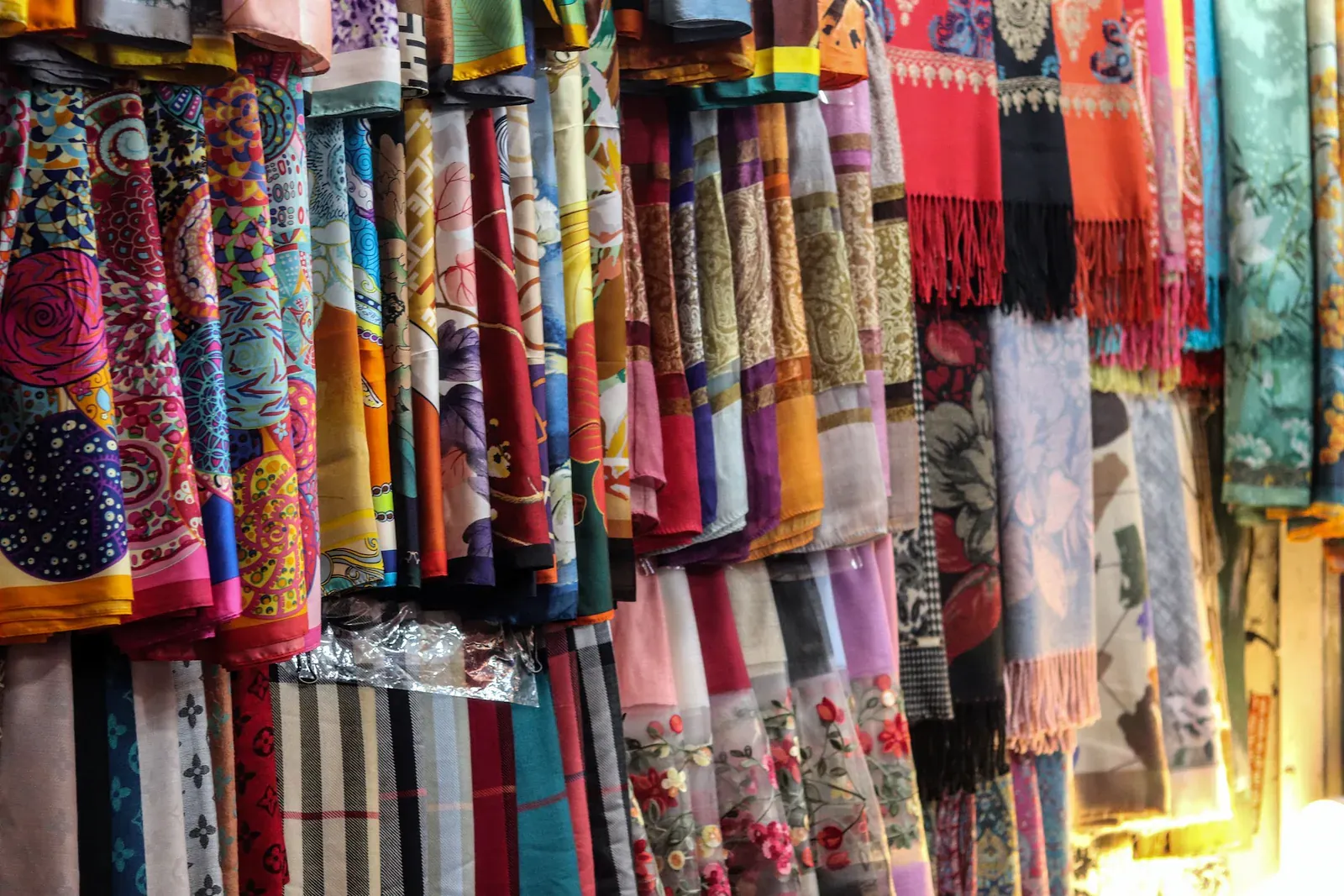
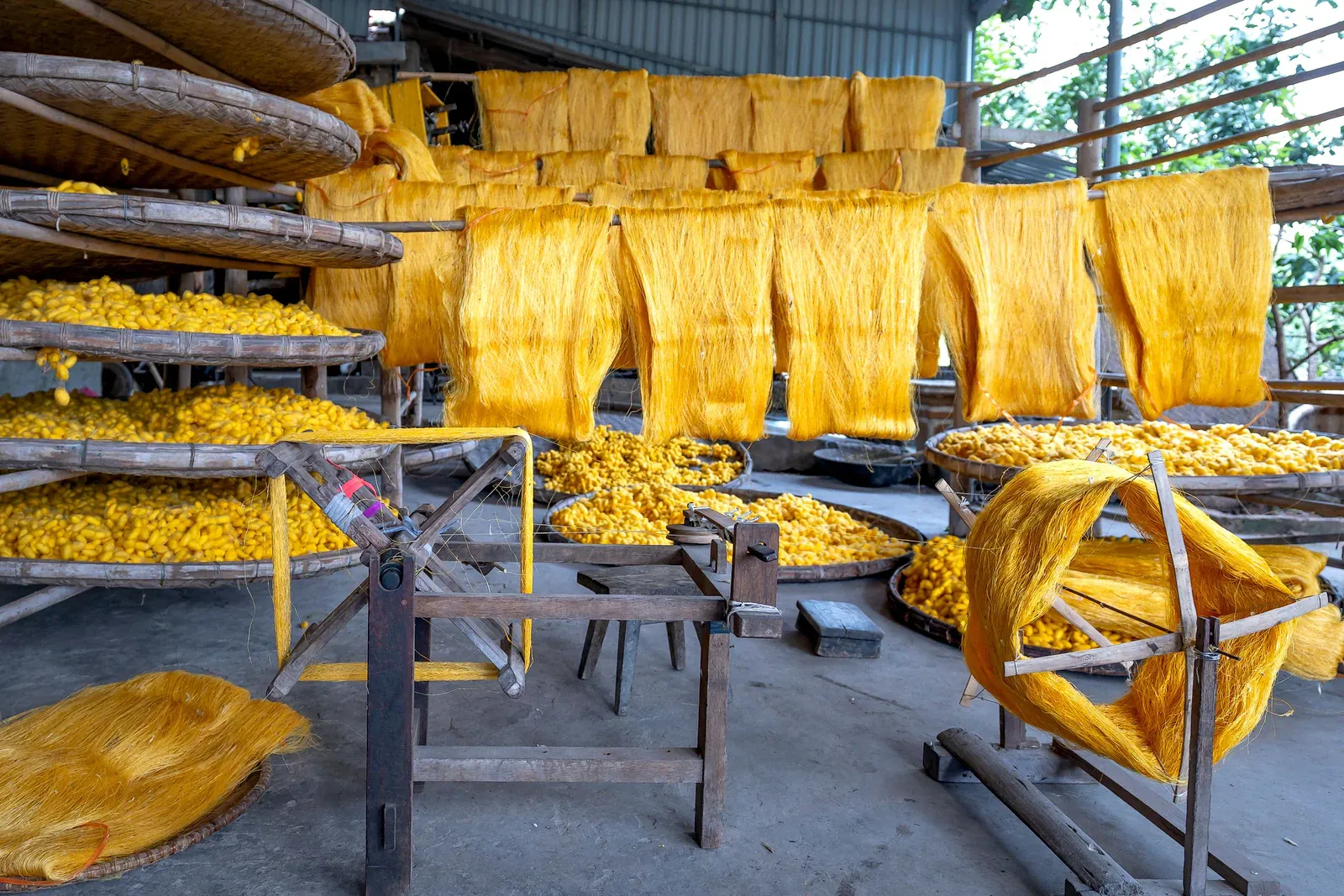
Thai silk has a real reputation and a real price range to match; genuine handwoven silk, sold by specialist retailers and at reputable silk houses, sits well above the mass-produced, machine-woven silk-blend fabric sold cheaply in markets. Cotton (particularly hand-loomed cotton from northern and northeastern weaving communities, often sold through fair-trade-oriented shops or at ICONSIAM’s SookSiam hall alongside other regional handicrafts) is a more affordable, still genuinely Thai alternative. Quality tell: handwoven silk has slight, visible irregularities in the weave and a particular sheen that shifts with the light; a suspiciously uniform, glossy finish at a market-stall price is very likely a synthetic blend. Indicative price band: ฿1,000-5,000+ (~US$30-140+) per metre or per finished small item for genuine handwoven silk, considerably less for cotton or blends.
Ceramics, celadon and benjarong
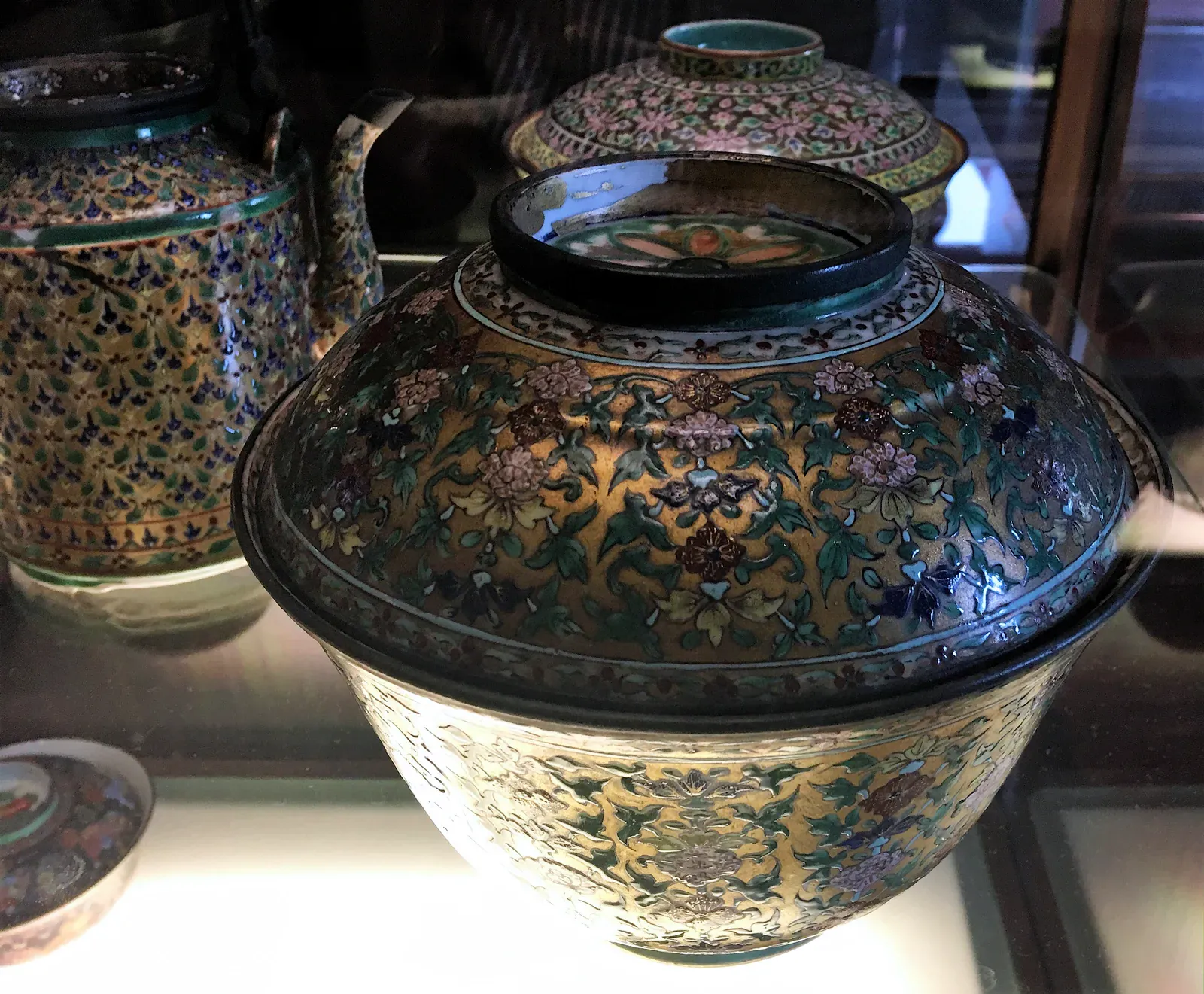
Celadon (the pale green-glazed stoneware associated with northern Thai kilns) and benjarong, the intricately hand-painted, often gilded porcelain tradition, are both widely sold, both widely faked in lower grades, and both genuinely fragile for transport. Buy from a specialist ceramics retailer or a mall-based crafts outlet rather than an open-air market stall if the piece matters, ask about the glaze and hand-painting process, and factor in that checked luggage is a real risk for anything ceramic: ask about export packing or consider shipping for a larger or finer piece. Indicative price band: ฿300-2,000 (~US$9-57) for smaller pieces, considerably more for larger benjarong showpieces.
Basketry, wickerwork and wood
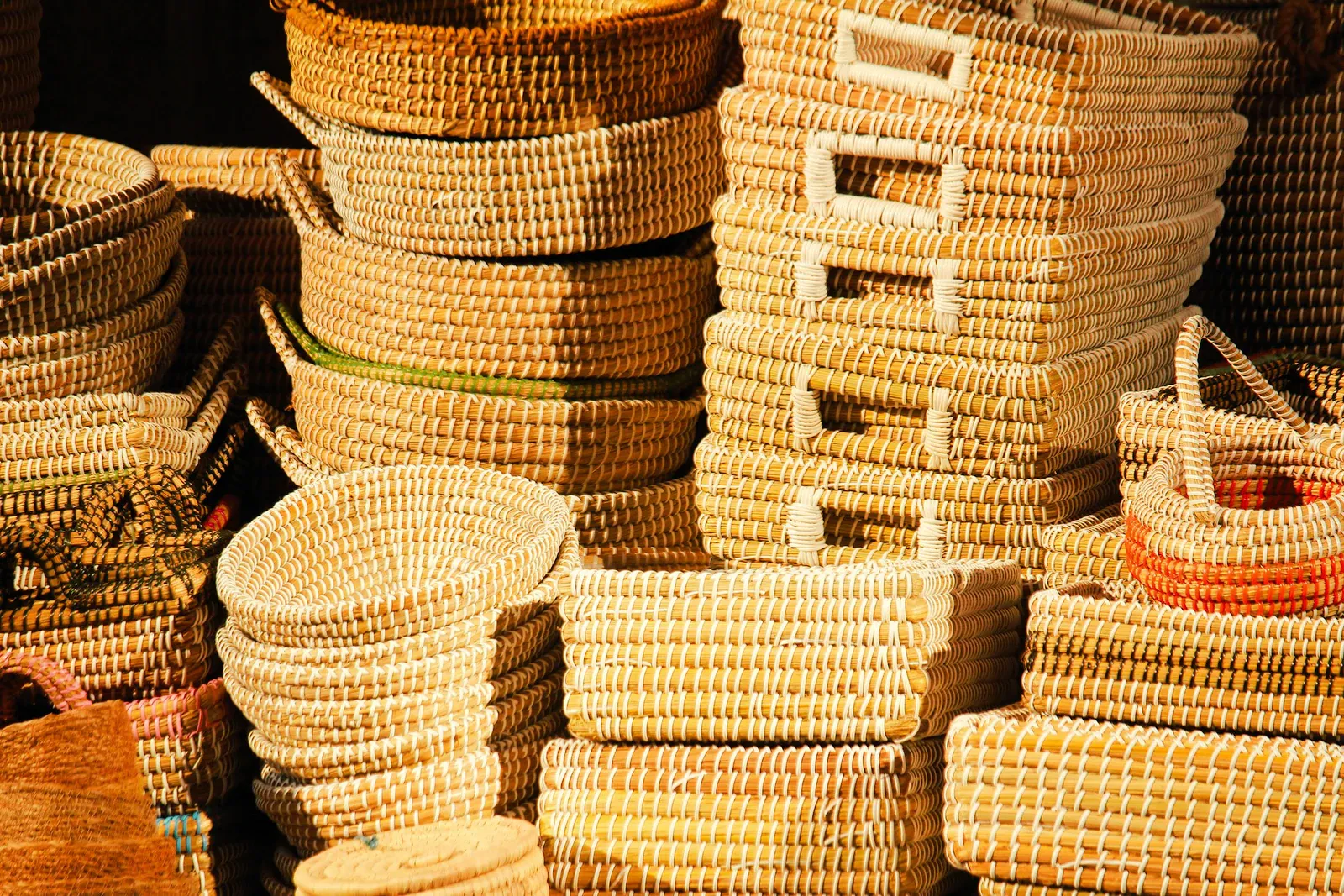
Woven bamboo, rattan and water hyacinth basketry, along with carved and lacquered wood pieces, are widely available at markets and specialist craft shops and travel reasonably well compared with ceramics. Lacquerware in particular (often finished with mother-of-pearl inlay in the better pieces) is a genuine Thai and broader Southeast Asian craft tradition worth seeking out at a specialist shop rather than the cheapest market equivalent, which is often a thinner, less durable finish. Indicative price band: ฿200-1,500 (~US$6-43) for basketry, considerably more for detailed lacquerware.
Spirit houses, religious items and Buddha images
Spirit houses (san phra phum) are a genuine part of Thai daily life and are sold openly, but a large or ornate one is impractical to transport and, for a non-Thai household, arguably better left as something observed rather than bought. Buddha images carry real legal weight: Thai law has long restricted the export of Buddha images and antique religious artefacts, and written permission (an export permit from the Fine Arts Department) has historically been required for images above a certain size, with small souvenir-type images generally exempt up to a limited quantity per person, and an outright ban on exporting fragments of Buddha images (heads, hands, feet) specifically, regardless of size. These specifics change and enforcement varies, so check current requirements with the Fine Arts Department, or ask the shop directly whether the piece needs a permit, before buying, not after. Treat any Buddha image as a considered, respectful purchase rather than a casual souvenir regardless of the legal question: displaying or placing these images casually (on the floor, in a bathroom) is broadly considered disrespectful in Thai culture.
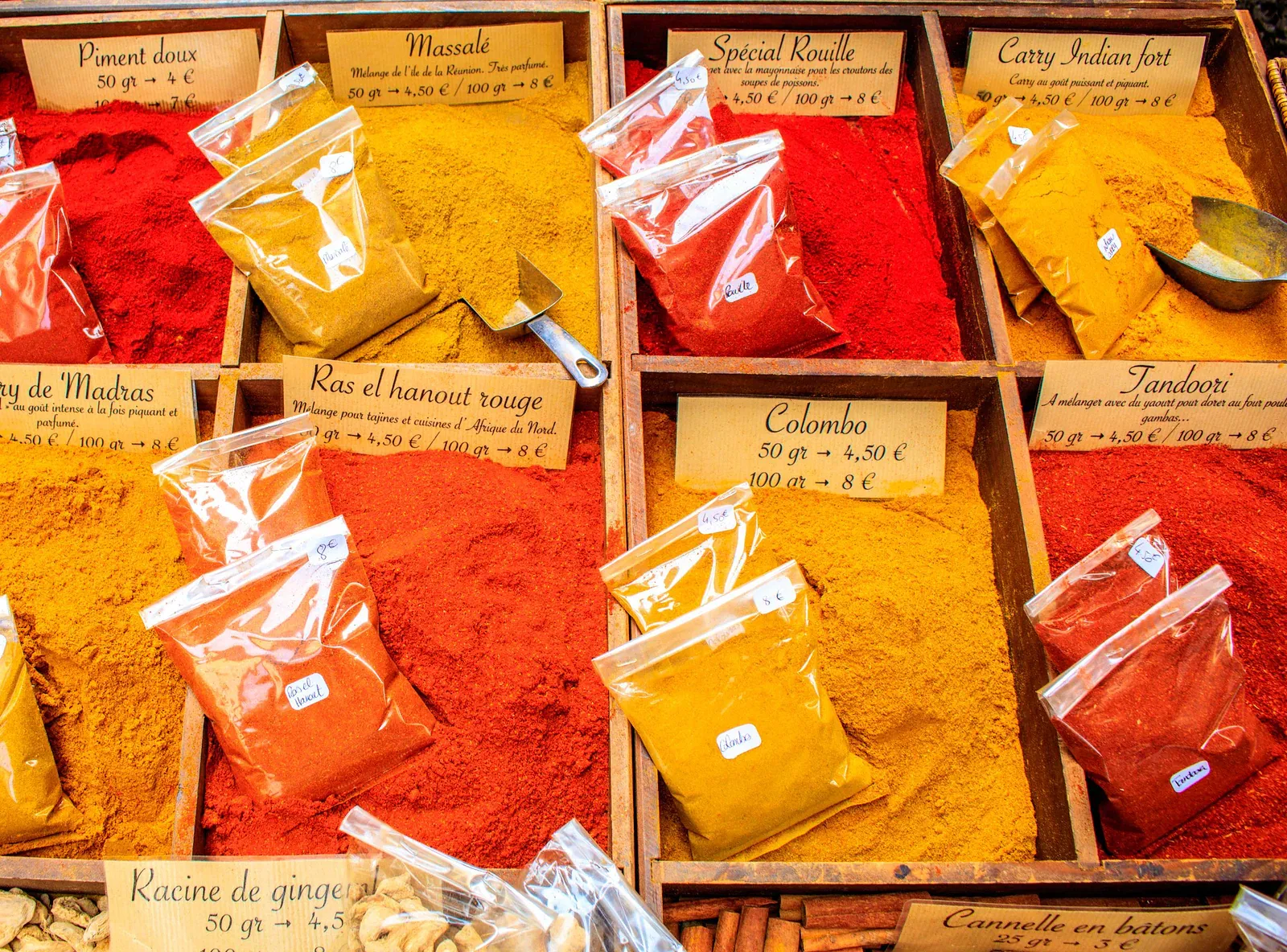
Spices, curry pastes and food products
Dried spices, curry pastes and packaged Thai food products make genuinely practical souvenirs and are widely sold in supermarkets, malls and markets alike: a supermarket is usually the more reliable source for a sealed, correctly labelled product than a market stall. The catch is at the destination end, not the Thai end: many countries restrict or ban importing fresh or unprocessed agricultural products, and some restrict certain processed foods too; check the destination country’s customs and agricultural import rules before packing food items, since rules vary hugely by country and enforcement can mean confiscation at arrival.
Snacks, coffee and tea
Thai snacks (dried fruit, fried shallots, packaged sweets), coffee from Thailand’s northern growing regions, and Thai tea products are low-risk, low-cost, widely available souvenirs sold in supermarkets, malls and airport shops alike, and generally uncontroversial for customs compared with fresh produce. Indicative price band: ฿50-500 (~US$1.50-14) per item, making these good bulk or gift-giving buys.
Soaps, toiletries and spa products
Thai spa and wellness brands producing soaps, scrubs and oils are sold widely from market stalls to department stores, with a large quality and price range; a mall-based specialist retailer or a recognised spa brand’s own outlet is a safer bet for consistent quality than an unbranded market stand, though the latter can still be genuinely good value. Liquid and gel items need to go in checked luggage or comply with cabin liquid limits: worth checking against the airline’s rules before assuming a full-size bottle can travel as hand luggage.
Tailoring
A made-to-measure suit, shirt or dress is one of the more substantial and genuinely worthwhile purchases available in Bangkok, and (done properly) a better fit than most off-the-rack alternatives at a comparable price. It’s also the purchase category most associated with rushed decisions and tourist-funnel selling; the full separate guide on judging a tailor properly and avoiding the tourist-funnel shops is worth reading before committing to an order, and a finished tailoring order is also usually well above the VAT refund scheme’s per-shop spend threshold, making the paperwork worth asking for at a participating tailor.
Art and prints
Contemporary Thai art, prints and photography are sold through galleries and at markets with wildly varying quality and pricing; a gallery purchase generally comes with better provenance and, often, help with export logistics for larger framed pieces, while market art is more hit-or-miss on both authenticity and long-term durability. Antique or purportedly antique artwork raises the same export-permit questions as Buddha images and antiques generally: Thailand’s cultural heritage law restricts export of genuine antiques, so anything represented as old or historically significant should be checked against current Fine Arts Department rules before purchase, not assumed to be freely exportable.
Everyday practical buys
Household items, kitchenware, inexpensive clothing basics, and Thailand-specific practical goods (mosquito repellents, certain over-the-counter remedies, phone accessories) are often genuinely cheaper here than at home and make sensible, low-drama additions to a suitcase without any of the customs complexity of the categories above.
Where to buy each category
Malls (particularly ICONSIAM’s SookSiam hall, and the crafts sections of Siam Paragon and CentralWorld covered in the guide to Bangkok’s shopping malls) offer the most reliable quality and the best odds of a VAT-refund-participating till for silk, ceramics, benjarong and lacquerware. Markets are better for volume, bargaining and lower-stakes items (snacks, basketry, inexpensive textiles) but are largely outside the VAT refund scheme and more variable on quality for anything delicate or claimed to be handmade. Specialist shops (a dedicated silk house, a spa brand’s own store, a serious antiques or art dealer) are worth the modest price premium for anything where authenticity or export legality actually matters.
Packing and declaration
Fragile items (ceramics, benjarong, lacquerware) belong in checked luggage only with real protective packing, or should be shipped separately by a reputable courier if the shop offers it: carry-on space is limited and airport security doesn’t pack gently. Anything bought under the VAT refund scheme should stay unused and reasonably accessible until past the customs and refund-desk steps, not zipped into the bottom of a suitcase. Anything with a genuine legal question mark (a Buddha image above a casual souvenir size, anything represented as an antique) should have its export paperwork sorted and carried with the item, not assumed to be fine at the gate. Food items should be checked against the destination country’s import rules before packing, not after landing.
What not to buy
- Anything claimed as an “antique” sold cheaply at a market stall: genuine antiques are both rarer and more legally encumbered than casual sellers imply, and most “antique” market goods are reproductions anyway.
- Ivory or any product represented as containing genuine animal-derived material without absolute certainty of its legality both to export from Thailand and import at the destination: the legal risk and ethical weight both fall on the buyer.
- A large, ornate Buddha image bought on impulse without checking the export permit question first: the piece can end up undeliverable or confiscated, permit or not, if the paperwork isn’t sorted before travel.
- Convincing counterfeit branded goods intended to pass as genuine: a separate customs risk at the destination, covered in the guide to Bangkok’s malls.
- Fresh fruit, meat or unprocessed agricultural products carried as gifts, without checking the destination country’s rules first: a near-guaranteed confiscation in many countries.
Shipping instead of carrying
For anything fragile, bulky, or bought in enough quantity to strain a suitcase, most specialist retailers and many market vendors can arrange shipping, either through their own courier relationship or a third-party freight forwarder recommended on request. This is usually the safer option for ceramics, benjarong and larger lacquerware pieces that wouldn’t survive checked luggage handling, and it’s worth asking about explicitly rather than assuming it isn’t offered just because it wasn’t mentioned. The trade-off is losing the VAT refund process’s requirement to present goods at the airport in person for higher-value claims, so anything being shipped rather than carried should have its refund paperwork sorted and stamped before it leaves the shop, or the claim may need a different process entirely: ask the shop how they handle this combination, since it comes up often enough that a participating shop should have a standard answer.
Gifts, group shopping and combining receipts
Buying gifts for several people at once raises a practical question worth settling before checkout: whether purchases at the same shop on the same visit can be combined onto a single refund form to reach the per-shop threshold, since a scattering of small individual gift purchases might not qualify on their own even though the total spend is meaningful. Ask the shop directly, since practice can vary, and consider consolidating gift shopping into fewer, larger stops at participating shops rather than many small purchases across unrelated stalls, both for the refund arithmetic and because it’s simply easier to keep track of receipts and forms from a shorter list of shops than a long one. Group travellers shopping together should also confirm whether purchases need to be itemised per individual passport for the claim, since a shared purchase paid on one card but intended for several people’s luggage can complicate an otherwise straightforward claim.
Common questions
Do I need to spend a minimum amount to get a VAT refund in Thailand?
Yes, the scheme has a minimum spend per shop and an overall minimum across a claim, but the exact current figures change and shouldn’t be taken from casual sources: confirm them with the Thai Revenue Department or the shop at the time of purchase.
Can permanent residents or long-stay visa holders claim the VAT refund?
The scheme is designed for tourists, not for those who count as Thai tax residents; anyone on a long-stay visa or otherwise unsure of their residency status for this purpose should check their eligibility before assuming they qualify.
What happens if I forget to ask for the refund form when I buy something?
The form generally can’t be issued after the sale is closed: it has to be requested and the passport shown at the point of purchase, so a missed form at checkout usually means a missed refund for that purchase.
Do I need a permit to bring home a small Buddha statue as a souvenir?
Small souvenir-type images have historically been treated more leniently than larger or antique pieces, but rules on size, quantity and what counts as a “souvenir” versus a restricted item change, so check with the Fine Arts Department or ask the shop directly before buying, especially for anything larger than a small keepsake.
Is Thai silk from a market stall the real thing?
Sometimes, but a lot of cheap market “silk” is a synthetic blend. Genuine handwoven silk has slight weave irregularities and a shifting sheen; a suspiciously glossy, uniform, very cheap piece is more likely a blend, and a specialist silk retailer is a safer bet if authenticity actually matters.
Can I bring Thai curry paste or dried spices home?
Often yes for sealed, packaged products, but rules vary sharply by destination country, especially for anything containing fresh or unprocessed ingredients. Check the destination’s customs and agricultural import rules before packing rather than assuming.
Written by
Mike Brochlowski
Founder and editor, travel photographer and designer
I'm Mike Brochlowski, a travel photographer and designer, and I currently live on Koh Samui, Thailand. I built BangkokWiki to put practical, checked information about Bangkok in one place. Every page is researched from official and primary sources, and the text names them. Where a page shows a checked date, that is when its facts were last confirmed. I also run samui69.com, a non-commercial guide to Koh Samui. If you spot an error or something out of date, tell me through the contact page and I will check it and correct the page.
Read all articles
Where to stay
Pick the area before the hotel
Traffic and heat make Bangkok distances feel longer than they look on a map, so the area shapes a trip more than the hotel does. Our guides match areas to trip types and explain the trade-offs.

Places to stay
Find a hotel
Explore the other desks
More from Travel
- 5 min read
 6 min read
Bangkok Dining Etiquette: Mistakes Tourists Make at the Meal
 10 min read
A Cruise Passenger's Day in Bangkok: The Real Time Budget

Newsletter
You're subscribed as