
Health
Cancer Treatment in Bangkok: Get a Second Opinion First
Why a remote oncology second opinion should come before relocating to Bangkok for cancer treatment, with dated cost bands and the documents a review needs.
On this page
The first step in getting cancer treatment in Bangkok is not a flight booking, it is a remote second opinion. Sending your existing scans, pathology report and history to a Bangkok oncology team for review costs far less than relocating, takes days rather than weeks, and tells you whether a move is even the right call before you commit to one.
Why a second opinion comes before a decision, not after
Medical tourism marketing for cancer care tends to lead with a headline number: a total treatment cost, a savings percentage against a home country, sometimes a named hospital’s technology list. What it usually buries is the lower-risk, lower-cost step that should come first: most major Bangkok hospitals offer a structured remote second-opinion pathway, where a multidisciplinary tumour board reviews your existing records and returns a proposed plan and cost estimate, typically within three to five working days, before you have committed to anything.
This matters because a cancer diagnosis and treatment plan is rarely a single fixed answer. Different oncology teams can reasonably differ on sequencing, technique or even the diagnosis itself, and a second set of eyes on your case, before you have packed a bag, is a genuinely lower-commitment way to find that out. Relocating for treatment is a major decision involving time away from home, cost, and disruption to existing care; a second opinion is not.
What a remote second opinion actually involves
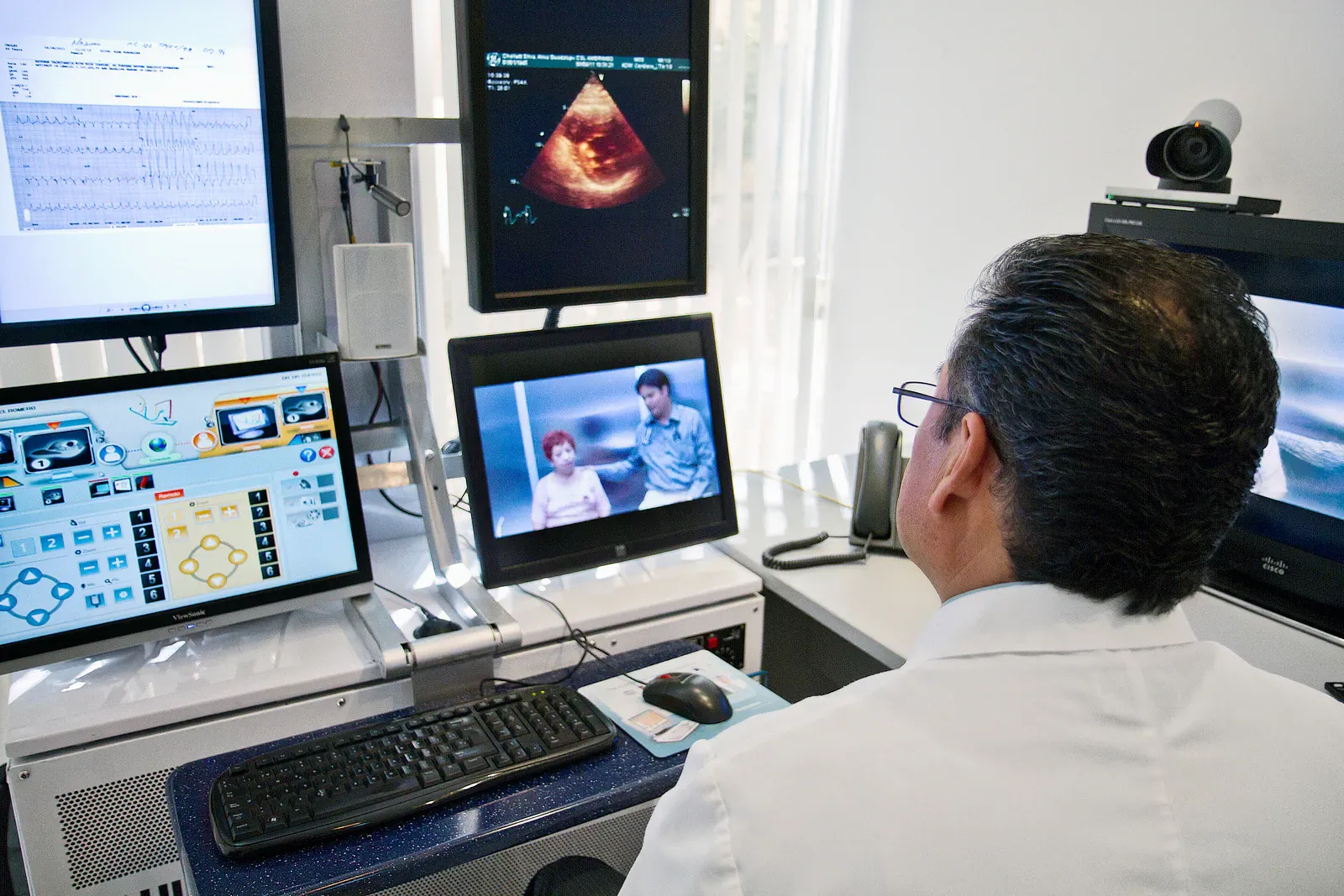
A hospital’s international second-opinion service works broadly the same way across the major providers: you submit your records through a secure patient portal or via their international patient department, a multidisciplinary team of oncologists and specialists relevant to your cancer type reviews the file, and you receive a written response, sometimes followed by a video consultation, covering their read of the diagnosis, a proposed treatment approach, and an estimated cost range if you proceeded with treatment there.
Fees for this review vary: some hospitals offer an initial triage response at no cost, while a full multidisciplinary review with a written report commonly runs in the range of 1,700-5,000 THB (~50-145 USD), checked September 2026. That is a genuinely different financial commitment than booking a consultation in person, let alone treatment.

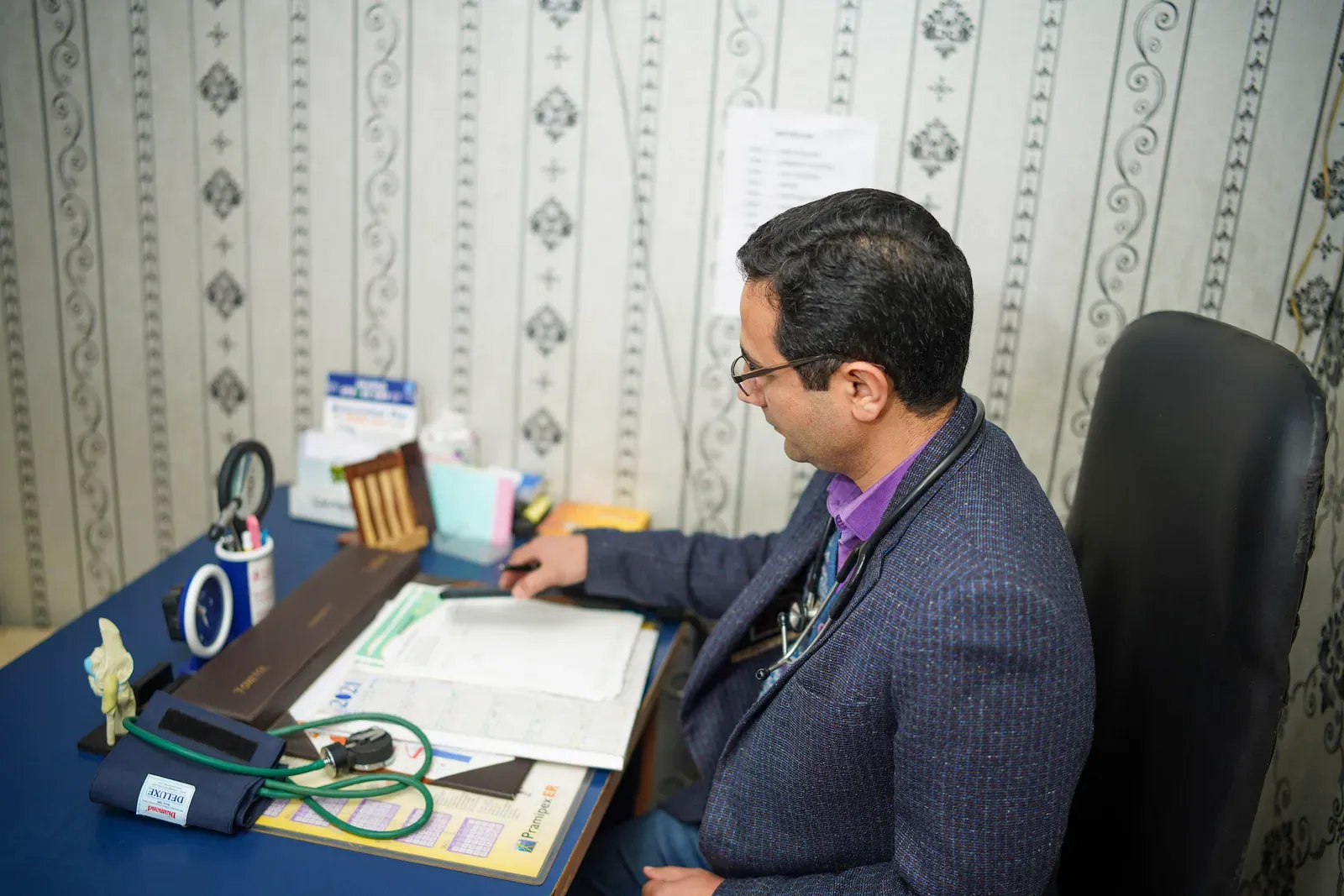
Documents a Bangkok oncology team needs to review your case
A second opinion is only as good as the file behind it. Before reaching out, gather:
- Pathology and biopsy reports, the primary basis for a cancer diagnosis and the single most important document to send complete, not summarised.
- All imaging, as digital files or scan discs, not just a written radiology summary: CT, MRI, PET or ultrasound images, whichever apply to your case.
- A discharge summary or referral letter from your current treating doctor or hospital, describing the diagnosis, stage and any treatment already given.
- A full medication list, by generic name, including anything already administered as part of treatment (chemotherapy drugs, radiation dose and site, surgical notes).
- A copy of your passport information page, which most international patient departments require to open a file.
- Prior lab results relevant to the diagnosis (blood counts, tumour markers, genetic or biomarker testing if performed).
Missing or incomplete records are the most common reason a remote review comes back with more questions than answers rather than a usable plan, so a complete file the first time is worth the extra effort of chasing your current provider for copies.

Second opinion vs full relocation: cost, time, commitment
| Remote second opinion | Relocating for full treatment | |
|---|---|---|
| Cost | ~1,700-5,000 THB (~50-145 USD), checked September 2026, sometimes free for initial triage | Full treatment cost (see bands below), plus travel, accommodation and time away from home |
| Time | Typically 3-5 working days for a written response | Weeks to months, depending on cancer type and treatment plan |
| Commitment | Low: records sent electronically, no travel required | High: relocation, often with a companion, for the treatment period |
| What you get | A second read on diagnosis and a proposed plan with an estimated cost | Actual treatment, delivered in person |
Read this table as a decision funnel, not a menu: the second opinion is what tells you whether the relocation column is worth considering at all for your specific case.
What full treatment actually costs, by type
- Chemotherapy, per cycle
- 34,000-102,000 THB
- Surgery
- 102,000-850,000 THB
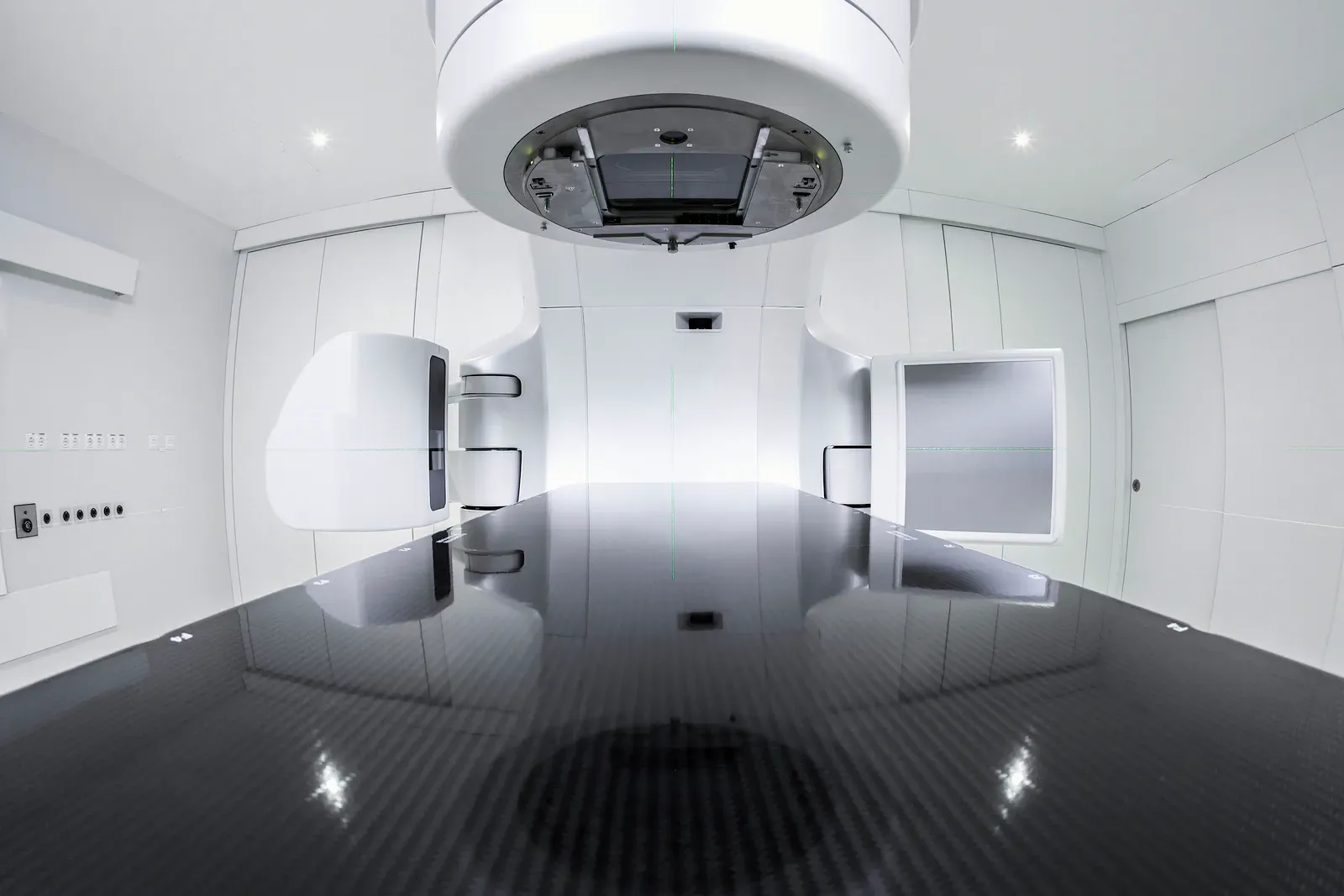
- Radiotherapy, full course
- 170,000-850,000+ THB
- Targeted therapy, per course
- up to ~306,000 THB
- Proton therapy (specialised)
- ~1,020,000-1,530,000 THB
Source: Editorial synthesis of medical-tourism aggregator ranges (originally quoted in USD), converted at ~34 THB/USD, checked September 2026. Wide ranges reflect real variation, not a quote.
These are wide, dated, aggregator-sourced ranges, not quotes from any specific hospital, and a real course of treatment usually combines more than one of these categories (surgery followed by chemotherapy, for instance), so a total treatment cost is not simply one row from this chart.
What actually drives the price inside each band
The spread within every one of those ranges is not random. A handful of factors explain most of it:
- Hospital tier. Bangkok’s private hospitals commonly run 30-40% above public institution pricing for comparable treatment, in exchange for shorter waits, more English-language support and hotel-standard rooms.
- Drug protocol and originator vs biosimilar medication. Two patients with the same cancer type can be on chemotherapy regimens with a wide cost gap depending on which specific drugs and doses a protocol calls for.
- Technique. Surgical approach (open vs minimally invasive), radiotherapy technique (standard vs image-guided vs proton) and the number of treatment sessions all move the number independently of the underlying diagnosis.
- Length of hospital stay. Inpatient days, especially any ICU time, are a major line item that a headline “treatment cost” figure does not always make clear it includes.
- Number of cycles or sessions. A quoted per-cycle chemotherapy cost or per-session radiotherapy cost needs multiplying by the actual number of cycles or sessions in your specific plan, not treated as the total.
Asking a hospital’s international patient department to break a quote down along these lines, rather than accepting one headline number, is the difference between a comparable estimate and a marketing figure. Take-home medication between hospital visits, particularly pain management and anti-nausea drugs, generally falls into Thailand’s stricter prescription categories rather than an over-the-counter purchase; see buying medicine in Bangkok for how that pharmacy system is classified.
Public and private oncology care in Thailand
Thailand’s National Cancer Institute, part of the Department of Medical Services under the Ministry of Public Health, runs the country’s National Cancer Control Programme covering prevention, early detection, treatment, palliative care and research, and maintains its own clinical practice guidelines. It is a genuine option for cancer care in the Thai public system, generally at lower cost than private treatment, though it runs Thai-language-first and typically involves longer waits than a private hospital’s international patient department.
Private hospitals, the ones most medical-tourism facilitators route foreign patients toward, offer English-language international patient services, faster scheduling and more predictable communication, at the private-sector premium described above. Neither system is universally right; which one suits a specific case depends on diagnosis, timeline and budget more than on general reputation. For the broader question of how Thailand’s hospital tiers compare, see JCI vs private vs public hospitals and choosing a hospital.
Insurance and a cancer diagnosis
Health insurance coverage for cancer treatment varies enormously, and a pre-existing diagnosis is one of the areas travel and expat medical insurance most commonly excludes or caps outright, particularly if the diagnosis predates the policy. Before assuming a policy covers treatment abroad, check three things specifically: whether cancer treatment is covered at all, whether coverage extends to a facility outside your home country, and whether a pre-existing condition clause applies to your situation. For the wider mechanics of expat health coverage in Bangkok, see health insurance for expats. A cancer diagnosis carries a real emotional toll alongside the clinical decisions; for support beyond the oncology team itself, see psychiatric and mental health care in Bangkok.
Red flags in outreach and marketing
Cancer treatment marketing is a genre with a specific set of warning signs worth recognising before you engage with any facilitator or hospital outreach:
- A guaranteed outcome or cure. No legitimate oncology team promises a cure or a specific survival result; anyone who does is not describing real medicine.
- Pressure to commit before a proper review. A legitimate second-opinion process takes the days described above; anything pushing a same-day treatment booking without reviewing your actual records is a sales process, not a clinical one.
- A single headline savings percentage with no cost breakdown. A genuine estimate itemises by treatment component (as above), not one round number against a home-country average.
- Reluctance to name the actual oncologist or team reviewing your case. A real multidisciplinary board review comes with named specialists, not an anonymous “our medical team”.
None of this means Bangkok’s private oncology sector is not credible: dense, established facilitator and hospital coverage of this market exists precisely because a large number of patients do use it successfully. It means treating the outreach itself with the same scrutiny you would apply to any major medical decision.
After the second opinion: what a realistic next step looks like
A returned second opinion generally puts you in one of three positions: the Bangkok team’s read broadly matches your current team’s, in which case relocation is a cost-and-logistics decision rather than a clinical one; it differs meaningfully, in which case that difference itself is worth discussing with both teams before deciding anything; or the review flags that your case needs more information before anyone can give a confident plan, in which case the next step is closing that information gap, not booking a flight.
Whichever position you land in, the second opinion has done its job: it turned a decision made on marketing and a headline savings figure into one made on an actual clinical read of your case. For the wider question of what different procedures across Bangkok’s medical tourism market typically cost, a companion price guide by procedure covers the comparison in more depth.
Common questions
How much does a remote second opinion from a Bangkok hospital cost?
Indicatively 1,700-5,000 THB (~50-145 USD) for a full multidisciplinary written review, checked September 2026, though some hospitals offer a free initial triage before that fuller review. Confirm the fee structure directly with the specific hospital’s international patient department before submitting records.
How long does a remote second opinion take?
Commonly three to five working days for a written response, based on aggregator and hospital-published guidance, though complex cases needing additional tests or specialist input can take longer.
Do I need to travel to Bangkok to get a second opinion?
No. The point of a remote second opinion is reviewing your existing records without travel. Travel becomes relevant only if you decide to proceed with treatment there.
Will my home country’s oncologist be upset if I get a second opinion?
A second opinion is a standard, widely accepted part of serious medical decision-making, not a signal of distrust, and most oncologists expect patients to seek one for a major diagnosis.
Is Bangkok cancer treatment actually cheaper than at home?
Costs are commonly reported as lower than in the US, UK and similar Western markets, but “cheaper” depends entirely on your specific treatment plan, insurance situation and home-country comparison; the cost bands above are a starting point for that comparison, not a guarantee.
Last verified: September 2026.
Written by
Mike Brochlowski
Founder and editor, travel photographer and designer
I'm Mike Brochlowski, a travel photographer and designer, and I currently live on Koh Samui, Thailand. I built BangkokWiki to put practical, checked information about Bangkok in one place. Every page is researched from official and primary sources, and the text names them. Where a page shows a checked date, that is when its facts were last confirmed. I also run samui69.com, a non-commercial guide to Koh Samui. If you spot an error or something out of date, tell me through the contact page and I will check it and correct the page.
Read all articles
Medical stays
Planning treatment in Bangkok?
See dated price ranges for common procedures, what each package includes and how to choose a hospital or clinic. Prices are indicative only, and nothing here replaces advice from a clinician.

Places to stay
Find a hotel
Explore the other desks
More from Health
- 7 min read
 10 min read
Heart Surgery in Bangkok: Bypass vs Angioplasty Cost
 11 min read
Best Hospitals in Bangkok for Foreigners

Newsletter
You're subscribed as