Health
Emergency Dentist in Bangkok: What Counts as an Emergency
A same-day decision flow for dental pain in Bangkok: what needs care within hours, what can wait, and safe self-care while you find a dentist.
On this page
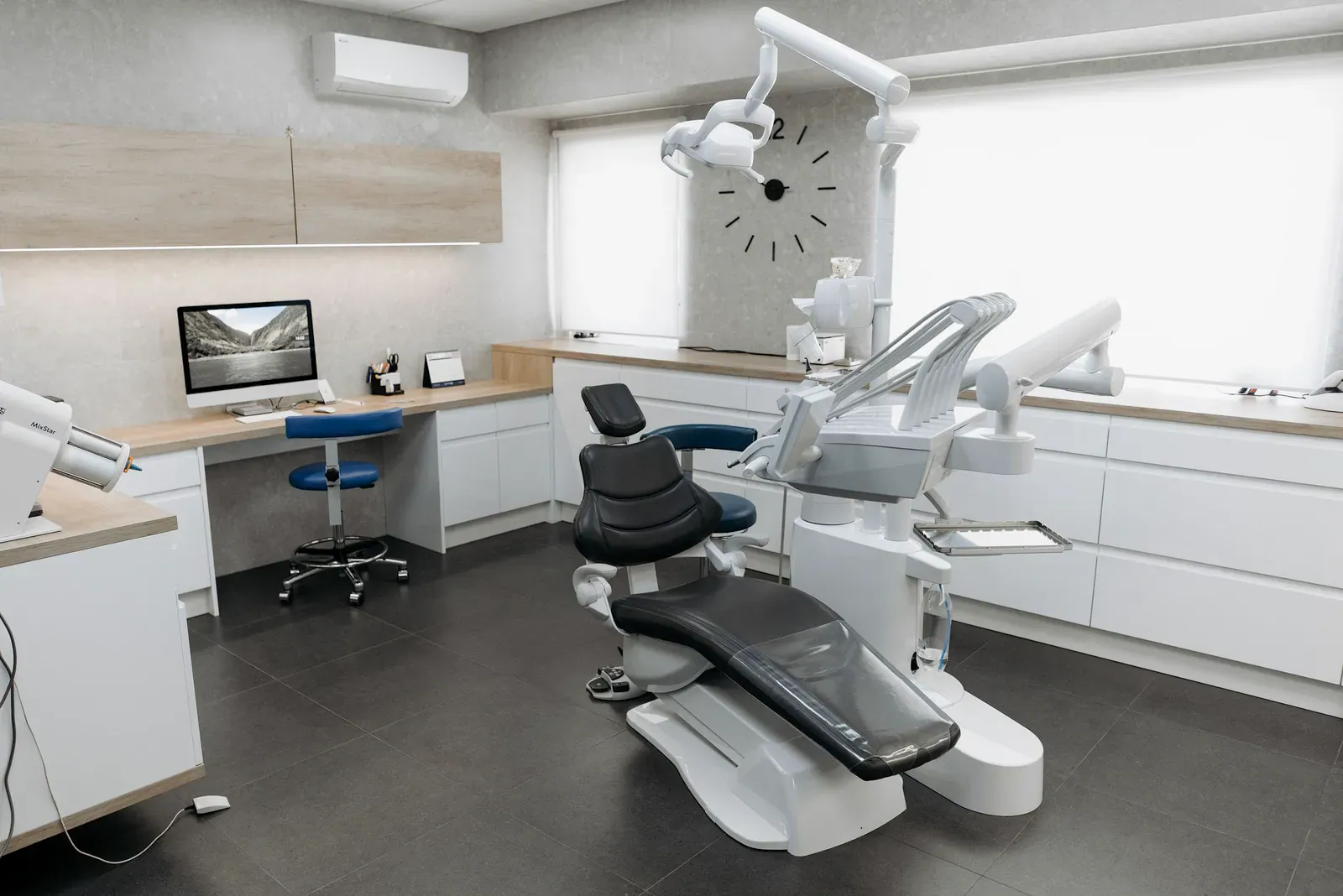
A dental emergency is pain, swelling or a broken or knocked-out tooth that genuinely cannot wait for a normal appointment. Most toothaches are not that: most people who think they need an emergency dentist actually need a same-day one, a far less stressful errand. Here’s the decision flow: what counts as urgent, what to do about pain while you sort out care, and where to go.
What actually counts as a dental emergency
Dental pain feels urgent by nature: it’s in your face, it doesn’t let up, and it’s hard to think past. That doesn’t automatically make it an emergency. The practical split, drawn from general dental-emergency triage guidance used by clinics worldwide:
Needs care within hours, not days:
- A tooth knocked all the way out
- A tooth cracked with visible pink or bleeding tissue inside it (the nerve)
- Facial or gum swelling, especially if your face looks puffy or a jaw is stiffening up
- Bleeding from the mouth that doesn’t stop after firm pressure for ten minutes
- Pain severe enough that over-the-counter medication doesn’t touch it
Can wait for a same-day or next-day appointment:
- A dull, come-and-go ache
- Mild sensitivity to hot, cold or sweet food
- A small chip with no sharp edge and no pain
- A lost filling or crown with no discomfort
If you’re not sure which list you’re on, the swelling and bleeding items are the ones to take most seriously: they’re the signs a problem has moved from “tooth” to “infection or injury,” which is a faster-moving situation.

When it’s a hospital problem, not a dentist problem
A narrow set of situations outrank even an emergency dental clinic: trouble breathing, swelling closing your throat or spreading down your neck, or a facial injury with signs of a head injury. A dental clinic, even one open around the clock, isn’t set up for airway problems or major trauma. That’s a hospital emergency room, covered in full in the guide to a medical emergency in Bangkok (what to say on the phone, ambulance versus getting yourself there). For anything dental short of that, read on.
Safe self-care while you find a dentist
None of this treats the problem. It just gets you through the gap between “this hurts now” and “someone with a dental degree has looked at it.”
| Do this | Skip this |
|---|---|
| Rinse gently with warm salt water | Aspirin placed directly on the gum or tooth (it can burn the tissue) |
| A cold compress on the outside of the cheek for swelling | Hot compresses on a swollen area (can encourage swelling) |
| Standard over-the-counter pain relief at the labelled dose | Skipping food entirely; eat soft, cool foods on the other side of your mouth |
| Keep the area clean with gentle brushing around it | Poking at the tooth or socket with fingers or objects |
A Bangkok pharmacy can sell most standard pain relief without a prescription, though what counts as freely available versus needing a pharmacist’s judgment call varies by drug.
A knocked-out tooth: the first hour matters
This is the one true race-against-time dental emergency, and what you do in the first few minutes changes the odds. General first-aid guidance (NHS, Mayo Clinic) agrees on the sequence:
- Pick the tooth up by the crown (the chewing surface), never the root.
- If it’s dirty, rinse it briefly in milk, saline or your own saliva. Don’t scrub it or use soap.
- If you can, gently push it back into its socket and hold it in place by biting down softly on clean gauze or a cloth.
- Can’t reinsert it? Keep it moist: submerged in milk is the standard advice, or held in your cheek if you’re confident you won’t swallow it.
- Get to a dentist within the hour if at all possible. Root cells outside the mouth generally don’t survive much beyond about 60 minutes dry, and the odds of the tooth taking hold again drop fast after that.
Baby teeth are the exception: don’t reinsert a child’s baby tooth, since doing so can damage the adult tooth growing underneath.
Where to actually go in Bangkok
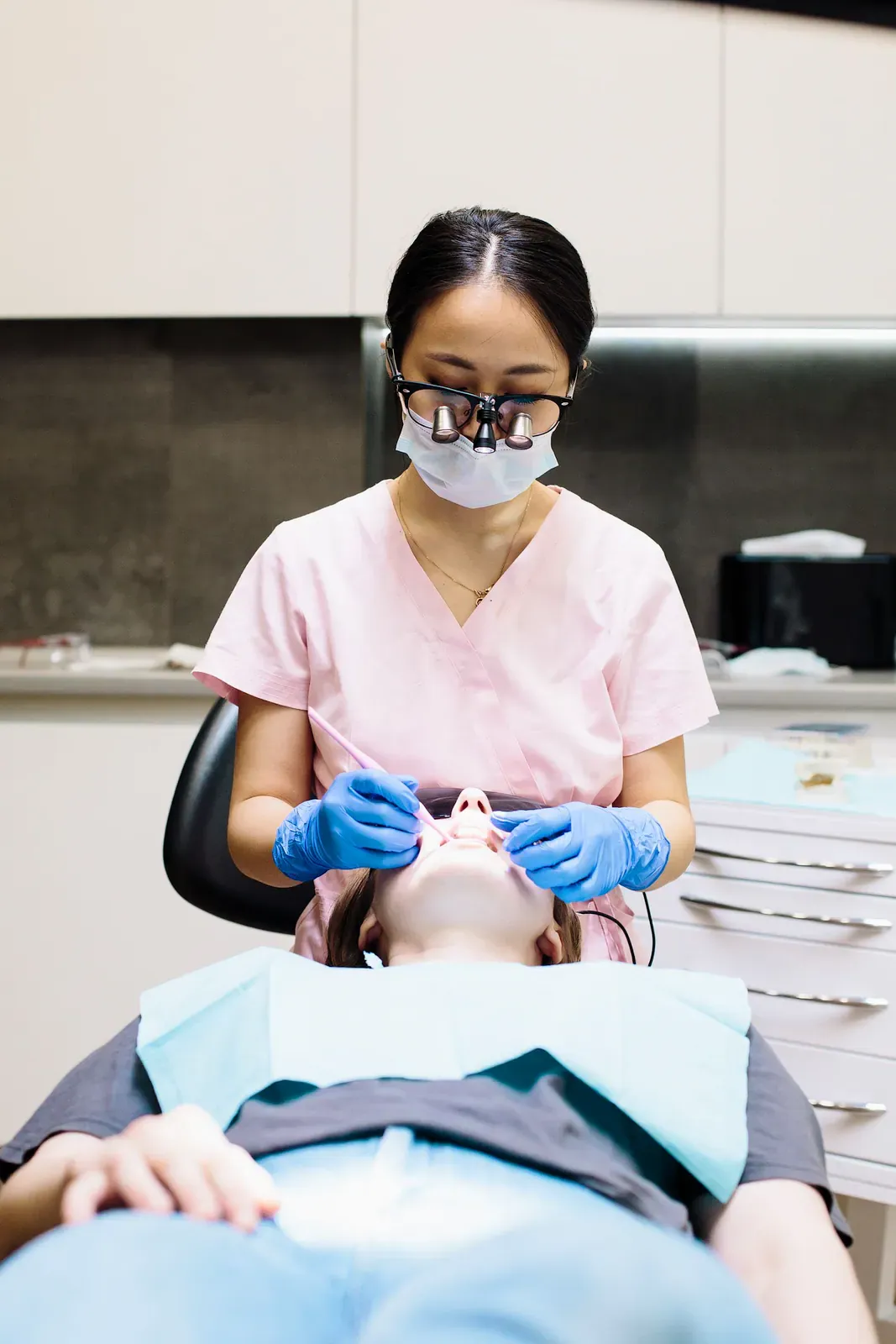
Bangkok has three practical options, the same tiers covered for planned treatment in the guide to dental treatment in Bangkok: a hospital’s own dental department, a large specialist clinic built around walk-in and same-day cases, and a neighbourhood clinic. For an emergency, the first two matter most: a small single-dentist practice is less likely to have emergency imaging or a specialist on hand for anything beyond a straightforward problem.

Several larger dental centres advertise same-day emergency slots and walk-in triage, alongside hospitals whose dental departments take walk-in trauma during opening hours. Before you sit down, check two things: that the clinic can actually image and treat your specific problem, and that the dentist treating you is licensed. Thailand’s Dental Council runs a public register, a quick way to confirm registration if a clinic’s own claims don’t reassure you. Once anything urgent is handled, planning a full treatment cost and a return trip is a separate question, covered in the medical tourism cost guide by procedure.
Common questions
Is a chipped tooth with no pain a dental emergency?
No, generally not, as long as there’s no sharp edge cutting your mouth or tongue and no visible pink or bleeding tissue inside the chip. It can wait for a same-day or next-day appointment rather than an urgent one.
Can I go straight to a hospital for a bad toothache?
You can, but an ER is built for airway, trauma and life-threatening problems, not routine dental pain, and will likely just refer you onward. Go to a dental clinic or a hospital’s dental department first unless breathing, spreading swelling or a head injury is involved.
How long can a knocked-out tooth survive outside the mouth?
Best odds are within about the first 15 minutes if it goes straight back into the socket, and it can often still be saved somewhat beyond that if kept moist in milk or saliva; past roughly an hour dry, the root cells are usually no longer viable. Speed matters more than anything else in this specific situation.
Do Bangkok dental clinics really take walk-ins for emergencies?
Several larger, medical-tourism-oriented dental centres specifically advertise walk-in and same-day emergency slots, and hospital dental departments generally accept walk-in trauma during opening hours. Calling ahead, even from the taxi, still helps them get a chair ready.
See also: dental implants in Thailand.
Last verified: September 2026.
Written by
Mike Brochlowski
Founder and editor, travel photographer and designer
I'm Mike Brochlowski, a travel photographer and designer, and I currently live on Koh Samui, Thailand. I built BangkokWiki to put practical, checked information about Bangkok in one place. Every page is researched from official and primary sources, and the text names them. Where a page shows a checked date, that is when its facts were last confirmed. I also run samui69.com, a non-commercial guide to Koh Samui. If you spot an error or something out of date, tell me through the contact page and I will check it and correct the page.
Read all articles
Medical stays
Planning treatment in Bangkok?
See dated price ranges for common procedures, what each package includes and how to choose a hospital or clinic. Prices are indicative only, and nothing here replaces advice from a clinician.

Places to stay
Find a hotel
Explore the other desks
More from Health
- 10 min read
 11 min read
Samitivej Srinakarin Hospital: East Bangkok Guide
 9 min read
Bangkok Hospital Network: BDMS Branches Compared

Newsletter
You're subscribed as