
Living
Best Bangkok Neighborhoods for Digital Nomads: Scored
Five Bangkok areas for digital nomads scored on the same five criteria instead of ranked in yet another top-5 list, with rent bands by area.
On this page
Ari, Thong Lo, Sathorn, On Nut and Ekkamai cover almost every real trade-off a digital nomad weighs when picking a Bangkok base, and the honest answer is that none of them is simply “best.” Below, all five are scored against the same five criteria instead of stacked into one more subjective top-5, so you can see exactly which trade-off you’re accepting rather than trusting a stranger’s gut feeling.
Why every “best area” list reads the same
Search “best Bangkok neighborhoods for digital nomads” and the same five names cycle through nearly every result, usually in prose form: Ari first for its cafes, then Thong Lo, then Sathorn, then a nod to Ekkamai or On Nut for budget. The ranking rarely explains itself. Is Ari “best” for walkability, cost, nightlife, or something else entirely? Most pages don’t say, because the writer is asserting a preference, not measuring one. That’s fine for a travel blog; it’s not much use for a decision that affects your rent, commute and daily routine for months.
The five criteria this scorecard actually measures
- Cafe and coworking density. How easy it is to find a reliable place to work without a dedicated coworking membership.
- Transit connectivity. How directly the area’s station reaches the rest of the BTS/MRT network, not just whether it has a station.
- Rent value. What you get for the money relative to the other four areas, not an absolute cheapness score.
- Nightlife and social scene. Density of bars, restaurants and the kind of foot traffic that makes solo dinners and casual meetups easy.
- Walkability. How much of daily life (groceries, gym, food, a park) is reachable on foot rather than by BTS, Grab or motorcycle taxi.
- Ari: cafe/coworking density
- 5 out of 5
- Ari: transit connectivity northern Sukhumvit line, longer ride to Sathorn/Silom
- 3.5 out of 5
- Ari: rent value
- 4 out of 5
- Ari: nightlife/social
- 2.5 out of 5
- Ari: walkability
- 4.5 out of 5
- Thong Lo: cafe/coworking density
- 4.5 out of 5
- Thong Lo: transit connectivity BTS Thong Lo, mid Sukhumvit line
- 4 out of 5
- Thong Lo: rent value premium tier pricing
- 2 out of 5
- Thong Lo: nightlife/social
- 5 out of 5
- Thong Lo: walkability
- 3.5 out of 5
- Sathorn: cafe/coworking density
- 3.5 out of 5
- Sathorn: transit connectivity BTS and MRT interchange access, best rail redundancy
- 5 out of 5
- Sathorn: rent value
- 2.5 out of 5
- Sathorn: nightlife/social
- 3.5 out of 5
- Sathorn: walkability
- 3 out of 5
- On Nut: cafe/coworking density
- 3 out of 5
- On Nut: transit connectivity far Sukhumvit line, longer ride to CBD
- 3.5 out of 5
- On Nut: rent value
- 5 out of 5
- On Nut: nightlife/social
- 2.5 out of 5
- On Nut: walkability
- 3.5 out of 5
- Ekkamai: cafe/coworking density
- 4 out of 5
- Ekkamai: transit connectivity BTS Ekkamai, mid Sukhumvit line
- 4 out of 5
- Ekkamai: rent value
- 3 out of 5
- Ekkamai: nightlife/social
- 4 out of 5
- Ekkamai: walkability
- 3.5 out of 5
Editorial rating, 1 to 5, September 2026. Criteria explained above.
No area wins on all five, which is the point: Ari trades nightlife for cafe density and rent value, Sathorn trades cafe culture for the strongest transit position in the city, and On Nut trades polish for the best rent value on the list.
Ari vs Thong Lo: the comparison everyone actually wants
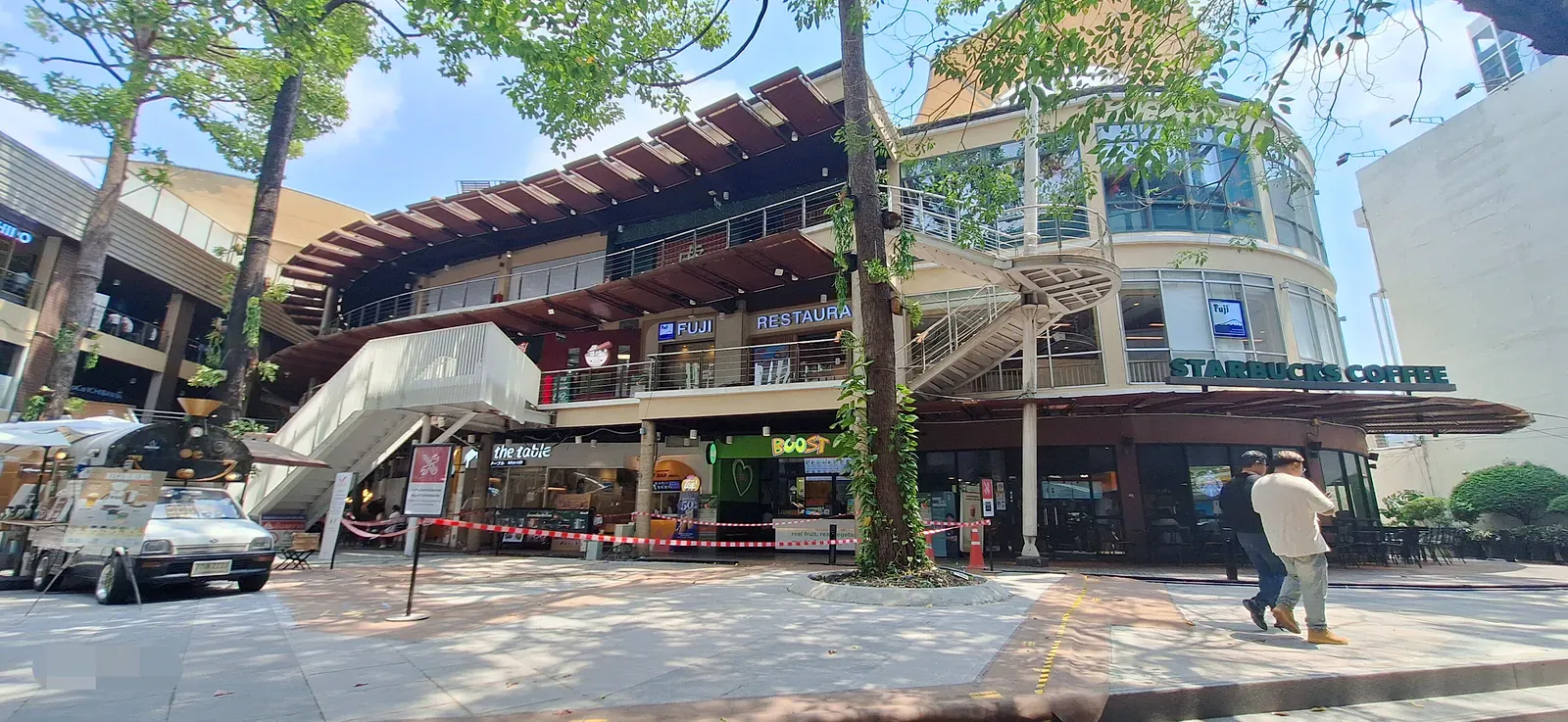
These two anchor most “best area” arguments, and the real difference isn’t quality, it’s rhythm. Ari is a low-rise, residential district (BTS Ari, N5, Sukhumvit Line) where independent cafes double as informal offices most of the day, the pace is quiet, and rent buys more space for the money. Thong Lo (BTS Thong Lo, E6, Sukhumvit Line) is denser, glossier and built around restaurants and bars as much as cafes, with a social scene that runs later and a price tag to match. A freelancer who wants to work mornings and disappear into a quiet soi suits Ari; someone who wants client dinners, a livelier weekend and doesn’t mind paying premium-tier rent suits Thong Lo. Neither commutes well into a Sathorn or Silom office daily, since both sit north of the CBD on the same line.
Sathorn: who it’s actually for
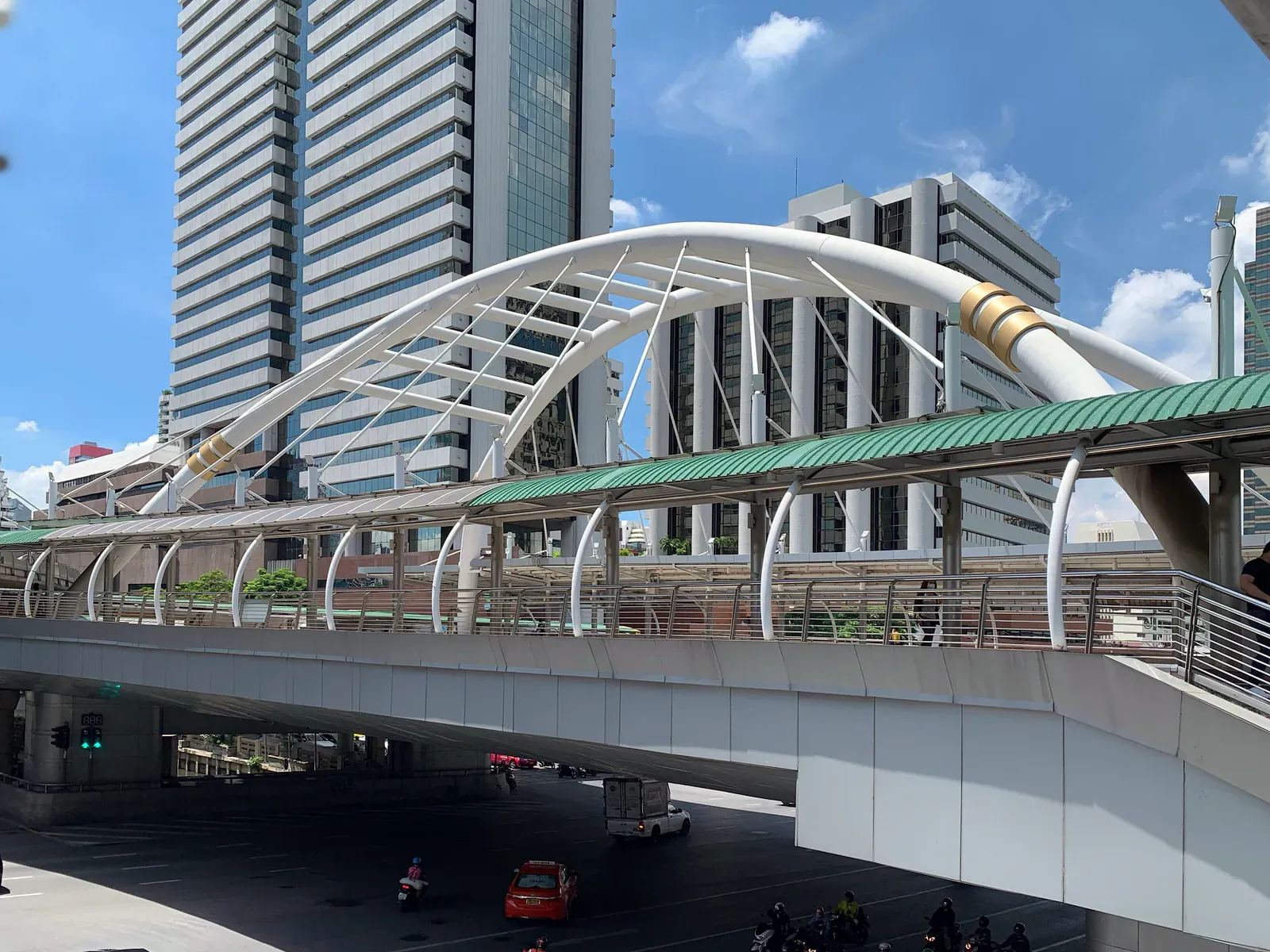
Sathorn rarely tops a nomad listicle, and the scorecard shows why: its cafe and nightlife scores are middling. But its transit score is the highest on this list, sitting at the BTS Silom Line’s interchange zone with strong onward MRT access, which matters enormously if your work involves regular in-person meetings, coworking across multiple buildings, or client visits rather than a fixed daily café. Sathorn suits a remote employee attending occasional in-office days, a founder meeting local partners, or anyone prioritising commute flexibility over neighbourhood charm. It’s a worse fit for someone whose whole week happens inside a five-minute walk of their apartment.
What each area actually costs
| Area | Tier | 1BR monthly rent | ~USD |
|---|---|---|---|
| On Nut | Budget | 10,000-18,000 THB | 285-510 |
| Ekkamai | Mid | 15,000-28,000 THB | 425-795 |
| Ari | Mid | 15,000-28,000 THB | 425-795 |
| Sathorn | Premium | 32,000-50,000 THB | 910-1,425 |
| Thong Lo | Premium | 32,000-50,000 THB | 910-1,425 |
- On Nut
- 14,000 THB
- Ekkamai
- 21,500 THB
- Ari
- 21,500 THB
- Sathorn
- 41,000 THB
- Thong Lo
- 41,000 THB
Source: Editorial estimate, checked September 2026. Ranges, not quotes; see the rent table above.
The jump from mid to premium tier is roughly double, not a gradual slope, so “just move one BTS stop toward the CBD” often costs far more than it sounds like it should.
How to actually decide in a weekend
- Pick your commute reality first. Daily office days point toward Sathorn or Thong Lo; fully remote points toward Ari, On Nut or Ekkamai.
- Set a hard rent ceiling before you tour anything. The mid-to-premium jump above is easy to justify area by area and hard to justify as a total.
- Spend one working day in a café in each shortlisted area. Wifi reliability and seating turnover vary more within an area than the area’s reputation suggests.
- Walk the actual soi you’d live on, not just the main road. Two blocks can change the walkability score meaningfully.
- Check the nearest station and line before booking anything, since a short-let a few sois off the rail line often costs less for a worse daily reality.
Where this decision fits into the bigger picture
Picking an area is only step one. How long you actually plan to stay should come before you sign anything, since a 3-month stay and a 1-year lease justify very different areas, and the housing type you choose inside that area (coliving, hostel or your own condo) is its own decision worth working through separately. If Bangkok itself is still an open question, Bangkok vs Chiang Mai for digital nomads compares the city-level trade-off before you get this granular. For area character in more depth, the Ari area guide and Sukhumvit vs Sathorn go further than a scorecard can.
Common questions
Is Ari too far from everything for a nomad?
Only if your work requires a regular commute south to Sathorn or Silom. For fully remote work, Ari’s own immediate area covers cafes, groceries and daily life without a train ride at all.
Is Sukhumvit itself an option, separate from these five?
Central Sukhumvit (Asok, Phrom Phong) sits between Thong Lo and Sathorn on both price and character, and is a reasonable sixth option if you want maximum rail redundancy without Sathorn’s more corporate feel; it isn’t scored here because it splits the same trade-offs these five already show rather than adding a new one.
Which area is best for a first-timer with no local knowledge?
Ari or Ekkamai are the easiest onboarding areas: enough English-friendly cafes and services to get oriented, without either Thong Lo’s price tag or Sathorn’s business-district quiet on weekends.
Part of
Written by
Mike Brochlowski
Founder and editor, travel photographer and designer
I'm Mike Brochlowski, a travel photographer and designer, and I currently live on Koh Samui, Thailand. I built BangkokWiki to put practical, checked information about Bangkok in one place. Every page is researched from official and primary sources, and the text names them. Where a page shows a checked date, that is when its facts were last confirmed. I also run samui69.com, a non-commercial guide to Koh Samui. If you spot an error or something out of date, tell me through the contact page and I will check it and correct the page.
Read all articles
Visas and paperwork
Staying in Thailand longer?
Visas, extensions, documents and banking for longer stays. Rules and fees change often and offices apply them differently, so check the official source before you act.

Places to stay
Find a hotel
Explore the other desks
More from Living
- 10 min read
 10 min read
How Long to Stay in Bangkok as a Digital Nomad
 11 min read
Bangkok vs Bali for Digital Nomads

Newsletter
You're subscribed as