Living
Furnished vs Unfurnished in Bangkok: The Breakeven Math
A worked breakeven calculation for furnished vs unfurnished condos in Bangkok, so a 6-month stay and a 3-year stay get different, correct answers.
On this page
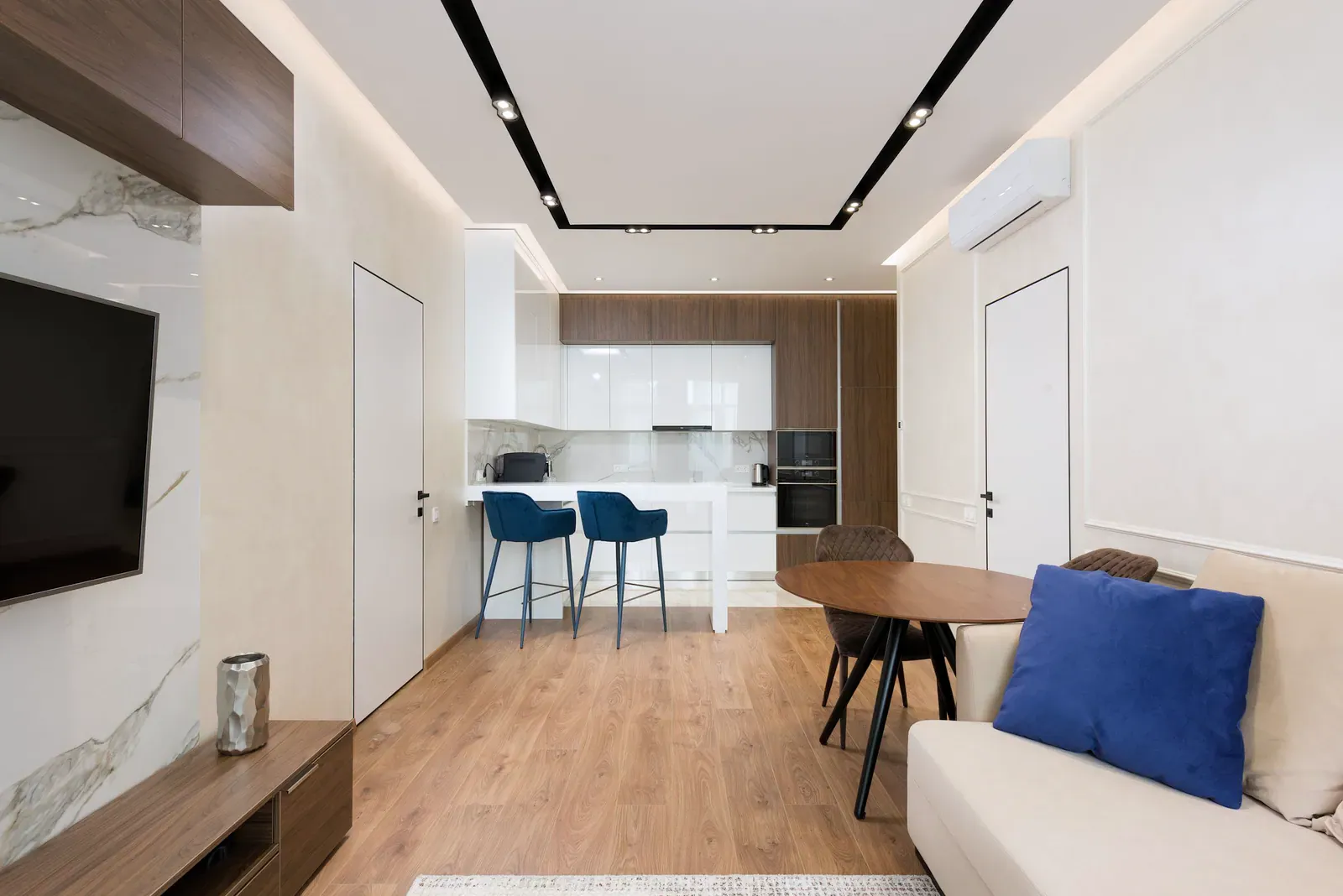
Furnished almost always wins for a stay under a year; unfurnished only pays off once you’ve stayed long enough for the rent you saved to cover what furnishing yourself actually costs. That crossover point is a real number, not a feeling, and it moves a lot depending on how cheaply you’re willing to furnish. Work it out before you sign, not after you’ve already bought a sofa.
Bangkok’s rental market makes the default clear: most condos on offer are furnished, because most tenants are exactly the mix of nomads, expats, and short-lease locals who want to walk in with a bed and a fridge already there. Unfurnished units exist, cost a bit less each month, and are the better deal only past a certain stay length. Here’s the math. For the full move-in cost picture beyond the monthly rent itself, see the real cost of renting in Bangkok.
What “furnished” actually means in a Bangkok lease
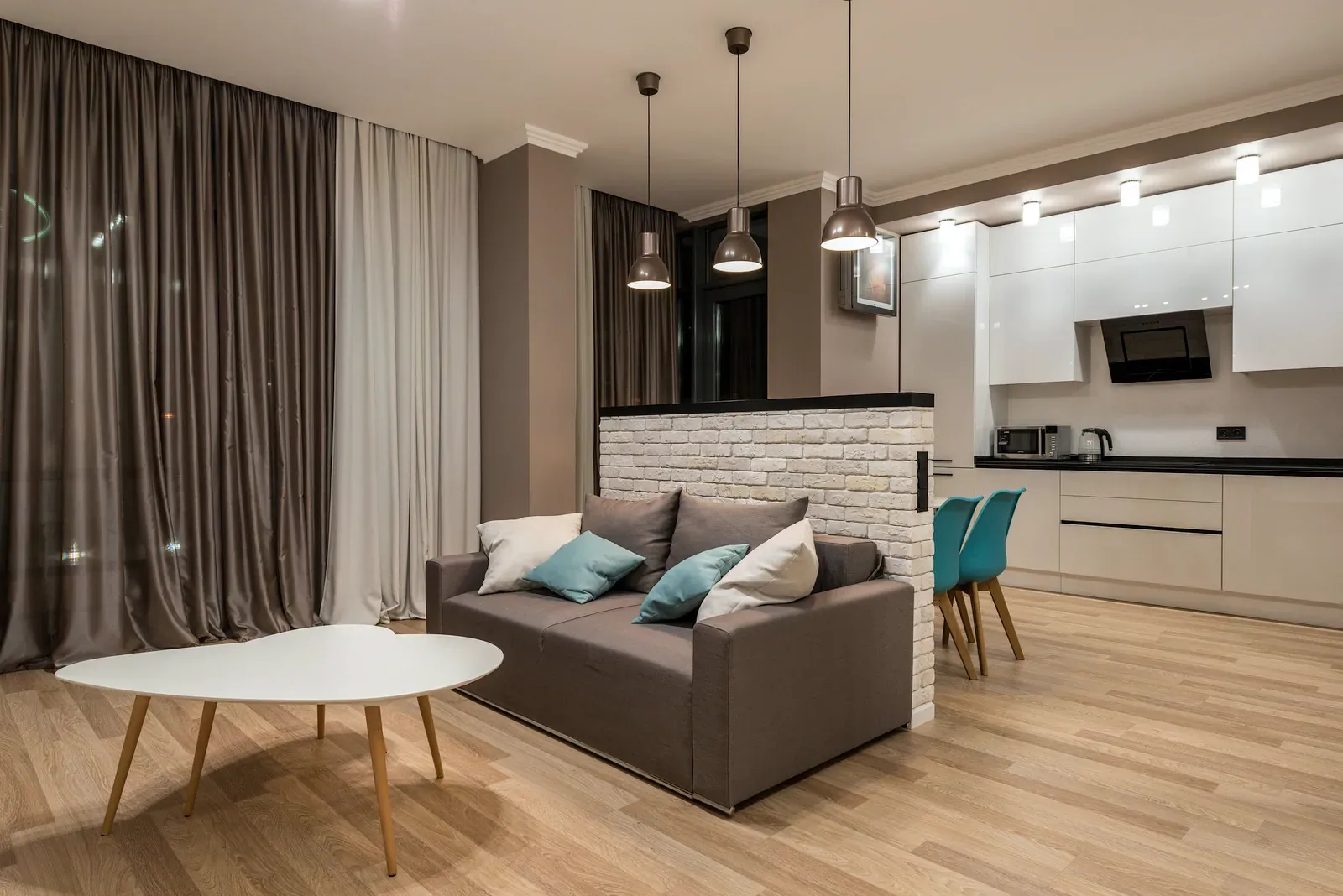
There’s no single legal definition of “furnished” in Thailand, which is exactly why inventory disputes happen. Property advisories describe three informal market tiers: fully furnished (turn-key, with fridge, TV, washing machine, and cookware included), mildly or standard furnished (bed, wardrobe, sofa, and a dining table, nothing more), and unfurnished or “fully fitted” (kitchen cabinetry and sometimes white goods, but no soft furnishings or furniture at all). A listing that just says “furnished” could mean any of the three.
Before you sign, get the exact inventory in writing, ideally as an annex to the contract:
- Bed, wardrobe, sofa, and dining set, itemised, not just “furniture included”
- Fridge, washing machine, water heater, and whether a TV is included
- Cookware, plates, and cutlery (often missing even in “fully furnished” listings)
- Curtains or blinds (surprisingly often left out)
- Small appliances: kettle, microwave, iron
- Number and condition of aircon units, noted with the date last serviced
- Existing scuffs or damage on each furnished item, dated and ideally photographed
That written inventory is what protects your deposit later. The deposit and damage mechanics themselves, including what a landlord can and can’t withhold, are covered in rental contracts and deposits; the current tenant-protection rules around deposit returns are in Thailand’s 2025 tenant rights law explained.
The real price gap: furnished vs unfurnished, by unit size
Furnished units in Bangkok typically rent for 10 to 20 percent more than an equivalent unfurnished unit, based on 2026 listings aggregated by property portals including Superagent and Bamboo Routes, checked September 2026. That premium narrows toward the top of the market, where long-stay tenants sometimes prefer to bring their own furniture anyway. Applying that range to this site’s own Bangkok rent tiers gives a rough monthly saving for going unfurnished:
| Unit size and tier | Typical furnished rent (2026) | Approx. monthly saved unfurnished |
|---|---|---|
| Studio / 1-bed, budget-mid | ฿8,000-30,000 (~$230-860, checked September 2026) | ฿1,000-4,500 (~$30-130) |
| Studio / 1-bed, upper-mid+ | ฿30,000-55,000+ (~$860-1,570+) | ฿3,000-7,000 (~$85-200) |
| 2-bed, budget-mid | ฿15,000-45,000 (~$430-1,290) | ฿1,500-7,500 (~$45-215) |
| 2-bed, upper-mid+ | ฿45,000-80,000+ (~$1,290-2,290+) | ฿4,500-9,000 (~$130-260) |
Bigger units save more in absolute baht, but the percentage gap stays roughly constant. That’s the number you multiply by your stay length in the calculation below.
What it costs to furnish a unit from scratch
Nobody publishes a single official price for “furniture to fit a Bangkok studio,” so treat the following as an editorial estimate, not a quote, and check current listings before budgeting against it. Furnishing a basic one-bedroom from nothing generally falls into three rough bands: secondhand or Facebook Marketplace basics (a bed frame, wardrobe, and table, well used) at the low end, budget-new flat-pack furniture in the middle, and a full retail furnish, delivered and assembled, at the top.
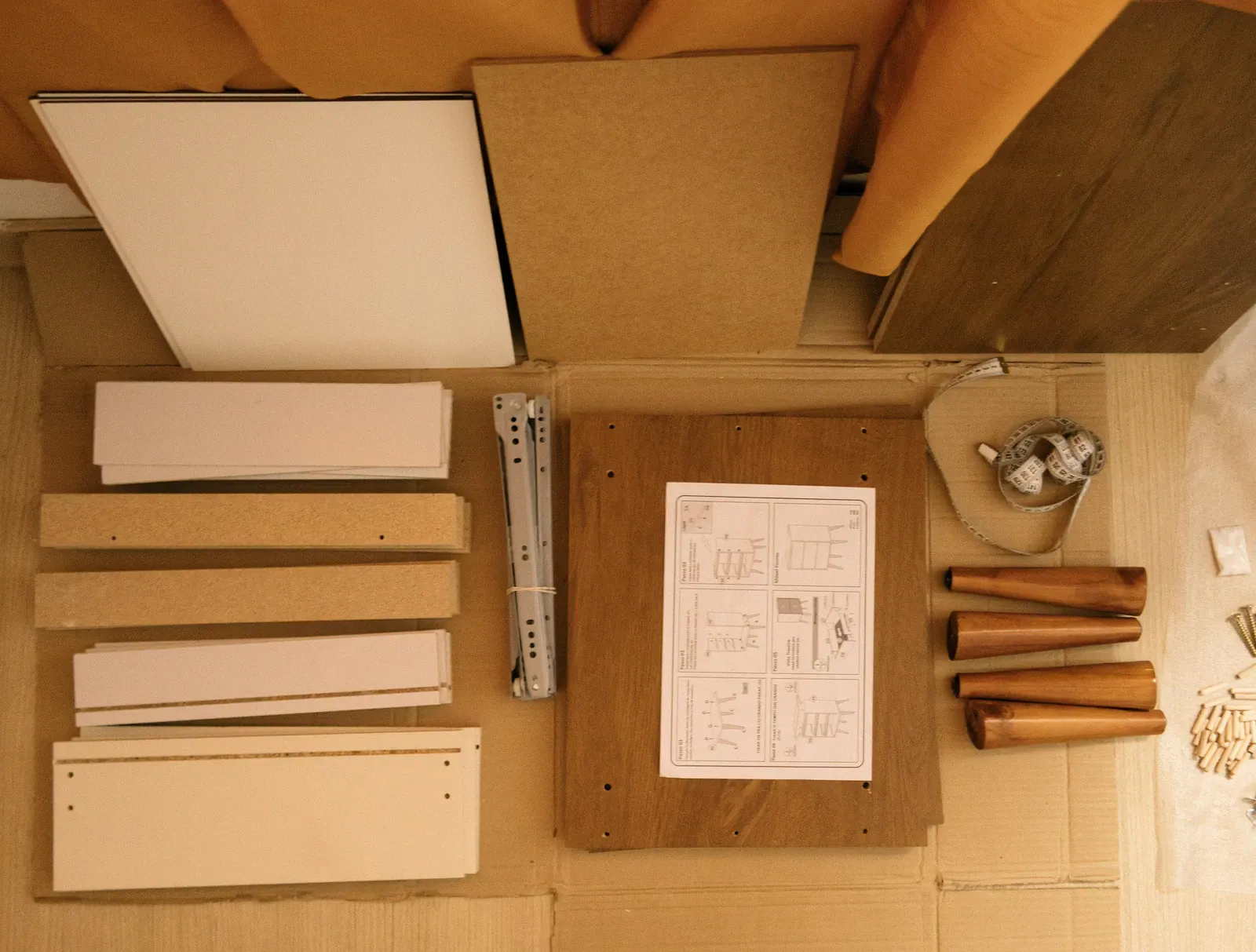
A flat-pack wardrobe or bed frame is cheaper than buying pre-assembled, but budget an afternoon and the right screwdriver: Bangkok apartment lifts and stairwells are not always kind to a boxed mattress.
The breakeven math: when unfurnished actually wins
Take the monthly amount you’d save by renting unfurnished, and divide your furniture spend by it. That gives you the number of months you need to stay before unfurnished becomes the cheaper choice overall. Using a typical studio/1-bed saving of around ฿2,500 a month (~$70), here’s how the three furnishing bands play out:
- Secondhand or Marketplace basics
- ~15,000-25,000 THB spend
- Budget new (flat-pack)
- ~35,000-55,000 THB spend
- Full retail furnish, delivered
- ~70,000-100,000 THB spend
Source: Editorial calculation from 2026 Bangkok rent-premium ranges and estimated furnishing costs, checked September 2026
Read against a real stay: a nomad on a 6-month lease never gets close to the 8-month breakeven for even the cheapest furnishing route, so furnished wins outright, every time. A one-year tenant clears the secondhand-furniture breakeven with room to spare, but still loses money buying new. A three-year expat clears all three bands comfortably, which is exactly why long-stay renters are the ones you’ll actually see furnishing a unit themselves.
Furnished wins on speed too: a unit that’s ready to move into rents faster than one that isn’t, which is part of why most Bangkok landlords furnish by default rather than leaving the choice to the tenant.
Who should never go unfurnished, and who should think about it
Skip unfurnished entirely if you’re staying under a year, don’t already own furniture in Thailand, or want to avoid the hassle of buying, assembling, and eventually reselling or disposing of everything at move-out. That covers most nomads, most first-year expats, and anyone testing a neighbourhood before committing longer, a trade-off also covered in monthly and short-term rentals if you’re not sure how long you’re staying yet.
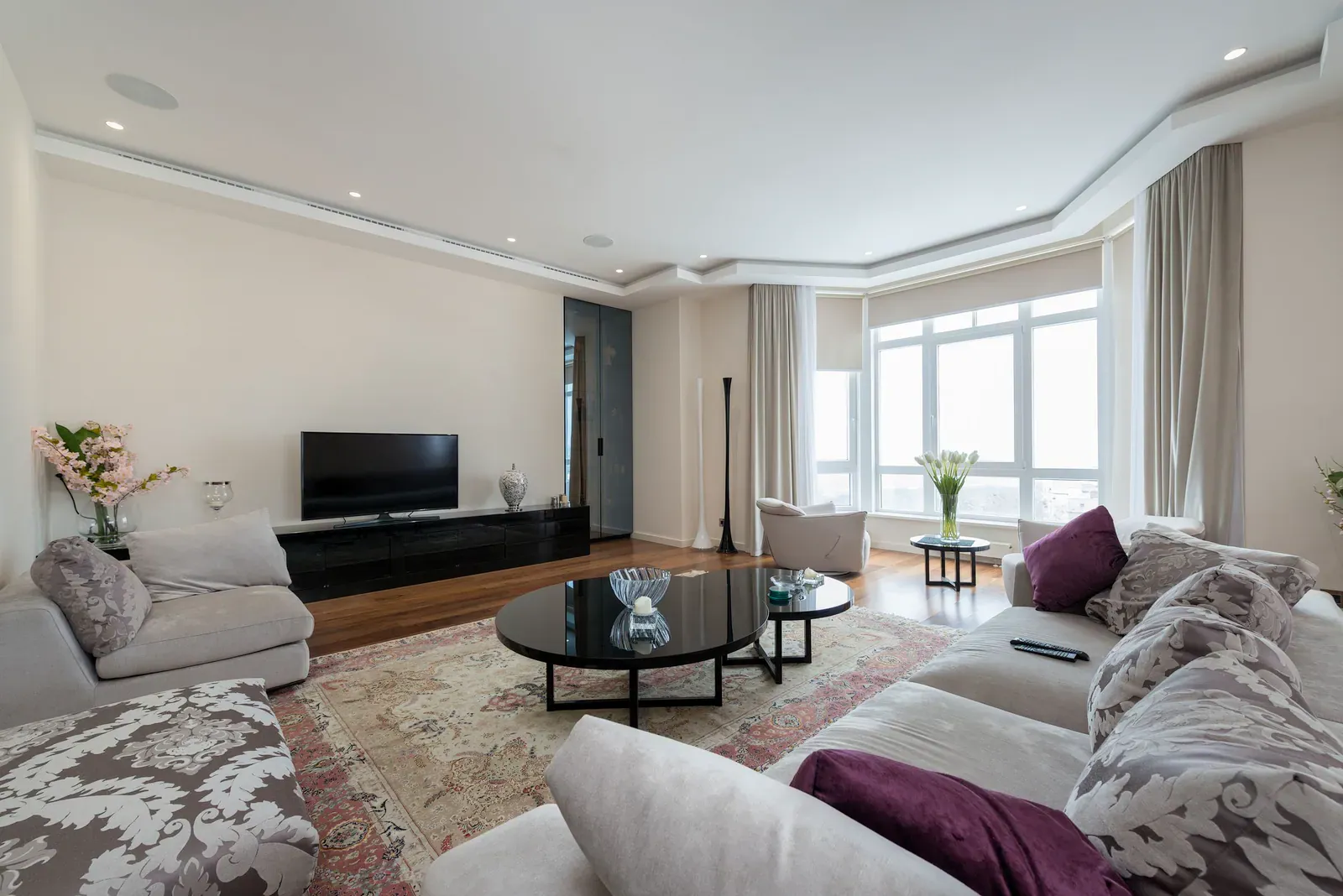
Consider unfurnished if you’re settling in for two years or more, have strong opinions about your own furniture, or are moving from another long-term Bangkok lease and already own a full set. Even then, check the unfurnished unit’s actual condition first: the process for that is the same as any Bangkok condo viewing, covered step by step in renting a condo in Bangkok.
Common questions
Is “mildly furnished” worth less rent than “fully furnished”? Usually not a full 10-20 percent less, since a mildly furnished unit still saves you the biggest expenses (bed, sofa, wardrobe). The real value in “fully furnished” is the appliances and cookware, which cost more to replace than basic furniture.
Can I negotiate a furnished unit down to an unfurnished price and bring my own stuff? Rarely as a straight swap. Landlords furnish units because it widens the tenant pool; removing furniture they already own to save you a few thousand baht a month isn’t a trade most will take. It’s more realistic to ask for unfurnished listings directly.
What happens to a landlord’s furniture if I damage it? It’s covered by the same deposit and condition-report process as the unit itself. Document existing wear at move-in against the written inventory; see move-in checklist for a Bangkok condo for how to do that room by room.
Last verified: September 2026.
Written by
Mike Brochlowski
Founder and editor, travel photographer and designer
I'm Mike Brochlowski, a travel photographer and designer, and I currently live on Koh Samui, Thailand. I built BangkokWiki to put practical, checked information about Bangkok in one place. Every page is researched from official and primary sources, and the text names them. Where a page shows a checked date, that is when its facts were last confirmed. I also run samui69.com, a non-commercial guide to Koh Samui. If you spot an error or something out of date, tell me through the contact page and I will check it and correct the page.
Read all articles
Visas and paperwork
Staying in Thailand longer?
Visas, extensions, documents and banking for longer stays. Rules and fees change often and offices apply them differently, so check the official source before you act.

Places to stay
Find a hotel
Explore the other desks
More from Living
- 9 min read
 11 min read
Condo vs House vs Townhouse: Renting Right in Bangkok
 10 min read
Monthly Rentals in Bangkok: Legal Options

Newsletter
You're subscribed as