Living
Condo vs House vs Townhouse: Renting Right in Bangkok
Condo, older apartment, townhouse, and house rents and sizes in Bangkok compared on space, upkeep, security, and commute, so you pick the right type.
On this page
Bangkok rents you four genuinely different property types, not two. Alongside the condo and house that most comparisons stop at, an older low-rise apartment building and a townhouse each solve a different problem: the apartment trades formal management for more space per baht, and the townhouse trades a garden for a gate and a lower price than a standalone house. The right choice comes down to four questions: how much space per baht you need, who handles upkeep, how much security you want built in, and how far you’re willing to live from a BTS or MRT line.
Picture the same 40,000 THB budget spent four ways: a compact, walkable condo with a pool you’ll use twice a year; a bigger, plainer apartment two streets back from the same station; a townhouse with a spare room and a motorbike-taxi ride to the nearest line; or a house with a real garden and a car parked outside because the line simply doesn’t reach that far. None of the four is wrong. Each one is optimised for a different life, and most renters only discover which life they actually wanted after living in the wrong type for a year.
The four property types Bangkok actually rents you
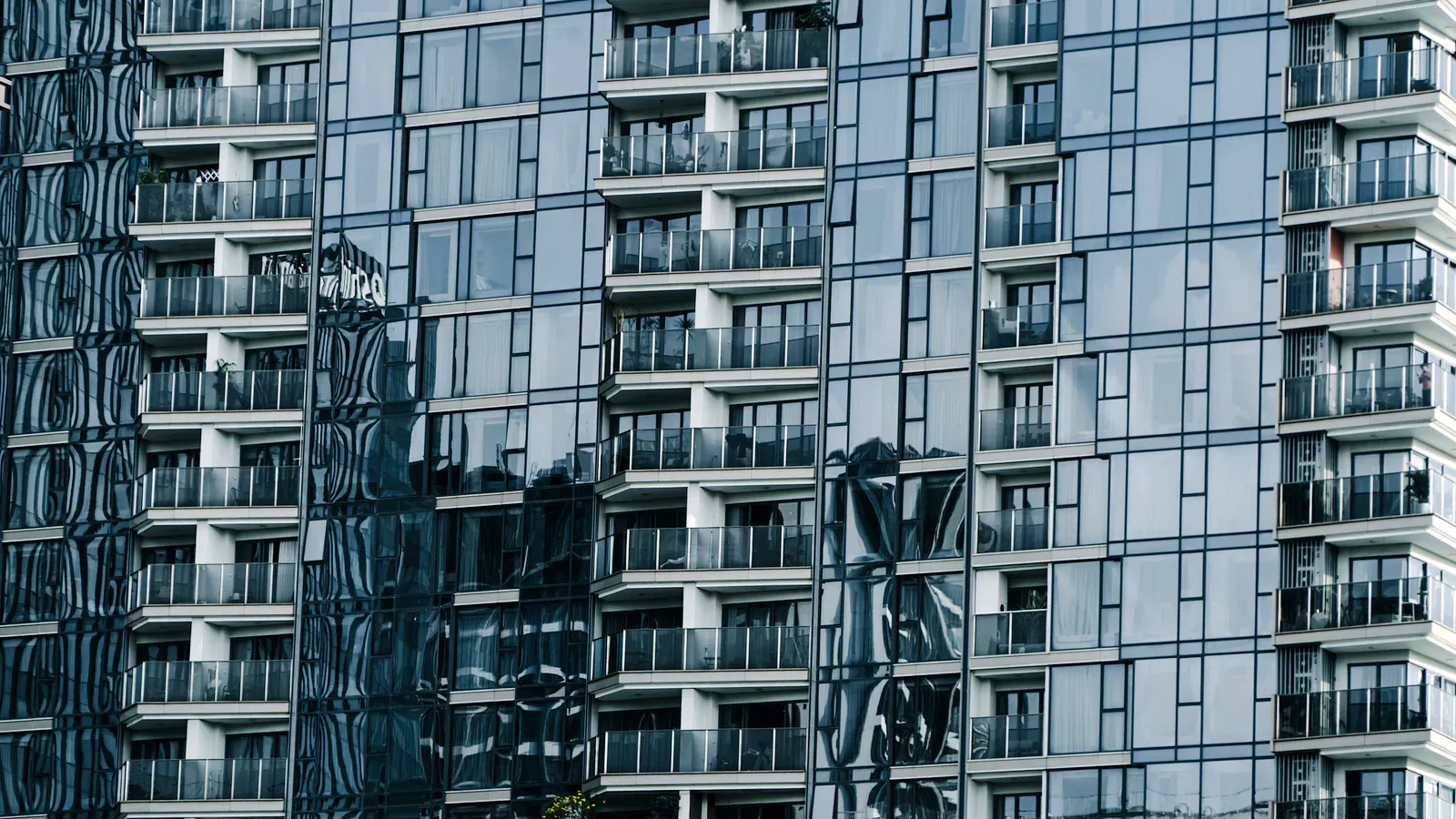
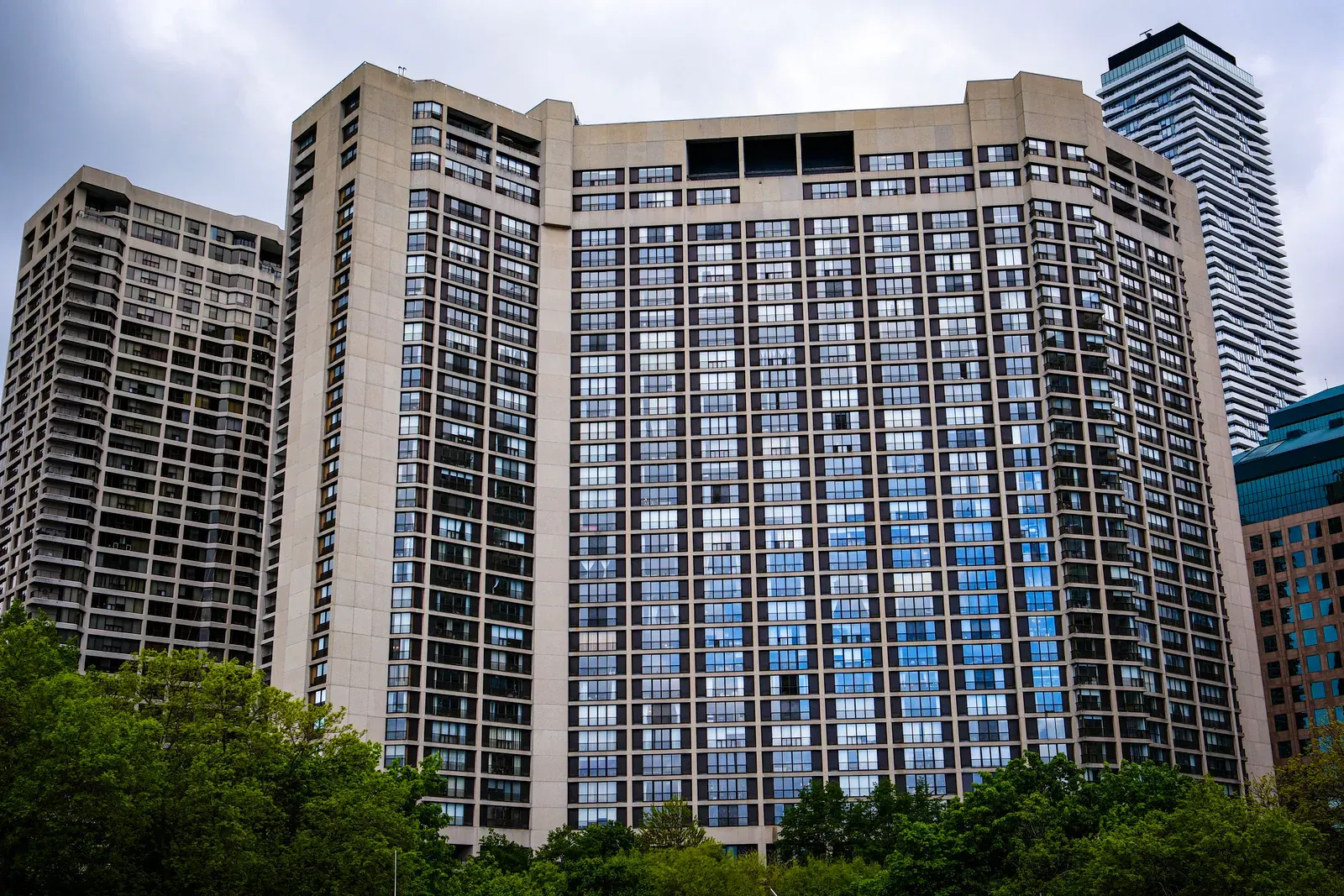
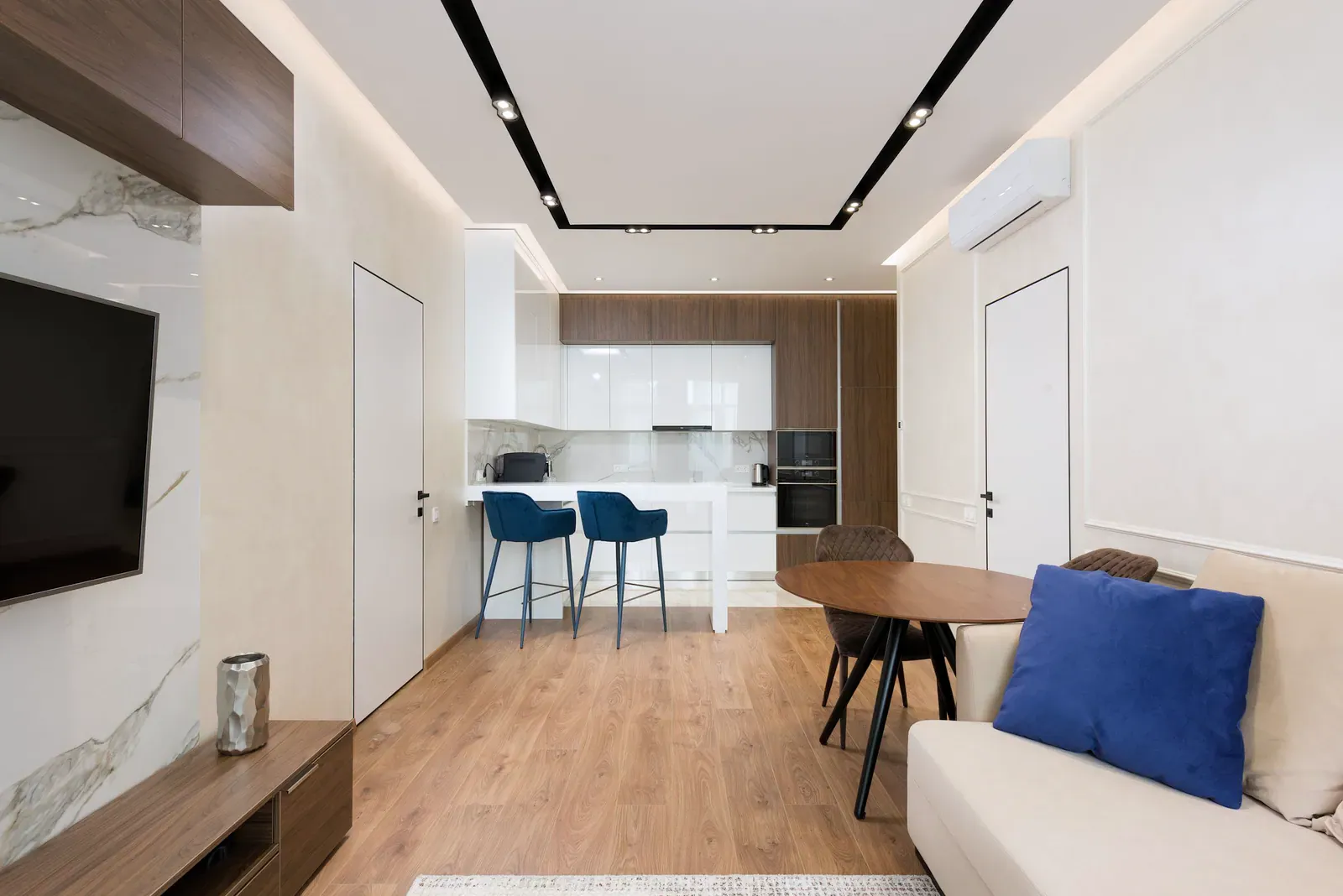
Condo. A condo-titled building with a registered juristic person (the on-site management office), formal common-area maintenance, security staff, and shared facilities like a pool or gym, funded by a monthly common fee. This is the default for most nomads and expats, and the type most listing platforms are built around. Its main trade-off is baked into the rent itself: you pay for the facilities and the staff whether you use the pool twice a week or never.
Older low-rise apartment. A rental building, often three to eight storeys, that predates condo-title registration or was never registered as one. No juristic office, no shared facilities beyond maybe a small car park, and a single owner or family managing the building directly. Cheaper per square metre than a comparable condo, and often more flexible on lease length, but management quality ranges from excellent to absent, and there’s no institutional structure to fall back on if a specific landlord is slow or unresponsive. It’s the type long-term expats on a tighter budget rediscover once they realise how much of a condo’s rent is paying for facilities they rarely use.
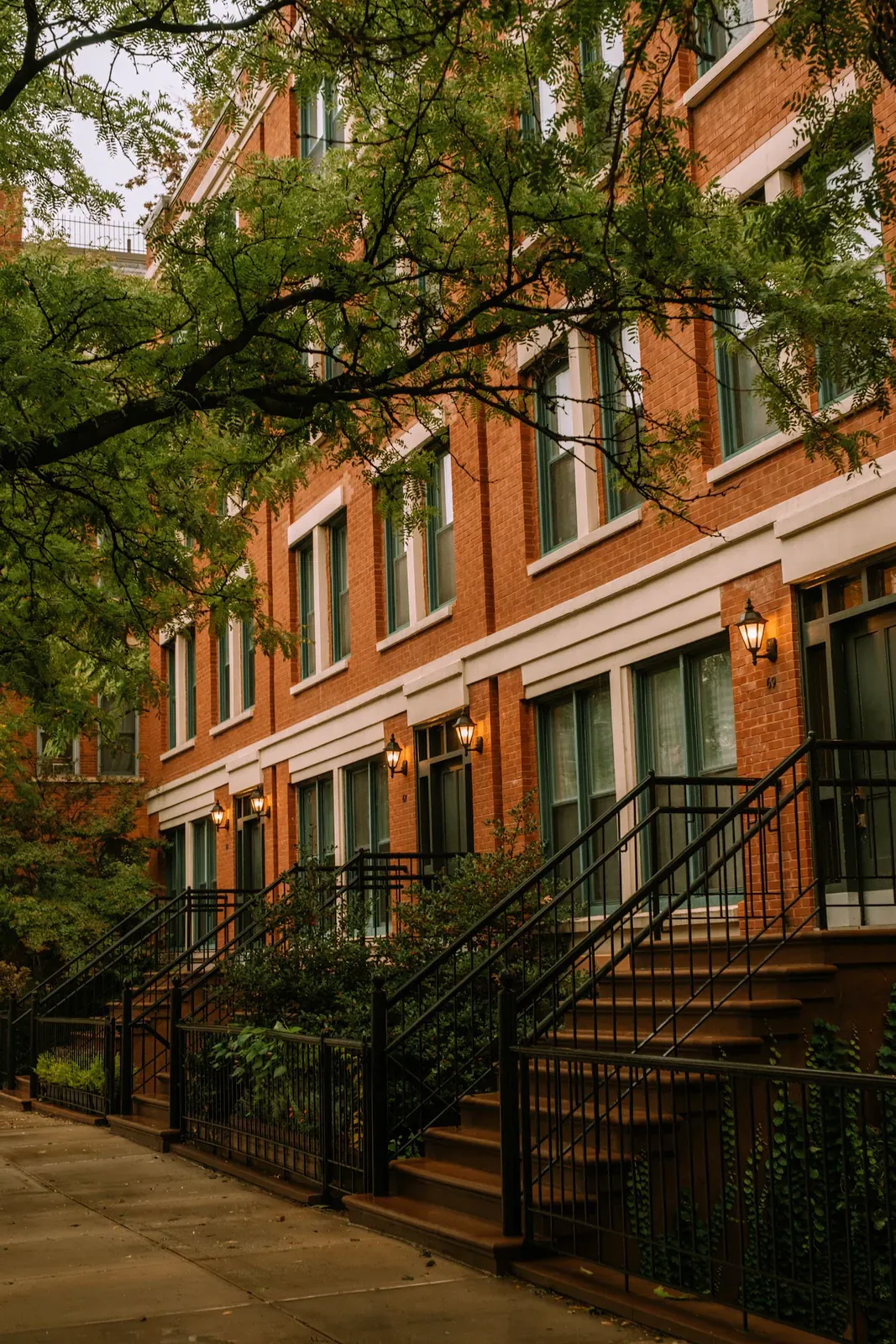
Townhouse. A multi-floor terraced house, usually two to four storeys, built in a row inside a gated compound or along a residential soi. More floor area than a condo or apartment at a similar rent, a small private frontage or yard, and typically a shared compound gate and guard rather than a juristic office. It sits deliberately between a condo’s convenience and a house’s space, which is exactly why it suits people who’ve outgrown a condo but aren’t ready to give up a compound gate entirely.
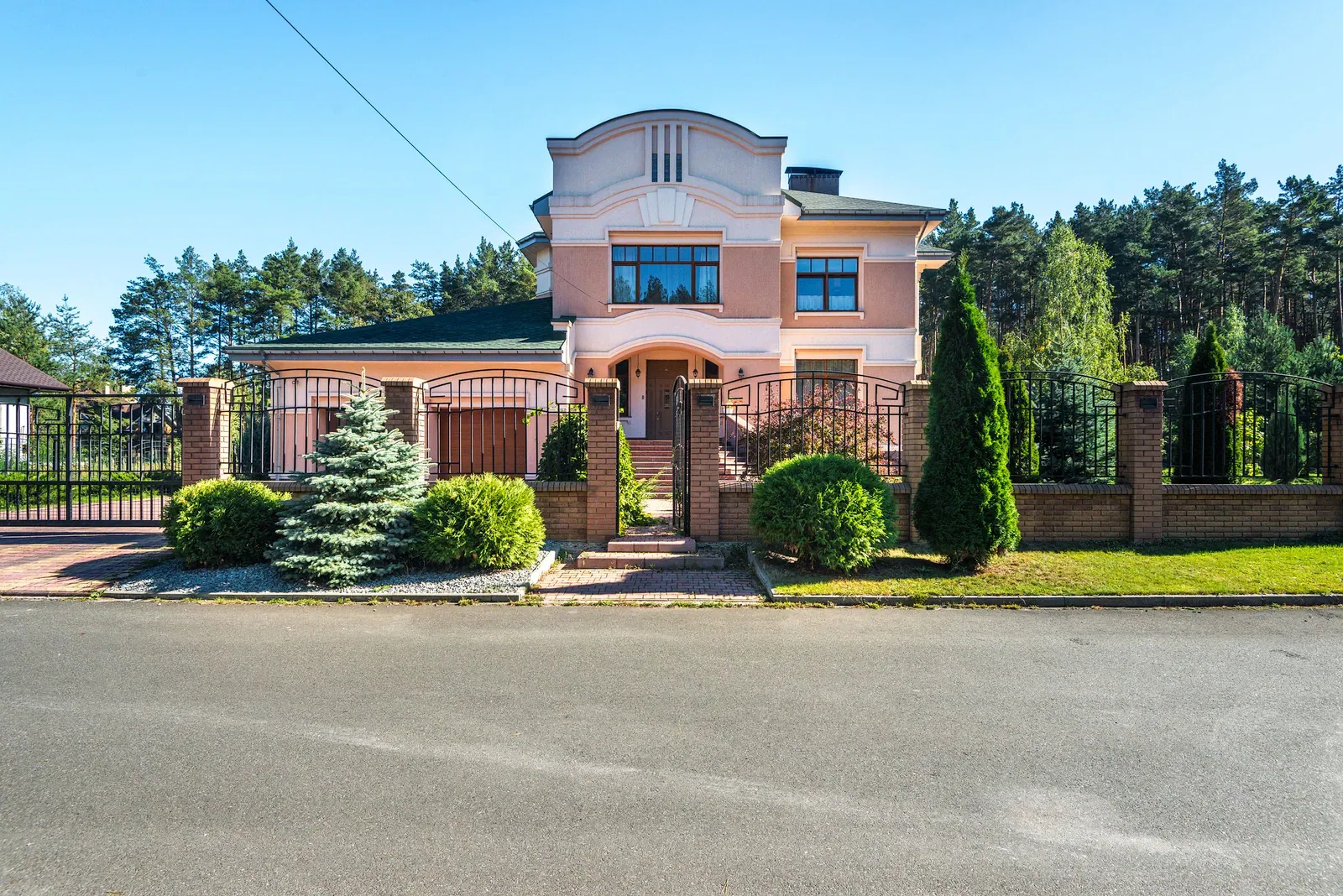
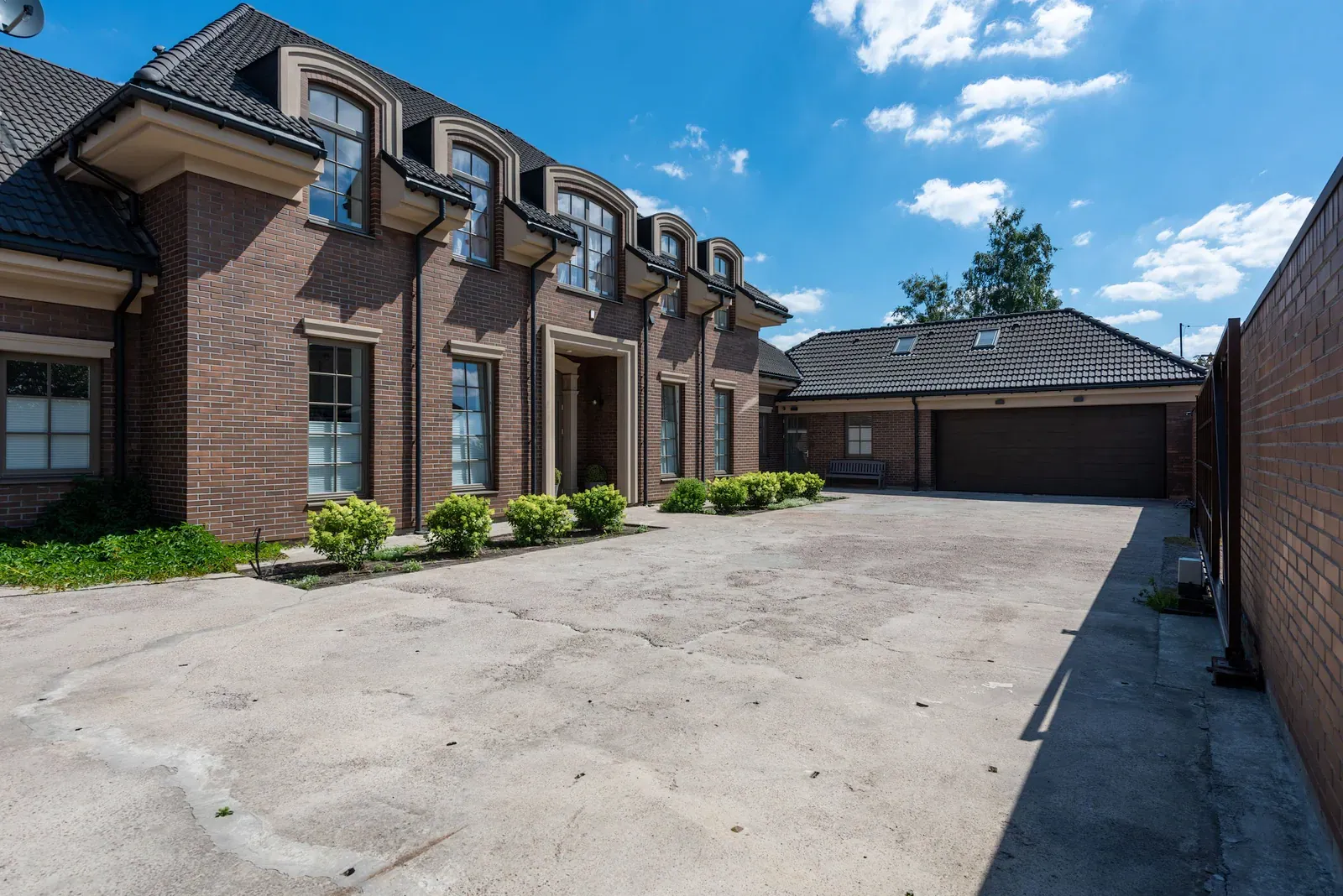
Detached house or villa. A standalone property on its own land, sometimes inside a gated development, sometimes not. The most space, the most privacy, and the least built-in structure: security, maintenance, and everything else depends on the specific property and landlord rather than a building-wide system. This is the type that rewards a longer stay and a landlord you trust, since there’s no juristic office to absorb a bad one.
Typical size and price by type
Property portals (Superagent, Bamboo Routes, PropertySights, FazWaz, DDproperty, PropertyScout, checked September 2026) put a comparable-sized 2 to 3-bedroom unit of each type at roughly:
| Type | Typical size | Typical monthly rent (2026) |
|---|---|---|
| Condo (2-bed) | 60-90 sqm | ฿40,000-80,000+ (~$1,145-2,290+) |
| Older apartment (2-bed) | comparable size | often 20-30% below a similar condo, e.g. ฿12,000-18,000 (~$340-515) near Ari (BTS N5, Sukhumvit Line) for a clean 2-bed |
| Townhouse (2-3 bed) | 100-200 sqm | ฿15,000-30,000 ( |
| House / villa (3+ bed, detached) | 180-400+ sqm | ฿45,000-90,000 ( |
The house and villa range is wide because it covers everything from a modest suburban rental to a gated compound with a private pool; treat the budget and mid-tier figures as the realistic range for most family tenants, not the luxury tail.
What you pay across the market, side by side
Using the midpoint of each type’s realistic (non-luxury) 2026 range:
- Older apartment
- ~15,000 THB (~$430)
- Townhouse
- ~32,500 THB (~$930)
- Condo
- ~60,000 THB (~$1,715)
- House / villa
- ~67,500 THB (~$1,930)
Source: Editorial midpoint of 2026 Bangkok rent-portal ranges (Superagent, Bamboo Routes, PropertySights, FazWaz, DDproperty), checked September 2026
The older apartment is the clear budget option, and the condo and house sit closer together than most people expect once the condo’s common fee and the house’s larger footprint are both factored in.
Space per baht: the real ranking
Scored on square metres of floor area per baht of rent, using the ranges above as an editorial estimate, not a precise index:
- Older apartment most space for the money, weakest management
- 5 out of 5
- House / villa large footprint, but rent rises fast with land size
- 4 out of 5
- Townhouse solid middle ground on space and price
- 3.5 out of 5
- Condo least space per baht, but the most turnkey
- 2 out of 5
Editorial rating, 1 to 5, based on 2026 rent-portal size and price ranges.
An older apartment wins on pure space per baht because it skips the juristic office, the shared facilities, and the common fee that a condo bakes into its rent. A house or villa wins on total space but rent climbs quickly with land size, so the per-square-metre gap to a townhouse narrows fast once you’re above a budget-tier property.
Upkeep, security, and commute: where each type wins and loses
| Type | Upkeep | Security | Commute to BTS/MRT |
|---|---|---|---|
| Condo | Juristic office handles most repairs | Staffed entrance, key-card access, CCTV in common areas | Usually short or walkable |
| Older apartment | Owner-managed, ranges from responsive to absent | Varies widely, rarely staffed | Often decent, since many predate newer condo towers on the same soi |
| Townhouse | Tenant flags issues; compound may have shared upkeep | Gated compound with a guard post, more than a standalone house | Usually longer, more car or motorbike-taxi dependent |
| House / villa | Falls mostly on the tenant to notice and report | Depends entirely on the specific property’s gates, locks, and compound | Often longest; house rental clusters sit furthest from the rail network |
A condo’s juristic office is doing quiet work that a townhouse or house tenant ends up doing themselves: noticing a leak, chasing a repair, checking on a delivery. That’s not a reason to avoid the space a house offers, but it is a real time cost worth weighing against the extra square metres.
Who a condo or apartment suits
A condo is the right default for anyone who wants predictable costs, a short commute, and a building that runs itself: most nomads, most single-year expats, and anyone who values turnkey convenience over floor area. An older apartment suits the same profile but with a tighter budget or a longer stay, since the lease terms tend to be more flexible and the space-per-baht math is better, at the cost of giving up the juristic office’s safety net. For the full process of finding and viewing either, see renting a condo in Bangkok; for how building age specifically changes the trade-off, see old apartment vs new condo in Bangkok.
Who a townhouse or house suits
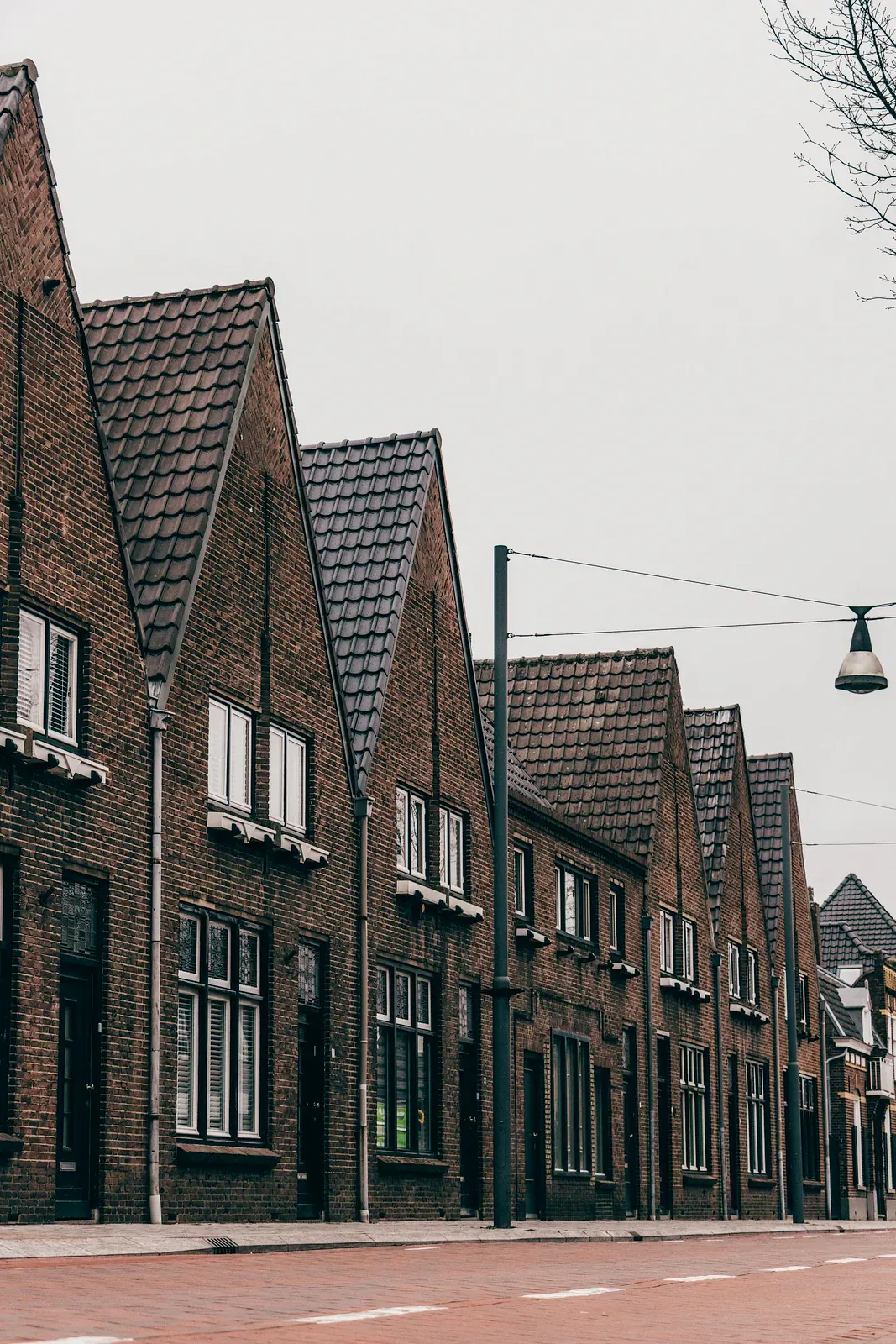
A townhouse suits a small family or a roommate group that wants more room and a private frontage without fully giving up on-site security, and can accept a longer commute or a car-dependent routine. A house or villa suits a larger family, someone with a pet that needs a yard, or a longer-term tenant who values privacy and space above almost everything else, including proximity to the rail network.
Bangkok’s house and townhouse rental market concentrates in neighbourhoods that sit away from the BTS/MRT corridors: Bang Na (BTS E13, Sukhumvit Line) and its surrounding sois, the area off Sathorn Road inland from Chong Nonsi (BTS S2, Silom Line), the stretch between Ekkamai (BTS E7, Sukhumvit Line) and Ramkhamhaeng, and outer Lat Phrao (MRT Blue Line). None of these sit far from a station in absolute terms, but the houses and townhouse compounds themselves are typically a motorbike-taxi or short car ride from the platform rather than a walk, which is the real commute cost of choosing space over a condo’s proximity. Budget for that last-mile trip specifically when comparing a house’s door-to-door commute against a condo directly on the line.
For the family-specific version of this decision, including school commutes and flood exposure, see house vs condo rental for families in Bangkok; for how a two-bedroom condo compares to a shared alternative for a roommate pair, see the size-based breakdown in studio vs 1-bed vs 2-bed in Bangkok.
Questions specific to house and townhouse leases
A condo lease is fairly standardised because the juristic office and the building’s own rules cover most of what could go wrong. A house or townhouse lease has no such backstop, so ask before signing:
- Who is responsible for structural repairs (roof, plumbing, wiring), in writing, not verbally assumed
- Whether the compound has any shared fee for a guard post or shared perimeter, since it isn’t automatic the way a condo common fee is
- What the electricity meter setup is: a standalone house is often on its own government-rate meter, generally cheaper per unit than a condo’s building-managed meter
- Whether the garden or yard is genuinely usable space, with photos, not just a listing that says “garden”
- The property’s flood history, asked directly of the landlord or a long-term neighbour, since ground-level living carries more exposure than an upper-floor condo unit
- Whether pets are actually allowed, and any pet-specific deposit or clause, confirmed in writing rather than a verbal yes
Does area change which type wins?
Yes, more than the type itself in some cases. Central, BTS-corridor areas price condos and apartments at a premium but keep them walkable to the line; the same budget in a central area buys a much smaller townhouse or no standalone house at all. Outer areas flip the calculus: a townhouse or house becomes realistic on a mid-range budget, but the commute stretches, and a condo in the same outer area often becomes the cheapest option of all four types.
Run the comparison at a fixed budget rather than a fixed type, and the pattern gets clearer. At around 30,000 THB ($860) a month, central Sukhumvit buys a small older apartment or a compact mid-tier condo, nothing more. The same 30,000 THB near an outer station on the same line reaches a full 1-bedroom condo, a decent 2-bed apartment, or the entry end of a townhouse compound a short ride away. Push the budget to 60,000 THB ($1,715) and a central condo becomes comfortable, while an outer area at the same money opens up a proper house or a mid-tier townhouse with room to spare. Before committing to a type, decide the area first, then see which types are actually available in it at your budget, since the mix of what’s on offer shifts significantly by neighbourhood, and a type that looks unaffordable in one area is often ordinary in another twenty minutes further out.
If you plan to buy a house instead, see houses and villas in Bangkok.
Common questions
Can I switch property types partway through a stay in Bangkok without much hassle? Yes, and plenty of long-term residents do exactly that, usually condo first, then a townhouse or house once the area and routine are settled. The friction is entirely in the lease terms, not the market: breaking or not renewing one lease to sign another carries the same notice-period and deposit mechanics regardless of which type you’re moving between, so read the break-clause terms in rental contracts and deposits before assuming a mid-stay switch is free.
Is a townhouse legally a house or a condo? Neither, in the way that matters for renting. A townhouse doesn’t carry condo title or a juristic person, so it follows the general Civil and Commercial Code provisions for property leases rather than the Condominium Act. Practically, that means the lease terms and repair responsibilities are negotiated directly with the landlord, similar to a detached house, even though the building shares walls with its neighbours like a condo shares a building.
Can a foreigner rent a house or townhouse in Bangkok as easily as a condo? Yes. There’s no restriction on foreigners leasing any residential property type in Thailand, unlike the caps that apply to condo ownership specifically. The practical difference is that houses and townhouses are less commonly listed on general platforms and move more through agents who specialise in that market.
Is a duplex the same as a townhouse? Close, but not identical. A duplex in the Bangkok market usually means two attached units sharing a common wall, sometimes vertically split rather than in a full row like a townhouse. Treat “duplex” listings individually rather than assuming they match either a townhouse’s or a house’s typical trade-offs.
Does a bigger property always mean a longer commute? Generally yes, since more floor area per baht is available further from the rail network, but check specific listings rather than assuming: a townhouse compound within a few minutes’ ride of an outer station can still beat a cramped central condo on total commute time once waiting and transfers are counted.
Last verified: September 2026.
Written by
Mike Brochlowski
Founder and editor, travel photographer and designer
I'm Mike Brochlowski, a travel photographer and designer, and I currently live on Koh Samui, Thailand. I built BangkokWiki to put practical, checked information about Bangkok in one place. Every page is researched from official and primary sources, and the text names them. Where a page shows a checked date, that is when its facts were last confirmed. I also run samui69.com, a non-commercial guide to Koh Samui. If you spot an error or something out of date, tell me through the contact page and I will check it and correct the page.
Read all articles
Visas and paperwork
Staying in Thailand longer?
Visas, extensions, documents and banking for longer stays. Rules and fees change often and offices apply them differently, so check the official source before you act.

Places to stay
Find a hotel
Explore the other desks
More from Living
- 9 min read
 6 min read
Furnished vs Unfurnished in Bangkok: The Breakeven Math
 10 min read
Monthly Rentals in Bangkok: Legal Options

Newsletter
You're subscribed as