Things to do
Bangkok art galleries: a guide to the contemporary scene
How Bangkok's contemporary art scene fits together, from major institutions to shophouse galleries, and how a visitor actually navigates it.
At a glance
- Reading time
- 12 min read
- Chapters
- 22
- Published
- Sep 20, 2026
On this page
Bangkok’s contemporary art scene isn’t concentrated in one district the way a Western city’s gallery quarter often is: it’s scattered across a handful of clusters that each have their own character, rail access and rhythm. This guide maps those clusters, explains how the scene actually works for a visitor who isn’t a collector, and covers what Thai contemporary art is engaged with in broad terms.
The major art and culture centres
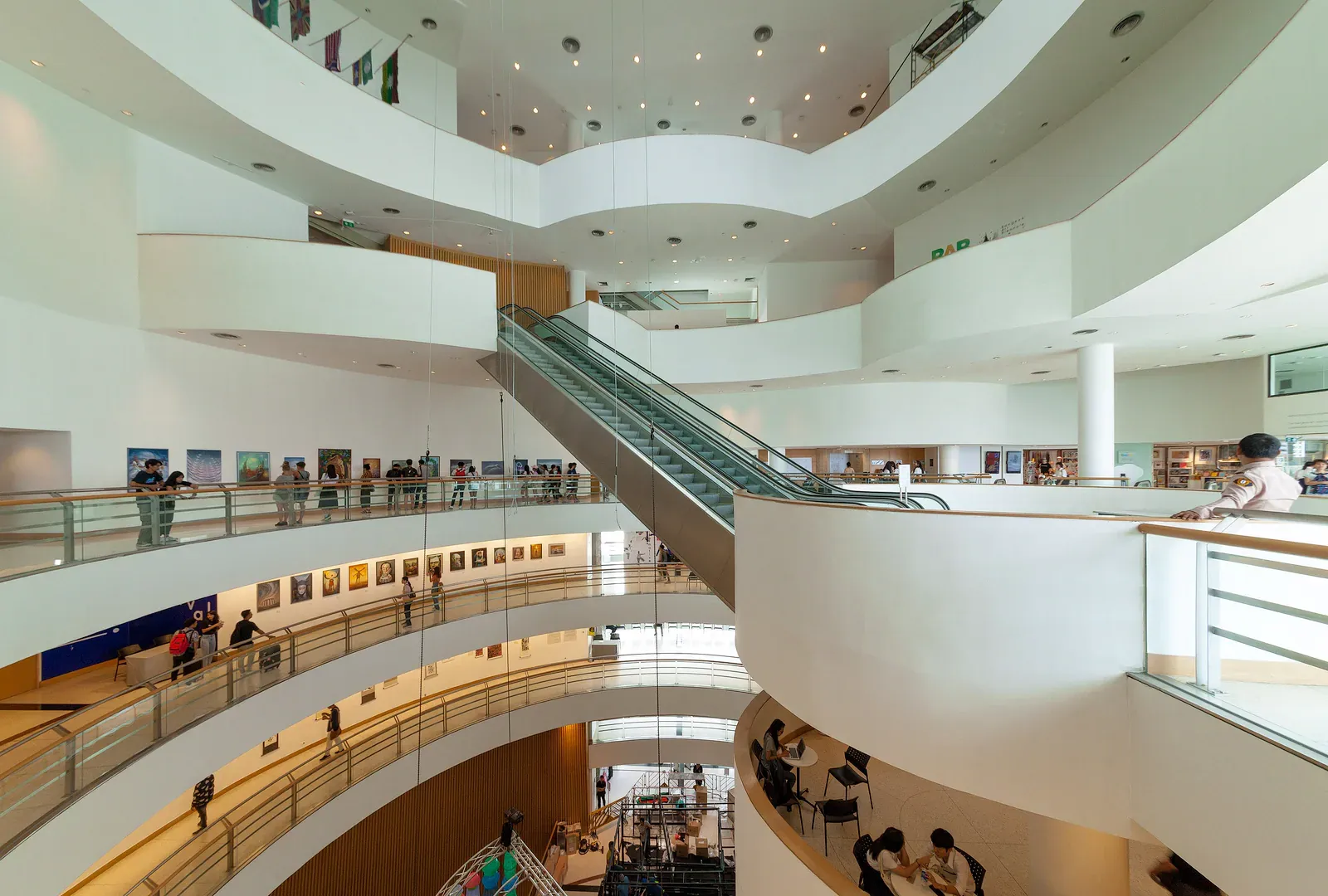
Two institutions anchor the top of the scene. The Bangkok Art and Culture Centre (BACC), at National Stadium BTS opposite MBK, is a multi-storey public venue with rotating exhibitions covering painting, installation, photography and design, generally free to enter and the single easiest starting point for anyone new to Bangkok’s contemporary art. The Museum of Contemporary Art (MOCA Bangkok), out near Kamphaeng Phet, holds a large private collection spanning Thai modernism through to current work, displayed across several floors in a purpose-built building: a serious destination for anyone with a real interest in Thai art history, though its distance from the central rail network makes it a deliberate trip rather than a casual add-on. Both are covered from the general-museum angle in the museums-worth-your-time guide as well.
Private museums on the city’s edge
Beyond BACC and MOCA, a small number of privately funded museums and foundations sit further from the centre, generally built around one collector’s or one family’s holdings, with substantial permanent collections that rarely get the visitor numbers their quality deserves. These reward planning a specific trip around them rather than combining them with a central-Bangkok day, and are worth checking for current opening status before travelling, since privately funded institutions are the most likely in this list to change hours or close temporarily without much notice.
Charoen Krung and the creative district
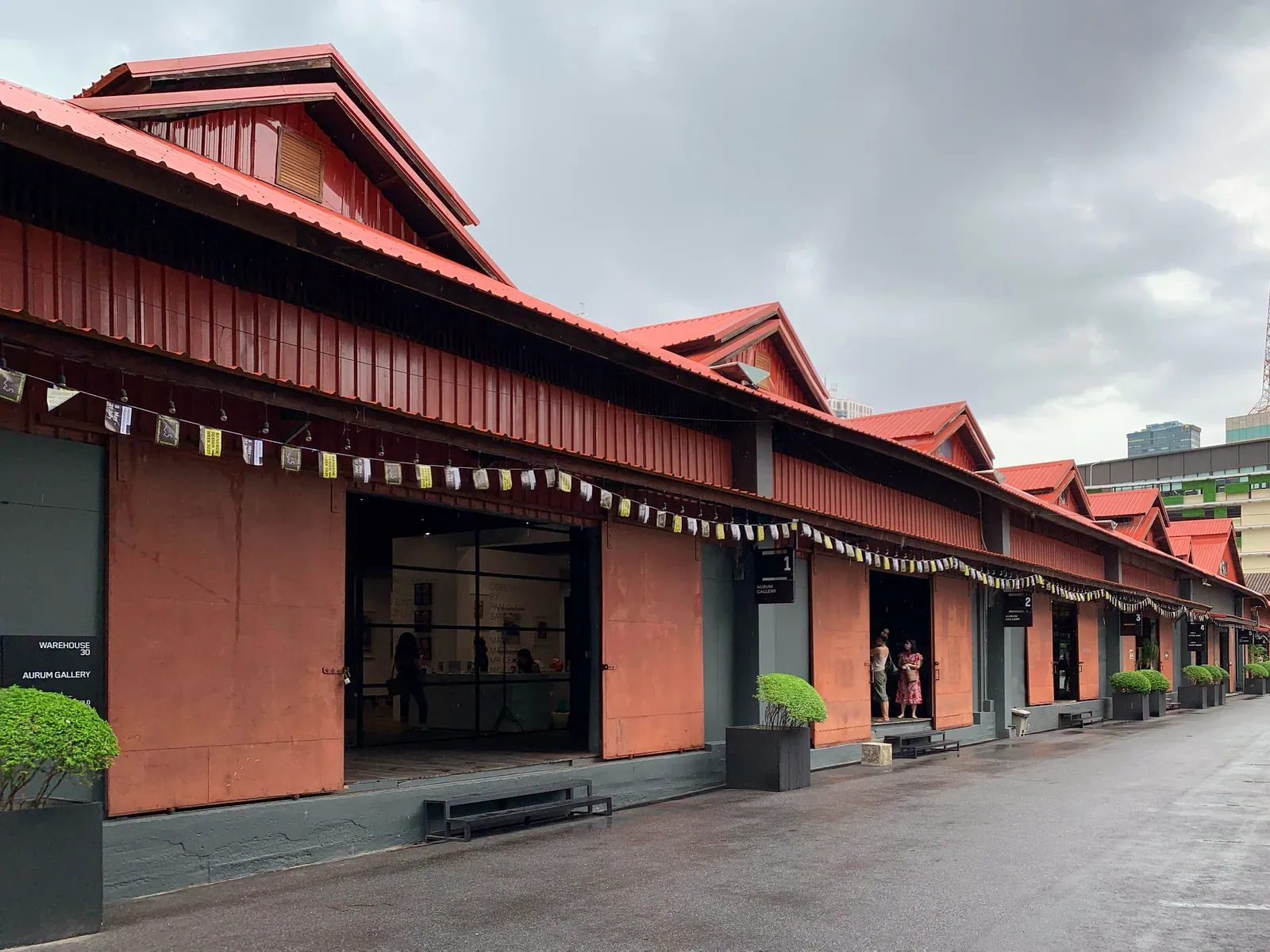
This is the scene’s most walkable cluster: a stretch of the old riverside district between Charoen Krung Road and the river, threading through converted shophouses, heritage buildings and warehouse conversions. Multi-tenant complexes such as Warehouse 30 and nearby converted heritage buildings host contemporary galleries, design studios and rotating exhibitions side by side, while independent galleries occupy individual shophouses along the sois branching off the main road. Nearest access is the Chao Phraya Express Boat piers serving this stretch of river, or a walk from Hua Lamphong MRT: the area rewards slow wandering more than a fixed itinerary, since new spaces open in converted shophouses regularly and old ones move.
Sukhumvit and Thonglor spaces
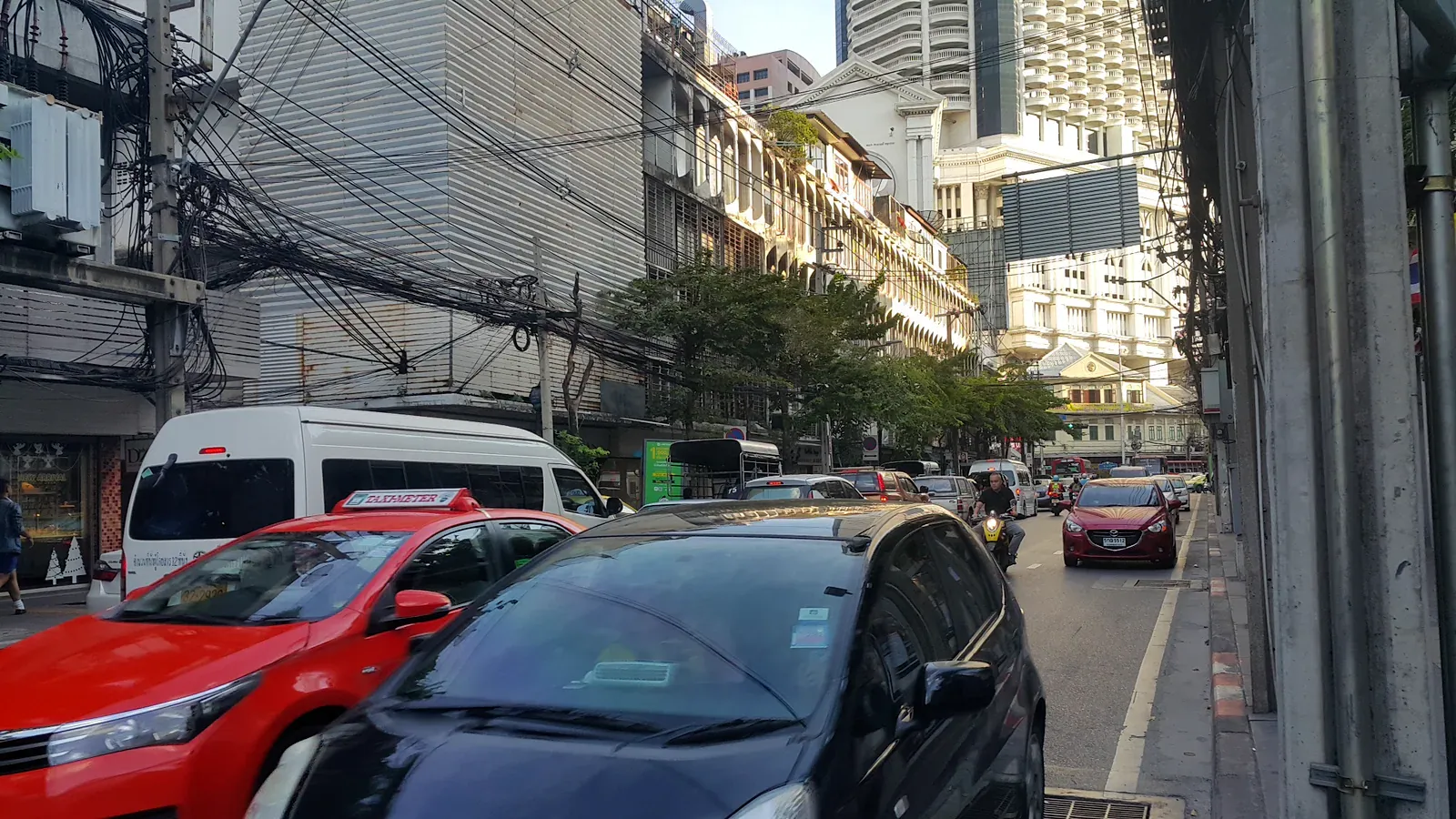
Further from the river, a looser scatter of gallery spaces sits within Sukhumvit’s sois and the Thonglor area, generally smaller and more design-conscious than the riverside warehouses, often tucked into buildings that double as cafes or lifestyle retail. Nearest stations are BTS Thong Lo and BTS Phrom Phong, both a short walk to most venues in this cluster. This area suits combining a gallery stop with the neighbourhood’s dining and shopping rather than a dedicated gallery day.
Riverside warehouses
Complexes along the Chao Phraya, reachable by express boat pier, combine antique dealers, larger commercial galleries and exhibition halls under one roof: River City is the best-known example, a multi-floor complex with rotating art exhibitions alongside its antique trade. These venues suit a rainy-day plan or a stop combined with a river crossing, since the boat journey itself is part of the appeal.
Chinatown shophouse conversions
Yaowarat and the surrounding Chinatown streets have picked up a handful of contemporary galleries inside converted shophouses in the past several years, sitting incongruously among gold shops, noodle stalls and Chinese shrines. These spaces tend to be small, single-room and easy to walk past without noticing: look for an open glass frontage rather than obvious signage. Nearest access is MRT Wat Mangkon or a walk from Hua Lamphong. The contrast between the setting and the art inside is part of what makes this cluster worth seeking out specifically.
Artist-run spaces and studios
Below the commercial gallery tier sits a looser network of artist-run spaces, studio collectives and small independent project rooms, often shorter-lived than commercial galleries and programmed more experimentally: performance, installation and work that a commercial gallery might consider too risky to show. These are the hardest to plan around in advance because they open, move and close faster than any guide can track reliably; the practical approach is following local arts listings and social accounts close to your visit rather than expecting a fixed address to still be current.
Design and photography venues
TCDC (Thailand Creative & Design Center), in the Charoen Krung creative district, runs design-focused exhibitions and a public design library aimed more at practitioners than casual visitors, but its exhibition programme is open to anyone and often worth a look if design interests you more than fine art specifically. A smaller number of dedicated photography galleries and spaces round out the specialist end of the scene, generally clustered near the same creative-district area.
How the scene works for a visitor
A few things make Bangkok’s gallery scene easier to navigate once you know them:
- Commercial galleries are free and expect browsers, not just buyers. Walking in, looking around without buying anything, and leaving is completely normal gallery behaviour, not an imposition on staff.
- Openings are public and are where the scene actually gathers. An exhibition’s opening night, generally announced through the gallery’s own channels, draws artists, collectors and the wider arts crowd in a way that a quiet weekday visit doesn’t: worth attending if timing allows, even without an invitation, since most openings function as open events.
- Gallery hopping is a Thursday-to-Saturday activity. Many smaller and artist-run spaces keep limited hours weighted toward the back half of the week, with some closed entirely on Mondays and Tuesdays. Planning a gallery circuit for a Tuesday afternoon will find more shutters than open doors.
- Art week and fair season concentrates the whole scene into a few weeks. Bangkok’s calendar includes a citywide art biennale in some years and commercial art fairs in others, during which galleries coordinate openings, extended hours and satellite events across the clusters described above. This is the highest-density time to visit if your trip can be timed around it, though the specific years, dates and participating venues shift, so check current listings rather than assuming an annual fixture falls in any given month.
What Thai contemporary art engages with
In broad terms, without attributing a specific position to any named living artist, the scene is working through several recurring themes: traditional and religious iconography reworked into contemporary formats and materials, often unsettling the line between reverence and critique; politics and social change, engaged with in ways that vary in how directly they can be shown, given the practical limits on political expression in Thailand; rapid urbanisation and its effect on community and landscape, a natural subject given Bangkok’s own transformation; and regional perspectives from Isaan and the south, which bring distinct visual languages and concerns often underrepresented in Bangkok-centric shows. A growing thread of diaspora and regional exchange also runs through the scene, with galleries increasingly showing work in dialogue with other Southeast Asian art capitals rather than treating Thai art in isolation.
Finding out what’s actually on
Exhibition listings age within weeks, and any static list of current shows (including this one) should be treated as a map of where the venues are, not a programme. The more reliable approach close to a visit is checking galleries’ own current communications directly, since a typical show runs a matter of weeks and turns over faster than most published guides update.
Gallery etiquette
Treat a commercial gallery the way you’d treat a shop you’re not obliged to buy from: quiet conversation is fine, photography is often allowed but not universal, and touching work is not. Staff are generally used to browsers and happy to talk about the current show if you show real interest, but don’t expect a guided tour unless one is explicitly offered.
Buying as a visitor
Buying work as a visiting tourist is straightforward at the transactional level (most commercial galleries can process a sale to an overseas buyer) but shipping is where it gets complicated: international shipping of artwork typically means the buyer arranges or pays for crating and freight separately from the purchase price, timelines can run to weeks, and larger or more fragile pieces cost meaningfully more to ship than smaller framed or paper works. Ask the gallery directly what their shipping process involves before committing, rather than assuming a purchase price includes delivery to your home country.
Photography rules
Photography policy varies gallery to gallery and even show to show within the same gallery: some artists and curators restrict photography of specific works for copyright or commercial reasons, particularly around a fair or a headline exhibition. Ask before shooting rather than assuming a blanket “photography is fine” rule carries across every space in a cluster.
Combining a gallery route with food and a river crossing
The Charoen Krung and riverside clusters combine naturally with a Chao Phraya river crossing and the area’s strong food scene: old-school Thai-Chinese restaurants and newer cafes sit within the same walkable stretch as the galleries, and a river-crossing ferry between piers doubles as a scenic break between gallery stops rather than dead travel time. Chinatown’s shophouse galleries pair the same way with Yaowarat’s street food, making a single afternoon that mixes art, a river crossing and a meal a realistic and rewarding plan rather than an ambitious one.
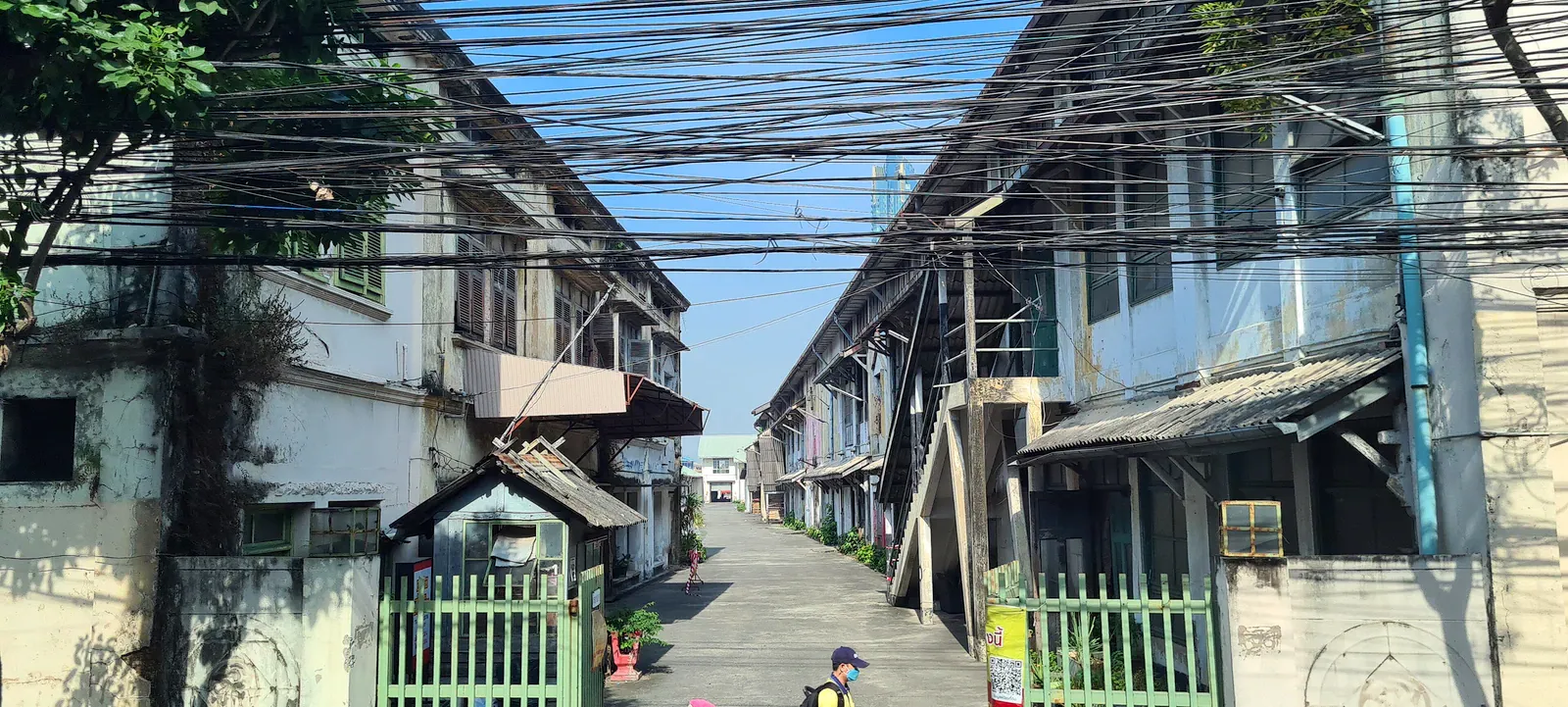
Clusters by area, access, character and best day
| Cluster | Rail/pier access | Character | Best day to go |
|---|---|---|---|
| Charoen Krung / creative district | Chao Phraya Express Boat piers, or walk from Hua Lamphong MRT | Warehouse conversions and independent shophouse galleries, design-led | Thursday-Saturday, afternoon into evening |
| Sukhumvit / Thonglor | BTS Thong Lo, BTS Phrom Phong | Smaller, design-conscious spaces mixed with cafes and retail | Any day, best combined with dining |
| Riverside warehouses | Chao Phraya Express Boat, various piers | Multi-floor complexes mixing antiques and larger galleries | Weekday, to avoid weekend river-taxi crowds |
| Chinatown shophouses | MRT Wat Mangkon, or Hua Lamphong | Small single-room conversions amid a working Chinese quarter | Evening, paired with Yaowarat street food |
| National Stadium / Siam | BTS National Stadium | BACC’s large public exhibition floors | Any day it’s open; check for Mondays |
Art fairs and the biennale season
Bangkok’s exhibition calendar includes recurring commercial art fairs and, in some years, a citywide biennale that spreads programming across institutions, galleries and public sites simultaneously rather than confining it to one venue. During these windows the usual rhythm of the scene compresses: galleries schedule openings to overlap deliberately, satellite events pop up in spaces that are closed the rest of the year, and the density of what’s worth seeing in a single week is far higher than at any other point in the calendar. The specific years, dates and scale of these events shift, and a biennale in particular doesn’t necessarily recur on a fixed annual cycle, so this is very much a “check what’s scheduled for your travel dates” situation rather than a fixture to plan around blindly.
Open studios and artist-run programming
Beyond the fixed galleries mapped above, a looser layer of open studio events and artist-run programming surfaces periodically, often concentrated around the same creative-district streets or timed to coincide with fair season. These tend to be announced through word of mouth and social channels rather than formal listings, and they offer a different kind of access: talking directly with the people making the work rather than viewing it through a commercial gallery’s curation. If turning up to a fixed gallery address is the reliable option, following local arts accounts in the weeks before a trip is how you catch the informal layer as well.
Combining a gallery day with the wider museum scene
A gallery-focused day pairs naturally with the city’s contemporary institutions covered in the general museums guide: starting at BACC’s public galleries before moving on to a commercial cluster gives a useful contrast between curated institutional programming and the more commercial, faster-turnover world of gallery representation. For a visitor with only one day for contemporary art, that BACC-plus-one-cluster combination covers more range than committing the whole day to a single gallery district. Free general-admission options across the scene, including which clusters cost nothing at every stop, are broken down further in the free and cheap museums guide.
What separates a gallery from a museum here
Visitors new to the distinction sometimes treat “gallery” and “museum” as interchangeable, but the difference shapes how you should approach each one. A museum, whether national or private, holds a fixed or slowly rotating permanent collection and is generally built around preservation and long-term display: you visit largely to see specific works that will still be there next year. A commercial gallery’s programme turns over every few weeks by design, since its business model depends on regularly bringing in new work to sell, which means a gallery is never a “see it once, tick it off” destination the way a museum’s headline piece can be. Returning to the same gallery address six months apart can be a genuinely different experience, which is part of why regular gallery visitors treat the scene as an ongoing habit rather than a one-time itinerary item.
A note on scale
Bangkok’s contemporary scene is substantial by regional standards but still compact compared with the gallery districts of much larger art markets: a determined visitor can realistically cover most of one cluster’s notable spaces in an afternoon, rather than needing days per neighbourhood. That compactness is an advantage for a visitor with limited time: choosing one cluster and doing it properly, rather than trying to sample all of them thinly, generally makes for a better day.
Common questions
Do I need to be a collector to visit Bangkok galleries?
No. Commercial galleries make money selling to collectors, not charging visitors at the door, so browsing without buying is completely normal and expected across all the clusters described here.
What day is best for gallery hopping in Bangkok?
Thursday to Saturday, since many smaller and artist-run spaces weight their opening hours toward the back half of the week and some close entirely on Mondays and Tuesdays.
Is Bangkok’s contemporary art scene politically outspoken?
It engages with political and social themes to varying degrees, shaped by practical limits on how directly certain subjects can be shown in Thailand. Expect nuance and indirection more often than blunt statement, and don’t expect a named living artist’s personal politics to be spelled out in a gallery’s own materials.
How do I find out what exhibitions are currently showing?
Check galleries’ own current communications close to your visit date rather than relying on older articles or guides, since a typical exhibition runs only a few weeks and listings go stale fast.
Can I buy art in a Bangkok gallery and ship it home?
Generally yes, but shipping is usually arranged and paid for separately from the purchase, can take weeks, and costs more for larger or fragile pieces. Ask the gallery directly about their shipping process before you commit to a purchase.
Is MOCA Bangkok worth the trip out from the centre?
For anyone with a genuine interest in Thai modern and contemporary art, yes: the collection is substantial and well displayed across several floors. As a casual add-on to a central Bangkok day it’s a harder sell, given the distance from the main rail lines.
Part of
Written by
Mike Brochlowski
Founder and editor, travel photographer and designer
I'm Mike Brochlowski, a travel photographer and designer, and I currently live on Koh Samui, Thailand. I built BangkokWiki to put practical, checked information about Bangkok in one place. Every page is researched from official and primary sources, and the text names them. Where a page shows a checked date, that is when its facts were last confirmed. I also run samui69.com, a non-commercial guide to Koh Samui. If you spot an error or something out of date, tell me through the contact page and I will check it and correct the page.
Read all articles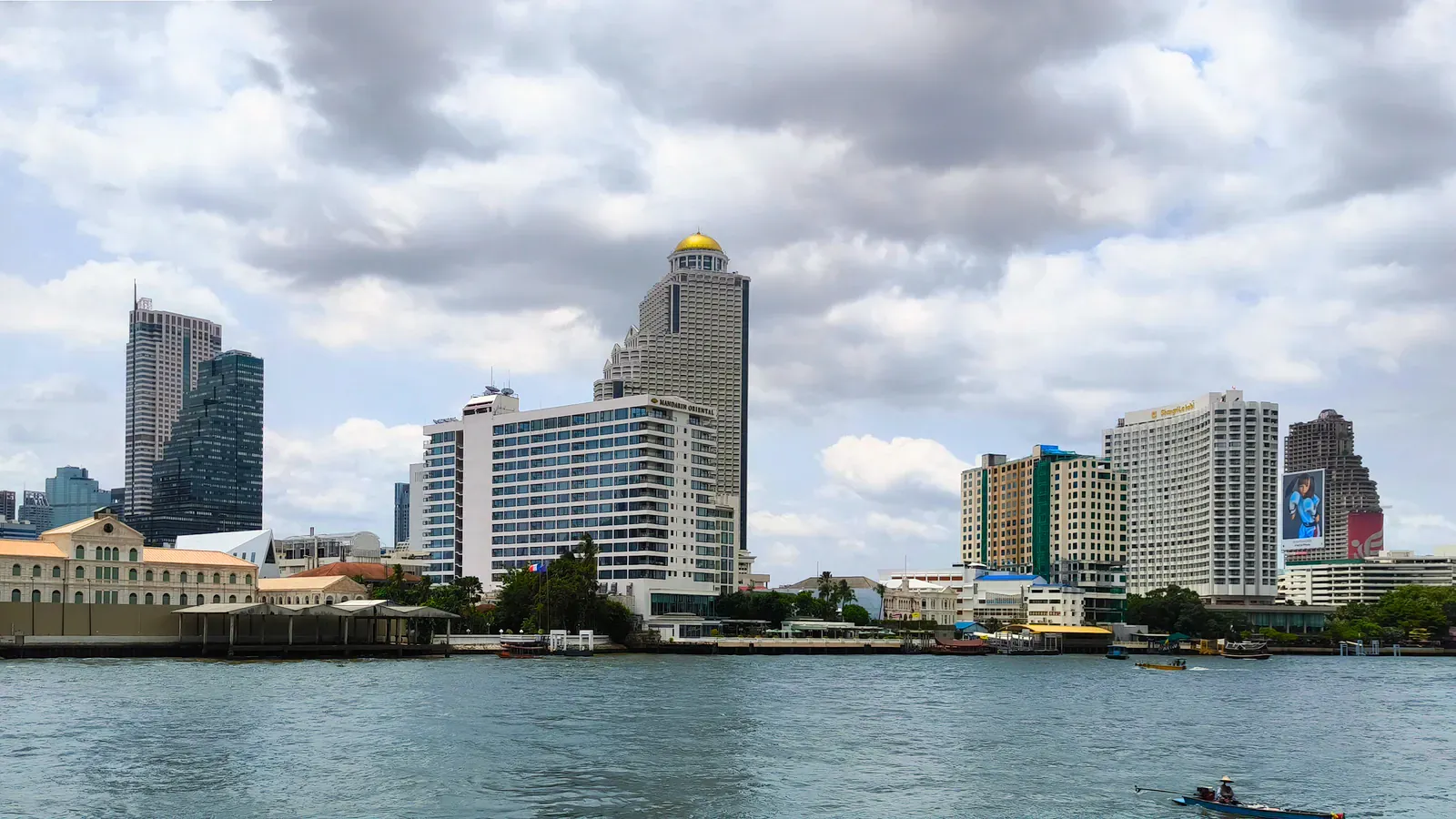
Where to stay
Pick the area before the hotel
Traffic and heat make Bangkok distances feel longer than they look on a map, so the area shapes a trip more than the hotel does. Our guides match areas to trip types and explain the trade-offs.

Places to stay
Find a hotel
More from Things to do
- 12 min read
 12 min read
Best Museums in Bangkok and What Each One Offers
 11 min read
Rattanakosin vs Chinatown: Bangkok's Historic Cores Compared

Newsletter
You're subscribed as