Things to do
Free Museums in Bangkok: Where Culture Costs Nothing
Where Bangkok's culture is genuinely free or nearly free, from public galleries and temple donation boxes to the creative-district walking route.
At a glance
- Reading time
- 12 min read
- Chapters
- 22
- Published
- Sep 20, 2026
On this page
Bangkok gives away more culture than its reputation for pricey attractions suggests: public galleries with no entry charge, temple museums running on a donation box rather than a till, and a whole creative district you can walk for free. This guide sorts the free tier from the merely cheap one, and explains why “free” here still costs you time and a BTS fare.
Permanently free public and institutional galleries
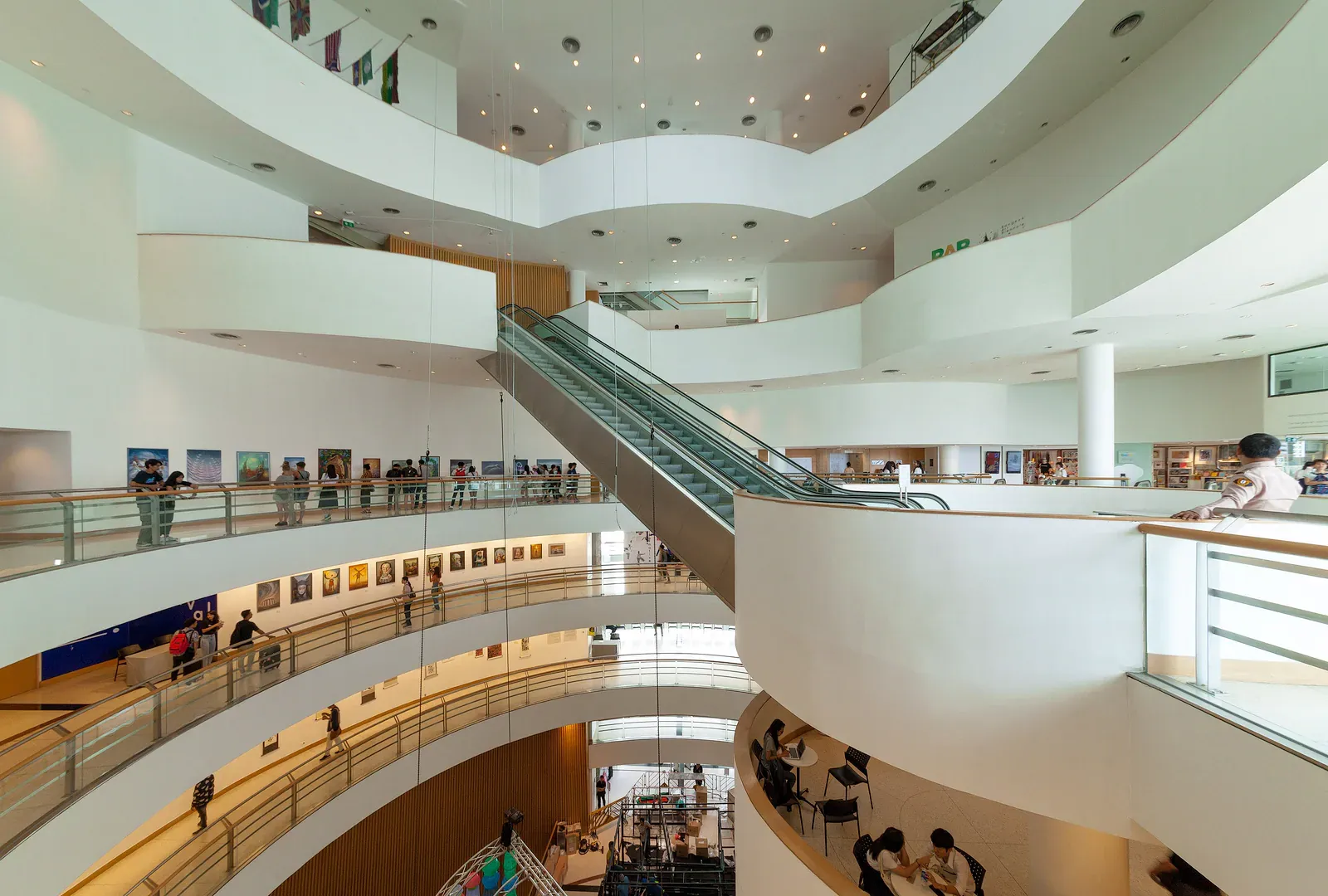
The clearest free tier is public institutions whose core purpose is display rather than ticket revenue. The Bangkok Art and Culture Centre (BACC), opposite MBK at National Stadium BTS, runs its main rotating exhibition floors on free entry, funded as a public cultural space rather than a commercial venue: a rare thing in a city where most major sights charge. Smaller public galleries attached to universities and government cultural bodies follow the same model: display is the point, and admission would work against the mission.
Big cultural centres: free main halls, ticketed special shows
Some institutions split their programme in two. The main galleries stay free, funded by the institution’s core budget, while a headline touring exhibition or a special retrospective (often licensed from an international partner) carries its own separate ticket. This is common at larger cultural centres and university galleries. The practical implication: don’t assume a venue is free just because you’ve heard it is, and don’t assume a special exhibition inherits the free entry of the building it’s in. Check the specific exhibition, not just the venue name, before you plan around it.
University and government collections
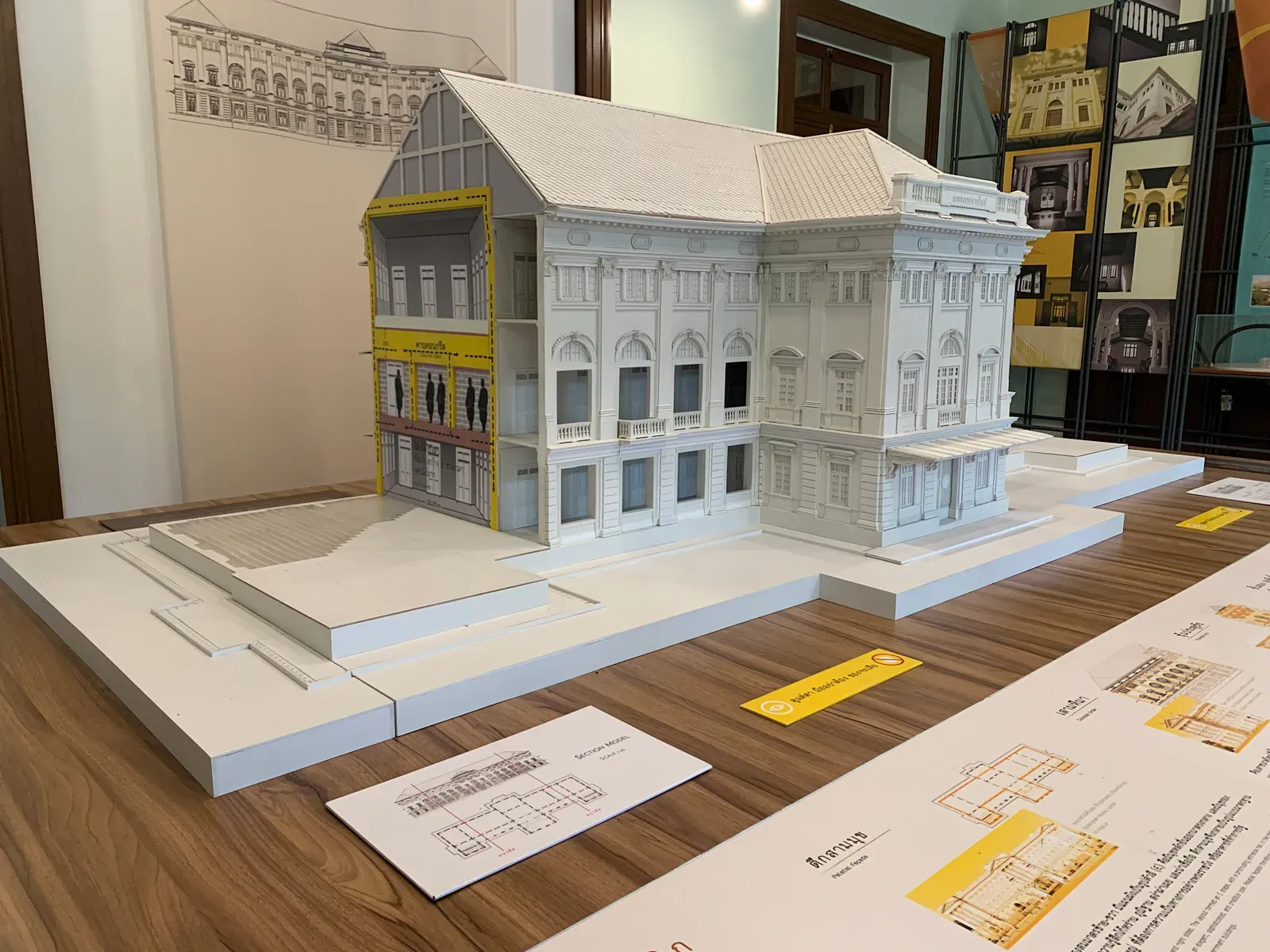
Several Bangkok universities and government departments maintain small public collections (art faculties with student and staff exhibition spaces, government cultural offices with heritage displays), generally free, generally thin on English signage, and generally under-visited even by residents. These reward curiosity over itinerary planning: if you’re near one and it’s open, it costs nothing to look in. For the bigger collections, see our guides to the Bangkok National Museum, Museum Siam, Jim Thompson House and the Siriraj medical museums.
Temple and shrine museums: donation box, not till
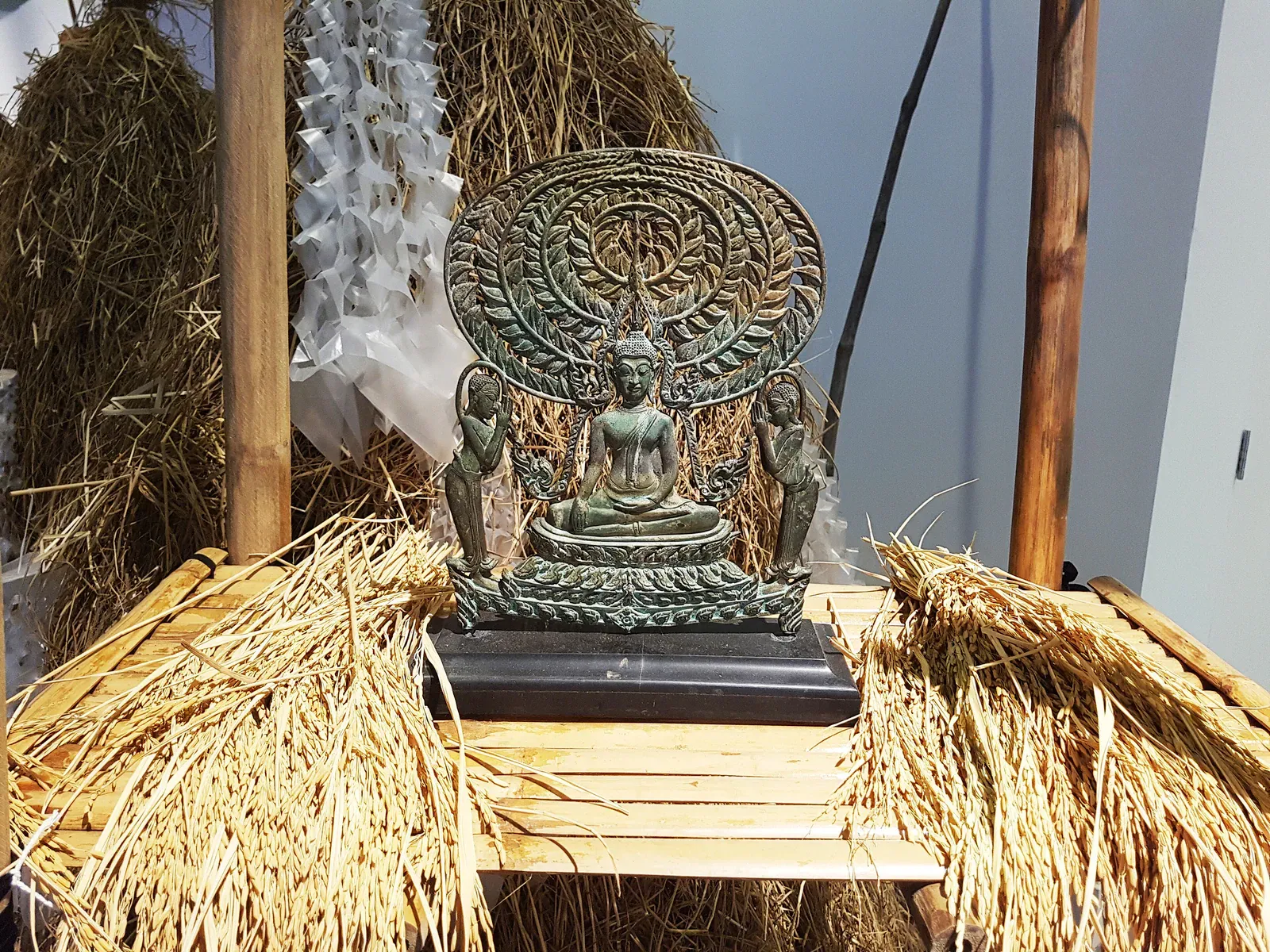
Museum-like exhibits attached to working temples and shrines (a side hall of relics, a small history display, an exhibition space bolted onto a major wat) almost always run on a donation box at the door rather than a fixed admission fee. The etiquette is straightforward: a small donation is customary and appreciated, not obligatory, and the amount is genuinely up to the visitor. This is a different economic model from a museum ticket window, and treating it as a fixed-price transaction misreads the setup. Temple museum spaces attached to major wats are covered from the visiting-a-wat angle in the broader museum guide, which also flags which temple museums are worth the extra ten minutes.
Bank and corporate museums
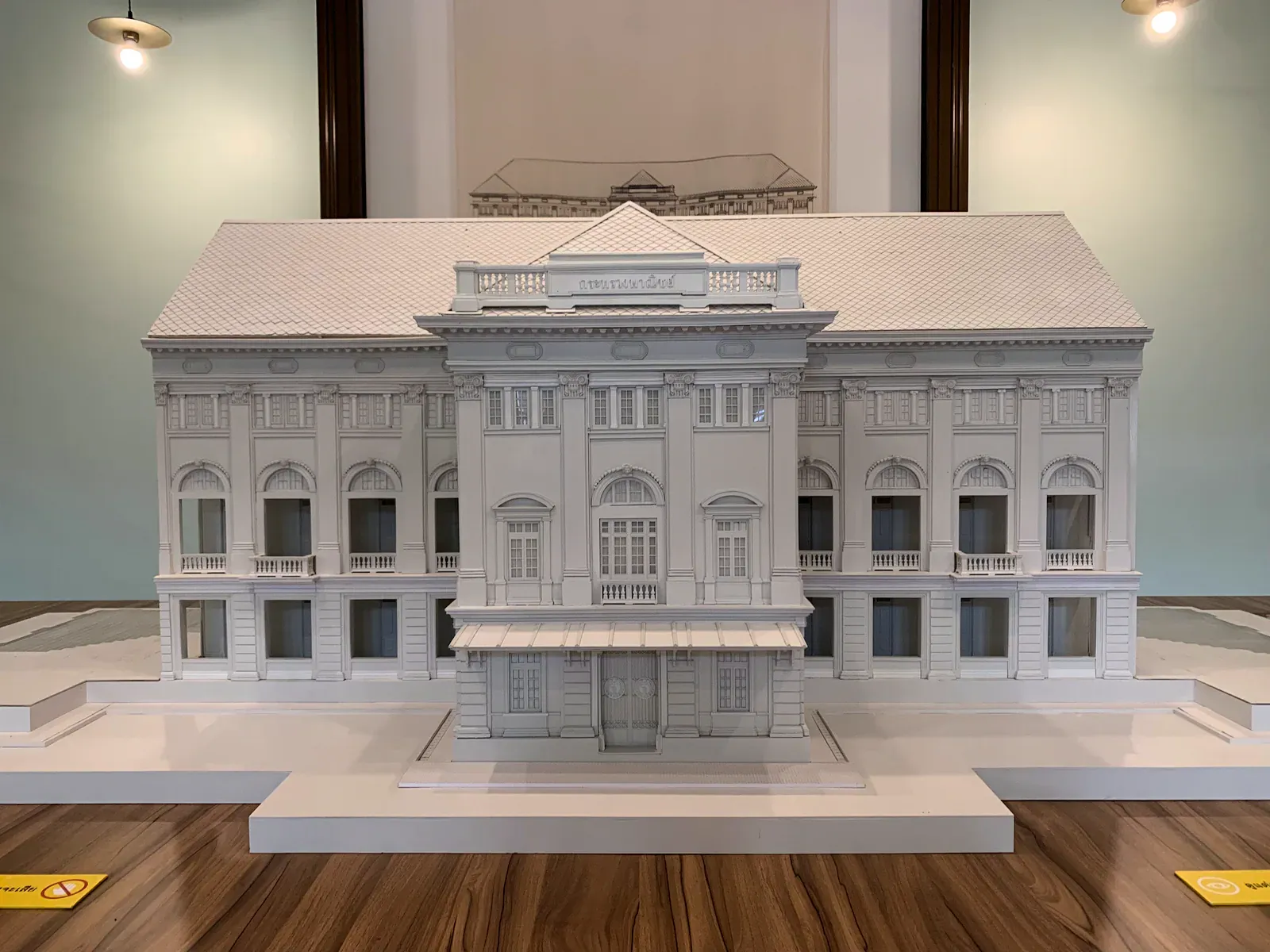
Thai banks and a handful of large corporations run small museums covering their own history or a related subject: currency and monetary history being the most common theme. These exist for public relations and heritage preservation rather than revenue, so entry is free or a token amount, and the trade-off is a narrower, more institutional subject than a national museum’s breadth. Worth a stop if the specific topic interests you; not worth planning a day around.
Mall and creative-district art spaces
Bangkok’s malls increasingly host free gallery space as a footfall draw rather than a profit centre: pop-up exhibitions, design showcases, and small permanent art corners inside shopping centres near Siam and along Sukhumvit. These are inconsistent in quality and programming turns over fast, so treat any specific mall gallery as a “if you’re passing” stop rather than a destination, and expect the roster of what’s showing to have changed since anything written about it was published.
Commercial galleries: free and open to anyone
The city’s commercial gallery scene (concentrated in the Charoen Krung creative district, but also scattered through Sukhumvit, Thonglor and Chinatown’s converted shophouses) charges no entry at all. Galleries make money selling work to collectors, not charging browsers at the door, so anyone can walk in during opening hours, look at serious contemporary art, and leave without buying anything or being expected to. This is the least understood free option in the city: visitors assume a gallery works like a museum and needs a ticket, when in fact it’s closer to a shop that happens to sell paintings. The full map of clusters, what to expect walking in, and gallery etiquette is covered in the contemporary art galleries guide.
Free days and windows: the pattern, not a promise
Several institutions waive or reduce charges on specific days, for specific visitor categories (students, seniors, Thai nationals with ID, children under a certain height or age), or during specific public campaigns tied to cultural heritage months. The pattern exists and is worth knowing about in principle, but which institution, which day, and which category changes over time as budgets and policies shift, so naming a specific free day here would be stating something likely to go stale or simply wrong. The reliable approach: check the specific institution’s current visitor information close to your visit date, and don’t build a day’s itinerary around an assumed free window without confirming it applies to you.
The genuinely cheap tier
Below “free” sits a tier of low, indicative charges, broadly in the range of ฿20-100 (roughly US$0.60-3, indicative for 2026), at smaller municipal and specialist collections. What that buys is usually a modest, single-building exhibition rather than a sprawling national collection: a specific historical theme, a preserved house, or a niche subject collection. It’s rarely bad value, but go in expecting scale to match the price.
The creative-district walk
The single best way to stack free culture into one outing is the Charoen Krung creative district walk, roughly between the river and the Hua Lamphong end of the old town. Within a compact, walkable area sit several free commercial galleries, converted warehouse spaces with rotating exhibitions, and design-focused venues, threaded together by heritage shophouse streets that are worth looking at in their own right. Nearest access is generally the Chao Phraya Express Boat piers along that stretch of river, or a walk from Hua Lamphong MRT: allow a full afternoon rather than rushing it, since the value here is in the accumulation of small stops, not one headline venue.
Air conditioning as the real amenity
In Bangkok’s hot season, roughly March to May, the practical value of an indoor free gallery isn’t just the art: it’s an air-conditioned two or three hours off the street in the hottest part of the day. This is a genuine, non-cynical reason to build an afternoon around BACC or a cluster of indoor galleries when the alternative is walking outdoor sights in 35°C-plus heat. Factor it into planning: a free museum afternoon in April is doing double duty as heat relief.
Opening patterns that catch visitors out
Many Bangkok museums and galleries close on Mondays, following a pattern common across Southeast Asian public institutions, and public holidays affect opening hours unpredictably across the calendar: a closure that has nothing to do with the institution’s usual weekly pattern. Commercial galleries often keep shorter or different hours than museums, sometimes closed Sundays and Mondays instead, and skew toward afternoon and early evening rather than a full working day. None of this is safe to assume from one venue to the next: check the specific day and hours for the specific venue before you go, rather than applying one pattern across the city.
Finding out what’s actually on
Listings for free and low-cost exhibitions age fast: a gallery show typically runs a few weeks to a couple of months, and any static list of “current exhibitions” is out of date within a season. The more reliable approach is checking a venue’s own current communications close to your visit date rather than relying on older travel articles or forum posts, and treating anything written months earlier (including this guide) as a starting map of where the free venues sit, not a programme of what’s showing this week.
Free options by area and rail access
| Area | Rail/pier access | What’s there | Catch |
|---|---|---|---|
| Siam / National Stadium | BTS National Stadium | BACC main galleries | Special touring shows inside the same building are often ticketed separately |
| Charoen Krung creative district | Chao Phraya Express Boat piers, or walk from Hua Lamphong MRT | Cluster of free commercial galleries and warehouse spaces | Spread over a wide walking area; plan a full afternoon |
| Chinatown | MRT Wat Mangkon, or Hua Lamphong | Shophouse gallery conversions, temple museum donation boxes | Small, easy to miss; look for open shopfronts rather than signage |
| Sukhumvit / Thonglor | BTS Thong Lo, BTS Phrom Phong | Commercial gallery spaces inside sois and small buildings | Fewer venues, more spread out; best combined with dining plans |
| Riverside | Chao Phraya Express Boat, various piers | Warehouse and complex galleries with free general access | Antique dealers and paid exhibition spaces sit alongside the free ones in the same complex |
What “free” actually costs
Free entry doesn’t mean a free outing. Getting to a scattered creative-district cluster costs BTS or boat fares and real walking time in heat; a “quick” free gallery stop routinely runs to an hour once you’re inside and looking properly; and combining several free venues in one day means accepting a slower, more improvised pace than a single ticketed attraction with a fixed route. Budget the day, not just the venue, and the free tier still delivers excellent value against that honest accounting.
University galleries in more depth
Bangkok’s larger universities with fine art and architecture faculties (the kind of institution that trains the city’s next generation of gallery artists) typically run at least one public-facing exhibition space showing staff, student and thesis work alongside occasional touring shows. These are free almost without exception, since the point is pedagogical and reputational rather than commercial, and they tend to sit on or near the campus itself rather than in a gallery district, meaning you visit them as a specific destination rather than folding one into a wider walk. The trade-off for the free admission is a programme that can feel uneven in ambition, ranging from polished graduate degree shows to rougher student work: worth it for anyone curious about where Thai contemporary art is heading, less essential for a visitor after a polished museum experience.
Free events tied to the cultural calendar
Beyond individual institutions’ own policies, Bangkok periodically hosts citywide cultural pushes (heritage-awareness campaigns, a recurring city-backed art or design festival, and in some years a biennale) during which participating venues coordinate free public programming, extended hours or one-off open days across multiple sites at once. These events multiply the free-culture options for however many days or weeks they run, but they’re calendar-dependent and their scale and participants shift year to year, so they reward checking current listings shortly before a trip rather than assuming a specific festival will land within your travel window.
Practical preparation for a free-museum day
A few things make a day built around free and cheap venues run more smoothly than a single-ticket attraction would:
- Carry cash in small denominations for donation boxes at temple museums: a large note with no change available defeats the point of a voluntary donation.
- Confirm opening days before setting out, since free venues, more than paid ones, tend to be run on smaller staffing budgets and are more likely to close for an unadvertised reason on a quiet weekday.
- Don’t chain more than two or three free venues geographically distant from each other in one day. The absence of a ticket price removes the sunk-cost incentive to make a long detour worthwhile, so it’s easy to overplan a free day into something more tiring than a paid-attraction day would have been.
- Treat the walk itself as part of the value, particularly in the creative district, where heritage shophouse streetscapes between galleries are as much the experience as any single venue.
Free and cheap options for families
Free public galleries such as BACC generally work well for families since there’s no pressure to “get your money’s worth” from a ticket, making it easy to leave early if children lose interest. Temple museum donation boxes are a gentle, low-pressure introduction for children to the idea of visiting a cultural site without a fixed admission ritual. The creative-district walk is less suited to very young children given the walking distances between stops in heat, and works better with children old enough to keep pace for a couple of hours.
Free versus “free with conditions”
Not every zero-baht venue is unconditionally free, and the distinction matters for planning. Some galleries and cultural spaces are free only for browsing the permanent or main collection, with a specific room, a touring show or a special installation carrying its own ticket at a separate desk inside the same building: easy to miss until you’re standing in front of a second till you didn’t expect. Others are free for general visitors but charge for extras: a guided tour add-on, an audio guide rental, or access to a rooftop or viewing area attached to the main free space. Reading the venue’s own signage at the entrance, rather than assuming the whole building follows one rule, avoids an awkward surprise partway through a visit.
Why the free tier is worth taking seriously
It’s tempting to treat free venues as a lesser tier reserved for a spare hour, but several of Bangkok’s most interesting cultural experiences sit in this category precisely because they’re not funded by ticket revenue and so aren’t under pressure to over-promise. BACC’s programming rivals many ticketed contemporary art venues elsewhere in the region; the creative-district galleries show work that in another city would carry an entry fee; and a temple museum’s donation-box model reflects a genuinely different relationship between visitor and institution than a commercial transaction does. Building a full day around the free tier isn’t a compromise on a tighter budget: for culture specifically, it’s often the stronger itinerary.
Common questions
Is the Bangkok Art and Culture Centre really free?
The main rotating exhibition galleries are generally free to enter, since the centre is a public cultural space rather than a commercial venue. A specific touring or special exhibition inside the building can carry its own separate charge, so check what’s currently showing rather than assuming everything inside is free.
Do commercial art galleries in Bangkok charge an entry fee?
No: commercial galleries make their money selling work to collectors, not charging visitors at the door, so anyone can walk in during opening hours and look around at no cost. This applies across the Charoen Krung, Sukhumvit, Thonglor and Chinatown gallery clusters.
Are there specific free days at Bangkok museums?
Some institutions do offer free or reduced entry on certain days or for certain visitor categories, but the specific day and terms change over time, so it’s worth checking the individual institution’s current visitor information rather than relying on an assumed schedule.
What should I expect to pay at a “cheap” museum in Bangkok?
Broadly in the range of ฿20-100 (roughly US$0.60-3, indicative for 2026) at smaller municipal and specialist collections, usually for a single-building or single-theme exhibition rather than a large national collection.
Why do so many Bangkok museums close on Mondays?
It follows a common pattern across public institutions in the region, though it isn’t universal: some venues close on other days instead, and public holidays add further unpredictability. Always confirm the specific day for the specific venue rather than assuming a citywide rule.
What’s the best way to spend a free afternoon on Bangkok culture?
The Charoen Krung creative district walk is the strongest single option: several free galleries and design spaces within a compact, walkable stretch near the river, reachable by Chao Phraya Express Boat or a walk from Hua Lamphong MRT, with enough variety to fill a full afternoon.
Part of
Written by
Mike Brochlowski
Founder and editor, travel photographer and designer
I'm Mike Brochlowski, a travel photographer and designer, and I currently live on Koh Samui, Thailand. I built BangkokWiki to put practical, checked information about Bangkok in one place. Every page is researched from official and primary sources, and the text names them. Where a page shows a checked date, that is when its facts were last confirmed. I also run samui69.com, a non-commercial guide to Koh Samui. If you spot an error or something out of date, tell me through the contact page and I will check it and correct the page.
Read all articles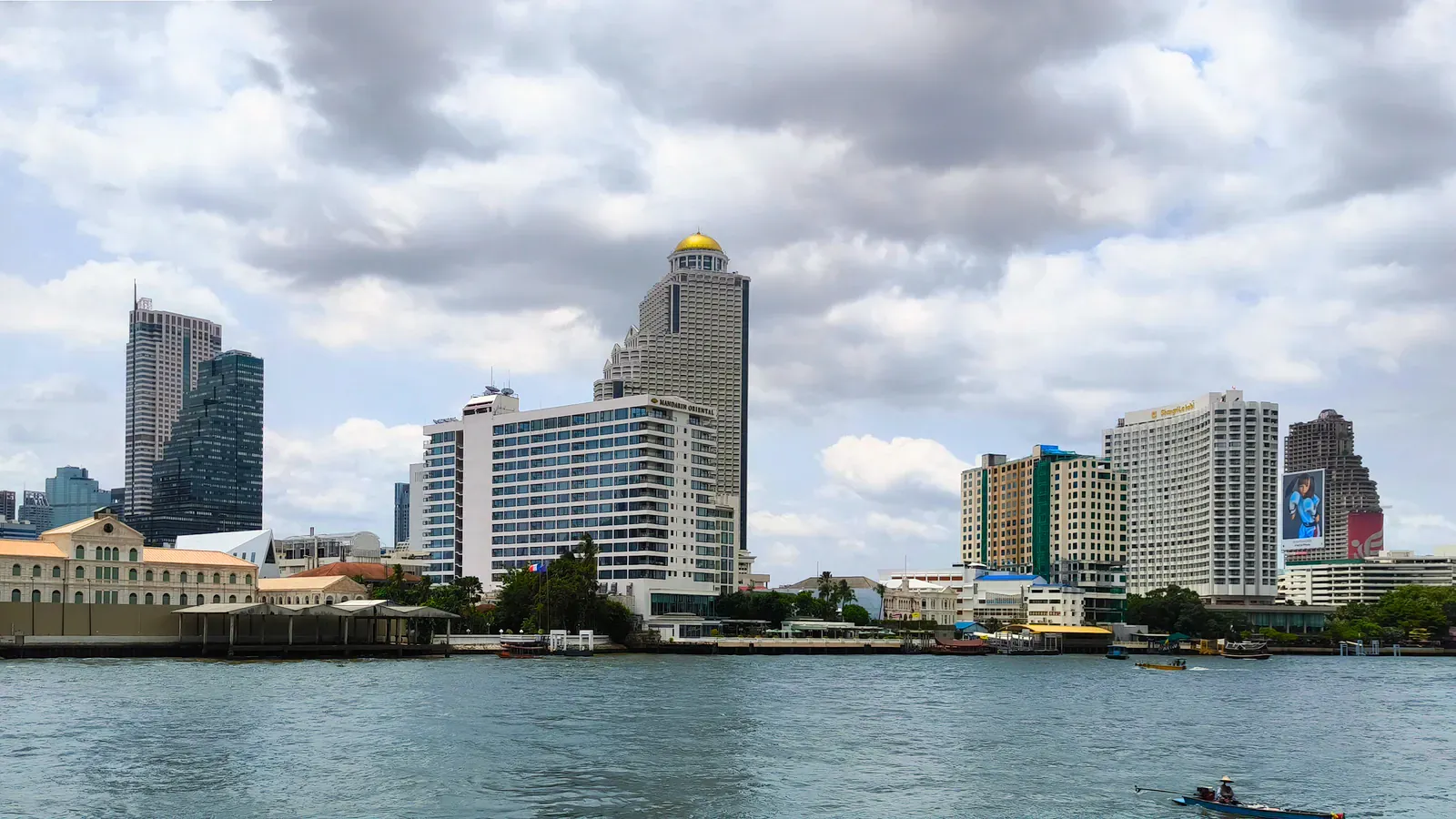
Where to stay
Pick the area before the hotel
Traffic and heat make Bangkok distances feel longer than they look on a map, so the area shapes a trip more than the hotel does. Our guides match areas to trip types and explain the trade-offs.

Places to stay
Find a hotel
More from Things to do
- 12 min read
 12 min read
Best Museums in Bangkok and What Each One Offers
 11 min read
Rattanakosin vs Chinatown: Bangkok's Historic Cores Compared

Newsletter
You're subscribed as