Things to do
Running in Bangkok Parks: Routes and Timing Guide
Where to run in Bangkok, why heat and air quality matter more than route choice, and how to build a training week that survives the hot season.
At a glance
- Reading time
- 12 min read
- Chapters
- 17
- Published
- Sep 20, 2026
On this page
Running in Bangkok is a scheduling problem before it is a route problem. Heat and humidity make a normal training pace meaningless for much of the year, several months bring air quality bad enough that outdoor running is a genuinely poor idea on the worst days, and most pavements are too broken, too crowded with stalls, or too close to traffic to run on safely. Runners who last here build their week around the constraints rather than fighting them.
The constraints, stated plainly
Three things shape every running decision in this city, and it is worth being honest about all of them before getting to routes.
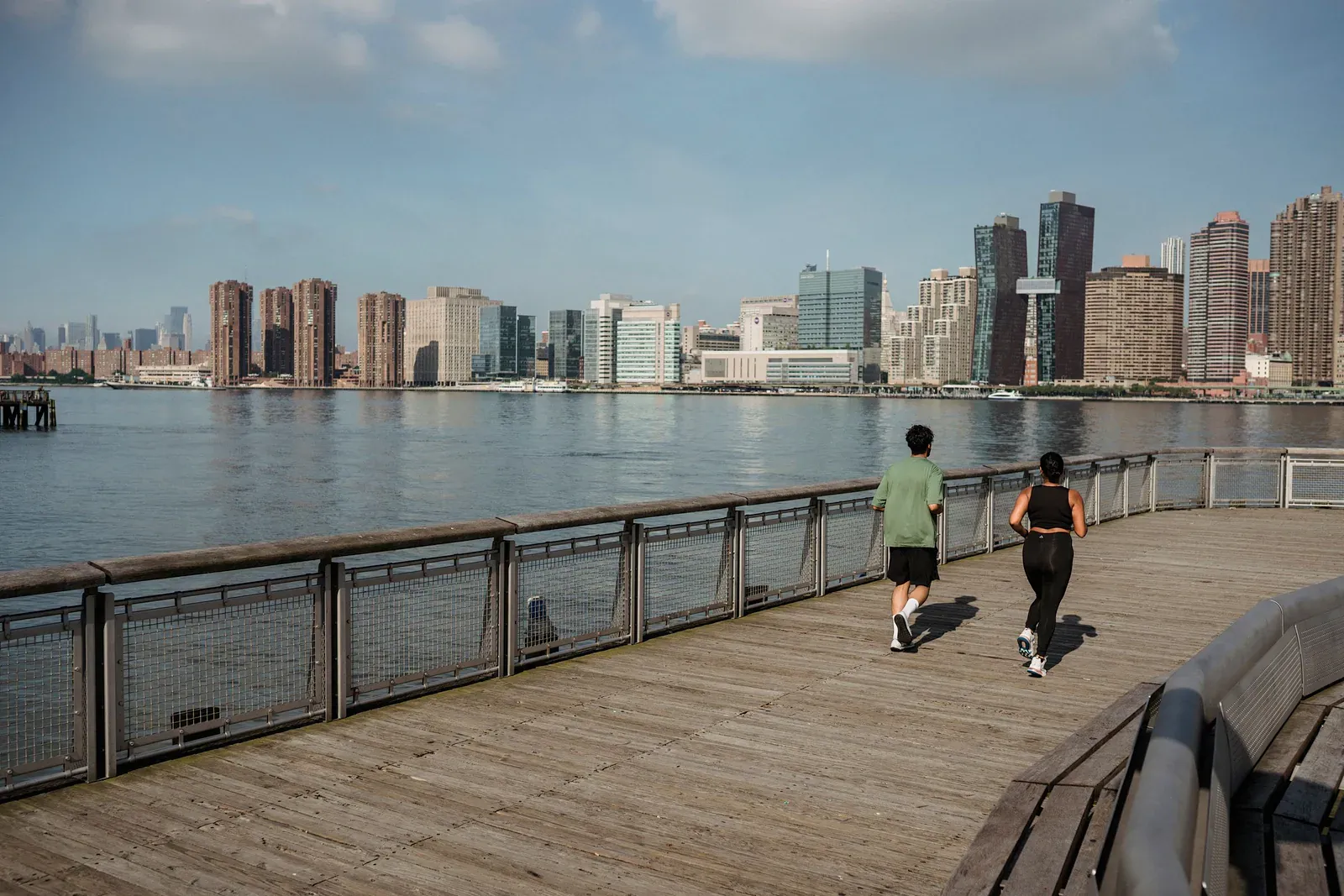
Heat and humidity. Bangkok sits close to the equator and stays hot year-round, with humidity that regularly pushes into the range where sweat stops evaporating efficiently. A pace that feels easy in a temperate climate can push heart rate into a hard-effort zone here. Runners who move from cooler countries typically need several weeks to adjust their expectations, not just their bodies: see acclimatising below.
Air quality in burning season. Roughly from late in the year through the early months of the following one, agricultural burning and stagnant weather combine to push PM2.5 levels into ranges that make prolonged outdoor exertion a bad idea on the worst days. This is not a minor seasonal inconvenience: on the worst days, air quality indexes reach levels where health authorities in most countries would advise against outdoor exercise altogether. Check a real-time air quality reading before a long run in these months rather than assuming a clear-looking sky means clean air: Bangkok’s haze is often visually subtle even when the numbers are poor.
Pavements. Bangkok’s street-level pavements are frequently uneven, blocked by parked motorbikes and food carts, or simply absent for long stretches, and running beside traffic on roads without a hard shoulder is a real risk. This is the single biggest reason Bangkok runners gravitate to parks and a short list of dedicated routes rather than running from the front door the way they might elsewhere.
The practical result: most serious runners here settle into a dawn or dusk pattern, running before the heat and the worst traffic build, or after both have eased in the evening, and treat the middle of the day as off-limits for anything but a short treadmill session. For a wider, non-running view of what each park offers, see our full parks guide.
Park loops and how they string together
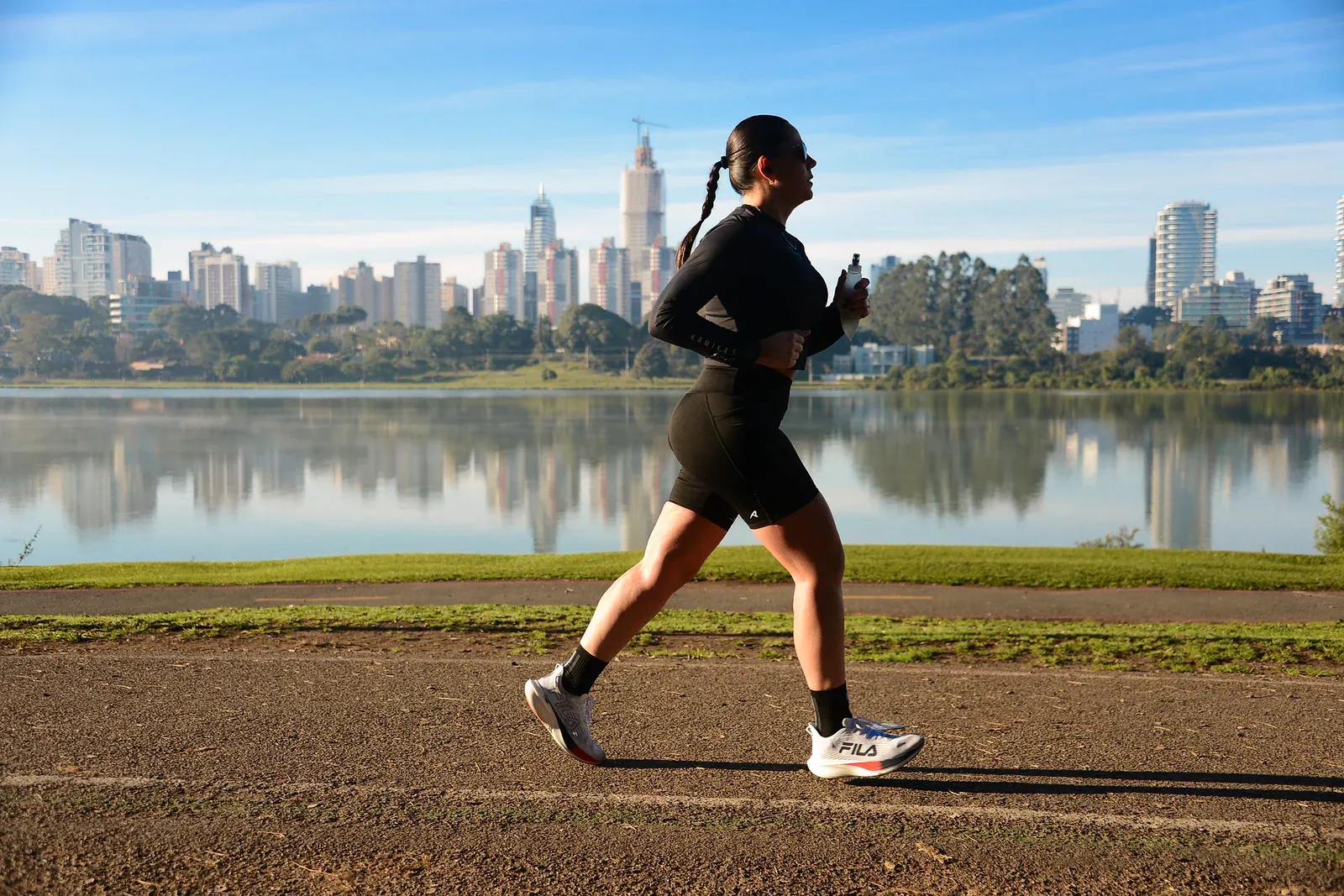
Lumphini Park (see the Lumpini Park guide) has the classic route: a paved perimeter path around the lake, roughly 2.5 km per lap, shaded well enough by mature trees to make repeats tolerable even as the morning warms up. Three or four laps gives a reasonable mid-distance session without leaving the park. It is also the busiest park for organised group running, so expect company on the path at peak hours.
Benjakitti Park and its forest extension add a second loop nearby, plus the elevated wooden walkway through the forest section, which is a pleasant change of surface and scenery even though it is not built for speed: expect to slow down and share the boardwalk with photographers and slower walkers, especially near golden hour. The original lakeside loop is more useful for pace work. A connecting elevated walkway toward Lumphini, sometimes called the Green Bridge, means a longer session can string both parks together largely off-road; check on the day whether it’s open, since access can be restricted for maintenance.
Rot Fai Park (Wachirabenchathat), near Chatuchak, has the widest and flattest perimeter road of any central park, popular with cyclists as well as runners, and is one of the better choices for a longer continuous loop without doubling back constantly.
Chatuchak and Queen Sirikit parks, adjoining Rot Fai, add shorter connecting paths and more shade but less continuous distance; most runners use them as an extension of a Rot Fai session rather than a destination on their own.
Elevated and connected options
Beyond the Benjakitti-Lumphini walkway, Bangkok has been slowly adding elevated pedestrian and cycling infrastructure that keeps runners off street level. Coverage is patchy and sections can be closed without much notice, so treat any elevated route as a bonus rather than a guaranteed line on a map: check current status before building a long run around one.
Riverside and canal-side stretches
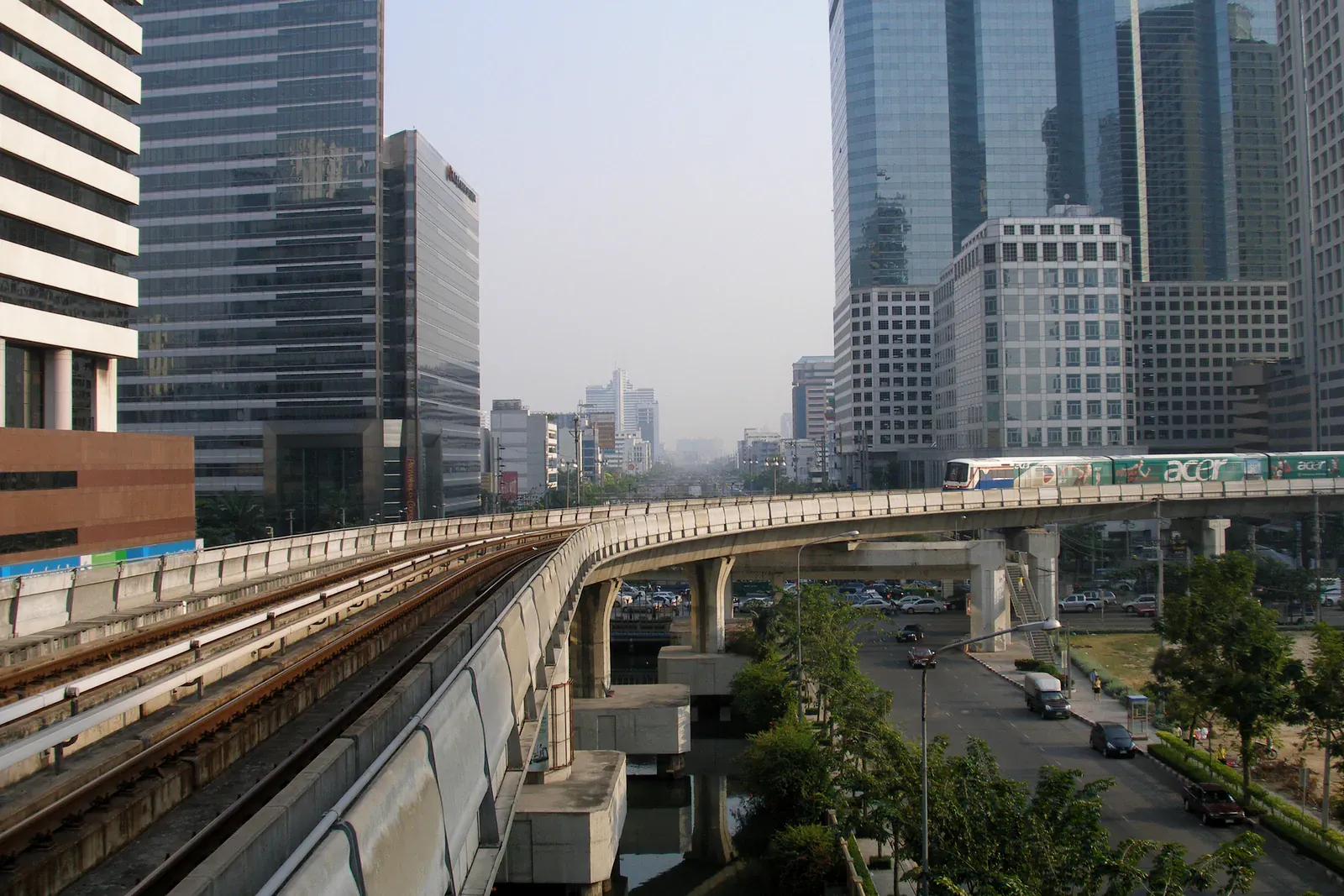
The Chao Phraya riverside has isolated stretches of promenade (around Santichaiprakan Park near the old town, and newer sections built out from various piers), but the network is not continuous, and a route that looks joined-up on a map can dead-end at a private pier or a construction site. Canal-side paths along some of the Saen Saep and other khlongs exist in places but are narrow, shared with pedestrians and motorbikes, and generally better for a walk than a run. Treat riverside running as a scenic option for a shorter session rather than a long-run venue.
Bang Krachao: the best long-run terrain near the city
For anyone training for real distance, Bang Krachao is the standout option near central Bangkok. The raised concrete paths that thread the peninsula are largely flat, mostly free of traffic beyond the occasional motorbike, and run through mangrove, orchard and small villages rather than city streets: a genuinely different experience from every park loop above. The tradeoff is access: it requires a short ferry crossing from the Bangkok side (see the full Bang Krachao guide for the crossing details), which makes it a planned outing rather than a spontaneous morning run, but for a long weekend run it is worth the extra logistics. Go early: the shade is thinner here than in the central parks, and the paths get hot fast once the sun is properly up.
University and stadium tracks
Several universities and sports complexes have running tracks that are open to the public at certain hours, generally in the early morning or evening, and a synthetic track is a genuine advantage for interval work that a park path cannot replicate. Access rules, hours and whether a fee applies vary by venue and change over time, so check directly with the specific institution rather than assuming open access; this is a category worth exploring if speed work is a priority, rather than a fixed list of venues to rely on.
Treadmills: the honest fallback
For a good stretch of the year (the hottest weeks and the worst air-quality days), a treadmill in an air-conditioned gym is not a compromise, it is the sensible choice. Most condo buildings aimed at long-term renters include a gym with at least one or two treadmills, and it is worth factoring that into where you live if running matters to you (see below). Runners who insist on outdoor sessions through the worst weeks of burning season are not being tougher, they are taking on a real health cost for no real training benefit.
Running culture: clubs, races and community runs
Bangkok has an active running club scene, ranging from long-established groups doing structured weekday track sessions to informal social-pace groups that meet at a park gate and run together before breakfast. Group runs are one of the easier ways to build a social life as a new arrival, and most groups welcome visitors for a session or two before asking for commitment.
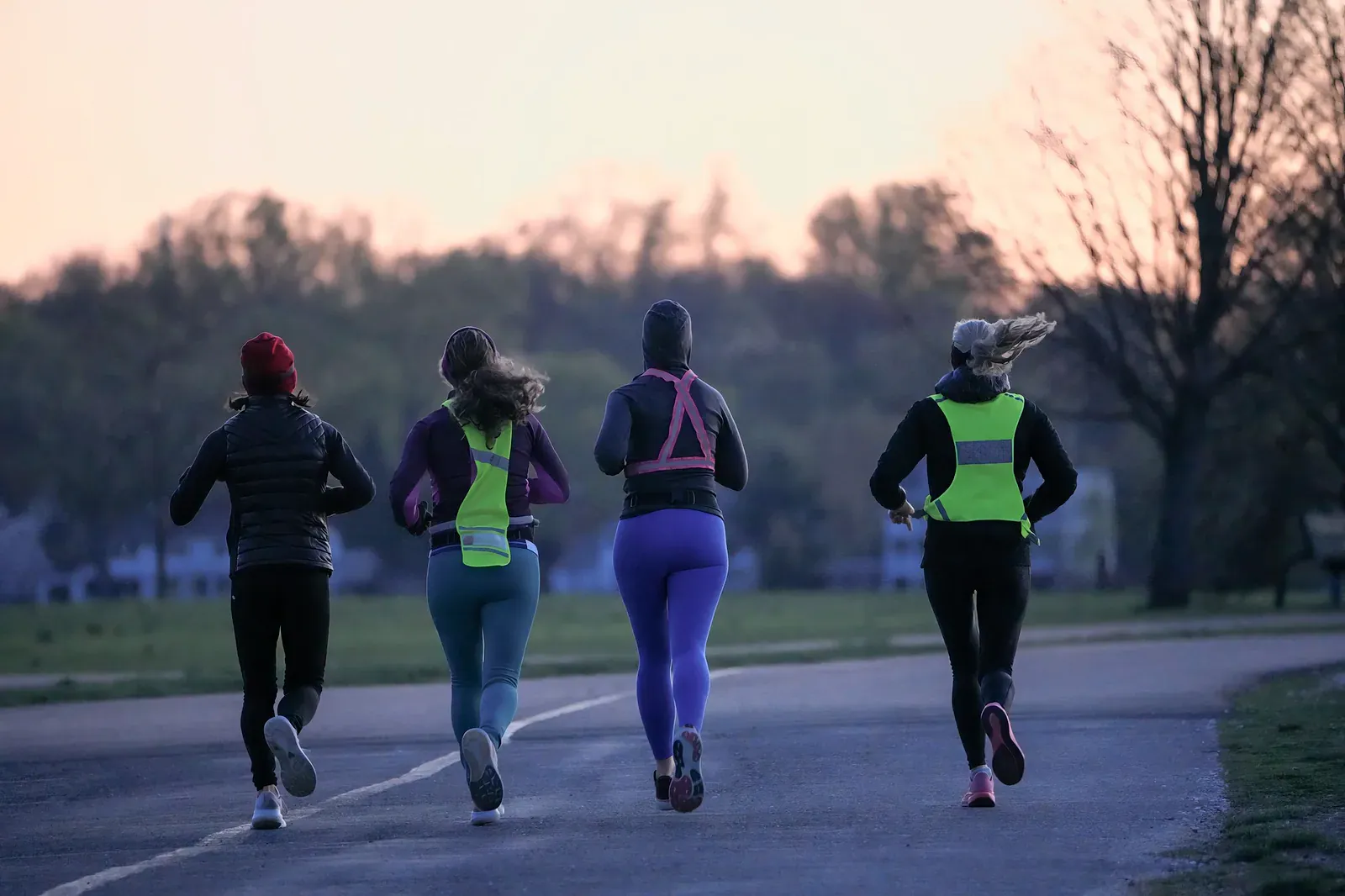
The city hosts several established road races through the year, most timed for the cooler months when conditions are more survivable: races scheduled deep in the hot season are the exception rather than the rule. The Standard Chartered Bangkok Marathon is the highest-profile of these; specific dates move year to year, so check current listings rather than assuming a fixed weekend. For fitness racing, see our Hyrox Bangkok guide.
Parkrun-style free, timed weekend community runs exist as a category in Bangkok, typically a short timed distance in a park setting with a volunteer-run, low-key atmosphere. Venues and schedules for these change, so check current local listings rather than assuming a fixed park hosts one indefinitely.
Reading the seasons
Bangkok’s year splits roughly into three running-relevant blocks rather than four conventional seasons. The hot season, broadly the middle months of the year running into the wet season, brings the highest temperatures and the hardest midday conditions, though air quality is often at its best of the year during this stretch because rain and wind clear particulates. The rainy season brings frequent but often short, heavy downpours: a run can start dry and finish soaked, and afternoon storms are common enough that a dawn session is the more reliable choice if you need to guarantee a dry run. The cooler, drier months toward the end and start of the calendar year are the most comfortable for training by temperature alone, but this is also when burning season and its air-quality problems tend to peak, so the “best” running season on paper is often the worst for lungs. Planning a race build, or just a comfortable training block, means weighing temperature against air quality rather than assuming one clear best season.
Safety at the edges of a run
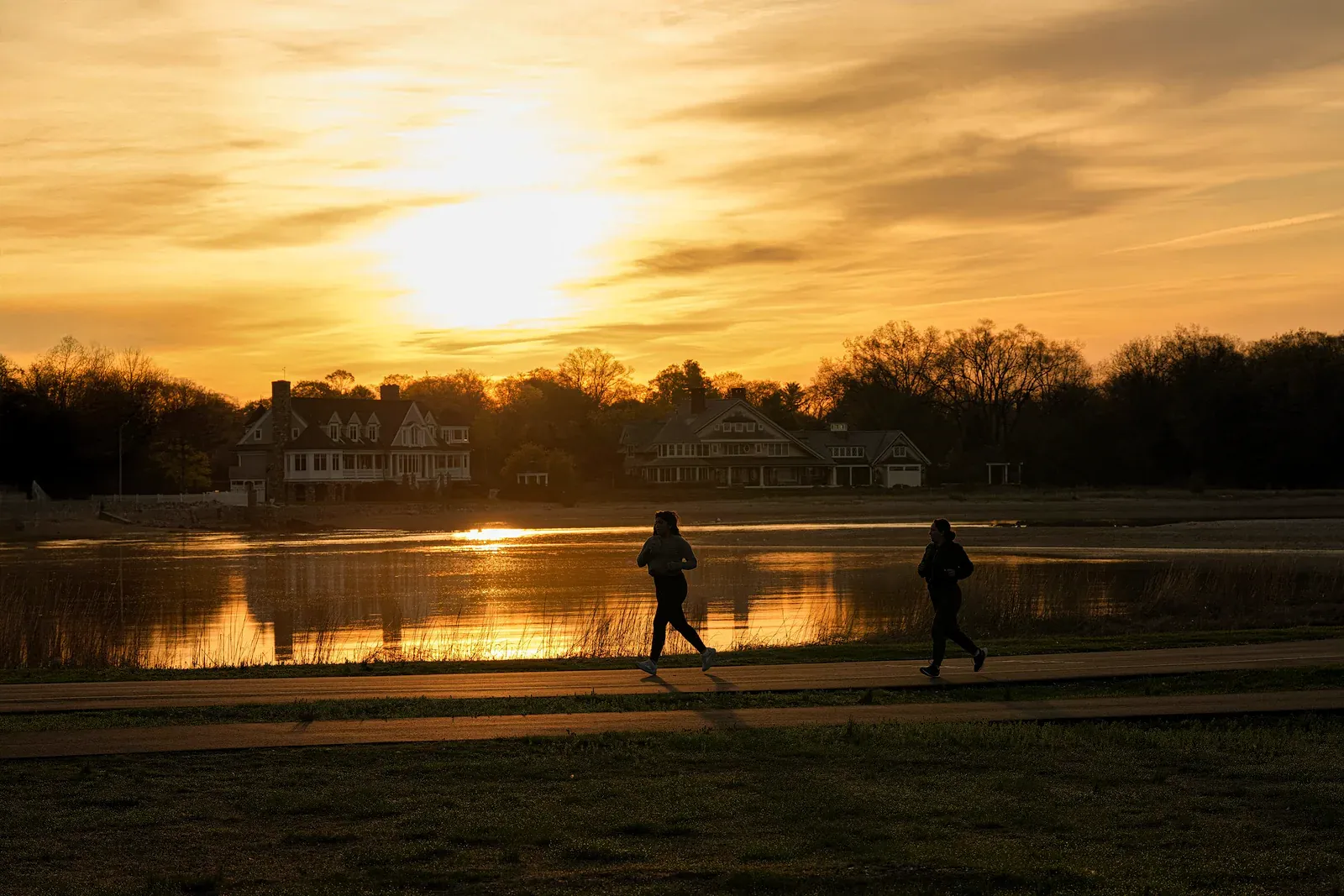
Dawn and dusk running both carry a visibility problem worth naming directly: dawn runners are often on the road or crossing one before it is fully light, and dusk runners are doing the same as light fades, in a city where driver awareness of pedestrians and cyclists is inconsistent at best. Sticking to park interiors avoids most of this, but any route that requires a road crossing to reach a park gate deserves extra caution at these hours: assume a driver has not seen you rather than assuming they have. Running in a small group rather than alone also helps at these hours, both for visibility and for the simple fact that a group is easier to spot than a lone runner in low light.
Kit that actually matters here
- Hydration: carry water for anything over 30-40 minutes; humidity means you sweat heavily without always feeling as thirsty as the fluid loss warrants.
- Electrolytes/salt: heavy, sustained sweating in this climate depletes sodium faster than in a temperate climate; an electrolyte tablet or drink is worth it for longer sessions, not just marathon-distance ones.
- Sun protection: a cap and sunscreen for anything after sunrise; UV is strong year-round this close to the equator.
- Reflective gear for dawn runs: visibility matters at the edges of parks and on any road crossing before full daylight, when driver awareness of pedestrians is lower.
- Lightweight, breathable kit: cotton stays wet and heavy; technical fabric matters more here than in a milder climate.
- A bag plan: most parks have no secure baggage storage, so a locker at a nearby gym or condo, or a running partner who isn’t running that lap, solves the “where does my bag go” problem better than leaving it on a bench.
- Showers: some park-adjacent gyms sell single-visit access that includes showers, useful if you are running before work and need to clean up before heading to an office.
Acclimatising as a newcomer
Runners arriving from cooler climates consistently underestimate how much slower they need to run here at first. A sensible approach is to treat the first few weeks as an adjustment period: run by effort rather than pace, expect times to be markedly slower than at home for the same perceived effort, and build volume gradually rather than jumping straight into a home-country training plan. Most people adapt meaningfully within four to six weeks, though full heat acclimatisation can take longer, and it partially resets after time away.
Heat illness: know the general warning signs
This is general awareness, not medical advice: if you have a pre-existing condition or are unsure about exercising in heat, talk to a clinician before training here. Warning signs to take seriously and stop for include: dizziness or lightheadedness, nausea, confusion or unusual irritability, a sudden stop in sweating despite still feeling hot, and a rapid heartbeat that doesn’t settle with slower effort. The sensible response to any of these is to stop, get into shade or air conditioning, cool down and rehydrate, and seek medical attention if symptoms don’t resolve quickly.
Choosing where to live if you run
If running is a daily habit rather than an occasional activity, proximity to a decent park loop is worth weighing alongside the usual criteria of commute and price. Areas near Lumphini (Sathorn, Silom, Sala Daeng), near Benjakitti (around the QSNCC area), or near the Chatuchak block (Ari, Phahon Yothin) put a real running route within a five- to fifteen-minute walk, which matters far more to consistency than it sounds: a run that requires a taxi to reach the start line gets skipped far more often than one you can walk to.
A weekly plan that works in the hot season
- Early morning (before roughly 07:00), 3-4 sessions a week: the coolest window of the day, best for anything approaching quality work: intervals, tempo effort, a longer run.
- One rest or cross-training day, ideally with strength work or swimming, which adds fitness without adding heat exposure.
- One treadmill session during the hottest or worst air-quality stretch of the week, treated as a normal training day rather than a fallback to feel guilty about.
- Evening recovery jog on a cooler evening, kept genuinely easy: Bangkok evenings rarely drop enough to make hard effort comfortable.
- Long run on a weekend morning, started as early as reasonably possible; Bang Krachao or a strung-together Lumphini-Benjakitti route both work well here.
- Check air quality before any outdoor session during burning season, and default to the treadmill on days when the reading is poor rather than pushing through.
Routes compared
| Route | Loop character | Surface | Shade | Access | Best time |
|---|---|---|---|---|---|
| Lumphini Park | ~2.5 km paved loop, repeatable | Paved path | Good | MRT Lumphini/Silom | Dawn or dusk |
| Benjakitti + forest walkway | Lake loop plus elevated boardwalk | Paved + wooden decking | Moderate | MRT QSNCC | Early morning |
| Rot Fai Park | Wide, flat perimeter loop | Paved road | Moderate | BTS Mo Chit / MRT Kamphaeng Phet | Early morning |
| Riverside (Santichaiprakan area) | Short, scenic, non-continuous | Paved promenade | Limited | Boat to Phra Athit pier | Evening |
| Bang Krachao | Long, flat, largely traffic-free | Raised concrete paths | Limited | Ferry crossing | Early morning |
| University/stadium track | Fixed-distance oval | Synthetic or paved | Variable | Varies by venue | Early morning or evening |
Common questions
Is it safe to run outside in Bangkok during burning season?
On the worst days, no: check a real-time air quality reading and treat a poor result as a reason to move the session indoors, regardless of how the sky looks. On moderate days, an early-morning run is generally more tolerable than a midday or evening one, when pollution can be more concentrated at street level.
What is the best park in Bangkok for running?
Lumphini for a reliable, well-shaded, sociable loop with good rail access; Rot Fai Park if you want the flattest, widest continuous stretch; Bang Krachao if you want real distance without traffic and can plan around the ferry crossing.
How do I train for a marathon in Bangkok’s heat?
Build volume gradually, run the bulk of your quality sessions at dawn, accept that pace will be slower than in a temperate climate for the same effort, and use a treadmill for sessions that fall in the hottest or worst air-quality windows rather than skipping them.
Are there running clubs in Bangkok for newcomers?
Yes: a mix of structured clubs with weekday track sessions and informal social groups that meet at a park gate for an easy morning run. Most welcome visitors before asking for any commitment, and joining one is one of the faster ways to learn routes and meet people.
Can I run in Bang Krachao without a bicycle?
Yes, and it is arguably the best way to experience the raised paths at running pace rather than cycling speed. Go early, carry water, and expect limited shade once the sun is up: see the Bang Krachao guide for the ferry crossing and logistics.
Is it better to run early morning or evening in Bangkok?
Early morning generally wins: temperatures are at their lowest point of the day, traffic is lighter, and air quality during burning season tends to be somewhat better before the day’s inversion sets in fully, though neither window is guaranteed clean air on a bad day.
Part of
Written by
Mike Brochlowski
Founder and editor, travel photographer and designer
I'm Mike Brochlowski, a travel photographer and designer, and I currently live on Koh Samui, Thailand. I built BangkokWiki to put practical, checked information about Bangkok in one place. Every page is researched from official and primary sources, and the text names them. Where a page shows a checked date, that is when its facts were last confirmed. I also run samui69.com, a non-commercial guide to Koh Samui. If you spot an error or something out of date, tell me through the contact page and I will check it and correct the page.
Read all articles
Where to stay
Pick the area before the hotel
Traffic and heat make Bangkok distances feel longer than they look on a map, so the area shapes a trip more than the hotel does. Our guides match areas to trip types and explain the trade-offs.

Places to stay
Find a hotel
More from Things to do
- 13 min read
 13 min read
The best parks in Bangkok, and what each one is actually for
 10 min read
Chatuchak Weekend Market Guide: How to Navigate It

Newsletter
You're subscribed as