Things to do
Songkran in Bangkok: A Practical Guide to the Water Festival
How Songkran works in Bangkok: its real meaning, where the water fights happen, what to wear, and the safety risks worth knowing before you go.
At a glance
- Reading time
- 13 min read
- Chapters
- 12
- Published
- Sep 20, 2026
On this page
Songkran is Thailand’s New Year, and in Bangkok it doubles as the largest water fight on the planet. The date sits in mid-April every year, though the exact days move slightly and the city now runs festivities for longer than the official holiday. Understanding both halves of Songkran, the quiet religious one and the soaked, joyful public one, is what makes the week enjoyable instead of just wet.
What Songkran actually is
Songkran marks the traditional Thai New Year, rooted in a calendar that predates the Western one still used for business and government dates. At its core is a gentle ritual: pouring scented water infused with jasmine or flower petals over Buddha images to cleanse them, and pouring the same water over the hands of parents, grandparents and elders as a gesture of respect and a request for blessing. Many families also visit temples to make merit, offer food to monks, and give a proper bath to household Buddha statues that otherwise sit untouched all year.
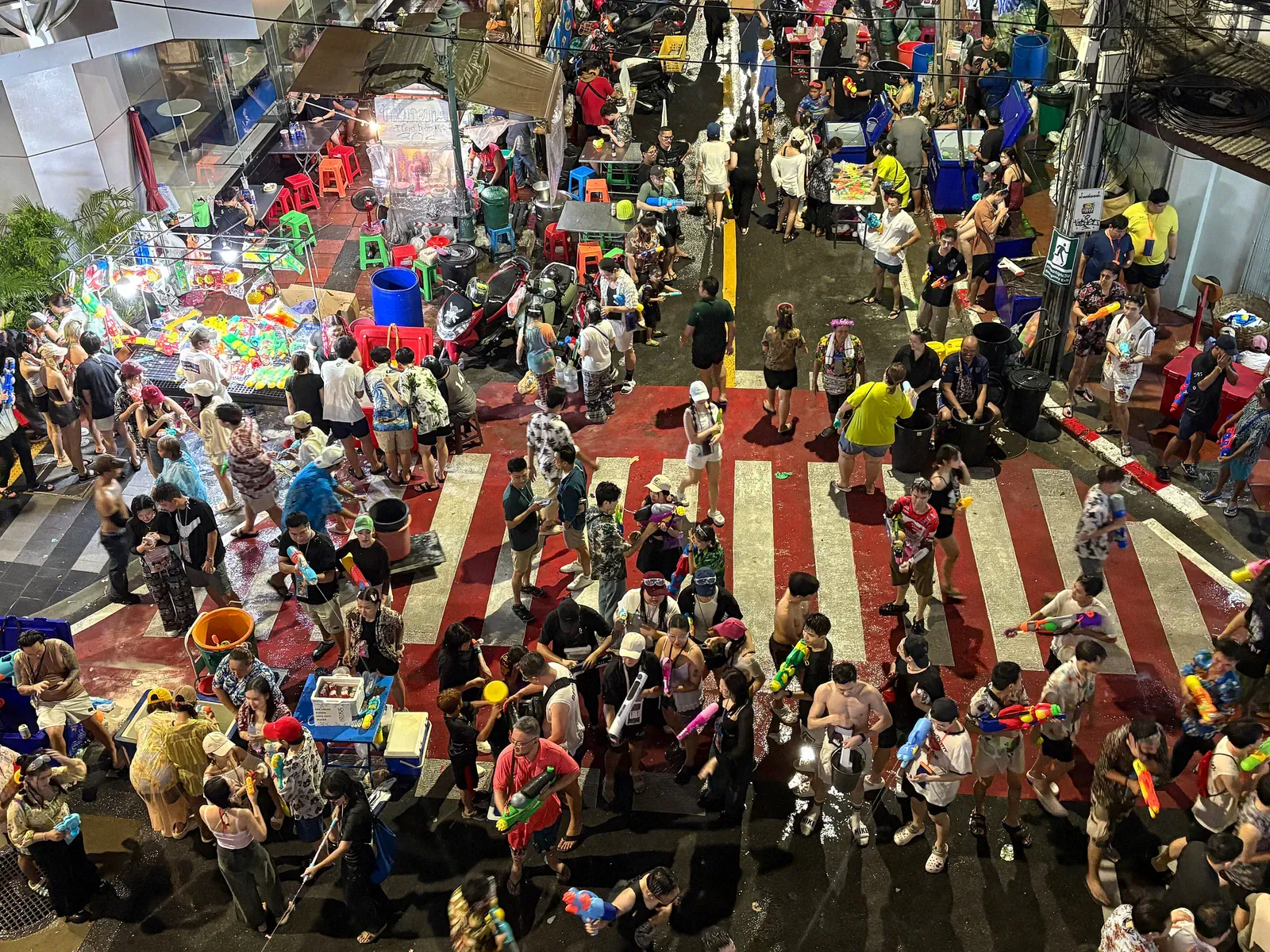
None of that looks like what appears in photographs of Bangkok in April. Over recent decades the water-pouring gesture escalated, especially in cities, into an all-out public water fight involving hoses, buckets, giant water guns and entire streets closed to traffic so the chaos has somewhere to happen. Both versions of Songkran are genuine. The respectful, domestic ritual continues quietly in homes and temples while the street party runs at full volume a few blocks away. A visitor who understands this does not need to choose one over the other; the article below covers both, and how to move between them without giving offence.
When it happens and how long it lasts
The official Songkran public holiday sits in mid-April, and it is one of the few dates on the Thai calendar fixed to the solar rather than the lunar cycle, so it falls on broadly the same days each year. Around that fixed core, Bangkok and other cities now run an unofficial spillover: water-fight zones and events often open a few days before the official holiday and continue for several days after it, especially on Khao San Road and in the entertainment districts. Always check the current year’s exact dates before booking anything, since the precise start and finish of extended celebrations vary and get announced separately from the fixed national holiday.
Two things happen to the city at the same time. First, it partly empties: Songkran is the biggest domestic travel period of the Thai year, since it is the one holiday long enough and important enough for people who work in Bangkok to go home to their home provinces and see family. Trains, buses and domestic flights sell out, and some residential neighbourhoods feel noticeably quieter as long-term Thai residents leave the city. Second, the tourist and entertainment districts fill up in the opposite direction, as visitors and Bangkok residents who are staying converge on the known water-fight zones. The result is a city that is simultaneously emptier and louder, depending on which street you are standing on.
How Bangkok changes during the festival
Expect disruption to ordinary life for the length of the holiday and a few days either side. Government offices, banks and many businesses close for the official holiday days. Malls, hospitals, pharmacies and most restaurants stay open and often become useful shelter from the water outside. Grocery stores and convenience stores keep running, though deliveries can slow down. Public transport keeps operating, which matters, because it is one of the few reliable ways to move around the city without getting drawn into a water fight you did not sign up for (the BTS and MRT are themselves dry zones, and stepping inside a station is the fastest way to towel off and reset).
Roads around the main water-fight areas typically close to traffic for stretches of each day during the festival, turning them into pedestrian zones filled with sound systems, food stalls and thousands of people armed with water. This pattern repeats every year in roughly the same places, though the specific streets, hours and any added rules such as alcohol restrictions or curfews are set closer to the date and are worth checking against the current year’s official announcements rather than assuming last year’s rules still apply.
Where to join in: Bangkok’s Songkran zones
Not every part of the city floods with water, and the character of the festival differs sharply by area.
| Area | Character | Getting there |
|---|---|---|
| Silom Road | The most organised big-city water fight: a long closed-road stretch with stages, sound systems and a dense, energetic crowd. Popular with both tourists and Thai revellers. | BTS Sala Daeng or MRT Silom |
| Khao San Road | The backpacker epicentre: narrow streets packed shoulder to shoulder, loud music, foam parties layered on top of the water fight, and the most relentless soaking in the city. | Best reached by river boat to Phra Athit pier, or taxi/tuk-tuk given the crowds |
| Sukhumvit sois | A mix of smaller, spontaneous water fights outside bars and along soi entrances, generally calmer than Silom or Khao San but still thoroughly wet. | BTS Asok, Nana, Thong Lo, or Ekkamai depending on the soi |
| RCA (Royal City Avenue) | A nightlife-district version aimed at a younger, party-going crowd, often paired with club and bar events for the evening after the daytime water fight winds down. | Taxi is the practical option; no direct rail station |
| Temples and community events | Family-oriented, with the traditional water-pouring ritual over Buddha images and elders, sand-pagoda building, merit-making and traditional dance, and much less full-force spraying | Varies by temple; Wat Pho and neighbourhood temples across the city typically run their own low-key events |
| Residential sois away from the main zones | Largely untouched by organised water fights, though children and neighbours often run informal, gentle splashing that is easy to opt out of | Wherever you happen to be staying away from the main strips |
If the goal is the full spectacle, Silom and Khao San deliver it most reliably. If the goal is to see the older, gentler tradition, a neighbourhood temple in the morning is a better use of time than fighting through Khao San’s crowds.
Kitting out for a soaking
Plan on being wet within minutes of leaving your accommodation on any day you enter a water-fight zone. A little preparation makes the difference between a fun day and a ruined phone.
- Waterproof your phone properly: a dedicated waterproof pouch with a lanyard beats a plastic bag, which tears. Test it in a sink before you trust it on the street.
- Cash and cards: carry only what you need for the day, in a waterproof pouch or a zip bag inside a bag you can sling across your body.
- Clothing: quick-dry fabrics, dark colours, and clothes you do not mind ruining. Cotton stays soaked and heavy all day.
- Footwear: sandals or old trainers, never anything leather or anything you would be upset to lose in a crowd crush.
- Eye protection: sunglasses or swim goggles cut down on water and powder hitting your eyes, which happens constantly in dense crowds.
- Sun protection: sunscreen underneath everything, since April is peak heat in Bangkok and you will be outside for hours.
- A dry bag or two: for anything electronic you are not prepared to lose to water damage, including spare phone batteries and passports if you are carrying identification.
- Earplugs: sound systems on Silom and Khao San run loud for hours.
Etiquette and respect: what not to do
The water fight has real limits, even at its most chaotic, and visitors who ignore them cause genuine offence or genuine harm.
- Never throw water at monks. Monks are exempt from the water fight entirely; approaching one with a water gun is a serious breach of respect, not a joke.
- Do not target elders, small children, or anyone visibly frail, unless they clearly invite it. The traditional gesture toward elders is a gentle pour over the hands, not a soaking.
- Leave people who are working alone: street vendors, delivery riders, shopkeepers and anyone in uniform are trying to do their jobs, not participate in your holiday.
- Do not aim at faces, especially with pressurised water guns at close range, which can genuinely hurt, particularly around the eyes.
- Ask before applying powder to someone’s face. The white paste or powder some revellers use as part of Songkran is a blessing gesture in its traditional form, not something to smear on a stranger without consent, and unwanted face contact from someone in a large crowd is unpleasant in ways that go beyond the festival spirit.
- Never use ice water. Filling water guns or buckets with ice water to make the impact more of a shock is unkind and occasionally dangerous for elderly people or anyone with a heart condition; it is a known and disliked practice, not an accepted part of the tradition.
- At temples, dial it back. Water fights are set aside at the temple gate. Inside the compound, the pouring ritual is gentle and specific to Buddha images and monks’ hands, not a free-for-all, and normal temple dress and behaviour rules apply.
Safety: the deadliest week on Thai roads
This section is worth reading even if the rest of the article is skimmed. Songkran is consistently one of the most dangerous periods of the year on Thai roads. The combination of holiday drinking, family travel, motorbikes ridden with wet hands and wet roads, water thrown at moving vehicles, and roads clogged with pedestrians spilling into traffic produces a spike in accidents every single year. Authorities run high-profile road safety campaigns around the festival precisely because the risk is well known and persistent, not a one-off event.
Drink-driving is common during Songkran, both from Thai revellers celebrating with family and from tourists who treat the holiday as an extended party. Motorbike travel is especially risky during this week: wet roads reduce grip, riders and drivers are frequently impaired, and visibility drops when goggles fog up or water gets thrown directly at a rider’s face. If you would not normally rent a scooter in Bangkok, Songkran week is not the week to start. If you do ride, wear a proper helmet, keep speeds low, and expect other road users to be less predictable than usual.
Pickpocketing and opportunistic theft also rise during Songkran, for an obvious reason: dense, distracted, soaking-wet crowds with music blaring are an easy environment to work in, and victims often do not notice a phone or wallet is gone until well after the fact. Keep valuables secured on your body rather than in a loose bag, and be more alert than usual in the thickest crowds on Silom and Khao San.
None of this means avoiding the festival. It means walking rather than riding through the busiest zones, keeping an eye on your belongings, drinking in moderation if at all before getting anywhere near a road, and not underestimating a week that Thailand itself treats as its highest-risk travel period of the year.
Getting around during the festival
Transport patterns invert during Songkran. Roads near the water-fight zones close for stretches of the day, and traffic that does move crawls, both from congestion and from the crowds spilling into the street. The BTS Skytrain and MRT keep running and stay dry, making them the most reliable way to cross the city, though stations near Silom and Sala Daeng get busy with people ducking in to towel off or escape a particularly aggressive stretch of pavement.
Domestic transport out of the city runs in the opposite direction to normal holiday patterns: buses, trains and short-haul flights out of Bangkok toward the provinces sell out well ahead of the holiday as residents head home, and fares on some routes rise accordingly. If travel elsewhere in Thailand is part of the plan around Songkran, book well in advance. Taxis and ride-hailing apps become less reliable near the water zones, since drivers understandably avoid routes where their cars will be soaked through open windows, and fares can surge. Walking or the rail network are the practical choices inside the festival zones themselves.
Songkran with children
Songkran can work well for families, provided the zone matches the child’s tolerance for noise, crowds and being thoroughly drenched. Temple events and community celebrations are calmer and closer to the traditional spirit, with sand-pagoda building, gentle water-pouring and food stalls, and are a better starting point for younger children than Silom or Khao San. If older children want the full water-fight experience, the same equipment rules apply doubled: waterproof everything, keep a firm hand-hold or a clear meeting point in dense crowds, and factor in that the loudest zones run high-volume music for hours, which is a lot for a small child to absorb. Heat is the other consideration: April is Bangkok’s hottest month, and standing in direct sun for hours, even while wet, causes real sunburn and dehydration risk. Bring water to drink, not just water to throw.
Skipping the water fight entirely
Not every visitor wants to be soaked, and that is a reasonable choice. Staying in a hotel with a pool and simply avoiding Silom, Khao San, the Sukhumvit sois and RCA for the festival days removes almost all risk of an unwanted drenching; residential areas away from these zones see little organised water-fighting. Malls, cinemas and indoor attractions run normally and offer air-conditioned refuge. If moving around the city at all, sticking to the BTS and MRT rather than walking near the main zones keeps a traveller dry. It is entirely possible to spend Songkran in Bangkok, enjoy the generally festive, holiday atmosphere, and never get hit with a single water balloon, simply by choosing a different part of the city each day.
Joining the traditional side respectfully
For visitors who want to experience Songkran’s older meaning rather than only the street party, a few options work well. Visiting a temple in the morning, before the water fights start in earnest, offers a chance to watch or take part in the water-pouring ritual over Buddha images, in the calm, unhurried atmosphere the ritual is meant to have. Some temples also welcome visitors to help build small sand pagodas in the temple courtyard, a Songkran tradition tied to making merit. If staying with or visiting a Thai family, offering the gentle water-over-the-hands gesture to elders, using scented water rather than a hose, is a respectful way to take part in the New Year custom directly rather than as a spectator. None of this requires special access; it requires showing up outside the loudest hours and treating the ritual with the same care a Thai family would.
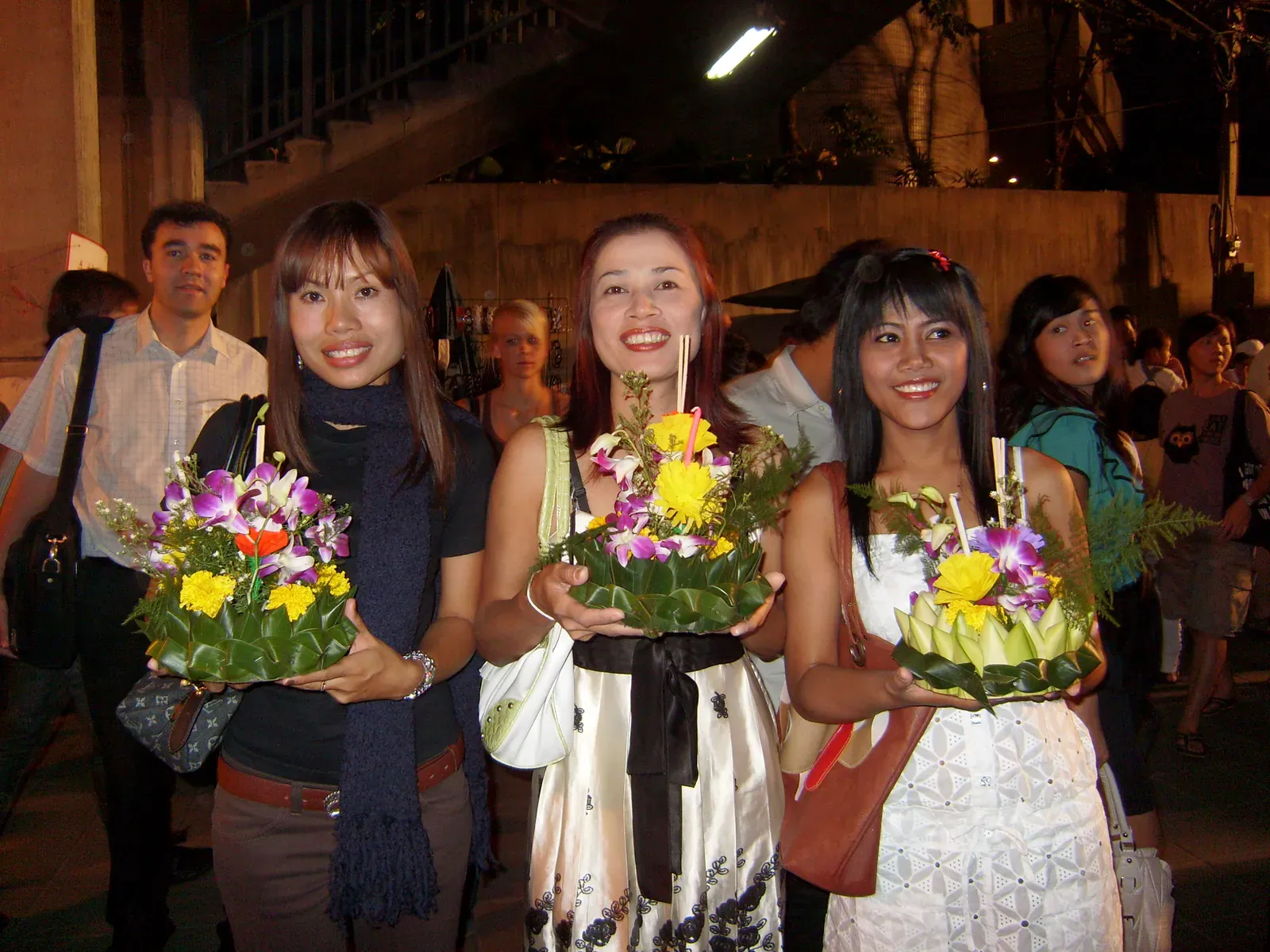
For a wider view of how Bangkok’s festival calendar and public holidays fit together across the year, see Bangkok’s public holidays and alcohol sale rules, which covers how Songkran sits alongside the country’s other major holidays. If Songkran’s chaos is not for you, Loy Krathong in November offers a calmer, still deeply meaningful alternative on the festival calendar. For dates across the year, see the Bangkok festival calendar, and for big-venue events, see music and EDM festivals in Bangkok.
Common questions
When exactly is Songkran in Bangkok?
The official holiday falls in mid-April every year, fixed to the solar calendar, so the dates are broadly consistent year to year. Bangkok’s water-fight zones often run an extended, unofficial calendar of events for a few days before and after the official holiday. Check the current year’s specific dates before booking travel or accommodation.
Is it safe to walk through Silom or Khao San during Songkran?
Walking is generally safe if ordinary precautions are taken: keep valuables secured, protect your phone, avoid aggressive confrontations if someone sprays you harder than you would like, and stay aware in the densest crowds where pickpocketing rises. The greater risk in the city during Songkran comes from road traffic, particularly motorbikes, rather than the water fight itself.
Do I have to take part in the water fight if I do not want to?
No. Staying away from Silom, Khao San, the busiest Sukhumvit sois and RCA avoids nearly all organised water-fighting. Malls, hotels with pools, and the BTS and MRT network offer a dry, air-conditioned way to experience the city during the holiday.
Is it rude to throw water at monks or elderly people?
Throwing water at monks is a clear breach of respect and should never happen. Elderly people traditionally receive a gentle pour of scented water over the hands, not a soaking with a water gun, and following that gesture rather than the full street-party version is the respectful approach.
Why is Songkran considered dangerous?
It coincides with the highest-risk period on Thai roads each year, driven by a mix of holiday drinking, heavy family travel, wet roads, and pedestrians spilling into traffic near water-fight zones. Motorbike travel carries particular risk during the week, and pickpocketing also increases in dense crowds.
Can I still see the traditional side of Songkran if I only have one day?
Yes. Visiting a temple in the morning, before the street parties reach full volume, shows the older ritual: pouring scented water over Buddha images and, if invited, over the hands of elders. The afternoon can then be spent at Silom or Khao San for the modern water-fight version, giving a fuller picture of the holiday in a single day.
Written by
Mike Brochlowski
Founder and editor, travel photographer and designer
I'm Mike Brochlowski, a travel photographer and designer, and I currently live on Koh Samui, Thailand. I built BangkokWiki to put practical, checked information about Bangkok in one place. Every page is researched from official and primary sources, and the text names them. Where a page shows a checked date, that is when its facts were last confirmed. I also run samui69.com, a non-commercial guide to Koh Samui. If you spot an error or something out of date, tell me through the contact page and I will check it and correct the page.
Read all articles
Where to stay
Pick the area before the hotel
Traffic and heat make Bangkok distances feel longer than they look on a map, so the area shapes a trip more than the hotel does. Our guides match areas to trip types and explain the trade-offs.

Places to stay
Find a hotel
More from Things to do
- 12 min read
 9 min read
Bangkok Must-Do Experiences, Scored by Time, Cost, Crowd
 5 min read
How to Choose a Thai Cooking Class in Bangkok

Newsletter
You're subscribed as