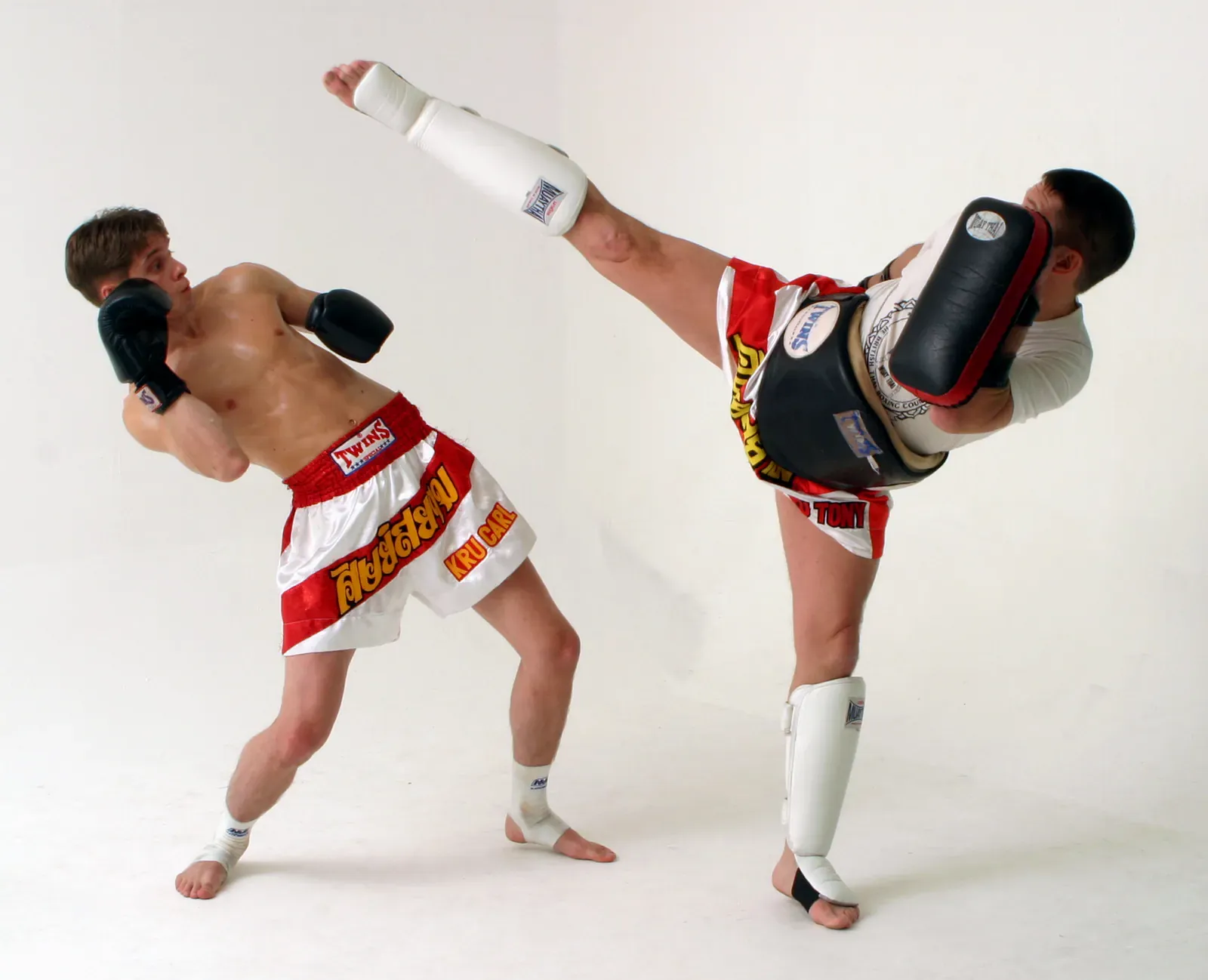
Things to do
Muay Thai Training Cost in Bangkok: Budgets
Realistic monthly budgets for Muay Thai training in Bangkok, the DTV visa's soft-power route explained structurally, and a gear and schedule guide.
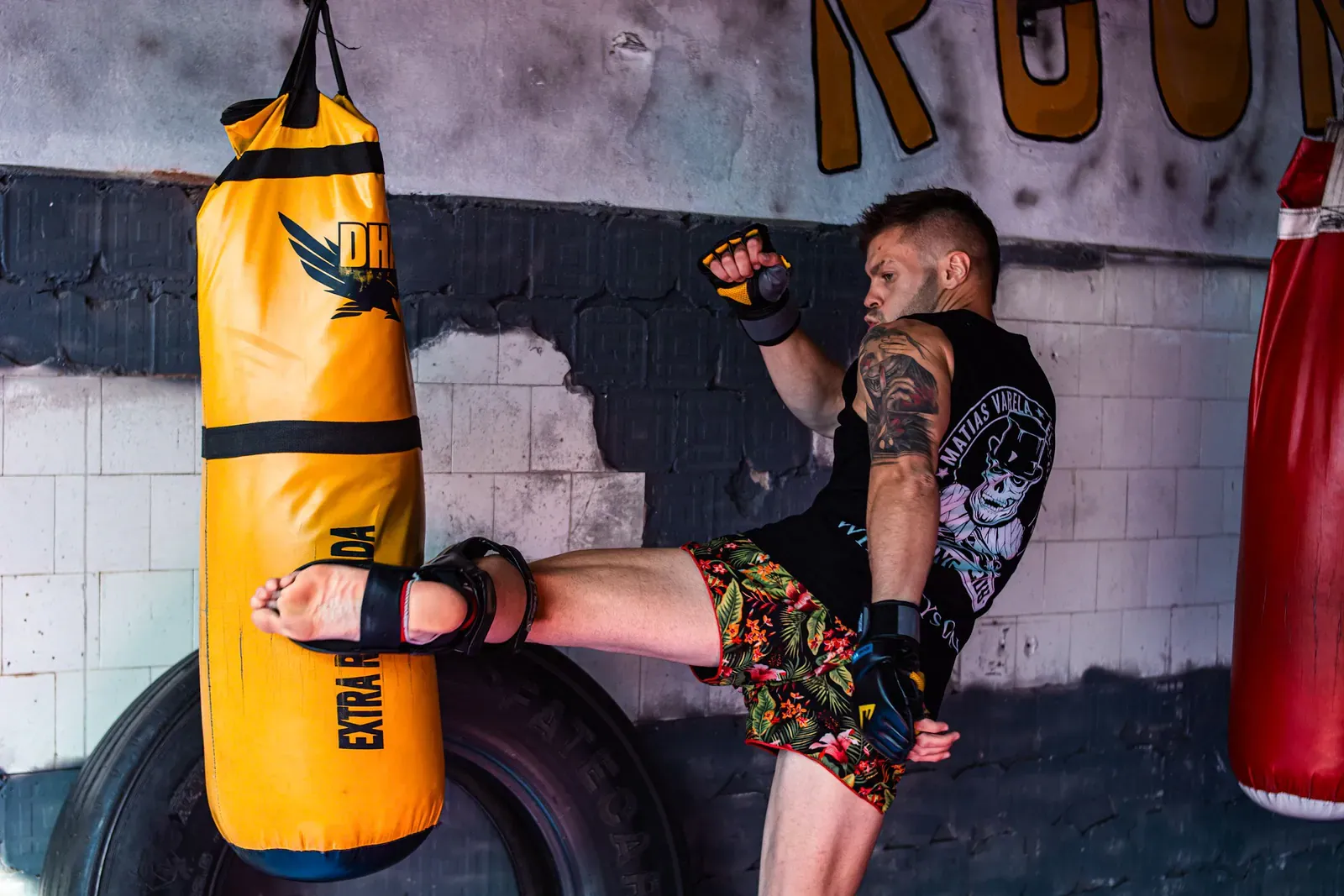
At a glance
- Reading time
- 12 min read
- Chapters
- 13
- Published
- Sep 20, 2026
On this page
Planning a Muay Thai training stay of one to six months means budgeting for more than gym fees: accommodation, food, recovery, gear and the right visa route all move the total. This guide builds three realistic monthly budgets, walks through the visa question structurally, and covers the daily rhythm that determines whether a long stay makes you better or just tired.
Three monthly budget tiers
These are indicative 2026 ranges for a single person, all-in per month, excluding flights. Actual costs shift heavily by area, gym choice and how much you eat out versus cook: treat the ranges as planning anchors, not quotes, and confirm current gym and accommodation pricing directly before booking.
| Category | Lean | Standard | Comfortable |
|---|---|---|---|
| Gym fees (monthly unlimited, drop-in mix) | ฿6,000-8,000 ($165-220) | ฿9,000-15,000 ($245-410) | ฿15,000-25,000 ($410-685) |
| Private pad sessions | Occasional, ฿500-1,000 each | A few per week, ฿1,500-4,000/month | Daily, ฿6,000-12,000/month |
| Accommodation | ฿6,000-9,000 ($165-245), shared or basic studio, sometimes an on-site camp room | ฿10,000-18,000 ($270-490), condo near the gym | ฿20,000-35,000+ ($545-955+), well-located condo, better amenities |
| Food | ฿6,000-8,000 ($165-220), mostly local Thai food | ฿9,000-14,000 ($245-380), mix of local and Western, some protein supplements | ฿15,000-25,000 ($410-685), regular Western meals, imported protein, supplements |
| Transport | ฿1,500-2,500 ($40-70) | ฿2,500-4,500 ($70-120) | ฿4,500-8,000 ($120-220) |
| Laundry | ฿500-1,000 ($14-27) | ฿1,000-2,000 ($27-55) | ฿2,000-3,500 ($55-95), often outsourced fully |
| Recovery (massage, physio, ice) | Occasional, ฿1,000-2,000/month | Weekly, ฿2,500-5,000/month | Regular, ฿5,000-10,000+/month |
| Gear replacement (amortised) | ฿500-1,000/month | ฿1,000-2,000/month | ฿2,000-3,500/month |
| Insurance | ฿1,500-3,000/month | ฿2,500-4,500/month | ฿4,500-8,000+/month |
| Rough monthly total | ≈฿24,000-34,000 ($655-930) | ≈฿38,000-63,000 ($1,035-1,720) | ≈฿75,000-120,000+ ($2,050-3,275+) |
What actually moves the total
Three levers matter more than any individual line item. Where you train and live shifts accommodation and gym fees together: a condo and gym near central Sukhumvit costs meaningfully more than the same setup near a further-out neighbourhood gym on the MRT Blue Line. How many private sessions you take is the single biggest discretionary cost; daily privates on top of group training can add more to the monthly bill than accommodation does. How you eat swings the food line by a factor of two or three: cooking and eating mostly Thai food is genuinely cheap in Bangkok, while a diet built around imported protein powder, Western restaurants and supplements adds up fast without adding much to actual training outcomes.
Accommodation: on-site camp rooms versus a condo
Some traditional camps and hybrid gyms offer basic on-site or nearby rooms as part of a training package, generally simple, functional and priced to make sense for someone training there daily rather than living independently. This removes commute time entirely and puts you inside the gym’s own rhythm, but rooms are usually basic and privacy is limited.
Renting a condo near the gym independently costs more but gives you a normal living setup, your own kitchen (useful for controlling food costs and diet), and separation between training and downtime: something that matters over a stay of several months, since living inside a gym’s routine for that long without a break can accelerate burnout. For stays beyond about six weeks, most long-stayers find a nearby condo the more sustainable option; for a short, intensive block, an on-site room removes friction that isn’t worth optimising for a few weeks.
Food and the protein question
Bangkok’s local food is inexpensive, varied and generally well suited to a training diet: rice, grilled meats, soups and vegetables are all cheap and widely available, and eating this way keeps the food budget low. The common friction point is protein density: some visitors find it harder to hit their usual protein targets on a purely local diet without deliberate effort, which pushes some people toward eggs, grilled chicken specifically, or imported protein powder and bars, all of which cost noticeably more than eating however locals around the gym typically eat. Neither approach is required (plenty of long-stay trainers do well on local food alone) but it’s worth planning your food budget around whichever choice you expect to make rather than assuming the cheapest tier automatically applies.
The visa question: structure, not certainty
This section is general information, not immigration advice, and none of the specifics below should be treated as current fact: verify everything directly with a Royal Thai Embassy or consulate, or Thailand’s Immigration Bureau, before making any plans.
Thailand has, in recent years, introduced a long-stay visa route, the Destination Thailand Visa (DTV), that includes a “soft power” category covering approved cultural and wellness activities, and Muay Thai training is one of the activities that has fallen under this category. Structurally, routes for a Muay Thai training stay tend to fall into a few outline categories:
- A soft-power long-stay route (the DTV), aimed at people undertaking approved activities like Muay Thai training over an extended period, generally allowing a longer continuous or renewable stay than a standard tourist entry.
- An education-linked route, where training is arranged through a registered institution or programme rather than as a general tourist activity.
- A standard tourist entry, suited to shorter stays where a formal long-stay visa isn’t needed.
Requirements, financial thresholds, supporting documents, exact stay lengths, and which nationalities can apply at which embassy, differ by embassy and change frequently; policy in this area has shifted more than once in the past couple of years alone, including changes to which activities qualify and how supporting evidence is assessed. Do not plan a training stay around a specific day count, fee or requirement found in a blog post or gym marketing material, including this one: confirm current rules with the embassy or consulate handling your application, or with Thai Immigration directly, close to your actual travel dates.
Insurance: don’t assume standard travel cover applies
This is worth flagging specifically because it catches long-stay trainees out more than almost any other budget line. Many standard travel insurance policies either exclude combat sports and martial arts entirely, or only cover them under a specific add-on or a named “hazardous activities” tier: a policy bought quickly for general travel may quietly not cover a training injury at all, sparring or otherwise. Before committing to a training stay of any length, check a policy’s wording specifically for Muay Thai, kickboxing or martial arts training, not just “sports cover” as a generic phrase, and budget for a dedicated policy or add-on if your current one excludes it. This isn’t a cost worth cutting to save a modest monthly sum: a serious injury without proper cover in a private hospital system can dwarf months of training fees.
Other running costs worth planning for
A few smaller but recurring costs are easy to forget when building a first budget: a local SIM or eSIM for data and calls, typically a modest monthly cost; ATM withdrawal fees, which add up over a stay of months if you’re withdrawing cash frequently for gym fees and food; and a basic social and downtime budget, coffee, the occasional meal out away from the gym routine, a weekend outside the city, which every tier above assumes exists in some form but doesn’t itemise separately. Building in a small buffer, roughly 5-10% on top of the totals above, is a sensible hedge against the inevitable costs a first-time visitor doesn’t anticipate.
Choosing where to live relative to the gym
For anyone training four or more times a week, commute time compounds fast: a 30-minute journey each way adds up to several lost hours weekly, on top of the fatigue of travelling straight after a hard session. The practical rule: prioritise proximity to your gym over a marginally nicer neighbourhood further away, particularly for the first month while your body is still adapting to training volume and Bangkok’s heat.
The daily rhythm of a training block
A sustainable long-stay week for someone building up gradually looks roughly like: single sessions most weekdays, one rest day, and a lighter or shorter session on at least one other day rather than treating every session as maximum effort. Visitors most commonly wreck their first month by front-loading: training twice daily from day one, adding heavy sparring before their body has adapted, and ignoring early warning signs like persistent shin soreness or poor sleep. Overtraining in the first few weeks is the single most common reason long-stay plans get cut short by injury or burnout, well before any technical ceiling is reached.
Rest days matter as much as training days over a stay of months: they’re when adaptation actually happens, and skipping them consistently shows up as declining performance and increased injury risk within two to three weeks, not immediately. Hydration and electrolyte intake need active attention in Bangkok’s climate: thirst is a lagging indicator in heat and humidity this consistent, so drinking on a schedule rather than only when thirsty is a better habit for anyone training regularly here.
A realistic arc of progress
Over the first month, expect noticeable conditioning and heat-acclimatisation gains, and the beginnings of comfortable technique on the fundamentals: jab, cross, teep, basic kicks, simple combinations. By three months, most consistent trainers see real technical fluency building, sharper pad work, and the confidence to handle light sparring and clinch work comfortably. By six months of consistent training, a dedicated beginner typically has a genuinely competent technical base, noticeably improved conditioning, and enough clinch and sparring experience to train confidently alongside more experienced partners, though reaching genuine competitive readiness, if that’s a goal at all, generally takes considerably longer than six months and is a separate conversation with a trainer, not something to assume from a guide like this.
Gear: what to buy here, not bring
Buying gear in Bangkok is almost always cheaper and more practical than bringing it from home: it avoids using flight baggage allowance, and Thai-made Muay Thai gear is widely available at both tourist-market and pro-grade quality.
- Gloves: tourist-market pairs run roughly ฿600-1,200 ($16-33); pro-grade leather gloves from established Thai brands run roughly ฿1,500-3,500 ($41-95). The difference is genuine: better padding distribution, durability and wrist support over months of daily pad work.
- Shorts: tourist-market shorts run roughly ฿300-600 ($8-16); better-quality satin shorts from established brands run roughly ฿600-1,200 ($16-33).
- Shin guards: basic pairs run roughly ฿500-900 ($14-25); pro-grade padded guards run roughly ฿1,200-2,500 ($33-68), worth the upgrade for anyone sparring regularly.
- Hand wraps: inexpensive at roughly ฿100-250 ($3-7) per pair; buy several, since they need washing after every session and wear out faster than any other item.
The tourist-market and pro-grade tiers genuinely differ in durability and protection, not just branding: for anyone training more than a few times a week, the pro-grade tier for gloves and shin guards pays for itself within a couple of months in reduced wear and better protection. Prices above are indicative for 2026; confirm current pricing at the shop or gym before buying, since it varies by brand and location.
Sample total costs for a full stay
Putting the monthly figures into a full-stay context helps with planning flights, savings and any work arrangements around the trip. A one-month standard-tier stay lands roughly around ฿38,000-63,000 ($1,035-1,720) all-in, excluding flights: a manageable commitment for testing whether a longer stay makes sense. A three-month stay at the same tier runs roughly three times that, though many gyms and some landlords offer modest discounts for longer commitments, which can bring the effective monthly rate down slightly compared with a single month booked in isolation. A six-month stay is where the accommodation and gym-fee discounts for longer commitments matter most, and where it becomes worth negotiating directly with a gym or landlord rather than accepting posted short-stay rates by default.
Building a small contingency into any of these numbers, for an unplanned physio visit, a gear replacement, or simply a slower first few weeks than expected while acclimatising, is more useful than trying to hit an exact minimum figure. Long-stay training plans that fail financially usually fail from underestimating the smaller recurring costs (laundry, transport, incidental food) rather than from misjudging the big-ticket items like gym fees or rent.
A weekly schedule template
| Day | Session |
|---|---|
| Monday | Single session: technique and pads |
| Tuesday | Single session: bagwork, light sparring |
| Wednesday | Rest or light active recovery (walk, stretch, swim) |
| Thursday | Single session: pads and clinch |
| Friday | Single session: technique focus |
| Saturday | Single session, optionally lighter |
| Sunday | Full rest |
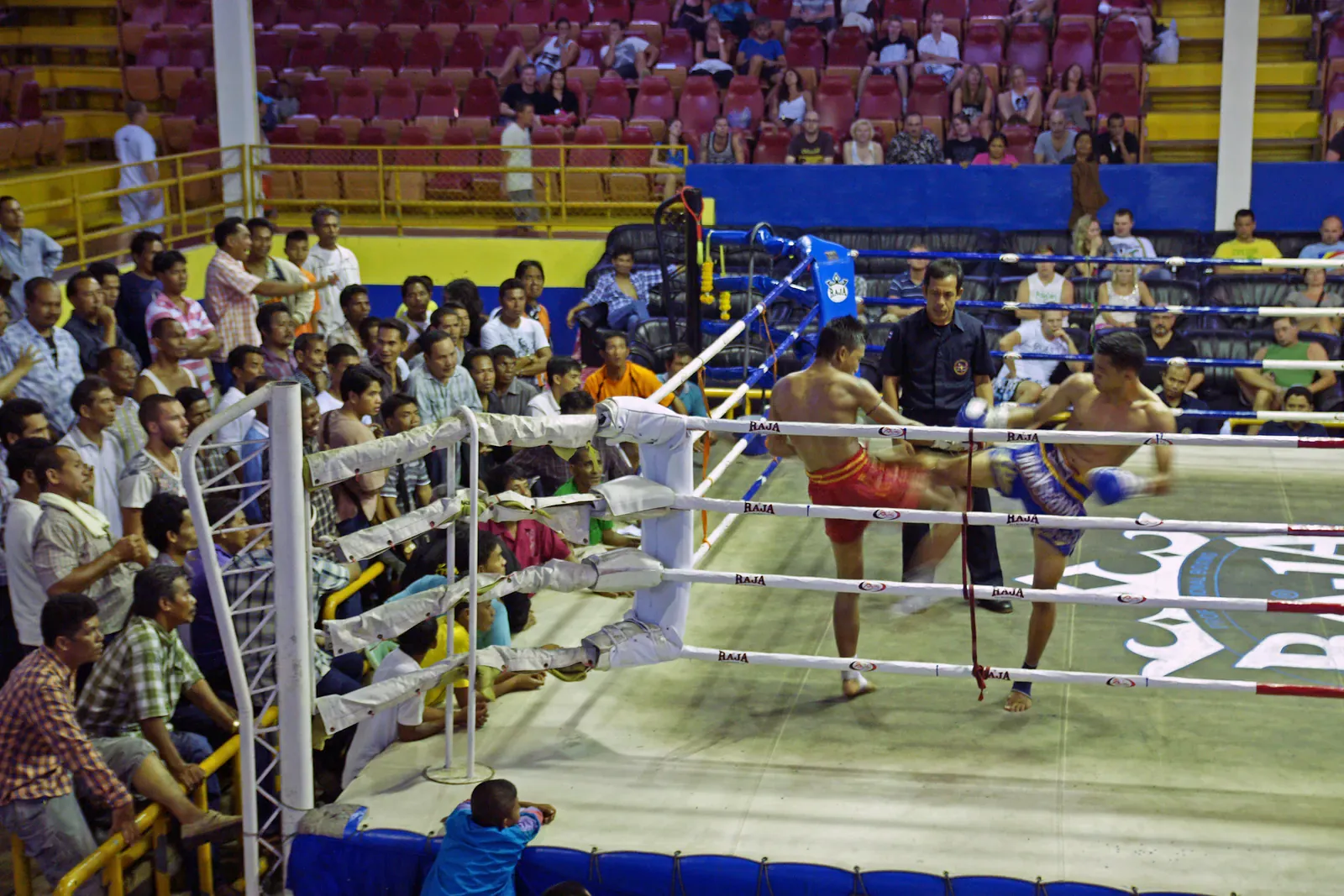
This is a starting template, not a fixed plan: adjust it against how your body responds in the first two weeks, and see the companion guide on training structure and session types for what each of these sessions actually involves and how to judge whether a gym’s teaching suits a longer commitment. Once you’re comfortable with the local scene, the guide to watching a stadium fight night is worth reading too: training long-term without ever watching the sport at its highest domestic level misses half the point of being here.
On a long stay, you can add a course: see Thai massage courses in Bangkok.
Common questions
How much does a month of Muay Thai training cost in Bangkok?
A lean budget covering gym fees, basic accommodation and local food runs roughly ฿24,000-34,000 ($655-930) a month; a standard budget with a condo and a mixed diet runs roughly ฿38,000-63,000 ($1,035-1,720); a comfortable budget with daily privates and better accommodation runs ฿75,000-120,000 or more ($2,050-3,275+). These are indicative 2026 ranges: confirm current gym and rental pricing directly before committing.
Which visa covers Muay Thai training in Thailand?
Thailand’s Destination Thailand Visa (DTV) includes a soft-power category that has covered Muay Thai training as an approved activity, alongside separate education-linked and standard tourist routes depending on the length and nature of the stay. Requirements differ by embassy and change over time, so this should be verified directly with a Royal Thai Embassy or Thailand’s Immigration Bureau before planning a stay: this is general information, not immigration advice.
Should I bring my own Muay Thai gear to Bangkok?
Generally no: gloves, shorts, shin guards and wraps are all available locally at a wide range of price points, from basic tourist-market kit to pro-grade equipment from established Thai brands, usually cheaper than buying equivalent gear at home. The main exception is anyone with very specific fit or brand requirements who wants to arrive ready to train on day one.
How long should I stay in Bangkok to see real improvement in Muay Thai?
A single month builds conditioning and basic technique; three months is where most consistent trainers see genuine technical fluency develop; six months produces a solidly competent base with real sparring and clinch experience. Progress depends heavily on training consistency and avoiding early overtraining far more than on the calendar length of the stay itself.
Is it cheaper to live in a gym’s on-site room or rent a condo nearby?
On-site rooms are often cheaper for very short, intensive stays and remove commute time entirely, but they’re usually basic with limited privacy. For stays beyond about six weeks, renting a condo nearby is generally more sustainable: it gives you your own kitchen for controlling food costs and separation between training and rest, which matters over several months.
What’s the biggest budget mistake long-stay Muay Thai trainees make?
Underestimating discretionary spending on daily private sessions and imported food or supplements, both of which can double a monthly budget compared to training on group classes and eating mostly local food. The second most common mistake is treating recovery (massage, physio, rest days) as optional, which tends to show up later as an injury that costs far more in lost training time than the recovery spending would have.
Does travel insurance cover Muay Thai training injuries in Bangkok?
Not always: many standard travel policies exclude combat sports or martial arts training unless you’ve specifically added a hazardous activities tier, so a policy bought for general travel may not cover a training or sparring injury at all. Check the policy wording for Muay Thai, kickboxing or martial arts specifically before relying on it, and budget for a dedicated add-on or policy if your current cover excludes it: this is one cost not worth cutting to save money.
Do I need a Thai bank account for a long Muay Thai training stay?
Not necessarily, though it depends on your visa route and how long you’re staying: some long-stay visa categories have faced tightening bank account rules in recent years, and requirements around this change. This is worth checking directly with your bank and confirming against current immigration rules rather than assuming past advice still applies, since policy here has shifted more than once recently.
Written by
Mike Brochlowski
Founder and editor, travel photographer and designer
I'm Mike Brochlowski, a travel photographer and designer, and I currently live on Koh Samui, Thailand. I built BangkokWiki to put practical, checked information about Bangkok in one place. Every page is researched from official and primary sources, and the text names them. Where a page shows a checked date, that is when its facts were last confirmed. I also run samui69.com, a non-commercial guide to Koh Samui. If you spot an error or something out of date, tell me through the contact page and I will check it and correct the page.
Read all articles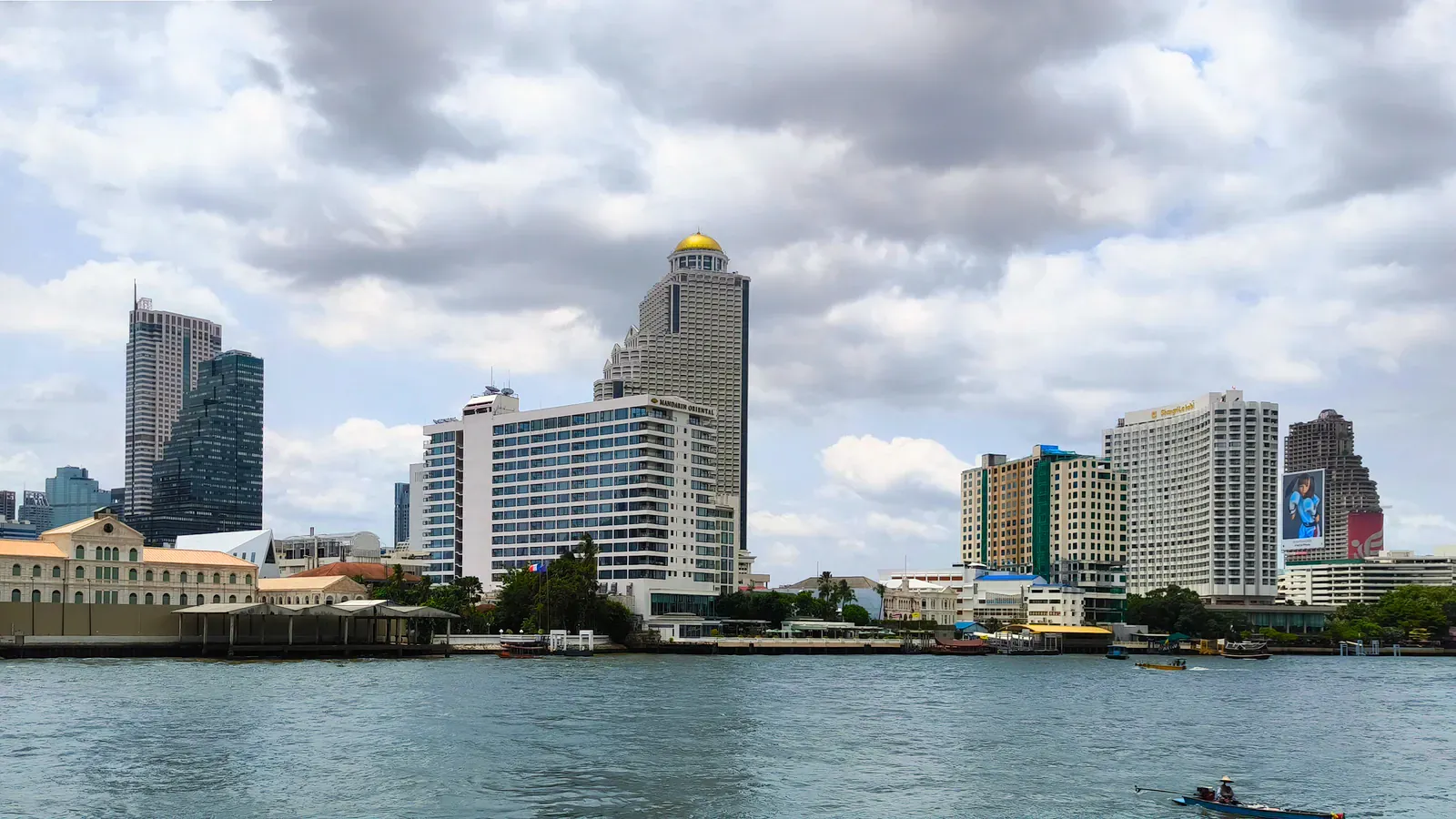
Where to stay
Pick the area before the hotel
Traffic and heat make Bangkok distances feel longer than they look on a map, so the area shapes a trip more than the hotel does. Our guides match areas to trip types and explain the trade-offs.

Places to stay
Find a hotel
More from Things to do
- 14 min read
 7 min read
Budget Things to Do in Bangkok: What Actually Costs Money
 13 min read
Muay Thai Stadiums in Bangkok: Tickets Guide

Newsletter
You're subscribed as