Transport
Bangkok BTS and MRT fares: single trip vs day pass
BTS and MRT fares in Bangkok explained, with the day-pass breakeven point in rides and the 2026 MRT cashless change, in THB and ~USD, checked September 2026.
On this page
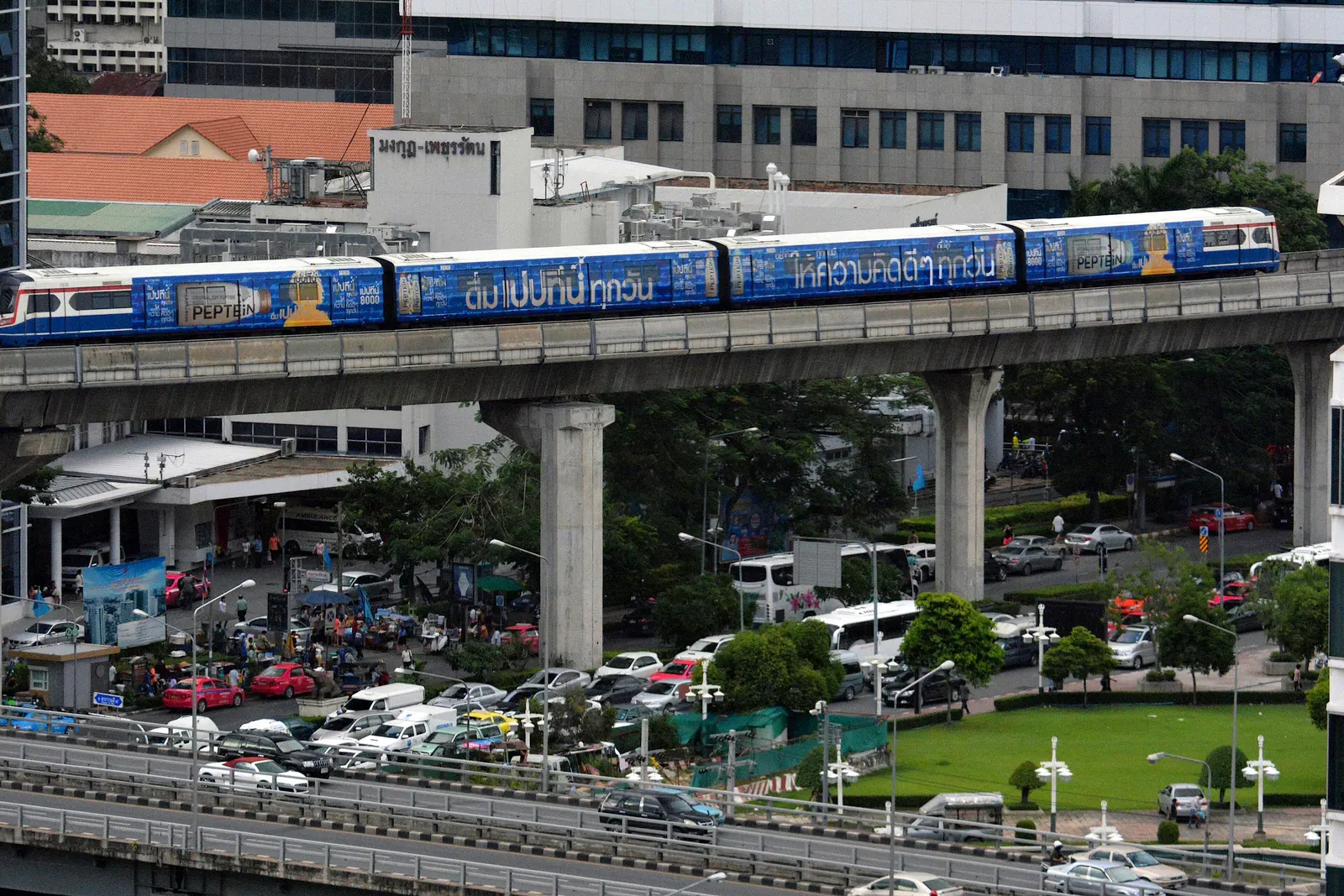
A single BTS trip in Bangkok costs 17-65 THB (roughly 0.50-2 USD, checked September 2026) depending on distance. MRT works the same way but as two separate systems: 17-45 THB on the Blue Line, 14-42 THB on the Purple Line. Every fare-guide page tells you that much. What almost none of them tell you is the number that actually matters if you’re riding more than once or twice a day: how many trips before a day pass beats paying per ride. For how transit fits the rest of your spending, see our Bangkok trip cost breakdown.
Single-trip fares, line by line
Both networks moved to distance-based pricing rather than a flat rate, so the fare climbs with the number of stations you pass through.
| Line | Fare range | ~USD | Notes |
|---|---|---|---|
| BTS (Sukhumvit and Silom) | 17-65 THB | 0.50-1.85 | Distance-based since 1 November 2025, replacing a flat-fare system used for over 5 years |
| MRT Blue Line | 17-45 THB | 0.50-1.30 | Separate ticketing from BTS |
| MRT Purple Line | 14-42 THB | 0.40-1.20 | Separate ticketing from BTS and from the Blue Line |
| MRT Blue + Purple transfer | up to 71 THB | up to 2.05 | Combined fare when a trip crosses both MRT lines |
Is a day pass actually worth it?
A BTS One-Day Pass runs roughly 150-160 THB and covers unlimited BTS rides for that calendar day only, not MRT. An MRT One-Day Pass is a separate product, reported around 150 THB, valid only until the end of the day it’s bought, sold at ticket counters rather than machines.
The question every visitor actually has isn’t “what does the pass cost,” it’s “how many rides do I need to take before it’s cheaper than paying per trip.” Here’s that math, using a 155 THB day pass against different average single-trip fares:
- Average fare 20 THB
- 8 rides
- Average fare 30 THB
- 5 rides
- Average fare 40 THB
- 4 rides
- Average fare 50 THB
- 3 rides
Source: Editorial calculation: 155 THB day pass divided by average single-trip fare, checked September 2026
If most of your rides are short hops near the low end of the fare range, you’d need eight or more trips in a day to make a pass worthwhile, which is a lot for a single day. If you’re making longer, higher-fare journeys back and forth across the city, three to five rides gets you there. For most single-day sightseeing, paying per trip on a Rabbit card usually wins; a day pass earns its keep on a day with a genuinely packed, multi-stop itinerary on one line.
Rabbit card: the one-time cost that isn’t obvious
A Rabbit card costs 200 THB to get: 100 THB is a non-refundable card fee, the other 100 THB loads as usable stored value. That means your first “free” 100 THB of travel actually cost you 100 THB just to unlock the card. It pays off if you’ll be in Bangkok long enough to keep using it, since it saves you queueing for a single-journey token every ride, but it’s not the cheapest option for a one or two-day visit doing only a handful of trips.
- Short visit, few rides: single-journey tickets from the machine, no card needed.
- Longer stay, regular BTS use: a Rabbit card pays for its own fee within a handful of trips through convenience alone.
- MRT-heavy stay: note the Rabbit card’s BTS-side convenience doesn’t carry over automatically. Check current compatibility at the ticket counter, since this is exactly what the 2026 EMV rollout below is changing.
What’s changing: MRT goes cashless in 2026
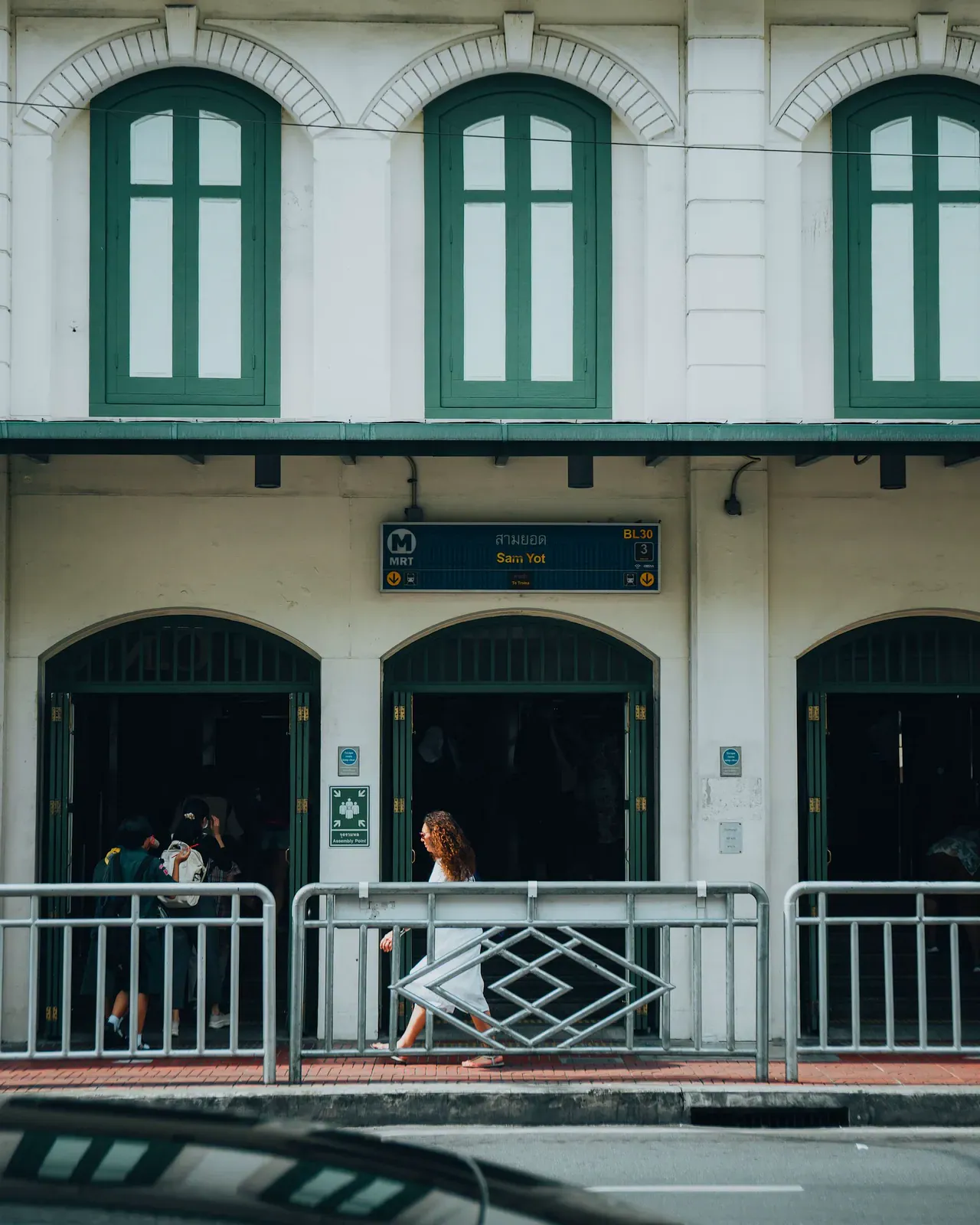
Students and elderly riders who currently get discounted MRT fares are specifically advised to get a personalised Mangmoom EMV card rather than relying on a bank card, to keep their concession pricing. This is part of a wider “Common Ticket Policy” push: Thailand’s Cabinet approved a plan, reported in 2026, for a shared fare cap of 17-45 THB across BTS, MRT, Airport Rail Link and the Pink and Yellow Lines regardless of how many lines a rider transfers between, targeted for 1 January 2027. That’s a plan, not yet in effect: treat it as a proposal until it actually launches.
“Bangkok’s MRT Goes Cashless: Thailand Ditches Old Travel Cards for EMV Contactless from June 2026” (Nation Thailand, 2026)
Buying your first ticket without guessing
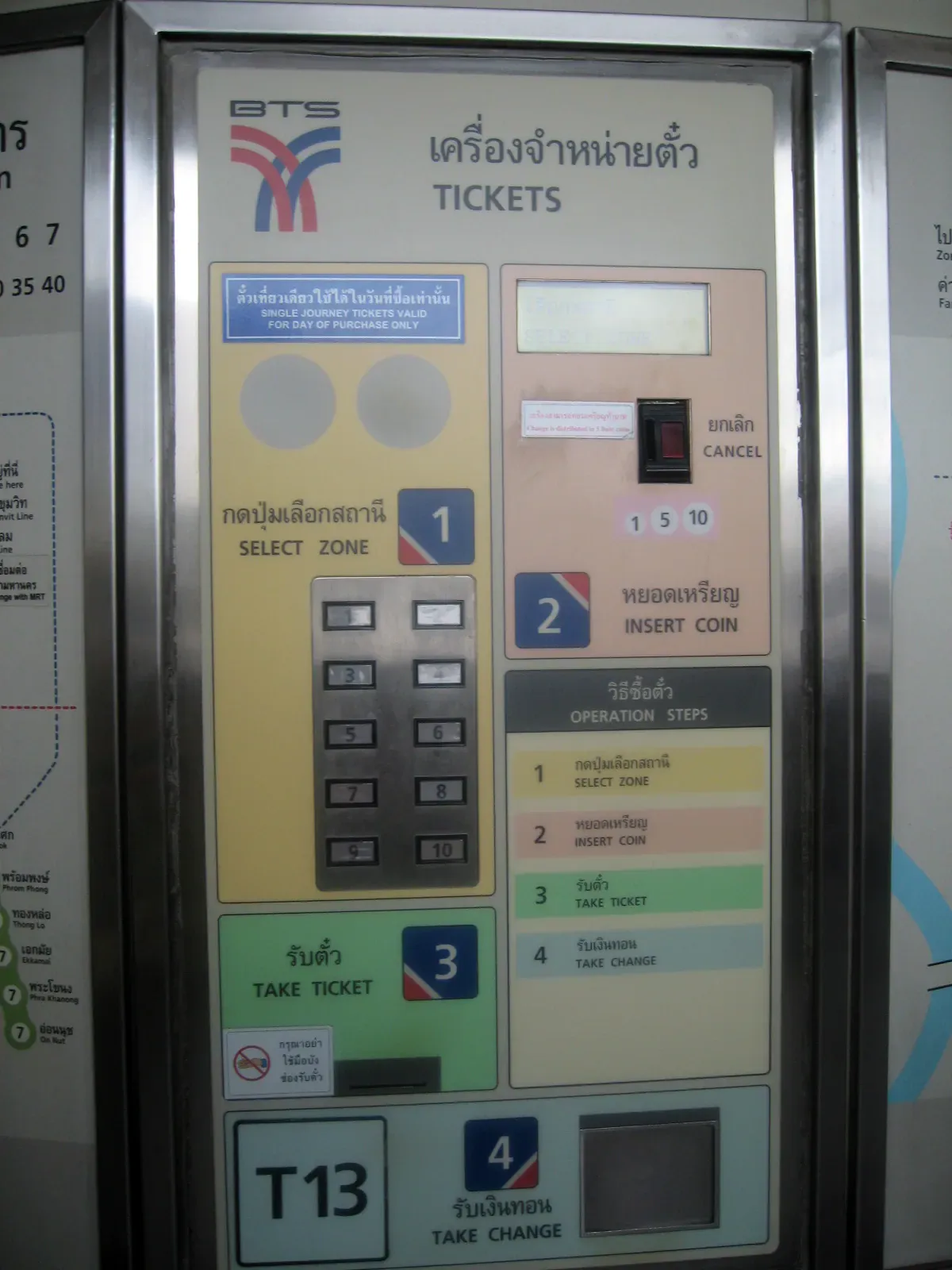
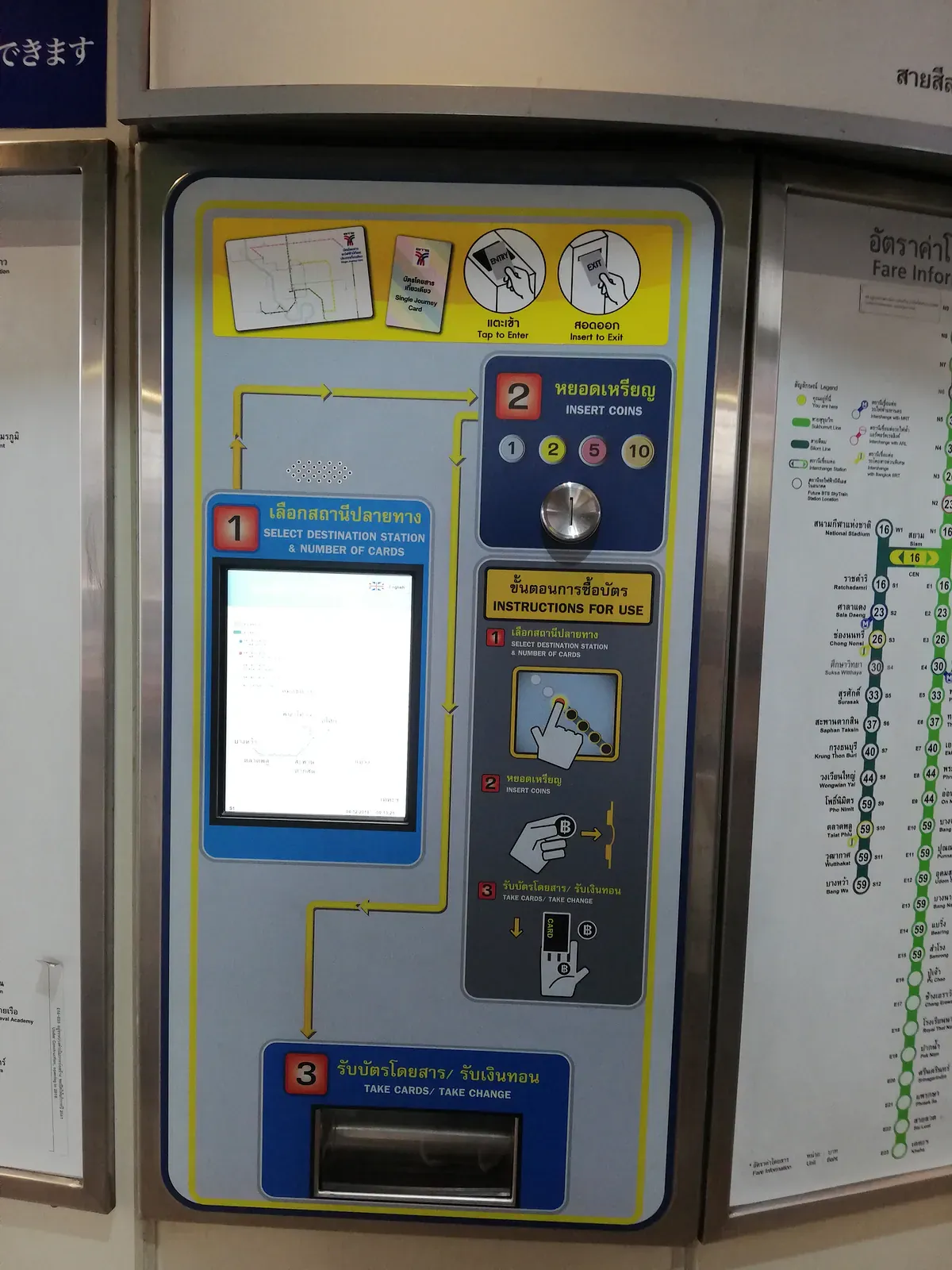
- Find the machine for the system you’re using. BTS machines and MRT machines look different and sit in different parts of a shared station, so double-check the logo before queuing.
- Select your destination station, not a zone number, on most current machines: the map above the machine shows the fare for each stop from where you are.
- Insert coins or notes as prompted; older machines are coin-only or have limited note acceptance, so keep small change handy.
- Take your token or card and change. A BTS single-journey ticket is typically a smart-card token you tap and then drop in a return slot on exit; MRT issues a token you tap on entry and feed into the gate on exit.
Common questions
How much is a single BTS or MRT ride in Bangkok?
BTS runs 17-65 THB depending on distance. MRT Blue Line runs 17-45 THB, MRT Purple Line 14-42 THB, and a trip crossing both MRT lines can reach 71 THB. All figures checked September 2026.
Is the BTS or MRT day pass worth buying?
Only if you’re taking enough rides on one system in a single day, roughly five or more for typical fares, and up to eight or nine if most of your trips are short, low-fare hops. For a light sightseeing day, paying per ride usually costs less.
Does a Rabbit card work on both BTS and MRT?
Not automatically. BTS and MRT are run by different operators with historically separate ticketing, and MRT’s move to EMV contactless payment in 2026 is changing how MRT fares are paid. Check current compatibility at a station ticket counter before assuming one card covers both.
Will BTS and MRT fares be combined into one price?
A shared fare cap (17-45 THB regardless of transfers, across BTS, MRT, Airport Rail Link and the Pink and Yellow Lines) has been reported for a 1 January 2027 target launch. As of this check it remains a plan, not something you can rely on for a trip today.
How does this compare to a taxi or Grab?
For most cross-town trips, rail is cheaper and more predictable in traffic than road transport. See Bangkok’s transport cost breakdown for named monthly scenarios, and the last-mile guide for what to do once you’re off the platform and still some distance from your destination.
Written by
Mike Brochlowski
Founder and editor, travel photographer and designer
I'm Mike Brochlowski, a travel photographer and designer, and I currently live on Koh Samui, Thailand. I built BangkokWiki to put practical, checked information about Bangkok in one place. Every page is researched from official and primary sources, and the text names them. Where a page shows a checked date, that is when its facts were last confirmed. I also run samui69.com, a non-commercial guide to Koh Samui. If you spot an error or something out of date, tell me through the contact page and I will check it and correct the page.
Read all articles
Where to stay
Pick the area before the hotel
Traffic and heat make Bangkok distances feel longer than they look on a map, so the area shapes a trip more than the hotel does. Our guides match areas to trip types and explain the trade-offs.

Places to stay
Find a hotel
Explore the other desks
More from Transport
- 9 min read
 10 min read
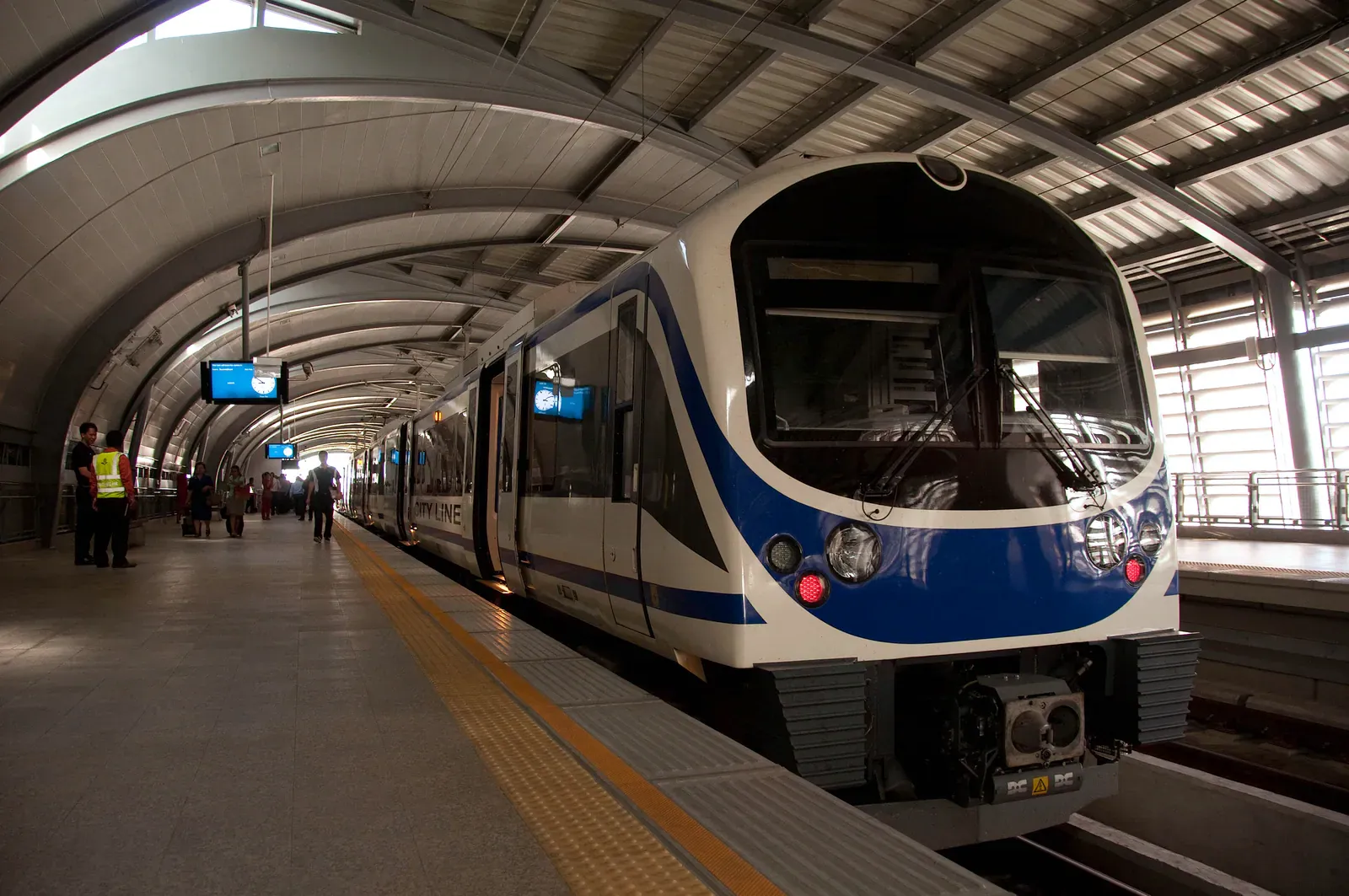
Airport Rail Link Bangkok: 8 Stops, 26 Minutes, 45 Baht
 9 min read
Getting Around Bangkok: The Right Strategy for Who You Are

Newsletter
You're subscribed as