Transport
BTS and MRT Interchanges: How Transfers Actually Work
Which Bangkok rail interchanges are a same-platform switch, which need a walk and a new ticket, and how long Siam, Asok, Mo Chit and Bang Sue actually take.
On this page
“Interchange” on a Bangkok rail map can mean three different things: a same-platform switch that costs you nothing but a few steps, a five-minute walk that still costs you nothing extra, or a five-minute walk that costs you a whole new fare. The map doesn’t tell you which. This is a station-by-station answer for the interchanges that matter most.
The one fact that explains all of them
BTS, MRT, the Airport Rail Link and the SRT Red Lines are run by different operators, and none of them share a ticketing system by default. That single fact, buried as one line in the BTS and MRT guide, is the reason every interchange below falls into one of two categories: a free transfer within the same operator’s network, or a walk out of one paid area and into another, on a new ticket. Knowing which category your transfer falls into, before you’re standing at the gates, saves both time and an unnecessary second fare. For what that second fare actually costs on each system, see how BTS and MRT fares work.
Siam: the one true same-platform switch
Siam is the exception that makes people assume every interchange works this way. It doesn’t.
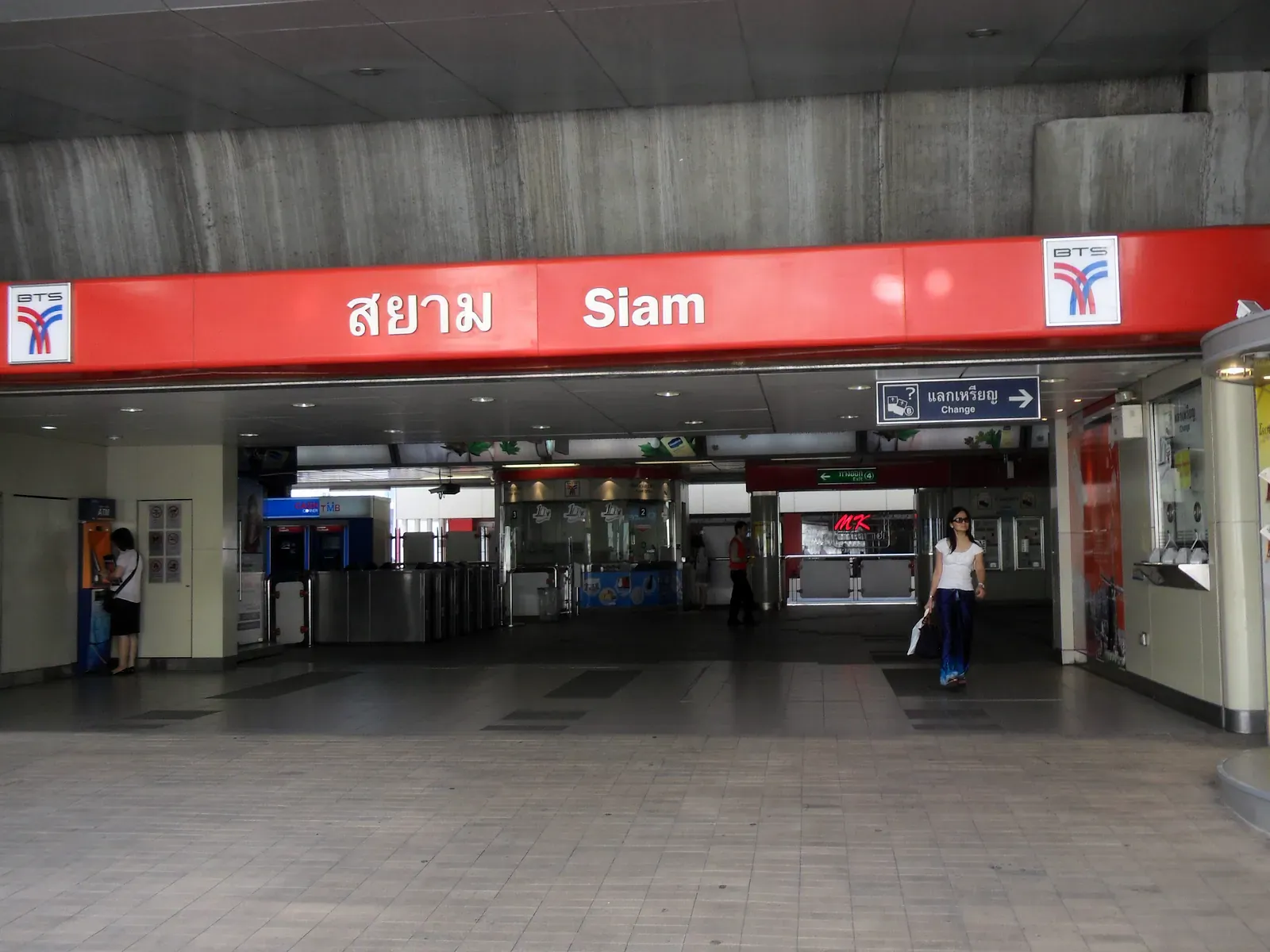
The Sukhumvit and Silom lines meet at Siam on two island platforms, four tracks total, with no level change and no separate fare gates between them. Get off a Sukhumvit line train, walk roughly 10-15 metres across the platform, and board a Silom line train heading the other way; if you started and ended your trip within the BTS network, you never left the paid area, and you paid one fare for the whole journey.
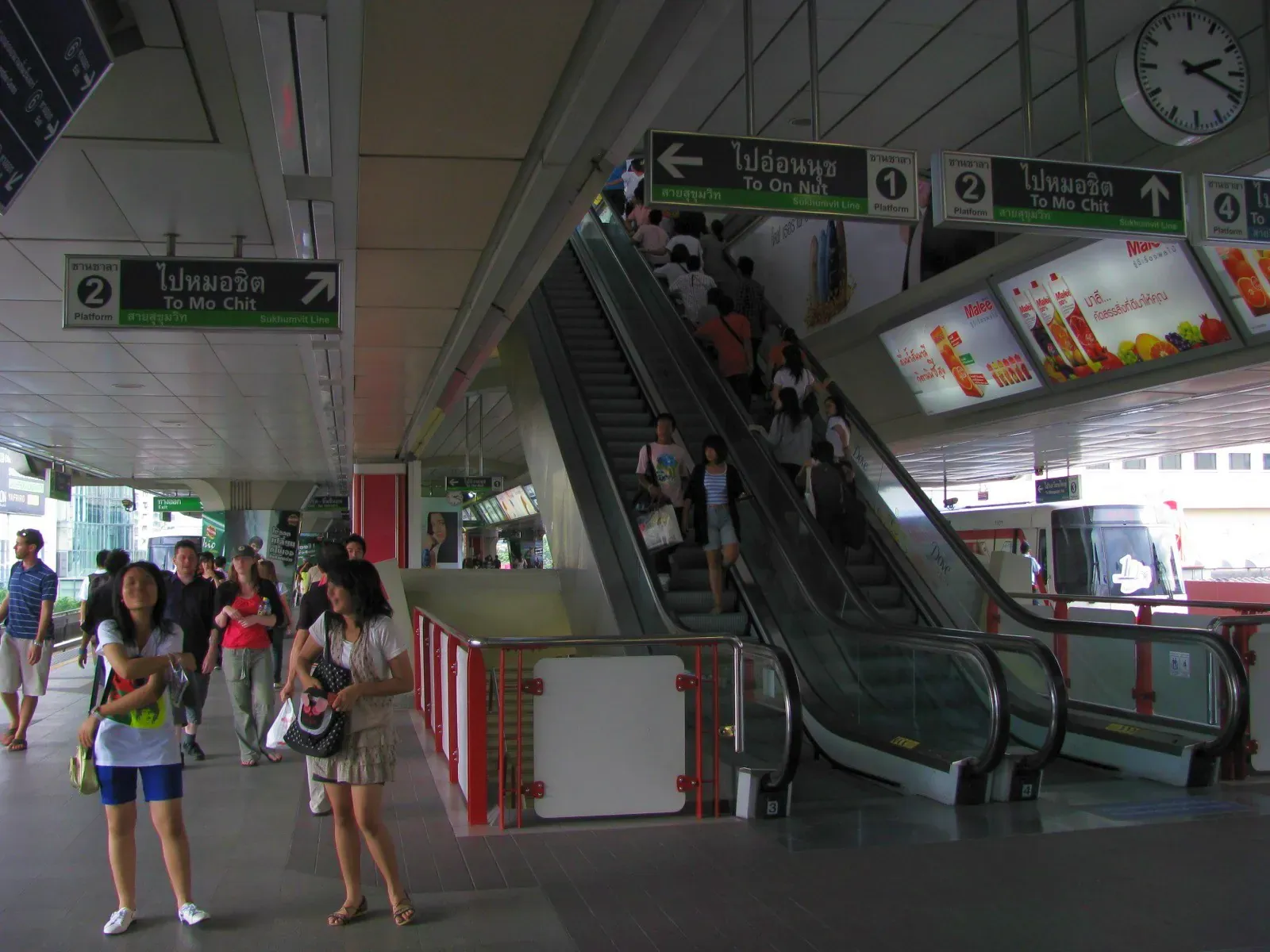
The catch is Siam’s popularity: as the network’s busiest station, that short platform walk can mean pushing through a real crowd at rush hour, even though the transfer itself involves no gates, stairs or new payment.
Asok and Sala Daeng: the short-walk, new-ticket pattern
This is the shape most Bangkok interchanges actually take. BTS Asok (Sukhumvit line, station code E4) and MRT Sukhumvit station sit next to each other, linked by a skywalk and a short indoor route, commonly cited at around 3-4 minutes gate to gate. It’s one of the easiest cross-operator transfers in the city, which is why hotels around Nana and Asok are popular.
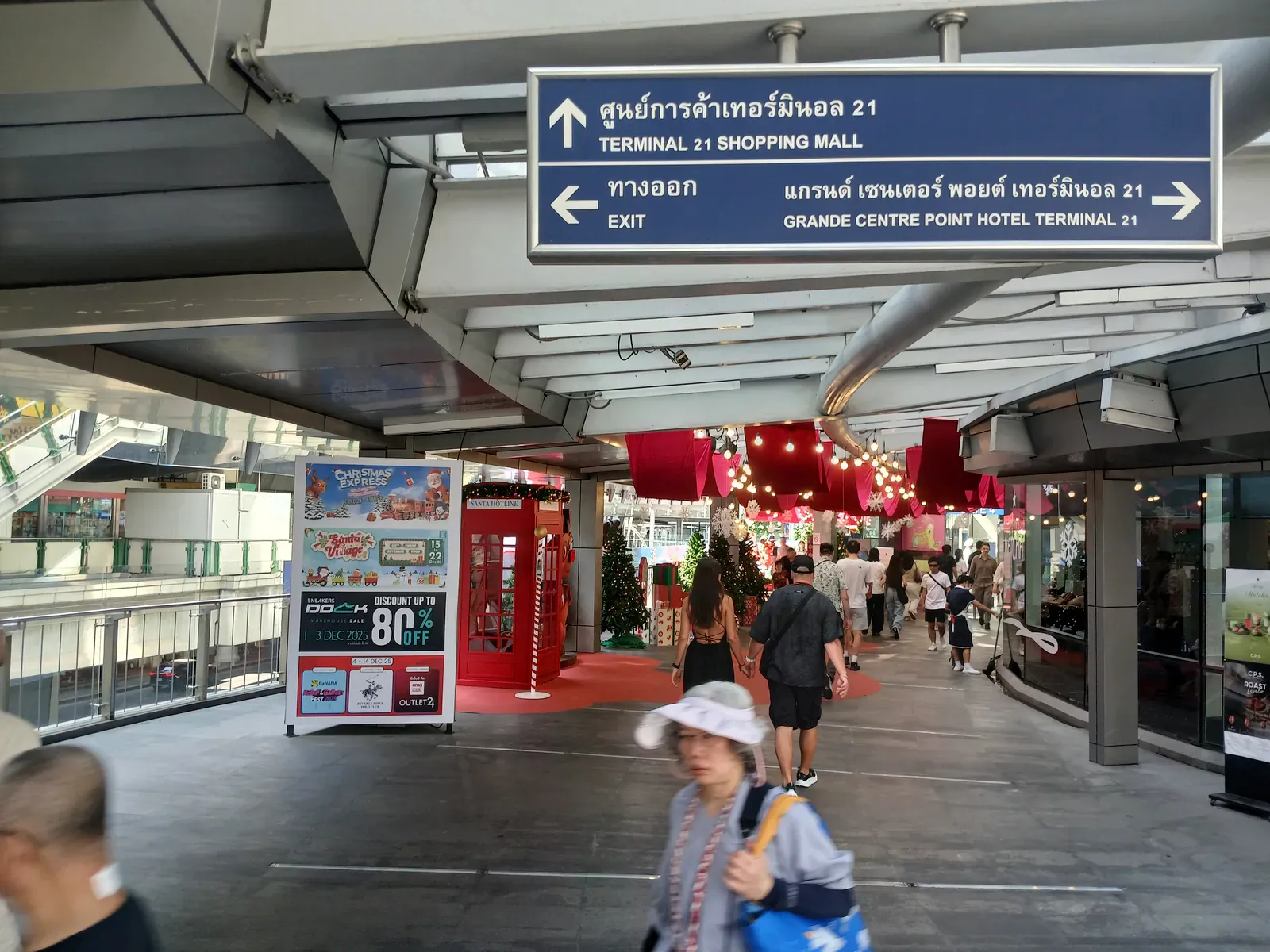
It is still a cross-operator transfer. You exit through BTS’s fare gates, walk the connecting corridor, and enter MRT’s fare gates on a separate ticket, or vice versa. There’s no shared tap-through. If your destination sits equally near either station, that’s worth knowing before you commit to a route that “looks” connected on the map.
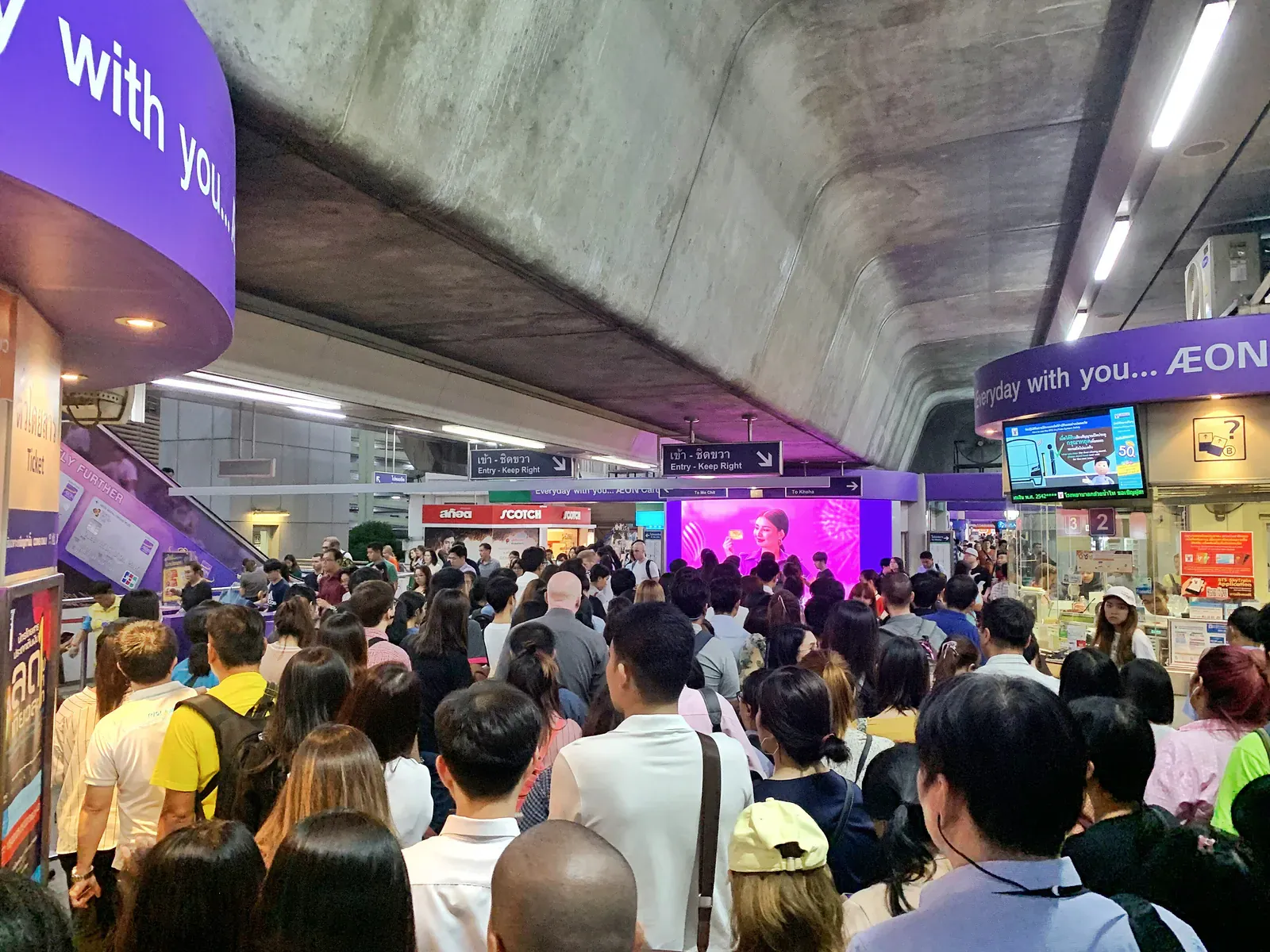
BTS Sala Daeng and MRT Si Lom, on the Silom line, follow the identical pattern: one of the three original BTS-MRT links, joined by a covered elevated walkway, a short and weatherproof walk, and a new fare on the far side. If you’re commuting daily between a Sukhumvit line address and a Silom-area office, or the reverse, this is the interchange you’ll get to know.
Mo Chit and Chatuchak Park: the walk you feel
Mo Chit BTS (Sukhumvit line, northern end) and Chatuchak Park MRT don’t share a concourse. You come up from one station, walk a stretch at street level alongside Chatuchak Park, commonly cited at a few hundred metres, and go back down into the other on a fresh ticket.
Bang Sue and Krung Thep Aphiwat: the mega-interchange
MRT Bang Sue station connects, via an underground walkway with escalators and moving walkways, straight into Krung Thep Aphiwat Central Terminal, Bangkok’s main long-distance rail hub and the terminus for the SRT Dark Red and Light Red commuter lines. The walk is commonly cited at around 3 minutes despite the size of the complex above it, a genuinely well-built connection for what is effectively 127 years of Thai railway history meeting under one roof.
Same rule applies regardless of the polish: MRT and SRT are different operators, so this is a new-ticket transfer, not a free one, however short and pleasant the walk.
Phaya Thai, Tao Poon, and what this guide doesn’t cover yet
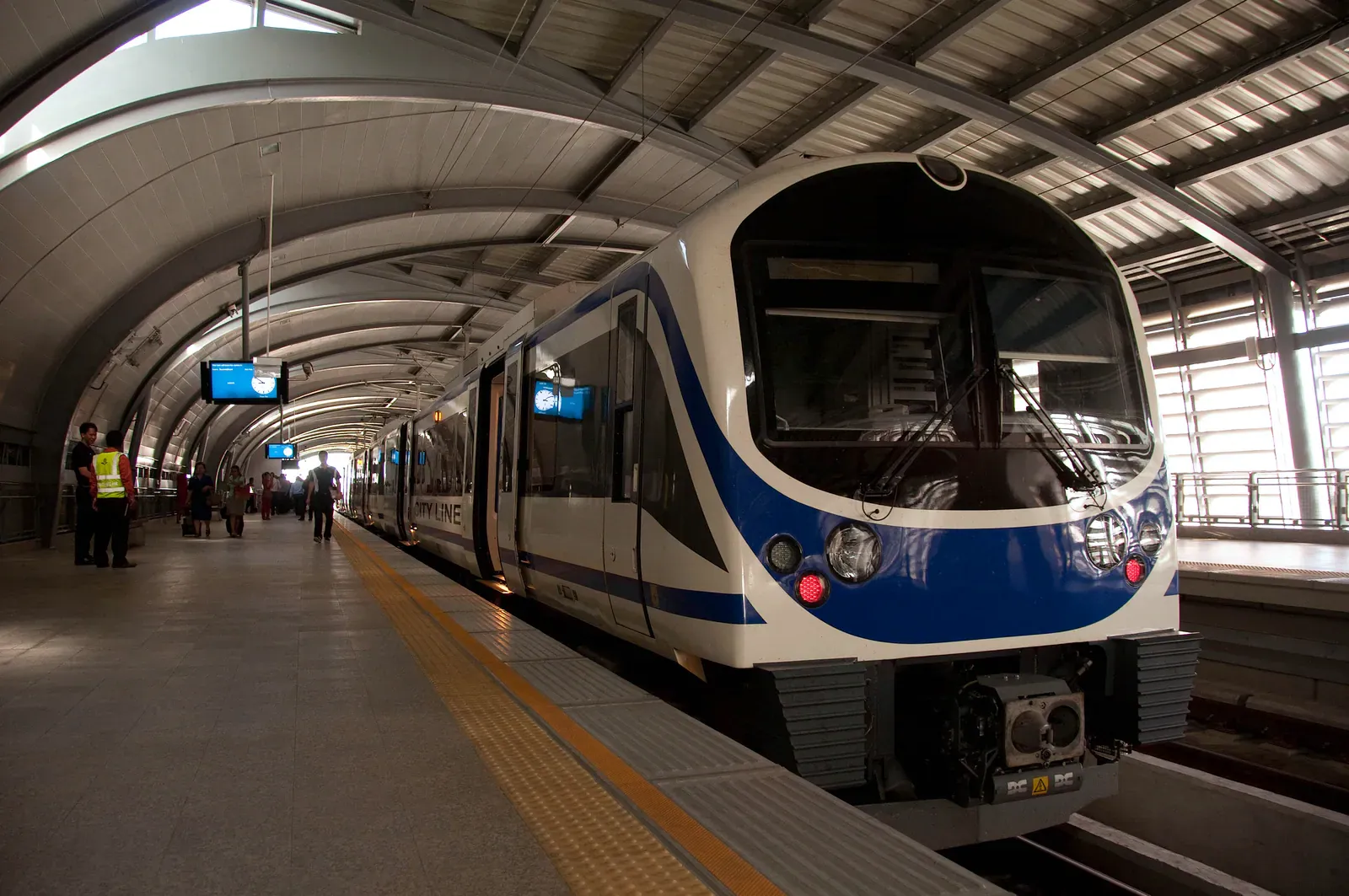
Phaya Thai BTS station (Sukhumvit line) connects to the Airport Rail Link’s Phaya Thai station by a direct walking bridge, no street-level detour required. Exit through BTS’s gates, cross the bridge, and pay the Airport Rail Link’s fare on the other side; there’s no combined ticket for a BTS-to-airport journey through this route. It’s one of the more convenient ARL connections precisely because the walk is short and entirely indoors.
Tao Poon is a confirmed interchange between the MRT Blue Line and the MRT Purple Line, both run by the same operator group. Available sources don’t spell out whether the two lines share a single platform the way Siam’s BTS lines do, or require a longer walk within the station, so treat it as a same-station, same-ticket-system transfer with an unconfirmed walk length rather than assuming a Siam-style instant switch.
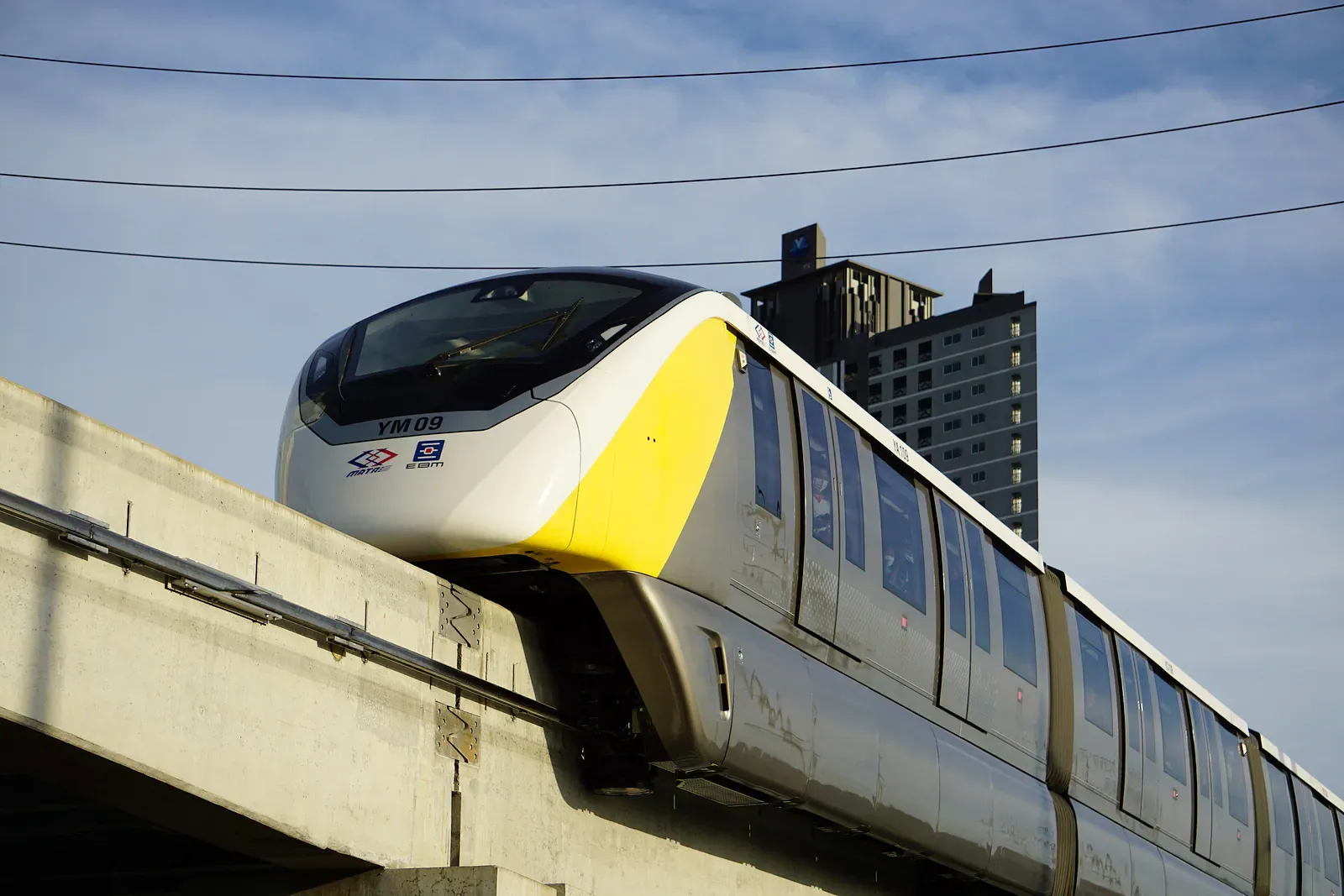
The Yellow and Pink monorail lines, both fully operational and serving Bangkok’s eastern and northern suburbs, add their own interchange points with the older network, points this guide doesn’t cover here. Bangkok’s Yellow and Pink lines picks up where this one stops.
Interchange cheat sheet
| Interchange | Type | Typical time | Same ticket? |
|---|---|---|---|
| Siam (Sukhumvit ↔ Silom) | Same platform | Under a minute, crowds allowing | Yes |
| Asok ↔ Sukhumvit MRT | Skywalk + indoor corridor | ~3-4 min | No |
| Sala Daeng ↔ Si Lom | Covered elevated walkway | A few minutes | No |
| Mo Chit ↔ Chatuchak Park | Street-level walk | A few minutes, longer in heat/rain | No |
| Bang Sue ↔ Krung Thep Aphiwat | Underground walkway, escalators | ~3 min | No |
| Phaya Thai (BTS ↔ ARL) | Indoor walking bridge | A few minutes | No |
| Tao Poon (Blue ↔ Purple) | Same station, layout not confirmed | Not confirmed | Yes (same operator group) |
The mistake almost everyone makes once
Assuming a station that’s physically connected is also fare-connected. A trip that “looks” like one hop on the map, because two station names sit next to each other or a skywalk visibly links them, can still be two separate fares once you count Asok-to-Sukhumvit-MRT or Mo Chit-to-Chatuchak-Park as what they are: two systems sharing a wall, not a ticket. Budget for it once, and it stops being a surprise.
Common questions
Which Bangkok interchange is genuinely free and fastest?
Siam, for any trip that stays within the BTS network. It’s the only interchange on this list with no fare-gate exit, re-entry or second payment, just a walk across a shared platform.
Do I need a new Rabbit Card or ticket at every MRT-to-BTS transfer?
Not a new card necessarily, but a new fare payment, yes, since Rabbit Card balance and MRT stored value aren’t interchangeable by default. See the BTS and MRT guide for how tickets and stored value work across the two systems.
Is the walk between Mo Chit and Chatuchak Park step-free?
Broadly yes, at street level, but it’s outdoor for part of the route and can feel long with luggage in heat or rain; budget extra time rather than assuming the shortest possible transfer.
How does Bang Sue fit into an airport or long-distance train trip?
It’s the terminus for SRT Red Line commuter services and Thailand’s main long-distance rail hub, connected to the MRT Blue Line by a well-built underground walkway. For airport-specific routing, Suvarnabhumi Airport to Bangkok city covers the more commonly used Airport Rail Link route instead.
Will fares ever be unified across BTS and MRT?
Not as a rule today. Contactless bank card and mobile wallet tap-and-go is increasingly accepted on both systems, which is the closest thing to a unified experience currently available, but it still charges each system’s fare separately rather than combining them into one.
Written by
Mike Brochlowski
Founder and editor, travel photographer and designer
I'm Mike Brochlowski, a travel photographer and designer, and I currently live on Koh Samui, Thailand. I built BangkokWiki to put practical, checked information about Bangkok in one place. Every page is researched from official and primary sources, and the text names them. Where a page shows a checked date, that is when its facts were last confirmed. I also run samui69.com, a non-commercial guide to Koh Samui. If you spot an error or something out of date, tell me through the contact page and I will check it and correct the page.
Read all articles
Where to stay
Pick the area before the hotel
Traffic and heat make Bangkok distances feel longer than they look on a map, so the area shapes a trip more than the hotel does. Our guides match areas to trip types and explain the trade-offs.

Places to stay
Find a hotel
Explore the other desks
More from Transport
- 9 min read
 9 min read
Bangkok to Pattaya: 144 THB Bus, 31 THB Train or Taxi?
 10 min read
Airport Rail Link Bangkok: 8 Stops, 26 Minutes, 45 Baht

Newsletter
You're subscribed as