Health
Recovery Stay After Surgery in Bangkok
What a recovery stay after surgery in Bangkok actually involves: nursing support, typical length, what to check, and what it usually costs in 2026.
On this page
Discharge from a Bangkok hospital doesn’t mean you’re ready to fly home, sit through a long day at the airport or manage entirely on your own in an ordinary hotel room. A recovery stay, sometimes called a convalescence stay or post-op accommodation, is the bridge between hospital discharge and either flying home or returning to normal independent living, and it’s a genuine, named part of how medical tourism in Bangkok is organised, not a marketing invention. This guide explains what a recovery stay actually involves, who tends to need one, what to check before booking any specific option, and how the costs and typical length compare across the market, without recommending any single provider.
What a recovery stay actually is
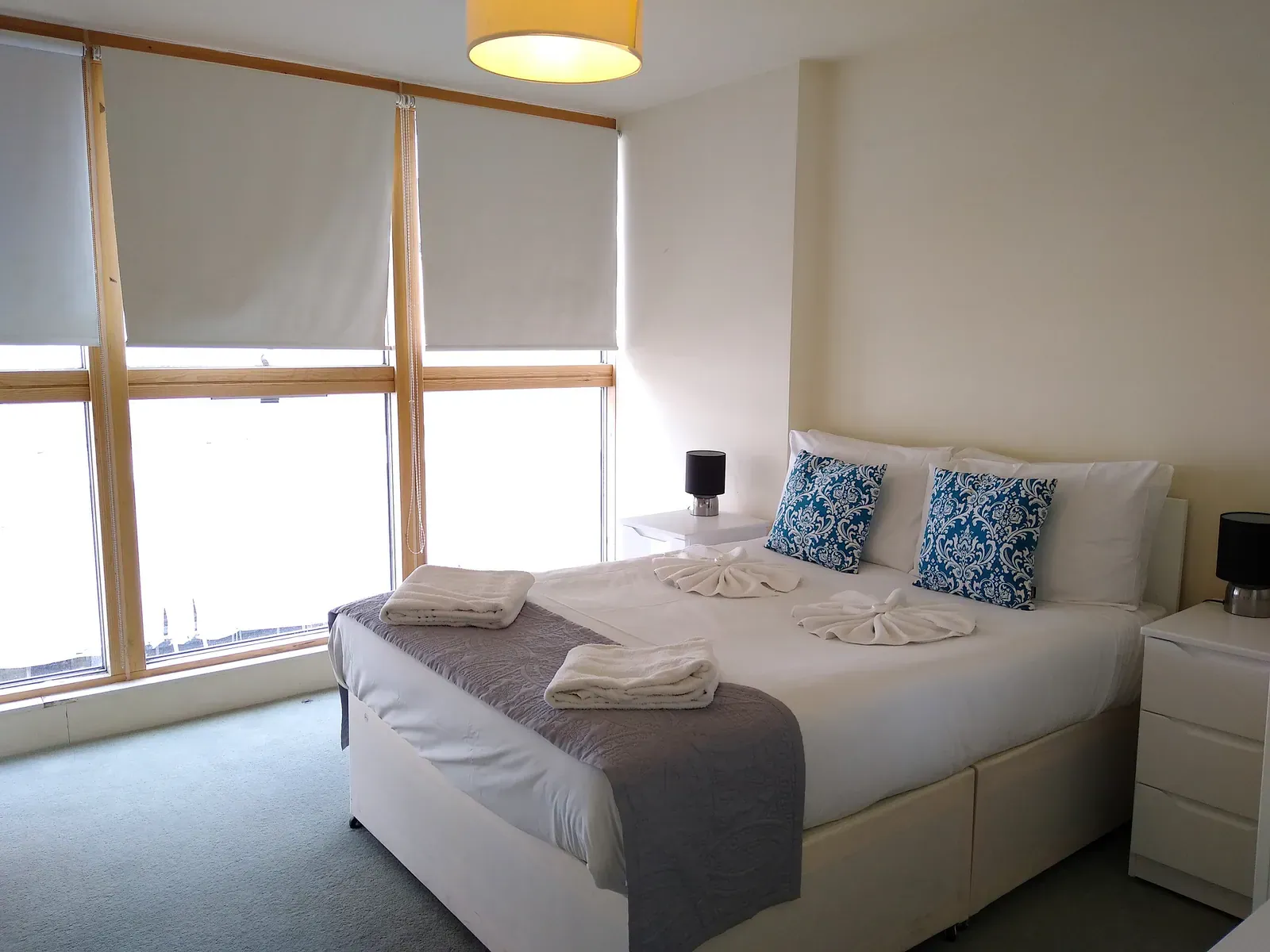
A recovery stay sits in the gap between “still needs hospital-level monitoring” and “fully independent.” It’s typically arranged as a hotel room, a serviced apartment, or a dedicated recovery facility attached to or partnered with a hospital, chosen specifically for proximity to the treating hospital (see hotels near Bangkok hospitals) and suitability for someone with limited mobility, a wound still healing, or a need for scheduled medication and monitoring that doesn’t quite require a hospital bed. The defining features that separate it from an ordinary hotel booking are proximity to the hospital (often walking distance or a short arranged transfer), accessibility (step-free access, a suitable bathroom, a bed at a workable height), and the option to add nursing visits or a live-in carer for part or all of the stay.
It exists because the gap between “medically cleared to leave the hospital” and “fully able to manage independently, including a long flight” is real and often lasts longer than most people expect. A hospital’s inpatient stay is generally kept as short as is medically reasonable, a few nights, even for a significant procedure, but the following one to three weeks are often when a patient is at their most vulnerable to a fall, a missed medication dose, or a complication that’s easy to catch early and harder to manage if it’s missed.
Who typically needs one, and who usually doesn’t
Not every procedure calls for a dedicated recovery stay. As a general pattern, rather than a rule for any individual case:
- Major orthopaedic surgery (joint replacement, spinal procedures) commonly involves a recovery stay of a week or more, given genuinely reduced mobility and the physiotherapy schedule that usually follows. The realistic timeline is covered in the hip and knee replacement guide.
- Significant cosmetic or reconstructive surgery often calls for a shorter recovery stay, commonly measured in days rather than weeks, focused on wound care, drain management if applicable, and monitoring for early signs of infection or complication.
- Cardiac and major abdominal surgery typically involve closer, sometimes longer monitoring, given the higher stakes if something goes wrong early in recovery, and are more likely to justify professional nursing input rather than a companion alone.
- Routine dental work, minor procedures and most diagnostic visits generally don’t need a dedicated recovery stay at all: an ordinary hotel and a same-day or next-day return to normal activity is the typical pattern, though even here, some day-procedure dental and cosmetic work benefits from at least one supervised night if sedation was involved.
The deciding factor isn’t the label of “surgery” itself but the realistic level of independence you’ll have on the day of discharge: a same-day laparoscopic procedure and a joint replacement carry very different aftercare needs even though both involved an operating theatre.
What to check before booking any recovery accommodation
Because this is a loosely regulated category, part hospitality, part informal aftercare, with no single Thai licensing scheme covering “recovery accommodation” as its own category, the burden of checking suitability falls more on the patient or their companion than it would with a licensed hospital ward. Worth confirming directly, in writing, before booking:

- Actual distance and transfer time to the treating hospital, not just the marketing description of “near” the hospital: ask for the specific walking time or arranged transfer time, especially if mobility is limited.
- What level of nursing support is actually included, and what triggers an extra charge: a daily wellness check by a visiting nurse is a very different service from 24-hour live-in nursing, and package descriptions sometimes blur the two.
- Accessibility of the physical space: step-free entry, a bathroom that works with a walking frame or limited mobility, a bed height and firmness suitable for someone recovering from surgery.
- Who to call, and how fast, if something goes wrong: a clear escalation path back to the treating hospital, including after hours, should be explicit and confirmed before you need it, not assumed.
- What’s actually included in a quoted recovery package: meals, laundry, transport to follow-up appointments and physiotherapy sessions are sometimes bundled and sometimes charged separately; ask for an itemised breakdown rather than a single headline figure.
- Whether the accommodation is affiliated with, or independent of, your treating hospital, and what that relationship means in practice: a hospital-affiliated recovery facility may have a more direct communication line back to your surgical team, while an independent hotel offers more choice of location and price but a less direct clinical link.
The three broad types of recovery accommodation
Recovery accommodation in Bangkok generally falls into one of three broad categories, and the right fit depends on the procedure, the budget and how much clinical monitoring is realistically needed.
| Type | What it is | Best suited to |
|---|---|---|
| Ordinary hotel, self-managed | A standard hotel room near the hospital, with the patient and any companion managing day-to-day recovery themselves, calling the hospital only if needed | Minor procedures, low complication risk, a capable companion present |
| Hotel plus scheduled nurse visits | An ordinary or accessibility-adapted hotel room with a visiting nurse calling once or twice daily for wound checks, medication and vitals | Moderate procedures, many cosmetic, dental-implant and single-joint cases |
| Dedicated recovery facility or hospital-affiliated suite | A facility built or adapted specifically for post-surgical stays, often with on-site or on-call nursing around the clock and a direct line back to the treating hospital | Major orthopaedic, cardiac or reconstructive surgery, or any patient without a companion able to help |
Moving down this list generally means paying more but getting a shorter, more reliable escalation path if something goes wrong: the trade-off is genuinely between cost and how much of the clinical safety net is built into the accommodation itself versus depending on you or a companion to notice a problem and act on it.
Bringing a companion versus arranging professional care
Many patients travel with a spouse, adult child or friend specifically to help through this window, and a companion can genuinely help with the practical, non-clinical side of recovery: meals, reminders to take medication on schedule, help getting around, and simply being present if something feels wrong. What a companion generally can’t and shouldn’t be expected to do is take on tasks that need clinical judgement: assessing whether a wound looks normal, managing complex medication changes, or deciding whether a symptom needs urgent hospital attention rather than waiting until morning. For procedures with any meaningful complication risk, many hospitals and facilitators offer add-on professional nursing, a scheduled daily visit, or continuous live-in cover for the more intensive early days, precisely to cover that clinical gap a well-meaning companion can’t reliably fill. It’s worth discussing directly with the treating surgical team, before discharge, what level of monitoring they’d actually recommend for your specific case, rather than assuming a companion alone is automatically sufficient because it was enough for a different, less involved procedure.
If a companion is travelling with you, their own visa and travel arrangements need separate planning: a point covered in the medical treatment visa guide, since a companion’s permitted length of stay doesn’t automatically track the patient’s own visa timeline.
How long a recovery stay typically runs
The realistic length varies significantly by procedure, but recurring patterns across medical-tourism planning guidance for Bangkok put a typical recovery-stay window somewhere in the seven-to-fourteen-night range for a significant surgical procedure, before either flying home or returning to fully independent living. Cosmetic and reconstructive procedures often sit toward the shorter end of that range; major orthopaedic and cardiac procedures more often sit toward the longer end, sometimes beyond it. This window sits on top of, not instead of, the standard inpatient hospital stay itself: plan the recovery-stay booking as a distinct block of time following discharge, not a vague extension of “however long the hospital stay runs.”
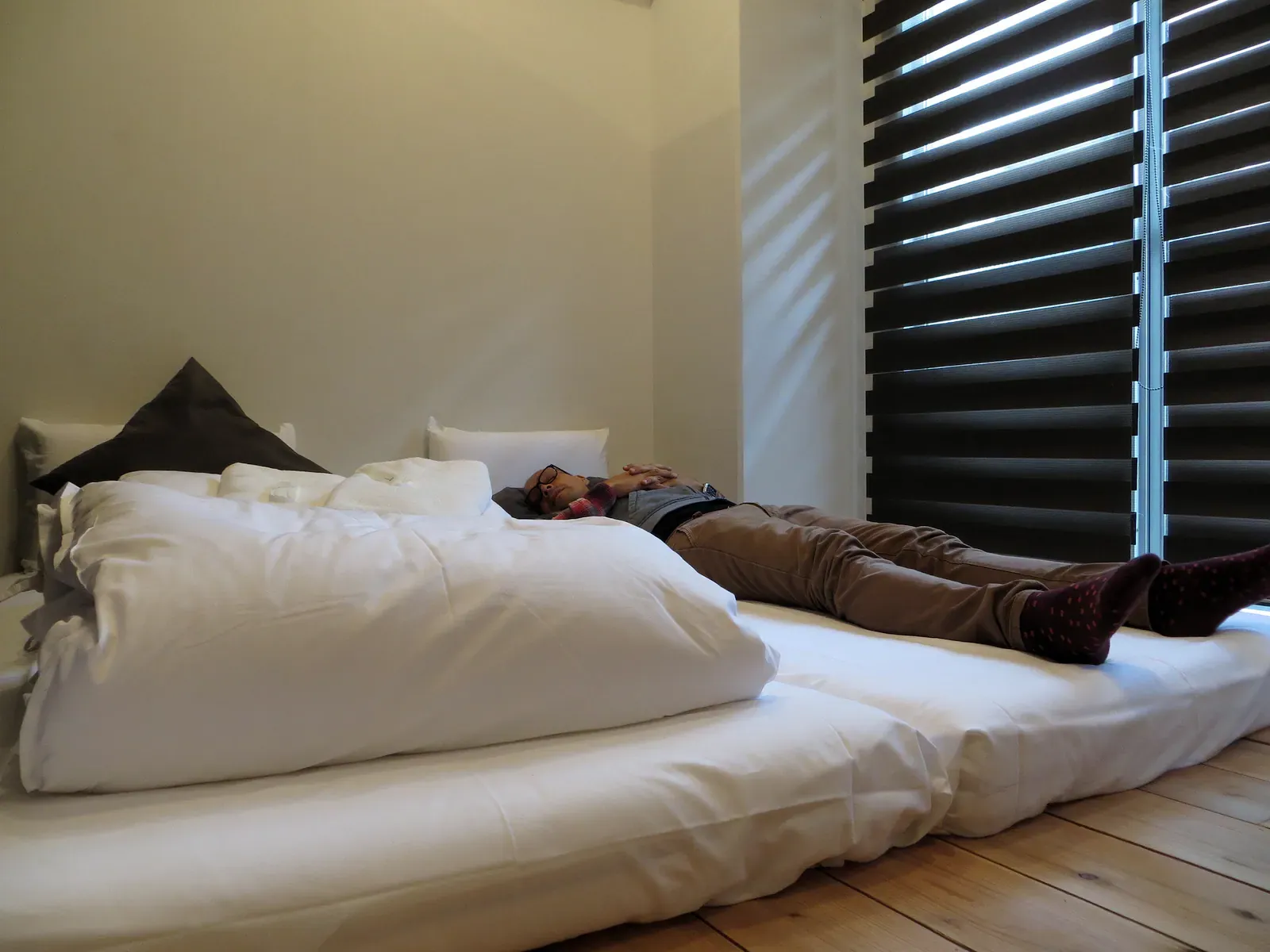
Whatever the specific procedure, the recovery-stay window and the “fit to fly” question are closely linked but not identical: being ready to leave a recovery stay for the airport and being medically cleared for a specific flight duration are separate questions, covered in the guide to flying after surgery.
It’s also worth planning for the possibility that the recovery stay runs longer than originally booked. Swelling that resolves more slowly than expected, a wound that needs an extra week of dressing changes, or a physiotherapy programme that’s progressing more cautiously than planned are all common, non-alarming reasons a recovery stay gets extended by a few days. Ask any accommodation provider about their policy and pricing for an extension before you arrive, rather than negotiating it under time pressure if your original booking is about to run out.
Follow-up appointments during the recovery window
A recovery stay isn’t passive waiting. It’s usually structured around a schedule of follow-up appointments back at the treating hospital: wound checks, suture or staple removal where applicable, physiotherapy sessions for surgical procedures involving mobility, and a final clearance consultation before discharge from care or departure. Ask for this schedule in writing before you leave the hospital, including which appointments are already included in your original treatment package and which, if any, are billed separately during the recovery-stay period. Missing a scheduled follow-up because transport wasn’t arranged, or because the recovery accommodation was further from the hospital than expected, is one of the more avoidable problems in this window: confirming transport to and from each appointment as part of the recovery-stay booking removes an unnecessary source of stress during a period that’s already physically demanding.
Indicative costs in 2026
Recovery accommodation and its associated nursing support add a real cost on top of the hospital bill itself, and this is worth budgeting for from the outset rather than treating as an afterthought. As an indicative 2026 planning range only, not a quote: a basic hotel-based recovery stay without added nursing support commonly runs from roughly ฿1,500 to ฿5,000 ($45-$145) per night depending on the hotel category and location relative to the hospital, while a package that bundles daily nurse visits, meals and transfers can run considerably higher, commonly landing in a total range of roughly ฿70,000-฿140,000 ($2,000-$4,000) across a full one-to-two-week recovery window for a significant procedure, on top of the surgical and hospital costs themselves. These figures move with the specific procedure, the level of nursing support chosen and the accommodation standard, and should always be confirmed as a current, written quote from the specific provider before you commit: never assumed from a range on this site.
Choosing where to stay: proximity and the hospital cluster
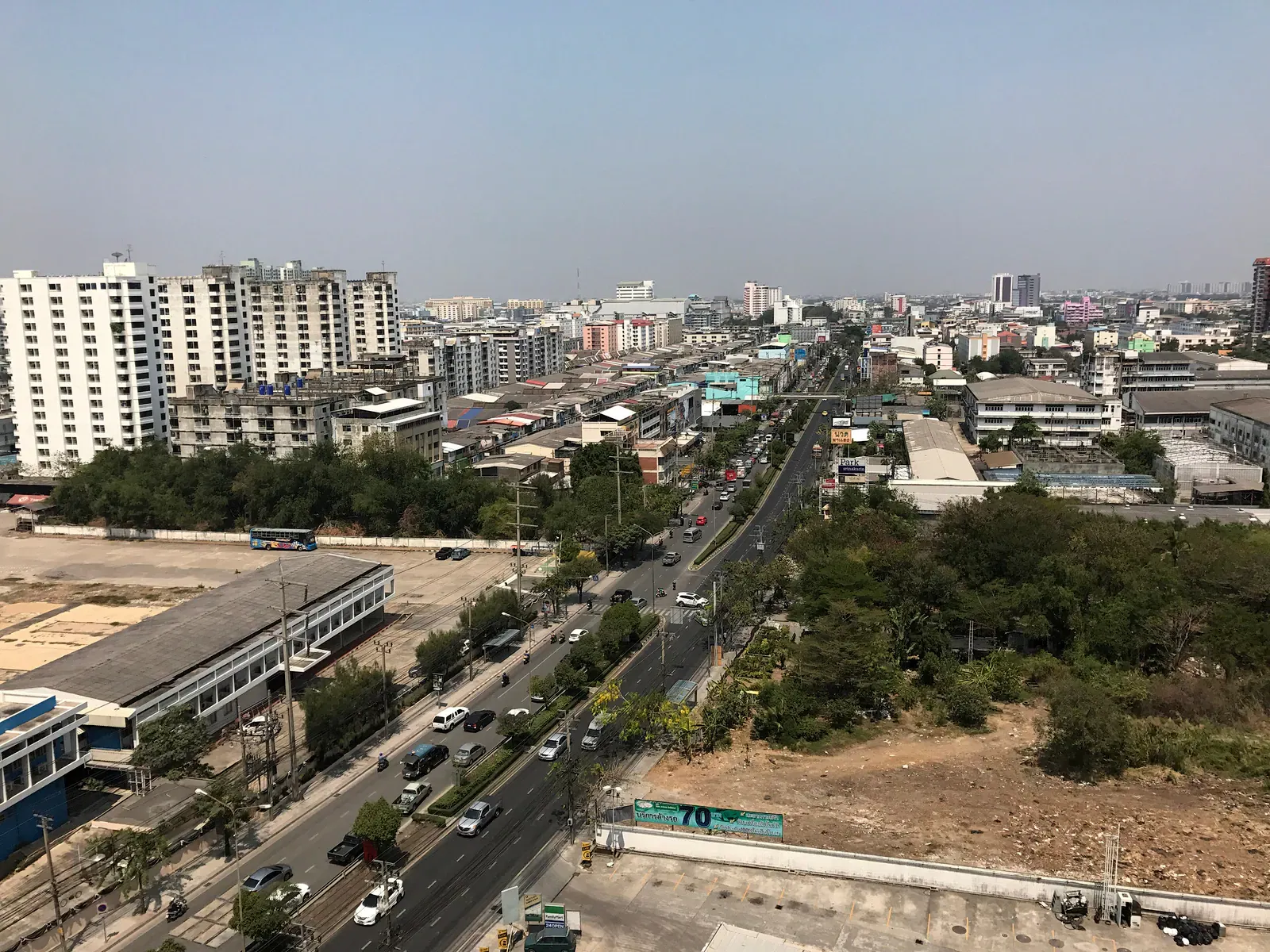
Bangkok’s major private hospitals cluster fairly tightly along a handful of transit corridors, and recovery accommodation follows the same pattern: hotels and serviced apartments near the Sukhumvit hospital cluster and the Silom-Sathorn cluster commonly market themselves specifically to post-surgical patients for exactly this reason. Staying close enough to walk, or to manage a very short transfer, matters more in the first few days after discharge than it will later in recovery, so it’s reasonable to prioritise proximity over amenities or price for the earliest part of the stay, even if that means changing to a different, more comfortable location further out once mobility genuinely improves.

This is general information about how recovery accommodation after surgery is typically arranged in Bangkok, not medical advice, and it isn’t a recommendation of any specific hotel, facility or nursing provider. What level of aftercare and monitoring is appropriate for your specific procedure is a clinical decision for your treating surgical team, and should be confirmed and arranged with them, and verified directly with any accommodation or nursing provider, before you rely on it.
Common questions
Is a recovery stay the same as an extended hospital admission?
No. A recovery stay happens after a hospital has medically discharged you: it’s a lower level of support than an inpatient ward, focused on a safe, accessible place to continue recovering with optional nursing visits, not ongoing hospital-level monitoring. If your condition still needs hospital-level care, that’s an extended inpatient stay, a different and separate decision made by your treating team.
Do I need a recovery stay for minor procedures like routine dental work?
Generally no. Most routine dental and minor outpatient procedures don’t need dedicated recovery accommodation: an ordinary hotel and a normal return to activity the same or next day is typical. Recovery stays are more relevant for major surgery with genuinely reduced mobility or a higher complication-monitoring need.
Can my travel insurance cover the cost of a recovery stay?
Sometimes, particularly medical evacuation or comprehensive medical-travel policies that explicitly include aftercare accommodation, but it’s far from universal. Confirm directly with your insurer what’s covered before booking, rather than assuming it’s bundled into general medical cover: see the guide to paying for treatment in Thailand for how these payment questions generally work.
How do I know if a recovery accommodation provider is legitimate?
Ask directly about its relationship with your treating hospital, what level of nursing support is actually included versus billed separately, and get a clear, written escalation plan for what happens if something goes wrong. There’s no single Thai licensing scheme specifically for “recovery accommodation,” so verifying these details yourself, rather than trusting marketing language alone, is the main safeguard.
Should I book recovery accommodation before or after surgery?
Before, wherever possible. Booking in advance, based on your surgical team’s realistic estimate of your discharge condition and mobility, avoids trying to arrange accessible, hospital-adjacent accommodation at short notice while still recovering from the procedure itself.
Is a companion enough, or do I need professional nursing during recovery?
It depends on the procedure and your surgical team’s own assessment: a companion can generally handle practical daily support, but clinical monitoring, wound assessment and medication management are better covered by professional nursing for anything with meaningful complication risk. Ask the treating team directly what they’d recommend for your specific case rather than assuming a companion alone is sufficient.
Written by
Mike Brochlowski
Founder and editor, travel photographer and designer
I'm Mike Brochlowski, a travel photographer and designer, and I currently live on Koh Samui, Thailand. I built BangkokWiki to put practical, checked information about Bangkok in one place. Every page is researched from official and primary sources, and the text names them. Where a page shows a checked date, that is when its facts were last confirmed. I also run samui69.com, a non-commercial guide to Koh Samui. If you spot an error or something out of date, tell me through the contact page and I will check it and correct the page.
Read all articles
Medical stays
Planning treatment in Bangkok?
See dated price ranges for common procedures, what each package includes and how to choose a hospital or clinic. Prices are indicative only, and nothing here replaces advice from a clinician.

Places to stay
Find a hotel
Explore the other desks
More from Health
- 11 min read
 9 min read
Bangkok Hospital Network: BDMS Branches Compared
 9 min read
Weight Loss Surgery in Bangkok: Eligibility Before the Price

Newsletter
You're subscribed as