Health
Vajira Hospital Bangkok: A Dusit Public Hospital Guide
Vajira Hospital, 681 Samsen Road in Dusit: a BMA public teaching hospital in Dusit. Location, 2025 road collapse, language support and costs for foreigners.
On this page
Vajira Hospital is a public teaching hospital at 681 Samsen Road, Dusit District, Bangkok 10300. It is funded and operated by the Bangkok Metropolitan Administration (BMA). According to Wikipedia it has 900 inpatient beds (the most of any BMA hospital) and handles more than 700,000 outpatient visits a year. It is the hospital of the Faculty of Medicine Vajira Hospital, Navamindradhiraj University. For a foreigner the practical question is not whether it is a serious hospital, but whether a high-volume public hospital suits your visit, language needs and insurance. This guide covers the location, what the hospital is, what happened on Samsen Road in 2025, and what to ask before you go.
What kind of hospital is Vajira?
Vajira (Thai: วชิรพยาบาล, romanised by the Royal Thai General System as Wachiraphayaban, which is why you will also see “Wachira”) is a public hospital run by the BMA, the city government of Bangkok. According to Wikipedia, King Vajiravudh (Rama VI) opened it on 2 January 1913 with money from his private funds, and it is described as the fourth public hospital built in Siam. The King Vajiravudh Memorial Building is now a hospital museum.
It is also a university teaching hospital. The University of Bangkok Metropolis was formed in 2010, and on 3 June 2011 King Bhumibol Adulyadej gave that university the name Navamindradhiraj University. Today the hospital hosts the university’s Faculty of Medicine and the Kuakarun Faculty of Nursing, and it is an affiliated teaching hospital for Srinakharinwirot University’s medical faculty and for Bangkokthonburi University’s.
What this means for a patient: it is a large referral centre, not a boutique clinic. Reference sources list centres of excellence in cardiovascular care, oncology, neurosurgery, kidney care and trauma, plus an emergency medicine centre. The faculty has 19 departments, including medicine, surgery, paediatrics, obstetrics and gynaecology, ophthalmology, orthopaedics, otolaryngology, psychiatry, radiology, rehabilitation medicine and urban medicine. Because doctors in training work in the hospital, expect a teaching environment.
Where is Vajira Hospital?
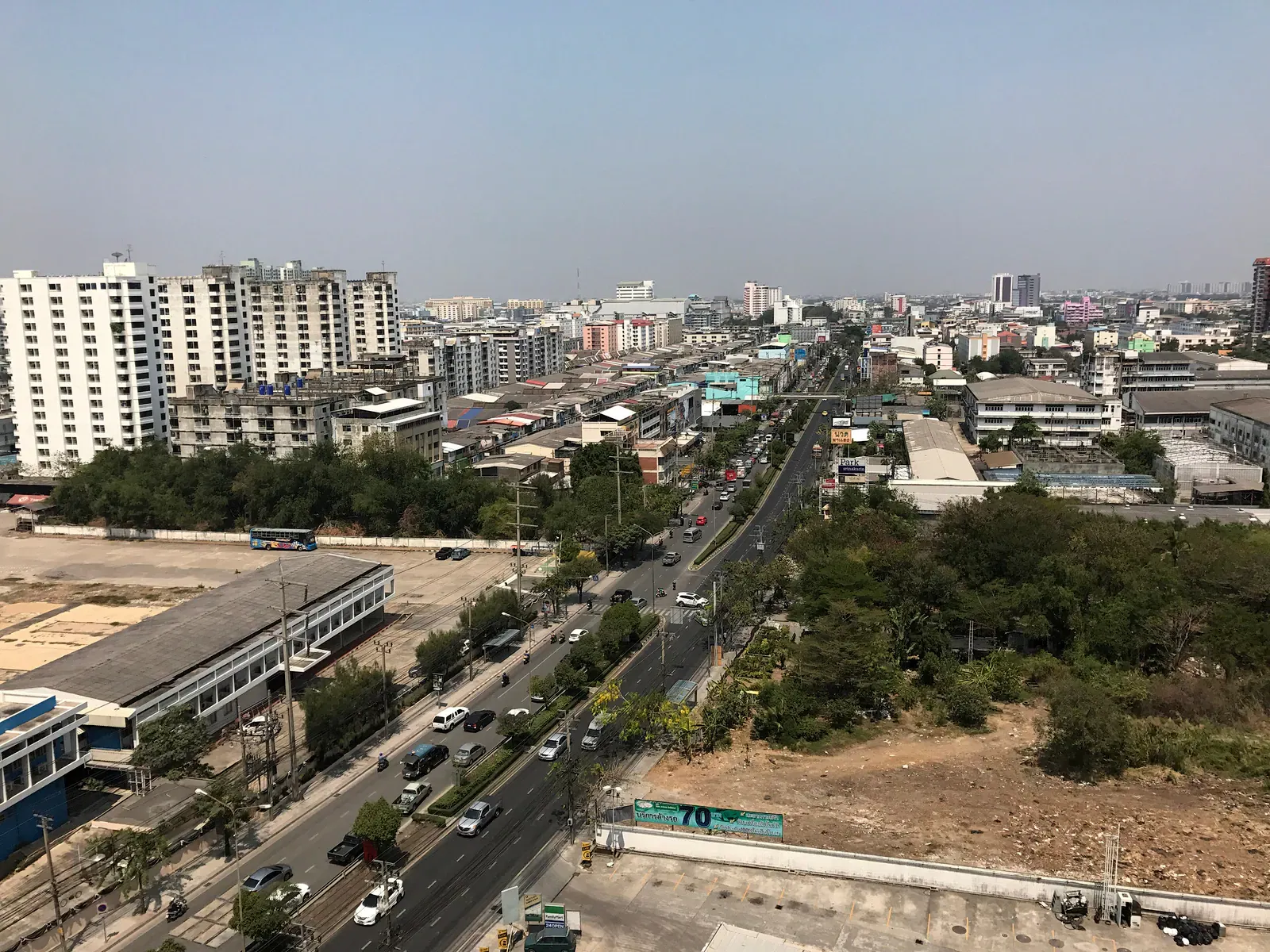
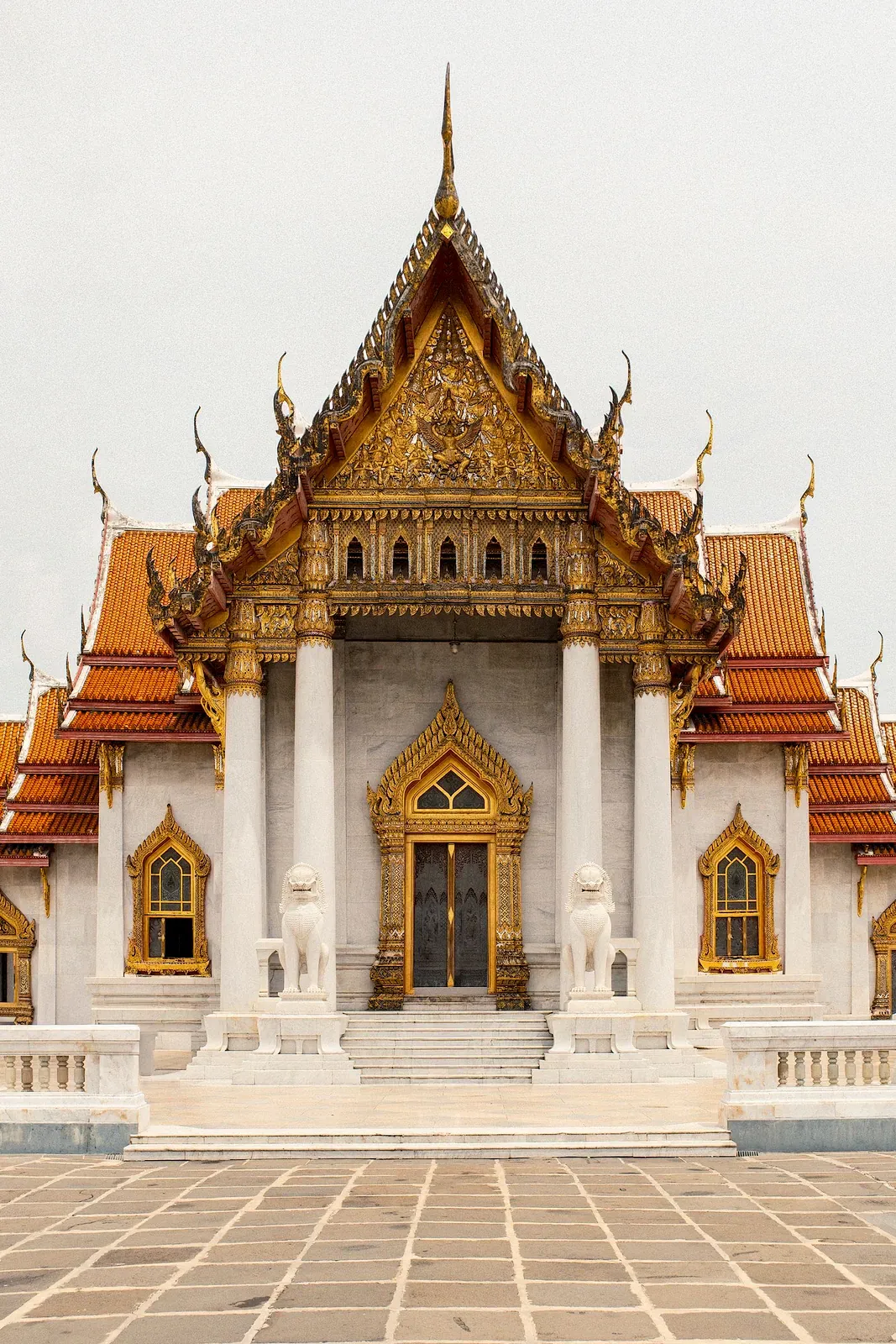
The address is 681 Samsen Road, Wachira Phayaban Subdistrict, Dusit District, Bangkok 10300. Dusit is the district of Bangkok that holds the Ananta Samakhom Throne Hall (built 1907 to 1915), the Dusit Palace grounds and the Marble Temple, Wat Benchamabophit. The hospital is on Samsen Road, one of the main roads through the district.
Getting there:
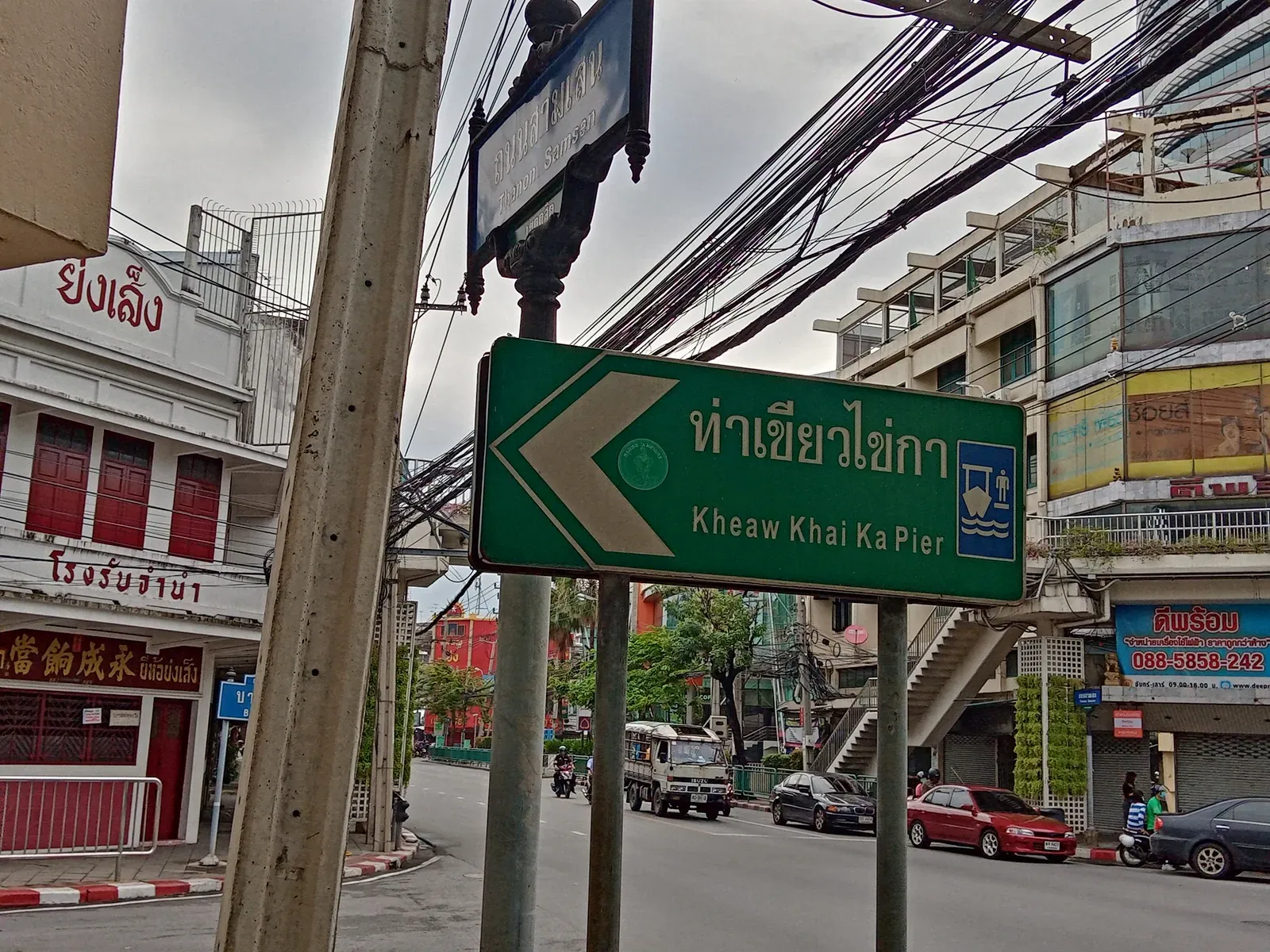
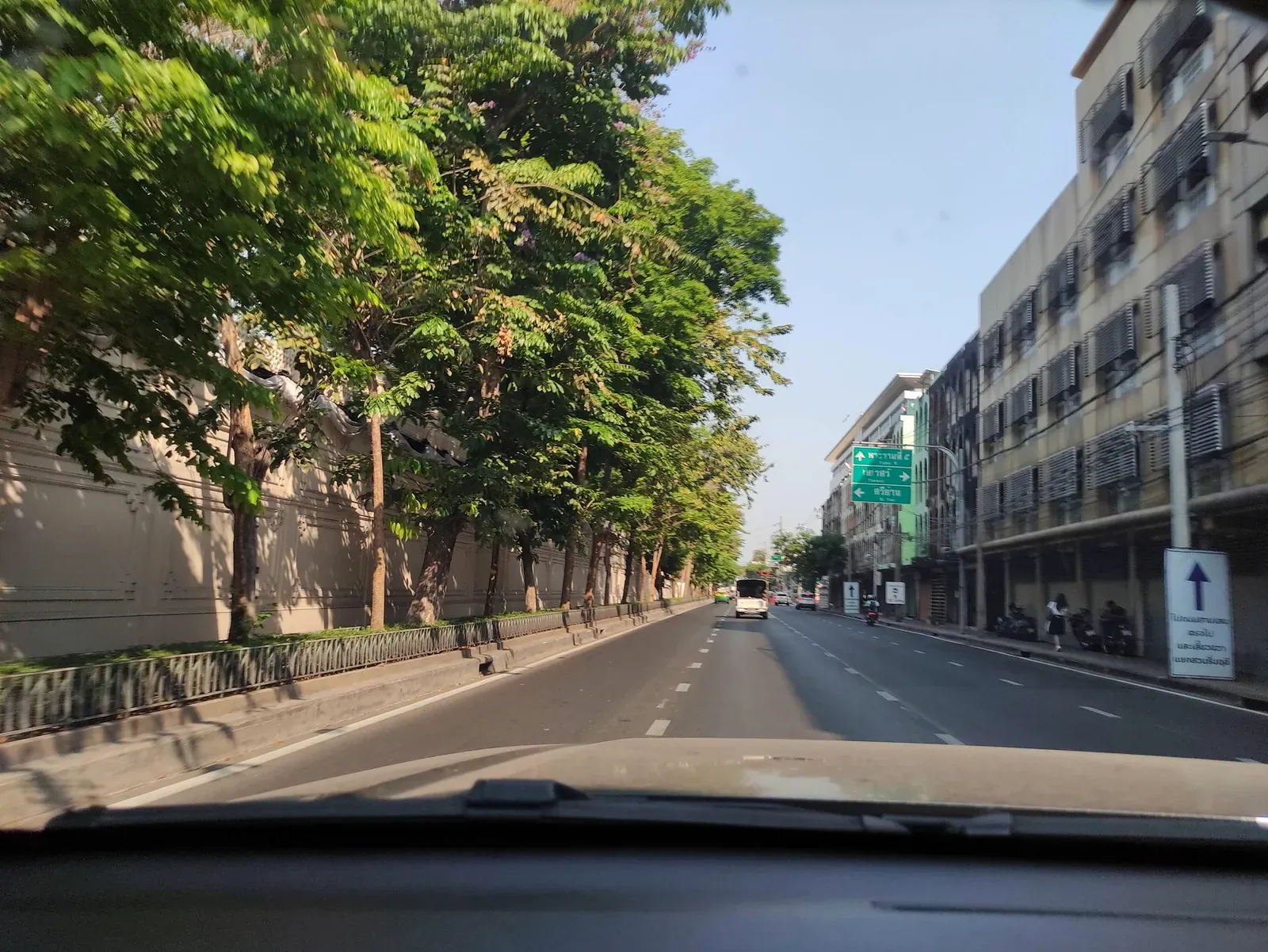
- By river and road: the Chao Phraya Express Boat piers in Dusit district include Thewet, Payap, Irrigation Department, Kheaw Khai Ka and Kiak Kai. The photo above shows a Samsen Road sign pointing to Kheaw Khai Ka Pier. Check the walking route from your pier on a map app before you set out.
- By rail: Sam Sen Railway Station sits on the border of Dusit and Phaya Thai districts.
- From the airports: a medical-travel listing gives about 30 minutes from Suvarnabhumi Airport and 26 minutes from Don Mueang Airport. Traffic changes this, so treat it as a rough guide.
- By metro, in future: the MRT Purple Line (Tao Poon to Rat Burana, 23.6 km, 17 stations) passes Vajira Hospital on Sam Sen Road, with an underground Vajira Hospital station. The Mass Rapid Transit Authority of Thailand (MRTA) Purple Line page shows civil works 67.26 percent complete and expected operation in November 2030, so do not plan a visit around it.
When the hospital reopened its outpatient department after the 2025 road collapse, it asked visitors to use public transport. That is sensible advice for a hospital that sees thousands of outpatients a day.
What happened on Samsen Road in 2025?
This is the main Vajira hospital Bangkok news item. At about 07:00 on 24 September 2025 a sinkhole opened on Samsen Road in front of the hospital, about 30 m wide, 30 m long and up to 50 m deep. Reports attributed it to soil flowing into the Purple Line tunnel at the joint with the station under construction. No injuries or deaths were reported.
The effect on patients was a short, temporary disruption:
- Patients in the adjacent hospital building were moved elsewhere in the facility as a precaution, and the faculty rescheduled affected appointments.
- Outpatient services were closed for a short period. The faculty dean said the hospital’s two main towers, Dipangkorn Rasmijoti and Petcharat, were safe.
- The emergency department reopened at 2 pm on Thursday 25 September, and the outpatient department fully reopened on Friday 26 September, treating about 1,500 patients of 2,100 appointments that day. Inpatient services returned with 720 beds.
- Patients and visitors were directed through Sangkhalok Road, which carried two-way traffic, while Samsen Road remained closed for repair work, as reported in September 2025. Check current access before you travel.
Thai PBS World reported that about 4,000 outpatients visit the hospital on a normal day, which helps explain why the hospital asked people to use public transport. Road layouts around the hospital may differ from an older map, so check current access with the hospital.
How well does it work for foreigners?
It works best for a patient who is comfortable in a busy public setting. A general guide to Bangkok hospitals describes public hospitals as significantly cheaper than private ones, with generally good doctors and nurses, but with long waits (possibly several hours) and English proficiency that varies. It advises bringing your passport and possibly other identification. Private hospitals, by contrast, tend to be faster and to have staff who are more fluent in English.
Medical-travel listings for Vajira advertise translation services, but they are marketing pages, not the hospital’s own. Confirm the language question directly:
- Ask which clinic you need and whether an interpreter or English-speaking coordinator is available for that clinic.
- Consider bringing a Thai-speaking friend or colleague to registration and the first consultation.
- Bring written notes: your diagnosis, medications (generic names), allergies and recent test results, in English.
If long waits or limited English would make a visit hard, a private hospital may suit you better. See JCI vs private vs public hospitals for how the types differ, and choosing a hospital for a decision framework.
What about the Vajira Premium Clinic?
In July 2026 FWD Life Insurance announced a partnership with Vajira Hospital to expand its medical service network through the Vajira Premium Clinic, aimed at FWD health insurance policyholders. The stated goals are shorter waits and access to specialists across a range of fields.
Ask the hospital for the clinic’s opening hours, prices and location within the hospital. If you hold health insurance, ask your insurer whether Vajira and its premium clinic are in your network, whether direct billing applies, and what pre-authorisation they need. Then confirm the same points with the hospital.
What equipment and rooms does Vajira have?
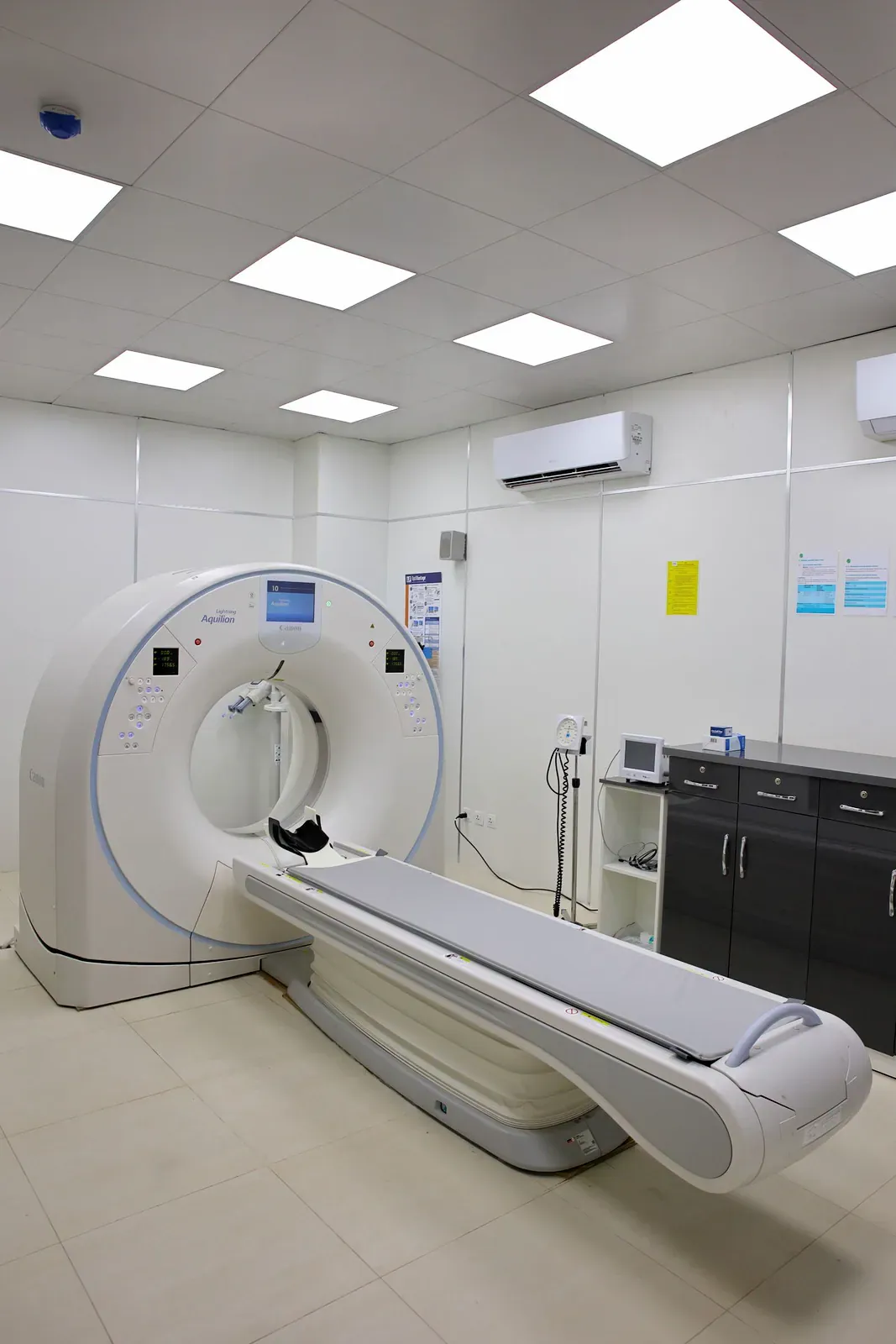
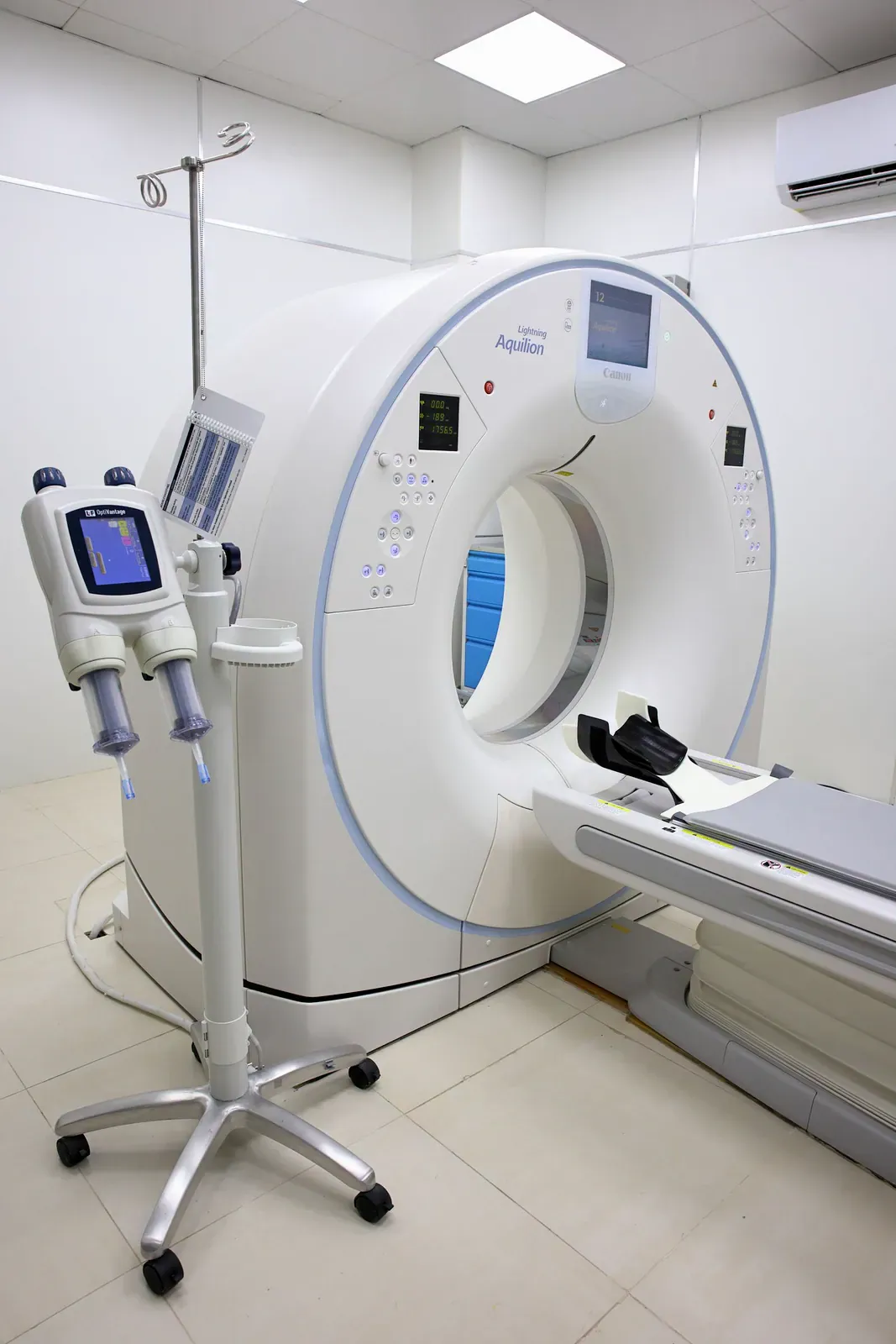
Reference listings describe laboratories, a pharmacy, ambulance service and a range of room types: general ward, deluxe, suite, semi-private and private rooms. They also list cosmetic and plastic surgery, neurology, heart care and surgery, paediatric treatment and general surgery among the treatments. The photos below are general hospital imaging and treatment rooms.
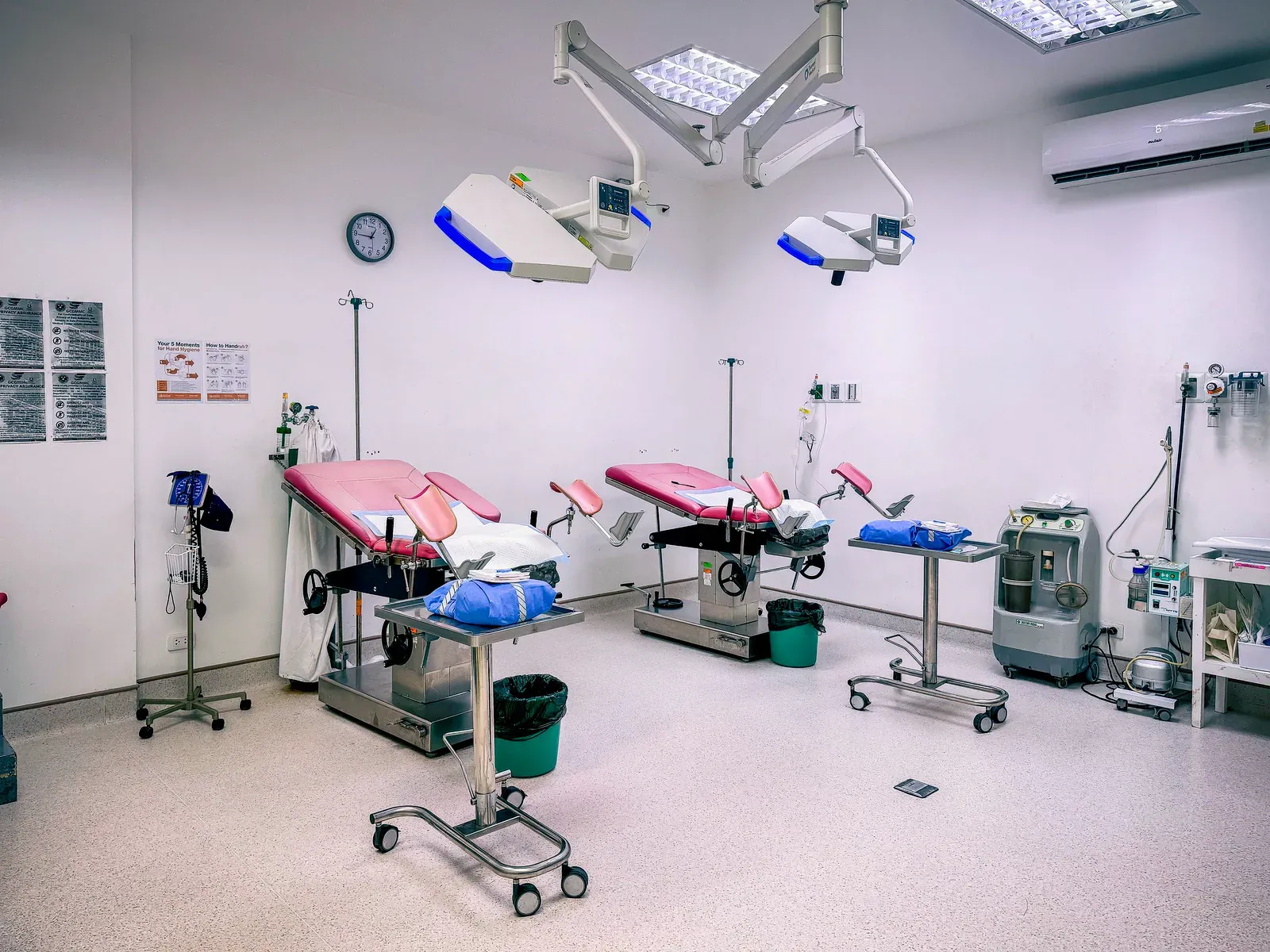
Residency programmes at the faculty include anaesthesiology, emergency medicine, family medicine, plastic surgery and neurosurgery, among others. For a patient, that is a sign of a broad hospital rather than a promise about any particular treatment, so ask the department about your specific condition.
Should you use Vajira in an emergency?
The emergency department serves the four districts around the hospital and reopened quickly after the 2025 collapse. Beyond that, the emergency plan matters more than the hospital choice: know which number to call and where the nearest emergency department is. See what to do in a medical emergency in Bangkok.
What does it cost?
Public hospitals cost significantly less than private ones, but fees depend on the clinic, tests and procedures. Call the department or the hospital’s service desk before you go and ask for a written estimate that states what is included (consultation, tests, imaging, procedures, medication, room) and what is billed separately. Keep a copy, and ask how an unexpected extra night or complication would be billed. Give the hospital your insurer’s name before arrival so billing is clear.
How does it compare with other public university hospitals?
Bangkok has several large public university hospitals. Compare Vajira with Chulalongkorn Hospital for foreigners, the Siriraj Hospital guide for foreigners and the Ramathibodi Hospital guide, then choose by location, the department you need and the language support you can confirm.
A short checklist before you go
- Decide whether a high-volume public teaching hospital suits you or whether a private hospital fits better (see choosing a hospital).
- Confirm the clinic, the appointment process and interpreter support with the hospital.
- Ask for a written fee estimate, and ask your insurer about direct billing.
- Bring your passport, insurance documents and medical records with an English summary.
- Plan the route by river, rail or road and allow time for waits.
- Samsen Road was reported closed in September 2025; check current access to Samsen Road and Sangkhalok Road before you travel.
Last verified: 9 October 2026, from Wikipedia entries for Vajira Hospital, the Faculty of Medicine Vajira Hospital and Dusit District, MRTA’s Purple Line page, Nation Thailand, Thai PBS World and Pattaya Mail (September 2025 reports), a Kaohoon International report (July 2026), a Bangkok Health Service guide and medical-travel listings. Verify hours, numbers and rules with the hospital before acting.
Written by
Mike Brochlowski
Founder and editor, travel photographer and designer
I'm Mike Brochlowski, a travel photographer and designer, and I currently live on Koh Samui, Thailand. I built BangkokWiki to put practical, checked information about Bangkok in one place. Every page is researched from official and primary sources, and the text names them. Where a page shows a checked date, that is when its facts were last confirmed. I also run samui69.com, a non-commercial guide to Koh Samui. If you spot an error or something out of date, tell me through the contact page and I will check it and correct the page.
Read all articles
Medical stays
Planning treatment in Bangkok?
See dated price ranges for common procedures, what each package includes and how to choose a hospital or clinic. Prices are indicative only, and nothing here replaces advice from a clinician.

Places to stay
Find a hotel
Explore the other desks
More from Health
- 11 min read
 9 min read
Bangkok Hospital Network: BDMS Branches Compared
 9 min read
Weight Loss Surgery in Bangkok: Eligibility Before the Price

Newsletter
You're subscribed as