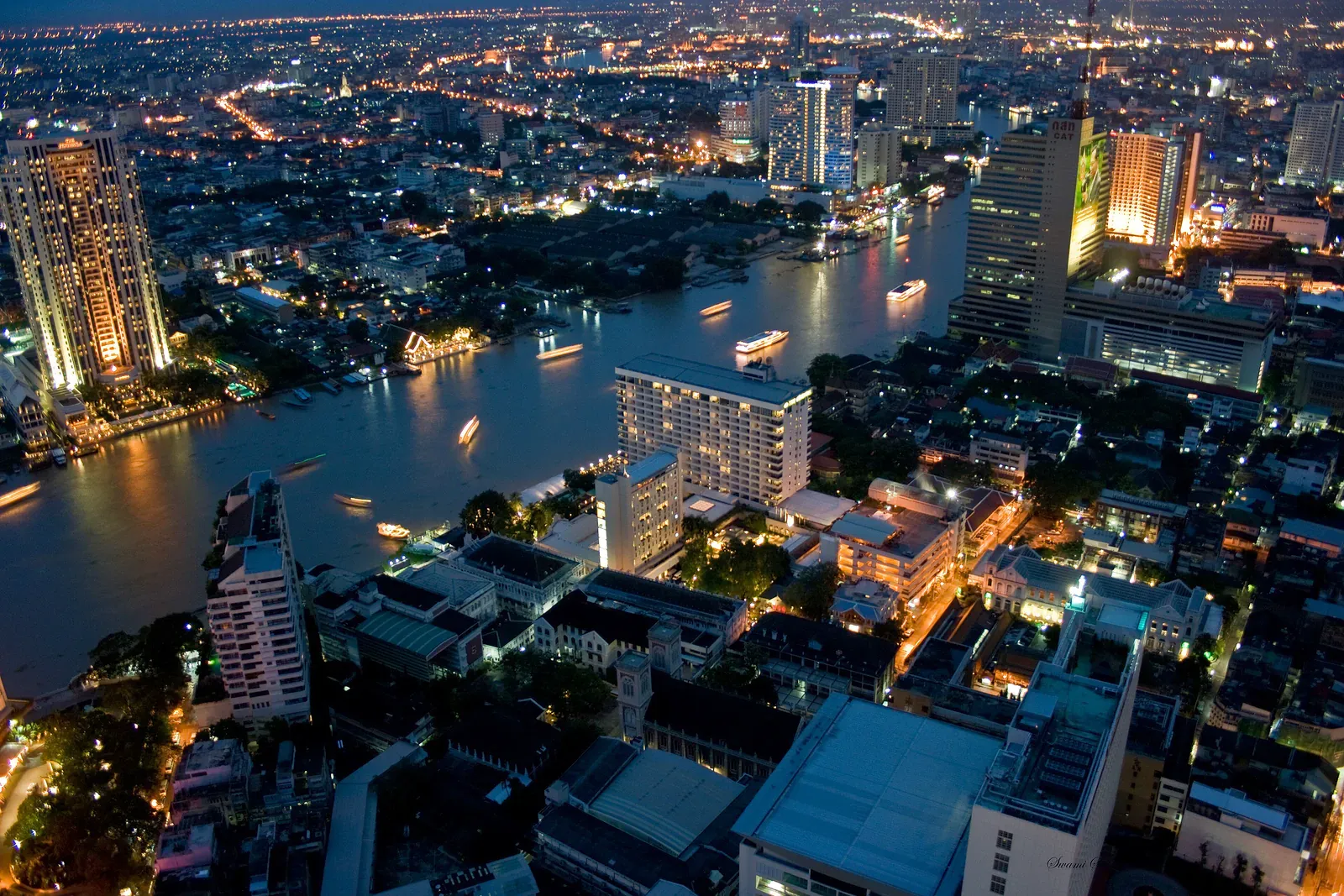
Living
Ari Bangkok Area Guide: Where It Sits and Who It Suits
A deep dive on Ari and the Phahonyothin stretch around it: rail position, housing mix, café culture, noise, and how it compares to Thong Lo and On Nut.
On this page
Ari is the low-rise, café-driven neighbourhood on the BTS Sukhumvit line’s northern arm that shows up on almost every nomad shortlist for Bangkok, and it earns the reputation: quiet residential sois, an unusually dense concentration of independent coffee shops, and a noticeably calmer pace than Sukhumvit proper, all still on the rail network. It is not the cheapest option on the line and it is not central for a Sathorn or Silom commute, but for the right routine it is hard to beat.
This guide covers Ari itself and the wider Phahonyothin stretch around it: Sanam Pao and Saphan Khwai stations sit either side and share much of the same character. For how Ari fits into the citywide picture, see Where to Live in Bangkok; for the two districts it’s most often compared against directly, see Sukhumvit vs Sathorn.
Why Ari feels different
Most of Bangkok’s popular expat areas grew up around a main commercial road (Sukhumvit, Sathorn) with density pushing outward from it. Ari grew differently: it’s a residential district of government officials and long-established Thai families, with low-rise houses and older apartment blocks on quiet, tree-shaded sois running off Phahonyothin Road. The café and restaurant scene arrived inside that existing residential fabric rather than replacing it, which is why Ari still feels like a neighbourhood rather than a strip.
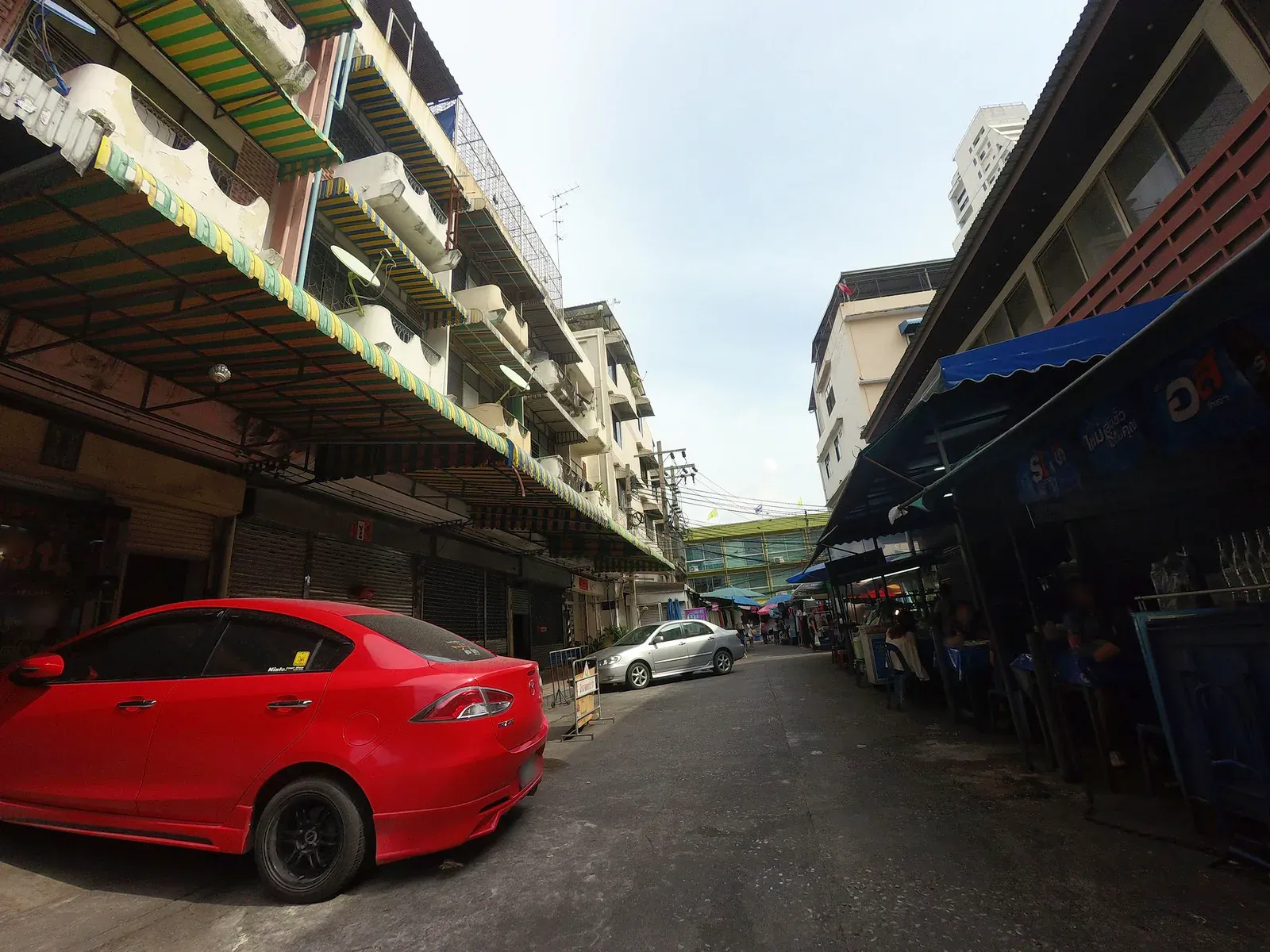
That residential base also means fewer high-rise towers overall than Sukhumvit or Rama 9, a genuinely quieter night-time atmosphere away from Phahonyothin itself, and a slower, more local daytime pace. It suits people who want to feel like they live somewhere rather than live near something.
Rail position and what it means for your commute
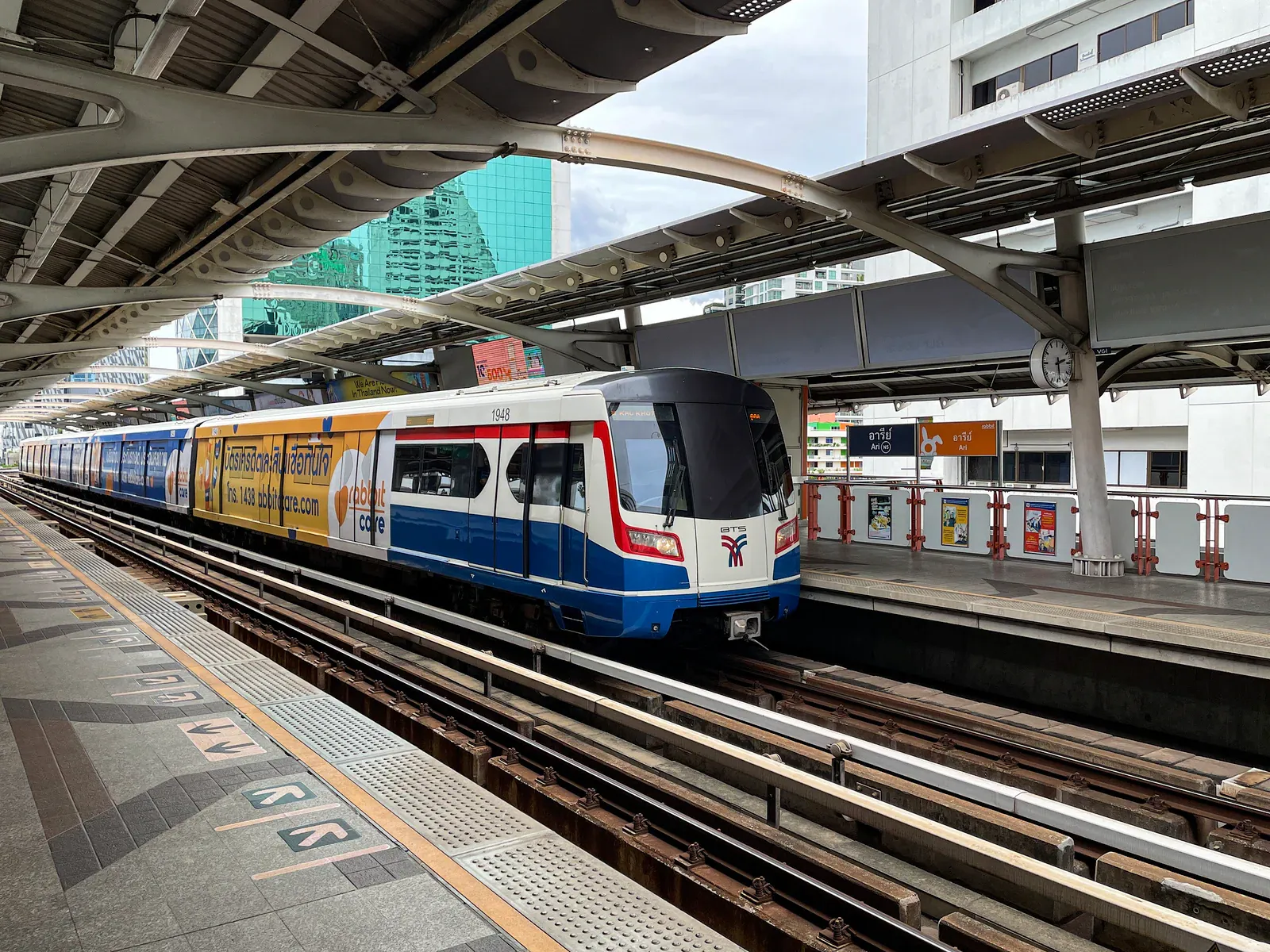
Ari sits on the BTS Sukhumvit line’s northern arm, between Saphan Khwai and Sanam Pao, several stops north of the line’s dense southern core (Asok, Phrom Phong, Thong Lo). That position is Ari’s central trade-off. Trips north toward Mo Chit and Chatuchak are quick: a couple of stops. Trips south into central Sukhumvit take longer, and a commute into the Sathorn or Silom CBD means riding the full length of the Sukhumvit line to Siam and changing, which adds real time compared with living closer to that interchange.
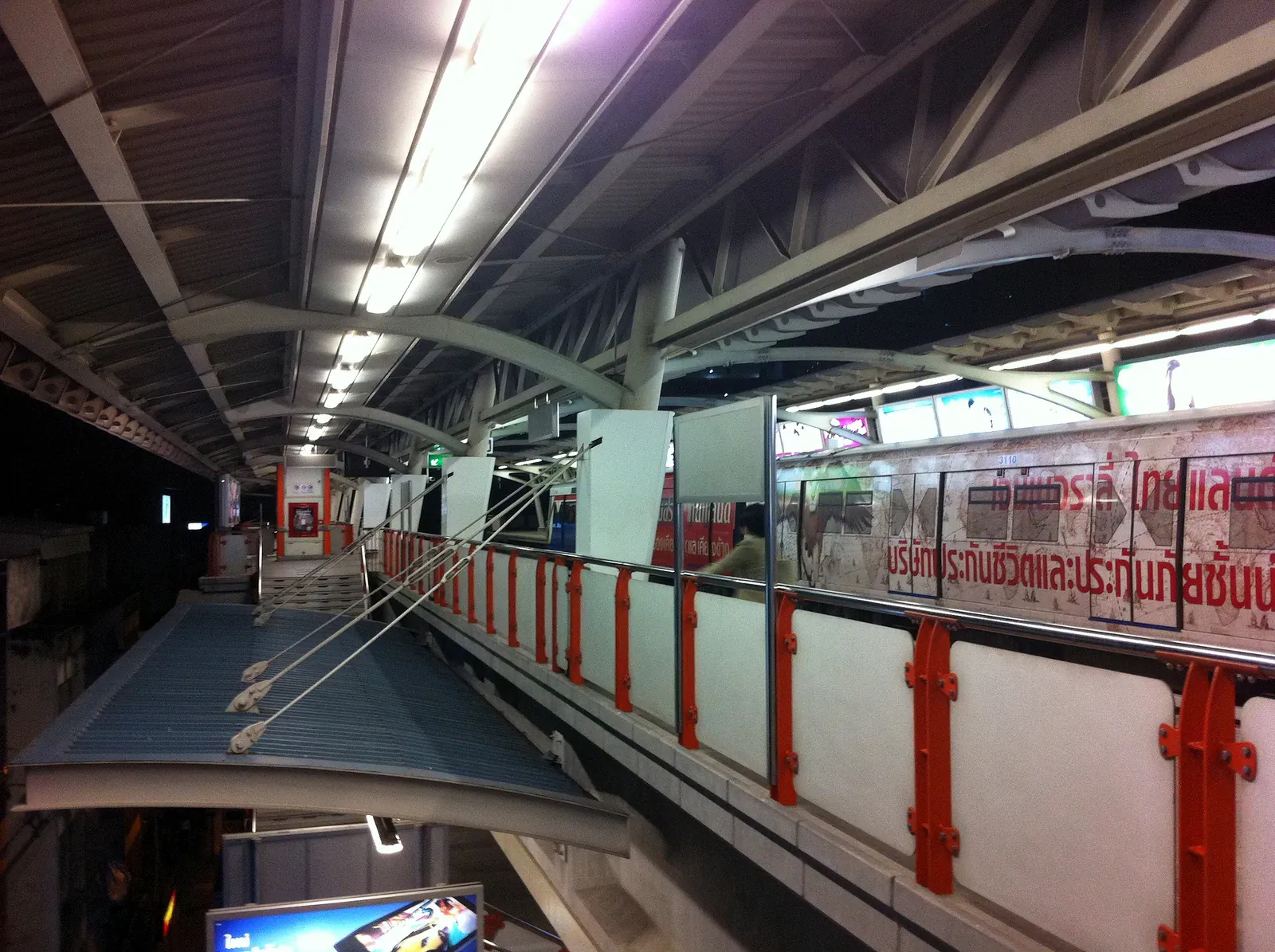
In practical terms: budget something in the region of 30-45 minutes door to door for a Sathorn or Silom office day from Ari, depending on where in the soi you live and how the interchange at Siam is running, against something closer to 15-25 minutes from lower Sukhumvit. For anyone not commuting daily to that specific corridor, most remote workers, many retirees, most founders running a local business, the difference barely registers, since Ari’s own immediate area covers most daily needs without a train ride at all.
Housing mix
Ari’s housing stock splits fairly cleanly into three bands. Older low-rise apartment blocks, often three to eight storeys with no lift or a slow one, offer the largest floor plans for the price and the most old-neighbourhood character, but dated fittings and plumbing. A middle band of low-to-mid-rise developments from the 2000s and 2010s adds lifts, small gyms and better security at a step up in price. A newer wave of higher-rise condo towers, mostly built in the past several years as the area’s popularity grew, brings modern amenities, co-working rooms and pool decks, priced at a premium over the older stock and generally a tier below the newest towers in lower Sukhumvit or Thong Lo.
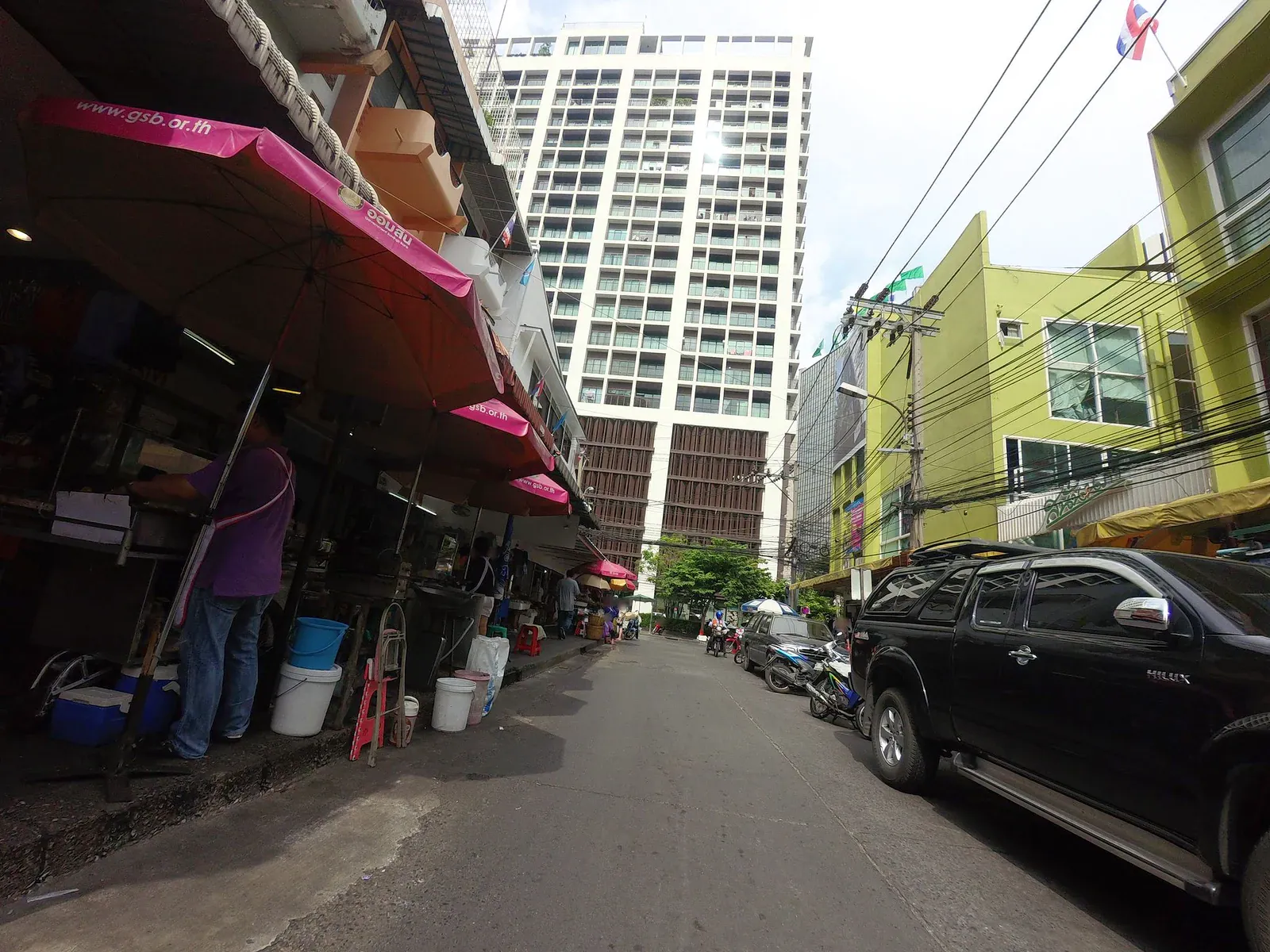
Detached houses and townhouses also exist on some of Ari’s residential sois, mostly long-held by Thai families rather than on the open rental market, though a few do turn up through local agents. Whatever the building, check the soi’s flood history directly: Ari’s low-rise character means older buildings without raised ground floors are more exposed in a heavy downpour than a newer tower with a podium car park.
Groceries, markets, parks, gyms
Ari covers daily essentials well within a short walk or a quick motorcycle-taxi hop: a full-size supermarket, several smaller grocery options, a produce market on the local streets, and a wide spread of pharmacies. Independent cafés do double duty as informal coworking spots for much of the day, and a handful of dedicated coworking spaces have opened as the area’s remote-worker population has grown.
Green space is modest rather than abundant (nothing on the scale of Lumphini or Benjakitti) but small parks and the wide, tree-lined nature of many residential sois make walking pleasant compared with denser parts of the city. Gyms range from small boutique studios common in a café-heavy district to larger chain options a short ride away toward Mo Chit or Chatuchak.
Ari’s café culture in context
The density of independent, design-conscious cafés is the single most-cited reason Ari appears on nomad shortlists, and it’s worth understanding why it happened here rather than elsewhere. The area’s low rents relative to Sukhumvit through the 2010s, combined with its stock of old shophouses and residential buildings suited to small renovation projects, made it an attractive spot for independent operators who couldn’t afford a lower-Sukhumvit storefront. That first wave of cafés drew a following, which drew more cafés, and the area’s reputation compounded from there: the same pattern that shaped Thong Lo a decade earlier, before Thong Lo’s rents moved beyond what a small independent operator could sustain.
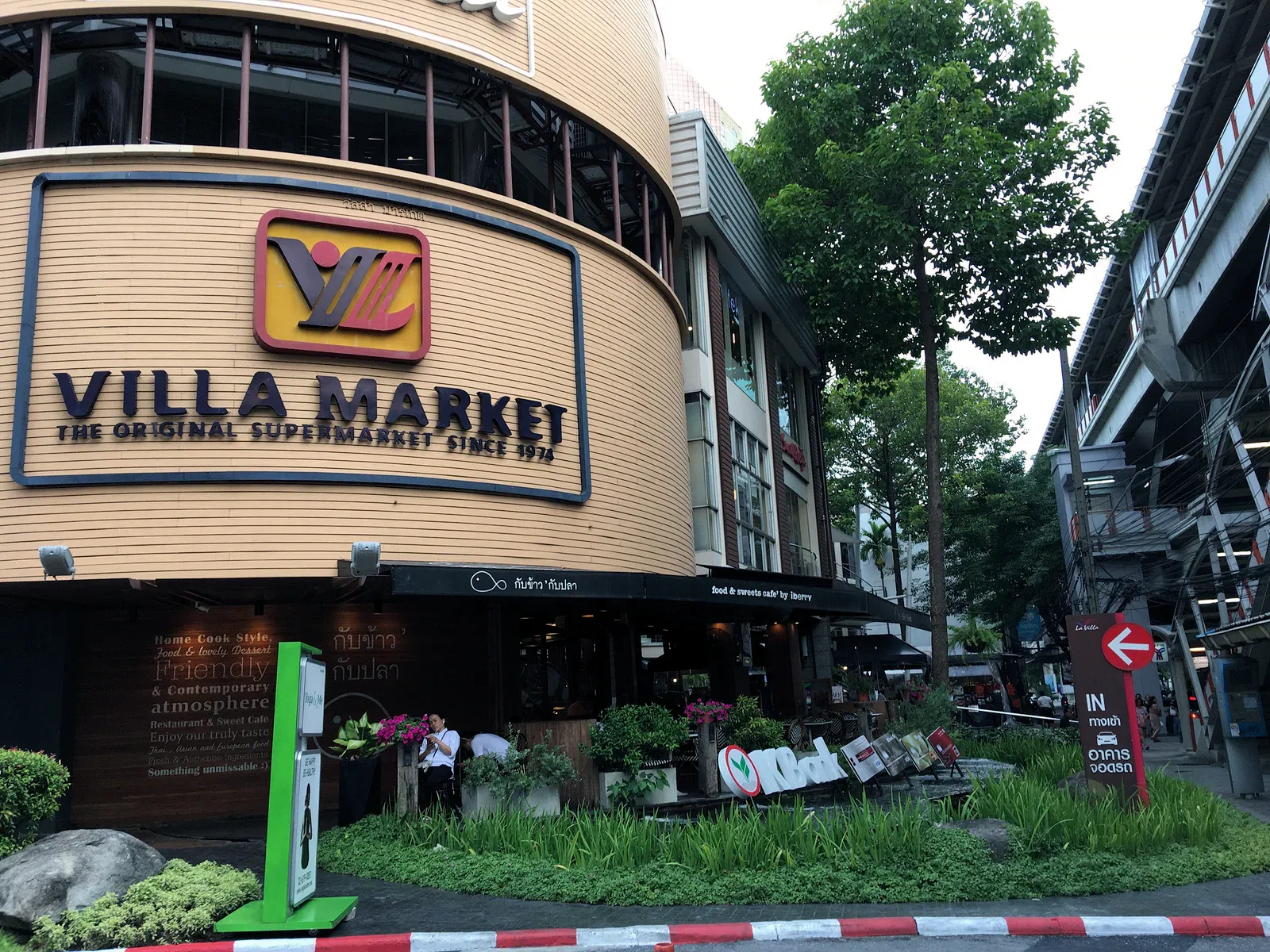
The practical result for a remote worker is a genuine choice of venues rather than one or two well-known spots: quiet corner cafés good for a full working morning, larger spaces better suited to meetings, and a rotating crop of newer openings as older ones mature into full restaurants or close. Wifi reliability varies by venue as everywhere in the city; a venue’s popularity with other laptop users is usually a decent proxy for it being set up for that use, but it’s worth testing a connection before committing to a full working day at any specific spot.
Weekend life
Weekends in Ari run on a slower rhythm than Sukhumvit: brunch at one of the area’s well-known independent cafés, a walk through the residential sois, a trip to Chatuchak Weekend Market a couple of stops north for anyone who wants the city’s biggest market experience without a long ride. The area’s restaurant scene leans toward casual, design-conscious, Thai-owned spots rather than the international chain and nightlife density of lower Sukhumvit: there is a genuine bar scene, but it’s smaller and quieter, not a destination in the way Thong Lo or Ekkamai’s nightlife strips are.
Getting around once you’re there
Ari’s own footprint is walkable, but the residential sois radiating off Phahonyothin are not laid out on a tight grid, and some run considerably further back from the main road than a first glance suggests. Motorcycle taxis are the default way to cover that last stretch quickly, queuing at recognised spots near the BTS station exits, and they’re the practical answer for a hot afternoon or a delivery-laden trip home from the market rather than a 15-minute walk. Ride-hailing apps cover Ari as well as anywhere else in the city, though pickup points on the narrower sois can be fiddly to communicate, and a short walk to a recognisable corner on Phahonyothin often beats waiting for a driver to find a specific gate.
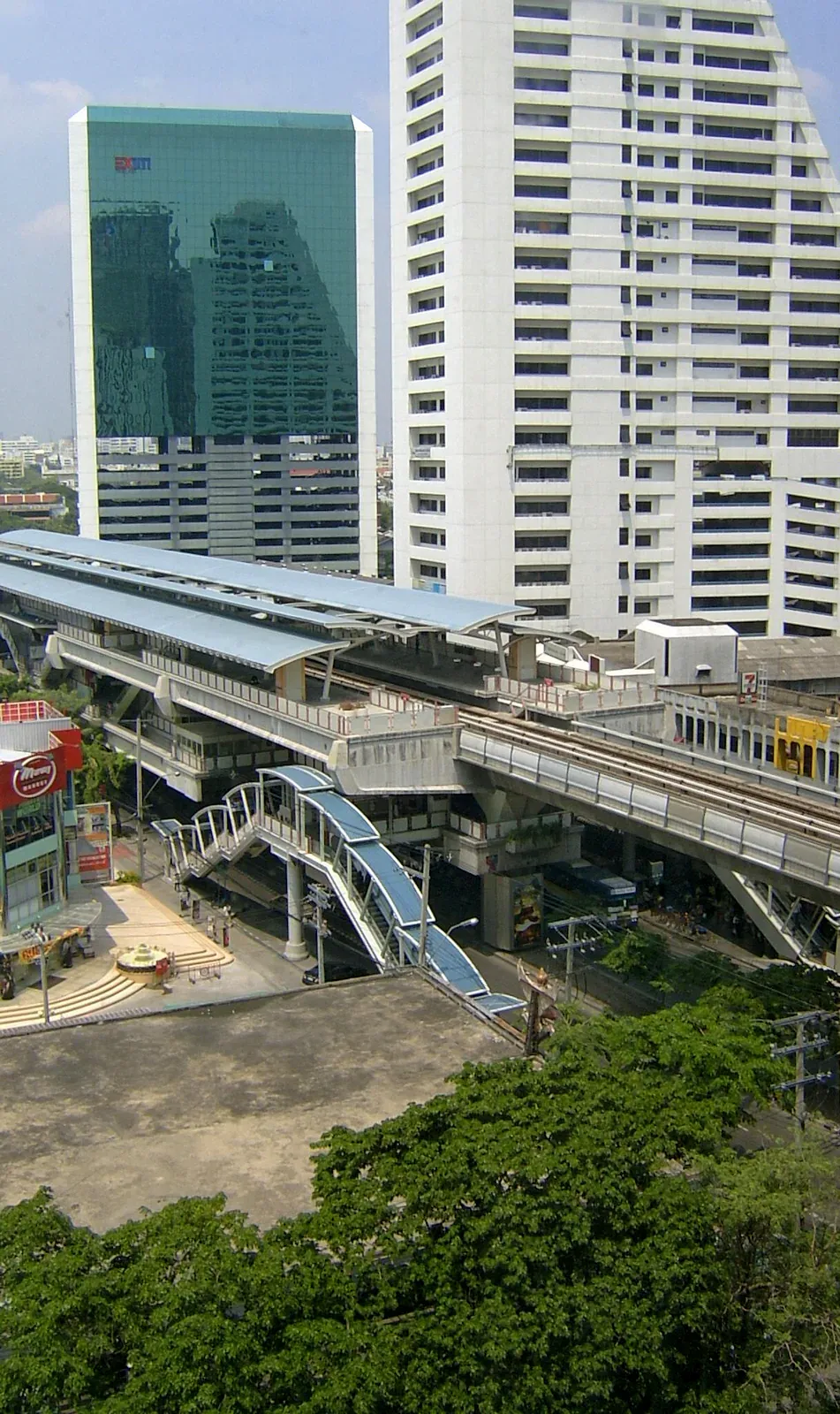
A car is useful but not necessary for most residents. Parking within older apartment blocks can be limited or an added monthly cost, and Phahonyothin’s traffic during rush hour erases much of the time advantage a car offers over the BTS for any trip that starts or ends near a station. Most long-term residents who don’t need a car for work or family logistics elsewhere in the city end up relying on the BTS plus motorcycle taxis for the vast majority of trips.
Noise and construction reality
Ari’s popularity has brought steady construction: new condo towers and renovated shophouses turning into cafés and restaurants are a near-constant feature somewhere in the area, and a quiet soi today is not guaranteed to stay that way. Phahonyothin Road itself carries heavy traffic and the associated noise for units facing it directly; step onto the residential sois and it drops off quickly. As with anywhere in the city, ask current residents on the specific soi about ongoing or planned construction nearby rather than assuming based on the area’s overall reputation for calm.
Who it does not suit
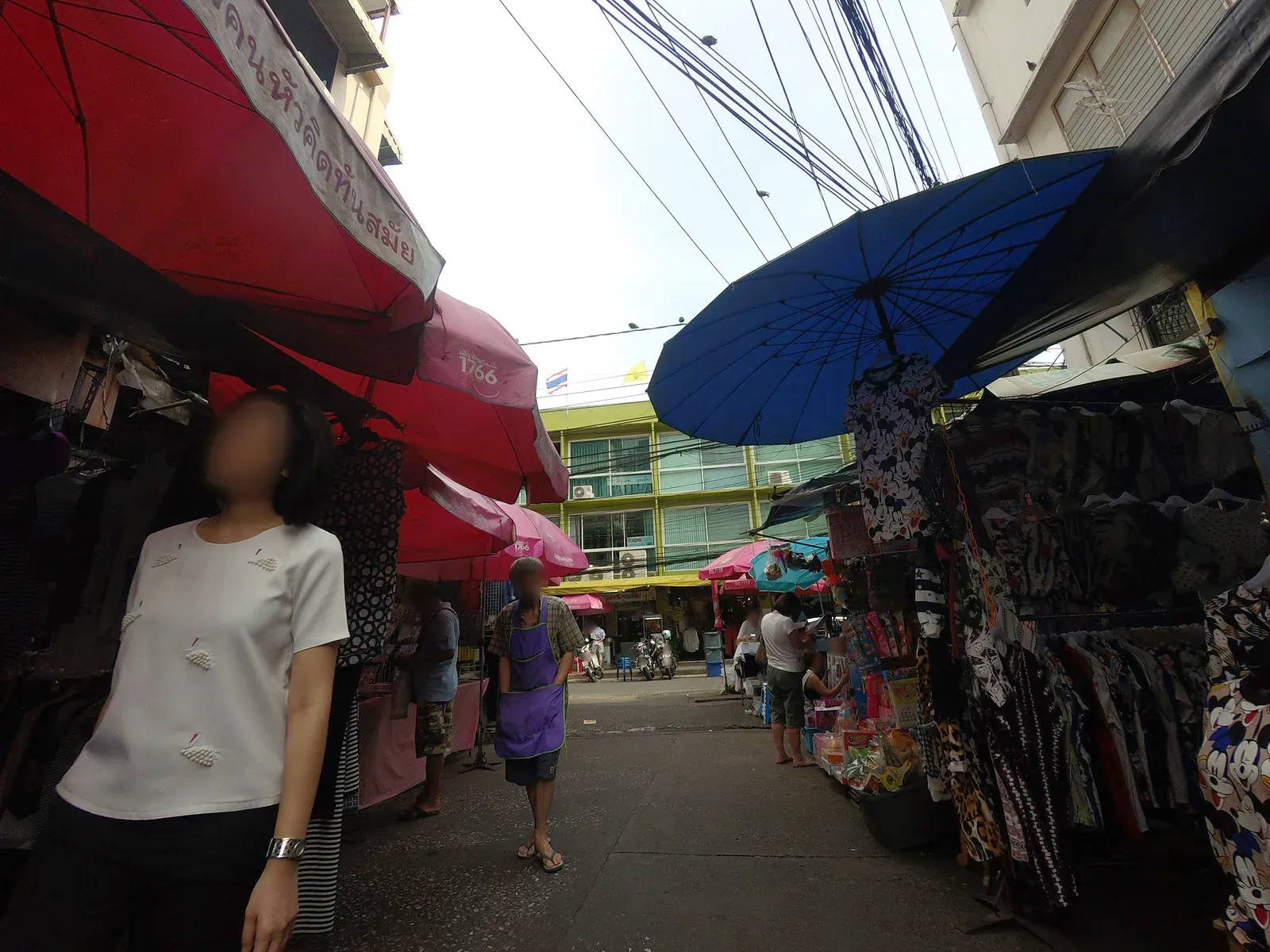
Ari is a poor fit for anyone whose work requires daily presence in the Sathorn or Silom CBD: the commute, while workable, is a real daily cost that erodes much of the area’s appeal. It’s also not the choice for anyone who wants lower-Sukhumvit’s restaurant and nightlife density on their own doorstep; Ari’s food scene is good but smaller in scale. Families anchored to the international schools clustered toward Bangna-Trad will find Ari an awkward, longer commute in the wrong direction. And anyone who wants brand-new, amenity-heavy tower living exclusively will find the choice narrower here than in Rama 9 or parts of upper Sukhumvit, though that gap has narrowed as new towers have arrived.
Ari vs Thong Lo and On Nut for the same money
Against Thong Lo, Ari is generally the more affordable option for a comparable unit size and building age, trading Thong Lo’s denser nightlife and restaurant scene and more central position for a calmer, more local, lower-rise neighbourhood feel and a longer ride to the Sathorn/Silom CBD. Against On Nut, the comparison is closer to a wash on price for similar building stock, but the character differs sharply: On Nut is grittier, more transient and more budget-nomad-oriented with its large wet market and 24-hour supermarket anchor, while Ari leans toward café culture, an established residential base and a marginally more polished streetscape. Commute-wise, On Nut sits further from the CBD than Ari in the opposite direction along the same line, so neither has a clear edge there: both require a full run of the Sukhumvit line plus a change at Siam for a Sathorn or Silom office day.
A day in the area
A weekday morning in Ari typically starts with a short walk to one of the area’s independent cafés, many of which open early enough for a working breakfast and stay busy with laptop users through the late morning, genuinely useful if remote work with reliable wifi and decent coffee is part of your routine, rather than an occasional treat. Lunch options range from simple noodle and rice shops on the residential sois to more design-forward cafés and restaurants near the BTS station, priced a notch above a typical local eatery but well below lower Sukhumvit’s restaurant scene.
Afternoons often mean a walk through the quieter residential sois away from Phahonyothin, where the tree cover and lower building height make the heat more bearable than on a shadeless main road, or a short BTS ride north to Chatuchak for market browsing or a gym session in that area’s larger fitness options. Early evening brings the area’s restaurant scene into its own: casual Thai food, a handful of well-regarded bars, none of it loud or crowded by lower-Sukhumvit standards. By around nine or ten in the evening, most of the residential sois are quiet; Ari is not a late-night destination, and residents who want that generally take the BTS south for it rather than expecting to find it on their own doorstep.
Common questions
Is Ari good for digital nomads?
Yes, and it’s one of the most commonly recommended areas for exactly that reason: a genuine café culture with reliable wifi, a calmer pace than Sukhumvit, direct BTS access, and rents generally below the lower-Sukhumvit core for comparable space. The main trade-off is a longer ride to Sathorn or Silom on the days that requires an in-person office visit.
How far is Ari from Sukhumvit’s main nightlife strip?
Several BTS stops south to reach Thong Lo or Ekkamai, realistically a 20-30 minute ride depending on the exact station and time of day. It’s a manageable trip for an evening out, not a walkable one.
Is Ari expensive compared to the rest of Bangkok?
It sits in the middle of the city’s price range: above budget-friendly outer areas like Lat Phrao, generally below the lower-Sukhumvit and Sathorn/Silom core, and roughly comparable to or a shade below Thong Lo depending on building age. Check current listings for the specific soi and building, since the spread between older low-rise stock and new towers is wide.
What is Sanam Pao or Saphan Khwai like compared to Ari itself?
Both share Ari’s low-rise, residential character and sit one BTS stop to either side of it, generally a notch cheaper with a slightly less developed café scene since the area’s popularity has concentrated most heavily around Ari station itself. They’re reasonable alternatives for anyone who wants Ari’s feel at a small discount.
Does Ari have good hospital access?
Ari itself is primarily residential rather than a medical hub, but it sits within a reasonable BTS or taxi ride of several hospitals used by foreigners further along the line or via a short cross-town trip. It is not as immediately hospital-adjacent as parts of Sathorn, so anyone prioritising minimal-distance medical access should compare directly against Sukhumvit vs Sathorn.
Is Ari suitable for families with children?
It can work for families who don’t need proximity to the main international-school cluster toward Bangna-Trad, given its calm residential streets and reasonable green space, but the school commute from Ari to that belt is long. Families anchored to a specific school should check that commute in stops and minutes before committing, as covered in Where to Live in Bangkok.
Written by
Mike Brochlowski
Founder and editor, travel photographer and designer
I'm Mike Brochlowski, a travel photographer and designer, and I currently live on Koh Samui, Thailand. I built BangkokWiki to put practical, checked information about Bangkok in one place. Every page is researched from official and primary sources, and the text names them. Where a page shows a checked date, that is when its facts were last confirmed. I also run samui69.com, a non-commercial guide to Koh Samui. If you spot an error or something out of date, tell me through the contact page and I will check it and correct the page.
Read all articles
Visas and paperwork
Staying in Thailand longer?
Visas, extensions, documents and banking for longer stays. Rules and fees change often and offices apply them differently, so check the official source before you act.

Places to stay
Find a hotel
Explore the other desks
More from Living
- 12 min read
 9 min read
Bangkok's Expat Enclaves: How Nationality Shaped Its Areas
 5 min read
Silom Bangkok Area Guide: Business District After Hours

Newsletter
You're subscribed as