Living
Studio vs 1-Bed vs 2-Bed in Bangkok: Which Saves More
Bangkok studio, 1-bed, and 2-bed rent and price-per-sqm compared, so solo renters, couples, and roommate pairs pick the size that actually saves money.
On this page
The cheapest unit on the listing page is rarely the cheapest unit per square metre. Bangkok studios carry the highest price per square metre of the three common sizes, one-beds sit in the middle, and two-beds are usually the best value per square metre, even though they cost the most in total each month. Which one actually saves you money depends less on the sticker price and more on who is moving in.
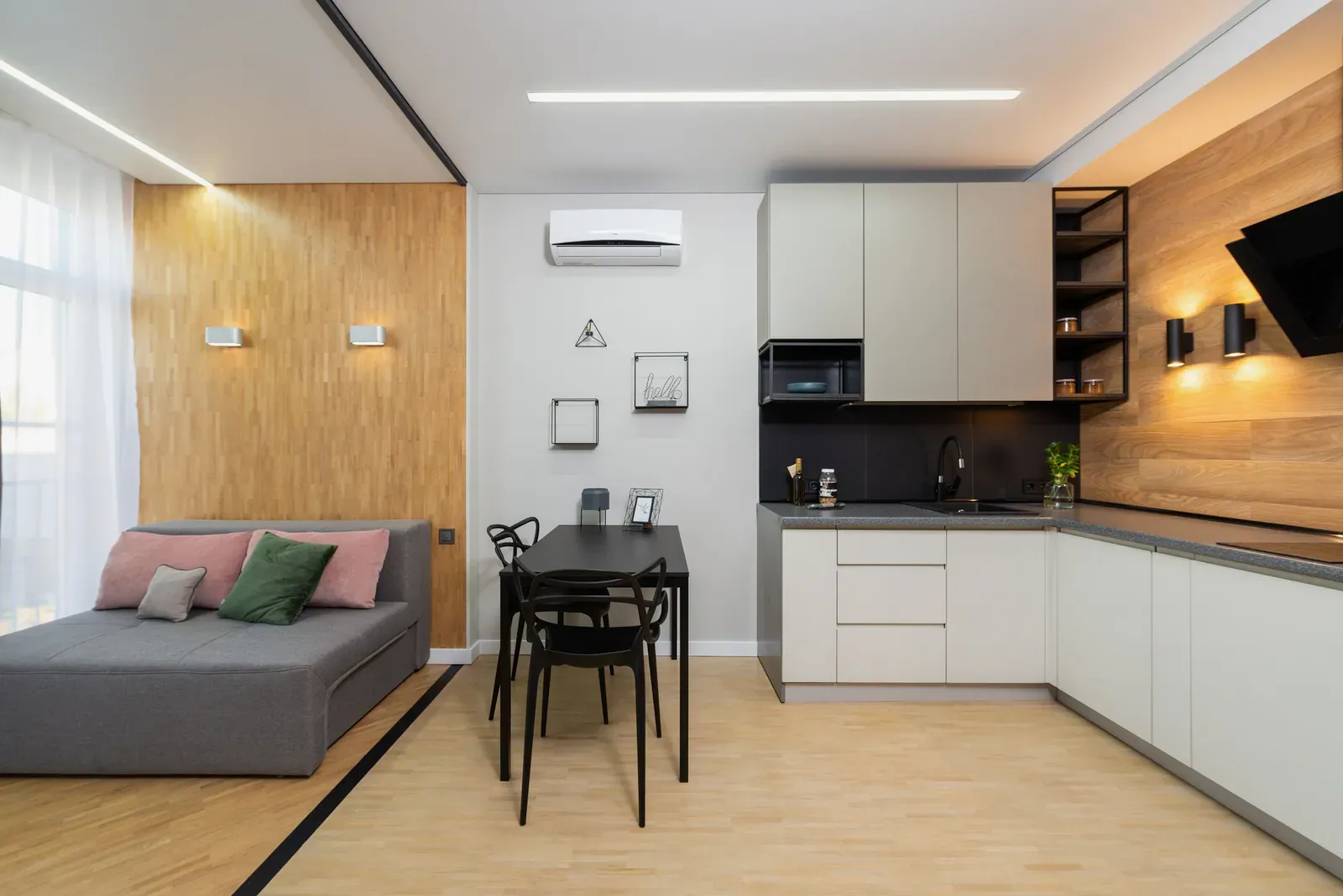
How big is a Bangkok studio, 1-bed, and 2-bed, really?
Bangkok units run smaller than the same labels would suggest in most Western cities. Property portals put a typical studio at 25 to 35 square metres, a one-bedroom at 30 to 50 square metres (mid-market units cluster toward the lower half of that), and a two-bedroom at 60 to 90-plus square metres, with three-bedroom units, rarer and mostly in higher-end developments, starting around 90 to 120 square metres. A 35-sqm studio is entirely normal here, not a compromise listing.
The price per square metre: why smaller costs more
Bangkok-wide asking rents run roughly 400 to 1,200 THB per square metre per month, based on 2026 listings aggregated by property portals including Superagent, Bamboo Routes, and PropertySights, checked September 2026. Applying the midpoint of each unit type’s sourced size and rent ranges gives a rough price per square metre by type, an editorial calculation rather than a published index:
| Unit type | Typical size | Typical monthly rent (2026) | Approx. price per sqm |
|---|---|---|---|
| Studio | 25-35 sqm | ฿12,000-36,000 (~$340-1,030) | ~฿800/sqm |
| 1-bedroom | 30-50 sqm | ฿16,000-40,000 (~$460-1,145) | ~฿700/sqm |
| 2-bedroom | 60-90 sqm | ฿40,000-60,000+ (~$1,145-1,715+) | ~฿670/sqm |
The pattern holds across most Bangkok real estate: a small unit still needs a full bathroom, a kitchen corner, and its share of the building’s lobby, lifts, and pool, so those fixed costs get spread over fewer square metres. A bigger unit spreads the same fixed costs over more floor area, which is why the per-square-metre price edges down as size goes up.
What monthly rent actually looks like, by size
Total monthly rent still rises with size, even as the per-square-metre rate falls. Here’s the average of each type’s sourced 2026 range:
- Studio
- ~24,000 THB (~$685)
- 1-bedroom
- ~28,000 THB (~$800)
- 2-bedroom
- ~50,000 THB (~$1,430)
Source: Editorial midpoint of 2026 Bangkok rent-portal ranges (Superagent, Bamboo Routes, PropertySights), checked September 2026
That gap between studio and 1-bedroom, roughly 4,000 THB (~$115) a month on average, buys a genuinely separate bedroom, which matters more than it sounds once you’ve spent a few months working, sleeping, and eating in the same 28 square metres.
Splitting a 2-bed vs a studio alone: the real trade
Run the roommate math and the result surprises most people: splitting a 2-bedroom two ways lands at roughly 25,000 THB ($715) per person, using the averages above, which is close to the 24,000 THB ($685) a solo studio costs alone. Sharing a 2-bed isn’t meaningfully cheaper per person than living solo in a studio. What it buys instead is roughly 37 square metres of personal space per roommate rather than 30, plus a shared living room, and access to a building tier that a studio budget alone usually can’t reach, since 2-bed inventory skews toward newer, larger developments.
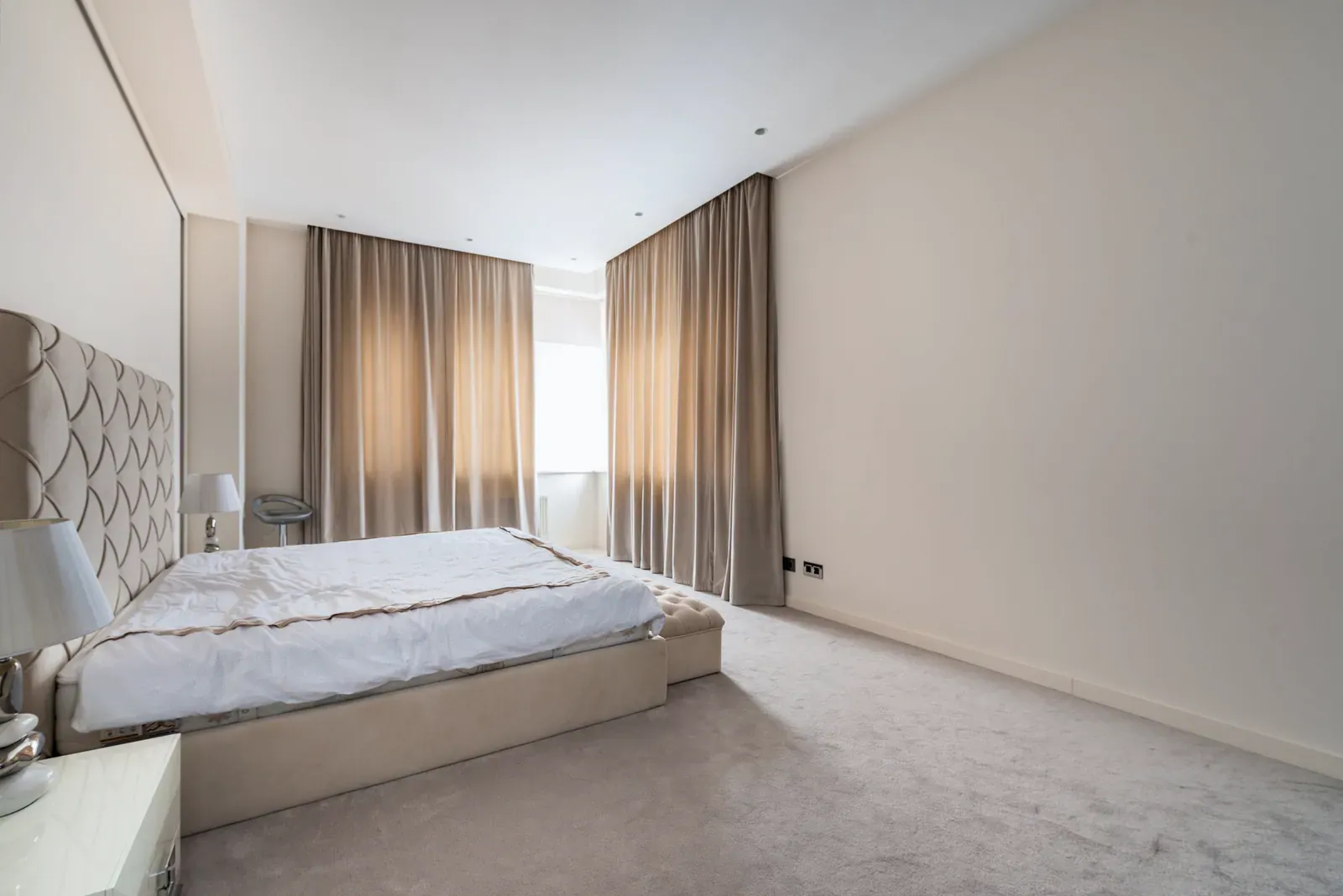
The honest reason roommate pairs choose a 2-bed over each renting a studio isn’t the monthly bill. It’s more room and a better building for close to the same money. If minimising cost is the only goal, two separate studios in a budget-tier building can still undercut a shared 2-bed; if comfort and space matter at a similar price, the shared 2-bed wins.
Who actually fits each size
Match the unit to the person, not just the budget. The scores below are editorial, based on typical Bangkok floor plans and how much daily friction each combination creates, not a survey of tenants:
- Studio, solo nomad or short stay
- 5 out of 5
- Studio, couple, long term workable for months, wears thin over a year
- 2 out of 5
- 1-bedroom, couple
- 4.5 out of 5
- 1-bedroom, roommate pair one bedroom and a living room to negotiate over
- 2.5 out of 5
- 2-bedroom, roommate pair
- 5 out of 5
- 2-bedroom, family with one child
- 4 out of 5
Editorial rating, 1 to 5, based on typical Bangkok floor plans.
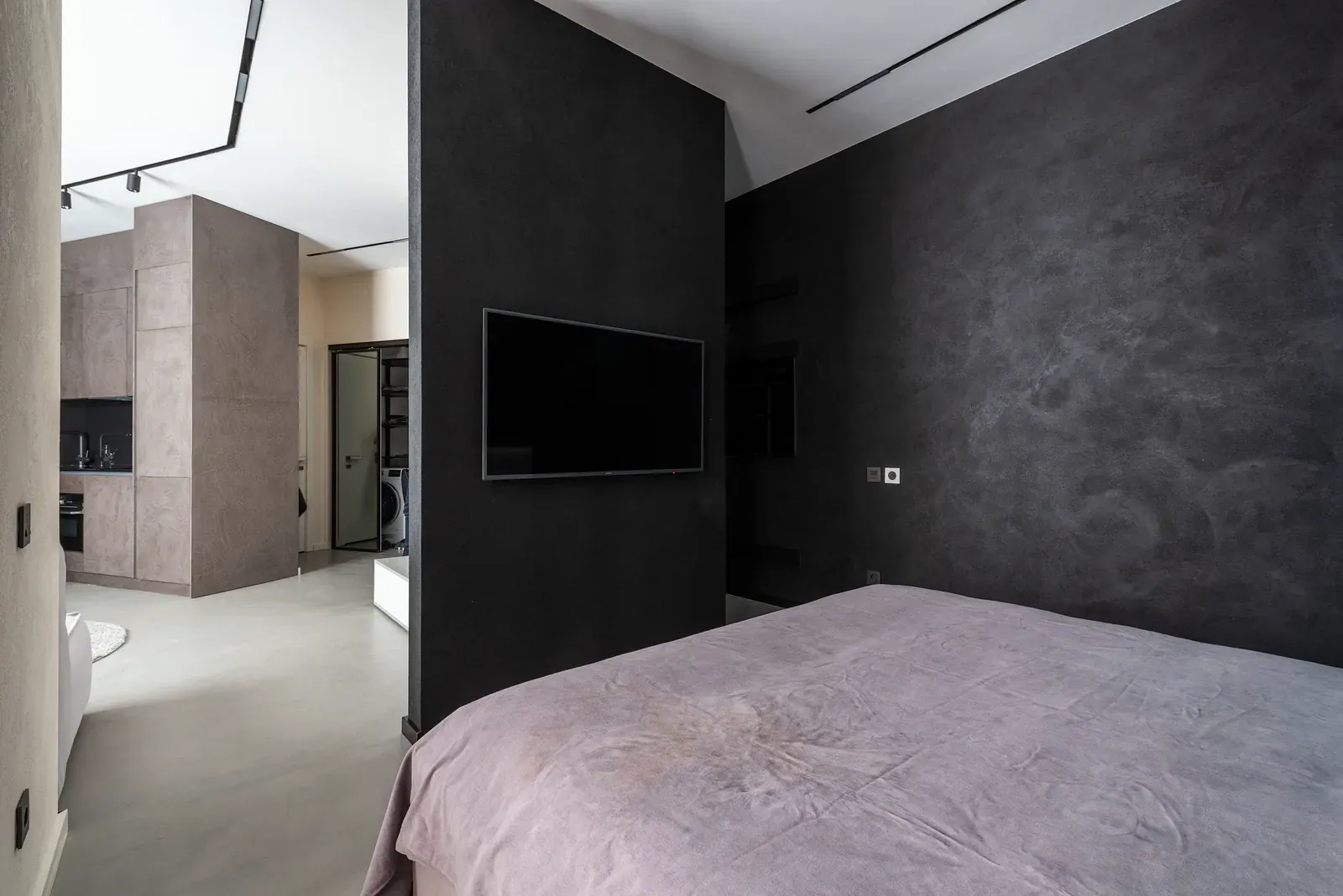
A solo renter, especially a shorter-stay nomad, is the clearest studio fit: minimal furniture to coordinate, lowest total monthly cost, and no shared-space negotiation. A couple planning to stay more than a few months is usually better off stretching to a 1-bedroom; a closed bedroom door matters when one person is on a work call and the other wants to sleep in. A roommate pair should target a 2-bedroom directly rather than squeezing into a 1-bedroom with a curtain or bookshelf as a divider, an arrangement that technically exists but tests most friendships within a few months. For where roommates and families weigh a 2-bed against a house or townhouse instead of another condo, those trade-offs are covered in condo vs house vs townhouse rent in Bangkok, and, specifically for families, in house vs condo rental for families in Bangkok.
Does the area change the math?
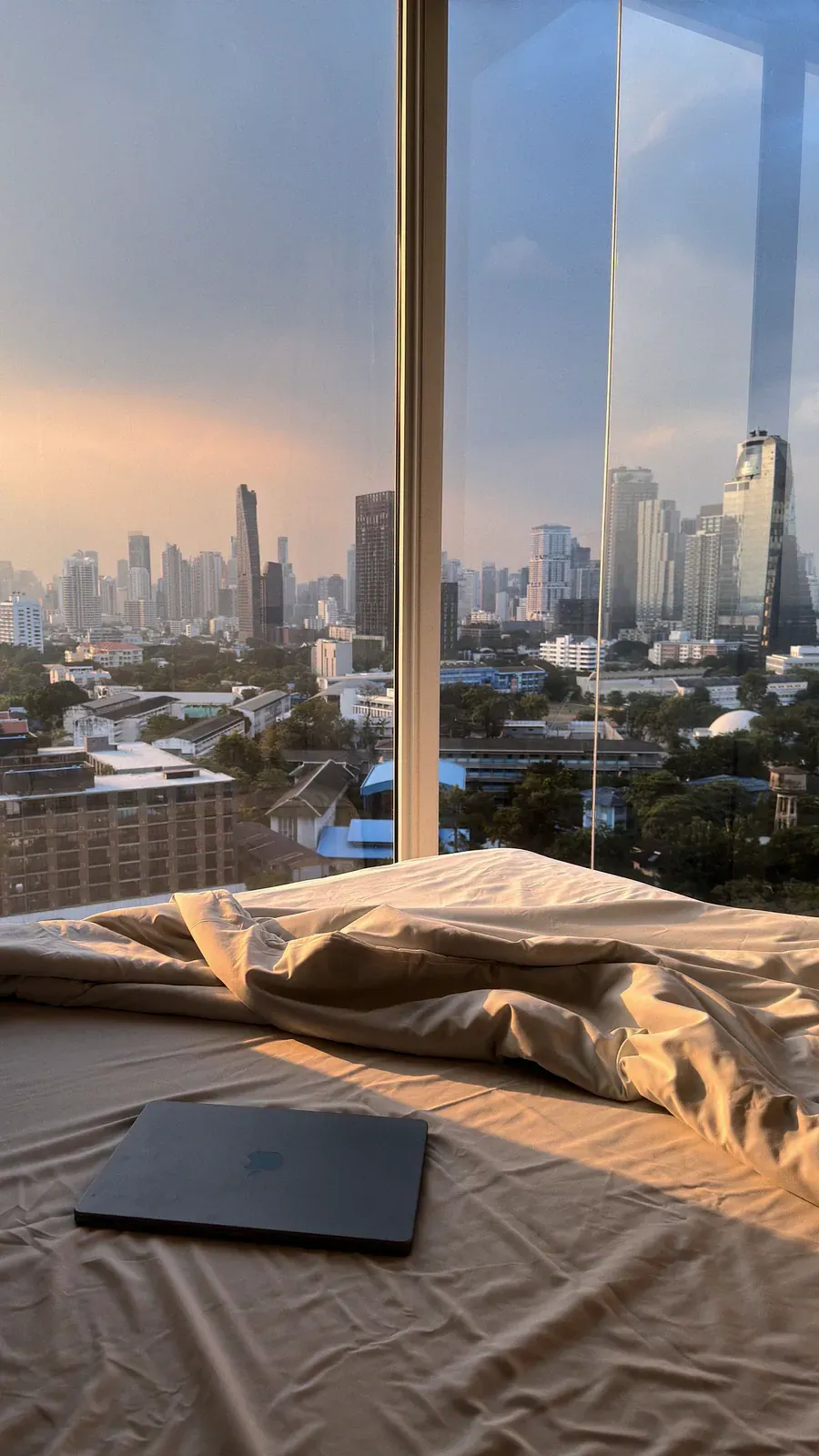
Yes, and it can matter more than the unit type itself. Premium BTS-corridor stations, Phrom Phong (BTS E5, Sukhumvit Line), Thong Lo (BTS E6, Sukhumvit Line), Asok (BTS E4, Sukhumvit Line), and Chidlom (BTS E1, Sukhumvit Line), sit at the top of every size bracket. Outer or newer-development stations, On Nut (BTS E9, Sukhumvit Line), Bang Na (BTS E13, Sukhumvit Line), and Rama 9 (MRT Blue Line), sit near the bottom, with entry-level rents for comparable floor area running noticeably lower. A 1-bedroom near On Nut can cost less than a studio near Chidlom for meaningfully more space, which is worth checking before assuming a smaller unit in a pricier area beats a bigger one further out. The building’s own age and facility level move the number too; that comparison is covered in old apartment vs new condo in Bangkok.
Non-price reasons to size up anyway
Budget isn’t the only variable worth weighing:
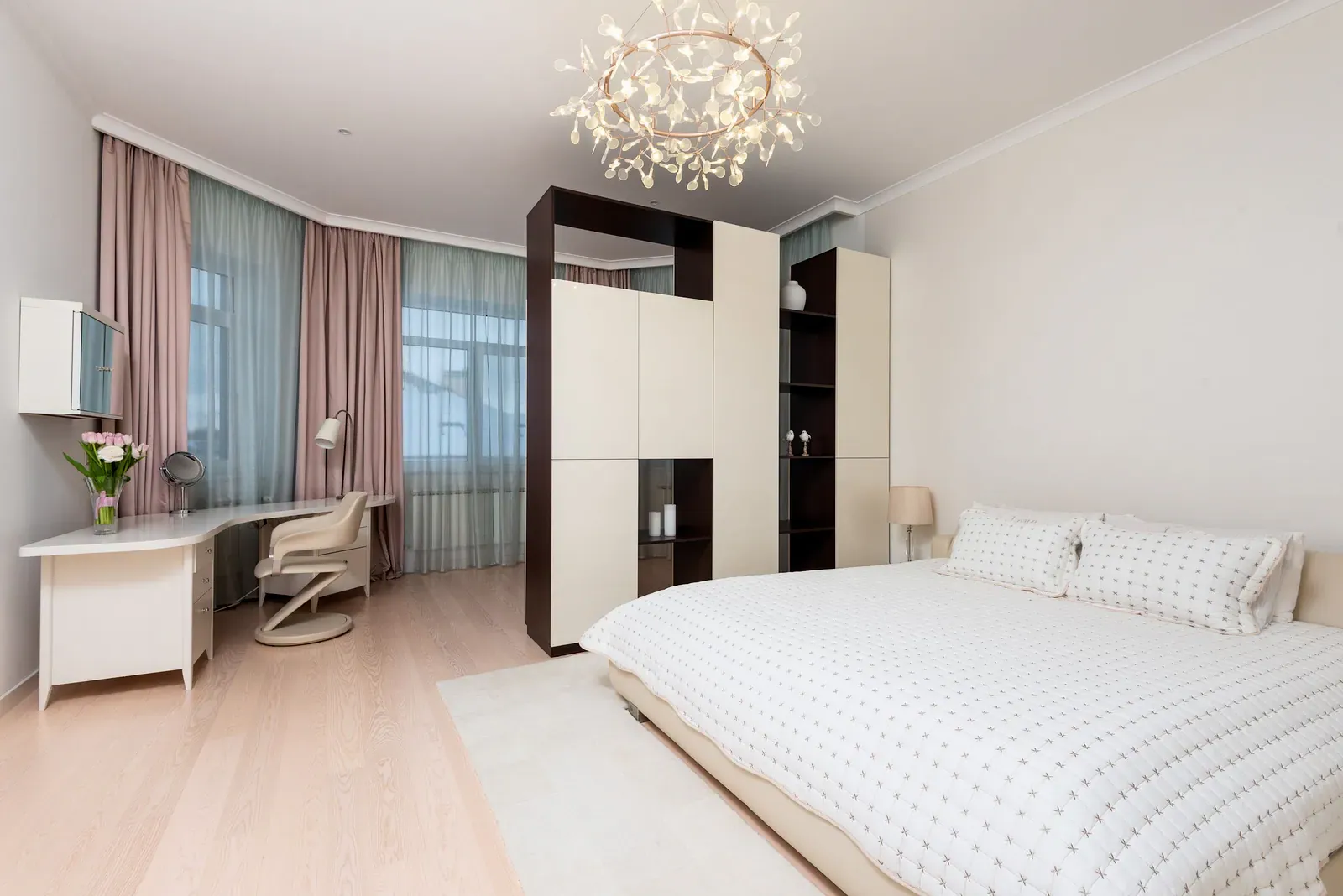
- Working from home full time. A studio puts your bed a few metres from your desk, which some people manage fine and others find impossible to switch off from. A 1-bedroom’s closed door helps more than the extra rent might suggest.
- Storage. Bangkok studios rarely include much beyond a single wardrobe. A longer stay accumulates more than that holds.
- Hosting guests overnight. A studio has nowhere for a guest to sleep that isn’t your own bed or the floor. A 1-bedroom’s sofa, if it has one, covers this; a 2-bedroom solves it outright.
- Furnishing choices. Going unfurnished to control your own setup is a realistic option at any size, but the maths behind it changes with unit size; see furnished vs unfurnished in Bangkok for the breakeven calculation.
- Resale of the “cheap” studio myth. A studio’s lower total rent is real, but measured per square metre it’s the most expensive size on this list. Size up if the extra space is worth roughly 15 to 20 percent more per square metre to you; stay small if it isn’t.
Common questions
Can I fit a small office desk into a Bangkok studio without it feeling cramped? Usually yes, if the studio is toward the upper end of the 25 to 35 square metre range and the layout puts the kitchenette along one wall rather than as a separate galley. Ask for the exact floor plan before viewing, not just the headline square metreage, since two studios listed at the same size can allocate the space very differently. A corner desk near the window, away from the bed, is the realistic best case; a studio rarely has room for a dedicated home office in the way a 1-bedroom’s second nook sometimes does.
Is a 2-bedroom always cheaper per square metre than a studio? Usually, based on the 2026 ranges above, but not guaranteed on any single listing. Always check the specific unit’s rent against its floor area rather than assuming the size-based pattern holds for every building.
Does a bigger unit mean a bigger common fee? Common fees are typically charged per square metre, so yes, a 2-bedroom’s monthly common fee runs higher in absolute terms than a studio’s, even though the underlying rate per square metre is usually similar across unit sizes in the same building.
Should a couple on a tight budget still get a 1-bedroom over a studio? If the stay is under about six months, a studio’s lower total cost usually outweighs the friction. Past that, most couples report the 1-bedroom’s separate bedroom is worth the roughly 4,000 THB (~$115) a month gap.
Last verified: September 2026.
Written by
Mike Brochlowski
Founder and editor, travel photographer and designer
I'm Mike Brochlowski, a travel photographer and designer, and I currently live on Koh Samui, Thailand. I built BangkokWiki to put practical, checked information about Bangkok in one place. Every page is researched from official and primary sources, and the text names them. Where a page shows a checked date, that is when its facts were last confirmed. I also run samui69.com, a non-commercial guide to Koh Samui. If you spot an error or something out of date, tell me through the contact page and I will check it and correct the page.
Read all articles
Visas and paperwork
Staying in Thailand longer?
Visas, extensions, documents and banking for longer stays. Rules and fees change often and offices apply them differently, so check the official source before you act.

Places to stay
Find a hotel
Explore the other desks
More from Living
- 9 min read
 6 min read
Furnished vs Unfurnished in Bangkok: The Breakeven Math
 6 min read
Renting Near a BTS Station in Bangkok: What It Costs

Newsletter
You're subscribed as