Living
Relocating to Bangkok With Children
A practical guide to relocating to Bangkok with children: choosing a school first, family housing trade-offs, dependant visas, and the trailing spouse.
On this page
A family move to Bangkok runs on the school calendar, not the job start date. The single decision that shapes everything else (where you live, how long the commute is, how the first year feels) is the school, and it needs to be chosen before the neighbourhood, not after. This guide sequences a family relocation around that reality, then covers the part most relocation guides skip entirely: the human cost of the move, and who in the family carries most of it.
Choose the school first, let it choose the neighbourhood
In most relocations, people pick a home, then find services nearby. For a family moving to Bangkok, that order should be reversed. The school run (twice a day, through some of the most congested traffic in Southeast Asia) will dominate the family’s daily rhythm for years. A school chosen for its reputation alone, with a home an hour away by car, produces a worse daily life than a slightly less prestigious school with a fifteen-minute commute.
Admissions timelines matter more here than at home. Sought-after international schools in Bangkok often have waiting lists for particular year groups, entrance assessments, and application windows that open many months before a term starts. A mid-year arrival (landing in October for a school year that started in August, for instance) can mean a narrower choice of schools with space, a settling-in period that overlaps with exams or major units already in progress, and sometimes a wait until the next intake point. None of this is unusual, but it needs to be planned for rather than discovered on arrival.
Visit before committing, if at all possible. A school’s marketing materials and its actual daily culture can diverge. If a preliminary visit isn’t feasible before the move, at minimum arrange video calls with admissions staff and, where offered, current parents, and ask direct questions about class sizes, support for children joining outside the usual intake point, and how the school handles children without the local curriculum’s assumptions already in place.
Housing for a family: what you’re actually trading off
Family housing in Bangkok splits into a few recognisable patterns, each with a real trade-off.
House versus condo. A standalone house, often in a gated compound, typically offers a garden, more space, and a built-in community of other expatriate families: genuinely valuable for younger children and for parents building a social circle from zero. The cost is usually distance: compounds with the space to offer this are often in the outer parts of the city or along the eastern corridor, which means a longer commute to school, to work, and to the amenities of central Bangkok. A condo in a central area trades garden and space for a shorter commute, building amenities like a pool and playground, and proximity to everything else a family needs.
The three broad zones families weigh against each other:
| Area type | Anchor | Typical trade-off |
|---|---|---|
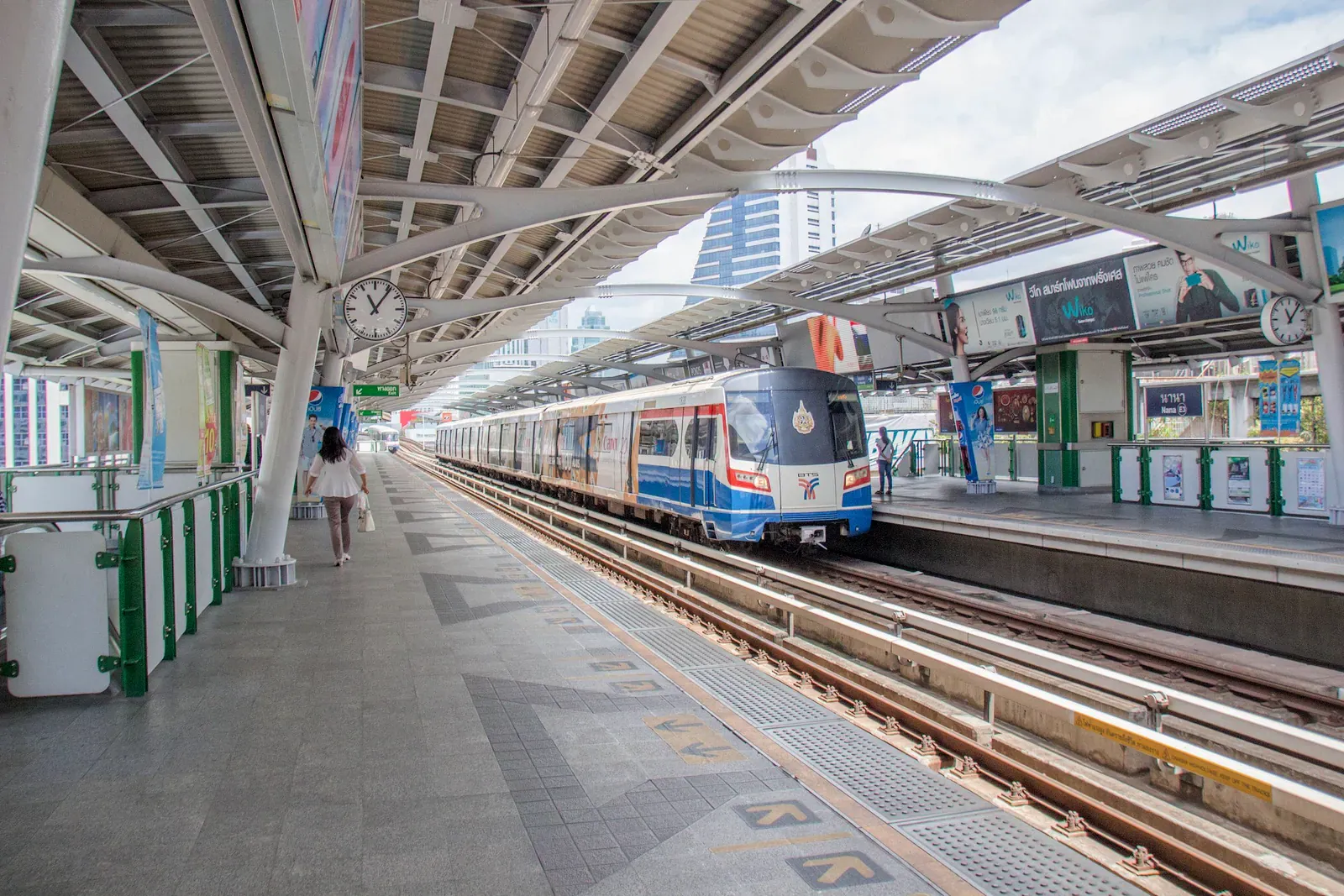
| Central Sukhumvit condos | BTS Sukhumvit line stations | Shortest commutes to central schools and services; smaller units, no garden, higher rent per square metre |
| Eastern corridor near major schools | BTS Sukhumvit line extension / Suvarnabhumi-side roads | Larger homes and school proximity for schools sited out this way; longer commute into central Bangkok for work or weekend activities |
| Northern compounds | Often reliant on private transport, some near northern BTS/MRT extensions | Space, gardens, quiet, strong compound community; commute to central schools and offices can be long and traffic-dependent |
Anchor any shortlist to a specific station or road and do the commute arithmetic honestly, at the time of day you’ll actually travel, before signing anything. A twenty-minute Google Maps estimate at midday can become fifty minutes at 7:30am.
Questions worth asking about a building with children in it: Is there a pool with a shallow section and supervised hours; are balconies and stairwells child-secure; is there a playground or common play area; what’s the policy on noise from young children (some buildings skew toward a childless resident base and this occasionally causes friction); and how far is it, in actual walking or driving time, to the nearest school bus stop or pickup point.
The logistics: visas, shipping and timing the move to the term
Dependant visas, in structural outline. A spouse and children typically accompany the visa holder through a dependant category linked to the primary applicant’s status: most commonly a work-permit-based visa, though the exact structure depends on the primary applicant’s own route. Each dependant usually needs their own supporting documents (marriage certificate, birth certificates, sometimes translated and legalised, as covered in the moving checklist), and the dependant’s visa duration is generally tied to the primary holder’s. Requirements and processing times change and differ by nationality and by the primary applicant’s own visa route: confirm the current structure with a Royal Thai Embassy or a licensed visa adviser well before the move, since dependant applications can take longer than expected if any document is missing.
Shipping with children’s things. Favourite furniture, a specific mattress, or well-loved toys can matter disproportionately to a child’s sense of stability during a disruptive move, even when the strict cost-benefit case for shipping them is weak. It’s reasonable to make a small exception for a handful of high-attachment items even where the general shipping guidance (in the pets and shipping guide) would say to leave most furniture behind. Bulk toy collections, most furniture and general household bulk are still usually better bought locally.
Timing relative to the school term. Where there’s any choice in the matter, arriving a few weeks before a term starts (rather than mid-term) gives children a settling window before the social and academic structure of a class is already fixed, and gives parents time to sort housing and admin without a school run added on day one.
The human side: what most guides skip
The practical checklist is the easy part. The emotional arc of a family relocation is harder to plan for and more likely to determine whether the move feels, a year later, like it worked.
Preparing children of different ages. Younger children generally take cues from their parents’ emotional state more than from the move itself: calm, confident parents produce calmer children, even amid genuine upheaval. Older children and teenagers are more likely to grieve concrete losses: a friend group, a team, a familiar school, sometimes a partner left behind. Naming this loss explicitly, rather than only selling the move’s exciting parts, tends to help more than relentless positivity.
Saying goodbye properly. A rushed departure, with goodbyes squeezed into a final weekend, often leaves children feeling the move happened to them rather than with them. Where the timeline allows, building in deliberate goodbye rituals (a last visit to a favourite place, a proper farewell with close friends) gives children a sense of closure that helps them arrive more ready to open up to somewhere new.
The first term, and how long settling usually takes. It’s common for the first six to eight weeks in a new school to be genuinely difficult: a new building, new names, an unfamiliar social hierarchy already in place among children who’ve known each other for years. Most children find their footing within a term; some take a full school year. Treat an initial dip in mood or confidence as expected, not as evidence the move was a mistake, while staying alert for signs that go beyond ordinary adjustment.
Children arriving without the local English level or curriculum assumptions. International schools vary widely in how much additional-language and catch-up support they offer as standard versus as a paid extra. Ask directly, before enrolling, what support exists for a child joining without native-level English or without the specific curriculum background the school assumes, and what it costs.
Keeping links to home. Regular video calls with grandparents, a close friend, or a former class can meaningfully soften the transition, particularly in the first term. This works best when it’s a scheduled habit rather than an occasional afterthought.
The trailing spouse: the person most at risk in a family relocation
Family relocation research consistently points to one figure as the most vulnerable to the move going badly: the trailing spouse: the partner who gives up a career, a social network and a daily structure to follow the visa holder, and who arrives in Bangkok with none of the ready-made scaffolding a new job provides. The visa holder has colleagues, a routine and a clear reason to be here from day one. The children, eventually, have school. The trailing spouse often has none of that, and the risk of isolation, loss of identity and resentment building quietly is real and well documented.
Work restrictions. A dependant visa generally does not carry the automatic right to work in Thailand; taking up paid employment typically requires its own separate work permit process, structurally distinct from the dependant status itself, and the practical path to it is often narrow. Confirm the current position with a licensed adviser before assuming either that work is impossible or that it’s simple: both assumptions cause problems.
Alternatives that genuinely help. Volunteering, further study, freelance work structured to stay within visa rules, and building toward a qualification or project that can travel to the next posting all give a trailing spouse a reason to leave the house and a sense of forward motion, even without a conventional job.
Community networks. Bangkok has an unusually dense set of expatriate spouse networks, school-parent groups, hobby and interest communities, and volunteer organisations, many built specifically around newcomers. Joining early (before the isolation sets in, not after) makes these far more effective.
Warning signs worth taking seriously: persistent low mood beyond the first couple of months, growing resentment directed at the visa holder or the move itself, withdrawal from any effort to build a new routine, or a marked change in how the couple discusses the future. These are signals to seek support (from a counsellor, a doctor, or a trusted community contact) not problems to wait out silently.
Paediatric care, domestic help and pets in a family move
Paediatric care and vaccination continuity. Bangkok has strong private paediatric care, but bringing a child’s existing vaccination and medical records, and finding a paediatrician early rather than during an urgent illness, avoids gaps in continuity. General good practice, not a specific claim about any provider or schedule.
Domestic help. Many families in Bangkok employ a nanny, cleaner or driver, and the legal employment framework for domestic staff (covering pay, hours, contributions and a household’s obligations as an employer) exists and matters. This is not a space to improvise informally; a licensed adviser or employment agency familiar with Thai labour law can set up the arrangement correctly from the start, protecting both the family and the employee.
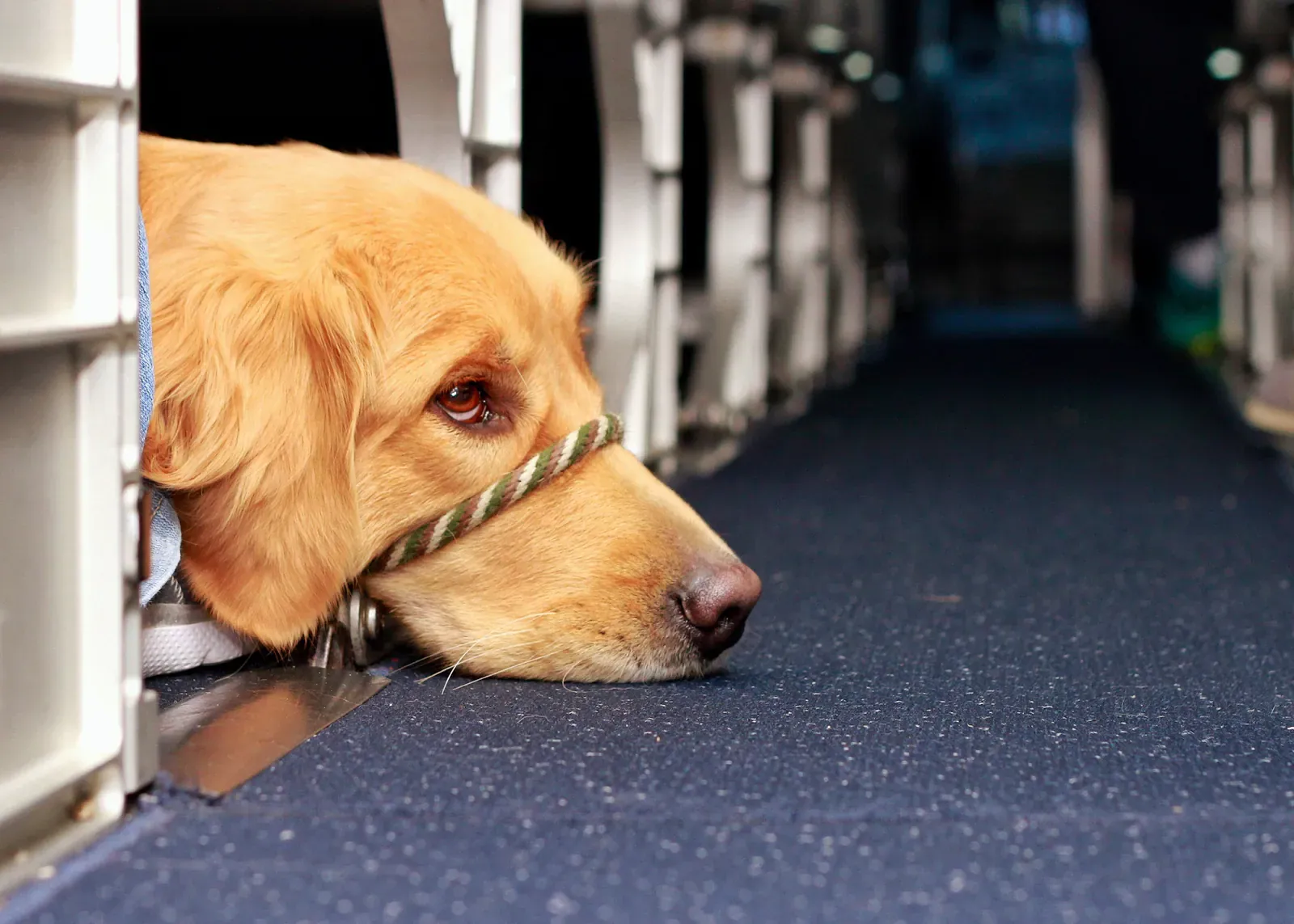
Pets arriving with children. If a family pet is part of the move, its import process runs on its own strict timeline that often needs to start months before departure: see the dedicated pets and shipping guide for the full sequence, and start it early enough that it doesn’t collide with school and housing deadlines.
The family budget’s real shape
A family budget in Bangkok looks different from a single mover’s. International school fees are typically the largest single line item, often exceeding housing costs, and vary enormously by school reputation and curriculum. A larger home for a family (house or larger condo) costs meaningfully more than a one-bedroom condo. Add a family health insurance policy, a car and driver or regular taxi/ride-hailing spend given the commute realities above, and higher grocery and activity costs for a larger household. As an indicative 2026 planning range, a family of four in a mid-to-upper housing and school bracket might realistically budget from roughly ฿150,000-350,000 per month (approximately USD 4,300-10,000), before school fees are added on top: a wide range because school choice alone can shift it dramatically. Treat this as a planning anchor to refine with real quotes, not a promise.
Building a support structure before you need one
Families who settle well in Bangkok tend to share one habit: they build a support network in the first few weeks, deliberately, rather than waiting for one to form on its own. This means joining a school’s parent association or class group chat immediately rather than after the first term ends, introducing yourselves to neighbours in a compound or condo floor rather than staying private, and finding at least one other family a few weeks or months ahead of you in the same relocation, who can answer the small practical questions (which pharmacy stocks a specific medication, which paediatrician takes new patients quickly, where the nearest decent playground is) far faster than a general search ever will. A single well-connected contact in the first month is worth more than weeks of independent research.
Older children and independence. Teenagers in particular often adjust better when given some control over the process rather than having it entirely managed for them: a say in which of two shortlisted schools to attend, input on decorating their own room, or responsibility for planning how they’ll stay in touch with friends at home. A move that feels entirely done to a teenager, with no input sought, tends to produce more resistance than one where they had a real, if limited, say.
When to seek outside help. Most families adjust within a term or two without needing anything beyond the ordinary support of school and community. It’s worth normalising, rather than treating as a last resort, bringing in a counsellor or family therapist experienced with expatriate transitions if a child’s distress persists well beyond the expected settling window, if a trailing spouse’s low mood doesn’t lift, or if the couple’s own relationship is visibly strained by the move. Many international schools in Bangkok have a counsellor on staff who can be a first point of contact, and international health insurance policies sometimes cover a number of mental health sessions worth checking for before assuming this has to be paid for entirely out of pocket.
A note on accuracy
Dependant visa rules, work rights for dependants, and domestic employment law are governed by Thai authorities and change over time. This article describes the general shape of the process to help with planning; it is not legal or immigration advice. Confirm current requirements with the Thai Immigration Bureau, a Royal Thai Embassy, or a licensed visa or employment adviser before making decisions that depend on eligibility or timing.
Common questions
Should we choose a school or a neighbourhood first when relocating to Bangkok?
The school first. The commute it creates will shape daily life more than almost any other factor, so it makes more sense to shortlist schools with available places for your child’s year group and then choose housing anchored to a specific station or road near the shortlisted options.
How long does it take children to settle into a new school in Bangkok?
Most children show real progress within a single term, roughly six to eight weeks, though a full school year isn’t unusual for a bigger adjustment. An initial dip in mood or confidence is common and not itself a sign of a failed move.
Can a spouse on a dependant visa work in Thailand?
Generally not automatically. A dependant visa typically doesn’t carry work rights on its own, and paid employment usually needs a separate work permit process. Confirm the current position with a licensed adviser, since routes and requirements do exist but are narrower than many expect.
What’s the biggest risk in a family relocation to Bangkok?
The trailing spouse’s isolation is the risk most consistently flagged in family relocation experience: arriving without the ready-made structure a job or school provides. Building community and a sense of purpose early, rather than after isolation sets in, makes a measurable difference.
Is it worth shipping a child’s furniture or toys to Bangkok?
Selectively, yes, for a small number of high-attachment items that support a sense of stability, even where the general cost-benefit case for shipping is weak. Bulk toys and furniture are usually better left behind and replaced locally.
What should we budget for family health and schooling costs?
School fees are typically the largest line item and vary hugely by school, often exceeding rent. Budget a family health insurance policy separately from any workplace cover for the visa holder, and get real school and insurance quotes early rather than relying on general averages.
Written by
Mike Brochlowski
Founder and editor, travel photographer and designer
I'm Mike Brochlowski, a travel photographer and designer, and I currently live on Koh Samui, Thailand. I built BangkokWiki to put practical, checked information about Bangkok in one place. Every page is researched from official and primary sources, and the text names them. Where a page shows a checked date, that is when its facts were last confirmed. I also run samui69.com, a non-commercial guide to Koh Samui. If you spot an error or something out of date, tell me through the contact page and I will check it and correct the page.
Read all articles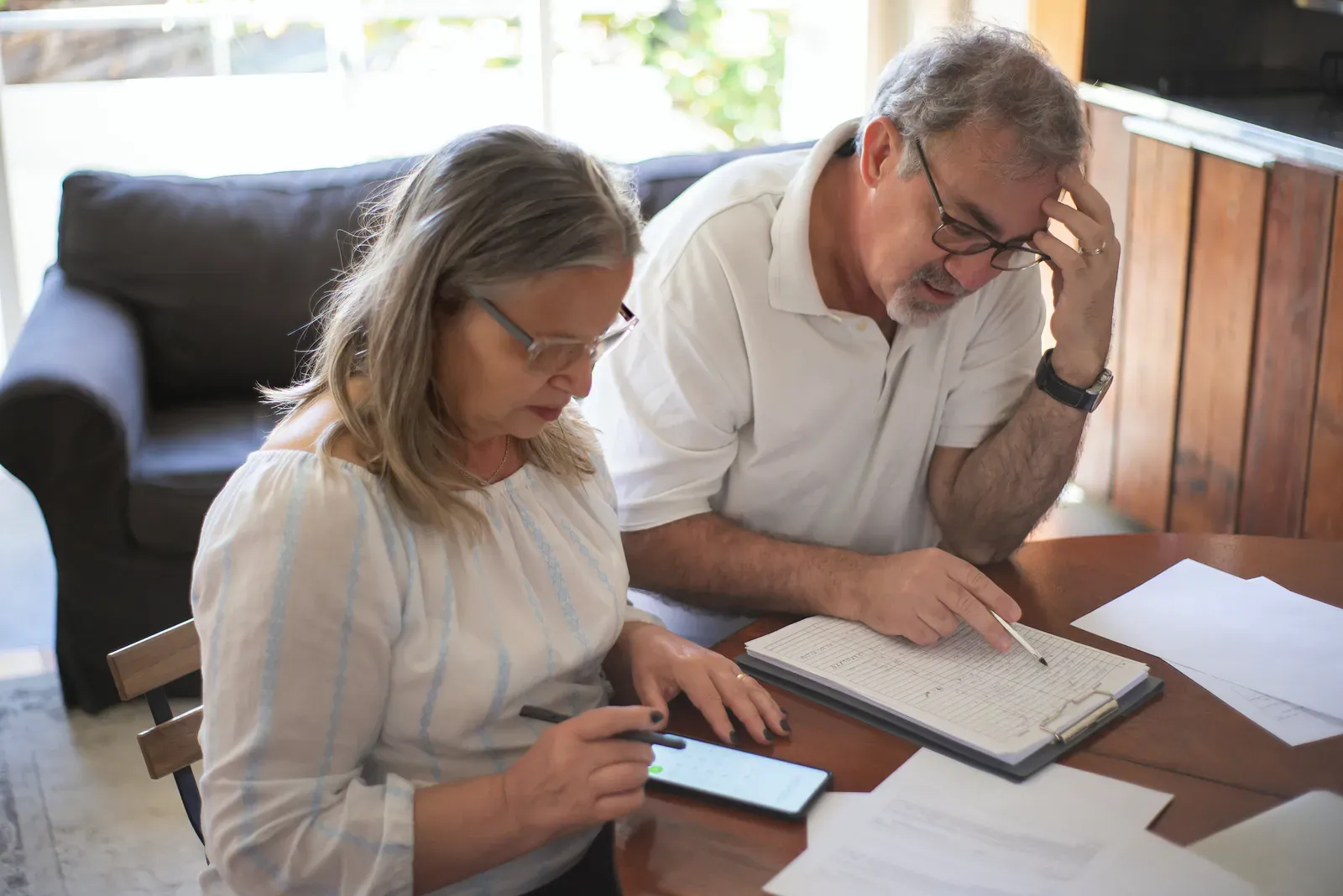
Visas and paperwork
Staying in Thailand longer?
Visas, extensions, documents and banking for longer stays. Rules and fees change often and offices apply them differently, so check the official source before you act.

Places to stay
Find a hotel
Explore the other desks
More from Living
- 12 min read
 12 min read
Moving to Thailand With Pets: Shipping Guide
 9 min read
Renting Near an International School in Bangkok

Newsletter
You're subscribed as