Living
Student Budget and Cheap Areas to Live in Bangkok
A realistic student budget for Bangkok and where to live: campus areas, cheap rail-connected neighbourhoods, and the rent-versus-commute trade-off.
On this page
A student can live comfortably in Bangkok on a modest budget, but the number swings hugely depending on room type, distance from a rail line, and how much aircon you run. This guide builds a realistic monthly budget from the ground up, then compares the neighbourhoods students actually live in: campus areas, cheap-but-connected outer stations, and everything the rent number doesn’t tell you about commute time and safety. For campus-specific context, see universities in Bangkok for international students and the Kasetsart University guide.
Building the budget: rent
Rent is the line that moves the whole budget, and it comes down to four broad options.
University dormitories are the cheapest formal option and the simplest for a first term: meals sometimes included or available nearby, security on site, and no need to negotiate a lease. Trade-offs are real: curfews, shared bathrooms in many cases, and less privacy than any other option.
Older apartment buildings near campus gates are the traditional off-campus choice: small rooms, basic furnishing, month-to-month or short-term leases common, priced well below newer condos. These buildings are where the fan-versus-aircon decision matters most, since older buildings are more likely to offer a genuinely cheaper fan-only room as a separate price tier rather than aircon-only stock.
Shared condos, usually two or three students splitting a two-bedroom unit, cost more per person than a solo older-building room but less than a solo condo, and come with amenities (pool, gym, better security) that neither dorms nor older buildings typically offer.
Solo condo rental is the most expensive option per person and mainly suits students with a larger budget or those prioritising privacy and amenities over cost.
Fan versus aircon: the decision that dominates the number
A fan-only room can cost meaningfully less than an equivalent aircon room in the same building, but Bangkok’s hot season (roughly March to May, with high humidity most of the year) makes fan-only living genuinely uncomfortable for most people not already acclimatised. Many students compromise: a fan-only or minimal-aircon room, using aircon only at night, which also caps the electricity bill (see below). This single choice (room type aside) is often the biggest lever on monthly cost after rent itself.
Deposits and what to expect back
Deposits typically run one to two months’ rent, sometimes plus an advance month, paid at signing. Getting the full deposit back depends on leaving the room in original condition and settling any outstanding utility bills; disputes over deposit deductions are common enough that photographing the room’s condition at move-in and move-out is worth the five minutes it takes.
Building the budget: utilities and connectivity
Electricity swings hard with aircon use and season: a room run on fan alone costs a fraction of one with aircon running through hot season nights. Budget for the higher end of any range during March-May and the lower end the rest of the year.
Water is a minor, fairly stable cost regardless of season. Internet, where not bundled into rent, is inexpensive relative to many countries and widely available as a fixed-line service in most buildings; mobile data plans as a backup or primary connection are cheap and reliable.
Building the budget: food
Bangkok’s food scene is genuinely one of the cheapest ways to eat well anywhere in Asia, provided you eat where locals eat.
- University canteens, where available, are usually the cheapest hot-meal option on campus.
- Street food and food courts offer full meals at low prices, with food courts in malls or near stations typically running a token or coupon system.
- Cooking at home costs more upfront (basic equipment, initial pantry stock) but pays off over a semester, especially for breakfast and snacks; a weekly supermarket shop for basics is inexpensive relative to eating out for every meal, though rarely cheaper than the very cheapest street food for a single meal.
Most students land on a mix: home-cooked breakfast, a canteen or street food lunch near campus, and a rotation of street food, food courts and occasional home cooking for dinner.
Building the budget: transport
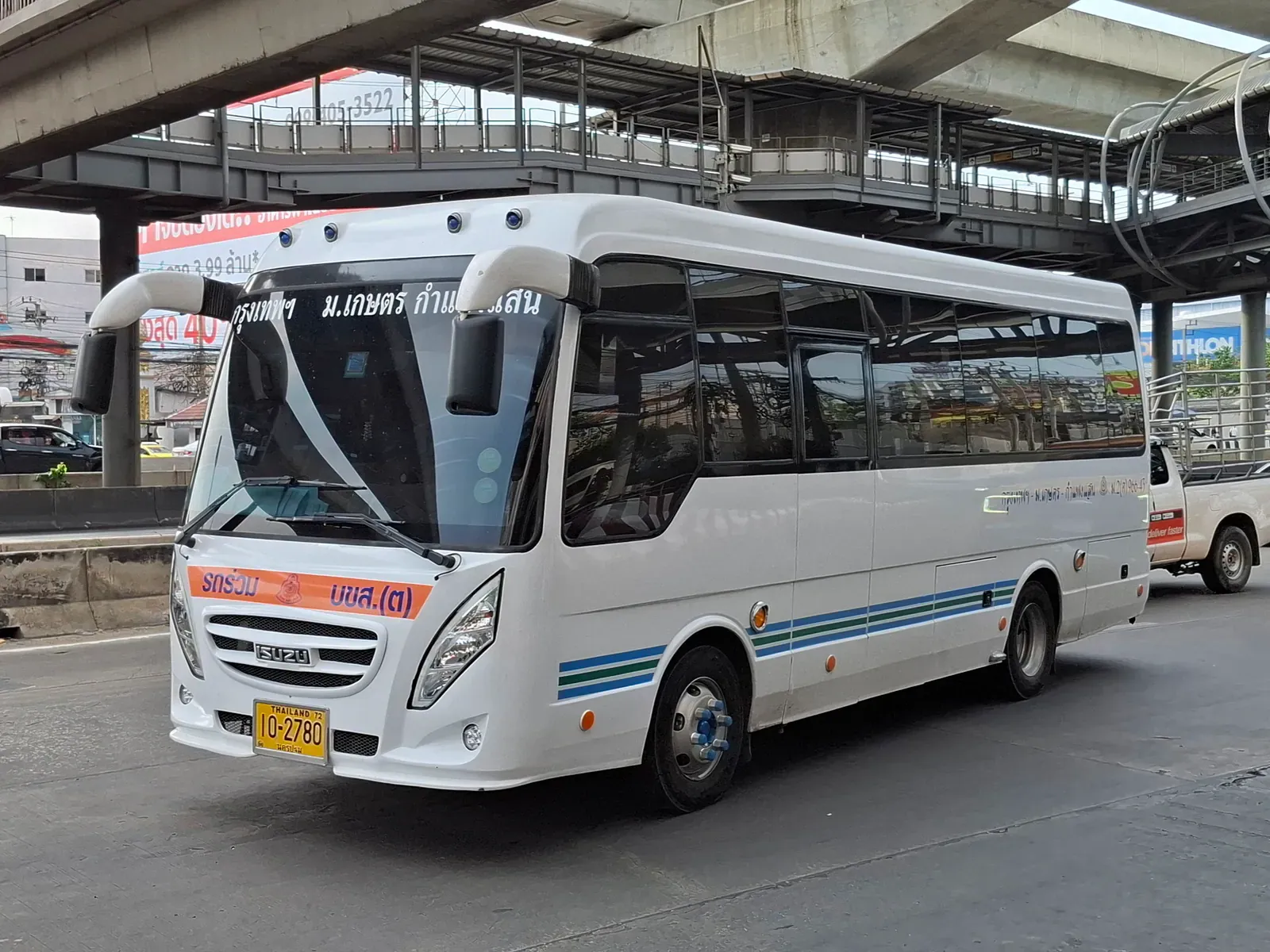
Students combine rail, bus, boat and motorbike taxi depending on route and time pressure.
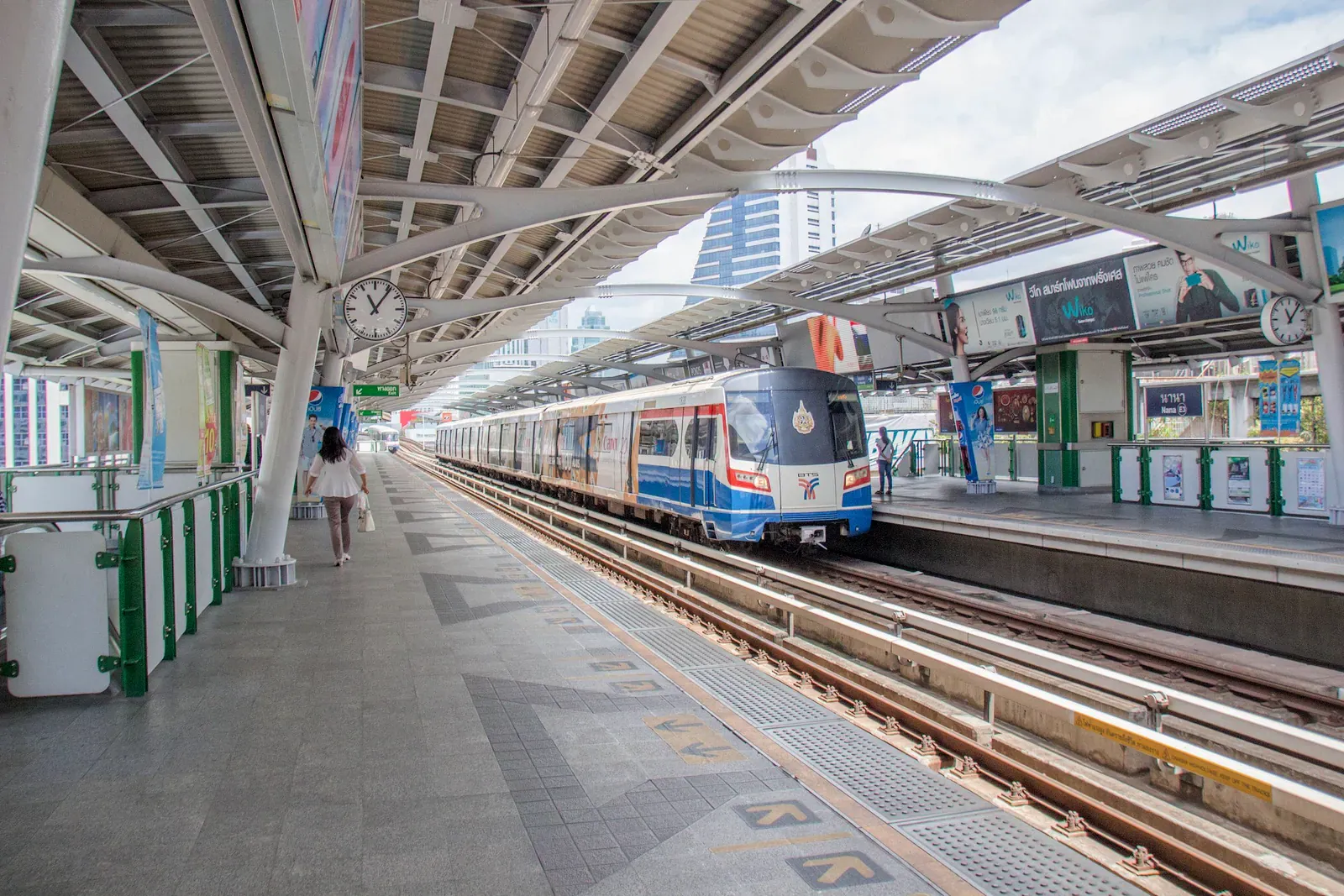
- BTS Skytrain and MRT are the backbone for anyone living near a station: fast, air-conditioned, reliable, priced per distance travelled.
- Buses are far cheaper than rail but slower and more affected by traffic; useful for routes rail doesn’t cover, less useful when time matters.
- Boats along the Chao Phraya River and canal routes are a genuinely useful, cheap option for specific corridors, especially avoiding road traffic entirely on those routes.
- Motorbike taxis are the fastest way to cover the “last mile” from a station to a building set back from the main road, priced per short trip and invaluable when a fifteen-minute walk in hot-season heat isn’t appealing.
A typical student trip often stacks two of these (a short motorbike-taxi hop to a station, then rail for the main leg) rather than relying on one mode alone.
Building the budget: everything else
- Phone: prepaid SIM plans with generous data are cheap and require no contract, popular with students on any visa status.
- Laundry: self-service laundrettes charge per load and are common near student housing; some buildings include a laundry room.
- Books and materials: varies by programme, generally modest for language courses, higher for specialist university programmes with required textbooks.
- Health insurance: required by most institutions as a condition of enrolment; see the studying in Bangkok guide for what a policy needs to cover.
- Visa and reporting costs: ED-visa extensions, reporting, and any related administrative fees are a recurring line item; current fees are not stated here as fact since they change: confirm directly with the Immigration Bureau or your institution.
- Social and travel: a small monthly allowance for going out and, ideally, a trip out of Bangkok now and then. A student year that never leaves the city is a wasted opportunity, and short trips are cheap relative to almost anywhere else in the world (see the last section below).
The monthly budget, lean and comfortable
Indicative 2026 ranges; actual costs vary by area, lifestyle and season. Confirm current prices directly rather than treating these as quotes.
| Category | Lean (THB/month) | Comfortable (THB/month) | Approx. USD (lean-comfortable) |
|---|---|---|---|
| Rent | 3,500-7,000 | 8,000-15,000 | 100-430 |
| Electricity & water | 500-1,200 | 1,200-2,500 | 14-71 |
| Internet & phone | 300-600 | 600-1,200 | 9-34 |
| Food | 4,500-7,000 | 8,000-13,000 | 130-370 |
| Transport | 1,000-1,800 | 2,000-3,500 | 29-100 |
| Laundry, books, misc. | 500-1,000 | 1,000-2,000 | 14-57 |
| Health insurance (monthly equivalent) | 700-1,500 | 1,500-2,500 | 20-71 |
| Social & travel | 1,000-2,000 | 3,000-6,000 | 29-171 |
| Total | ~12,000-22,000 | ~25,500-45,700 | ~340-1,300 |
The lean column assumes a dorm or fan-only older-building room, home cooking most days, and rail-first transport. The comfortable column assumes a shared condo, more eating out, and regular use of motorbike taxis alongside rail.
Areas: campus neighbourhoods
Most universities cluster in a handful of areas, each with a distinct character.
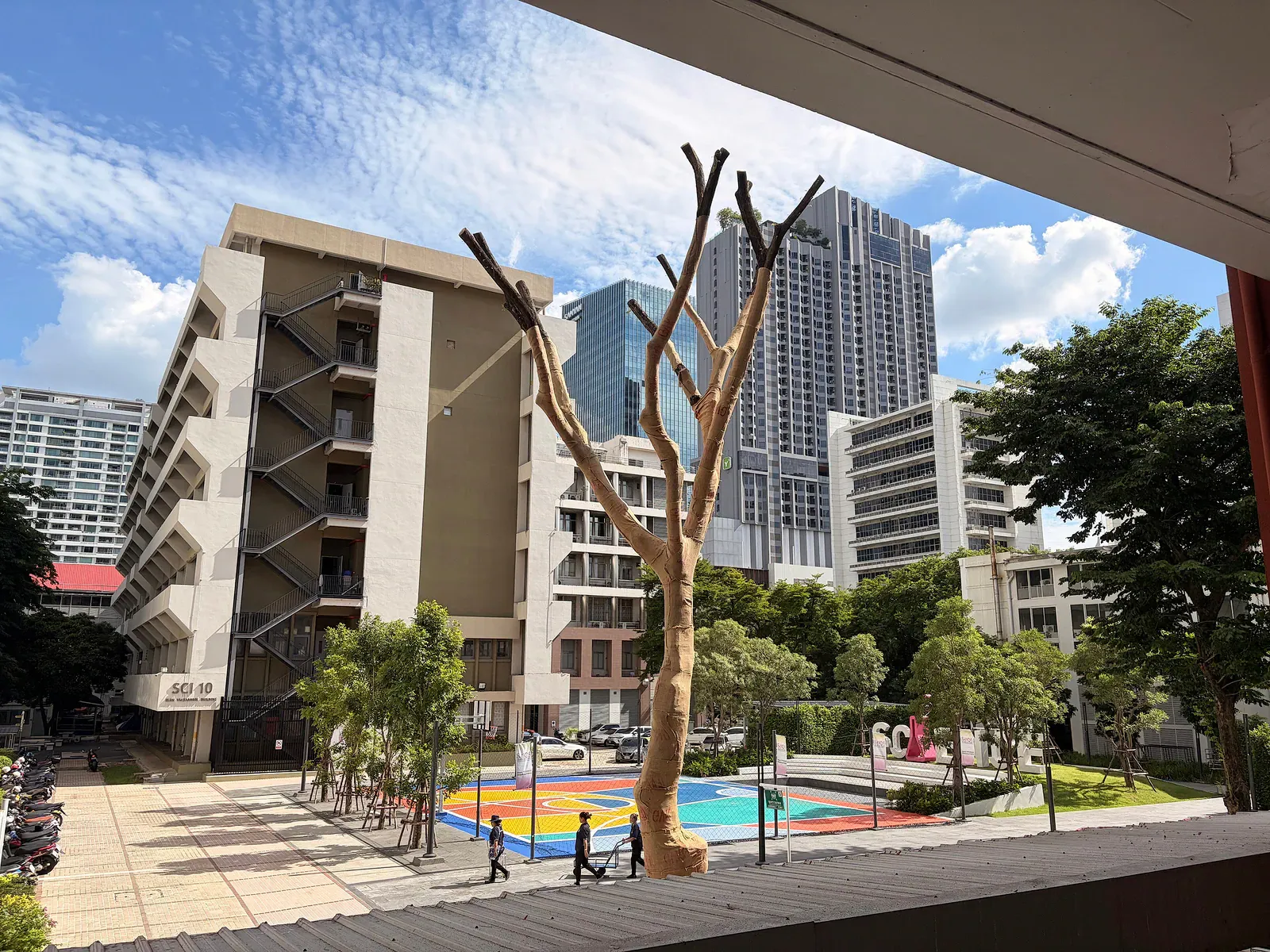
Areas around the older, central public universities tend to have the densest concentration of budget student housing, food carts and cheap print shops built up over decades of student demand, often the cheapest rent-to-campus-distance ratio in the city, at the cost of being older and less polished than newer developments.
Areas near the newer, larger suburban campuses further from the centre often trade lower rent for a longer commute into the city centre for anything beyond daily needs, though many now sit on extended rail lines that have shortened that gap considerably in the last few years.
Riverside and older residential districts near some universities and specialist institutes combine relatively low rent with real neighbourhood character and canal or river transport options, though rail coverage is patchier and evening transport options thin out earlier.
Areas: cheap-but-connected, further out
Stations further out along the BTS and MRT extensions offer noticeably lower rent than central stations for a commute that’s longer but predictable, since rail time doesn’t vary with traffic the way road transport does. The trade-off is straightforward: every fifteen minutes of extra commute saves real money on rent, but it also costs time and, during rush hour, comfort on a crowded train. For a student without a fixed 9-to-5 commute (most class schedules aren’t rush-hour-rigid), travelling against the peak direction on an outer line can capture the rent savings without the worst of the crowding.
Areas along canal boat routes offer a different trade-off: very cheap rent and a genuinely pleasant commute by water on the right route, but service frequency and operating hours are more limited than rail, so it suits students whose schedule fits the boat timetable rather than one running late classes or shift-pattern schedules.
Safety and flood exposure
Bangkok is generally safe for students by broad international standards, with normal city-level precautions (well-lit main roads, awareness at night, standard care with belongings in crowded transport) covering most situations. Flood exposure is worth checking area by area rather than assumed: some low-lying districts and areas near canals see seasonal flooding during the rainy season (roughly June to October) that can affect ground-floor access and, occasionally, road transport for a day or two. Ask current residents or a local agent about a specific building’s flood history before signing a lease in a low-lying area, since this varies street to street more than official flood-zone maps might suggest.
Finding a room without an agent
- Use university housing boards and student groups first: international-student associations and class group chats are where departing students post their rooms directly, often below agent-listed prices for the same building.
- Walk the area near campus and check for “for rent” signs directly on buildings, common in older student-housing districts, then contact the building’s own office rather than a broker.
- Verify the lease terms directly with the building owner or manager, including deposit amount, notice period, and what happens to the deposit at move-out, before paying anything.
- Photograph the room’s condition at move-in with a timestamp, and again at move-out, to protect your deposit.
- Confirm the building accepts foreign tenants on a student visa and ask what documentation they’ll need from you: some buildings have specific requirements for the paperwork tied to visa reporting.
Student discounts and where they apply
Valid student ID (from the enrolling institution, sometimes requiring an international student card) unlocks discounts at many museums, some cinemas, selected transport passes in specific cases, and various retail and food promotions run periodically by local businesses near campuses. Discounts are inconsistent and not guaranteed everywhere, so it’s always worth asking rather than assuming a discount doesn’t exist.
The sharing and secondhand economy
Textbooks, furniture, bicycles, small appliances and even short-term subletting circulate heavily within student communities, especially at the start and end of each semester when departing students sell what they can’t take home. University noticeboards, class group chats and general secondhand marketplace apps are the main channels; buying secondhand for furnishing a first room is standard practice and can cut move-in costs substantially compared with buying everything new.
Part-time work: the legal restriction
Foreign students generally may not work in Thailand without a separate work permit, and in most cases the student’s visa category does not itself support employment: this applies to part-time, informal and remote work while physically in Thailand, not just full-time jobs. See the studying in Bangkok guide for the fuller explanation of how work permits and visa categories interact, and the Thai language schools guide for how this intersects with the ED visa specifically. If income is a real constraint, look first at scholarships, family or home-country remote arrangements that don’t involve working inside Thailand, and confirm anything work-adjacent with the Department of Employment before starting it, not after.
Scholarships as a category
Scholarship funding for international students in Thailand comes from several separate channels: institution-specific scholarships tied to a particular university or programme, Thai government scholarship schemes aimed at specific fields or partner countries, and home-country or third-party scholarships and grants that happen to cover study in Thailand. Availability, amounts and eligibility vary enormously by nationality, field of study and programme level, so there’s no single number or process to quote here: check directly with the specific institution’s financial aid or international office, and separately with your home country’s own study-abroad funding bodies, since eligibility criteria differ significantly between schemes.
Sending and receiving money
International money transfer services and dedicated transfer apps generally offer better exchange rates and lower fees than a traditional bank wire for moving money into Thailand, and are widely used by students and expats for regular transfers from family or home-country income. A local Thai bank account, once you have the paperwork to open one, simplifies day-to-day spending, rent payment and bill payment considerably compared with relying on a foreign card for everything, though account-opening requirements for students vary by bank and sometimes by visa status: check with the specific bank branch near your institution.
Cheap ways to travel out of Bangkok at the weekend
- Trains and buses to nearby provinces are inexpensive and simple to book, with routes covering beach towns, historic cities and national parks within a few hours of Bangkok.
- Budget airlines make farther domestic destinations affordable for a weekend if booked with some lead time, since last-minute fares climb fast.
- Shared vans and minibuses run frequently to popular nearby destinations and are often cheaper and faster door-to-door than public bus routes for the same trip.
- Group trips organised through student associations split transport and accommodation costs and are a low-effort way to see more of the country without planning everything yourself.
A student year confined entirely to Bangkok, on a budget this workable for weekend travel, is a genuinely avoidable waste of the time here.
Areas compared
| Area type | Rent band | Commute to city centre | Character | The catch |
|---|---|---|---|---|
| Older central-university district | Low-moderate | Short, often walkable | Dense, cheap, student-oriented, well-worn | Older buildings, basic finishes |
| Newer suburban campus area | Low | Long unless on an extended rail line | Quieter, more space, newer builds | Limited nightlife, thinner rail coverage off-peak |
| Riverside/older residential | Low-moderate | Moderate, boat-dependent for speed | Characterful, mixed local-and-student | Patchier rail access, earlier transport cutoff |
| Outer BTS/MRT extension station | Low | Long but predictable via rail | Residential, developing, good value | Crowded peak-direction trains, fewer amenities nearby |
| Canal-boat-served area | Very low | Short by boat, long otherwise | Traditional, quiet, distinctive commute | Limited boat hours and frequency |
Common questions
What’s a realistic monthly budget for a student in Bangkok?
A lean budget runs roughly ฿12,000-22,000 a month (about $340-630); a more comfortable one runs roughly ฿25,500-45,700 (about $730-1,300). The biggest swing factors are room type (fan versus aircon, dorm versus condo) and how often you eat out versus cook. Treat these as indicative 2026 ranges, not quotes.
Is it cheaper to live near campus or further out on a rail line?
Further out is almost always cheaper on rent, sometimes substantially so, but the saving is traded for commute time. Rail time is predictable regardless of traffic, which makes outer stations more workable than the rent gap alone suggests, especially for students without a rush-hour-fixed schedule.
Can international students work part-time to help with the budget?
Generally no. Foreign students need a separate work permit to work legally, and most student visa categories don’t themselves support employment. Treat any part-time, informal or remote work done while in Thailand as needing formal permission first: check with the Department of Employment before starting anything.
How much does a fan-only room save compared with aircon?
Fan-only rooms are usually meaningfully cheaper on both rent and the electricity bill, since aircon during hot season is the single biggest driver of a high power bill. Many students compromise with a room that has aircon but use it sparingly, capping the bill while keeping hot-season nights bearable.
Are there real student discounts in Bangkok?
Yes, though inconsistent: many museums, some cinemas and various local businesses near campuses offer discounts to valid student ID holders. Availability isn’t guaranteed everywhere, so it’s worth asking rather than assuming there’s no discount on offer.
Is Bangkok safe for students, including women living alone?
Broadly yes, by international standards, with the usual city precautions around lighting, late-night transport and belongings in crowded places. Flood exposure varies significantly by specific street and building in low-lying or canal-adjacent areas, so check a building’s flood history directly with current residents before signing a lease there.
Written by
Mike Brochlowski
Founder and editor, travel photographer and designer
I'm Mike Brochlowski, a travel photographer and designer, and I currently live on Koh Samui, Thailand. I built BangkokWiki to put practical, checked information about Bangkok in one place. Every page is researched from official and primary sources, and the text names them. Where a page shows a checked date, that is when its facts were last confirmed. I also run samui69.com, a non-commercial guide to Koh Samui. If you spot an error or something out of date, tell me through the contact page and I will check it and correct the page.
Read all articles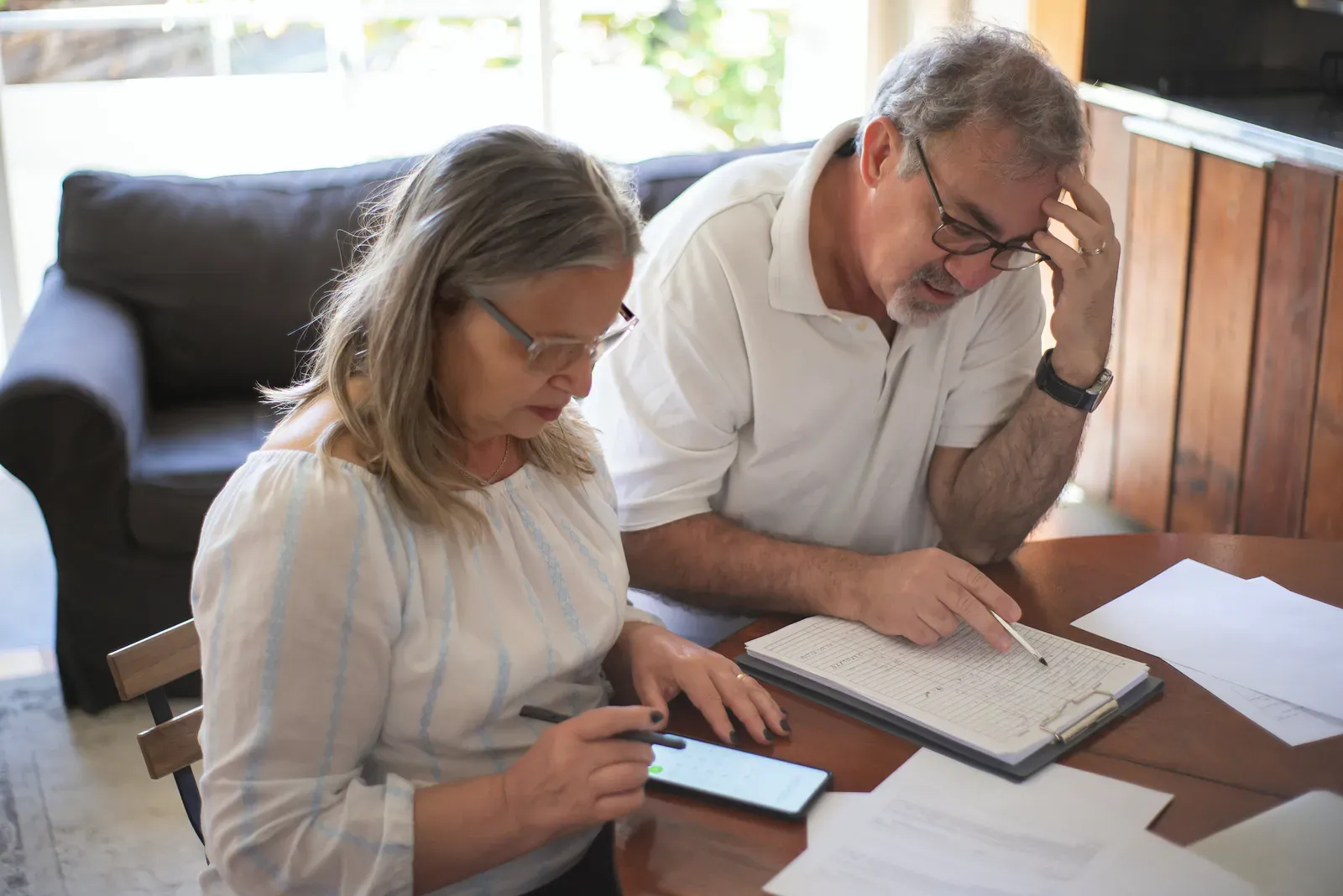
Visas and paperwork
Staying in Thailand longer?
Visas, extensions, documents and banking for longer stays. Rules and fees change often and offices apply them differently, so check the official source before you act.

Places to stay
Find a hotel
Explore the other desks
More from Living
- 13 min read
 12 min read
Learn Thai in Bangkok: Language Schools and Visas
 9 min read
Renting Near an International School in Bangkok

Newsletter
You're subscribed as