Things to do
Best Spas in Bangkok: How to Choose One
How to tell a good spa from a nice lobby in Bangkok: categories, treatments worth the money, booking mechanics, and prices with the fees added on.
At a glance
- Reading time
- 12 min read
- Chapters
- 14
- Published
- Sep 20, 2026
On this page
Every hotel in Bangkok has a spa, and most neighbourhoods have several more. The difference between a good one and a mediocre one rarely shows up in the marketing photos: it’s in therapist training, how the treatment menu is actually built, and whether the facilities you’re paying for come with time to use them. This guide covers the categories of spa in Bangkok, what to look for in each, the treatments worth booking, and what a fair price actually includes.
The categories
Bangkok’s spa market splits into a handful of recognisable types, and knowing which one you’re booking sets the right expectations.
| Category | What it is | Strengths | Watch for |
|---|---|---|---|
| Hotel and resort spas | Attached to a hotel, open to non-guests as well as guests | Consistent standards, good facilities, easy booking | Premium pricing for the setting as much as the treatment |
| Urban day spas | Standalone, usually near BTS or MRT stations in areas like Thong Lor, Ekkamai, Sathorn or Silom | Wide menus, competitive pricing, easy to compare | Quality varies a lot between operators: check the specifics, not just the category |
| Destination / wellness-retreat spas | Larger sites, sometimes just outside the city, built around a full day or multi-day stay | Depth of programme, dedicated facilities (pools, gardens, fitness) | Requires more time and planning than a single treatment |
| Medical and aesthetic spas | Where spa treatment shades into clinical procedure | Genuine expertise for skin and body treatments beyond a standard spa menu | Anything invasive needs a clinical setting and a qualified practitioner, not a spa menu: see below |
| Salon-spa hybrids | Hair and nail salons that also offer massage and facials | Convenient for combining services in one visit | Spa side is often secondary to the salon business |
| Mall spas | Spa counters or small outlets inside shopping centres | Very convenient between errands, short sessions | Rooms can be smaller, sessions shorter, less privacy |
Urban day spas cluster around specific transit stops rather than spreading evenly across the city, which makes station-hopping a genuinely workable way to compare a few in one afternoon. Thong Lor and Ekkamai (both on the BTS Sukhumvit line) carry a dense concentration of mid-to-upper urban day spas; Silom and Sala Daeng (BTS Silom line, with MRT Si Lom nearby) mix urban spas with hotel spas serving the business district; and Asok and Nana (BTS Sukhumvit line) offer a wider spread across mall spas, salon-spa hybrids and mid-range operators. Choosing a neighbourhood near your accommodation and comparing two or three spas within walking distance of the same station is usually more productive than searching the whole city for a single “best” option.
What actually distinguishes a good spa from a mediocre one
The lobby and the price tag tell you less than these do:
- Therapist training and turnover. A spa that trains its own therapists and keeps them for years tends to deliver more consistent treatments than one with high staff turnover, where quality depends heavily on who you happen to get that day.
- Menu depth versus menu length. A menu with forty items, half of them minor variations on the same massage, says less about quality than a shorter menu where each treatment is clearly different and well described.
- Whose products. Some spas use their own developed product line; others buy in commercial ranges. Neither is automatically better, but a spa that can explain what’s in a treatment and why tends to have thought more about the experience than one reciting generic marketing copy.
- Facilities, and whether you get time to use them. Steam room, sauna, cold plunge, relaxation lounge: a spa that has these but only gives you fifteen minutes before your treatment slot is effectively not offering them. Ask how early you can arrive and whether facility access is included or costs extra.
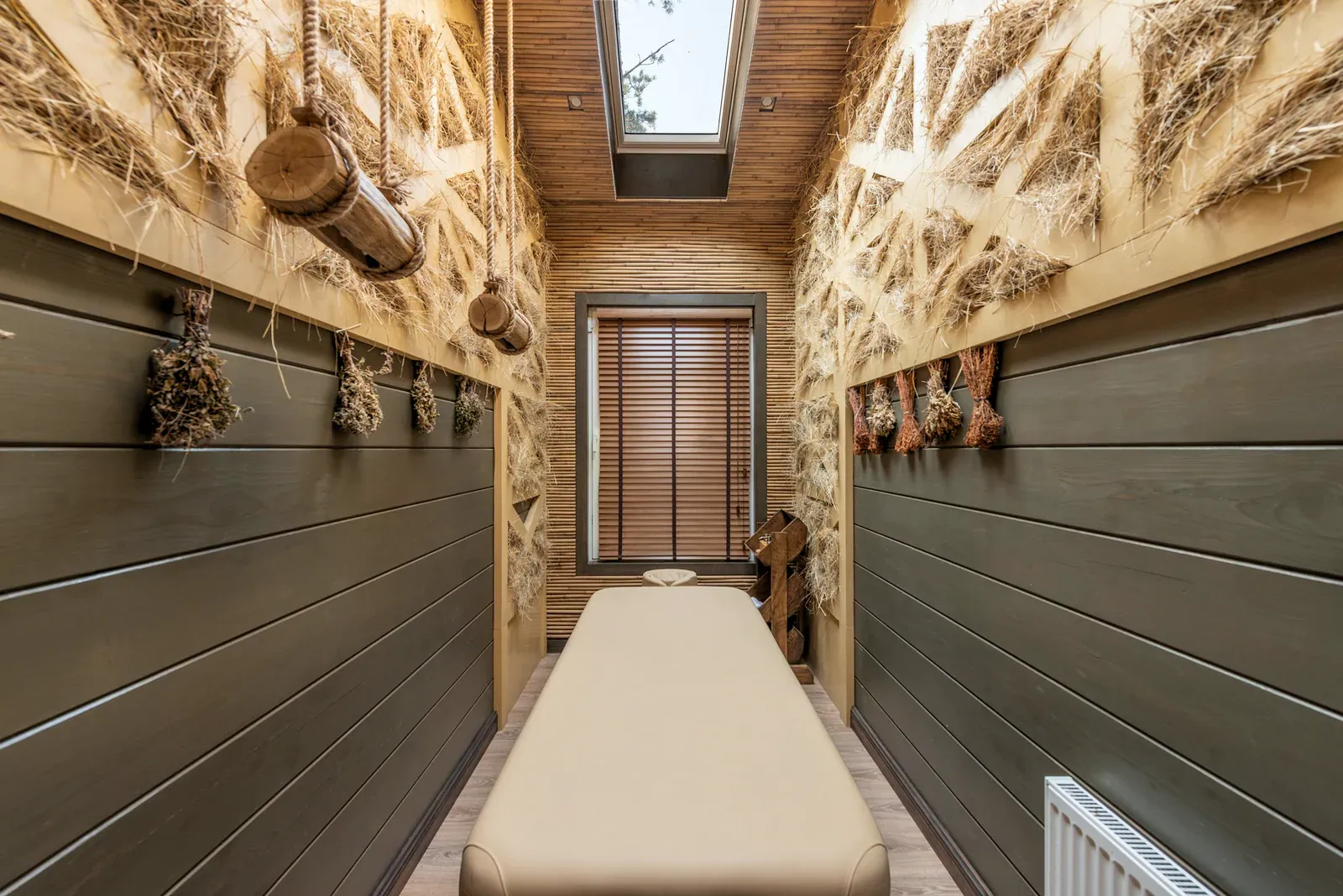
- The room and its soundproofing. A single treatment room with real soundproofing beats an open-plan curtain-divided space every time, particularly for anything you’d rather not half-hear the neighbouring conversation through.
- Package versus single treatment. A half-day or full-day package usually works out cheaper per treatment than booking the same items individually, but only if you actually want everything in it: packages often bundle a treatment you wouldn’t have chosen with two you would.
Reading a menu and reviews before booking
A menu that names specific techniques, durations and what’s included in each price (facilities access, refreshments, a shower) is more trustworthy than one built on adjectives: “signature”, “luxurious”, “exclusive” attached to a treatment tell you nothing about what actually happens during it. Recent reviews mentioning a specific therapist by name, or repeat visits from the same reviewer, are a stronger signal than a high star average alone, since a spa can accumulate generic five-star reviews without any of them describing the treatment in detail. If a menu item’s description is vague, it’s reasonable to call or message ahead and ask exactly what it involves before booking, rather than finding out mid-treatment.
The treatments themselves
Body scrubs and wraps
A scrub (salt, sugar or herbal) followed by a shower and often a light oil massage. Genuinely pleasant, and reasonably priced relative to a facial or a long massage: a fair pick if you want a specific “polish” treatment rather than pure relaxation. Wraps (mud, herbal, or algae-based) that promise detox or dramatic skin tightening are the weaker end of this category: pleasant to experience, but treat any specific health or slimming claim attached to them with real scepticism.
Facials
Ranges from a basic cleanse-and-mask to multi-step treatments with extraction, masks and specific serums. A basic facial is a reasonable, low-risk treatment; anything advertised with visible, fast results (dramatic brightening, immediate lifting) is closer to a one-off cosmetic effect than a lasting change, and is worth judging on that basis rather than as a long-term skin solution.
Hydrotherapy and floats
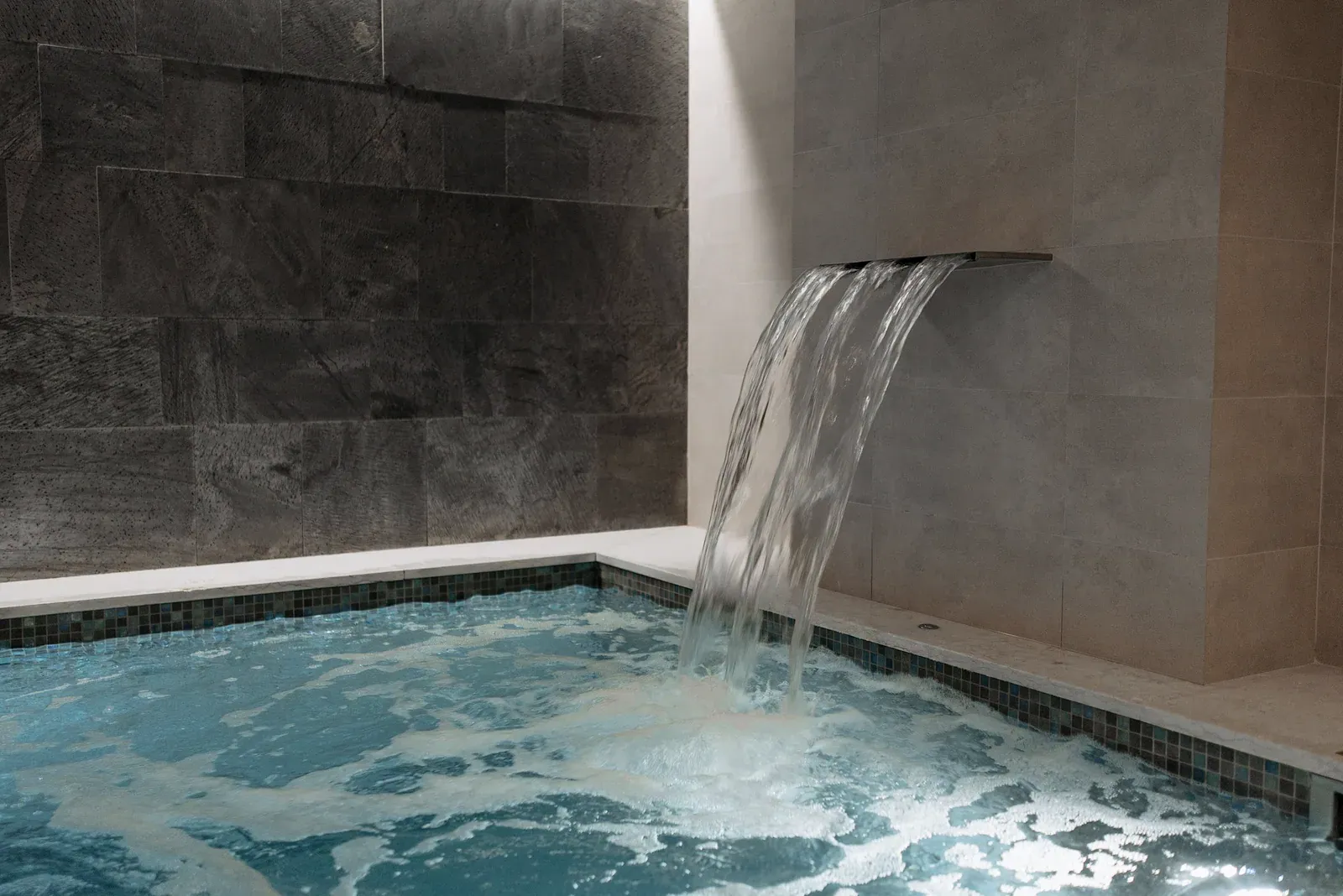
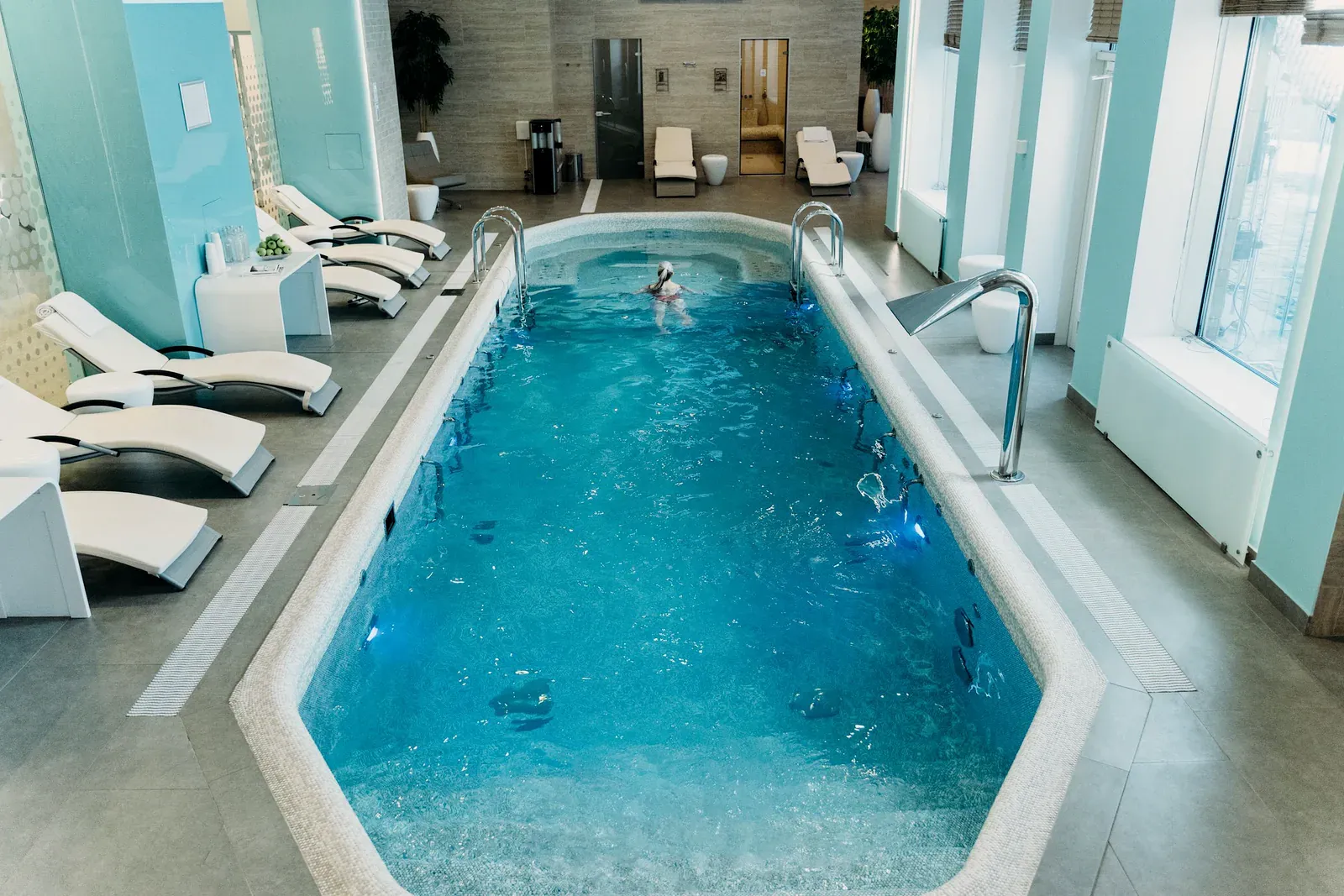
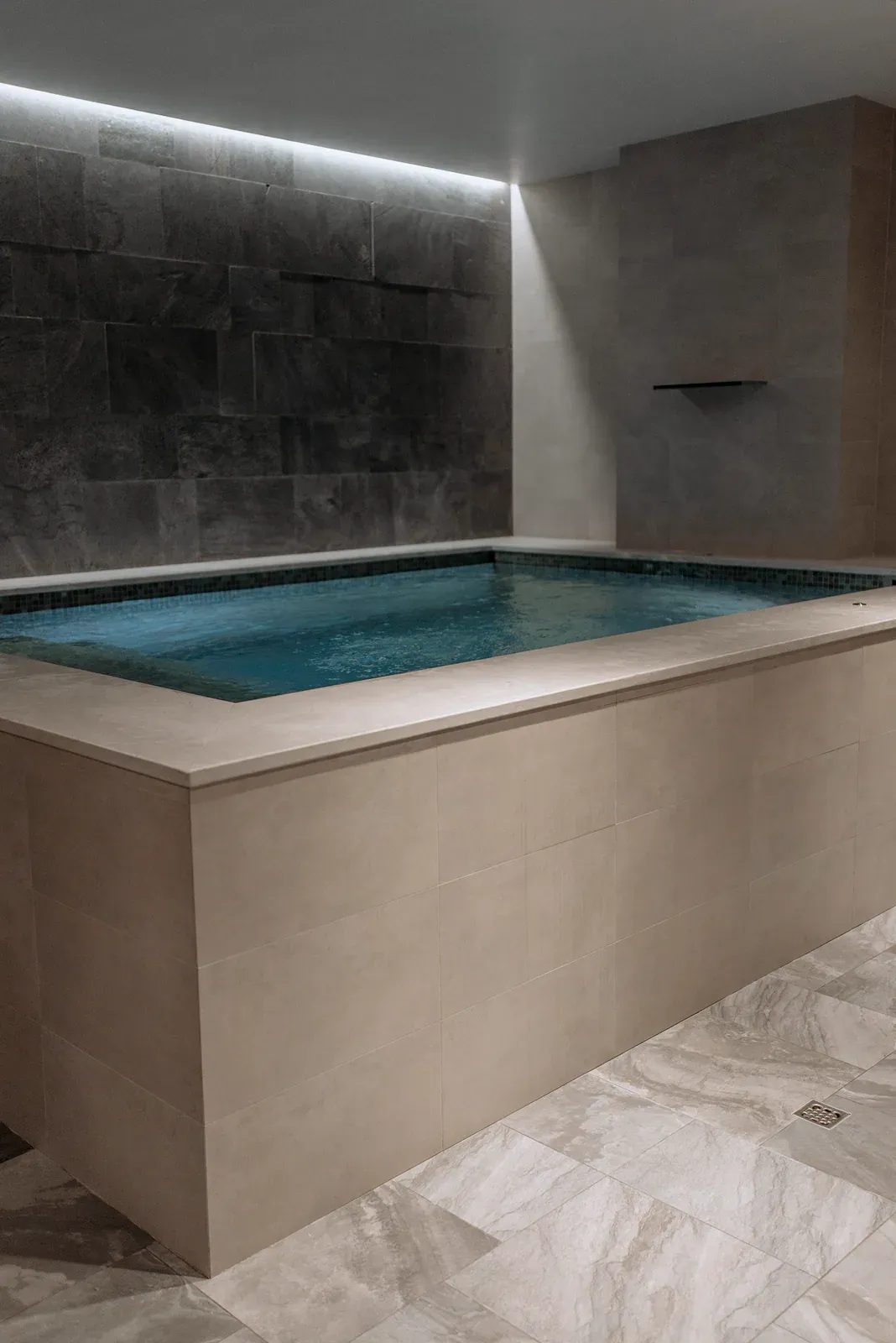
Whirlpool baths, contrast pools, and flotation tanks appear at the destination-spa end of the market more than at urban day spas, simply because they need dedicated infrastructure. Genuinely relaxing, and a good complement to a massage rather than a replacement for one: see saunas, ice baths and recovery for how hot-cold circuits and float tanks work as a category of their own outside the spa context.
Couples’ rooms
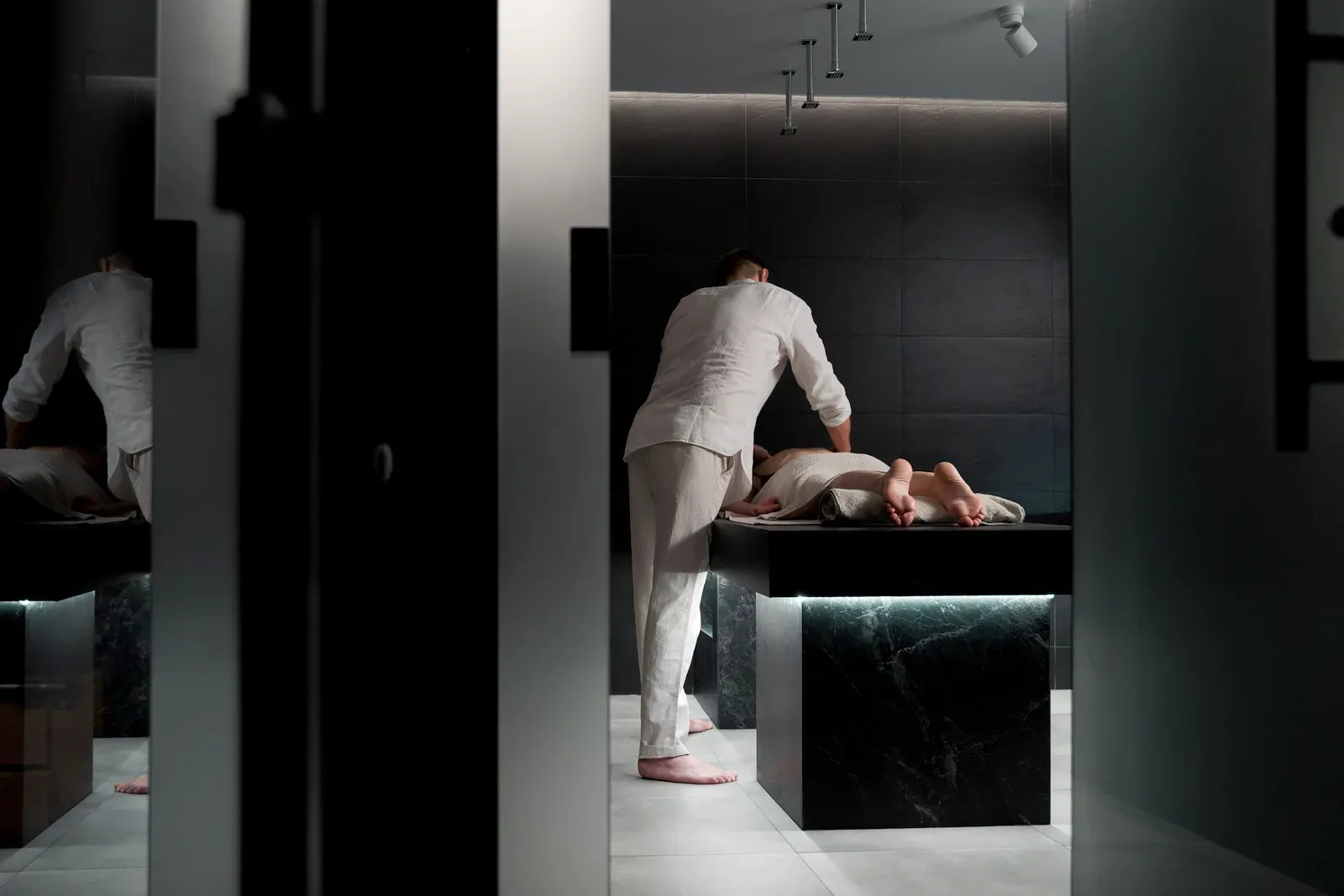
A shared room with two therapists working simultaneously, common at hotel and destination spas, less common at smaller urban day spas. Worth the premium if being in the same room matters to you; if it doesn’t, two separate bookings at a good spa often cost less than one couples’ slot at a mediocre one.
Half- and full-day packages
Usually bundle a scrub or wrap, a facial, a long massage, and lunch or use of facilities. The maths generally favours the package if you’d genuinely book three of its components separately anyway; it doesn’t if one component is filler you’d otherwise skip.
Booking mechanics
Hotel and destination spas expect a booking, often a day or more ahead for weekend slots or a specific therapist, and confirm by phone, app or a hotel concierge. Urban day spas vary: some take walk-ins for a basic massage but want advance booking for facials or long packages, since a full room turnover takes preparation. Mall spas and salon-spa hybrids are the most walk-in-friendly of the categories.
If you’re time-limited or want a specific package, book ahead. If you’re flexible and just want a good massage, walking into a well-reviewed urban day spa near a station usually works.
Most bookable spas hold a cancellation window, commonly 24 hours, after which a fee or a card hold may apply: this is standard practice and worth checking at booking rather than assuming it mirrors a restaurant reservation. Confirming a booking by message the morning of a visit is a reasonable habit, particularly at smaller urban day spas that don’t run automated confirmation systems.
Price bands, service charge and “plus plus”
| Tier | 90-minute massage or equivalent single treatment | Half-day package |
|---|---|---|
| Mall spa / salon-spa hybrid | ฿600-1,200 (roughly US$17-34) | Rarely offered |
| Urban day spa | ฿1,000-2,500 (roughly US$28-70) | ฿2,500-5,000 (roughly US$70-140) |
| Hotel spa | ฿2,000-5,000 (roughly US$56-140) | ฿5,000-10,000 (roughly US$140-280) |
| Destination / wellness retreat | ฿3,000-8,000+ (roughly US$84-225+) | ฿8,000-20,000+ (roughly US$225-560+) |
These are broad indicative bands for 2026, not quotes for a specific business. At the spa tier (hotel, destination and most urban day spas) a service charge (commonly 10%) and 7% VAT are usually added on top of the menu price, sometimes shown as “+ +” or “plus plus” after the figure. That can add close to 20% to the bill, so a ฿3,000 treatment listed as “3,000++” can land closer to ฿3,500-3,600. Ask directly, or check the small print on the menu, before you book anything close to your budget ceiling.
Gratuities
Beyond the service charge, a further tip is customary but not obligatory, generally ฿100-300 depending on treatment length and tier, handed to the therapist directly or left in an envelope at reception marked for them. If the service charge already feels generous, a smaller additional tip is entirely normal.
Arriving early
Spas that include steam, sauna or a relaxation lounge in the price are worth arriving 20-30 minutes ahead of your slot to actually use them: treatment time itself rarely includes this, and a rushed arrival often means skipping the facilities you paid for. Hotel and destination spas are generally more accommodating of an early arrival than a mall spa working through a tight schedule of short slots.
The end-of-treatment product pitch
A soft sales pitch for a home-care product range at the end of a facial or body treatment is extremely common and not a sign anything went wrong. It’s reasonable to say a plain “not today” and leave it there: a professional spa doesn’t push past a clear no. If a pitch turns insistent, that’s a fair reason to mention it in feedback or simply not return, rather than something to feel obligated to work through.
Medical and aesthetic treatments
Some spas sit right at the edge of medical and aesthetic practice: advanced facials, body-contouring devices, injectables and similar procedures. The clear line: anything invasive, anything involving needles, lasers, or prescription-strength actives, belongs in a proper clinical setting with a qualified, licensed practitioner, not on a spa treatment menu delivered by a therapist without medical training. This site covers hospitals and clinics as their own subject elsewhere; if a treatment you’re considering falls into that category, that’s the right place to start, not a spa’s aesthetic menu. This is general guidance, not medical advice: ask a qualified clinician before booking anything invasive.
Wellness retreats within reach of the city
Beyond the city’s day-spa scene, a smaller number of dedicated wellness retreats operate within a couple of hours of Bangkok, built around multi-day stays, structured programmes (fasting, fitness, detox-style menus) and a slower pace than an urban spa can offer. These suit a different trip shape entirely (a booked block of days, not a slot between meetings) and are worth treating as a separate kind of holiday rather than an extension of a city spa visit. Programme claims at this end of the market vary widely in how well supported they are; treat marketing language about detox and healing with the same scepticism you’d apply anywhere else, and don’t expect a multi-day programme to substitute for medical care. A wellness retreat is also not the same as a licensed rehab facility; anyone looking for structured addiction treatment should see how to choose a rehab in Thailand instead.
Choosing between a retreat and a strong urban spa day mostly comes down to what you actually have time for. A single well-planned day (arrival with time to use facilities, one or two well-chosen treatments, a proper break afterwards) delivers most of the immediate relaxation benefit that a multi-day stay offers, just without the structured programme, group setting or dietary framework a retreat builds around. A retreat earns its extra cost and time commitment mainly through that structure and the accountability of being away from normal routine, not through access to fundamentally different treatments.
Spas for men
Bangkok’s spa industry is used to a broad mix of clientele, and a well-reviewed urban day spa or hotel spa is a comfortable choice for men on the same terms as anyone else: no special “men’s spa” search is generally necessary. A small number of venues do market specifically to men, mostly around barbering-plus-spa formats (a proper cut and shave alongside massage and facials), which suit anyone who’d rather combine a haircut with the visit.
Going as a couple
Beyond the couples’-room option covered above, a shared spa day works well as a paced-down alternative to sightseeing: book a package with enough gap between treatments to use shared facilities together rather than back-to-back solo slots. If schedules or preferences differ (one person wants a facial, the other a deep-tissue massage), most spas are used to running parallel but different treatments for a couple without issue.
What a good spa day looks like, end to end
A genuinely good spa day in Bangkok has a shape to it: arrive with time to spare rather than rushing straight into a table, use whatever facilities are included before the treatment rather than after, choose one or two treatments you actually want rather than a package padded with filler, ask plainly about service charge and VAT before you commit to anything near your budget, and leave time afterwards rather than booking something straight after. None of that requires a destination-spa budget: it’s as achievable at a well-run urban day spa as at a five-star hotel, and a well-chosen Thai massage at a good shophouse can outperform a mediocre spa package on pure treatment quality, even if it lacks the lounge and the robe.
For professional training, see Thai massage courses in Bangkok and beauty and aesthetic courses.
For specific venues, see our guides to head spas and hair spas, Makkha Health & Spa, Oasis Spa, massage shops and chains and hotel and day spas compared.
Common questions
What does “plus plus” mean on a spa price?
It signals that service charge (commonly 10%) and 7% VAT will be added to the listed price, which together can add close to 20%. Ask directly if it isn’t shown, especially for anything near your budget ceiling.
Should I book a hotel spa or an urban day spa?
Hotel spas generally offer more consistent facilities and easier booking; urban day spas near BTS or MRT stations often match or beat them on treatment quality for less money. Neither is automatically better: check therapist reviews and the specific treatment menu rather than the category alone.
Is it normal to be offered products to buy after a facial?
Yes, it’s a routine part of the business model at most spas, and a plain “not today” is a completely normal response. It isn’t a sign of a bad spa unless the pitch turns insistent after you’ve declined.
How much should I tip at a Bangkok spa?
Beyond any service charge already added to the bill, a further ฿100-300 depending on treatment length is customary, handed to the therapist or left at reception marked for them. It isn’t obligatory but is the norm at most spas.
Can I get Botox or fillers at a Bangkok spa?
No: anything invasive, including injectables, needs a licensed clinical setting and a qualified practitioner, not a spa treatment menu. This site covers hospitals and clinics separately; that’s the right starting point for any medical or aesthetic procedure. This is general guidance, not medical advice.
Are wellness retreats near Bangkok worth it compared with a city spa day?
They serve a different purpose: a booked multi-day stay with a structured programme, rather than a slot between other plans. They suit travellers with the time for it, but claimed health benefits vary in how well they’re supported, so treat marketing language with the same caution you would anywhere else.
Written by
Mike Brochlowski
Founder and editor, travel photographer and designer
I'm Mike Brochlowski, a travel photographer and designer, and I currently live on Koh Samui, Thailand. I built BangkokWiki to put practical, checked information about Bangkok in one place. Every page is researched from official and primary sources, and the text names them. Where a page shows a checked date, that is when its facts were last confirmed. I also run samui69.com, a non-commercial guide to Koh Samui. If you spot an error or something out of date, tell me through the contact page and I will check it and correct the page.
Read all articles
Where to stay
Pick the area before the hotel
Traffic and heat make Bangkok distances feel longer than they look on a map, so the area shapes a trip more than the hotel does. Our guides match areas to trip types and explain the trade-offs.

Places to stay
Find a hotel
More from Things to do
- 12 min read
 13 min read
Thai Massage in Bangkok: Types, Prices, Etiquette
 10 min read
Hidden temples in Bangkok worth crossing the city for

Newsletter
You're subscribed as