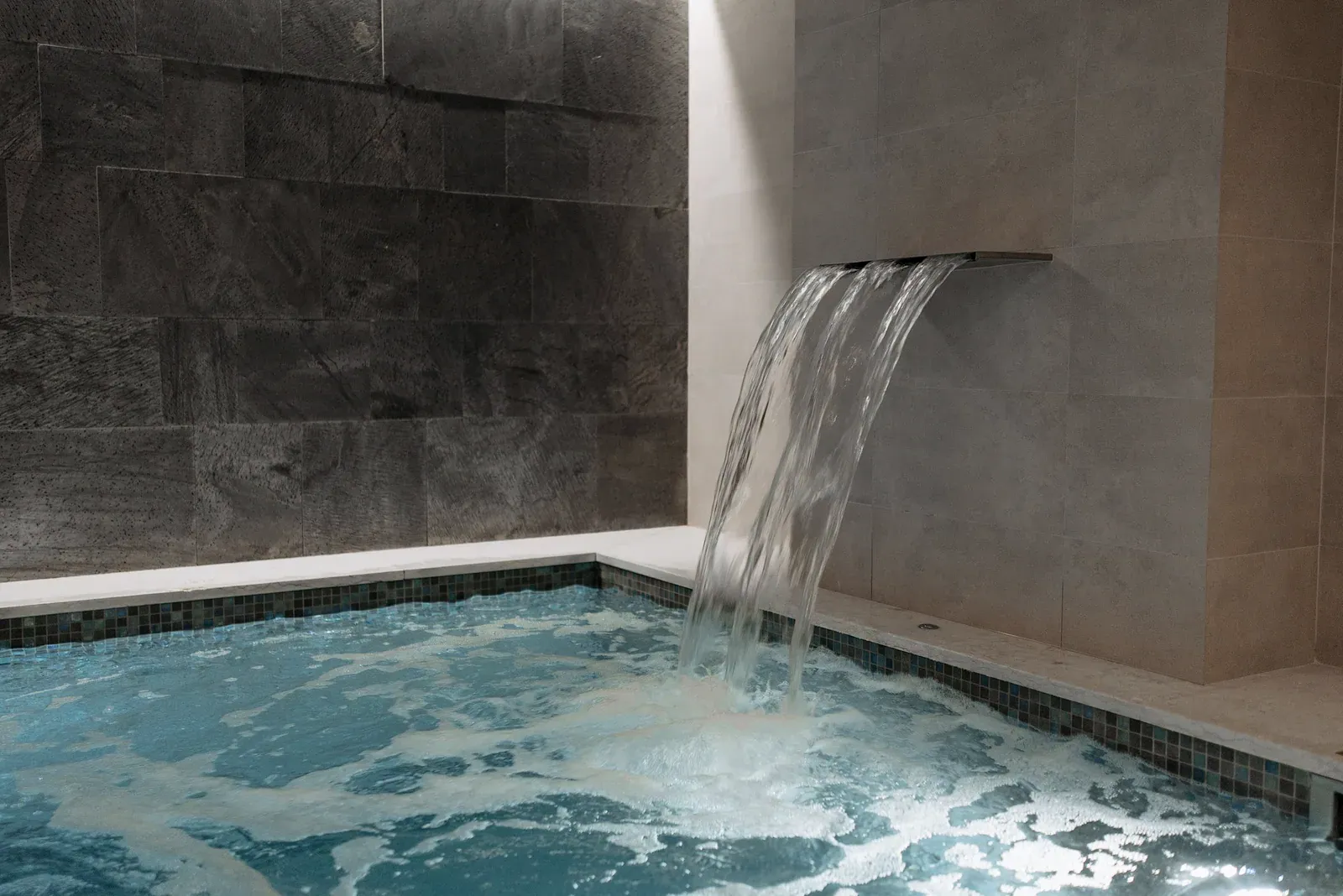
Things to do
Sauna and Ice Bath in Bangkok: A Guide to the Recovery Scene
Where to try saunas, ice baths, cryotherapy and float tanks in Bangkok, with prices, safety basics and how to build a weekly recovery routine.
At a glance
- Reading time
- 12 min read
- Chapters
- 15
- Published
- Sep 20, 2026
On this page
Bangkok’s recovery scene has grown fast, driven by the city’s training and endurance culture: Muay Thai gyms, marathon and triathlon groups, and a steady flow of long-haul travellers who land tired. What used to mean a gym sauna now includes dedicated cold-plunge studios, infrared sauna venues, cryotherapy chambers and float tanks. This guide covers what exists, what a session actually involves, and the safety basics worth knowing before you sit in 90°C heat or drop into single-digit water in a tropical city.
What exists
| Option | What a session involves | Typical price structure | Who it suits |
|---|---|---|---|
| Dedicated recovery studios | Cold plunge and sauna or steam in one facility, usually 45-90 minutes across a guided or self-paced circuit | Single session, class pack, or membership | Anyone building a regular routine, training groups |
| Gym and condo saunas/steam rooms | Small dry sauna or steam room attached to a gym or residential building | Included with gym or building access | Casual, low-commitment use after a workout |
| Infrared sauna venues | Lower ambient heat than traditional sauna, longer sessions (30-45 minutes), often marketed on relaxation and skin | Single session or pack | Those who find traditional sauna heat too intense |
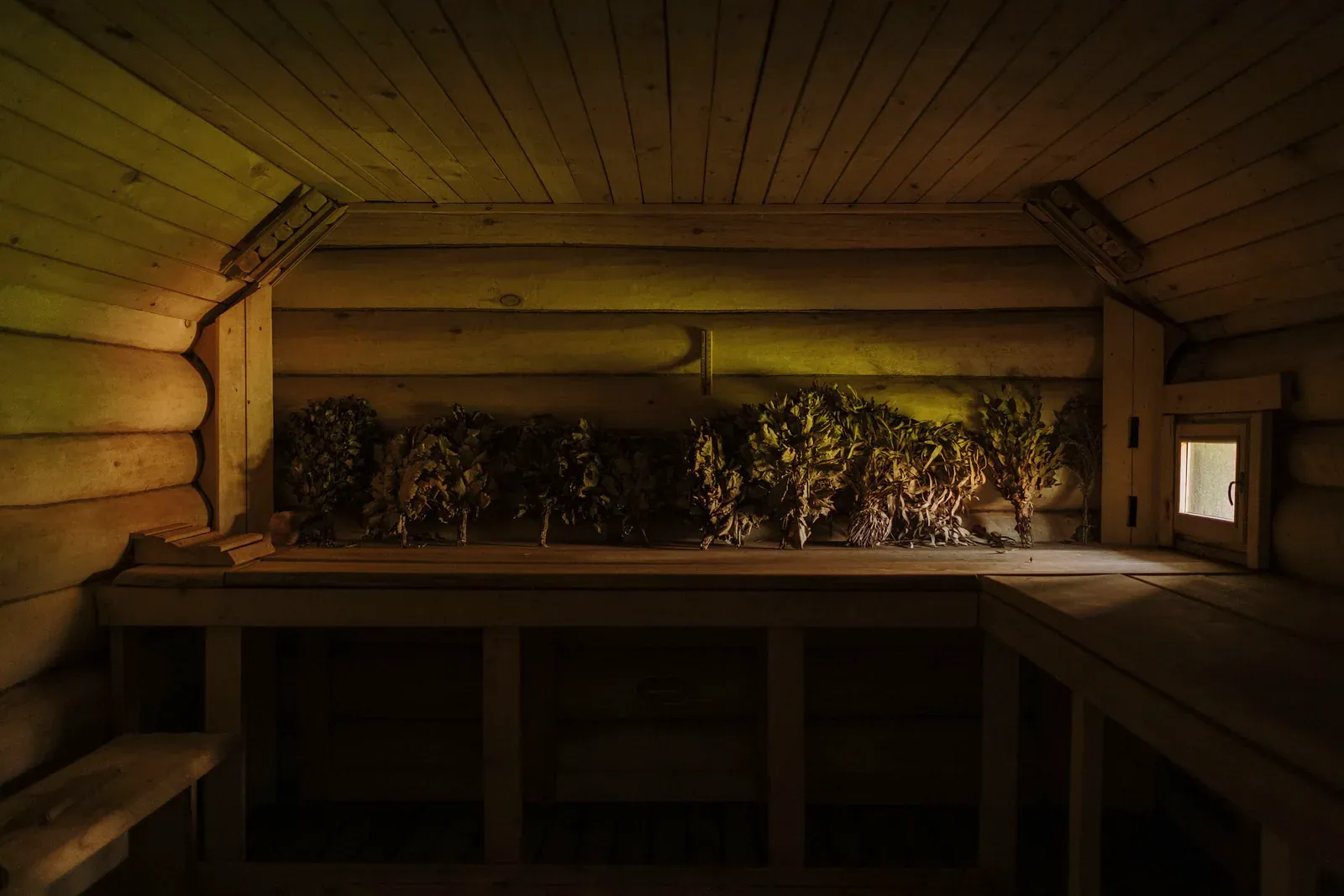
| Russian / Finnish-style bathhouses | Higher-heat sauna, sometimes with a whisk or steam ritual, often multi-room facilities | Entry fee, sometimes with add-on treatments | A longer, more social sauna session |
| Hot-and-cold circuits inside spas | Sauna, steam, plunge pool and relaxation lounge as part of a spa’s facilities | Usually included with a treatment booking, sometimes standalone entry | Spa visitors wanting a fuller facility experience: see day spas and treatments |
| Cryotherapy chambers | Very short (2-4 minute) whole-body exposure to extreme cold air | Single session or pack, priced per short session | Time-poor visitors wanting a quick, intense reset |
| Compression boots / percussion guns | Pneumatic leg compression or handheld percussive massage, 15-30 minutes | Single session, pack, or drop-in at some gyms | Post-training leg fatigue, quick turnaround between sessions |
| Float tanks | 60-90 minutes floating in body-temperature, high-salinity water in a dark, quiet tank | Single session or pack | Sensory rest, mental recovery, insomnia-prone travellers |
| Sports massage and physiotherapy clinics | Targeted manual therapy or clinical assessment for a specific issue | Per session, sometimes bundled into a treatment plan | Actual injuries or persistent pain: the serious end of this list |
The first six are, broadly, wellness and comfort practices. The last three (compression and percussion tools, and especially physiotherapy) shade into genuine clinical care, and that distinction matters for how you should think about them.
Price bands (indicative, 2026)
| Option | Single session | Pack or membership |
|---|---|---|
| Dedicated recovery studio (sauna + plunge) | ฿400-900 (roughly US$11-25) | ฿3,000-8,000+ for a 5-10 session pack |
| Gym/condo sauna or steam room | Usually included | Included with gym or building membership |
| Infrared sauna | ฿500-1,000 (roughly US$14-28) | ฿4,000-7,000 for a pack |
| Russian/Finnish bathhouse | ฿300-800 entry (roughly US$8-22) | Add-on treatments priced separately |
| Cryotherapy chamber | ฿1,000-2,000 (roughly US$28-56) per short session | ฿5,000-10,000+ for a pack |
| Compression boots / percussion gun | ฿300-800 (roughly US$8-22) | ฿2,500-6,000 for a pack |
| Float tank | ฿1,200-2,500 (roughly US$34-70) | ฿5,000-10,000+ for a pack |
| Sports massage / physiotherapy | ฿800-2,500 (roughly US$22-70) per session | Priced per treatment plan, not usually packaged like the above |
These are broad indicative bands for 2026, not quotes for a specific business, and pack pricing in particular varies a great deal by studio.
Where these cluster
Dedicated recovery studios and cryotherapy venues concentrate near the same neighbourhoods that carry Bangkok’s gym and training scene: Thong Lor and Ekkamai (BTS Sukhumvit line), and pockets around Ari (BTS Sukhumvit line) and Sathorn (BTS Silom line, near Chong Nonsi and Surasak). Traditional bathhouses and larger multi-room sauna facilities are more scattered and often older, standalone buildings rather than station-adjacent storefronts. If a training gym or condo has its own sauna or steam room, that’s usually the lowest-friction starting point before seeking out a dedicated recovery studio elsewhere.
Why a sauna in a city this hot is a deliberate choice
Bangkok’s ambient heat and humidity mean a sauna isn’t solving a comfort problem the way it might in a cold climate: you’re adding heat stress on top of a body that may already be running warm from the walk over. That’s not a reason to avoid sauna use, but it is a reason to treat each session as a deliberate choice rather than a passive comfort activity: rehydrate more than you think you need to, keep sessions shorter than you might in a temperate climate, and pay attention to how you feel walking in, not just how you feel once you’re seated.
Hydration before and after
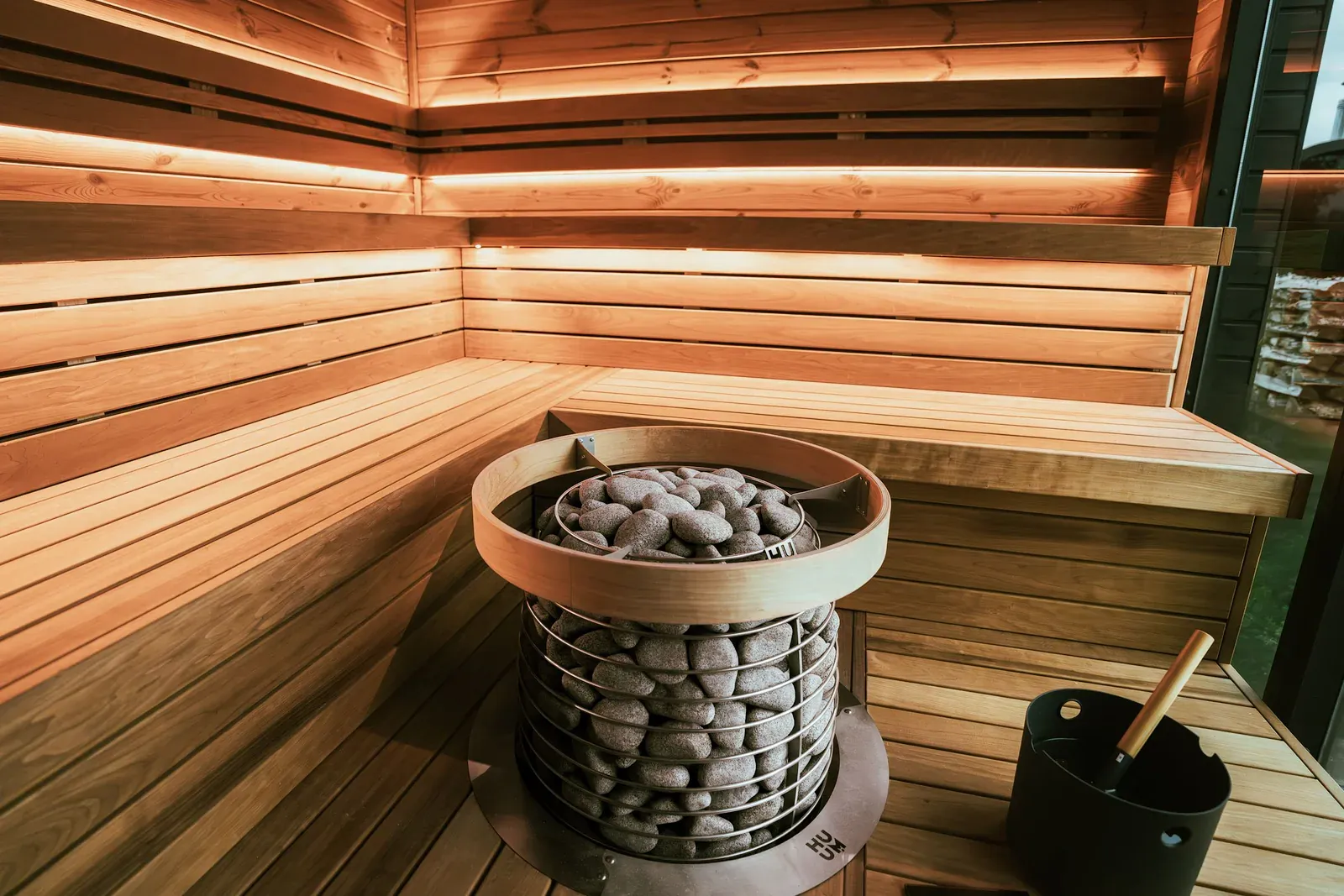
Drink water in the hour before a sauna or hot-cold circuit session, not just afterwards: arriving already dehydrated from a hot day outside is the most common way a session goes from uncomfortable to genuinely unsafe. After a session, plain water is generally enough for a single sauna visit; an electrolyte drink is worth adding after a longer circuit, a Muay Thai session beforehand, or in the hottest months when you’ve likely already lost fluid before you arrive.
Session lengths and general safety points
Sauna sessions of 10-15 minutes per round, with a break to cool down and rehydrate between rounds, are a reasonable starting point for someone new to the practice; experienced users often go longer, but building up gradually is safer than matching a fellow visitor’s habit on your first visit. A few points worth flagging honestly, framed as reasons to check with a clinician rather than as instructions: alcohol and sauna use together increase the risk of dizziness and dehydration and are best kept well apart in time, not combined in the same evening; anyone with a diagnosed heart condition or uncontrolled blood pressure should ask a doctor before sauna or extreme heat exposure; pregnancy is generally a reason to avoid high-heat sauna and extreme cold exposure altogether, again best confirmed with a clinician; and any sign of heat illness (dizziness, nausea, confusion, stopping sweating) is a reason to leave immediately, cool down, and seek help if it doesn’t pass quickly. This is general guidance, not medical advice.
Cold plunge basics
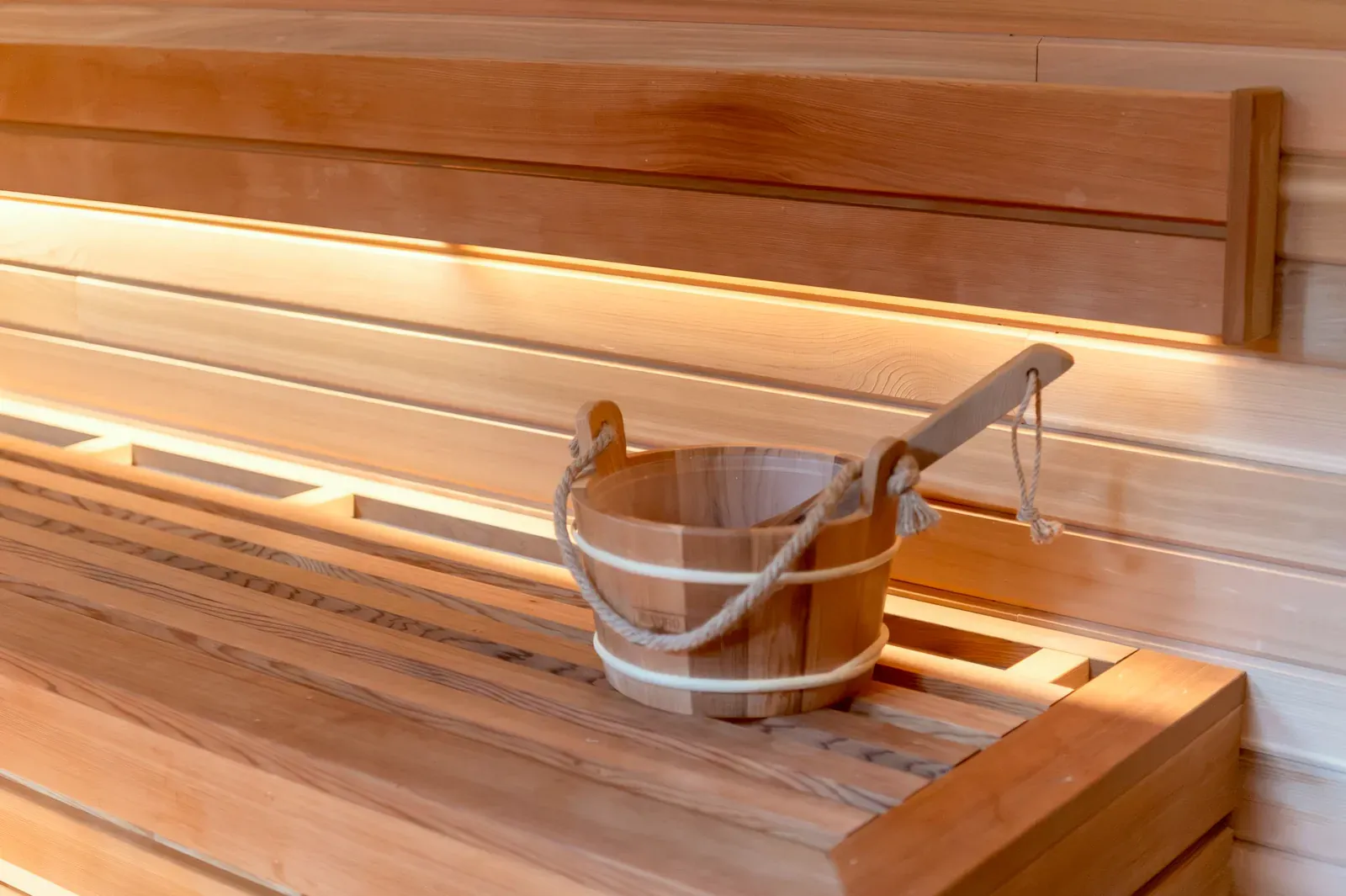
Cold plunge or ice bath sessions typically run far shorter than sauna: most guidance in the recovery space suggests somewhere in the range of one to three minutes per immersion, though tolerance varies hugely between people and builds with practice. The same caveats apply as with heat: uncontrolled cardiovascular conditions, pregnancy, and recent injury are all reasons to check with a clinician first rather than assume cold exposure is automatically safe because it’s popular. Entering gradually rather than jumping straight in, and never plunging alone if you’re new to it, are sensible defaults. This is general guidance, not medical advice: ask a doctor if you’re unsure whether cold exposure suits your circumstances.
Breathing matters more than most first-timers expect. The instinctive gasp-and-hyperventilate reaction on entry is normal, but staying still and slowing the breath for the first ten to fifteen seconds makes the rest of the immersion far more manageable than fighting the water or thrashing to distract from the cold. Studios running guided sessions usually coach this explicitly; going alone at a gym or condo plunge, it’s worth practising slow exhales deliberately rather than assuming the body will settle on its own.
Booking, walk-ins and memberships
Dedicated recovery studios generally work on a mix of single drop-in sessions, class-style packs, and monthly memberships, with a first visit sometimes requiring a short induction to cover breathing technique and facility rules. Gym and condo saunas need no booking beyond building or membership access. Bathhouses and larger multi-room facilities are typically walk-in, though a specific treatment add-on (scrub, massage) may need a slot booked on arrival. Cryotherapy and float tanks almost always require booking, since each session needs the chamber or tank reset and checked between users. For anyone visiting Bangkok short-term, a single drop-in session at two or three different studios is a more sensible way to find a preferred format than committing to a membership before trying the format at all.
Etiquette and hygiene in shared facilities
- Shower before entering a shared sauna, steam room or plunge pool: this is standard practice at nearly every facility and expected even where it isn’t explicitly posted.
- Bring or use the provided towel to sit on in a sauna, both for hygiene and because it’s the norm at most venues.
- Keep voices low in shared sauna and steam spaces; they’re generally treated as quiet, low-stimulation environments rather than social ones.
- Rinse off before and after a cold plunge shared by multiple users.
- Follow any posted time limits at busier facilities: a full sauna with people waiting is not the place for an extended solo session.
- Phones are generally discouraged or banned in saunas and steam rooms, partly for hygiene and partly for the comfort of other users.
What to bring
- Swimwear (most sauna and plunge facilities require it; a small number of traditional bathhouses have separate single-sex nude sections, check before assuming)
- A towel, even where one is provided, for extra coverage or drying off between rounds
- A refillable water bottle
- Flip-flops or sandals for wet floor areas
- A change of clothes if you’re heading elsewhere afterwards, since most facilities have showers but sessions leave you needing a proper change
Mixed versus single-sex facilities
This varies significantly by venue type. Recovery studios and spa hot-cold circuits are typically mixed and swimwear-based throughout. Traditional Russian- or Finnish-style bathhouses more often run single-sex sessions or separate sections, sometimes with different rules on swimwear by section. Gym and condo saunas follow whatever the building’s general facility rules are, which are usually mixed. Always check a specific venue’s format before turning up, rather than assuming based on the category.
Recovery for Muay Thai and endurance training
For anyone training seriously (Muay Thai long-stayers doing multiple sessions a week, or runners and triathletes building toward an event), recovery tools work best layered rather than chosen one at a time. A typical useful pattern: light stretching or mobility work daily, a sauna or hot-cold circuit two to three times a week for general recovery and relaxation, compression or percussion tools on particularly heavy leg days, and targeted massage (herbal compress or deep tissue rather than a general relaxation massage) for specific muscle soreness after the hardest sessions. None of this replaces adequate sleep and food, which do more for recovery than any device or facility on this list.
For places to book, see our guides to head spas, massage shops and chains and hotel and day spas compared. Training for a race? See our Hyrox Bangkok guide.
Jet lag and the long-haul arrival
Long-haul arrivals in Bangkok combine sleep disruption with heat and humidity the body isn’t yet adjusted to, which makes the first day or two a poor time for an intense sauna or cold-plunge session: the body is already working to regulate itself. A gentler option in the first 24-48 hours: a short, low-heat sauna or infrared session, a float tank for pure rest, or simply a gentle massage rather than a demanding hot-cold circuit. Save the more intense recovery tools for once you’re sleeping on local time.
Physiotherapy: how people find a practitioner here
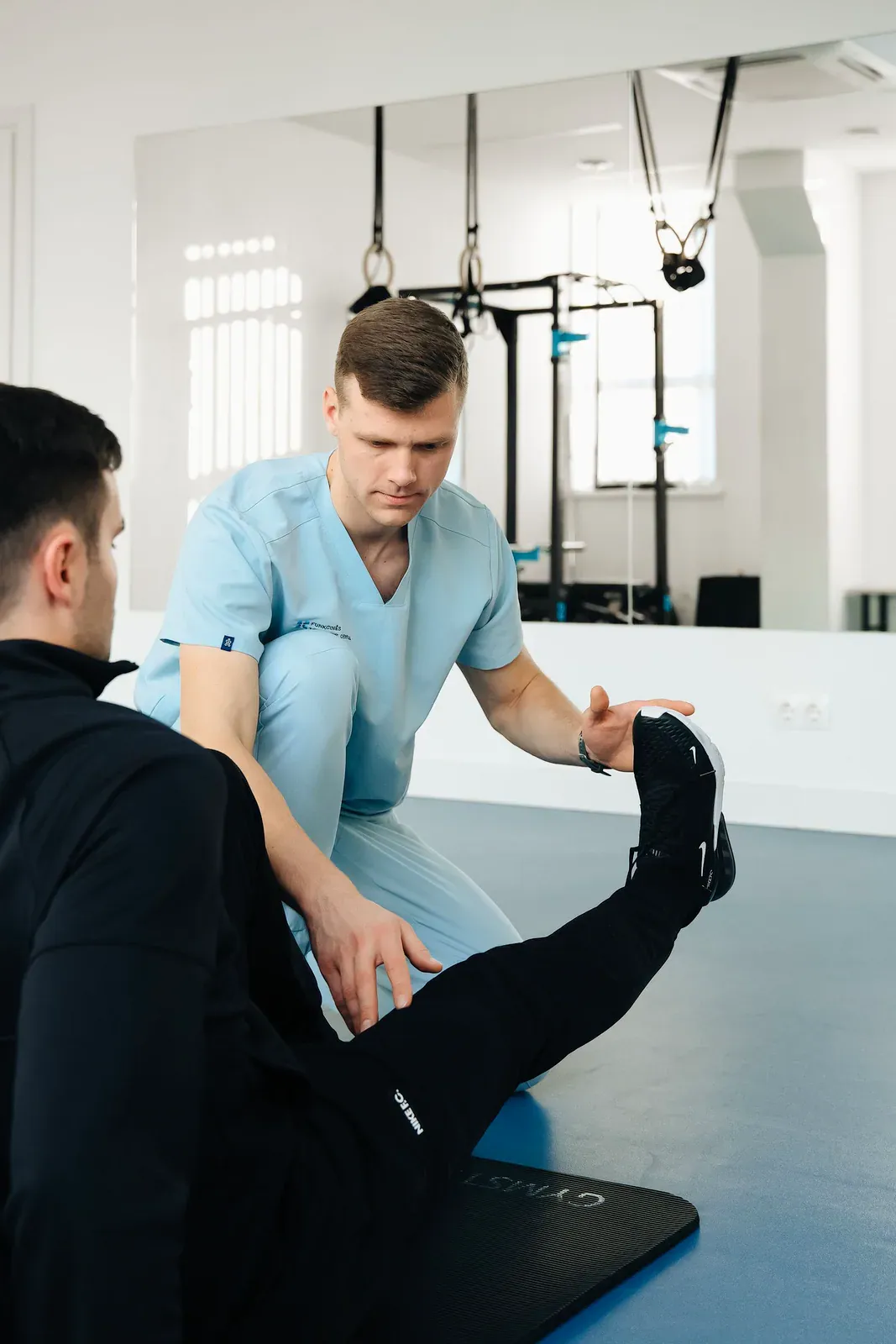
For an actual injury, persistent pain, or a training issue that isn’t resolving with rest and general recovery tools, physiotherapy is the right category rather than a spa or recovery studio: a physiotherapist assesses the specific issue and builds a plan, rather than offering a general wellness session. Practitioners in Bangkok are found through hospital physiotherapy departments, dedicated sports-medicine or physiotherapy clinics, and recommendations from gyms and training camps that work with them regularly. This is general guidance, not medical advice: for anything beyond general soreness, a proper clinical assessment beats guessing between recovery tools.
The honest evidence picture
It’s worth being direct about this: the evidence behind claimed benefits of sauna use, cold plunge, cryotherapy and compression tools varies a great deal from one practice to another, and from one claimed benefit to the next. Some effects (feeling more relaxed after a sauna, or a compression session easing perceived heaviness in tired legs) are well supported by most people’s direct experience even where the underlying research is thinner. Bigger claims, such as specific long-term health outcomes or dramatic performance gains attributed to any single practice, are supported less consistently than the marketing around them suggests. None of this means these practices aren’t worth doing (many people find real, immediate value in them) but it’s worth treating them as tools that make you feel better now, not as substitutes for medical care or guaranteed performance interventions. This is general guidance, not medical advice.
Building a weekly recovery routine around a training block
A reasonable structure for someone training multiple times a week, adaptable to whatever facilities are nearby a chosen accommodation or gym:
- 2-3 sauna or hot-cold circuit sessions, ideally on harder training days or the day after, kept to moderate length rather than pushed to a personal record every time.
- 1 longer massage session (herbal compress or deep tissue) timed for a rest day or the day after the heaviest training session of the week, rather than immediately before hard training.
- Compression or percussion tool use as needed after the heaviest leg-focused sessions, rather than daily by default.
- A float tank or infrared session once every week or two, more for mental reset than physical recovery, especially useful during a longer training trip.
- Physiotherapy brought in specifically if any pain or niggle persists beyond a few days of general recovery: not held in reserve indefinitely on the assumption it’ll resolve on its own.
Sleep, hydration and food remain the base layer under all of this; the routine above supplements a solid foundation rather than replacing one.
Common questions
How long should I stay in a sauna in Bangkok’s climate?
A reasonable starting point is 10-15 minutes per round with a break between rounds, shorter than you might use in a cooler climate, since the body is often already running warm before you begin. Build up gradually rather than matching an experienced user’s routine on a first visit.
Is cold plunge safe for everyone?
No: uncontrolled heart conditions, pregnancy and recent injury are all reasons to check with a clinician first. For most healthy adults, short immersions of one to a few minutes, entered gradually, are the common approach, but this is general guidance rather than medical advice.
What’s the difference between cryotherapy and a cold plunge?
Cryotherapy uses very short (2-4 minute) exposure to extremely cold air in a chamber, while a cold plunge is full-body immersion in cold water for a similar or slightly longer duration. Both carry similar general cautions around heart conditions and pregnancy.
Should I do a sauna session before or after Muay Thai training?
After, generally, once the body has cooled down somewhat from training: sauna immediately before hard training adds heat stress on top of the session itself. Hydrate well either way, and more than you think you need to in this climate.
Are saunas and cold plunges mixed-sex in Bangkok?
It depends on the venue. Recovery studios and spa circuits are typically mixed and swimwear-based; some traditional bathhouses run single-sex sessions or sections. Check the specific venue’s format before you go.
When should I see a physiotherapist instead of just doing more recovery?
If pain or a specific issue persists beyond a few days despite rest, massage and general recovery tools, a physiotherapy assessment is the right next step rather than trying more recovery tools on the same problem. This is general guidance, not medical advice.
Written by
Mike Brochlowski
Founder and editor, travel photographer and designer
I'm Mike Brochlowski, a travel photographer and designer, and I currently live on Koh Samui, Thailand. I built BangkokWiki to put practical, checked information about Bangkok in one place. Every page is researched from official and primary sources, and the text names them. Where a page shows a checked date, that is when its facts were last confirmed. I also run samui69.com, a non-commercial guide to Koh Samui. If you spot an error or something out of date, tell me through the contact page and I will check it and correct the page.
Read all articles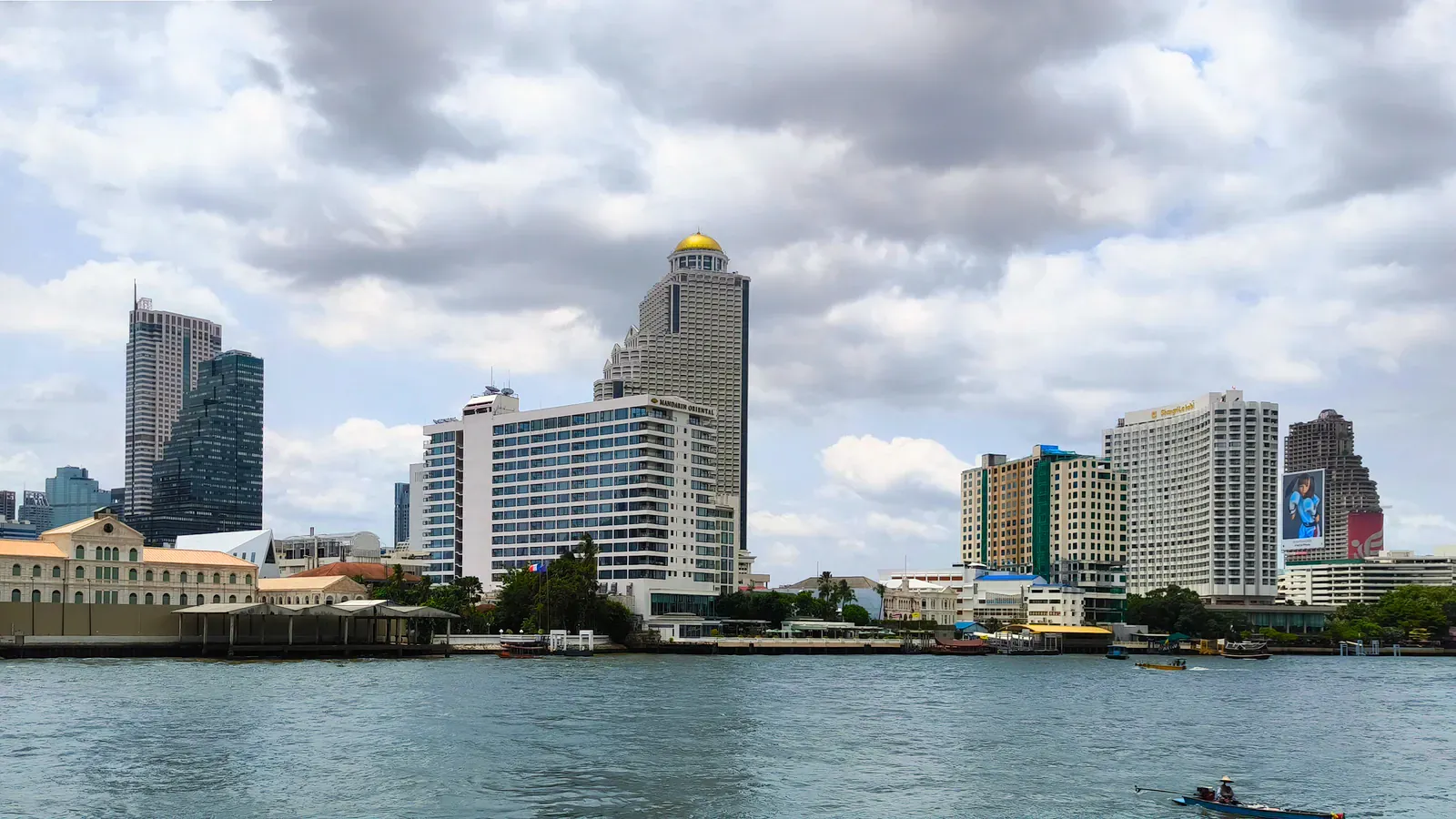
Where to stay
Pick the area before the hotel
Traffic and heat make Bangkok distances feel longer than they look on a map, so the area shapes a trip more than the hotel does. Our guides match areas to trip types and explain the trade-offs.

Places to stay
Find a hotel
More from Things to do
- 12 min read
 13 min read
Thai Massage in Bangkok: Types, Prices, Etiquette
 10 min read
Hidden temples in Bangkok worth crossing the city for

Newsletter
You're subscribed as