Living
Silom Bangkok Area Guide: Business District After Hours
Silom by day is Bangkok's financial spine; by night it's Patpong and Soi 2/4. A street-by-street guide to the split, the rent and who it suits.
On this page
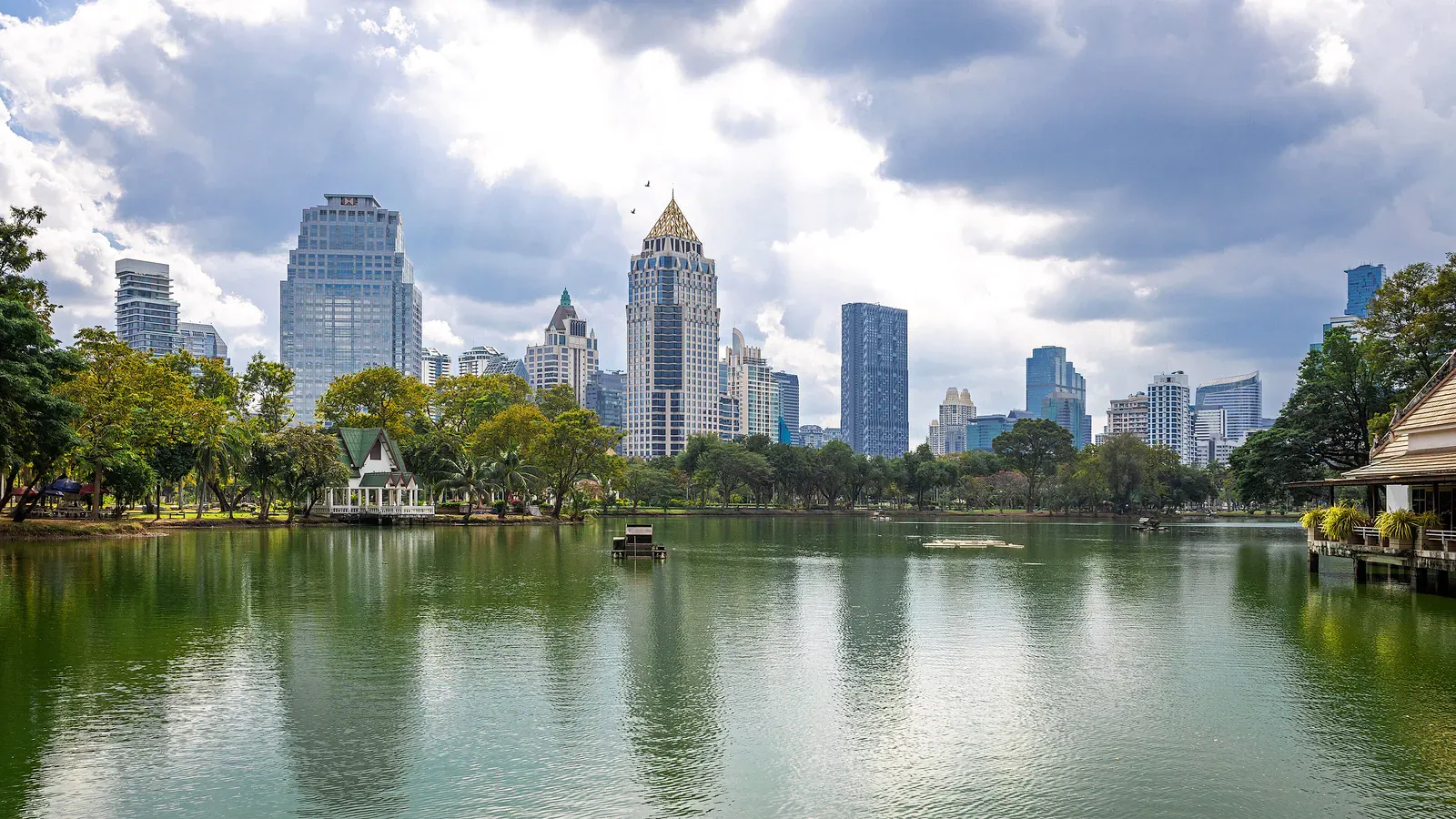
Silom is two neighbourhoods sharing one road. By day it is Bangkok’s oldest financial district: bank towers, lunch queues, embassy staff crossing at Sala Daeng. By 9pm the office crowd has gone home and Patpong’s night market and Soi 2 and 4’s bars take over the same few blocks. Nowhere else in the city flips character this completely on a daily clock, and understanding which Silom you are moving into (or visiting) matters more than any other single fact about the area.
This guide treats Silom as its own place rather than folding it into the wider Sathorn/Silom CBD block covered in Sukhumvit vs Sathorn. For the citywide picture, see Where to Live in Bangkok; for how Silom’s commute compares to other areas by the minute, see Commute Times Across Bangkok by Area.
Getting there: one interchange, two systems
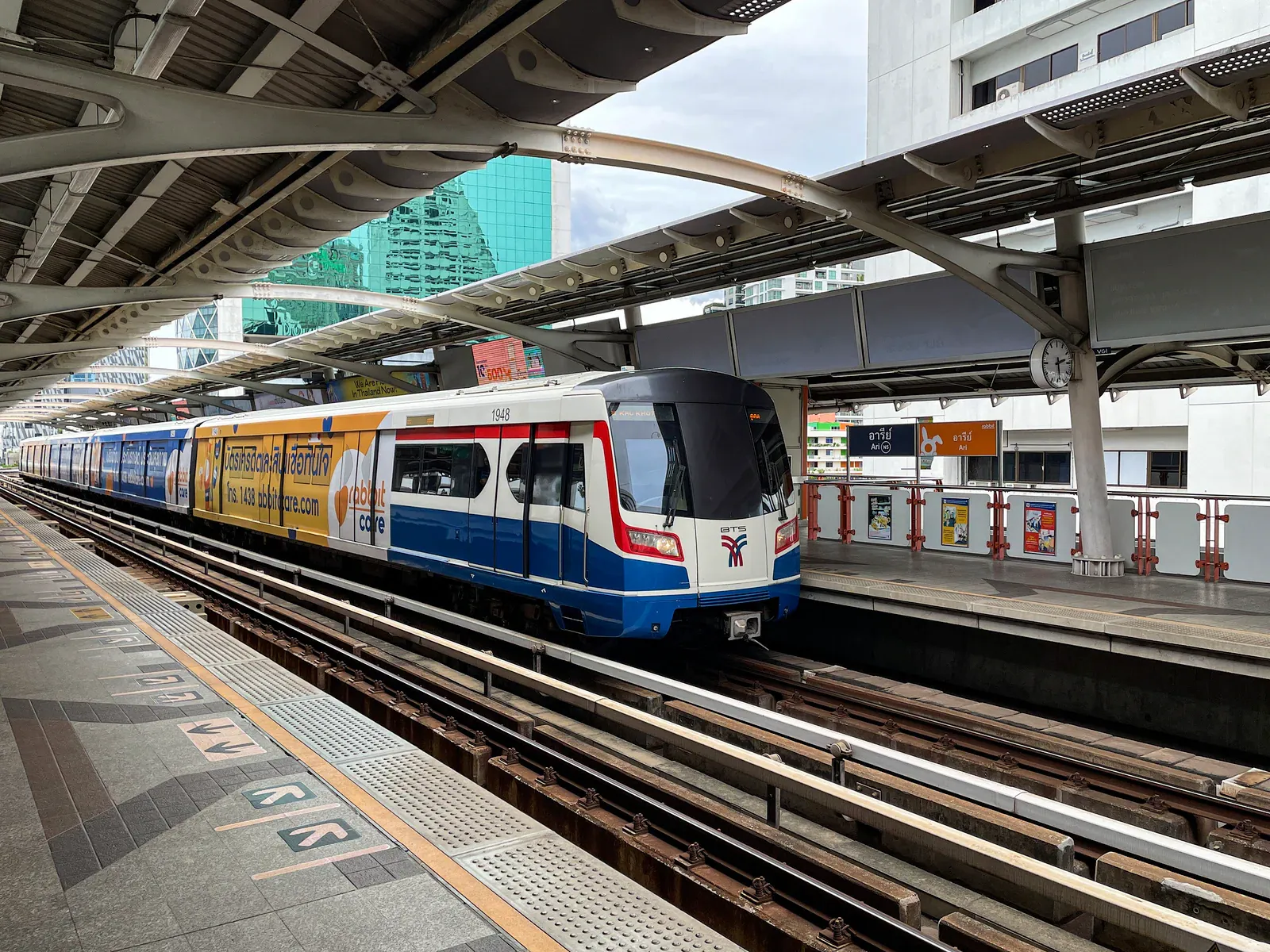
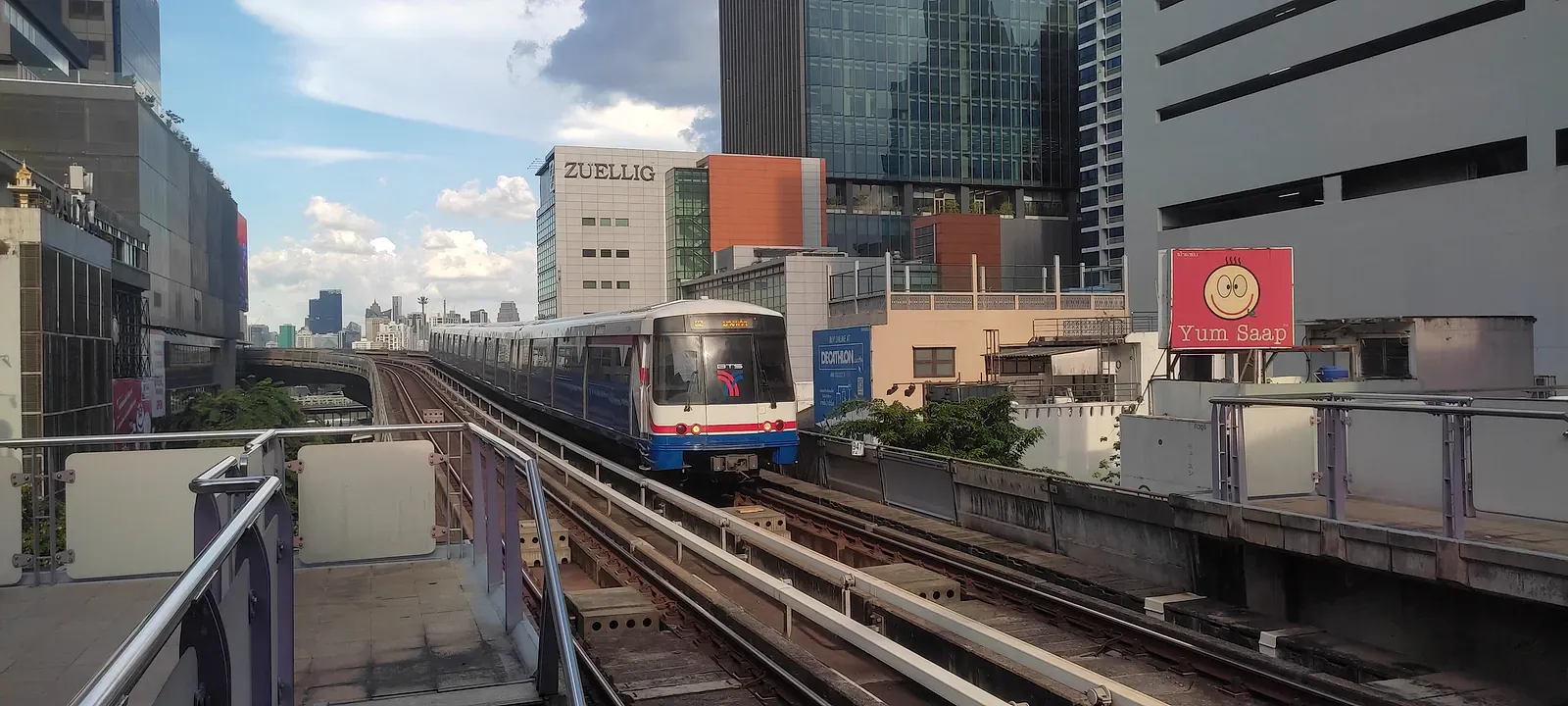
Silom sits at Bangkok’s cleanest rail crossroads. Sala Daeng (BTS Silom line) and Silom (MRT Blue Line) connect via a short covered walkway, so a single short walk reaches two lines running in two directions. According to the Bangkok Metropolitan Administration, over 300,000 people pass through the Silom corridor daily, most of them funnelled through that one interchange during the morning and evening rush. Outside those windows the station area is easy; inside them, budget extra minutes for the crowd alone, not just the train.
Two Siloms in one street
The clearest way to understand Silom is by time of day, not by block. Convent Road and Sala Daeng Soi 1 run a lunch-hour economy of noodle stalls, wine bars and casual restaurants that empties out once the office towers close. Patpong, tucked into two short sois off Silom Road itself, does the opposite: dead by day, jammed with a night market and go-go bars from early evening.
| Street or soi | Daytime | After dark |
|---|---|---|
| Silom Road (main strip) | Office workers, banks, Silom Complex mall | Traffic, restaurant crowds, entrance to Patpong |
| Convent Road / Sala Daeng Soi 1 | Lunch queues, wine bars, cafes | Dinner crowd, quieter than Patpong |
| Patpong Soi 1 and 2 | Deserted, shutters down | Night market stalls, go-go bars, tourist crowds |
| Silom Soi 2 and 4 | Quiet | LGBTQ bars from about 9pm (Soi 4), dance clubs to 2 to 3am (Soi 2) |
Patpong after dark: what to know before you go
The Patpong night market itself, the stalls running down the centre of both sois, is ordinary tourist-market shopping: watches, t-shirts, souvenirs, with the usual expectation of a friendly haggle. It’s the flanking upstairs bars where the scam risk concentrates, not the market stalls.
Silom Soi 2 and Soi 4 run a separate, LGBTQ-oriented nightlife scene a short walk from Patpong. Soi 4’s bars are busiest from around 9pm to midnight; after that, the crowd shifts across to Soi 2’s dance clubs, DJ Station chief among them, which run to 2 or 3am. Neither soi has Patpong’s tout problem to the same degree, since the venues are established bars rather than upstairs walk-ins.
Housing and rent
Silom’s residential stock is smaller and more corporate-serviced-apartment in character than Sukhumvit’s, reflecting decades as the city’s banking address. Checked listings in September 2026 put a one-bedroom condo in Silom at roughly 12,000 to 120,000 THB a month (~340 to 3,400 USD), with the average sitting near 32,000 to 34,000 THB (~900 to 970 USD) depending on building age and size. Older, plainer stock near the Bang Rak side of the district undercuts new towers close to the BTS by a wide margin; treat any single figure as a range to check against current listings, not a quote.
Who it suits, and who it doesn’t
- Walkability wide main-road pavements near the station
- 4 out of 5
- Noise loud on Silom Road itself, quieter one soi back
- 2 out of 5
- Nightlife Patpong plus Soi 2/4, but narrowly concentrated
- 4 out of 5
- Rent value wide spread between old and new stock
- 3 out of 5
Editorial rating, 1 to 5. Criteria explained in the text above.
Silom suits a CBD-office commute, an LGBTQ nightlife scene on the doorstep, or a short-stay visitor who wants both the financial district and Patpong within walking distance (see mid-range hotels in Silom and Sathorn or luxury hotels in Silom and Sathorn). It’s a weaker fit for anyone who wants Sukhumvit-level restaurant variety, families anchored to the Bangna-Trad school belt, or anyone sensitive to a main road that stays loud well into the evening. For the wider Sathorn comparison and its quieter southern sois, see Sukhumvit vs Sathorn. If you’re weighing Silom against other areas on the same criteria, see Matching Your Lifestyle to a Bangkok Area.
Common questions
Is Silom the same as Sathorn?
No, though they’re adjacent and often bundled together. Silom is the road and district north of Sathorn Road, anchored by Sala Daeng and Patpong; Sathorn is the more corporate strip to its south, with Lumphini Park at its edge. Living “in Silom” usually means closer to Patpong and the Sala Daeng interchange than to Sathorn’s quieter southern sois.
Is Silom safe at night?
Silom itself is well-lit, busy and heavily policed by Bangkok standards, including a tourist police presence near Patpong. The real risk isn’t street crime but the tout-driven overcharging scams described above, which target willing customers rather than random passersby.
Is Silom good for LGBTQ travellers or residents?
Yes. Soi 2 and Soi 4 form one of Bangkok’s longest-running LGBTQ nightlife clusters, walkable from the Sala Daeng interchange, with a mix of casual bars and late-night dance clubs.
How does Silom compare to Ari or Thong Lo for daily life?
It doesn’t try to be a residential neighbourhood in the same way. Ari and Thong Lo are built around daytime café and restaurant culture; Silom is built around an office economy that switches off at night, so its evening crowd is smaller and more nightlife-specific rather than spread across restaurants and cafes.
Written by
Mike Brochlowski
Founder and editor, travel photographer and designer
I'm Mike Brochlowski, a travel photographer and designer, and I currently live on Koh Samui, Thailand. I built BangkokWiki to put practical, checked information about Bangkok in one place. Every page is researched from official and primary sources, and the text names them. Where a page shows a checked date, that is when its facts were last confirmed. I also run samui69.com, a non-commercial guide to Koh Samui. If you spot an error or something out of date, tell me through the contact page and I will check it and correct the page.
Read all articles
Visas and paperwork
Staying in Thailand longer?
Visas, extensions, documents and banking for longer stays. Rules and fees change often and offices apply them differently, so check the official source before you act.

Places to stay
Find a hotel
Explore the other desks
More from Living
- 10 min read
 12 min read
Where to Live in Bangkok: Choosing an Area
 9 min read
Bangkok's Expat Enclaves: How Nationality Shaped Its Areas

Newsletter
You're subscribed as